Please read our important disclaimers before using this content
The custody evaluator holds immense power in your case. Research shows judges often give substantial weight to evaluator recommendations, though deference rates vary by jurisdiction and case type (Bow & Quinnell, 2001). When evaluators demonstrate implicit gender bias—and research documents that many do—this bias can significantly impact custody outcomes (Kruk, 2011). A 2024 analysis of over 10,000 family court judgments identified documented gender bias in custody decision-making, with outcomes varying significantly based on child gender and geographic location.1
But here's what most fathers don't know: evaluator bias can be identified, documented, and challenged. Sometimes successfully.
This isn't about crying foul every time you hear something you don't like. This is about recognizing actual bias patterns, creating a record of them, and using that record strategically to either change the evaluator's approach or replace them entirely. Getting your documentation practices right before and during the evaluation is foundational to any challenge.
How Evaluators Favor Mothers (Often Unconsciously)
Many custody evaluators aren't overtly sexist. They don't walk into an evaluation thinking "I'm going to favor the mother because fathers are inferior parents."
The bias is usually implicit—built into their training, their assessment frameworks, and their unconscious assumptions about gender and parenting. Research on implicit bias in custody evaluations shows that even evaluators committed to fairness can apply gender assumptions without awareness (Bow & Boxer, 2003; Saunders, 2007). Research examining custody evaluators' beliefs about domestic violence allegations found that implicit gender assumptions often shape how evaluators interpret similar evidence differently depending on which parent provided it.2
Common forms of evaluator bias against fathers:
1. Different standards for the same behavior
The mother says she wants to limit your time because you "don't follow routines" at your house. The evaluator notes this as a legitimate concern about "consistency" and "stability."
You say you want more time because she limits contact or raises concerns about your parenting. The evaluator notes this as evidence you're "high-conflict" and "not focused on co-parenting."
Same type of complaint. Opposite interpretation.
Important note: Evaluators should distinguish between protective restrictions (when a parent has documented safety concerns) and unfounded restrictions (when a parent limits contact without evidence-based reasons). The pattern of bias appears when evaluators automatically frame maternal concerns as "protective" and paternal concerns as "conflict-creating" without examining the underlying evidence for each.
2. Discounting paternal involvement
The evaluator asks about your involvement in the children's daily care. You explain that you handled bedtime routines, packed lunches, helped with homework, and attended school events.
The evaluator doesn't credit this as "primary caregiving" because the mother did those things "more often" or because you did them "while she was also present."
Your involvement is categorized as "helping" rather than "parenting." Her involvement is seen as inherent responsibility.
Research demonstrates that involved and engaged fathers have significant positive effects on child development, yet evaluators frequently minimize paternal involvement or credit it less than equivalent maternal involvement.3 Fathers who are actively involved in daily caregiving—including meal preparation, homework assistance, bedtime routines, and school engagement—provide developmental benefits that evaluators should weigh equally to maternal involvement in these same domains.
3. Attributing negative child behavior to you, positive behavior to her
The children are anxious and dysregulated after transitions between homes.
The evaluator might attribute this to your parenting, her behavior, loyalty conflicts, or normal adjustment. A thorough evaluation investigates all possibilities. Children can be dysregulated because they're experiencing normal adjustment to two homes, reacting to parental conflict, responding to either parent's behavior, or experiencing trauma.
Bias appears when an evaluator assumes child distress indicates paternal inadequacy without investigating other explanations. Similarly, when children are calm and happy, evaluators should credit both parents' nurturing rather than assuming it stems solely from maternal care. Research on child adjustment in families with ongoing custody proceedings found that multiple factors affect children's emotional regulation, including transitions between homes, parental conflict, and both parents' capacity to provide consistent caregiving—not one parent's behavior in isolation.4
4. Overvaluing "primary caregiver" history
The evaluator places enormous weight on who was the "historical primary caregiver"—often defined as who spent more hours physically present with the children.
This ignores:
- That you may have been working to financially support the family
- That "time spent" doesn't equal "quality of parenting"
- That children's needs change as they age
- That various factors may have limited your involvement—some legitimate (work requirements, maternal safety concerns) and some not (unjustified gatekeeping)
Legal context: Most states use a "best interests of the child" standard that does NOT include a statutory preference for the historical primary caregiver. Many states have explicitly rejected primary caregiver presumptions as contrary to best interests analysis. If an evaluator weights this factor heavily without justification related to current parenting capacity and children's needs, this may constitute bias, not just professional judgment.
The framework treats breadwinning as evidence of disengagement rather than a different form of family contribution.
5. Interpreting your advocacy as conflict
You raise concerns about her parenting decisions—maybe she's exposing the kids to a revolving door of romantic partners, or she's not following medical recommendations, or she's making unilateral education decisions.
The evaluator sees you as "unable to co-parent," "focused on criticizing the mother," or "creating conflict."
When she raises concerns about you, she's "advocating for the children's needs."
6. Minimizing her problematic behavior—or applying different standards to similar issues
She has documented concerns in her history—perhaps past substance use, mental health struggles, or documented co-parenting conflicts.
The evaluator may contextualize these: she's been "working on her recovery," she has "strong bonding with the children," or she's "cooperative with current treatment plans."
Important distinction: Evaluators should appropriately consider when either parent has active substance abuse, untreated mental illness, or documented harmful behaviors. Taking these factors seriously is not bias—it's child protection. Bias appears when:
- Substance abuse/mental health is weighted differently for mothers vs. fathers
- Past issues (successfully addressed through treatment) are treated identically to current active concerns
- A parent's demonstrated efforts toward recovery are completely disregarded
- Mental health conditions are assumed to make someone incapable of parenting (ableism, not legitimate evaluation)
- Different standards of "evidence" are required for maternal vs. paternal concerns
The bias pattern is differential treatment, not evaluators taking legitimate safety concerns seriously.
Questions That Reveal Evaluator Bias
How do you know if your evaluator is biased? Listen for these red flags during interviews and observe these patterns in their process.
Questions that reveal maternal preference:
"Who is the primary caregiver?"
This question, asked early and given significant weight, reveals bias. It presumes that identifying a "primary" caregiver is appropriate and that historical caregiving patterns should determine future custody.
A less biased question would be: "How has each parent been involved in caregiving? How capable is each parent of meeting the children's needs?"
"How would the children adjust to spending less time with their mother?"
Notice the framing. It's not "How would the children adjust to different custody arrangements?" It's specifically about maternal time reduction.
When evaluators ask this but don't ask the parallel question about paternal time, they're revealing their assumption that maternal time is the baseline and paternal time is the variable.
"What activities did you do with the children while their mother was also in the home?"
This question is designed to discount your involvement. If you parented while she was present, it "doesn't count" as much as solo parenting.
Yet they often don't ask her the same question. Her parenting while you were present is still credited as primary caregiving.
"Do you support the children's relationship with their mother?"
This is a standard question, but watch for whether they ask it with equal emphasis to both parents. If the evaluator spends significant time questioning your support of maternal relationship but gives only cursory attention to her support of paternal relationship, that's bias.
Alienating behavior by mothers is often overlooked entirely or explained away as "protective" parenting.
"How will you manage work and parenting responsibilities?"
If you're asked this question in detail but she's not, the evaluator is operating on the assumption that fathers need to "prove" they can balance work and family while mothers are presumed capable.
A father-friendly evaluator asks both parents about work-life balance.
Observational patterns that reveal bias:
During home visits:
- Does the evaluator spend equal time at both homes, or more time at hers?
- Are you both asked to demonstrate the same activities (meals, bedtime, homework), or are you asked to "prove" things she's not asked to prove?
- Does the evaluator notice positives in your home, or only deficits?
During parent-child observations:
- Are you and the mother given the same activities and the same time periods?
- If a child is dysregulated with you, is this treated as evidence of poor relationship, while dysregulation with her is treated as normal childhood behavior?
- Are your positive interactions with the children noted in the report?
During interviews:
- Does the evaluator take your concerns seriously, or dismiss them as "conflict"?
- When you provide documentation, does the evaluator engage with it or explain it away?
- Does the evaluator interrupt you more than her, rush your responses, or show impatience?
In collateral contacts:
- Did the evaluator contact your references (coaches, teachers, family members who can speak to your parenting)?
- Were your collateral contacts given equal weight to hers, or dismissed as "biased"?
- Did the evaluator actively seek information about your involvement, or only ask about hers?
Documentation to Counter Bias
You can't challenge bias without evidence. Start building your record immediately.
What to document during the evaluation process:
1. Create a bias incident log
Every time you observe biased behavior from the evaluator, document it:
- Date and time
- What happened (specific quotes when possible)
- How this treatment differed from how the mother was treated
- Witnesses (was your attorney present?)
Example entry: "March 15, 2025, 2:30 PM - During home visit, evaluator asked me to demonstrate how I prepare dinner for the children (observed for 45 minutes, asked detailed questions about nutrition, portion sizes, the children's preferences). Attorney confirmed that during mother's home visit on March 10, evaluator did not ask her to prepare a meal—only observed the children's bedrooms and play area. Evaluator spent 90 minutes at her home vs. 60 minutes at mine."
2. Track differential treatment in real-time
Keep a chart of parallel interactions:
3. Record inconsistencies in the evaluator's statements
If the evaluator makes statements during the process that contradict each other or reveal bias, document them:
"In initial meeting (Jan 10), evaluator stated she uses 'gender-neutral standards' and 'doesn't presume either parent is better suited for custody.' In parent interview (Feb 3), evaluator stated that 'young children especially need their mothers' and asked me how I would handle 'maternal separation' if I received significant custody. These statements contradict the claim of gender neutrality."
These contradictions are powerful evidence. Research on custody evaluator training and methodology found that many evaluators lack adequate training in recognizing and addressing their own gender biases, and some operate from theoretical frameworks that privilege maternal presence without evidence-based justification.5
4. Save all written communications
Emails, texts, and letters from the evaluator may reveal bias. Save everything.
5. Obtain your attorney's observations
Your attorney should be attending key evaluation sessions. Ask them to document biased behavior they observe:
- Did the evaluator apply different standards?
- Did the evaluator spend equal time on both parents' strengths and weaknesses?
- Did the evaluator's questions reveal assumptions about gender and parenting?
Your attorney's professional observations carry more weight than yours alone.
6. Research the evaluator's history
This is critical and often overlooked. Note that access to prior evaluations is limited by confidentiality protections in most jurisdictions:
- Your attorney can request the evaluator's CV, credentials, and testifying history through discovery
- Court testimony transcripts from other cases may be public record in some jurisdictions (check with your attorney)
- Published decisions that mention the evaluator may be available through legal research databases
- The evaluator's general reputation among family law attorneys may provide useful context
- Look for patterns if accessible: percentage of maternal vs. paternal custody recommendations, prior bias challenges, court findings
Note on professional backgrounds: Different evaluator disciplines (psychology, social work, counseling) may weigh various factors differently. This isn't inherently bias, but understanding the evaluator's framework helps you anticipate how they approach evidence.
7. Document your parenting involvement comprehensively
Don't just tell the evaluator you're involved. Prove it with records:
- School correspondence (emails with teachers, volunteer hours, attendance at conferences)
- Medical records (appointment scheduling, attendance, follow-up care)
- Extracurricular documentation (coaching, attendance, communications)
- Daily parenting logs (meals, homework help, bedtime, reading together)
- Photos and videos showing engaged parenting
- Statements from third parties (teachers, coaches, pediatricians, neighbors)
The more comprehensive your documentation, the harder it is for a biased evaluator to dismiss your involvement.
When to Challenge Bias During the Process
Sometimes you can correct bias while the evaluation is ongoing. Other times, you're building a record for later challenge.
Strategies for addressing bias mid-evaluation:
1. Have your attorney send a professional letter
If bias is becoming apparent, your attorney can send a letter to the evaluator expressing concerns about the process:
"We write to express concern about certain aspects of the evaluation process that appear inconsistent with best practices in custody assessment. Specifically, we note that [specific examples of differential treatment]. We request that the evaluation include [specific additional steps to ensure fairness]."
This accomplishes two things:
- It may actually prompt the evaluator to self-correct
- It creates a written record of bias that you raised contemporaneously (important for later challenges)
2. Request specific additional procedures
If the evaluator hasn't done home visits to both homes, request it. If the evaluator hasn't contacted your collateral references, provide names and contact information and request they be interviewed. If parent-child observation time was unequal, request equal time.
Frame these as "ensuring a comprehensive evaluation," not as "you're biased."
3. Provide the evaluator with research on gender bias
Sometimes evaluators are simply unaware of their own biases. Your attorney can provide the evaluator with published research on:
- Implicit bias in custody evaluations
- Benefits of shared parenting arrangements
- Fathers' importance in child development
This might shift their perspective.
4. Request a second evaluator
Procedures for second evaluators vary significantly by jurisdiction:
- Some states allow: Joint retention of second evaluator by agreement or court order
- Some states allow: One party to retain independent "rebuttal expert" who reviews first evaluation
- Some states prohibit: Multiple custody evaluators, viewing it as "dueling experts"
Cost: Expect $15,000-$40,000 for a second full evaluation. Rebuttal expert review typically costs $8,000-$15,000.
Timing: Request a second evaluator BEFORE the first evaluation is complete if possible. After the report is issued, courts are less likely to approve a second evaluation. Consult your attorney about whether this option is available and strategically advisable in your jurisdiction.
5. Know when to stop cooperating and start objecting
LEGAL WARNING: If the custody evaluation is court-ordered, you generally CANNOT refuse to participate without court permission. Non-cooperation can result in:
- Court sanctions (fines, attorney fees)
- Adverse inference (court assumes you're hiding something)
- Evaluation based solely on the other parent's information
Correct approach: File a motion to suspend the evaluation or disqualify the evaluator WHILE CONTINUING TO COOPERATE unless the court orders otherwise. Strategic non-cooperation is rarely advisable and should only be considered on explicit attorney advice after weighing:
- Severity of bias and likelihood of successful disqualification
- Risk of sanctions and adverse inferences
- Impact on your overall case strategy
Your attorney will advise on whether formal objection is appropriate and the strategic timing of these moves.
How to Challenge an Evaluation Report That Reeks of Bias
The evaluation report is submitted. It recommends primary maternal custody. You believe it's biased. Now what?
Strategies for challenging a biased evaluation report:
1. Hire a rebuttal expert
This is expensive but often essential when challenging a significantly biased evaluation. A rebuttal expert reviews the evaluation report and identifies:
- Methodological flaws
- Inconsistencies between the evidence and the conclusions
- Bias in how information was interpreted
- Failure to consider relevant research
- Deviations from professional standards
Qualifications to seek: Ph.D. or Psy.D. in clinical/forensic psychology, board certification in forensic psychology, extensive custody evaluation experience (100+ evaluations), published research on methodology, and prior testimony accepted in your jurisdiction.
Cost: $250-$500/hour for review, report, and testimony. Total typically $10,000-$25,000.
If cost is prohibitive: Discuss with your attorney what challenges can be mounted without expert support, such as cross-examination highlighting inconsistencies, presenting contradicting evidence, or having your attorney identify methodological flaws. Some strong cases can be challenged effectively through attorney advocacy alone, though expert testimony strengthens the challenge significantly.
2. File a motion to strike or limit the evaluation
Your attorney can file a motion arguing that the evaluation should not be admitted into evidence or should be given limited weight because:
- The evaluator demonstrated bias during the process
- The evaluation methodology was flawed
- The evaluator exceeded their scope or violated professional standards
- The evaluator's conclusions are not supported by the evidence gathered
Legal standard: Varies by jurisdiction but generally requires showing evaluator exceeded scope of court order, methodology violated professional standards, bias was extreme enough to render evaluation unreliable, or evaluator engaged in ethical violations.
Realistic assessment: Motions to strike are difficult to win (success rate typically 10-20%) because courts are reluctant to disregard expensive evaluations. More realistic outcome: Motion to limit weight given to evaluation or to allow extensive rebuttal evidence.
3. Cross-examine the evaluator at trial
A skilled attorney can expose evaluator bias through cross-examination:
- Highlighting inconsistencies between the evidence and the conclusions
- Revealing the evaluator's unfamiliarity with current research on father involvement
- Demonstrating that the evaluator applied different standards to each parent
- Showing that the evaluator's recommendations are based on gender assumptions, not child-specific needs
Cross-examination should reference research on custody evaluation methodology and limitations. Studies examining the reliability and validity of psychological testing in custody evaluations have found significant limitations in how commonly-used assessment tools predict actual parenting capacity or child outcomes.6 Evaluators who rely heavily on psychological testing without broader assessment of actual parenting behavior and father-child relationship quality may be applying methods beyond their empirical foundation.
4. Present contrary evidence
Don't just attack the evaluation—present affirmative evidence that contradicts it:
- Testimony from teachers, coaches, therapists who observe your strong parenting
- Your own expert witnesses (child psychologists, parenting experts)
- Documentation of your involvement that the evaluator ignored or minimized
- Evidence of maternal behavior that the evaluator overlooked
When presenting expert testimony, emphasize contemporary research on father involvement and shared parenting. Studies examining outcomes for children in shared custody arrangements have found that when both parents are capable and involved, children benefit from maintaining significant relationships with both parents—particularly in contexts where shared parenting can reduce high-conflict post-separation dynamics.7
5. Request judicial scrutiny of the evaluator's history
If you've researched the evaluator's track record and found a pattern of maternal preference, bring this to the court's attention—but note the evidentiary requirements:
Evidentiary foundation required:
- How the data was obtained (discovery, public records)
- That the sample is representative and not cherry-picked
- That statistics account for case-specific factors (evaluator may handle more cases where mother is actually better parent)
Admissibility issues: Some courts exclude statistical evidence as improper inference or unfair prejudice. Your attorney must brief admissibility in advance and argue probative value outweighs prejudice.
More effective approach: If the evaluator has been previously challenged for bias or had an evaluation stricken in other cases, that history is highly relevant and usually admissible. Focus on documented findings of bias in prior cases rather than general statistics.
When to Request a New Evaluator
Sometimes the bias is so severe that challenging the report isn't enough. You need a different evaluator.
Grounds for requesting evaluator replacement:
1. Conflict of interest
If you discover that the evaluator:
- Has a prior relationship with the mother, her attorney, or her family
- Has been hired multiple times by her attorney in other cases (pattern of being a "go-to" evaluator for that attorney)
- Has financial or professional relationships that create bias
This is the strongest ground for disqualification.
2. Violation of professional ethics or standards
If the evaluator:
- Engaged in ex parte communications with the mother or her attorney
- Failed to conduct required procedures (home visits, collateral contacts, psychological testing)
- Violated confidentiality
- Misrepresented credentials or expertise
Professional misconduct can justify disqualification.
3. Demonstrated bias during the process
If you've documented a pattern of biased behavior and raised it with the court, you can request replacement—but understand the high legal standard:
Legal standard: Requires bias so extreme it undermines fundamental fairness. Courts distinguish between:
Insufficient for disqualification:
- Evaluator spent more time with one parent (if total time was adequate for both)
- Evaluator didn't agree with your interpretation of evidence
- Evaluator's conclusions favor the other parent
Potentially sufficient for disqualification:
- Evaluator refused to consider relevant evidence despite requests
- Evaluator made explicitly biased statements ("fathers aren't as important as mothers")
- Evaluator had dramatically unequal contact (e.g., 8 hours with mother, 1 hour with you)
- Pattern of extreme bias that is well-documented
Practical reality: Disqualification for bias is rare (5-10% success rate) because courts apply high standard. More common: bias evidence is used to challenge evaluation weight at trial.
4. Incompetence
If the evaluator:
- Used outdated or discredited assessment methods
- Reached conclusions unsupported by the evidence
- Demonstrated lack of knowledge about child development or custody research
- Made factual errors that reveal carelessness
The standard for disqualification is high. Courts are reluctant to replace evaluators because it delays the case and increases costs. You need compelling evidence, not just disagreement with the evaluator's conclusions.
Timing matters: Request disqualification as soon as you have sufficient evidence of bias. Waiting until after the report is submitted makes it much harder to succeed.
After evaluation report submitted: Disqualification motions rarely succeed. Courts will usually allow the report with opportunity to rebut through expert testimony and cross-examination.
What Works (and What Doesn't)
Let's be realistic about what strategies actually change outcomes.
What works:
Comprehensive documentation of your involvement. Evaluators can't ignore evidence you didn't give them, but they can't easily dismiss extensive, detailed, third-party-corroborated documentation of engaged fathering.
Professional, calm presentation. Evaluators are looking for "high-conflict" behavior. Don't give them ammunition. Stay professional, focused on the children, non-reactive even when you're being treated unfairly.
Strategic use of experts. A strong rebuttal expert or your own custody expert can shift the narrative effectively.
Contemporaneous objection to bias. If you raise concerns about bias during the process (through your attorney), you preserve the issue for appeal and sometimes prompt self-correction.
What doesn't work:
Broad bias claims without specifics. Courts take bias seriously when you can point to specific examples: "The evaluator asked me to demonstrate bedtime routines for 45 minutes but didn't ask my ex-partner to demonstrate anything." General claims like "The evaluator is biased against fathers" without specific examples, dates, and differential treatment are difficult for courts to address. (Note: Documentation doesn't have to be elaborate—simple notes with dates, what happened, and how it differed for your ex-partner are enough.)
Expecting the court to recognize bias on its own. Judges often defer to evaluators. Unless you make bias explicit and prove it with documented evidence, courts assume the evaluation is sound. Family court judges handle hundreds of cases per year and rely heavily on evaluators' purported expertise.
Attacking the evaluator personally. Focus on the process and the methodology, not on the evaluator's character. Ad hominem attacks backfire and undermine your credibility.
Waiting until trial to raise bias concerns. If you knew about bias during the evaluation and said nothing, courts may find you waived objections to the process. Strategic timing: Object during the process AND challenge at trial to preserve all issues.
Your Next Steps
If you believe you're facing a potentially biased evaluator, consider these protective steps:
Immediately (if you feel safe and have resources):
- Document one specific example of differential treatment (what happened, when, how it was unfair for you vs. your ex-partner)
- Tell your attorney about it—if you don't have an attorney, many legal aid organizations offer free case reviews
- If you have attorney representation, ask about researching the evaluator's background and track record
During the evaluation:
- Document your parenting involvement comprehensively with third-party evidence (school emails, medical records, teacher/coach statements)
- Provide extensive collateral contacts who can speak to your parenting
- Monitor for biased behavior and create a contemporaneous record with dates, specifics, and witnesses
If bias becomes apparent:
- Have your attorney send a professional letter expressing specific concerns about the process
- Request additional procedures to ensure fairness (equal home visits, equal observation time, balanced collateral contacts)
- If bias is severe and you have resources, discuss with your attorney whether requesting a second evaluator is advisable in your jurisdiction
After the report is submitted:
- Have your attorney review it for methodological flaws and bias. If your attorney believes bias significantly affected the evaluation and you have resources, a rebuttal expert can strengthen your challenge ($10,000-$25,000). If expert fees are beyond your budget, ask what challenges can be made without expert support (cross-examination, highlighting inconsistencies, presenting contradicting evidence).
- Prepare to challenge the evaluation through cross-examination and contrary evidence
- File appropriate motions if the report is fundamentally biased
Important context: The steps that work best depend on your individual circumstances, resources, and safety. Some strategies require money (expert witnesses, additional attorneys). Some require time and organizational capacity. Some may not be appropriate if your case involves domestic violence, high safety risk, or other complicating factors. Consult with your attorney about what makes sense for your specific situation.
The evaluation isn't the end of your case. It's one piece of evidence.
Evaluations are evidence, not court orders. Judges retain ultimate discretion to reject or modify evaluator recommendations. Strong contrary evidence can overcome biased evaluations. Effective cross-examination can undermine evaluator credibility. Even a biased evaluation can be challenged, rebutted, and overcome—but you need to be strategic, documented, and professional throughout the process.
Key Takeaways
- Custody evaluator bias against fathers is common and usually implicit rather than explicit
- Red flags include different standards for the same behavior, discounting paternal involvement, and overvaluing "primary caregiver" status
- Document bias through incident logs, tracking differential treatment, and attorney observations
- Challenge bias during the process through professional letters, requests for additional procedures, and in extreme cases, motions to disqualify
- After a biased report is submitted, use rebuttal experts, cross-examination, and contrary evidence to challenge it
- The standard for replacing an evaluator is high—you need documented conflict of interest, ethical violations, or extreme bias
- What works: comprehensive documentation, professional presentation, strategic experts, contemporaneous objection
- What doesn't work: complaining without evidence, expecting courts to see bias without proof, waiting until trial to raise concerns
If the evaluation goes badly, understand the process for appealing custody decisions — knowing what's available on appeal shapes how carefully you build your record at the evaluation stage.
The evaluator has power, but not absolute power. Fight smart. Understanding how to choose a high-conflict custody attorney who has navigated biased evaluations before is one of the most important decisions you can make before your case goes forward.
Resources
Fathers' Rights and Legal Support:
- Fathers' Rights Movement - National advocacy organization supporting fathers in custody battles
- National Parents Organization - Advocacy for shared parenting and family court reform
- American Coalition for Fathers and Children (ACFC) - Resources and support for fathers navigating custody
- Legal Services Corporation (LSC) - Find Legal Aid - Free legal assistance locator
Custody Evaluation Standards and Professional Organizations:
- American Psychological Association - Custody Evaluation Guidelines - Professional standards for custody evaluations
- Association of Family and Conciliation Courts (AFCC) - Research and standards for family law professionals
- American Board of Professional Psychology (ABPP) - Forensic Psychology - Board certification standards for forensic evaluators
Documentation and Support Resources:
- National Domestic Violence Hotline - 1-800-799-7233 (support for male survivors of abuse)
- DadsResources.com - Documentation tools and co-parenting strategies
- TalkingParents - Court-admissible communication and documentation platform
- OurFamilyWizard - Documented co-parenting communication
- Psychology Today - Find a Therapist - Locate therapists experienced in high-conflict custody cases
References
- Bow, J. N., & Boxer, P. (2003). Assessing allegations of domestic violence in child custody evaluations. Journal of Interpersonal Violence, 18(12), 1394-1410. https://doi.org/10.1177/0886260503258031
- Bow, J. N., & Quinnell, F. A. (2001). Psychologists' current practices and procedures in child custody evaluations: Five years after American Psychological Association guidelines. Professional Psychology: Research and Practice, 32(3), 261-268. https://doi.org/10.1037/0735-7028.32.3.261
- Kruk, E. (2011). Parental alienation as a form of emotional child abuse: Current state of knowledge and future research directions. Family Science Review, 16(1), 16-35.
- Saunders, D. G. (2007). Child custody evaluations in domestic violence cases: Rethinking the evaluator's role. National Institute of Justice. https://www.ojp.gov/pdffiles1/nij/grants/219343.pdf
References
- Gender bias in child custody judgments: Evidence from Chinese family court. PMC - National Center for Biotechnology Information (2024). https://pmc.ncbi.nlm.nih.gov/articles/PMC11257286/ Analysis of 10,093 publicly available family court judgments identifying documented gender bias in custody outcomes, with differential outcomes based on child gender and geographic location. ↩
- Custody evaluators' beliefs about domestic violence allegations during divorce: feminist and family violence perspectives. PubMed - National Library of Medicine. https://pubmed.ncbi.nlm.nih.gov/20495100/ Research examining how custody evaluators' implicit gender beliefs shape interpretation of domestic violence allegations and their differential application depending on which parent raises concerns. ↩
- Father Involvement and Father-Child Relationship Quality: An Intergenerational Perspective. PMC - National Center for Biotechnology Information (2024). https://pmc.ncbi.nlm.nih.gov/articles/PMC6415916/ Research documenting positive developmental outcomes associated with active paternal involvement in daily caregiving, school engagement, and emotional nurturing. ↩
- Relations of Parenting Quality, Interparental Conflict, and Overnights with Mental Health Problems of Children in Divorcing Families with High Legal Conflict. PMC - National Center for Biotechnology Information. https://pmc.ncbi.nlm.nih.gov/articles/PMC3851590/ Research examining multiple factors affecting child emotional regulation in high-conflict custody cases, including parental conflict, transition adjustment, and both parents' emotional responsiveness. ↩
- Custody Evaluation Process and Report Writing. PMC - National Center for Biotechnology Information. https://pmc.ncbi.nlm.nih.gov/articles/PMC7289475/ Comprehensive examination of custody evaluation methodology, training standards, and documented gaps in evaluator knowledge regarding implicit gender bias and its impact on assessment. ↩
- A meta-analytic review of the MMPI validity scales and indexes to detect defensiveness in custody evaluations. PMC - National Center for Biotechnology Information. https://pmc.ncbi.nlm.nih.gov/articles/PMC6220924/ Meta-analysis examining the reliability and validity of psychological testing in custody evaluations, finding significant limitations in predictive validity and clinical utility of commonly-used assessment tools. ↩
- Bow, & Quinnell (2001). Psychologists' current practices and procedures in child custody evaluations: Five years after American Psychological Association guidelines.. Professional Psychology: Research and Practice. https://doi.org/10.1037/0735-7028.32.3.261 ↩
Recommended Reading
From Clarity House Press — plus trusted books for deeper understanding


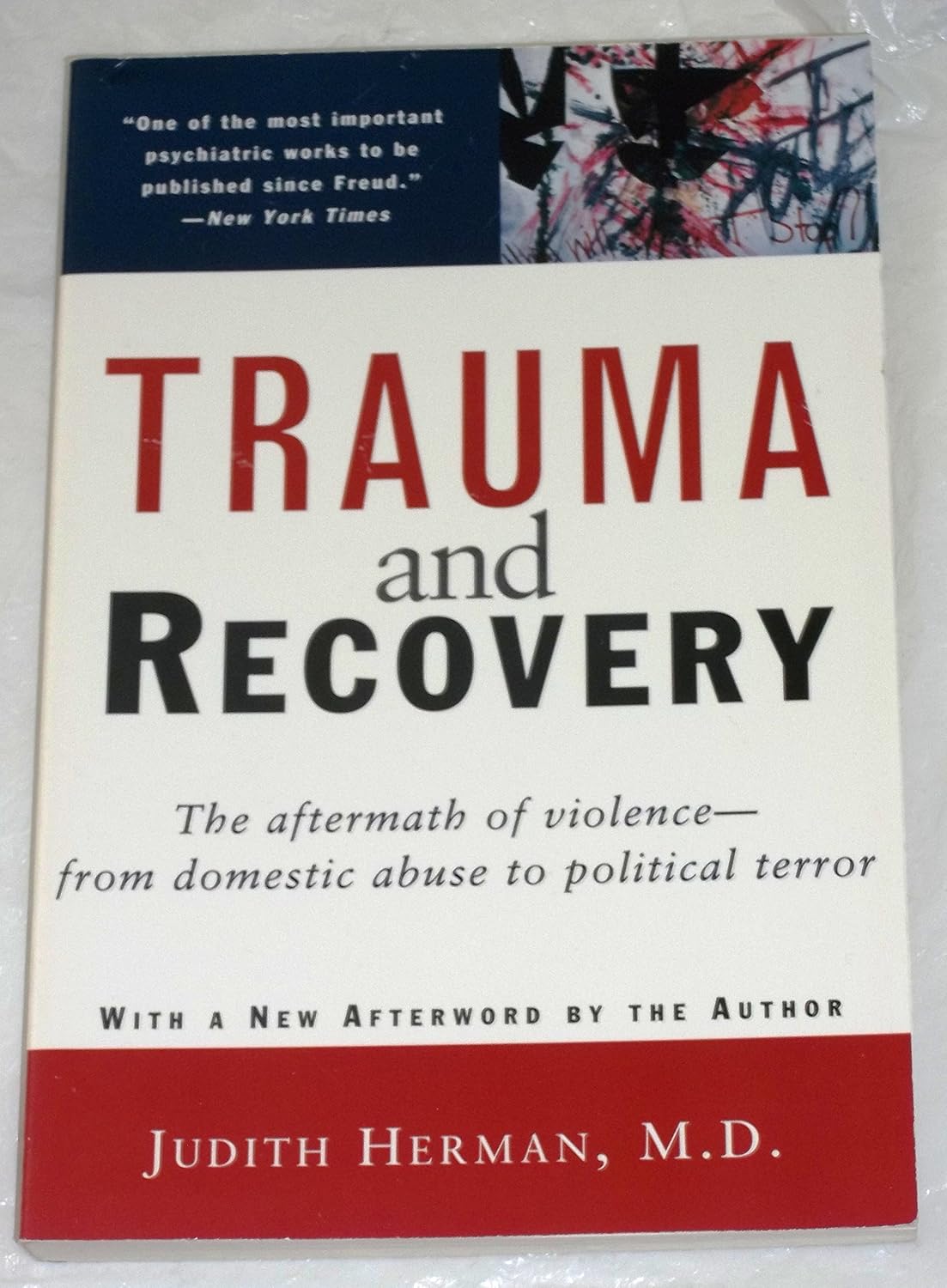
Trauma and Recovery
Judith Lewis Herman, M.D.
The seminal framework for understanding trauma and the stages of recovery — safety, remembrance, and reconnection.
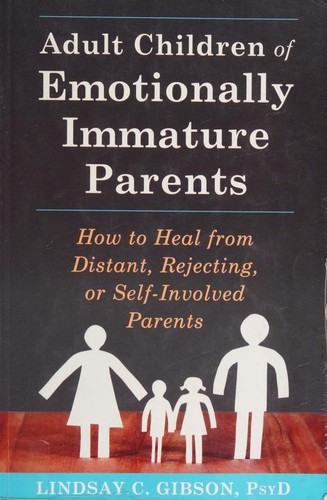
Adult Children of Emotionally Immature Parents
Lindsay C. Gibson, PsyD
A gentle, practical guide to understanding relationships with emotionally distant parents and reclaiming your inner life.
As an Amazon Associate, Clarity House Press earns from qualifying purchases. Your price is never affected.
Found this helpful?
Share it with someone who might need it.
About the Author

Clarity House Press
Editorial Team
The editorial team at Clarity House Press curates and publishes evidence-based content on narcissistic abuse recovery, high-conflict divorce, and healing. Our content is informed by research, survivor experiences, and established trauma-informed approaches.
View all posts by Clarity House Press →Published by Clarity House Press Editorial Team