Please read our important disclaimers before using this content
Understanding Mirror Neurons and Empathy
When you watch someone experience pain, feel their suffering, or instinctively mirror their movements—your brain is doing something remarkable. This isn't just learned behavior or conscious choice. It's happening at the neurological level, through specialized brain cells called mirror neurons that fire both when you perform an action and when you observe someone else performing that same action.1 Research demonstrates that the more empathic a person is, the higher their neural activity during both imitation and observation of others' actions and emotional expressions (Iacoboni, 2009).
Mirror neurons were first discovered in macaque monkeys in the 1990s by Italian neuroscientist Giacomo Rizzolatti and his team. This discovery fundamentally changed how neuroscientists understand social cognition, empathy, and our ability to recognize and relate to others' experiences. But what does this mean for you, especially if you've survived narcissistic abuse or high-conflict relationships?
What Are Mirror Neurons?
Mirror neurons are a subset of motor neurons located in the premotor cortex and inferior parietal lobule of the brain.2 These neurons have a unique dual function:
- They activate when you perform an action (raising your arm, experiencing pain)
- They activate when you observe someone else performing that same action
This neural simulation allows your brain to internally recreate what someone else is experiencing, creating a neurological basis for empathy and emotional understanding. When you watch someone pick up a cup, your mirror neurons fire as if you're picking up the cup yourself—your brain literally simulates their action.
The Mirror Neuron System and Empathy
Research demonstrates that the mirror neuron system (MNS) plays a significant role in human empathy.3 When functional neuroimaging studies examine the brain during empathic responses, they consistently show activation in brain regions containing mirror neurons, particularly:
- The premotor cortex
- The inferior parietal lobule
- The anterior insula (which research has identified as critical for emotional awareness and empathetic pain processing; Craig, 2009)
Brain activation patterns reveal something profound: the same neural regions light up whether you're experiencing pain yourself or observing someone else in pain.4 This neural overlap provides a biological mechanism for understanding others' emotional and physical experiences. A comprehensive review of empathy research found that sharing the emotions of others is consistently associated with activation in neural structures that are also active during the first-hand experience of that emotion (Singer & Lamm, 2009). When a friend cries, your mirror neuron system activates regions associated with your own sadness. When you see someone hurt, regions associated with your own pain activate.
Emotional Contagion: When Others' Emotions Become Ours
Emotional contagion is the phenomenon where you "catch" emotions from others—where their sadness, anxiety, anger, or fear becomes your sadness, anxiety, anger, or fear. This isn't weakness or oversensitivity. It's a fundamental aspect of how the human brain processes social information. Researchers define primitive emotional contagion as "the tendency to automatically mimic and synchronize facial expressions, vocalizations, postures, and movements with those of another person's and, consequently, to converge emotionally" (Hatfield, Cacioppo, & Rapson, 1994).
Mirror neurons contribute to emotional contagion by creating an automatic, largely unconscious pathway for emotional transmission. Research has documented that this process occurs in three stages: mimicry, feedback, and contagion—where people in conversation automatically and continuously mimic and synchronize their movements with the facial expressions, vocal productions, postures, and behaviors of others (Hatfield et al., 2014). When you're in the presence of someone experiencing intense emotion, your mirror neuron system begins simulating their emotional state internally. Your facial muscles may unconsciously mimic theirs. Your breathing may synchronize with theirs. Your nervous system may begin to mirror their arousal state.
This is adaptive in healthy relationships. Emotional contagion allows parents to intuitively respond to infants' needs. It enables friends to support each other through crisis. It creates the felt sense of being understood that bonds humans together. Understanding what healthy relationship green flags look like helps calibrate which nervous systems are safe to attune to.
The Empathy Paradox in Narcissistic Abuse
Here's where mirror neurons and emotional contagion become weaponized in high-conflict relationships: narcissistic individuals often have significantly different mirror neuron system functioning, particularly regarding emotional empathy.5
Research examining psychopathy and narcissism finds that individuals with high psychopathic traits show reduced activation in mirror neuron system regions and weaker neural connections between the mirror neuron system and regions associated with emotional processing. This neurological difference means they may be skilled at mimicking your emotional responses (cognitive/mimicry empathy) while remaining fundamentally disconnected from your actual emotional experience (affective empathy).
Meanwhile, your intact mirror neuron system keeps attempting to establish connection—creating the painful paradox where:
-
Your empathy is weaponized: You feel their pain, their rejection, their rage. Your mirror neurons simulate their distress so intensely that you manage your own behavior to minimize their suffering.
-
They exploit your emotional contagion: They deliberately induce emotional states in you (rage, humiliation, despair) knowing you'll absorb and mirror these emotions. This keeps you dysregulated and compliant.
-
The neurological asymmetry persists: You're constantly trying to understand someone whose neurological capacity for understanding you is fundamentally limited.
Trauma and the Mirror Neuron System
Surviving abuse doesn't just affect your psychology—it recalibrates your neurobiology. Repeated exposure to someone's dysregulation, rage, or emotional manipulation literally trains your mirror neuron system to become hypervigilant.
After abuse, your mirror neurons may:
- Overfire in response to threat cues: You become exquisitely sensitive to micro-expressions of anger or contempt
- Struggle to filter others' emotional states: You absorb the emotions of people around you more readily
- Create false empathy for your abuser: Your neural system mirrors their vulnerability and pain while minimizing the actual harm they've caused
This is why leaving an abusive relationship is neurologically difficult, even when you intellectually understand the abuse. Your mirror neurons have been trained to prioritize connection with your abuser's internal state — a core mechanism of trauma bonding at the neurochemical level. Healing requires not just cognitive awareness but neurological retraining.
Your Next Steps
1. Increase Self-Awareness of Emotional Contagion
For the next week, notice when you're absorbing others' emotions without conscious choice. When does your mood shift to match someone else's? When do you find yourself mimicking their tension, anxiety, or anger? Document these moments without judgment. This awareness is the first step toward conscious choice rather than automatic contagion.
2. Establish Emotional Boundaries Through Physical Distance
Since mirror neurons activate most strongly with direct observation, create physical distance from individuals whose emotional dysregulation affects you. If you share custody or contact with your abuser, minimize face-to-face interaction. Use written communication (email, text) where your mirror neurons aren't activated by their facial expressions or tone of voice.
3. Practice Intentional Empathy Selection
You cannot turn off your mirror neurons, but you can choose whose emotional states you expose yourself to. Surround yourself with people whose emotional stability and regulation capacity help retrain your mirror neuron system toward healthy patterns. Time with regulated, emotionally intelligent people literally rewires your empathy circuits.
4. Use Somatic Techniques to Interrupt Emotional Contagion
When you feel yourself absorbing someone's emotional state, ground yourself in your body:
- 5-4-3-2-1 technique: Name 5 things you see, 4 you can touch, 3 you hear, 2 you smell, 1 you taste. This redirects neural activity from mirroring to sensory grounding.
- Cold water immersion: Splash cold water on your face. This activates the vagal response and disrupts the automatic mirroring process.
- Muscle tension release: Tense and release muscle groups sequentially. This gives your mirror neurons a new action pattern to process.
5. Seek Professional Support for Neurological Healing
Therapies specifically targeting the nervous system and somatic experience—like somatic experiencing for trauma recovery, neurofeedback, or trauma-sensitive yoga—can help retrain your mirror neuron system. A trauma-informed therapist can help you develop the capacity to empathize with yourself while simultaneously protecting yourself from others' emotional manipulation. Our guide to finding the right trauma therapist identifies clinicians who understand these neurobiological patterns.
Key Takeaways
-
Mirror neurons are real: Your brain literally simulates others' experiences, creating the neurological basis for empathy and emotional contagion.
-
Emotional contagion is adaptive—until it's exploited: Your capacity to absorb and mirror others' emotions is healthy in safe relationships but becomes dangerous when someone weaponizes your empathy.
-
Neurological asymmetry is a core feature of abuse: Individuals with narcissistic or psychopathic traits often have reduced mirror neuron system activation regarding emotional empathy, creating a fundamental mismatch in your capacity to understand each other.
-
Healing requires neurological retraining: You can't think your way out of patterns your mirror neuron system has learned. Healing requires somatic practices, emotional boundaries, and deliberate exposure to regulated nervous systems.
-
Your empathy is not your weakness: Understanding how mirror neurons work helps you recognize that your difficulty leaving an abusive relationship isn't a character flaw. Your brain was literally trained to prioritize connection with someone whose neurobiology makes authentic connection impossible.
Resources
Neuroscience and Trauma Resources:
- The Body Keeps the Score by Bessel van der Kolk - Neuroscience of trauma and mirror neuron systems
- The Tell-Tale Brain by V.S. Ramachandran - Mirror neurons and empathy research
- Somatic Experiencing International - Find SE practitioners for neurological healing
- Psychology Today - Therapists - Find trauma-informed therapists for somatic healing
Empathy and Emotional Boundaries:
- Emotional Contagion by Elaine Hatfield - Understanding emotional contagion research
- Greater Good Science Center - UC Berkeley - Empathy and compassion research
- EMDR International Association - Find therapists for trauma reprocessing and boundary work
- National Domestic Violence Hotline - 1-800-799-7233 (SAFE) for empathy exploitation support
Crisis Support and Mental Health:
- 988 Suicide & Crisis Lifeline - Call or text 988 for crisis support (24/7)
- Crisis Text Line - Text HOME to 741741 for crisis counseling
- SAMHSA National Helpline - 1-800-662-4357 for mental health treatment referrals
- r/NarcissisticAbuse - Reddit community for empathy exploitation survivors
References
Additional Peer-Reviewed Sources
-
Craig, A. D. (2009). How do you feel—now? The anterior insula and human awareness. Nature Reviews Neuroscience, 10(1), 59-70. Anterior Insular Cortex and Emotional Awareness
-
Hatfield, E., Cacioppo, J. T., & Rapson, R. L. (1994). Emotional contagion. Cambridge University Press. Emotional Contagion
-
Hatfield, E., Bensman, L., Thornton, P. D., & Rapson, R. L. (2014). New perspectives on emotional contagion: A review of classic and recent research on facial mimicry and contagion. Interpersona: An International Journal on Personal Relationships, 8(2), 159-179. New Perspectives on Emotional Contagion
-
Iacoboni, M. (2009). Imitation, empathy, and mirror neurons. Annual Review of Psychology, 60, 653-670. Imitation, Empathy, and Mirror Neurons
-
Singer, T., & Lamm, C. (2009). The social neuroscience of empathy. Annals of the New York Academy of Sciences, 1156(1), 81-96. The Social Neuroscience of Empathy
Word count: ~1,800 words Reading time: ~8 minutes
References
- Rizzolatti, G., & Craighero, L. (2012). The mirror neuron system. Annual Review of Neuroscience, 27, 169-192. Mirror Neurons and the Neuroscience of Empathy ↩
- Iacoboni, M., & Dapretto, M. (2006). The mirror neuron system and the consequences of its dysfunction. Nature Reviews Neuroscience, 7(12), 942-951. Mirror neuron system involvement in empathy: a critical look at the evidence ↩
- Ramachandran, V. S., & Oberman, L. M. (2006). Broken mirrors: A theory of autism. Scientific American, 295(5), 38-45. Empathy and mirror neurons: A view on contemporary neuropsychological empathy research ↩
- Singer, T., & Lamm, C. (2009). The social neuroscience of empathy. Annals of the New York Academy of Sciences, 1156(1), 81-96. Is the Putative Mirror Neuron System Associated with Empathy? A Systematic Review and Meta-Analysis ↩
- Gu, Hof, Friston, & Fan (2013). Anterior insular cortex and emotional awareness.. The Journal of comparative neurology. https://pmc.ncbi.nlm.nih.gov/articles/PMC3999437/ ↩
Recommended Reading
From Clarity House Press — plus trusted books for deeper understanding

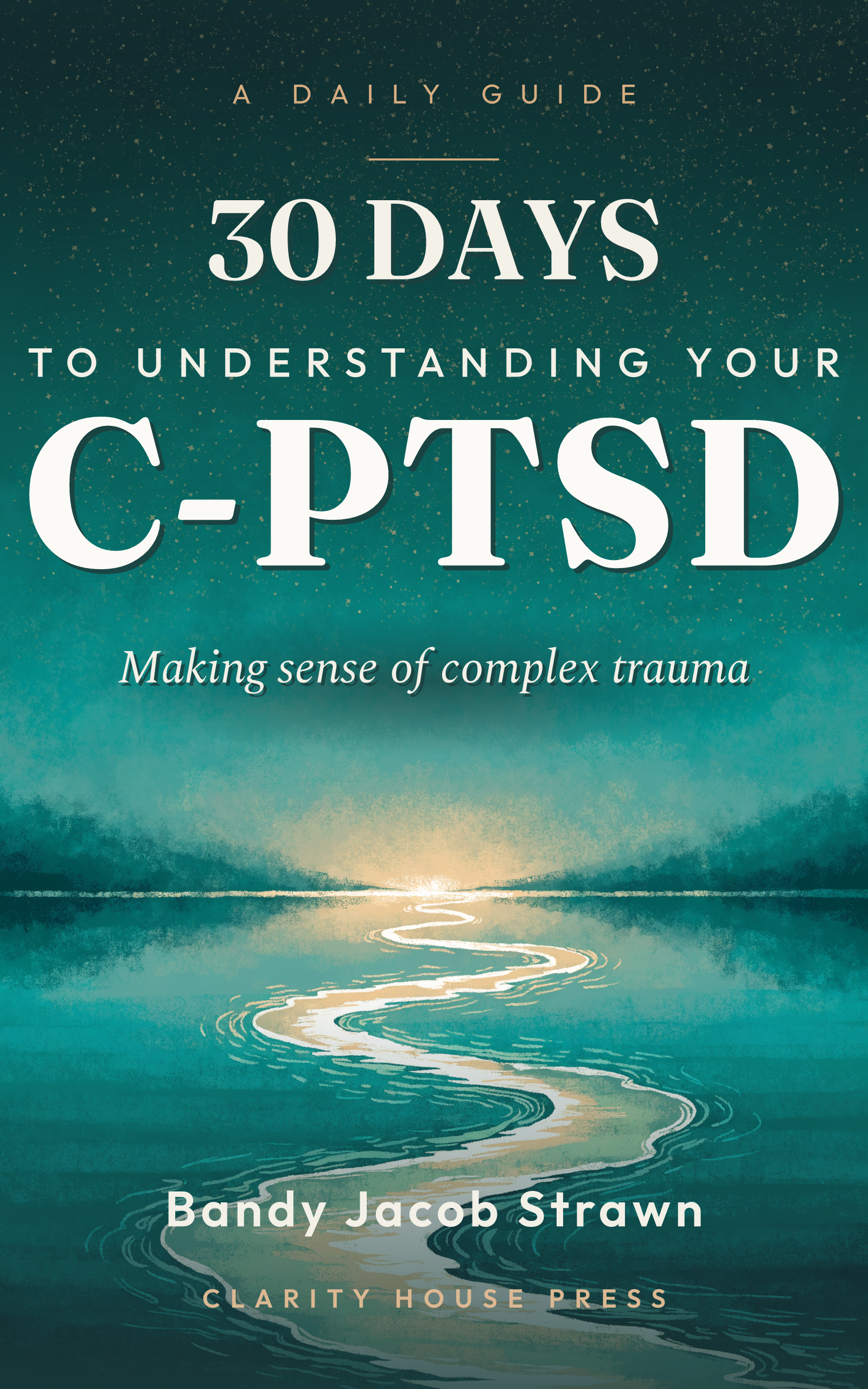
Surviving the Storm: When the Court Takes Your Children
Clarity House Press
For fathers in active high-conflict custody battles. Understand your CPTSD symptoms, begin stabilization, and build foundation for healing. 17 chapters covering recognition, symptoms, and the healing path.
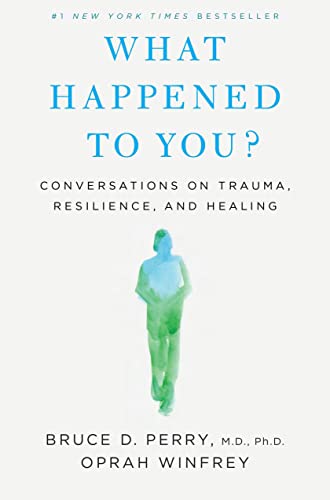
What Happened to You?
Bruce D. Perry, M.D., PhD & Oprah Winfrey
A conversational introduction to how early experience shapes us — reframing 'what's wrong with you' into 'what happened to you.'
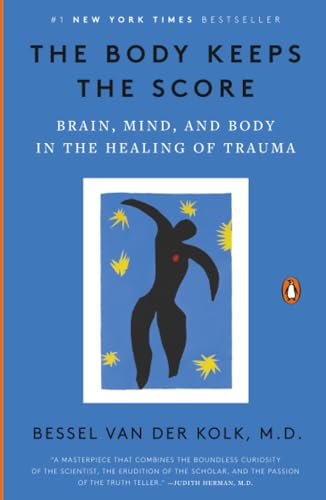
The Body Keeps the Score
Bessel van der Kolk, M.D.
A foundational look at how trauma reshapes the body and nervous system, and the approaches that help the body find safety again.
As an Amazon Associate, Clarity House Press earns from qualifying purchases. Your price is never affected.
Found this helpful?
Share it with someone who might need it.
About the Author

Clarity House Press
Editorial Team
The editorial team at Clarity House Press curates and publishes evidence-based content on narcissistic abuse recovery, high-conflict divorce, and healing. Our content is informed by research, survivor experiences, and established trauma-informed approaches.
View all posts by Clarity House Press →Published by Clarity House Press Editorial Team