Please read our important disclaimers before using this content
When you're a low-income survivor of narcissistic abuse, the most common advice—"just leave"—feels impossible. Economic abuse tactics are specifically designed to make financial independence feel out of reach. Research confirms this lived experience: a study conducted with the National Domestic Violence Hotline found that 73% of survivors stayed longer in abusive relationships than they wanted to because of concerns about supporting themselves or their children financially (Adams & Littwin, 2017).
Because leaving requires money you don't have:
- First month's rent + security deposit + utilities deposit
- Attorney fees ($5,000-$50,000+ for contested divorce)
- Childcare while you work or attend court
- Transportation (car, gas, public transit, rideshares)
- Phone, internet, and communication tools
- Emergency supplies (food, clothing, medication)
- Therapy and mental health care (rarely covered fully by insurance)
And staying seems like the only option when:
- Your abuser controls all money
- You have no credit, no bank account, no employment history
- You share one vehicle (that they control)
- You live paycheck to paycheck with zero savings
- Leaving means homelessness for you and your children
- You can't afford an attorney to fight for custody
- Public benefits barely keep you afloat—and you'd lose them if you left
- You have no family with resources to help you
The truth: Economic abuse is designed to trap you by making leaving financially impossible. Research has found that 99% of domestic violence cases involve some form of financial abuse (Adams et al., 2008).
The good news: Resources exist—free legal help, emergency shelter, financial assistance, pro bono attorneys, and DV organizations that understand poverty is a barrier, not a choice.
This post addresses:
- How economic abuse keeps low-income survivors trapped
- Legal options when you can't afford an attorney
- Accessing public benefits and emergency financial assistance
- Finding free or low-cost mental health care
- Housing options beyond "just rent an apartment"
- Strategies for building financial independence from nothing
How Economic Abuse Traps Low-Income Survivors
The Intersection of Poverty and Abuse
A multicountry review published in Trauma, Violence, & Abuse found that economic abuse exists across three domains: economic exploitation, economic control, and employment sabotage (Postmus et al., 2020). These tactics create what researchers call "total dependency."
Economic abuse + poverty = total dependency:
When you're already living in poverty, economic abuse is even more devastating because:
- You have no financial cushion (no savings, no backup plan)
- Your abuser controls the ONLY source of income
- Losing housing means literal homelessness (not just moving to a smaller place)
- You can't "just get a job" (childcare costs, transportation, lack of work history)
- Public benefits are barely enough to survive—and often tied to household income (leaving may mean losing benefits)
Economic abuse tactics in low-income relationships:
- Controlling the only bank account
- Taking your paycheck or benefit payments
- Preventing you from working (sabotaging jobs, refusing childcare, creating crises)
- Forcing you to work and taking all the money
- Racking up debt in your name
- Refusing to contribute financially while demanding you cover all expenses
- Threatening to stop paying rent (making you homeless)
- Using your need for housing/food/transportation to control you
"You Can't Afford to Leave" Is the Point
Abusers deliberately create financial dependency:
- Sabotage your employment (make you late, create drama, harass you at work until you're fired)
- Control access to vehicles (take keys, disable car, refuse to let you get driver's license)
- Prevent education or job training (mock your ambitions, create barriers to attending school)
- Take any money you earn (leaving you with nothing)
- Destroy your credit (open accounts in your name, max them out, don't pay)
- Isolate you from family who might help financially
The message: "Without me, you're homeless. You need me to survive."
A scoping review of 35 peer-reviewed studies found significant associations between economic abuse and mental health issues, physical health problems, financial devastation, and reduced quality of life—all of which make leaving more difficult (Stylianou, 2022).
The lie: You don't need your abuser—you need resources. Resources exist.
The Poverty Penalty in Divorce and Custody
For survivors who cannot afford an attorney, understanding how to represent yourself in high-conflict custody cases can be the difference between losing and keeping your parental rights.
Family court is designed for people with resources:
- Attorney fees: $250-$500+ per hour
- Filing fees: $200-$400 (varies by state)
- Custody evaluations: $3,000-$10,000
- Expert witnesses: $2,000-$5,000 per expert
- Court costs, mediation, document fees, process server fees
If you can't afford these:
- You represent yourself (pro se)—while your abuser may hire an attorney
- Judges may not take you as seriously without an attorney
- You may miss critical legal deadlines or procedures
- You can't afford custody evaluations or expert witnesses (even when they'd help your case)
- Court processes take YEARS—during which you're still legally tied to abuser
The result: Low-income survivors lose custody, accept unfair settlements, or stay in abusive relationships because they can't afford to fight. Research from the Institute for Women's Policy Research confirms that the intersection of domestic violence and poverty creates "constrained resources and heightened stress" that further entraps survivors and lengthens the escape process (IWPR, 2016).
Legal Options When You Can't Afford an Attorney
1. Legal Aid Organizations
What is legal aid? Free or low-cost legal services for low-income individuals in civil matters (including family law).
Eligibility:
- Income below a certain threshold (typically 125-200% of federal poverty line)
- May prioritize DV survivors, elderly, disabled, or those with children
- Some legal aid organizations specialize in DV cases
What legal aid can provide:
- Free attorney representation (if you qualify and they have capacity)
- Legal advice and consultations
- Help with paperwork (filing for divorce, protective orders, custody)
- Court representation in some cases
- Referrals to other services
Limitations:
- High demand, long waitlists (may not get help immediately)
- Limited capacity (not enough attorneys for all who need help)
- May only handle certain types of cases (e.g., protective orders but not full divorce)
How to find legal aid:
- Legal Services Corporation (LSC): lsc.gov/find-legal-aid (search by zip code)
- State bar associations (most have legal aid directories)
- Domestic violence organizations (often have partnerships with legal aid)
- Call 211 (United Way helpline—can connect you to local legal aid)
2. Pro Bono Attorneys
What is pro bono? Private attorneys who volunteer their time to represent clients for free.
Where to find pro bono help:
- State and local bar associations (many have pro bono programs)
- DV legal clinics (attorneys volunteer at DV organizations)
- Law school legal clinics (supervised law students provide free help)
- Pro Bono Net: probono.net (directory of pro bono services)
Challenges:
- Limited availability (not all cases qualify)
- May require you to meet income guidelines
- Attorney may handle only part of your case (unbundled legal services)
3. Domestic Violence Legal Advocates
What are DV legal advocates? Non-attorneys who work for DV organizations and help survivors navigate legal system.
What DV advocates can do:
- Explain legal process and options
- Help you fill out forms (protective orders, custody, divorce)
- Accompany you to court
- Connect you to pro bono or legal aid attorneys
- Safety planning and documentation
- Referrals to other services
What they CANNOT do:
- Provide legal advice (they're not attorneys)
- Represent you in court (in most states)
How to find DV legal advocates:
- National Domestic Violence Hotline: 1-800-799-7233 (can connect you to local DV organizations)
- State DV coalitions (search "[your state] domestic violence coalition")
- Local DV shelters and programs
4. Fee Waivers and Payment Plans
Fee waivers: Most states allow you to request waiver of court filing fees if you can't afford them.
How to request fee waiver:
- File form requesting waiver (usually called "Application for Waiver of Court Fees" or similar)
- Provide proof of income (pay stubs, benefit statements, tax returns)
- Explain financial hardship
If approved: You don't pay filing fees, service fees, or some other court costs.
Payment plans:
- Some courts allow payment plans for fees you can't pay upfront
- Some attorneys offer sliding scale fees or payment plans (ask)
5. Unbundled Legal Services (Limited Scope Representation)
What is unbundled legal services? Attorney handles PART of your case (not full representation)—reducing cost.
Examples:
- Attorney reviews and edits your paperwork (but you file it yourself)
- Attorney represents you at ONE hearing (but not entire case)
- Attorney provides legal advice and coaching (you do the court appearances)
Why it's helpful:
- More affordable than full representation
- You get professional legal help where you need it most
- You handle parts you can manage yourself
How to find:
- Ask legal aid or private attorneys if they offer unbundled services
- State bar associations (some have unbundled services programs)
6. Representing Yourself (Pro Se)
What is pro se representation? You represent yourself in court without an attorney.
When it's necessary:
- You can't find attorney (even pro bono/legal aid)
- Your case is relatively straightforward
- You're capable of learning legal procedures and filing paperwork
Challenges:
- Court processes are complex (easy to make mistakes)
- Judges hold you to same standards as attorneys
- Opposing attorney may intimidate or outmaneuver you
- You may not know what evidence or arguments to present
Resources for pro se litigants:
- Court self-help centers (most courthouses have these)
- State court websites (often have forms and instructions)
- Law libraries (free access to legal resources and librarians who can help)
- DV legal advocates (can help with paperwork even if you're pro se)
Tips for pro se success:
- Use all available resources (self-help centers, DV advocates, legal aid consultations)
- Follow court rules meticulously (deadlines, formatting, procedures)
- Stay organized (keep copies of EVERYTHING)
- Be respectful and professional in court
- Ask for accommodations if you have disability, language barrier, or trauma
Accessing Public Benefits and Emergency Financial Assistance
Public Benefits You May Qualify For
1. TANF (Temporary Assistance for Needy Families):
- Cash assistance for low-income families with children
- Eligibility: Very low income, U.S. citizen or qualified immigrant, have dependent children
- Amount: Varies by state ($200-$700+/month typically)
- How to apply: State TANF office or online
2. SNAP (Supplemental Nutrition Assistance Program) / Food Stamps:
- Benefits to purchase food
- Eligibility: Low income, U.S. citizen or qualified immigrant
- Amount: Varies by household size and income
- How to apply: State SNAP office or online
3. WIC (Women, Infants, and Children):
- Nutrition assistance for pregnant women, new mothers, infants, and young children
- Eligibility: Low income, pregnant or postpartum, or have children under 5
- How to apply: Local WIC office
4. Medicaid / CHIP (Children's Health Insurance Program):
- Free or low-cost health insurance
- Eligibility: Low income (varies by state—some states have expanded Medicaid, some haven't)
- Covers medical, dental, mental health, prescriptions
- How to apply: Healthcare.gov or state Medicaid office
5. Section 8 / Housing Choice Voucher:
- Rental assistance for low-income families
- Eligibility: Very low income (typically below 50% of area median income)
- Long waitlists in most areas (months to years)
- How to apply: Local public housing authority (PHA)
6. LIHEAP (Low Income Home Energy Assistance Program):
- Help with heating/cooling bills
- Eligibility: Low income
- How to apply: State LIHEAP office (seasonal—often winter months)
7. Childcare Subsidies:
- Help paying for childcare so you can work or go to school
- Eligibility: Low income, working or in school/training
- How to apply: State childcare assistance office
8. SSI (Supplemental Security Income) or SSDI (Social Security Disability Insurance):
- Cash assistance if you're disabled and unable to work
- Eligibility: Disability that prevents work, low income/resources (SSI) or sufficient work credits (SSDI)
- How to apply: Social Security Administration (ssa.gov or local office)
Emergency Financial Assistance
Domestic violence organizations:
- Many DV shelters and programs offer emergency financial assistance
- May cover: rent, utilities, transportation, moving costs, childcare
- Contact local DV organizations to ask about emergency funds
Modest Needs Foundation:
- Grants for low-income individuals facing emergency expenses
- modestneeds.org
Community Action Agencies:
- Local organizations providing emergency assistance (rent, utilities, food)
- communityactionpartnership.com/find-a-cap
Churches and faith-based organizations:
- Many churches have benevolence funds for people in crisis
- Catholic Charities, Salvation Army, St. Vincent de Paul Society, Jewish Family Services
- You typically don't need to be member to receive help
211 / United Way:
- Dial 211 for referrals to local emergency assistance (rent, food, utilities, shelter)
- Free and confidential
Crowdfunding (as last resort):
- GoFundMe, Fundly, or other platforms
- Share your need (safely—don't reveal location or identifying details if abuser might see)
- Friends, family, and strangers may contribute
Economic Abuse and Public Benefits
Abusers may sabotage your access to benefits:
- Refusing to provide documentation you need (social security numbers, birth certificates, income verification)
- Lying about household income (to make you ineligible)
- Threatening to report you for "welfare fraud" (even when you're complying)
- Forcing you to apply for benefits, then taking the money
Protections:
- You can apply for benefits without abuser's cooperation (if you're separated)
- If you're still living together, household income counts—but you may still qualify
- Report economic abuse to benefits caseworker (they may be able to help)
Housing Options When You Can't Afford Rent
1. Domestic Violence Shelters
What DV shelters provide:
- Free, safe housing (typically 30-90 days, sometimes longer)
- Meals, clothing, hygiene products
- Childcare and children's programs
- Counseling, support groups, advocacy
- Legal help, safety planning, job training
- Confidential locations (abuser can't find you)
Eligibility:
- Experiencing domestic violence (or recently left)
- Many shelters accept you with or without children
How to access:
- National Domestic Violence Hotline: 1-800-799-7233 (can connect you to local shelters)
- Local DV organizations (call directly)
- 211 (United Way—can provide shelter referrals)
Challenges:
- Limited space (may have waitlists)
- Rules and restrictions (curfews, chores, program participation)
- Shared living space (dormitory-style or shared rooms)
- Time limits (you can't stay indefinitely)
Know: Shelters are temporary—but they give you time to plan, save money, and access resources.
2. Transitional Housing Programs
What is transitional housing? Longer-term housing (6 months to 2 years) for DV survivors while you build independence.
What they provide:
- Private apartment or shared housing
- Case management and support services
- Job training, financial literacy, life skills
- Help transitioning to permanent housing
Eligibility:
- DV survivors (often must have stayed in shelter first)
- Willing to participate in programs and work toward independence
How to find:
- DV organizations (many run transitional housing programs)
- State DV coalitions
Challenges:
- Limited availability (fewer transitional housing programs than shelters)
- May have requirements (employment, savings goals, program participation)
3. Rapid Rehousing Programs
What is rapid rehousing? Short-term rental assistance (typically 3-12 months) to help you move into your own apartment quickly.
What they provide:
- Help with security deposit, first month's rent
- Short-term rental subsidies (decreasing over time)
- Case management and services
Goal: Get you into stable housing fast, with support to maintain it.
Eligibility:
- Experiencing homelessness or at risk of homelessness
- Many programs prioritize DV survivors
How to find:
- Coordinated Entry (homeless services system in your area—call 211)
- DV organizations (some run rapid rehousing programs)
4. Staying with Family or Friends
If you have safe family or friends:
- This can be your best option (free, familiar, supportive)
- Discuss boundaries and expectations upfront
- Contribute however you can (childcare, chores, food assistance)
If you don't have safe family or friends:
- DV advocates can sometimes help arrange safe temporary housing (supportive community members, host homes)
Safety considerations:
- Don't stay anywhere abuser knows about (unless you have protective order)
- Have backup plan if housing falls through
5. Homeless Services and General Shelters
If DV shelter is full or you don't qualify:
- General homeless shelters (not DV-specific)
- Family shelters (if you have children)
Challenges:
- Less privacy and safety than DV shelters
- May not have DV-specific services
- Can be traumatizing environment
How to access:
- 211 or local homeless services hotline
- Coordinated Entry system
6. Long-Term Strategies: Affordable Housing
Section 8 / Housing Choice Voucher:
- Apply NOW (even if waitlist is years long)
- Some housing authorities have DV preference (move you up the list)
Public housing:
- Subsidized apartments owned by housing authority
- Apply through local public housing authority
Affordable housing developments:
- Private apartments with income restrictions
- Rent is capped at percentage of income
- Search "affordable housing" + your city
VAWA housing protections:
- Violence Against Women Act protects DV survivors in federally-assisted housing
- You cannot be evicted or denied housing because of DV
- You can request emergency transfer if you're in danger
Free or Low-Cost Mental Health Care
Therapy and Counseling Options
1. Domestic violence organizations:
- Free counseling and support groups
- Trauma-informed therapists who understand DV
- Individual and group therapy
2. Community mental health centers:
- Sliding scale fees (pay based on income—can be $0-$20/session)
- Accept Medicaid
- Search "community mental health center" + your city
3. Federally Qualified Health Centers (FQHCs):
- Medical and mental health services on sliding scale
- findahealthcenter.hrsa.gov
4. University training clinics:
- Supervised graduate students provide low-cost therapy
- Search "[your city] university counseling clinic"
5. Open Path Collective:
- Network of therapists offering $30-$80/session
- openpathcollective.org (one-time $65 membership fee)
6. Crisis lines and text lines:
- National Domestic Violence Hotline: 1-800-799-7233
- Crisis Text Line: Text HOME to 741741
- SAMHSA National Helpline: 1-800-662-4357 (mental health and substance abuse)
7. Online therapy (low-cost options):
- BetterHelp, Talkspace (subscription-based, less than traditional therapy)
- Some offer financial aid
- Not ideal for complex trauma, but better than nothing
8. Support groups:
- DV support groups (free, facilitated by DV organizations)
- Peer support groups (survivors supporting each other)
Medication and Psychiatric Care
If you need psychiatric medication:
- Community mental health centers (psychiatrists on staff, sliding scale)
- FQHCs (some have psychiatric services)
- Medicaid (covers psychiatric care and medications)
- Prescription assistance programs (if you can't afford medications—see goodrx.com, needymeds.org)
Custody Battles Without an Attorney
The Reality: It's Harder, But Not Impossible
Challenges:
- Abuser may have attorney (you're at disadvantage)
- Court procedures are confusing
- Judges may not explain things clearly
- You may miss legal arguments that would help your case
Strategies for pro se custody cases:
1. Document EVERYTHING:
- Abuse (texts, emails, photos, medical records, police reports)
- Your parenting (school involvement, medical appointments, daily care)
- Abuser's lack of involvement or harmful behavior
2. Use court self-help resources:
- Self-help centers can help with forms
- Sample custody declarations and parenting plans
3. Request DV-informed custody evaluator (if evaluation is ordered):
- If you can't afford private evaluator, request court-appointed
- Educate evaluator about DV dynamics (provide research if possible)
4. Focus on children's best interests:
- Courts care about: stability, safety, parent-child relationships, continuity
- Frame arguments around what's best for kids, not your anger at abuser
5. Know basic legal standards:
- "Best interests of the child" is the standard
- DV is relevant to custody (if documented)
- Courts prefer shared custody—but DV can change this
6. Be organized and professional:
- Bring organized evidence (binders, labeled exhibits)
- Dress professionally
- Speak respectfully (even about abuser)
7. Request accommodations if you're traumatized:
- Support person in courtroom
- Separate waiting areas from abuser
- Testifying via video if necessary
Building Financial Independence from Nothing
When You Have No Money, No Job, No Credit
Step 1: Ensure basic survival:
- Access public benefits (TANF, SNAP, Medicaid)
- Secure safe housing (shelter, family, rapid rehousing)
- Get children's needs met (WIC, free/reduced lunch, childcare subsidies)
Step 2: Open bank account in your name only:
- Many banks offer free checking for low-income individuals
- Credit unions often have low fees
- Have benefits deposited directly (not accessible to abuser)
Step 3: Access free job training and education:
- Workforce development programs (job training, resume help, interview skills)
- Community colleges (financial aid, grants, scholarships for low-income students)
- DV organizations (many offer job readiness programs)
- Online certifications (Google, Coursera, etc.—some free or low-cost)
Step 4: Start working (even part-time):
- Any income is progress
- Part-time, entry-level, gig work (DoorDash, Instacart, etc.)
- Childcare subsidies can help cover childcare costs while you work
- Remote work options (if you have internet access)
Step 5: Build credit:
- Secured credit card ($200 deposit becomes your credit limit—helps build credit)
- Pay bills on time (utilities, phone—ask companies to report to credit bureaus)
- Check credit report (annualcreditreport.com—free once a year)
- Dispute fraudulent accounts opened by abuser
For comprehensive guidance on rebuilding financially after economic abuse, including credit repair and long-term stability strategies, see our dedicated guide.
Step 6: Save small amounts consistently:
- Even $5/week adds up
- Use apps like Acorns, Digit (automate savings)
- Hide cash if necessary (if abuser still has access)
Step 7: Plan for long-term stability:
- Career development (education, certifications, promotions)
- Affordable housing (apply for Section 8, save for deposit)
- Legal resolution of divorce/custody (with attorney help if possible)
Timeline: This takes YEARS. Be patient with yourself. Financial independence after economic abuse is a marathon, not a sprint.
You Are Not Trapped Forever
Yes, leaving abuse when you're poor is extraordinarily hard.
Yes, the system is rigged against low-income people.
Yes, you face barriers that wealthier survivors don't.
But:
Resources exist (free legal help, shelters, public benefits, DV organizations).
You don't need money to leave—you need a plan and access to resources.
Thousands of low-income survivors leave every year—you can too.
Economic abuse is designed to make you feel helpless—but you're not.
Poverty is not a moral failing—it's a systemic issue. You deserve help regardless of your income.
You deserve safety, stability, and freedom—not just survival.
Your children deserve a peaceful home—even if it's a small apartment instead of a house.
Freedom is possible. Resources exist. You are worth the effort.
Once you're safe, the work of long-term financial recovery begins with building an emergency fund that protects your independence going forward.
Start where you are. Use what you have. Do what you can.
You are not alone.
NOTE ON HOTLINE NUMBERS: Phone numbers for crisis hotlines, legal aid, and support services are provided as a resource. These numbers are current as of publication but may change. Please verify hotline numbers are still active before relying on them. For the National Domestic Violence Hotline, visit thehotline.org for current contact information.
Resources for Low-Income Survivors
Legal Help:
- Legal Services Corporation (find legal aid): lsc.gov/find-legal-aid
- Pro Bono Net: probono.net
- National Domestic Violence Hotline (legal referrals): 1-800-799-7233
Public Benefits:
- Benefits.gov (check eligibility for all federal benefits)
- 211 (United Way—local benefits assistance)
- SNAP (food stamps): fns.usda.gov/snap
- TANF: acf.hhs.gov/ofa/programs/tanf
Housing:
- National Domestic Violence Hotline (shelter referrals): 1-800-799-7233
- HUD Housing Resources: hud.gov/topics/rental_assistance
- Coordinated Entry (homeless services): Call 211
Financial Assistance:
- Modest Needs: modestneeds.org
- Community Action Partnership: communityactionpartnership.com
- 211 (emergency assistance referrals)
Mental Health:
- SAMHSA National Helpline: 1-800-662-4357
- Community mental health centers (search by city)
- Open Path Collective: openpathcollective.org
Job Training:
- American Job Centers: careeronestop.org
- Goodwill Job Training: goodwill.org
- Local DV organizations (job readiness programs)
Credit and Financial Literacy:
Resources
Emergency Financial Assistance:
- FreeFrom - Financial resources and cash assistance for survivors
- DomesticShelters.org - Find shelters with financial assistance programs
- Benefits.gov - Federal benefits (SNAP, TANF, housing assistance)
- HUD Housing Assistance - Emergency housing and VAWA protections
Economic Abuse and Financial Recovery:
- National Domestic Violence Hotline - 1-800-799-7233 (SAFE) for economic abuse support
- National Foundation for Credit Counseling - HUD-approved financial counseling
- AnnualCreditReport.com - Free annual credit reports
- MyMoney.gov - Financial education resources
Legal Aid and Support:
- Legal Services Corporation - Find free legal aid near you
- WomensLaw.org - Legal information for low-income survivors
- 988 Suicide & Crisis Lifeline - Call or text 988 for crisis support
- Crisis Text Line - Text HOME to 741741 for crisis counseling
If you are in immediate danger, call 911.
Poverty is not a character flaw. Economic abuse is not your fault. You deserve safety and resources. Help exists. You are worth it.
References
Adams, A. E., & Littwin, A. (2017). The financial lives of survivors of intimate partner violence. William & Mary Journal of Women and the Law, 23(3), 359-399. https://scholarship.law.wm.edu/cgi/viewcontent.cgi?article=1380&context=wmjowl
Adams, A. E., Sullivan, C. M., Bybee, D., & Greeson, M. R. (2008). Development of the Scale of Economic Abuse. Violence Against Women, 14(5), 563-588. https://doi.org/10.1177/1077801208315529
Institute for Women's Policy Research. (2016). Intersections of domestic violence and economic security (IWPR #B362). https://iwpr.org/wp-content/uploads/2020/11/B362-Domestic-Violence-and-Economic-Security.pdf
Postmus, J. L., Hoge, G. L., Breckenridge, J., Sharp-Jeffs, N., & Chung, D. (2020). Economic abuse as an invisible form of domestic violence: A multicountry review. Trauma, Violence, & Abuse, 21(2), 261-283. https://doi.org/10.1177/1524838018764160
Stylianou, A. M. (2022). Examining the impact of economic abuse on survivors of intimate partner violence: A scoping review. BMC Public Health, 22, 948. https://doi.org/10.1186/s12889-022-13297-4
Recommended Reading
From Clarity House Press — plus trusted books for deeper understanding


Waking the Tiger: Healing Trauma
Peter A. Levine & Ann Frederick
An introduction to Somatic Experiencing and the body's innate capacity to release trauma and restore balance.
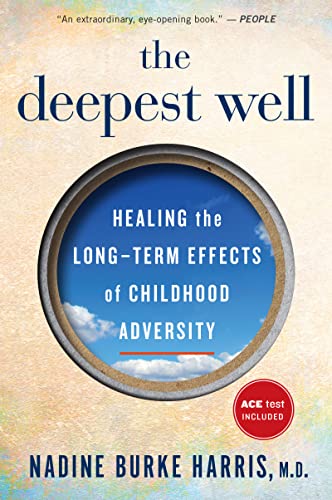
The Deepest Well
Nadine Burke Harris, M.D.
A pediatrician's clear explanation of how adverse childhood experiences affect lifelong health — and what recovery can look like.
As an Amazon Associate, Clarity House Press earns from qualifying purchases. Your price is never affected.
Found this helpful?
Share it with someone who might need it.
Tags
About the Author

Clarity House Press
Editorial Team
The editorial team at Clarity House Press curates and publishes evidence-based content on narcissistic abuse recovery, high-conflict divorce, and healing. Our content is informed by research, survivor experiences, and established trauma-informed approaches.
View all posts by Clarity House Press →Published by Clarity House Press Editorial Team