Please read our important disclaimers before using this content
You save lives. You comfort the dying. You work double shifts when the unit is understaffed. You bring empathy, clinical precision, and unwavering dedication to your patients every single day.
And somehow, the person who was supposed to love you weaponized all of it.
If you're a healthcare worker divorcing a narcissist, you're facing challenges your colleagues without abusive partners can't fully understand. Your profession—built on empathy, crisis management, and putting others' needs first—created specific vulnerabilities that narcissists exploit with surgical precision. Understanding how narcissists select and groom their targets helps explain why caregiving professionals are disproportionately affected.
Why Narcissists Target Healthcare Professionals
Healthcare workers aren't randomly selected by narcissistic partners. While not all healthcare workers experience these dynamics, many possess specific traits and professional circumstances that narcissistic individuals exploit for manipulation and control.
The Empathy Factor
Your clinical training taught you to assess suffering, respond compassionately, and persist through difficult cases. You don't give up on patients when they're struggling. You don't abandon people in crisis. Research shows that [healthcare workers experience high rates of burnout and compassion fatigue]1 that can affect their personal relationships.
A narcissist recognizes this immediately. They present as wounded, misunderstood, uniquely suffering—and your professional instinct to heal kicks in. You see their pain as a "case" to solve rather than a manipulation tactic to exploit your caregiving nature.
What looks like love is actually predation. They didn't fall for you despite your empathy—they targeted you because of it.
The Martyr Complex
Healthcare culture glorifies self-sacrifice. You're praised for working through exhaustion, missing family events for patient care, and putting your needs last. This professional martyrdom translates perfectly into an abusive relationship.
When your narcissistic partner demands you cancel plans to attend to their "crisis," skip your therapy appointment because they need you, or sacrifice your sleep to manage their emotional meltdown—it feels familiar. It's the same self-sacrifice your profession rewards.
You've been trained to see your own needs as secondary. A narcissist doesn't have to train you—your profession already did.
Crisis Mode as Normal
Healthcare workers operate in sustained crisis. Code blues. Trauma activations. Pandemic surges. You're accustomed to adrenaline, hypervigilance, and rapid-fire decision-making under pressure.
A narcissist creates artificial crises constantly—manufactured emergencies, explosive fights, threats of harm. For you, this chaos doesn't register as abnormal. It feels like another shift in the ER. You go into clinical mode: assess, stabilize, manage.
You don't recognize that healthy relationships don't require crisis management.
The Fixer Mentality
You're trained to diagnose problems and implement solutions. Patient deteriorating? Adjust the treatment plan. Symptoms worsening? Order additional tests. Families struggling? Provide resources and education.
When your narcissistic partner exhibits concerning behaviors—rage, manipulation, lies—you approach it like a treatable condition. You research personality disorders. You suggest couples therapy. You modify your behavior to reduce their "symptoms."
But narcissistic abuse isn't a medical problem with a treatment algorithm. You can't fix someone who doesn't believe they're broken.
How Your Medical Knowledge Gets Weaponized
The very expertise that makes you excellent at your job becomes ammunition in your abuser's hands.
Your Mental Health History
Many healthcare workers experience occupational stress including burnout, compassion fatigue, anxiety, and depression—these are occupational hazards, not character flaws. According to the [CDC's National Institute for Occupational Safety and Health (NIOSH), healthcare workers face elevated rates of anxiety, depression, and PTSD]2 compared to the general population. However, if you've sought treatment for mental health concerns (which many healthcare workers do to manage occupational stress), your narcissistic ex may weaponize this in custody battles:
- "She's on antidepressants—how can she care for the children?"
- "He was hospitalized for burnout—he's unstable."
- "Her therapist diagnosed her with PTSD—she's unfit to parent."
Your proactive mental healthcare—the responsible thing healthcare workers know to do—gets reframed as evidence of instability. Your ex conveniently ignores that untreated trauma and stress are far more dangerous than seeking help.
Document your treatment as evidence of responsibility, not instability. Mental healthcare is preventive medicine, not admission of incompetence.
Your Diagnoses Used Against You
You understand diagnostic criteria. If you've been diagnosed with C-PTSD, anxiety, or depression from the abuse, you can explain the neurobiology. You know these are normal responses to abnormal circumstances.
Your narcissistic ex doesn't care about clinical accuracy. They'll misrepresent your diagnoses to the court:
- Presenting C-PTSD as "borderline personality disorder" (implying you're the unstable one)
- Claiming your trauma responses are "parental alienation"
- Suggesting your anxiety makes you overprotective or irrational
Work with trauma-informed evaluators who understand abuse-related diagnoses. Bring research. Educate the court. Don't let clinical terms be weaponized through ignorance.
Medical Gaslighting
When you raise concerns about your narcissistic ex's behavior, they use your medical training against you:
- "You're diagnosing me without a license—that's unethical."
- "Stop pathologizing normal disagreements."
- "You think everyone's a narcissist because you read too many psychology articles."
This is medical gaslighting—using your professional knowledge to dismiss your legitimate concerns. They're right that you can't officially diagnose them, but you absolutely can recognize patterns consistent with narcissistic abuse and protect yourself accordingly.
Trust your clinical instincts. You don't need a formal diagnosis to recognize when someone's behavior is harming you.
Shift Work: The Custody Battle Nightmare
Healthcare shift work creates unique vulnerabilities in high-conflict custody disputes.
Unpredictable Schedules
Unlike professionals with standard 9-to-5 schedules, healthcare workers often have:
- Rotating shifts (days, evenings, nights)
- Mandatory overtime
- On-call requirements
- Weekend and holiday rotations
- Last-minute schedule changes
Traditional custody schedules assume predictable work hours. Family courts often favor the parent with "stable" schedules—meaning your narcissistic ex with a desk job appears more suitable for custody than you, despite being an abusive partner.
Proactive strategies:
-
Request a fixed schedule if possible. Many healthcare employers offer consistent shifts for parents. Get this in writing BEFORE custody negotiations.
-
Maintain detailed work schedules 6-12 months in advance. Show the court your schedule is predictable even if it's not 9-to-5.
-
Establish backup childcare plans. Identify consistent backup caregivers (family, trusted friends, licensed providers) and document this support system.
-
Use shift work as a custody scheduling advantage. Propose custody schedules that align with your actual availability rather than arbitrary "every other weekend" patterns.
On-Call Complications
Being on-call creates impossible situations:
- You can't guarantee you'll be available for scheduled parenting time
- Your ex uses "unreliability" to argue for reduced custody
- Last-minute call-ins force you to activate backup care, which your ex frames as "instability"
Address this proactively in your parenting plan:
"When [Parent] is called in for mandatory work obligations, [Parent] will activate the following backup care in this priority order: [list specific people]. The on-call parent retains legal custody and decision-making authority during these periods. This arrangement does not constitute a custody time modification."
Night Shifts and Awake Parenting
Some judges don't understand that night shift workers sleep during the day and are awake/available during evenings and nights. Your ex may argue:
"She works nights, so she sleeps all day and can't care for the children."
Reality: You sleep 8am-4pm and are fully available 4pm-12am when kids need homework help, dinner, bedtime routines, and overnight care. This is often MORE parenting time than a 9-to-5 parent who's gone 7am-7pm.
Document your actual availability hours, not just your work hours. Show when you're awake, present, and actively parenting.
The Martyr Trap in Custody Disputes
Your professional habit of picking up extra shifts, covering for colleagues, and sacrificing personal time creates evidence your ex will weaponize:
"She chooses work over her children. She's always at the hospital."
This is a no-win situation. Healthcare is often mandatory overtime, not optional. Refusing shifts can cost your job. But taking them gives your ex ammunition.
Strategic approach:
-
Document when shifts are mandatory vs. voluntary. Keep emails showing "mandatory callback" or "unit short-staffed—required coverage."
-
Only volunteer for extra shifts during your ex's parenting time. If you work extra during their custody time, it doesn't affect the children's care.
-
Decline voluntary shifts during your parenting time whenever possible. Prioritize visible presence with children during your custody periods.
Professional Reputation Attacks
Healthcare workers are licensed professionals with reputations to protect. Narcissistic exes know this—and exploit it.
Licensing Board Complaints
The most devastating weapon your ex can deploy: filing complaints with your state medical board, nursing board, or professional licensing body.
False allegations might include:
- "Substance abuse" (claiming you're diverting medications)
- "Mental instability" (your depression treatment reframed as impairment)
- "Unprofessional conduct" (misrepresenting your behavior)
- "Patient safety concerns" (inventing scenarios of impaired practice)
Even baseless complaints trigger investigations. You'll need to respond, potentially hire attorneys, undergo evaluations, and face professional scrutiny—all while your narcissistic ex knows this creates maximum stress and distraction during your divorce.
Protective steps:
-
Preemptively inform your board if you anticipate false complaints. Some jurisdictions allow you to file a "protective disclosure" explaining you're in a high-conflict divorce and anticipate retaliatory complaints.
-
Maintain impeccable professional documentation. Ensure your clinical practice is beyond reproach. Don't give them legitimate grounds.
-
Keep mental health treatment separate from work. Use providers outside your hospital system. Maintain confidentiality.
-
Consult a healthcare attorney specializing in board complaints. Have representation ready if a complaint is filed.
Workplace Harassment
If you work in the same healthcare system, your ex (or their allies) may:
- Spread rumors among colleagues
- Report false HIPAA violations
- Claim workplace harassment (when you're the victim)
- Seek transfers to your unit to force contact
- Use shared EMR access to monitor your activity
Document everything. Report harassment to HR with detailed timelines. Request different units/facilities if possible. Consider employment elsewhere if the harassment is severe and your employer won't protect you.
Small Community Challenges
Healthcare workers in smaller communities face unique risks. Everyone knows everyone. Your patients may be friends with your ex. Your ex's family might work at the hospital. Community reputation damage spreads quickly.
You cannot control the narrative in a small community. Don't try. Instead:
- Maintain absolute professionalism. Don't discuss your divorce at work, ever.
- Let your clinical reputation speak for itself. Your patient care outcomes matter more than gossip.
- Build a support network outside your workplace. Find therapists, support groups, and friends in different communities.
Medical Trauma and Occupational PTSD
Healthcare workers often carry occupational trauma—patient deaths, mass casualty events, pandemic horrors, moral injury from systemic failures.
Narcissistic abuse compounds occupational PTSD. You're experiencing trauma at work and trauma at home. There's no safe space to decompress. Research documents that [cumulative trauma exposure in healthcare settings increases vulnerability]3 to adverse mental health outcomes including PTSD, depression, and burnout.
Distinguishing Occupational PTSD from Abuse Trauma
These traumas overlap but differ:
Occupational PTSD:
- Triggered by work environments, specific types of patients, or medical equipment
- Flashbacks to specific clinical events (codes, traumas, patient deaths)
- Moral injury from system failures (rationed care, staffing shortages)
Abuse-Related C-PTSD:
- Triggered by interpersonal dynamics (conflict, criticism, demands)
- Hypervigilance around your ex or situations they controlled
- Emotional flashbacks to moments of terror, rage, or profound invalidation
Often, both are present. You need trauma treatment that addresses both occupational and interpersonal trauma, with a therapist who understands the unique intersection.
When Your Ex Caused COVID-Era Trauma
If you lived through pandemic surges while your narcissistic partner:
- Minimized your fear and exhaustion
- Complained about your long hours during a global crisis
- Exposed you or your children to COVID recklessly
- Weaponized your stress and burnout
- Demanded emotional support you couldn't provide while watching patients die
This is a specific form of trauma. You were in sustained crisis at work, and instead of supporting you, your partner exploited your vulnerability.
You may feel rage that won't subside. This is not a character flaw. You deserve validation that what you endured was unconscionable.
Financial Exploitation of Healthcare Workers
Healthcare workers often earn stable, above-average incomes—which narcissists exploit financially.
You as the Primary Earner
If you out-earn your narcissistic partner, you may face:
- Spousal support obligations despite being the abused party
- Them claiming they "sacrificed their career" to support yours
- Financial entitlement to your future earnings (especially if you advanced your education during marriage)
Document financial abuse. Show expenditures they controlled, debts they created, financial deception they practiced. Abuse justifies modifications to standard support calculations. The financial discovery process for hidden assets is a critical step if your ex controlled household finances.
Hidden Retirement and Benefits
Healthcare workers often have:
- Pension plans (hospital systems, union jobs)
- 403(b) retirement accounts
- Deferred compensation
- Employer stock programs
- Union benefits
These are marital assets subject to division. Your narcissistic ex may hide information, undervalue benefits, or manipulate calculations to claim more than entitled.
Hire a forensic accountant. Don't rely on self-disclosure. Demand documentation for all retirement and deferred compensation accounts.
Student Loan Manipulation
Many healthcare workers carry significant student debt from nursing school, medical school, or advanced degrees. If you incurred this debt during marriage, it may be considered marital debt—meaning your ex claims they're entitled to half your future earnings despite having contributed nothing to your education.
Argue for debt allocation to the degree-holder. Courts increasingly recognize that debt incurred for one party's education should remain with that party, especially if the other party engaged in financial abuse that prevented debt repayment.
Your Next Steps: Recovery as a Healthcare Professional
1. Find a Trauma-Informed Therapist Who Understands Healthcare Culture
Generic therapists may not understand:
- The martyrdom healthcare culture rewards
- Occupational trauma compounding abuse trauma
- Professional reputation threats unique to licensed workers
- Shift work complications and lifestyle impacts
Seek therapists experienced with both narcissistic abuse AND healthcare worker trauma. Consider telehealth options if local options are limited. The [American Nurses Association provides resources for nurses seeking mental health support]4 specific to their professional challenges.
2. Protect Your Professional License Immediately
- Document your clinical competence meticulously
- Maintain flawless professional boundaries
- Keep mental health treatment confidential and separate from work
- Consult a healthcare attorney about protective filings if you anticipate board complaints
3. Address Custody Schedules Strategically
- Request fixed shifts or provide 6-month advance schedules
- Develop a documented backup childcare plan
- Propose custody schedules that match your actual availability
- Frame shift work as flexibility, not instability
4. Separate Occupational Trauma from Abuse Trauma
Get treatment that addresses BOTH:
- EMDR or CPT for specific traumatic events (work and personal)
- Somatic therapy for nervous system regulation
- Occupational therapy groups with other healthcare workers
- Abuse-specific support groups (not workplace support groups)
5. Rebuild Professional Boundaries
Healthcare workers are trained to override their own boundaries. Post-abuse, you need to:
- Say no to extra shifts without guilt
- Prioritize rest and recovery
- Recognize that your worth isn't measured by self-sacrifice
- Understand that taking care of yourself makes you a better caregiver
6. Document Financial Abuse
- Show debts they created
- Prove financial control they exerted
- Demonstrate how they sabotaged your financial security
- Argue for reduced spousal support based on abuse
7. Manage Occupational Exposure to Your Ex
If you work in the same system:
- Request unit transfers
- Document workplace harassment
- Report to HR with detailed evidence
- Consider employment elsewhere if necessary
The Path Forward
You've dedicated your life to healing others. You've worked through exhaustion, witnessed unimaginable suffering, and shown up for strangers in their darkest moments.
The same empathy, dedication, and resilience that makes you exceptional at your job will carry you through this.
But here's what you need to hear: You don't have to be the caregiver in every relationship. Healthy partnerships involve mutual support, not one-sided sacrifice.
Recovery means learning to:
- Recognize when your empathy is being exploited
- Set boundaries without guilt
- Prioritize your own needs without labeling it selfish
- Distinguish between helping and enabling
- Trust that you deserve care, not just to provide it
You spent years trying to heal someone who was intent on harming you. That chapter is over.
Now you get to direct all that clinical precision, all that empathy, all that fierce dedication toward the person who deserves it most: yourself.
NOTE ON HOTLINE NUMBERS: Phone numbers for crisis hotlines, legal aid, and support services are provided as a resource. These numbers are current as of publication but may change. Please verify hotline numbers are still active before relying on them. For the National Domestic Violence Hotline, visit thehotline.org for current contact information.
Resources
Healthcare Worker Mental Health and Burnout:
- American Nurses Association - Mental Health Resources - Mental health and substance use support for nurses
- NIOSH Healthcare Worker Safety - CDC occupational safety and health resources
- Dr. Lorna Breen Heroes' Foundation - Mental health support for healthcare workers
- Physician Support Line - Confidential mental health support for physicians
Domestic Violence Support for Healthcare Professionals:
- National Domestic Violence Hotline - 1-800-799-7233 (24/7), text START to 88788
- Psychology Today - Therapists - Find trauma therapists who understand healthcare worker stress
- Employee Assistance Professional Association - Find EAP professionals for workplace support
- Safe Horizon - Domestic violence support and counseling services
Books and Professional Development:
- The Body Keeps the Score by Bessel van der Kolk - Understanding trauma for healthcare professionals
- Psychopath Free by Jackson MacKenzie - Recovery from narcissistic abuse
- Compassion Fatigue by Charles Figley - Understanding secondary traumatic stress in helping professions
- SAMHSA National Helpline - 1-800-662-4357 (mental health treatment referrals)
Resources for Healthcare Workers
Professional Support:
- [Crisis Text Line]: Text HOME to 741741
- [State Medical/Nursing Board Resources]: Contact your state licensing board for mental health and legal resources
Custody Scheduling Tools:
- [When We Parent App]: Coordinates shifting schedules with custody calendars
- [Healthcare Shift Worker Custody Template]: Available through family law mediators
Financial Planning:
- [Financial Abuse Documentation Worksheet]: Track financial control patterns
- [Forensic Accountants Specializing in Healthcare Benefits]: Directory available through divorce financial analysts
Occupational Trauma Resources:
- [Healthcare Worker Trauma Support Groups]: Virtual and in-person options
- [Clinician PTSD Treatment Programs]: Specialized treatment for healthcare providers
- [Pandemic Trauma Processing]: Groups specifically for COVID-era healthcare workers
You're not alone. Thousands of healthcare workers have survived narcissistic abuse and reclaimed their lives. You will too.
References
- Moss, M., Good, V. S., Gozal, D., Kleinpell, R., & Sessler, C. N. (2016). An Official Critical Care Societies Collaborative Statement: Burnout syndrome in critical care health care professionals: A call for action. Critical Care Medicine, 44(7), 1414-1421. https://pubmed.ncbi.nlm.nih.gov/27076269/ ↩
- National Institute for Occupational Safety and Health (NIOSH). (2023). Healthcare Worker Safety. Centers for Disease Control and Prevention. https://www.cdc.gov/niosh/topics/healthcare/default.html ↩
- Williamson, V., Stevelink, S. A. M., & Greenberg, K. (2018). Occupational post-traumatic stress disorder: An updated systematic review. BMC Public Health, 20, 1079. https://pubmed.ncbi.nlm.nih.gov/32746815/ ↩
- Czeisler, M. E., Brady, S., Soman, N. S., et al. (2022). The impact of the COVID-19 pandemic on burnout, compassion fatigue, and compassion satisfaction in healthcare personnel: A systematic review of the literature published during the first year of the pandemic. Journal of Occupational and Environmental Medicine, 64(3), e88-e106. https://pubmed.ncbi.nlm.nih.gov/35206978/ ↩
- American Nurses Association. (2023). Healthy nurse, healthy nation: Mental health and substance use resources. Retrieved from https://www.nursingworld.org/practice-policy/work-environment/health-safety/mental-health/ ↩
- Campbell, A. M., & Campbell, A. (2024). Healthcare professionals' own experiences of domestic violence and abuse: A meta-analysis of prevalence and systematic review of risk markers and consequences. Trauma, Violence, & Abuse, 25(2), 1076-1098. https://pubmed.ncbi.nlm.nih.gov/37612208/ ↩
- Harrod, C. S., Katona, B., Mandel, D., et al. (2023). Burnout, moral distress, and compassion fatigue as correlates of posttraumatic stress symptoms in clinical and nonclinical healthcare workers. Journal of Occupational and Environmental Medicine, 65(2), 113-120. https://pubmed.ncbi.nlm.nih.gov/37944174/ ↩
- Motta, G., Soccio, P., Proia, G., et al. (2023). The effectiveness of trauma-focused psychotherapy for complex post-traumatic stress disorder: A retrospective study. Journal of Clinical Medicine, 12(6), 2265. https://pubmed.ncbi.nlm.nih.gov/36992580/ ↩
- Cloitre, M., Roberts, N. P., Bisson, J. I., & Brewin, C. R. (2015). Evidence for treating anxiety disorders, depression and PTSD using cognitive-behavioral therapy in adults. Depression and Anxiety, 32(9), 645-656. https://pubmed.ncbi.nlm.nih.gov/26085048/ ↩
Recommended Reading
From Clarity House Press — plus trusted books for deeper understanding

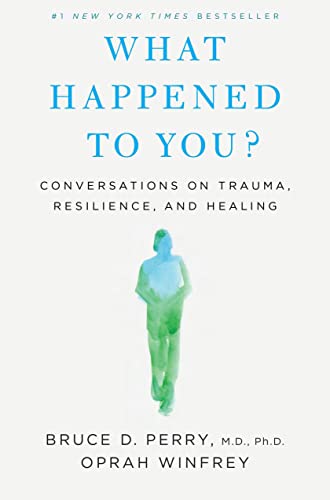
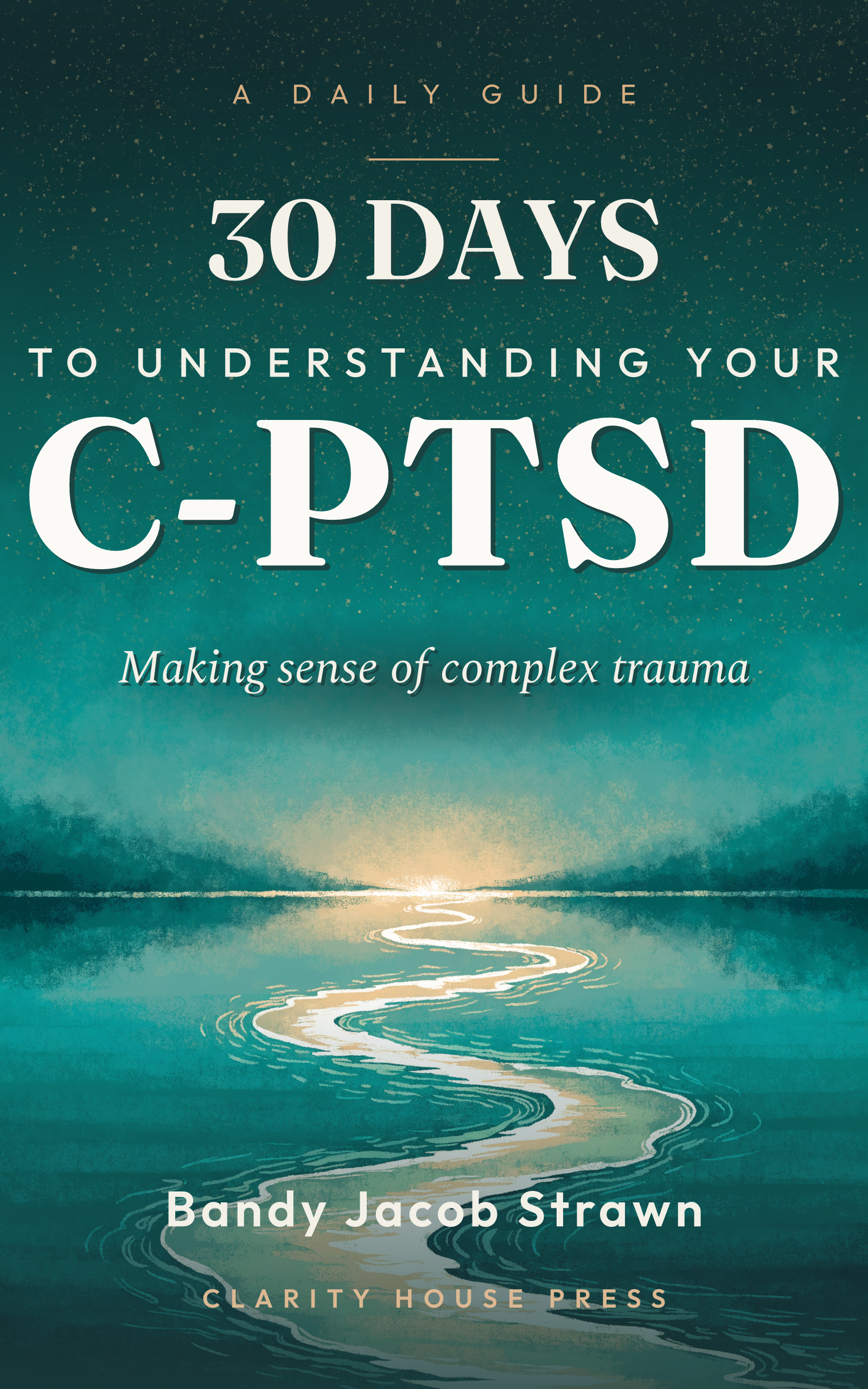
What Happened to You?
Bruce D. Perry, M.D., PhD & Oprah Winfrey
A conversational introduction to how early experience shapes us — reframing 'what's wrong with you' into 'what happened to you.'
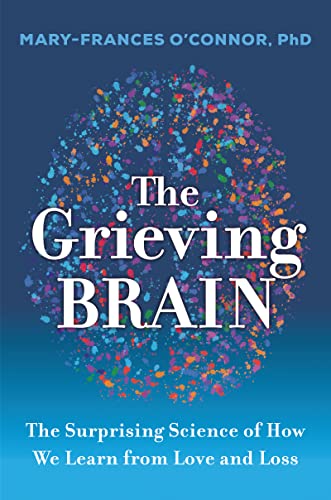
The Grieving Brain
Mary-Frances O'Connor, PhD
An accessible tour of the neuroscience of grief — why loss feels the way it does, and how the brain slowly relearns the world.
As an Amazon Associate, Clarity House Press earns from qualifying purchases. Your price is never affected.
Found this helpful?
Share it with someone who might need it.
Tags
About the Author

Clarity House Press
Editorial Team
The editorial team at Clarity House Press curates and publishes evidence-based content on narcissistic abuse recovery, high-conflict divorce, and healing. Our content is informed by research, survivor experiences, and established trauma-informed approaches.
View all posts by Clarity House Press →Published by Clarity House Press Editorial Team