Please read our important disclaimers before using this content
If you're a foster parent navigating divorce—or divorcing a narcissistic partner while fostering—you're facing a collision of two already-complex systems: family court and child welfare. The stakes are extraordinarily high: not only your own children's wellbeing and custody, but also the safety and stability of vulnerable foster children in your care. The broader context of high-conflict custody basics applies here, but the foster care layer adds complexity that requires specialized strategy.
When a narcissistic ex-partner weaponizes the foster care system, threatens licensing, manipulates biological parent relationships, or uses foster children as pawns in divorce conflict, the resulting chaos can destabilize placements, harm children, and jeopardize your ability to continue fostering.
Understanding how narcissistic abuse intersects with foster care dynamics—and what protective strategies work—is essential for preserving both your family and your foster family's stability.
The Unique Vulnerabilities of Foster Parents
Foster parents operate under scrutiny that biological parents don't face. Licensing requirements, home visits, and ongoing oversight create leverage points for narcissistic manipulation. Understanding false allegations in high-conflict custody is especially important here—the same defense strategies apply even when the allegations target your foster care license rather than direct custody.
1. Licensing Threats and Agency Reporting
Your foster care license requires agency approval. A narcissistic ex-partner knows this and uses licensing as a weapon.
How narcissists weaponize licensing:
- Reporting you to licensing agency for false allegations (abuse, neglect, unsafe home)
- Claiming the divorce creates "instability" unsafe for foster placements
- Threatening to "tell the agency everything" about you
- Making complaints about your parenting of foster children to trigger investigations
- Using mandatory reporter status (if in relevant profession) to make formal reports
- Timing reports strategically (right before placement decisions, renewal dates)
What this looks like:
"My ex was a nurse—a mandatory reporter. Two weeks before our licensing renewal, he called our agency claiming I left our 3-year-old foster daughter 'unsupervised' when I ran to get the mail. The agency investigated, interviewed neighbors, reviewed our home. Everything was unfounded, but the stress was unbearable, and our foster daughter's permanency hearing was delayed six months because they wanted to 'monitor the situation.'"
2. Foster Child as Leverage
Foster children are legally in state custody, making placement decisions subject to agency authority. Narcissistic partners exploit this ambiguity about parental rights.
How narcissists use foster children as weapons:
- Claiming they're the "more stable" home for foster placements
- Demanding foster children live with them during separation
- Refusing to participate in required foster parent training, jeopardizing license
- Telling agency you want to disrupt placement (when you don't)
- Using foster child's trauma behaviors as "evidence" against you
- Threatening to withdraw support for adoption if you're fostering-to-adopt
What this looks like:
"We'd been fostering our son for 18 months when I filed for divorce. My ex told our caseworker that I was 'overwhelmed' and wanted to disrupt the placement—a complete lie. He said he'd take our foster son solo and I could 'have a break.' The agency took it seriously. I had to fight to prove I was committed while simultaneously fighting for custody of my biological children."
3. Biological Parent Relationships Weaponized
Many foster placements involve supervised visits or communication with biological parents working toward reunification. Research consistently demonstrates that maintaining contact with biological parents is associated with better mental health outcomes for children in foster care, with studies showing that more frequent contact predicts shorter time in out-of-home care and reduced behavioral problems.12 However, narcissistic foster parents manipulate these relationships.
How narcissists exploit bio parent dynamics:
- Telling biological parents lies about you to damage the relationship
- Building alliance with bio parents against you ("she's the problem, not you")
- Sabotaging reunification efforts to make you look uncooperative
- Using bio parent's dysfunction as evidence you can't "handle" the placement
- Claiming you're blocking contact or undermining reunification3
- If bio parent is narcissistic themselves, bonding over shared tactics
What this looks like:
"Our foster daughter's bio mom was working her case plan, doing supervised visits. My ex would attend visits, bond with bio mom, and trash-talk me—telling her I didn't want her daughter to reunify, that I was trying to 'steal' her child. When bio mom's visits escalated to unsupervised, she specifically requested they happen 'at Dad's house, not the other one.' He'd turned her against me completely."
4. Adoption-from-Foster-Care Complications
If you're in the process of adopting a foster child when divorce happens, unique legal complexities emerge around who can proceed with adoption.
Legal realities:
- Both spouses typically approved for adoption: If you were licensed together, both are usually named in adoption home study
- Agency may require stability before finalizing: Some agencies delay adoption finalization during divorce
- Custody of adopted-from-foster child follows same law: Once adoption finalizes, standard custody law applies
- Pre-adoptive placement is more vulnerable: Before finalization, agency has more discretion to move child
- Single-parent adoption is possible: You can potentially proceed solo if ex withdraws
Strategic considerations:
- Timing matters: If adoption is imminent, finalizing before divorce may provide stability
- Agency communication is critical: Keep caseworker informed truthfully about divorce
- Legal counsel for both processes: Ensure divorce attorney and adoption attorney coordinate
- Best interests of child remain paramount: Courts and agencies will prioritize child's attachment and stability
- Document your bond: Evidence of primary caretaking, attachment, and commitment matters
Navigating Licensing and Agency Relationships
Your relationship with your licensing agency becomes critically important during high-conflict divorce.
Proactive Communication Strategy
Don't wait for your ex to control the narrative. Inform your agency first.
What to disclose:
- "My spouse and I are separating. I want you to hear this from me directly."
- "I am committed to continuing fostering and providing stability for [child]."
- "There may be conflict during this transition, and I want to ensure [child]'s wellbeing remains the priority."
- "I'm happy to answer any questions or provide additional information as needed."
What NOT to say:
- ❌ Detailed complaints about your ex (keep it factual and brief)
- ❌ "He/she is a narcissist" (use behavioral descriptions instead)
- ❌ Predictions about what your ex might do (wait for actual events)
- ❌ Demands that agency take your side
Why this works:
- You establish yourself as transparent and child-focused
- Agency hears from you first, not from ex's distorted version
- You demonstrate stability and proactive problem-solving
- You invite collaboration rather than hiding information
Responding to False Allegations
When your ex makes false reports to your licensing agency, your response matters enormously. Research on foster parent inclusion and collaboration emphasizes that proactive communication and transparency with child welfare agencies is essential to maintaining licensing stability and demonstrating child-focused priorities.4
Immediate steps:
- Request details in writing: Ask agency for specific allegations, dates, and claimed incidents
- Respond factually and completely: Provide documentation, witnesses, evidence refuting claims
- Stay calm and cooperative: Anger or defensiveness can be misinterpreted as concerning
- Consult attorney if needed: Some situations warrant legal representation in agency interactions
- Document everything: Keep copies of all communications, reports, and your responses
Frame your response around child welfare:
- "I understand the agency's obligation to investigate all reports thoroughly."
- "The safety and wellbeing of [foster child] is my top priority, as I know it is yours."
- "Here is documentation that addresses the specific concerns raised..."
- "I welcome any additional monitoring or support the agency feels would be helpful."
- "I'm committed to transparency and cooperation throughout this process."
When Licensing Is at Risk
In some cases, agencies may consider suspending or revoking your license during divorce conflict.
Factors agencies consider:
- Stability of the home environment: Can you provide consistent care during divorce stress?
- Ability to meet foster child's needs: Are you overwhelmed by personal crisis?
- Safety concerns: Are there any credible allegations of risk to children?
- Cooperation with agency: Are you communicative and transparent?
- Foster child's adjustment: How is the child responding to the family changes?
Protective strategies:
- Demonstrate concrete stability: Maintain routine, keep same home if possible, show consistent care
- Get therapeutic support: Show you're addressing divorce stress healthily (therapist letter can help)
- Lean on support system: Demonstrate you have backup caregivers, support network
- Prioritize foster child's therapy: Ensure child has processing support
- Consider respite if needed: Temporary respite to stabilize is better than disrupted placement
- Be honest about capacity: If you genuinely can't provide adequate care right now, communicate that
Protecting Foster Children from Narcissistic Dynamics
Foster children have already experienced trauma, often including exposure to manipulative or abusive adults. Protecting them from additional narcissistic abuse is critical.
Recognizing When Your Ex Is Harming Foster Children
Warning signs:
- Foster child becomes anxious or dysregulated after time with your ex
- Child reports concerning things ex said ("Dad says you don't really want me")
- Ex shares inappropriate information with child about divorce, your relationship, or child's case
- Ex undermines therapeutic goals or parenting strategies
- Ex uses foster child to gather information about you
- Ex tells foster child they can "choose" where to live (creating false hope and pressure)
- Foster child's behaviors regress after starting visitation with ex
Documenting concerns:
- Keep detailed log of child's statements, behavioral changes, timing
- Communicate concerns to child's therapist
- Inform caseworker if you observe significant distress
- Request therapeutic evaluation of child's adjustment to current arrangement
- Use video communication for transitions to document exchanges
Therapeutic Support for Foster Children
Every foster child in your care during divorce should have access to therapy. Evidence-based interventions focused on improving foster parent-child relationships and supporting caregiver capacity have been shown to reduce behavioral problems and improve placement stability, even during periods of family stress.5
What therapist should address:
- Processing the family changes and what they mean
- Distinguishing current situation from past trauma (not "another disruption")
- Coping with loyalty conflicts ("Am I betraying Dad if I'm happy with Mom?")
- Managing anxiety about placement stability
- Addressing any manipulation or harmful messages from narcissistic parent
- Building healthy attachment despite family conflict
Choosing therapist:
- Trauma-informed and foster care-competent: Not all therapists understand foster care
- Neutral to family conflict: Therapist should focus on child's needs, not take sides
- Good communication with you: Regular updates on child's adjustment
- Willing to write court report if needed: May need to document child's best interests
When Foster Child Should Not Have Contact with Your Ex
In some situations, contact with your narcissistic ex is harmful to your foster child.
Scenarios where limiting contact may be appropriate:
- Ex is abusive toward foster child
- Ex's behavior triggers foster child's trauma
- Ex undermines treatment or permanency goals
- Ex uses foster child to manipulate you
- Foster child experiences significant distress around ex
- Ex has substance abuse or mental health crisis
- Agency or therapist recommends limited contact
How to pursue this:
- Document harm: Specific incidents, behavioral impacts, professional opinions
- Therapist recommendation: Letter from child's therapist supporting limited contact
- Caseworker involvement: Discuss concerns with licensing agency
- Legal custody clarification: In some cases, you may have more say than ex in foster child's life
- Supervised contact: If contact continues, request supervision
Important caveat:
- Foster children are in state custody, not subject to standard parenting time orders
- Agency has significant authority over foster child's placement and contact
- Your leverage is demonstrating what serves child's therapeutic and permanency needs
Fostering While Divorcing: Practical Considerations
Should You Continue Fostering During Divorce?
This is a deeply personal decision with no universal right answer.
Reasons to continue:
- Foster child is attached to you and disruption would be traumatic
- You're pursuing adoption and finalization is near
- You have strong support system and capacity to provide stable care
- Fostering is central to your identity and life purpose
- Placement is stable and child is thriving despite family changes
- You can shield foster child from conflict effectively
Reasons to pause:
- You're overwhelmed and unable to meet foster child's complex needs right now
- Foster child's behaviors are escalating beyond your current capacity
- Ex is creating so much chaos that home environment is unstable
- You need to focus entirely on your biological children's needs
- Licensing agency is pressuring you or threatening license
- Your mental health requires full attention to healing
There is no shame in requesting placement change or pausing fostering if that's what you and the children need. Parenting while healing from trauma addresses how to show up for children in your care while you are simultaneously working through your own recovery.
Communicating with Current Foster Children
If you have foster children in your home during divorce, age-appropriate communication is essential.
Younger children (under 8):
- "Mom and Dad are going to live in different houses now."
- "You're staying with me, and this is still your home."
- "This is about grown-up stuff between Mom and Dad, not about you."
- "You're safe, and I'm going to keep taking care of you."
Older children and teens:
- "I want you to know what's happening in our family so you don't hear it from someone else."
- "Sometimes adult relationships don't work out. This is about us, not about you."
- "I know you've experienced family changes before. This must bring up feelings."
- "Your placement isn't changing. You're staying here with me."
- "If you have questions or worries, we can talk about them."
What NOT to say:
- ❌ Details about why the marriage is ending
- ❌ Negative information about your ex
- ❌ "Don't tell your caseworker" (never ask child to keep secrets from professionals)
- ❌ Promises about permanency you can't guarantee
Reunification Pressures During Divorce
If your foster child's case plan is reunification with biological parents, the timing of this intersecting with your divorce can be especially painful. Studies show that reunification is 13 times more likely when foster children maintain regular contact with biological parents during placement, and that parental engagement is central to achieving permanency outcomes.67
Emotional realities:
- You're losing a child you love while also losing your marriage
- Compounded grief of two major losses simultaneously
- Questioning whether you "failed" the child (you didn't)
- Worry about child's safety if bio parent isn't fully ready
- Difficulty attending final visits or court hearings while managing divorce
Support strategies:
- Grief counseling: This is real loss deserving of professional support
- Foster parent support group: Others who understand foster care grief
- Lean on foster parent community: They get it in ways others won't
- Ritual for closure: Memory book, goodbye letter, graduation celebration
- Permission to grieve: You can support reunification AND grieve the loss
- Stay connected if possible: Some families maintain supportive contact post-reunification
Adoption from Foster Care During Divorce
If you're in process of adopting from foster care when divorce happens, strategic legal and practical considerations emerge.
Can You Proceed with Adoption Solo?
Legal options:
- Both spouses proceed with adoption as planned, then divorce: Adoption finalizes with both parents; custody determined in divorce
- One spouse withdraws; other proceeds solo: Requires ex's cooperation and agency approval
- Both withdraw; child remains in foster care: Rarely in child's best interest if already attached
- Delay adoption until divorce finalizes: Risk of placement disruption during waiting period
Factors influencing decision:
- How close to finalization? If adoption hearing is scheduled, moving forward may provide stability
- Child's attachment to each parent: Who is primary caretaker? Who has stronger bond?
- Ex's willingness to withdraw: Will ex cooperate with solo adoption or fight for joint?
- Agency's position: What does agency believe serves child's best interests?
- Adoption subsidy considerations: Some subsidies require finalization by certain date
- Child's age and special needs: Older children and those with special needs may have more urgency
Consult with:
- Adoption attorney (separate from divorce attorney if possible)
- Family law attorney handling divorce
- Licensing agency/caseworker
- Child's attorney or GAL
- Adoption subsidy specialist if applicable
When Your Ex Wants to Adopt and You Don't (or Vice Versa)
Scenario 1: You want to adopt; ex wants to withdraw
Your path forward:
- Request ex provide written withdrawal to agency
- Pursue solo adoption with agency approval
- Demonstrate your solo parenting capacity and commitment
- Ensure you can meet subsidy and support requirements solo
- Finalize adoption before or during divorce (strategic timing)
Scenario 2: Ex wants to adopt; you want to withdraw
Considerations:
- If child is attached to ex and ex can provide good home, supporting this may be right choice
- If ex is narcissistic and adoption would harm child, you have obligation to communicate concerns
- Agency will evaluate ex's solo capacity
- Your withdrawal doesn't automatically mean ex is approved—agency decides
- You may have moral (if not legal) obligation to share concerns about ex's parenting
Scenario 3: Both want to adopt, both claiming to be better solo parent
What happens:
- Agency will evaluate both parents' capacity and child's best interests
- Agency may recommend joint adoption proceeding with custody determined in divorce court
- Child's attachment, primary caretaker history, and stability will be key factors
- Custody evaluation may be ordered
- Agency's recommendation will carry significant weight in court
Your Next Steps
Immediate actions:
- Inform your licensing agency: Brief, factual notice that you're separating and committed to fostering
- Consult foster-care-competent attorney: Find lawyer who understands both family law and child welfare
- Document your caregiving: Evidence of daily care, medical appointments, school involvement, therapy attendance
- Secure all foster care paperwork: Placement agreements, subsidy documents, case plans, court orders
- Meet with foster child's therapist: Ensure child has support for processing family changes
30-day goals:
- Establish communication boundaries: Use parallel parenting strategies if ex is high-conflict
- Create stability for foster child: Maintain routine, same bedroom, same school, familiar activities
- Build support network: Identify backup caregivers, respite options, emotional support
- Clarify legal status of foster child: Understand who has decision-making authority during divorce
- If pursuing adoption, consult adoption attorney: Coordinate adoption and divorce timelines strategically
Long-term protection:
- Maintain excellent agency relationship: Transparency, cooperation, child-focused communication
- Document everything: All communications with ex about foster children, all agency interactions, all concerning incidents
- Prioritize foster child's therapeutic needs: Consistent therapy, trauma-informed parenting, attachment support
- Consider respite or pause if needed: Better to take break than provide inadequate care under stress
- Connect with foster parent support groups: Community who understands these unique challenges
NOTE ON HOTLINE NUMBERS: Phone numbers for crisis hotlines, legal aid, and support services are provided as a resource. These numbers are current as of publication but may change. Please verify hotline numbers are still active before relying on them. For the National Domestic Violence Hotline, visit thehotline.org for current contact information.
Resources
Foster Care and Child Welfare Resources:
- Child Welfare Information Gateway - Federal resource for foster care policies, state-by-state information, and adoption support
- National Foster Parent Association - Support, training, and advocacy for foster parents
- Foster Care Alumni of America - Resources and support from former foster youth perspective
- AdoptUSKids - Information on foster care adoption and post-adoption support
Legal Support for Foster Parents During Divorce:
- American Bar Association - Family Law Section - Find attorneys experienced in foster care and divorce intersection
- LawHelp.org - Free and low-cost legal assistance by state
- Child Welfare League of America - Advocacy and resources for foster family legal issues
- National Center on Adoption and Permanency - Legal guidance on adoption during divorce
Mental Health and Crisis Support:
- Psychology Today - Therapists - Find therapists specializing in foster care trauma and attachment
- National Domestic Violence Hotline - 1-800-799-7233 (support for domestic violence in foster families)
- SAMHSA Helpline - 1-800-662-4357 (mental health treatment referrals)
- Crisis Text Line - Text HOME to 741741 for crisis support
Resources
Foster Parent Support:
- National Foster Parent Association: Support, advocacy, resources — nfpaonline.org
- Foster Care Alumni of America: Peer support, especially valuable if you were in foster care yourself — fostercarealumni.org
- Together We Rise: Support programs for current and former foster youth — togetherwerise.org
Adoption from Foster Care:
- Dave Thomas Foundation for Adoption: Adoption from foster care support — davethomasfoundation.org
- AdoptUSKids: National resource for foster care adoption — adoptuskids.org
- North American Council on Adoptable Children: Adoption support, subsidy help — nacac.org
Legal Support:
- American Bar Association Center on Children and the Law: Foster care legal resources — americanbar.org/child
- Child Welfare Information Gateway: State-by-state foster care laws — childwelfare.gov
Domestic Violence Support:
- National Domestic Violence Hotline — 1-800-799-7233 (can discuss concerns about foster children's safety)
- Childhelp National Child Abuse Hotline — 1-800-422-4453
Grief Support:
- Fostering Perspectives: Articles on foster parent grief and loss — fosteringperspectives.org
Key Takeaways
- Foster parents face unique vulnerabilities during divorce: licensing threats, agency reporting, and foster children being used as leverage.
- Proactive communication with your licensing agency is essential—don't let your ex control the narrative.
- Foster children in your care deserve protection from narcissistic dynamics and trauma-informed support during family transitions.
- Adoption from foster care during divorce requires strategic legal planning and coordination between adoption and family law attorneys.
- Continuing to foster during divorce is a personal decision—there is no shame in pausing if you need to focus on healing and biological children.
- Document everything: Your caregiving, your ex's concerning behaviors, agency communications, and foster child's adjustment.
- Therapeutic support is essential: For you, your biological children, and your foster children during this transition.
Foster parents are doing sacred, difficult work. Navigating divorce while fostering compounds the challenge exponentially. You deserve support, understanding, and legal protection. Don't face this alone.
References
- Browne, D., Rees, C., & Trinder, L. (2022). Current caregiver involvement and contact with biological parents are associated with lower externalizing symptoms of youth in out-of-home child welfare placements. Child Abuse & Neglect, 136, 105994. https://doi.org/10.1016/j.chiabu.2022.105994 ↩
- Hines, A. M., Lemon, K., Wyatt, P., & Merdinger, J. (2020). More contact with biological parents predicts shorter length of time in out of home care and mental health of youth in the child welfare system. Child Abuse & Neglect, 110(Pt 3), 104726. https://doi.org/10.1016/j.chiabu.2020.104726 ↩
- U.S. Department of Health and Human Services. (2020). Patterns of foster care placement and family reunification: Evidence from administrative data. Office of the Assistant Secretary for Planning and Evaluation. https://aspe.hhs.gov/sites/default/files/private/pdf/258526/Reunification.pdf ↩
- Johnson, K., & Smith, R. (2025). Foster parent inclusion and collaboration in case planning and implementation: Perspective of Florida foster parents and child welfare workers. Children and Youth Services Review, 168, 107893. https://doi.org/10.1016/j.childyouth.2024.107893 ↩
- Bergström, M., Cederblad, M., Håkansson, K., Jonsson, A. K., Munthe, C., Vinnerljung, B., Wirtberg, I., Östlund, P., & Sundell, K. (2020). Interventions in foster family care: A systematic review. Research on Social Work Practice, 30(1), 3-18. https://doi.org/10.1177/1049731519832101 ↩
- Akin, B. A. (2011). Predictors of foster care exits to permanency: A competing risks analysis of reunification, guardianship, and adoption. Children and Youth Services Review, 33(6), 999-1011. https://doi.org/10.1016/j.childyouth.2011.01.008 ↩
- Cheng, T. C. (2020). Parenting engagement in foster care placement stability and permanency. Journal of the Society for Social Work and Research, 11(2), 207-233. https://doi.org/10.1086/709536 ↩
Recommended Reading
From Clarity House Press — plus trusted books for deeper understanding
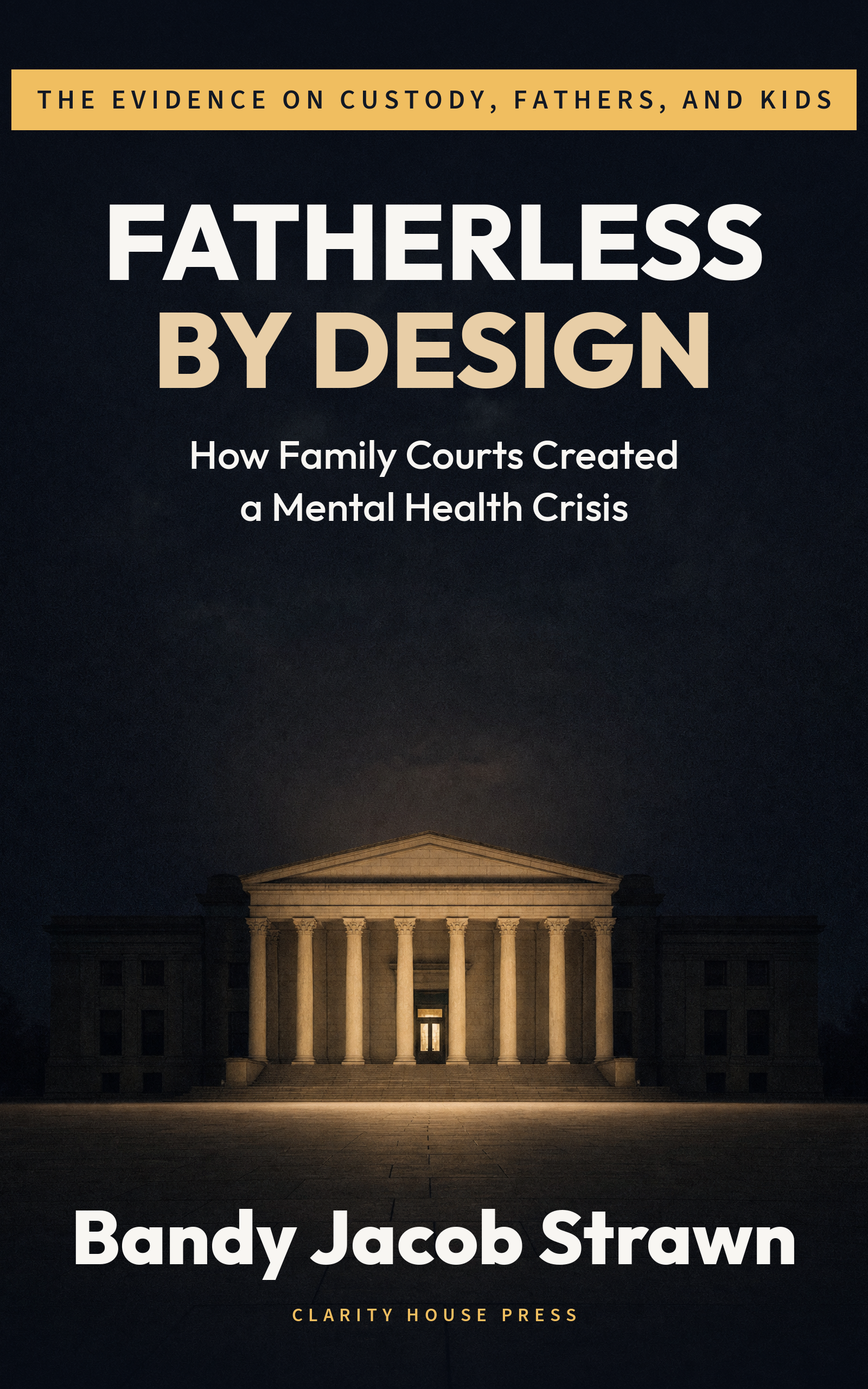

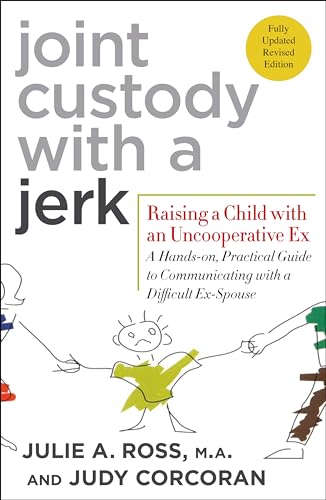
Joint Custody with a Jerk
Julie A. Ross, MA & Judy Corcoran
Proven communication techniques for co-parenting with an uncooperative ex.

Fathers' Rights
Jeffery Leving & Kenneth Dachman
Landmark guide by renowned men's rights attorney covering every aspect of custody for fathers.
As an Amazon Associate, Clarity House Press earns from qualifying purchases. Your price is never affected.
Found this helpful?
Share it with someone who might need it.
About the Author

Clarity House Press
Editorial Team
The editorial team at Clarity House Press curates and publishes evidence-based content on narcissistic abuse recovery, high-conflict divorce, and healing. Our content is informed by research, survivor experiences, and established trauma-informed approaches.
View all posts by Clarity House Press →Published by Clarity House Press Editorial Team