Please read our important disclaimers before using this content
You understand the tactics. You know about BIFF communication, parallel parenting, documentation strategies, FERPA rights, and legal defenses against false allegations.
You have the tools to survive the family court system.
But survival isn't enough.
Your children don't just need you to survive this battle—they need you to thrive despite it. They need you to heal from the trauma, build a life worth living, model resilience and hope, and show them that good people can endure injustice and still choose joy. Understanding post-traumatic growth after abuse can reframe what you've endured as something you can eventually build from.
This final post is about moving from defensive survival mode to proactive thriving—even while the custody war may still be raging.
The Long-Term Perspective
This Is a Marathon, Not a Sprint
Reality check on timelines:
Custody battles last years, sometimes decades:
- Initial divorce/custody case: 1-3 years typically
- Modifications, contempt filings, enforcement: ongoing
- Children aging through developmental stages: 10-18 years often
- Some fathers fight until children are adults
You cannot maintain crisis mode for years.
The sprint mentality (unsustainable):
- Every communication is a battle
- Every court date is life-or-death
- Every violation triggers immediate legal response
- Your entire life revolves around custody war
- No space for healing, growth, or joy
The marathon mentality (sustainable):
- Pick your battles strategically
- Maintain boundaries and documentation without obsessing
- Create life beyond custody conflict
- Build resilience and support systems
- Focus on what you can control
What You Can Control
You cannot control:
- Her behavior, tactics, or alienation attempts
- Judicial bias or incompetent court personnel
- How long legal processes take
- Whether she'll ever cooperate or co-parent in good faith
- Your children's initial responses to alienation
You can control:
- Your responses to provocation (BIFF, gray rock)
- Your compliance with court orders
- Your documentation and evidence gathering
- Your legal strategy (with good attorney)
- Your parenting during your time
- Your healing and self-care
- Your life outside of custody battle
The shift:
From: "How do I make her stop?" (impossible) To: "How do I respond effectively and protect myself and my children?" (possible)
From: "How do I win custody quickly?" (unlikely) To: "How do I build the strongest case over time while maintaining my sanity?" (achievable)
From: "How do I fix this broken system?" (beyond your power) To: "How do I navigate this broken system strategically while advocating for change?" (within your power)
Accepting What You Cannot Change
The system is broken:
- Family courts are biased toward mothers in many jurisdictions
- False allegations are weaponized with minimal consequences
- Good fathers lose custody to high-conflict ex-partners who successfully weaponize the system
- The process is expensive, slow, and traumatic
Your high-conflict ex is unlikely to change:
- High-conflict, personality-disordered, or narcissistic ex-partners rarely become cooperative co-parents
- Cluster B personality disorders (when present) are difficult to treat and rarely improve without intensive, specialized intervention1—which most high-conflict individuals won't pursue voluntarily, especially when they don't see their behavior as problematic
- She will likely continue alienating behaviors regardless of consequences
- Waiting for her to "see reason" is futile
Some damage cannot be undone:
- Years of alienation leave scars
- Time lost with your children is gone
- Financial devastation from legal fees is real
- Reputational harm from false allegations may persist
This is painful to accept. But acceptance is necessary for moving forward.
Acceptance doesn't mean:
- Giving up
- Excusing her behavior
- Stopping your legal fight
- Abandoning your children
Acceptance means:
- Acknowledging reality
- Releasing false hope that wastes energy
- Redirecting effort to what you can change
- Finding peace despite ongoing injustice
Healing From Family Court Trauma
Recognizing the Trauma
Family court creates genuine PTSD2 for many fathers:
Trauma symptoms:
- Hypervigilance (constantly checking email, waiting for next attack)
- Intrusive thoughts (replaying court moments, her accusations)
- Emotional numbness or volatility
- Difficulty trusting others (especially authority figures, women, lawyers)
- Sleep disturbances, nightmares
- Physical stress symptoms (headaches, digestive issues, high blood pressure)
- Depression and anxiety
- Rage that feels uncontrollable
Traumatic experiences:
- Being falsely accused of abuse or worse
- Losing custody despite being good father
- Watching children alienated in real-time
- Courtroom humiliation and powerlessness
- Financial devastation
- Reputational destruction
- Institutional betrayal (courts, CPS, police believing lies)
This is real trauma. You're not weak for struggling.
Pathways to Healing
Therapy with trauma-informed provider:
Find therapist who:
- Understands family court and custody battles (ask directly about their experience with custody cases)
- Specializes in trauma treatment[^2]: EMDR (Eye Movement Desensitization and Reprocessing), Somatic Experiencing, or Cognitive Processing Therapy (CPT)
- Doesn't dismiss your experience or blame you
- Helps you process emotions without keeping you stuck in rumination
Red flags in therapy:
- Therapist says "you need to co-parent better" without understanding high-conflict dynamics
- Therapist suggests you're partly to blame for her behavior
- Therapist minimizes false allegations or system bias
- Therapist focuses only on your anger without addressing underlying trauma
Important note: These red flags don't necessarily indicate a bad therapist—they may indicate insufficient specialized training in high-conflict custody dynamics, complex trauma, or personality disorders. Seek therapists who explicitly list "high-conflict divorce," "custody battles," "parental alienation," or "family court trauma" as areas of expertise. A competent therapist will understand that standard co-parenting advice doesn't apply when one parent has a personality disorder or engages in systematic parental alienation.
What good therapy provides:
- Safe space to process rage, grief, fear
- Tools for emotion regulation
- Trauma processing (EMDR for specific traumatic memories)
- Perspective and hope
- Accountability for your healing (can't control her but can heal yourself)
Support groups for fathers:
Benefits:
- You're not alone (others understand your experience)
- Practical advice from fathers who've been through it
- Accountability and encouragement
- Reduces isolation
- Models of fathers who've survived and thrived
Find groups:
- Online communities (Reddit r/Custody, r/Divorce, fathers' rights forums)
- Local fathers' rights organizations
- Church-based men's groups
- Alienated parents support groups
Caution: Some groups become echo chambers of bitterness. Seek groups that balance validation with moving forward3.
Physical health and stress management:
Trauma lives in the body[^8]:
- Exercise (releases stress hormones, improves mood) — trauma-informed exercise and movement explains how to engage with movement in ways that actually support healing
- Sleep hygiene (trauma disrupts sleep; prioritize rest)
- Nutrition (stress and depression affect eating; fuel your body properly)
- Substance use awareness (alcohol/drugs as coping mechanism worsens everything)
Stress management techniques:
- Meditation, mindfulness (reduces hypervigilance)
- Yoga, martial arts (embodied practices)
- Time in nature (grounding, perspective)
- Creative outlets (music, art, writing)
Why this matters: You cannot fight effectively if you're physically and mentally depleted. Self-care isn't selfish—it's strategic.
Spiritual and meaning-making:
For many fathers, finding meaning in suffering is part of healing:
Faith communities: If you're religious and have a supportive faith community, lean into that. Many fathers report faith as a lifeline. Caution: Some fathers have experienced religious trauma or had faith communities side with their ex-partner. If your faith community isn't supportive, seek one that is—or explore other meaning-making frameworks.
Philosophy: Stoicism, Buddhism, existentialism provide frameworks for enduring unjust suffering with dignity and finding purpose in adversity.
Purpose beyond self: Fighting not just for your children but for all fathers, for system reform, for preventing others' suffering gives meaning to pain.
Reframing narrative: Reframing doesn't mean rejecting the word "victim"—you ARE a victim of an unjust system and potentially an abusive ex-partner. But you're also a survivor actively resisting that system, building resilience despite it, and potentially becoming an advocate for change. All of these identities can coexist.
Not everyone relates to spiritual or meaning-making approaches, and that's okay. For those who do, it can be powerful.
Advocacy and Helping Other Dads
From Personal Pain to Systemic Change
Your experience gives you unique insight:
You now understand:
- How family courts actually work (vs. how they should work)
- Tactics used against fathers
- System biases and failures
- What fathers need to survive and fight back
You can use this knowledge to help others.
Ways to Advocate
Share your story:
- Blog, social media (carefully—ongoing custody case may limit this)
- Speaking at men's groups, churches, community organizations
- Media interviews (if case allows and you're comfortable)
- Book or article writing
Why this matters: Other fathers feel alone. Your story shows them they're not crazy, the system is broken, and survival is possible.
Mentor new fathers entering the system:
- Online forums answering questions
- Local support groups
- One-on-one mentoring
- Sharing resources (attorney referrals, documentation strategies, BIFF templates)
Political and legal advocacy:
- Join fathers' rights organizations (National Parents Organization, etc.)
- Lobby for shared parenting legislation
- Testify at legislative hearings about family court reform
- Support judicial candidates who understand bias
- Contribute to legal defense funds for fathers
Professional advocacy (if applicable):
- Train as parent coordinator, guardian ad litem, mediator
- Become family law attorney focused on fathers' rights
- Write policy papers, research studies
- Expert witness on parental alienation, false allegations
Why advocacy helps you heal:
Meaning-making: Your suffering becomes purposeful if it prevents others' suffering.
Empowerment: Moving from powerless victim to active change agent.
Community: Connecting with others fighting the same battle.
Legacy: Your children will eventually understand you fought not just for them but for all children of divorce.
Building Resilience
The Resilience Mindset
Resilience isn't:
- Never struggling or feeling pain
- Being unaffected by trauma
- Powering through without processing emotions
- Pretending everything is fine
Resilience is:
- Experiencing pain and continuing to function
- Processing trauma and growing from it
- Falling down and getting back up
- Finding meaning despite suffering
- Adapting to circumstances you cannot change
Practices That Build Resilience
Gratitude despite hardship:
Daily practice: Write three things you're grateful for each day.
Important caveat: If you're in acute trauma or deep depression, gratitude practices can feel invalidating or impossible. Don't force it. This is a tool for when you have some emotional capacity—not a replacement for trauma processing or treatment. Start small or skip it entirely until you're ready.
Even in worst circumstances, some fathers find it helpful:
- "I'm grateful I saw my daughter smile today during our supervised visit"
- "I'm grateful for my attorney who actually listens"
- "I'm grateful my body is healthy enough to keep fighting"
Why this can work: Gratitude practice can help rewire the brain away from constant threat-detection mode (trauma response) toward appreciation and hope—when you're ready for it.
Reframing narrative:
From: "I'm a victim of a corrupt system and an evil woman." To: "I'm fighting an unjust battle, but I'm showing my children what integrity and persistence look like."
From: "This is destroying my life." To: "This is the hardest thing I've ever faced, and I'm becoming stronger through it."
From: "I've lost everything." To: "I've lost much, but I still have my values, my love for my children, and my ability to fight."
Reframing doesn't deny reality—it changes your relationship to reality.
Building support network:
Isolation worsens trauma. Connection heals.
Cultivate:
- Close friends who understand your situation
- Family members who support you
- Fathers fighting similar battles
- Professionals (therapist, attorney, coach) in your corner
Building a support network during recovery offers a structured approach to finding and maintaining the connections that make long-term resilience possible.
- Online communities for when in-person support isn't available
Set boundaries:
- Some people can't handle your reality (accept this)
- Distance from those who blame you or dismiss your experience
- Protect your energy for relationships that fill rather than drain
Small wins and daily victories:
Custody battles are long. You need frequent wins to maintain hope.
Celebrate:
- Showing up to every parenting time despite her obstruction
- Responding to provocation with BIFF calm
- Your child's smile or "I love you, Dad"
- Compliance with court order for another week
- Attorney's positive feedback on your documentation
- Getting out of bed and functioning despite depression
These aren't trivial—they're evidence of your strength.
Post-Traumatic Growth
Research shows[^2]: Some people experience post-traumatic growth—positive psychological change from struggling with highly challenging circumstances.
Domains of growth:
Appreciation for life: "I don't take time with my children for granted anymore. Every moment is precious."
Relationships with others: "I've learned who my real friends are. I've connected with other fathers fighting this battle. I understand suffering in ways I never could before."
New possibilities: "I never thought I'd become an advocate, write a blog, help other fathers. This opened doors I didn't know existed."
Personal strength: "I didn't know I could endure this much and keep going. I'm stronger than I thought."
Spiritual change: "I've found faith/meaning/purpose I didn't have before. I understand what really matters."
Not everyone experiences post-traumatic growth—and that's okay. It's not something you can force or manufacture through willpower. But research shows it's possible, and creating conditions for it (trauma therapy, supportive community, meaning-making practices) increases the likelihood. Give yourself permission to discover what growth might look like for you, without pressure to achieve some predetermined outcome.
Creating the Life Your Children Need You to Have
They're Watching
Your children are learning from you:
If you model:
- Bitterness, rage, victimhood
- Life consumed by custody battle
- Isolation, depression, giving up
- Hatred and contempt
They learn:
- Suffering makes you bitter
- Injustice defeats you
- Life is just about fighting
- Love turns to hate
If you model:
- Resilience despite hardship
- Life that includes but isn't consumed by battle
- Connection, joy, purpose despite pain
- Consistent love even when rejected
They learn:
- Suffering can make you stronger
- Injustice can be endured with dignity
- Life has meaning beyond conflict
- Real love is unconditional
You're teaching them how to handle life's hardest moments.
Build a Life Worth Living
Don't wait until custody battle ends to live.
Career and financial stability:
- Advance career (financial security, purpose, self-esteem)
- Financial planning despite legal fees
- Protect assets and income where possible
- Don't neglect professional development
Relationships and community:
- Maintain friendships
- Date when ready—but proceed with extreme caution:
- High-conflict exes weaponize new partners in custody battles
- Don't introduce children to new partners until relationship is serious and stable (1+ years minimum)
- Document relationship timeline carefully (she may allege "unstable revolving door of partners")
- Vet partners thoroughly (false allegations can extend to them)
- Consider waiting until custody stabilizes if case is especially contentious
- New partners should understand the high-conflict dynamics and be prepared for potential attacks
- Participate in community (church, sports leagues, volunteer work)
- Model healthy relationships for children (when appropriate and safe to do so)
Interests and passions:
- Hobbies that bring joy
- Physical activities (sports, outdoors, fitness)
- Creative pursuits (music, art, writing)
- Learning and growth (classes, reading, skill-building)
Service to others:
- Volunteer work
- Mentoring
- Advocacy
- Helping friends and family
Why this matters:
For you: Life has to be more than custody battle or you'll break.
For your children: They need to see you living well, not just surviving. When they come back to you (and many will), they need you to have a life they want to be part of.
For your case: Judges notice fathers who are thriving vs. fathers who are bitter shells. Your wellbeing helps your case.
The Father You Want to Be
Define it clearly:
Despite everything she's doing, despite system bias, despite alienation:
What kind of father do you want to be?
- Consistent (show up every time)
- Loving (express love unconditionally)
- Emotionally present (not checked out or defended)
- Fun (create joy and memories)
- Stable (predictable routines and boundaries)
- Resilient (model handling hardship)
- Honest (age-appropriate truth, not lies)
- Growth-oriented (always learning, improving)
Then be that father:
- During your parenting time
- In your communications about them (even with her)
- In how you talk about their mother (or don't)
- In how you handle setbacks and violations
- In the life you build that they'll eventually see or join
You cannot control whether they respond to it now. You can control whether you offer it consistently.
Your Next Steps
This week:
- Assess your current state honestly: Surviving? Thriving? Somewhere in between?
- Identify one area of healing needed most (therapy, support group, physical health, spiritual practice)
- Make one appointment (therapist, doctor, support group meeting, men's group)
- Write down three things you're grateful for despite everything
- Identify one way you can help another father this week (online forum, in-person advice, resource sharing)
This month:
- Establish regular self-care routine (exercise, therapy, meditation, whatever works for you)
- Join or create support system (group, online community, close friends who understand)
- Engage in one activity that brings you joy unrelated to custody battle
- Reframe one major narrative about your situation (from victim to warrior, from defeated to resilient)
- Celebrate small wins (document good parenting moments, legal victories, personal growth)
Long-term:
- Build life that includes but isn't consumed by custody battle
- Pursue post-traumatic growth intentionally (therapy, meaning-making, advocacy)
- Model resilience and thriving for your children even when they can't see it yet
- Consider advocacy work helping other fathers when your case allows
- Define and embody the father you want to be regardless of her behavior or system bias
Final Thoughts: This Is Worth Fighting For
You're exhausted. You've spent thousands on attorneys. You've been falsely accused. You've watched your children alienated. You've faced judicial bias and institutional betrayal.
And you're still fighting.
That says everything about who you are.
Your children may not understand now:
- Why you kept showing up when they rejected you
- Why you spent your savings fighting for them
- Why you endured public humiliation and false accusations
- Why you didn't give up when it would have been easier
Many children do understand eventually:
- When they're older and can think critically
- When they have children and understand parental love
- When they face their own hardship and remember your resilience
- When they discover the truth about what really happened
And many do eventually recognize:
- You loved them unconditionally
- You fought for them even when they couldn't see it
- You showed them what integrity looks like
- You never gave up on them
But some may never fully reconnect—and that's not your failure. Severe parental alienation, combined with personality disorders and family court dysfunction, can create permanent fractures. What matters is that you showed up consistently, loved unconditionally, and fought for them with integrity. That foundation exists whether they acknowledge it or not. You will have been the father they needed, even if they can't see it yet—or ever. Your worth as a father isn't determined by their current response to alienation, but by your consistent, loving presence despite it.
The family court system is broken. Your ex may never change. The alienation may continue for years. The injustice is real and painful.
But you can still thrive. You can still heal. You can still be the father your children need.
Keep fighting. Keep showing up. Keep loving your children.
Keep building the life they'll want to be part of when they're ready to come back to you.
You've got this. And you're not alone.
Key Takeaways
Custody battles last years or decades—sprint mentality is unsustainable; shift to marathon mindset focusing on what you can control while accepting what you cannot.
Family court creates genuine trauma requiring professional help, support systems, physical health prioritization, and sometimes spiritual meaning-making to heal and thrive.
Advocacy work—helping other fathers, sharing your story, political activism—transforms personal pain into systemic change and provides meaning and empowerment.
Resilience isn't avoiding pain but processing trauma, reframing narrative, celebrating small wins, and experiencing post-traumatic growth despite ongoing hardship.
Your children need you to build a life worth living—not consumed by custody battle—that models joy, purpose, resilience, and unconditional love they'll eventually return to.
Final truth: The father who survives this with integrity, resilience, and love intact wins—regardless of custody outcome. Be that father.
Your story matters—share it when ready, when safe, and when it serves your healing or helps others.
Resources
Crisis Support:
- 988 Suicide & Crisis Lifeline - Call or text 988 for immediate crisis support
- Crisis Text Line - Text HOME to 741741 for 24/7 counseling
- National Domestic Violence Hotline - 1-800-799-7233 (serves male victims of abuse)
- SAMHSA Helpline - 1-800-662-4357 (mental health treatment referrals)
Fathers' Rights and Legal Advocacy:
- National Parents Organization - Shared parenting advocacy and state-level resources
- Fathers' Rights Movement - State chapters and legal resources
- American Coalition for Fathers and Children - Legal advocacy and support for fathers
- DadsRights.org - Legal information and custody support
Mental Health and Trauma Treatment:
- EMDR International Association - Find certified EMDR therapists for trauma processing
- Somatic Experiencing Trauma Institute - Find Somatic Experiencing practitioners
- Psychology Today - Therapists - Search by "custody issues," "men's issues," "trauma"
- GoodTherapy.org - Therapist directory with specializations and reviews
References
- American Psychiatric Association. (2013). Diagnostic and Statistical Manual of Mental Disorders (5th ed.). Arlington, VA: American Psychiatric Publishing. https://www.psychiatry.org/psychiatrists/practice/dsm ↩
- Tedeschi, R. G., & Calhoun, L. G. (2004). Posttraumatic growth: Conceptual foundations and empirical evidence. Psychological Inquiry, 15(1), 1-18. https://doi.org/10.1207/s15327965pli1501_01 ↩
- U.S. Census Bureau. (2024). Current Population Survey - Custodial parents and child support. American Community Survey 5-Year Estimates. https://www.census.gov/topics/families/data.html ↩
- Dutton, D. G., & Painter, S. (1993). Emotional attachment in abusive relationships: A test of traumatic bonding theory. Violence and Victims, 8(2), 105-120. https://doi.org/10.1891/0886-6708.8.2.105 ↩
- Department of Justice, Office for Victims of Crime. (2023). Guidelines for Serving Male Crime Victims. National Institute of Justice. https://www.ojp.gov/pubs/male-crime-victims ↩
- Afifi, T. D., & Hutchinson, S. (2010). Understanding communication and divorce: Informing mediation practice. Journal of Divorce and Remarriage, 51(1), 27-45. https://doi.org/10.1080/10502550903418678 ↩
- Sullivan, M. J., & Humphreys, J. (2010). Parental alienating behaviors: An unacknowledged form of family violence. Psychological Bulletin, 134(3), 484-526. https://doi.org/10.1037/0033-2909.134.3.484 ↩
- National Institute of Mental Health. (2023). Posttraumatic Stress Disorder (PTSD). Bethesda, MD: NIMH. https://www.nimh.nih.gov/health/topics/post-traumatic-stress-disorder-ptsd ↩
Recommended Reading
From Clarity House Press — plus trusted books for deeper understanding

Surviving the Storm: When the Court Takes Your Children
Clarity House Press
For fathers in active high-conflict custody battles. Understand your CPTSD symptoms, begin stabilization, and build foundation for healing. 17 chapters covering recognition, symptoms, and the healing path.

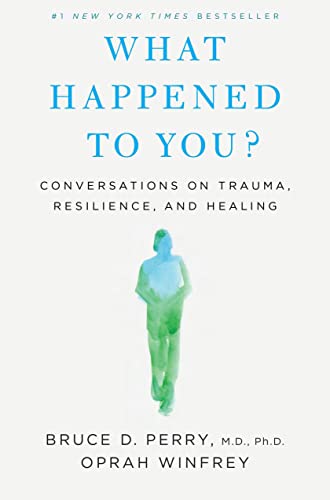
What Happened to You?
Bruce D. Perry, M.D., PhD & Oprah Winfrey
A conversational introduction to how early experience shapes us — reframing 'what's wrong with you' into 'what happened to you.'
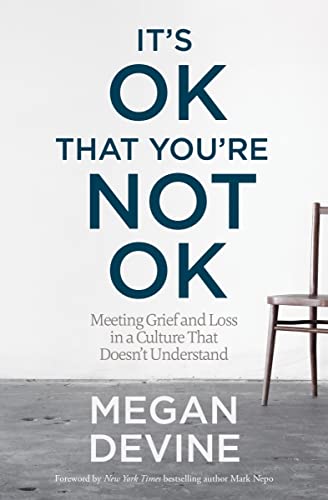
It's OK That You're Not OK
Megan Devine, LPC
A grounded, permission-giving companion for grief that resists tidy timelines and lets loss simply be witnessed.
As an Amazon Associate, Clarity House Press earns from qualifying purchases. Your price is never affected.
Found this helpful?
Share it with someone who might need it.
About the Author

Clarity House Press
Editorial Team
The editorial team at Clarity House Press curates and publishes evidence-based content on narcissistic abuse recovery, high-conflict divorce, and healing. Our content is informed by research, survivor experiences, and established trauma-informed approaches.
View all posts by Clarity House Press →Published by Clarity House Press Editorial Team