Please read our important disclaimers before using this content
Someone asks you for a favor, and before consciously deciding, you've said yes. Your body language shifts automatically—softening, smiling, accommodating. You can feel yourself trying to read what they want, anticipating needs before they're expressed, making yourself useful, agreeable, non-threatening.
You're not choosing this. It's automatic, instant, below conscious awareness. By the time you realize what's happening, you've already agreed to something you don't want to do, compromised a boundary you meant to maintain, or shaped yourself into whoever this person needs you to be.
This is the fawn response—an automatic trauma reaction where you attempt to avoid conflict, abandonment, or harm by becoming whatever others need. You make yourself pleasant, useful, accommodating, and selfless not as a generous choice, but as an unconscious survival strategy.
Most people know about fight, flight, or freeze. Fawning is the fourth trauma response, and for many survivors of narcissistic abuse, it's the most automatic and hardest to recognize because it looks like kindness. See our overview of all four trauma responses: fight, flight, freeze, and fawn for the complete picture.
Understanding the Fawn Response: The Fourth Trauma Response
You apologize for existing. You can't say no without panic. You're so busy managing everyone else's emotions that you've forgotten you have your own. You've been called "too nice," "selfless," or "such a giver"—but inside, you feel invisible, exhausted, and trapped.
This is the fawn response. It's not kindness. It's not generosity. It's a survival strategy your nervous system developed when saying no meant danger, when your needs were met with punishment, when your very existence felt like an imposition that needed to be justified through constant service.
When we think about trauma responses, most people know the classic "fight or flight" reaction. Some are familiar with "freeze," the immobilizing response when threat overwhelms. But there's a fourth response that's equally common yet far less recognized: fawn.
The fawn response is a survival strategy that developed when fighting back was dangerous, running away was impossible, and freezing was punished. What remained was appeasement: if you could make the threatening person happy, maybe you could avoid abuse.
The 4F Trauma Response Model
Psychotherapist Pete Walker, author of Complex PTSD: From Surviving to Thriving, identified and named the fawn response as part of his 4F trauma typology. The concept of Complex PTSD is now recognized in the ICD-11, acknowledging that chronic relational trauma creates distinct symptom patterns. According to Walker's clinical work, individuals who experience chronic relational trauma—particularly in childhood—develop one or more dominant trauma responses:
Fight: Responding to threat with anger, aggression, control, or defiance. Fight types attempt to manage danger through dominance.
Flight: Responding to threat with hypervigilance, perfectionism, obsessive productivity, or escape. Flight types attempt to outrun danger through achievement or avoidance.
Freeze: Responding to threat with dissociation, numbing, shutdown, or immobilization. Freeze types attempt to survive danger by becoming invisible or disconnected.
Fawn: Responding to threat with appeasement, people-pleasing, service, or self-abandonment. Fawn types attempt to neutralize danger by becoming whatever the threatening person needs.
Walker describes the fawn response as the "fight flight freeze of co-dependence." When you fawn, you respond to threat by befriending, placating, and serving it. You become hyperaware of others' needs, exquisitely attuned to emotional shifts, and compulsively focused on preventing displeasure.
The Neurobiology of Fawning: Polyvagal Theory
[Dr. Stephen Porges' Polyvagal Theory]1 provides neurobiological explanation for how fawning operates at the nervous system level. According to this research, our autonomic nervous system has three hierarchical response systems:
Ventral Vagal (Social Engagement): When we feel safe, this system allows for connection, communication, and authentic relating. We can be ourselves, express needs, and trust others.
Sympathetic (Mobilization): When we detect danger, this system activates fight-or-flight responses—increased heart rate, heightened alertness, mobilization for action.
Dorsal Vagal (Immobilization): When danger is overwhelming and escape impossible, this ancient system creates freeze responses—shutdown, dissociation, collapse.
Fawning operates through a hijacked social engagement system. Your ventral vagal system—designed for authentic connection—becomes recruited for survival. You smile, soften, accommodate, and relate, but not from safety. You're using social engagement behaviors as a defense against threat. Your body looks friendly and open while your nervous system is in protective mode.
This is why fawning is so difficult to recognize: it uses the same neural pathways as genuine connection, but the motivation is fear, not safety. You're performing connection to prevent harm, not experiencing authentic relating.
How Fawning Develops: Attachment Trauma Origins
Fawning doesn't develop randomly. It emerges from specific attachment experiences, typically beginning in childhood when a child's survival depends on caregivers who are:
Unpredictable: Sometimes loving, sometimes rageful, with no clear pattern. The child learns to hypervigilantly monitor the caregiver's state and adapt accordingly.
Conditional: Love, attention, or safety are contingent on the child's performance, usefulness, or compliance. The child learns their worth depends on what they provide.
Narcissistic or Self-Centered: The caregiver's needs dominate the relationship. The child learns to prioritize the adult's emotional state over their own needs.
Neglectful or Absent: The child learns that their needs don't matter, and the only way to receive attention is to serve others' needs.
Abusive: The child learns that expressing needs, setting boundaries, or asserting autonomy results in punishment—physical, emotional, or through abandonment.
Children in these environments develop fawning as an intelligent adaptation. They couldn't fight (too dangerous), flee (dependent on caregivers), or freeze (caregiver demands response). Fawning—becoming what the caregiver needed—provided the best chance of safety, connection, or at least reduced harm.
[Research on attachment trauma emphasizes that children are wired for attachment above all else]2. When forced to choose between authentic expression and attachment, children will sacrifice authenticity to maintain connection. This creates the foundation for lifelong fawning patterns.
Fawning in Narcissistic Abuse: Reinforcement and Conditioning
While fawning often originates in childhood, narcissistic relationships in adulthood powerfully reinforce these patterns through specific mechanisms:
Intermittent Reinforcement: Sometimes pleasing them worked, sometimes it didn't. This unpredictability created an obsessive focus on figuring out what would work, making you hypervigilant to their needs. [Behavioral psychology research shows intermittent reinforcement creates the strongest behavioral conditioning]3—stronger than consistent reward or punishment.
Punishment for Autonomy: When you expressed needs, boundaries, or disagreement, you were punished—ragefully, passive-aggressively, or through abandonment. Your nervous system learned that asserting yourself equals danger.
Love Bombing: The initial idealization phase showed you what was possible when they were happy with you. You became addicted to that version of the relationship and tried desperately to maintain it through perfect performance.
Blame Shifting: Everything was your responsibility. Their moods, their problems, their reactions—all framed as consequences of your actions. You learned to manage their emotional state as your primary job.
Conditional Worth: Your value was contingent on your usefulness. You were appreciated when serving their needs, discarded when you couldn't. You learned that your worth depends on what you provide.
Criticism and Perfectionism: Nothing was ever quite good enough. They moved the goalposts, found flaws, or dismissed your efforts. You learned to try harder, do more, be better—always anticipating what might please them.
In narcissistic relationships, fawning becomes conditioned through intermittent reinforcement. When you pleased the narcissist, you got approval, affection, or at least the absence of rage. When you failed to please them, you experienced criticism, silent treatment, or explosive anger.
Your nervous system learned: anticipate needs, prevent displeasure, make yourself valuable, never burden them with your needs. Fawning became your primary survival strategy.
This wasn't weakness or poor boundaries. This was intelligent adaptation to a dangerous situation. Fawning kept you safer than any other available response.
But now you're out of that relationship, and fawning persists. You automatically defer to others, suppress your needs, read every interaction for signs of displeasure, and shape yourself into whatever seems required. Not consciously—automatically.
Fawning and Trauma Bonding
Fawning is deeply connected to trauma bonding—the powerful attachment that forms between abuse survivors and their abusers. When you're fawning, you're constantly attuned to the other person. You're reading their moods, anticipating their needs, shaping yourself around their preferences. This level of attunement creates intimacy—distorted, unhealthy intimacy, but intimacy nonetheless.
The moments when fawning works—when your appeasement earns praise, affection, or relief from abuse—create powerful positive associations. The narcissist smiles at you after you've perfectly anticipated their need, and dopamine floods your brain. You feel relief, connection, maybe even love. Your nervous system learns: this is safety. This is how you earn love.
The biological reality is that you're experiencing the same neurochemistry as addiction. The stress hormones of walking on eggshells, the relief when fawning works, the despair when it doesn't, the compulsive return to trying harder—this mirrors substance addiction patterns. You're addicted to the intermittent reward of successful appeasement.
This is why leaving abusive relationships is so hard, and why even after leaving, the fawn response persists. Your nervous system is wired to seek safety through appeasement. The absence of someone to fawn for can feel more dangerous than the presence of an abuser to manage—a distortion your trauma-wired brain believes completely.
Case Example: Sarah's Fawning Pattern
Sarah, 34, came to therapy complaining of chronic fatigue and difficulty in relationships. She described herself as "the friend everyone comes to" and "always the helper at work." She couldn't understand why she felt so depleted when she was "just being nice."
Childhood origins: Sarah grew up with a mother with untreated bipolar disorder. Sarah learned to read subtle mood shifts and adjust her behavior to prevent her mother's rages or depressive episodes. She became the "good daughter"—helpful, agreeable, never a burden. Her needs were invisible; her job was emotional caretaking.
Adult pattern: Sarah married a partner who initially seemed stable and appreciative. Gradually, he became critical and demanding. Sarah's automatic response was fawning—trying harder, doing more, anticipating his needs. She lost herself in the process, experiencing panic attacks when he expressed even mild disappointment.
Recovery journey: In therapy, Sarah recognized fawning for the first time. "I thought I was just thoughtful," she said. "I didn't realize I was terrified." She began practicing micro-boundaries, tolerating her husband's mild annoyance, and reconnecting with her own needs. The marriage ultimately ended when her husband couldn't adjust to Sarah's emerging autonomy—revealing he'd been attracted to her fawning, not her authentic self.
Sarah's story illustrates the origins, conditioning, and recovery from fawning patterns.
How Relational Trauma Conditions Fawning
Abusive relationships are particularly effective at creating fawn responses because the abuser's approval becomes both desperately desirable and terrifyingly unstable. While this can happen in any abusive dynamic, narcissistic relationships demonstrate these patterns with particular clarity:
Intermittent Reinforcement: Sometimes pleasing them worked, sometimes it didn't. This unpredictability created an obsessive focus on figuring out what would work, making you hypervigilant to their needs.
Punishment for Autonomy: When you expressed needs, boundaries, or disagreement, you were punished—ragefully, passive-aggressively, or through abandonment. Your nervous system learned that asserting yourself equals danger.
Love Bombing: The initial idealization phase showed you what was possible when they were happy with you. You became addicted to that version of the relationship and tried desperately to maintain it through perfect performance.
Blame Shifting: Everything was your responsibility. Their moods, their problems, their reactions—all framed as consequences of your actions. You learned to manage their emotional state as your primary job.
Conditional Worth: Your value was contingent on your usefulness. You were appreciated when serving their needs, discarded when you couldn't. You learned that your worth depends on what you provide.
Criticism and Perfectionism: Nothing was ever quite good enough. They moved the goalposts, found flaws, or dismissed your efforts. You learned to try harder, do more, be better—always anticipating what might please them.
One survivor described it: "I was so good at knowing what he needed before he knew it himself. I could read his micro-expressions and predict his moods. I kept the house perfect, anticipated his preferences, agreed with his opinions, laughed at his jokes. I was the perfect wife—and I was exhausted, empty, and had no idea who I actually was underneath all that performance."
That's fawning. Not generosity, but survival.
Fawn Response Across Different Relationships
Fawning doesn't only operate in romantic relationships. Once established as a dominant trauma response, fawning patterns show up across multiple relationship contexts:
Romantic Relationships
In romantic partnerships, fawning often looks like:
- Monitoring your partner's mood constantly and adjusting your behavior accordingly
- Suppressing your needs, preferences, and complaints to avoid conflict
- Sexual compliance—agreeing to sex you don't want to maintain connection or prevent displeasure
- Over-functioning—managing your partner's emotional state, practical tasks, and life problems
- Loss of self—your personality, interests, and opinions gradually disappear, replaced by mirroring your partner
- Inability to leave—even when you recognize mistreatment, fawning keeps you trying to fix things through better performance
Case Example: Marcus and Workplace Fawning
Marcus, 41, was a highly successful manager who couldn't understand why he felt constantly anxious at work despite excellent performance reviews. His pattern: anticipating his boss's every need, volunteering for extra projects, staying late, never disagreeing in meetings, and managing his boss's irritation with other team members by smoothing things over.
When his boss was promoted and a new supervisor arrived, Marcus's anxiety intensified. He realized he'd spent three years managing his previous boss's moods and now had to start over with someone new. In therapy, Marcus connected this pattern to growing up with an alcoholic father whose rages were unpredictable. Marcus learned to anticipate his father's needs, stay invisible when Dad was drinking, and serve as emotional mediator between his parents.
Marcus's workplace fawning was sophisticated and professional-looking, but it was the same survival strategy he'd developed at age eight.
Workplace Dynamics
Professional environments can trigger intense fawning:
- Inability to negotiate salary or advocate for advancement
- Volunteering for tasks beyond your role to be valuable and indispensable
- Difficulty delegating or saying no to requests
- Over-preparing for meetings and obsessing over others' perceptions
- Taking responsibility for problems that aren't yours to solve
- Struggling to take credit for accomplishments or deflecting praise
Workplace fawning often goes unrecognized because it looks like dedication and team collaboration. The difference is the compulsive quality and the fear underlying it.
Family Relationships
With family members, fawning might manifest as:
- Being the family peacekeeper, mediating conflicts and absorbing others' emotions
- Hosting holidays, organizing gatherings, managing family logistics—always giving, rarely receiving
- Inability to set boundaries with intrusive or demanding family members
- Feeling responsible for parents' or siblings' wellbeing
- Suppressing your authentic self, values, or life choices to maintain family approval
- Tolerating mistreatment or disrespect to preserve family connection
Friendships
Even friendships can activate fawning patterns:
- Always being available when friends need support but unable to ask for support yourself
- Organizing social events, remembering birthdays, maintaining contact—all the relational labor
- Difficulty expressing when friends hurt you or cross boundaries
- Maintaining friendships that are one-sided or depleting because ending them feels impossible
- Chameleon tendencies—becoming different versions of yourself with different friend groups
The common thread across all these contexts: you're managing relationships through self-abandonment, and it feels automatic, not chosen.
Signs You're Operating from Fawn Response
Fawning can be difficult to recognize in yourself because it looks like positive traits: caring, giving, thoughtful, accommodating. How do you know when these are authentic choices vs. trauma responses?
The Physical Symptoms
Chest tightness and shallow breathing when you need to set a boundary or express a preference. Your body physically braces for the punishment that used to follow asserting yourself.
Nausea or stomach pain when someone expresses mild disappointment. Your gut responds to emotional disapproval as if it were physical danger.
Freezing or going blank when asked what you want or need. The neural pathways for identifying your own preferences were literally suppressed during development.
Chronic fatigue from constantly monitoring and managing other people's emotional states. This hypervigilance is exhausting at the nervous system level.
The Behavioral and Emotional Patterns
Automatic Agreement: You say yes before consciously deciding. Your agreement is reflexive, not considered.
Difficulty Knowing Your Preferences: Someone asks what you want, and you genuinely don't know. You're so accustomed to deferring that your own desires are invisible to you.
Anticipatory Service: You're constantly monitoring others' needs and providing before they ask. This isn't occasional thoughtfulness—it's compulsive caretaking.
Hypervigilance to Mood: You're constantly reading others' emotional states and adjusting yourself accordingly. You walk into a room and immediately sense who's upset, tired, or stressed, and you respond by trying to fix it.
Difficulty Receiving: Accepting help, compliments, or care feels intensely uncomfortable. You deflect, minimize, or immediately reciprocate to restore equilibrium.
Disappearing Needs: You convince yourself you don't need things—rest, support, consideration—rather than ask for them. Your needs "don't matter" or "aren't that important."
Apologizing Excessively: You apologize for existing, for having needs, for taking up space. "Sorry" is your automatic response to everything.
Resentment and Exhaustion: You're giving constantly but feel empty, resentful, used. But you can't stop—stopping feels dangerous.
Shape-Shifting: Your personality, opinions, and preferences shift depending on who you're with. You become who they need you to be.
Inability to Set Boundaries: You know you should say no, but the word won't come. Your body takes over, agrees, accommodates, appeases.
The Cognitive Distortions
"My needs don't matter"—not as a belief you consciously hold, but as an operating assumption so deep you don't even recognize it.
"If I'm not useful, I have no value"—your worth was conditional on service, so rest, receiving, or existing without productivity feels terrifying.
"Conflict means danger"—any disagreement, boundary, or difference of opinion triggers your nervous system's threat response.
"Other people's feelings are my responsibility"—you were blamed for adults' emotional dysregulation, so you still believe you cause (and must fix) others' distress.
If you're reading this list and thinking "this is just me being nice," that's often part of fawning—not recognizing it as a trauma response because it's been your normal for so long.
One survivor's moment of recognition: "I realized I was fawning when my therapist asked what I wanted for dinner and I froze. I literally didn't know. I could tell you what my ex would want, what my mom would prefer, what would be easiest for everyone else—but I had no idea what I actually wanted to eat. That's when it hit me: I'd spent so many years reading everyone else that I'd completely lost track of myself."
Fawn Response vs. Healthy Compromise: Understanding the Difference
One reason fawning is difficult to recognize is that it can look like positive relationship skills: compromise, flexibility, consideration, generosity. How do you distinguish fawning from healthy relational behavior?
| Fawn Response (Trauma-Based) | Healthy Compromise (Choice-Based) |
|---|---|
| Automatic, reflexive—you agree before consciously deciding | Conscious decision after considering your needs and preferences |
| Motivated by fear of conflict, abandonment, or displeasure | Motivated by care, reciprocity, or collaborative problem-solving |
| One-sided—you consistently defer; others rarely accommodate you | Reciprocal—sometimes you accommodate, sometimes they do |
| Feels compulsive—you must agree/please/accommodate | Feels voluntary—you could choose differently without fear |
| Anxiety if you don't accommodate; relief when you do | Neutral emotional tone; no anxiety around saying no |
| Loss of self over time—you don't know what you want | Maintained sense of self; clear on preferences even when compromising |
| Resentment builds because giving isn't chosen | Genuine goodwill because giving is freely chosen |
| Physical tension—chest tightness, stomach clenching, shallow breathing | Physical ease—relaxed body, open posture, full breathing |
| Pattern remains even when others show they can handle your needs | Adjusts based on feedback—if they can't handle your needs, you reassess |
| Difficulty receiving—you deflect care, help, or appreciation | Comfortable receiving as well as giving |
The key difference: Fawning operates from fear. Healthy compromise operates from safety.
When you fawn, you're not choosing to accommodate—you're protecting yourself from perceived threat. When you healthily compromise, you're choosing cooperation from a place where saying no remains possible without catastrophic consequences.
Case Example: Learning the Difference
Jenna, 29, struggled to understand if she was fawning or "just being nice." Her therapist suggested an experiment: Before agreeing to requests, pause and check: "Am I choosing this, or am I afraid of what happens if I say no?"
The first time she tried it, a friend asked to borrow money. Jenna's automatic response was "of course!" But when she paused and checked, she realized: "I'm terrified she'll be angry if I say no. I'm not actually comfortable lending this amount right now." She practiced a boundary: "I'm not able to lend money right now, but I'm happy to help you brainstorm other solutions."
Her friend said, "No problem! I'll figure something else out." The friendship continued unchanged.
Jenna realized: healthy friends can handle her boundaries. Fawning had been preparing her for relationships with people who punish boundaries—but she wasn't in those relationships anymore.
The Hidden Costs of Chronic Fawning
Fawning protected you during abuse. In recovery, chronic fawning prevents you from developing authentic relationships and discovering who you actually are:
Loss of Self: You've spent so much time being who others need that you don't know who you are. Your preferences, values, and authentic personality are buried under layers of adaptive performance.
Relationship Patterns: Fawning attracts people who take advantage. Healthy people might be uncomfortable with excessive deference, while exploitative people love it. You might repeatedly attract narcissistic partners because fawning signals "good supply here." Understanding intermittent reinforcement and trauma bonding explains why these relationships feel so difficult to leave even when they're harmful.
Resentment: Constant giving without reciprocity breeds resentment. You might develop passive-aggressive patterns or explosive anger when resentment builds past your capacity to suppress it.
Exhaustion: Monitoring others' needs and suppressing your own is depleting. Many fawners experience chronic fatigue, burnout, or physical illness from the constant stress of self-abandonment.
Inability to Identify Abuse: If you're automatically accommodating, you might not recognize when someone is taking advantage. [Research on revictimization shows that trauma survivors are at elevated risk for repeated abuse]4. Red flags don't register because you're in appeasement mode. Without intervention, you may leave one abusive relationship and enter another because your fawn response both attracts certain people and accepts their behavior as familiar.
Enmeshment: Fawning often develops into enmeshed relationship patterns where your worth depends on being needed and you're attracted to people who need fixing/saving.
Emotional Dysregulation: Suppressing your needs and emotions creates internal pressure. Many fawners either become emotionally numb or experience periodic overwhelm when suppressed feelings break through.
Lack of Authenticity: Relationships built on fawning aren't authentic. People don't know the real you; they know the version you've shaped to their preferences. This prevents genuine connection.
The Special Complexity of Socialized Femininity
For people socialized as female, fawn response often receives social reinforcement that makes it particularly difficult to recognize as trauma response.
Girls are taught to:
- Be nice, agreeable, accommodating
- Put others' needs before their own
- Manage others' emotions
- Avoid conflict
- Derive worth from caretaking
- Be modest, self-sacrificing, selfless
These socialized expectations perfectly align with fawn trauma response. A girl developing fawn response receives constant positive reinforcement for behavior that's actually a survival strategy. She's praised for being "so sweet," "so helpful," "such a good girl."
This makes fawn response particularly difficult for women to identify and heal because it's indistinguishable from what society defines as proper femininity. Your trauma response looks like virtue, making it nearly invisible even to yourself.
Why Fawn Response Is So Hard to Change
Here's the truth nobody tells you: You can't just "set boundaries" or "practice self-care" your way out of the fawn response. If you could, you already would have.
The fawn response operates below conscious control. It's a brainstem-level survival program, not a habit you can think your way out of. [Research on neuroception—the nervous system's unconscious threat detection—explains why these responses occur before conscious awareness]1. When your nervous system detects interpersonal threat, it activates fawn automatically—often before you're even aware of what's happening.
Your nervous system doesn't know the threat is over. Even when you're objectively safe—years or decades removed from the original traumatic environment—your autonomic nervous system still responds as if saying no will result in punishment, abandonment, or attack.
Changing fawn means tolerating the very sensations it was designed to prevent. Setting a boundary triggers the panic, guilt, and terror that fawn response evolved to avoid. You have to feel those sensations without immediately appeasing, which requires nervous system capacity you may not have built yet.
The people around you are invested in your fawning. Your fawn response makes you convenient, compliant, and endlessly accommodating. When you start changing, people who benefited from your self-erasure will escalate pressure, guilt-tripping, and anger to restore the dynamic that served them.
This is why "just say no" advice is useless. This is why affirmations don't work. This is why you can understand everything intellectually and still can't change the behavior.
Recovery from fawn response requires nervous system retraining, not willpower.
Unlearning Fawn Response: Building Authentic Relating
Here's what makes recovery from fawning particularly challenging: the strategy worked. Fawning kept you safer. It prevented escalation, avoided abandonment, or at least made abuse less frequent. Your nervous system has evidence that fawning protects you.
Asking yourself to stop fawning feels like removing armor before battle. Your body will resist because it remembers when fawning was genuinely necessary for survival.
Recovery isn't about willpower or simply "setting boundaries." It's about gradually teaching your nervous system that the danger has passed, that authentic relating is now safer than automatic appeasement, and that you can survive—even thrive—without constant self-abandonment. Learning about polyvagal theory and vagus nerve regulation explains the biological mechanism you're working with.
This is slow, difficult work. It requires doing things that feel dangerous: asserting needs, tolerating others' displeasure, letting people experience consequences. Be patient with yourself. You're rewiring patterns that may have protected you for years or decades.
Step 1: Recognition and Awareness
You can't change what you don't recognize. Start noticing:
- When do you automatically agree without deciding?
- With whom is fawning most automatic?
- What physical sensations accompany fawning?
- What are you afraid will happen if you don't fawn?
Simply naming "I'm fawning right now" creates a tiny space between the automatic response and your awareness.
Step 2: Slow Down Decision-Making
Practice pausing before agreeing. Even five seconds creates space for choice.
Scripts:
- "Let me check my calendar and get back to you."
- "I need to think about that."
- "Can I respond to that tomorrow?"
These simple phrases buy you time to move from automatic fawning to conscious decision-making.
Step 3: Reconnect with Your Needs and Preferences
If you don't know what you want, you can't advocate for it. Practice identifying preferences:
Daily Practice: Notice small preferences throughout the day. Do you want coffee or tea? Music or silence? This shirt or that one? You're not deciding anything significant—you're just practicing noticing and honoring preference.
Body-Based Awareness: Your body knows what you need even when your mind doesn't. Practice checking: "Does my body feel a 'yes' or a 'no' to this?" Tune into expansion (yes) vs. contraction (no).
Body-Based Interventions: Working with the Nervous System
Because fawning operates at the autonomic nervous system level, cognitive strategies alone often aren't sufficient for change. Your body learned fawning through repeated experience, and your body needs new experiences to unlearn it.
These somatic (body-based) practices help regulate your nervous system and create new response patterns:
Grounding and Present-Moment Awareness
When you notice yourself fawning, you're likely in a sympathetic (threat) state even if you look calm on the outside. Grounding practices help shift to a ventral vagal (safe) state where choice becomes possible:
5-4-3-2-1 Technique: Notice 5 things you can see, 4 you can touch, 3 you can hear, 2 you can smell, 1 you can taste. This brings you into present-moment sensory awareness rather than threat detection.
Feet on floor: Feel your feet making contact with the ground. Notice the pressure, temperature, texture. This activates proprioception (body awareness in space), which supports nervous system regulation.
Orienting: Slowly turn your head and look around the room, noticing details without judgment. [This practice, from Somatic Experiencing, helps your nervous system assess that you're currently safe]5 even if fawning feels urgent.
Tracking Physical Sensations of Fawning
Fawning has a physical signature. Learning to recognize it in your body creates space for intervention:
Common fawning sensations:
- Chest tightening or collapsing forward
- Shoulders rounding or lifting toward ears
- Throat constriction or voice becoming softer/higher
- Stomach clenching or nausea
- Holding breath or shallow breathing
- Face tensing into a forced smile
- Body feeling smaller, taking up less space
Practice: When you notice these sensations, pause. You don't have to change anything—just notice. "My chest is tight. My shoulders are up. I'm holding my breath." This awareness alone begins to interrupt the automatic pattern.
Bilateral Stimulation
Activities that engage both sides of the body help regulate the nervous system and process stress:
- Walking (especially in nature)
- Tapping alternating knees or shoulders (butterfly hug)
- Eye movements (EMDR technique—consult a trained therapist)
- Alternating hand movements (drumming, knitting, swimming)
Use these before or after situations that typically trigger fawning to help your nervous system settle.
Vagal Toning Exercises
The vagus nerve regulates your stress response. Strengthening vagal tone increases your capacity to stay regulated when fawning urges arise:
Humming or singing: Activates the vagus nerve through vibration. Even 30 seconds of humming can shift your state.
Cold water on face: Triggers the dive reflex, which activates the parasympathetic nervous system. Splash cold water on your face or hold a cold compress to your forehead.
Deep exhale breathing: Breathe in for 4 counts, out for 6-8 counts. [The extended exhale activates the parasympathetic (rest) system through vagal pathways]6.
Gargling: Stimulates the vagus nerve. Gargle water vigorously for 30 seconds.
Practicing "No" in Your Body
Before you can say no to others, practice how no feels in your body:
Body-based "no" practice:
- Stand with feet hip-width apart, knees slightly soft
- Imagine someone making an unreasonable request
- Say "no" out loud (start softly if needed, gradually increase volume)
- Notice what happens in your body—expanding, grounding, or contracting, tensing?
- Place hands on chest and say "no" again, feeling the vibration
- Practice different versions: "No." "No, thank you." "That doesn't work for me." "I'm not available for that."
This practice creates a somatic (body-based) template for boundary-setting that your nervous system can access when you need it.
Progressive Muscle Relaxation for Fawning Tension
Fawning creates chronic tension from perpetually monitoring threat and suppressing authentic response:
Practice:
- Systematically tense and release muscle groups (feet, calves, thighs, etc.)
- When you reach shoulders and chest (where fawning tension concentrates), exaggerate the fawning posture: round shoulders forward, collapse chest, tense your face into a forced smile
- Hold this exaggerated fawning position for 5 seconds, noticing how uncomfortable it is
- Release completely: shoulders drop, chest opens, face softens
- Notice the difference between fawning tension and relaxed presence
This practice helps you recognize fawning patterns and experience the physical relief of releasing them.
Safe Touch and Self-Soothing
Fawners often neglect self-care while hypervigilantly attending to others. Practicing safe touch teaches your nervous system you deserve care:
- Hand on heart, feeling your heartbeat
- Hand on belly, feeling breath move
- Self-hug or crossed-arm hold (butterfly hug)
- Gentle face massage, especially jaw (where tension accumulates)
- Warm compress on neck or shoulders
These practices activate the parasympathetic (rest and digest) system and provide embodied experience of self-care.
Step 4: Practice Micro-Boundaries
Don't start with huge boundaries. Practice tiny ones:
- Order what you actually want at restaurants instead of deferring to others
- Express a different opinion about something low-stakes
- Decline a minor request that you'd usually automatically accept
- Take the last cookie instead of leaving it for someone else
These micro-practices rewire your nervous system: asserting yourself doesn't equal danger.
Step 5: Tolerate Others' Displeasure
Fawning often continues because you're terrified of others being upset. Recovery requires gradually building capacity to tolerate mild displeasure:
- Someone being disappointed when you say no
- Mild annoyance from others
- Someone having to solve their own problem
- Others experiencing natural consequences
Healthy people can handle you having boundaries. If someone can't tolerate you having needs, that's important information about them, not evidence of your defectiveness.
Step 6: Differentiate Care from Compulsion
Caring about others' wellbeing is healthy. Compulsively managing others' emotional states is fawning. The difference:
Caring: You choose to support someone from fullness, and you can also choose not to without guilt or fear.
Compulsion: You must help/please/accommodate, and not doing so creates anxiety, guilt, or fear of consequences.
Ask yourself: "Am I doing this from generosity or from fear?" Honest answer guides you.
Step 7: Therapy for Fawn Response
Fawning operates at the nervous system level, which makes it difficult to change through insight alone. These therapeutic approaches work specifically with trauma-based fawning patterns:
Internal Family Systems (IFS): [IFS has demonstrated effectiveness for trauma-related conditions]7. It views the fawning part as a protector trying to keep you safe. Rather than eliminating this part, IFS helps you understand its protective purpose, thank it for its service, and gradually update its strategy. This approach honors the intelligence of fawning while creating space for new responses.
Somatic Experiencing: Addresses the body-based automatic nature of fawning by working directly with nervous system states. SE helps you notice the physical sensations that accompany fawning (chest tightening, shoulders rounding, voice softening) and practice inhabiting different states where assertion feels possible.
Enmeshment Recovery Groups: Groups like CoDA (Co-Dependents Anonymous) provide community with others working on similar patterns. The framework helps you recognize enmeshed dynamics, practice healthy boundaries, and develop autonomous decision-making.
Assertiveness Training: Practical skills-building for identifying your needs, making direct requests, and tolerating the discomfort that comes with advocating for yourself. This is particularly helpful for people who intellectually understand boundaries but freeze when attempting to assert them.
When seeking therapy, look for clinicians who understand trauma responses (not just personality traits), who won't pathologize your fawning as weakness, and who have experience with relational trauma and complex PTSD. The therapeutic relationship itself becomes practice ground for authentic relating without automatic appeasement.
Recovery Challenges: What Makes Healing from Fawning Difficult
Understanding why fawning recovery is challenging helps you prepare for predictable obstacles:
The Guilt of Setting Boundaries
When you first practice boundaries after years of fawning, guilt is nearly universal. You might feel:
- Selfish or mean when saying no
- Responsible for others' disappointment
- Like you're abandoning people who need you
- Terrified you're becoming narcissistic yourself
Why this happens: Your nervous system learned that saying no equals danger. Early in recovery, boundaries trigger the same threat response that fawning was designed to prevent. Your body interprets boundary-setting as unsafe even when intellectually you know it's healthy.
What helps: Recognize guilt as a sign you're changing, not evidence you're doing something wrong. Healthy people experience appropriate guilt when they harm others. Fawners experience inappropriate guilt when they prioritize their own wellbeing. Learning to distinguish these takes time.
Mantra: "Guilt means I'm growing, not that I'm wrong."
Fear of Abandonment
Many fawners developed this pattern because early relationships taught them: "Your worth depends on your usefulness. If you stop serving, you'll be abandoned."
When you stop fawning, you might fear:
- People will leave if you're not constantly accommodating
- You'll be alone if you have needs
- Your value depends on what you provide
- Being authentic means being rejected
Why this happens: If early attachment figures only valued you for compliance or service, your nervous system coded this as truth: "Love is conditional on performance." Stopping performance activates abandonment terror.
What helps: Test this fear gradually with safe people. Notice when you set small boundaries and people don't leave. Collect evidence that healthy relationships survive—even strengthen through—mutual authenticity. Consider that relationships that only survive when you fawn aren't genuine connections; they're exploitation disguised as relationship.
Case Example: Testing Abandonment Fears
Rachel, 38, was terrified to tell her best friend she couldn't help with another move (the third in two years). She predicted the friendship would end if she said no. With therapist support, she practiced: "I'm not available to help with the move, but I'd love to bring dinner the first night you're settled."
Her friend's response: "No problem! I totally understand." The friendship continued unchanged—actually deepened because Rachel felt less resentful and more genuine.
Rachel realized: "I'd been so afraid of abandonment that I'd never tested if people actually needed me to fawn. They didn't. I was maintaining a prison that had no walls."
Learning Healthy Conflict
Fawning develops specifically to avoid conflict. Recovery requires learning that conflict isn't catastrophic—it's how healthy people navigate difference.
Common fears:
- Conflict means the relationship is failing
- Disagreement equals rejection
- Any anger (yours or theirs) is dangerous
- Problems should be avoided, not addressed
What healthy conflict looks like:
- Expressing different needs or preferences
- Working together to find mutually acceptable solutions
- Tolerating temporary discomfort for long-term relationship health
- Repair after conflict (which actually strengthens bonds)
Skills to practice:
- "I see this differently" without immediately deferring
- "That doesn't work for me. Can we find another option?"
- Staying present when someone is mildly upset rather than immediately soothing
- Expressing your own upset without apologizing for having feelings
Why this is hard: If early relationships punished conflict with rage, violence, or abandonment, your nervous system learned conflict equals danger. Healthy conflict requires repeatedly experiencing that disagreement doesn't destroy relationships.
The Paradox of "Selfish" Behavior
Fawners often fear that having needs makes them narcissistic. This fear is itself evidence of fawning: narcissists don't worry about being narcissistic.
Distinguishing healthy self-advocacy from narcissism:
| Healthy Boundaries | Narcissistic Entitlement |
|---|---|
| You can articulate your needs AND consider others' needs | You expect others to meet your needs while dismissing theirs |
| You tolerate others saying no to you | You punish or manipulate when others say no |
| You're willing to compromise from a place of choice | You demand compliance and frame it as "compromise" |
| You experience appropriate guilt when you harm others | You feel no guilt when exploiting others |
| You can apologize and repair | You rarely apologize genuinely; you blame others |
| You want mutual benefit in relationships | You seek relationships where you benefit at others' expense |
If you're worried you're becoming selfish or narcissistic, that worry itself indicates you're not. Narcissists don't experience that concern.
The Discomfort of Not Knowing Who You Are
After years of fawning, many people discover they genuinely don't know their preferences, values, or authentic personality. This creates uncomfortable uncertainty:
"Who am I if I'm not helpful/agreeable/accommodating?" "What do I actually like, separate from what others prefer?" "What are my values when I'm not automatically adopting others' beliefs?"
Why this is disorienting: Identity formation requires space for authentic expression. If you spent formative years (childhood) or extended periods (long-term abusive relationship) suppressing authentic self in favor of adaptive performance, you may have underdeveloped sense of self.
What helps:
- Treat this as discovery, not deficiency. You're not broken; you're learning.
- Start with tiny preferences: coffee or tea? Walk or rest? This shirt or that one?
- Try new experiences to discover what resonates: "Do I like this? How does it feel?"
- Journal without censoring: "What do I actually think about this?"
- Notice when you're mirroring others vs. expressing authentic preference
This process takes time. Be patient with yourself. You're building a self that may have been suppressed for decades.
Relationship Attrition
As you heal fawning patterns, some relationships will end. This is often the most painful part of recovery:
Why relationships end during fawning recovery:
- Some people were only interested in what you provided, not who you are
- Exploitative people leave when you stop being exploitable
- Codependent dynamics can't survive when one person gets healthy
- Your emerging authenticity reveals incompatibilities that fawning masked
What this feels like: It can feel like healing is destroying your life. You're losing friends, possibly ending romantic relationships, creating distance from family. It's tempting to return to fawning to restore these connections.
The truth: Relationships built on fawning weren't authentic. They were transactions: your self-abandonment in exchange for conditional acceptance. Losing these relationships creates space for genuine connections built on mutual respect and authentic relating.
What helps: Grieve these losses. They're real, even if the relationships weren't healthy. Simultaneously recognize that space is now available for relationships where you can be yourself. Trust that people who value authenticity will find you when you're no longer performing.
Trauma Bonding to Fawning Itself
This is subtle but significant: you can become attached to fawning as an identity, not just a behavior.
Signs you're trauma bonded to fawning:
- Your worth feels tied to being "the helpful one"
- You feel invisible or worthless when not serving others
- You experience identity crisis when you can't fawn
- You seek out situations where you can fawn (helping people who don't want help, staying in relationships that require fawning)
Why this happens: If fawning was your primary strategy for connection, safety, and worth, letting it go can feel like losing your identity. "If I'm not the giver/helper/accommodator, who am I?"
What helps:
- Recognize fawning as a survival strategy, not your identity
- Develop worth independent of usefulness (this is deep work, often requiring therapy)
- Practice being, not just doing
- Notice you can be valued for who you are, not what you provide
Relationship Shifts When You Stop Fawning
As you heal fawning patterns, your relationships will shift. This can be uncomfortable:
Some Relationships Will End: People who relied on your fawning won't like the change. They might pressure you to return to the old pattern. If they can't adjust to the authentic you, the relationship might not survive—and that's okay.
Healthy People Will Respect Your Growth: People who genuinely care about you will welcome your emerging autonomy, even if it requires adjustment.
You'll Attract Different People: As you become more authentic, you'll attract people who value authenticity, not people seeking constant accommodation.
Conflict Might Increase Initially: As you practice boundaries and authenticity, you'll have conflicts you previously avoided through fawning. This is healthy relationship development, not failure.
Deeper Intimacy Becomes Possible: Authentic relating creates genuine intimacy. People know the real you, not your accommodating facade.
Permission to Take Up Space
Fawning taught you to make yourself small, agreeable, and unobtrusive. Recovery involves reclaiming your right to take up space:
- Your needs matter as much as others' needs
- Your preferences are valid even if they differ from others'
- Your "no" is complete without explanation or justification
- Your worth isn't determined by your usefulness
- Being liked by everyone isn't necessary or achievable
- Authentic relationships require your authentic self
You're allowed to want things, need things, feel things, and express things. You're allowed to be inconvenient, disappointing, or imperfect. You're allowed to be human.
The Courage of Authenticity
Stopping fawn response takes tremendous courage because fawning was your safety. Letting it go feels like removing armor before battle.
But fawning protected you from danger that no longer exists. You're safe now. You can afford to be authentic.
The narcissist needed you to fawn. Healthy people don't. They want to know the real you—including your needs, boundaries, preferences, and limitations.
You don't have to earn your right to exist through constant service. You don't have to purchase connection through self-abandonment. You don't have to make yourself small so others feel comfortable.
You can be yourself—messy, imperfect, authentic, with boundaries—and that is enough. You are enough. Not because of what you provide, but because you exist.
Learning to believe that is the work of recovery. And it starts with recognizing fawning for what it is: not kindness, but survival. Thanking it for protecting you. And gently, gradually, putting it down because you don't need it anymore.
You're safe to be yourself now. All of yourself. Including the parts that aren't accommodating, pleasing, or convenient. Those parts deserve space, too.
Case Study: Maria's Complete Recovery Journey
Maria's story illustrates the full arc of fawning development, recognition, and recovery:
Background and Origins (Ages 5-22)
Maria grew up as the eldest daughter of immigrants. Her father was emotionally volatile and her mother was chronically anxious. Maria learned early that her job was emotional regulation: keeping Dad calm, reassuring Mom, caring for younger siblings, and never being a burden. She became "the easy child"—responsible, helpful, invisible.
At 22, Maria married David, who initially seemed stable and appreciative. "Finally," she thought, "someone who sees me." But gradually, David became critical and demanding. Maria's automatic response—honed over 17 years of family dynamics—was to try harder.
Escalation (Ages 22-35)
Over 13 years of marriage, Maria's fawning intensified. She monitored David's moods obsessively, anticipated his needs before he voiced them, managed his emotions, and suppressed her own needs entirely. She worked full-time, managed all household tasks, parented their two children, and served as David's emotional support—while he provided criticism, occasional affection, and frequent complaints that she "wasn't trying hard enough."
Maria developed chronic migraines, anxiety, and unexplained digestive problems. She was exhausted but couldn't identify why. "I have a good life," she told herself. "I just need to be more grateful."
Crisis and Recognition (Age 35)
The turning point came when Maria's daughter, age 10, said: "Mom, why do you always say sorry? You didn't do anything wrong." Maria realized her daughter was learning to fawn by watching her.
Maria started therapy for her migraines. Her therapist asked: "What do you do for yourself, separate from caring for others?" Maria couldn't answer. She had no hobbies, no preferences, no time that wasn't devoted to managing others' needs.
Her therapist introduced the concept of fawning. Maria read Pete Walker's work on the 4F responses and had a profound recognition: "This is me. I'm not kind—I'm terrified."
Early Recovery (Ages 35-37)
Maria began recognizing fawning patterns:
- Saying yes before thinking
- Monitoring David's mood and adjusting her behavior
- Apologizing constantly for existing
- Feeling responsible for everyone's emotional state
- Having no idea what she actually wanted
She practiced small boundaries:
- Ordering what she wanted at restaurants (not defaulting to David's preferences)
- Saying "let me think about that" before agreeing to requests
- Taking 30 minutes daily for herself (walking, reading, sitting in silence)
- Expressing mild disagreement in low-stakes situations
David's response was telling. He became angry when Maria stopped automatically accommodating. "You're being selfish," he said. "You've changed." Maria's therapist helped her see: she had changed—she'd stopped fawning. David missed her fawning, not her.
Difficult Decisions (Ages 37-38)
Maria realized: their entire relationship was built on her fawning. When she stopped, there was nothing left. David wasn't interested in her authentic self—he wanted her compliant performance.
She also recognized her family of origin couldn't handle her boundaries. When she said no to hosting Thanksgiving (after 15 consecutive years), her mother guilt-tripped her and her siblings expressed irritation. They wanted the old Maria—the fawner who made everyone comfortable.
This was the most painful phase of recovery: recognizing that many relationships in her life required her self-abandonment. Stopping fawning meant losing connections she'd maintained for decades.
Grief and Rebuilding (Ages 38-40)
Maria divorced David at 38. Several family relationships became distant. Two friendships ended. She grieved these losses deeply while simultaneously recognizing they were necessary.
She focused on:
- Individual therapy (IFS and Somatic Experiencing)
- CoDA meetings for enmeshment patterns
- Reconnecting with her authentic self (Who was she, separate from her usefulness?)
- Modeling healthy boundaries for her daughters
- Building nervous system regulation skills
She practiced saying no, tolerating others' displeasure, and trusting that the right people would appreciate her authenticity.
Integration and New Patterns (Age 40+)
At 42, Maria reflected on her recovery:
"I'm not the same person I was. I can feel my 'yes' and my 'no' in my body now. I know what I want. I can tolerate people being disappointed without abandoning myself. I've lost some relationships, but the ones that remain are real—people who know me, not the performance I was giving.
My daughters are learning something different than I learned. They see me having boundaries, expressing needs, taking up space. I'm teaching them they don't have to earn their worth through service.
Fawning saved my life when I was young. But I don't need it anymore. I'm safe now. I can be myself—all of myself—and that's enough."
Maria's journey illustrates: fawning recovery is possible, difficult, and profoundly worth it.
Additional Survivor Stories: Jessica and Marcus
Jessica's Story: The Helpful Daughter
Jessica, 34, came to therapy for "anxiety and people-pleasing." She described herself as someone who "just wants everyone to be happy."
What emerged: Jessica's mother was a covert narcissist who used emotional withdrawal and guilt as punishment. Any time Jessica expressed a need, preference, or emotion that inconvenienced her mother, she got days of silent treatment followed by tearful monologues about how hard it was to be a mother to such a "demanding" child.
Jessica learned that her emotional survival depended on anticipating and meeting her mother's needs before they were expressed. She became hypervigilant to her mother's mood shifts, expert at redirecting tension, and skilled at self-erasure.
At 34, Jessica couldn't make decisions without calling her mother. She'd ended three relationships because partners "needed too much" (meaning they had any needs at all). She worked 70-hour weeks and volunteered for every committee—and felt guilty taking lunch breaks.
The work: Jessica spent 18 months in trauma therapy learning to identify her own feelings (which she'd suppressed for so long she thought she "just didn't have strong emotions"), tolerate the guilt that came with disappointing people, and gradually reduce contact with her mother. She lost several friendships that were based on her being the permanent emotional support person. She also found her first relationship where she could ask for what she needed without panic.
Marcus's Story: The Conflict Avoider
Marcus, 41, sought help after his wife threatened divorce because he "never stood up for himself or the family."
What emerged: Marcus's father was an authoritarian parent with explosive anger. Any disagreement, boundary, or expression of individuality was met with rage, humiliation, and sometimes physical violence. Marcus learned that his job was to be agreeable, compliant, and invisible.
As an adult, Marcus couldn't negotiate at work (he was consistently underpaid despite excellent performance), couldn't set limits with his intrusive parents, and would endure being disrespected or taken advantage of rather than risk conflict.
His wife wasn't asking him to become aggressive—she was asking him to stop letting people exploit their family. But to Marcus's nervous system, any assertion felt like triggering his father's violence.
The work: Marcus worked with a therapist specializing in EMDR to reprocess his childhood trauma. He practiced setting boundaries in therapy sessions (role-playing) before trying them in real life. He learned that his physical symptoms (racing heart, shallow breathing, muscle tension) when considering saying no were trauma responses, not accurate threat assessments. After two years of work, he successfully negotiated a $30K raise, set firm boundaries with his parents about unannounced visits, and began showing up as a protective presence for his children—something he'd been too afraid of conflict to do before.
Research Foundation and Further Reading
Pete Walker's 4F Trauma Typology: Walker's seminal work on complex PTSD identified fawning as the fourth trauma response alongside fight, flight, and freeze. His book Complex PTSD: From Surviving to Thriving provides comprehensive framework for understanding and healing fawning patterns.
Polyvagal Theory (Dr. Stephen Porges): Porges' research on the autonomic nervous system explains how fawning operates through a co-opted social engagement system. Understanding polyvagal theory helps explain why fawning is automatic and below conscious control.
Attachment Theory (Bowlby, Ainsworth, and contemporary researchers): Research on attachment trauma shows how early relational experiences shape adult relationship patterns. Dr. Gabor Maté's work on attachment and authenticity further illuminates how children sacrifice authentic expression to maintain caregiver connection.
Intermittent Reinforcement and Behavioral Conditioning: Behavioral psychology research explains why narcissistic abuse creates such powerful fawning patterns through unpredictable reward and punishment cycles.
Somatic Experiencing (Dr. Peter Levine): Body-based trauma therapy addressing how trauma is held in the nervous system and providing practical tools for regulation.
Internal Family Systems (Dr. Richard Schwartz): Therapeutic approach viewing fawning as a protective part of self, offering compassionate framework for working with trauma responses.
Enmeshment Research (Melody Beattie, Pia Mellody): Foundational work on enmeshed patterns and their relationship to fawning and relational trauma.
Recommended Resources
Books:
- Complex PTSD: From Surviving to Thriving by Pete Walker
- The Body Keeps the Score by Dr. Bessel van der Kolk
- Polyvagal Exercises for Safety and Connection by Deb Dana
- Codependent No More by Melody Beattie
- In the Realm of Hungry Ghosts by Dr. Gabor Maté
- Waking the Tiger: Healing Trauma by Dr. Peter Levine
Therapeutic Modalities:
- Internal Family Systems (IFS)
- Somatic Experiencing (SE)
- Eye Movement Desensitization and Reprocessing (EMDR)
- Codependents Anonymous (CoDA)
- Trauma-focused Cognitive Behavioral Therapy (TF-CBT)
Support Organizations:
- Codependents Anonymous (CoDA): www.coda.org
- National Domestic Violence Hotline: 1-800-799-7233
- RAINN (Rape, Abuse & Incest National Network): 1-800-656-4673
- Psychology Today Therapist Directory (filter for trauma specialists)
The Gifts Transformed
Fawn response, when healed and transformed, becomes a source of genuine strength:
Genuine empathy: Your attunement to others becomes conscious empathy chosen from fullness, not compulsive management of their emotions. You can read people accurately and choose when and how to respond.
Generosity: The same giving capacity becomes actual generosity when it flows from choice rather than compulsion. You give because you want to, not because you're terrified of what happens if you don't.
Interpersonal sensitivity: Your ability to read people becomes a valuable skill in appropriate contexts—therapy, mediation, leadership—when you're not responsible for managing what you perceive.
Service: The desire to help becomes conscious service to causes and people you choose, not automatic appeasement of everyone. You serve from overflow, not depletion.
These capacities aren't character flaws. They're survival skills that saved you. With healing, they become genuine gifts you can offer from choice, not compulsion.
You Are Enough Without Performing
If you recognize yourself in these patterns, please know: you're not broken, you're not weak, and you're not alone. Fawning is an intelligent survival response that served you when you needed it.
The core wound of fawn response is the belief that you must earn love, safety, and belonging through perfect performance and endless giving. That your worth is conditional. That your needs don't matter. That you exist to please others.
None of this is true.
You are enough, right now, doing nothing, pleasing no one. Your worth is inherent, not earned. Your needs matter as much as others'. You exist for your own life, not service to others.
Learning this takes time. Your nervous system holds decades of evidence that survival requires appeasing dangerous people. Teaching it that most people aren't dangerous and that safety doesn't require self-abandonment happens gradually.
But it does happen. Fawners heal. They learn to say no, set boundaries, honor their needs, and form reciprocal relationships. They discover authentic self beneath the performance. They experience genuine rest instead of resentment-filled exhaustion.
You survived by fawning. That survival strategy succeeded—you're alive. But you're safe enough now to stop performing and start being. The people worth keeping will love the real you. The others—let them go.
You don't have to earn your existence anymore. With support, patience, and practice, you can develop new patterns that honor both your safety and your authentic self.
Resources
Therapy and Trauma Treatment:
- Psychology Today - Trauma Therapists - Find therapists specializing in C-PTSD and fawn response patterns
- EMDR International Association - Find certified EMDR therapists for trauma processing
- Somatic Experiencing Trauma Institute - Find practitioners for body-based trauma healing
- GoodTherapy.org - Therapist directory with specializations in trauma and people-pleasing
Books and Educational Resources:
- The Body Keeps the Score by Bessel van der Kolk - Understanding trauma's impact on the nervous system
- Complex PTSD: From Surviving to Thriving by Pete Walker - Practical recovery guide for C-PTSD
- Codependent No More by Melody Beattie - Breaking patterns of enmeshment and people-pleasing
- Set Boundaries, Find Peace by Nedra Glover Tawwab - Practical boundary-setting strategies
Crisis Support and Mental Health:
- 988 Suicide & Crisis Lifeline - Call or text 988 for immediate crisis support
- Crisis Text Line - Text HOME to 741741 for 24/7 counseling
- National Alliance on Mental Illness (NAMI) - Mental health support and resources
- SAMHSA Helpline - 1-800-662-4357 (mental health treatment referrals)
References
- Porges, S. W. (2011). The polyvagal theory: Neurophysiological foundations of emotions, attachment, communication, and self-regulation. W.W. Norton & Company. ↩
- Porges (2009). The polyvagal theory: new insights into adaptive reactions of the autonomic nervous system.. Cleveland Clinic journal of medicine. https://pmc.ncbi.nlm.nih.gov/articles/PMC3108032/ ↩
- De, & Zisk (2014). The biological effects of childhood trauma.. Child and adolescent psychiatric clinics of North America. https://pmc.ncbi.nlm.nih.gov/articles/PMC3968319/ ↩
- Ferster, C. B. (1973). A functional analysis of depression. American Psychologist, 28(10), 857-870. https://www.ncbi.nlm.nih.gov/pmc/articles/PMC5818001/ ↩
- Briere, J., & Jordan, L. K. (2004). Violence against women: Outcome complexity and implications for assessment and treatment. Journal of Interpersonal Violence, 19(11), 1252-1276. https://www.ncbi.nlm.nih.gov/pmc/articles//. ↩
- Levine, P. A. (2015). Trauma and memory: Brain and body in a search for the living past. North Atlantic Books. https://www.ncbi.nlm.nih.gov/pmc/articles/PMC5835127/ ↩
- Schwartz, R. C. (2013). Introduction to the internal family systems model. National Institute for the Clinical Application of Behavioral Medicine. https://www.ncbi.nlm.nih.gov/pmc/articles/PMC8109801/ ↩
- Porges, S. W. (2021). Polyvagal theory in action: Some clinical implications. Frontiers in Integrative Neuroscience, 15, 622703. https://www.ncbi.nlm.nih.gov/pmc/articles/PMC5455070/ ↩
Recommended Reading
Books our editorial team recommends for deeper understanding

Polyvagal Exercises for Safety and Connection
Deb Dana, LCSW
50 client-centered practices for regulating the autonomic nervous system.

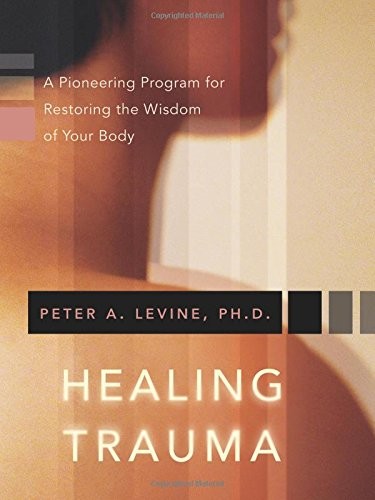
Healing Trauma
Peter A. Levine, PhD
Practical how-to guide for body-based trauma recovery with 12 guided Somatic Experiencing exercises.

The Body Keeps the Score
Bessel van der Kolk, MD
Groundbreaking exploration of how trauma reshapes the brain and body, with innovative treatments for recovery.

Surviving the Storm: When the Court Takes Your Children
Clarity House Press
For fathers in active high-conflict custody battles. Understand your CPTSD symptoms, begin stabilization, and build foundation for healing. 17 chapters covering recognition, symptoms, and the healing path.
As an Amazon Associate, Clarity House Press earns from qualifying purchases. Your price is never affected.
Found this helpful?
Share it with someone who might need it.
About the Author

Clarity House Press
Editorial Team
The editorial team at Clarity House Press curates and publishes evidence-based content on narcissistic abuse recovery, high-conflict divorce, and healing. Our content is informed by research, survivor experiences, and established trauma-informed approaches.
View all posts by Clarity House Press →Published by Clarity House Press Editorial Team