Please read our important disclaimers before using this content
Your emotions feel like too much. Sadness is not just sad; it is annihilating despair. Anger is not just irritation; it is volcanic rage. Fear is not concern; it is full-body terror. And these intense feelings seem to appear from nowhere, take over completely, and last forever. You might be told you are too sensitive, too dramatic, too much. You might believe you are fundamentally broken in your capacity to feel normally.
You are not broken. You are dysregulated. And emotional dysregulation is one of the most common and most treatable symptoms of complex PTSD. Understanding why your emotions feel so overwhelming is the first step toward building the capacity to experience them without being destroyed by them.
What Is Emotional Dysregulation?
Emotional dysregulation refers to difficulty managing the intensity, duration, and expression of emotions. It is not about having emotions; having emotions is healthy and human. It is about the relationship between emotional experience and your capacity to tolerate and modulate that experience.
Characteristics of Dysregulated Emotions
High intensity: Emotions arrive at maximum volume. There is no moderate frustration, only rage or nothing. No mild disappointment, only crushing devastation.
Rapid onset: Emotions appear suddenly, without the gradual buildup that allows for preparation or intervention. You go from fine to overwhelmed in seconds.
Slow recovery: Once activated, emotions persist long after the triggering event. A criticism in the morning can ruin the entire day. A conflict can take weeks to process.
Low threshold: Small triggers produce large responses. Minor disappointments feel catastrophic. Slight criticism feels devastating.
Difficulty identifying emotions: Despite intense feeling, naming specific emotions can be difficult. You might only know "bad" or "overwhelmed" without being able to distinguish anxiety from anger from sadness.
Difficulty expressing appropriately: Emotions come out in ways that do not match the situation or your values. You explode at people you love. You shut down when you want to connect.
What Dysregulation Is Not
Not being emotional: Having strong emotions is healthy. Dysregulation is about impaired capacity to manage emotions, not about feeling them.
Not personality defect: Dysregulation is a symptom of disrupted development, not evidence of character flaw.
Not manipulation: Intense emotions are genuinely overwhelming, not performed for effect.
Not permanent: With appropriate treatment, emotional regulation improves significantly.
The Neuroscience of Emotional Regulation
Understanding the brain systems involved in emotional regulation helps explain why trauma disrupts this capacity.
Brain Structures Involved
Amygdala: Your brain's alarm system, detecting threat and triggering emotional responses. In trauma survivors, the amygdala often becomes hyperactive, sounding the alarm at minor triggers.1
Prefrontal cortex (PFC): The thinking brain, responsible for judgment, planning, and top-down regulation of emotion. The PFC can assess whether the amygdala's alarm is appropriate and modulate the response. Trauma can impair PFC function.
Hippocampus: Involved in memory and context. The hippocampus helps distinguish past from present, determining whether a current situation is actually similar to a past threat. Trauma can shrink the hippocampus and impair this function.2
Insula: Involved in interoception, awareness of internal body states. The insula helps you notice emotions through body sensations. Trauma can disrupt interoceptive awareness.
Neuroimaging research demonstrates that trauma exposure produces measurable alterations in these brain regions. Studies show reduced hippocampal volume, increased amygdala reactivity, and decreased prefrontal cortex activation in individuals with PTSD compared to controls (Bremner, 2006; Shin et al., 2006). These neurobiological changes directly correlate with difficulties in emotional regulation.
The Dysregulated Brain
In complex PTSD, these systems do not work together properly:
Overactive amygdala: The alarm system is too sensitive, triggering at minor cues and producing intense responses.
Underactive prefrontal cortex: The thinking brain that should evaluate and regulate the alarm is offline or weakened. During intense emotion, you cannot access reason.
Impaired hippocampus: Past and present blur together. A minor criticism today activates the full response to devastating criticism from years ago.
Disrupted connectivity: Communication between brain regions is impaired. The PFC cannot effectively calm the amygdala when pathways between them are disrupted.3
Developmental Factors
Emotional regulation is not innate; it develops through experience, primarily in early relationships:
Co-regulation teaches self-regulation: Infants cannot regulate their own emotions. They depend on caregivers to help them calm down. Through thousands of these interactions, the capacity for self-regulation develops.4
Without co-regulation: When caregivers were absent, dysregulated themselves, or the source of distress, this developmental process is disrupted. You may never have learned the skills that others developed automatically.
Neural pathways are shaped by experience: The brain's regulatory circuitry develops through use. Without adequate co-regulation experiences, these pathways may be underdeveloped.
Why Trauma Leads to Dysregulation
Complex trauma specifically disrupts emotional regulation through multiple pathways:
Direct Neurological Impact
Trauma, especially in childhood, directly affects brain development:5
- Chronic stress hormones alter brain structure and function
- Critical periods for regulatory circuit development may be disrupted
- The brain adapts to a threatening environment by prioritizing threat detection over regulation
Learned Responses
Survival in traumatic environments often requires responses that become dysregulated emotions later:
Suppression as survival: If expressing emotions led to punishment, you learned to suppress them. Suppressed emotions do not go away; they build pressure until they explode.
Hypervigilance to others' emotions: If caregiver mood determined your safety, you became exquisitely attuned to others while losing connection to your own emotional states.
Emotional labor: If you had to manage a parent's emotions, you may have developed capacity for attending to others' feelings while neglecting your own.
Attachment Disruption
When attachment figures are the source of fear rather than comfort:
No secure base: Without a safe relationship to retreat to, you never learned that emotions are survivable.
Disorganized attachment: The confusion of needing comfort from the source of fear creates chaotic emotional patterns.
Internal working models: Beliefs formed in early relationships shape emotional expectations. "My feelings are too much." "No one can help." "I have to handle everything alone."
Invalidation
When emotions were consistently met with dismissal or punishment:
"You are too sensitive": You learn your emotional perceptions are wrong.
"Stop crying or I will give you something to cry about": You learn emotions lead to punishment.
"What do you have to be upset about?": You learn your feelings are not legitimate.
This invalidation does not reduce emotional intensity; it reduces your capacity to understand, accept, and manage emotions.
Core DBT Skills for Emotional Regulation
Dialectical Behavior Therapy (DBT), developed by Marsha Linehan, specifically targets emotional dysregulation. These skills form the foundation of many approaches to improving regulation.6
Understanding the Wave Model
Emotions, even intense ones, follow a wave pattern: they rise, peak, and fall. Dysregulation often involves the belief that emotions will last forever or will be unendurable. Understanding that emotions are temporary and survivable changes your relationship to them.
Practice: When experiencing intense emotion, remind yourself: "This is a wave. It will peak and subside. I can ride it out."
STOP Skill for Emotional Crises
When emotion is overwhelming:
S - Stop: Do not act. Freeze in place.
T - Take a step back: Physically move back. Take a breath. Create space between impulse and action.
O - Observe: What is happening? What am I feeling? What triggered this?
P - Proceed mindfully: What action is effective right now? What aligns with my values and goals?
TIP Skills for Changing Body Chemistry
When emotions are so intense that thinking is impossible, change your body chemistry first:
T - Temperature: Cold water on your face activates the dive reflex, slowing heart rate. Hold ice cubes. Take a cold shower.
I - Intense exercise: Vigorous physical activity burns off stress hormones. Running, jumping jacks, or any intense movement for 15-20 minutes can shift state.
P - Paced breathing: Slow your breath, making the exhale longer than the inhale. Four counts in, six to eight counts out.
PLEASE Skills for Vulnerability Reduction
Reducing baseline vulnerability makes dysregulation less likely:
PL - Treat Physical iLlness: Attend to physical health. Illness increases emotional vulnerability.
E - Balanced Eating: Stable blood sugar supports emotional stability. Regular meals, adequate protein.
A - Avoid mood-altering substances: Alcohol and drugs destabilize emotional regulation.
S - Sleep: Adequate sleep is foundational. Sleep deprivation dramatically increases dysregulation.
E - Exercise: Regular physical activity supports emotional regulation through multiple mechanisms.
Opposite Action
When an emotion does not fit the facts or when acting on the emotion would make things worse, do the opposite of what the emotion urges:
Fear urges avoidance → Opposite action is approach (when fear does not fit the facts)
Anger urges attack → Opposite action is gentle avoidance or being kind
Sadness urges withdrawal → Opposite action is engaging and activating
Shame urges hiding → Opposite action is sharing with safe others
Check the Facts
Before acting on intense emotion, examine whether the emotion fits the situation:
- What event triggered this emotion?
- What interpretations am I making about the event?
- Are these interpretations facts or assumptions?
- What evidence supports or contradicts my interpretation?
- Is my emotional intensity proportional to the actual facts?
This is not about invalidating emotions but about ensuring responses are proportional to current reality rather than past trauma.
Accumulating Positive Experiences
Building a life worth living increases resilience to emotional challenges:
Short-term: Do one pleasant activity daily, no matter how small. These accumulate into improved baseline mood.
Long-term: Identify your values and take steps toward a life aligned with them. Purpose and meaning support emotional stability.
Working with Specific Emotions
Different emotions have different functions and require different approaches.
Anger
Function: Protects against violation, signals that a boundary has been crossed.
Dysregulated pattern: Explosive rage at minor provocations; chronic irritability; anger that masks more vulnerable emotions.
Regulation strategies: Physical discharge through exercise; identifying the underlying vulnerability; STOP before acting; assertive communication rather than aggression.
Shame
Function: Motivates repair of social connections; signals that we have violated our own values.
Dysregulated pattern: Pervasive shame not connected to specific behavior; shame spirals that feel endless; shame so intense it leads to hiding or self-harm.
Regulation strategies: Opposite action (share with safe others rather than hide); distinguish shame from guilt; challenge perfectionistic standards; self-compassion practices. Understanding shame vs. guilt in C-PTSD can help you determine whether what you're feeling is actionable information or an internalized abuser's message.
Fear and Anxiety
Function: Protects against danger; motivates preparation and avoidance of threat.
Dysregulated pattern: Chronic anxiety not connected to actual danger; panic attacks; phobic avoidance that restricts life.
Regulation strategies: Grounding in present reality; check the facts about actual danger; gradual exposure to feared situations; reducing physical symptoms through breathing and movement.
Sadness and Grief
Function: Processes loss; signals need for support and comfort; motivates seeking connection.
Dysregulated pattern: Depression that does not lift; grief that feels unending; sadness triggered by minor losses.
Regulation strategies: Allow tears and expression; activate rather than withdraw; connect with supportive others; distinguish present loss from accumulated losses.
Building Long-Term Regulation Capacity
Beyond crisis management, building durable regulation capacity requires consistent practice.
Daily Regulation Practices
Mindfulness meditation: Regular practice builds the observer capacity that notices emotions without being swept away.
Breathwork: Daily breathing practice improves baseline nervous system regulation. Breath work for trauma provides step-by-step techniques specifically designed for trauma survivors.
Body awareness: Yoga, tai chi, or simple body scans increase interoception, the awareness of internal states that allows early recognition of emotional shifts.
Journaling: Writing about emotions creates distance and promotes processing.
Building the Observing Self
The goal is developing a part of you that can witness emotions without being consumed by them:
You are not your emotions: Emotions are experiences you have, not who you are. "I am feeling anger" rather than "I am angry."
Emotions are data: They provide information about needs, boundaries, and values. Noticing them curiously rather than reactively changes the relationship.
The space between stimulus and response: With practice, you can expand the gap between trigger and reaction, creating room for choice.
Therapy Approaches That Help
DBT: The most researched treatment specifically for emotional dysregulation. Full DBT includes individual therapy, skills group, phone coaching, and therapist consultation team.7
EMDR: Processing trauma memories can reduce their emotional charge, decreasing reactivity to triggers. Read our comprehensive guide to EMDR for C-PTSD to understand how this works.
Somatic therapies: Working with the body directly helps complete stress responses and build bottom-up regulation.
IFS (Internal Family Systems): Working with parts of self can help with the different emotional states that feel out of control.
Key Takeaways
- Emotional dysregulation involves difficulty with intensity, duration, onset, and expression of emotions, not simply having emotions
- The brain systems responsible for emotional regulation (amygdala, prefrontal cortex, hippocampus) are disrupted by trauma
- Regulation capacity develops through co-regulation in early relationships; disrupted attachment leads to disrupted self-regulation
- DBT skills provide practical tools for managing intense emotions: STOP, TIP, PLEASE, opposite action, check the facts
- Different emotions serve different functions and benefit from different regulation strategies
- Long-term improvement requires consistent daily practice, building the observing self, and often trauma-focused therapy
- You are not broken; regulation can be learned at any age through consistent practice and appropriate support
Your Next Steps
-
Learn your patterns: Track your emotions for one week, noting triggers, intensity, and duration. What patterns emerge?
-
Identify your most dysregulated emotion: Is anger your biggest challenge? Shame? Fear? Focus initial skill-building on your specific struggles.
-
Practice TIP in low-stress moments: Build the muscle memory for crisis skills when you are calm so they are available when you need them.
-
Address PLEASE factors: Which vulnerability factors (sleep, eating, exercise, substances, physical health) need attention?
-
Consider DBT: If dysregulation significantly impairs your life, DBT skills groups or individual DBT-trained therapy provide structured skill development.
Resources
Books and Workbooks for Emotional Regulation:
- The Dialectical Behavior Therapy Skills Workbook by Matthew McKay - DBT skills for emotional regulation
- Calming the Emotional Storm by Sheri Van Dijk - DBT for overwhelming emotions
- The Complex PTSD Workbook by Arielle Schwartz - C-PTSD and emotional dysregulation
- DBT Coach App - Mobile DBT skills practice tool
Therapy and Professional Support:
- Behavioral Tech - DBT-trained therapist directory
- Psychology Today - DBT Therapists - Find DBT practitioners by location
- GoodTherapy - Emotion Regulation Specialists - Locate trauma-informed therapists
- EMDR International Association - Trauma therapy for emotional dysregulation
Crisis Support and Mental Health:
- 988 Suicide & Crisis Lifeline - Call or text 988 for immediate crisis support
- Crisis Text Line - Text HOME to 741741 (free 24/7 counseling)
- SAMHSA Helpline - 1-800-662-4357 (mental health treatment referrals)
- r/CPTSD - Community support for emotional dysregulation
References
Bremner, J. D. (2006). Traumatic stress: Effects on the brain. Dialogues in Clinical Neuroscience, 8(4), 445-461. https://doi.org/10.31887/DCNS.2006.8.4/jbremner
Shin, L. M., Rauch, S. L., & Pitman, R. K. (2006). Amygdala, medial prefrontal cortex, and hippocampal function in PTSD. Annals of the New York Academy of Sciences, 1071(1), 67-79. https://doi.org/10.1196/annals.1364.007
Linehan, M. M. (2014). DBT Skills Training Manual (2nd ed.). Guilford Press.
van der Kolk, B. A. (2014). The Body Keeps the Score: Brain, Mind, and Body in the Healing of Trauma. Viking.
References
- Rauch, S. L., Shin, L. M., & Phelps, E. A. (2006). Neurocircuitry models of posttraumatic stress disorder and extinction: human neuroimaging research--past, present, and future. Biological Psychiatry, 60(4), 376-382. https://pubmed.ncbi.nlm.nih.gov/19359671/ ↩
- Logue, M. W., van Rooij, S. J. H., Dennis, E. L., Davis, S. L., Hayes, J. P., Stevens, J. S., ... & Morey, R. A. (2018). Smaller Hippocampal Volume in Posttraumatic Stress Disorder: A Multisite ENIGMA-PGC Study. Biological Psychiatry, 83(3), 244-253. https://pmc.ncbi.nlm.nih.gov/articles/PMC5951719/ ↩
- Graf, Zanca, Song, Zeldin, & Raj (2022). Neurobiology of Parental Regulation of the Infant and Its Disruption by Trauma Within Attachment.. Frontiers in behavioral neuroscience. https://pmc.ncbi.nlm.nih.gov/articles/PMC9022471/ ↩
- De, & Zisk (2014). The biological effects of childhood trauma.. Child and adolescent psychiatric clinics of North America. https://pmc.ncbi.nlm.nih.gov/articles/PMC3968319/ ↩
- Linehan, M. M., Bohus, M., & Lynch, T. R. (2007). Dialectical behavior therapy for pervasive emotion dysregulation: Theoretical and practical underpinnings. In J. J. Gross (Ed.), Handbook of emotion regulation (pp. 581-605). Guilford Press. https://pubmed.ncbi.nlm.nih.gov/11180146/ ↩
- DeCou, C. R., Comtois, K. A., & Landes, S. J. (2019). Dialectical Behavior Therapy is Effective for the Treatment of Suicidal Behavior: A Meta-Analysis. Behavior Therapy, 50(1), 60-72. https://pmc.ncbi.nlm.nih.gov/articles/PMC6405261/ ↩
- Stevens, J. S., Jovanovic, T., Fani, N., Ely, T. D., Glover, E. M., Bradley, B., & Ressler, K. J. (2013). Disrupted amygdala-prefrontal functional connectivity in civilian women with posttraumatic stress disorder. Journal of Psychiatric Research, 47(10), 1469-1478. https://pmc.ncbi.nlm.nih.gov/articles/PMC3743923/ ↩
Recommended Reading
From Clarity House Press — plus trusted books for deeper understanding


Surviving the Storm: When the Court Takes Your Children
Clarity House Press
For fathers in active high-conflict custody battles. Understand your CPTSD symptoms, begin stabilization, and build foundation for healing. 17 chapters covering recognition, symptoms, and the healing path.
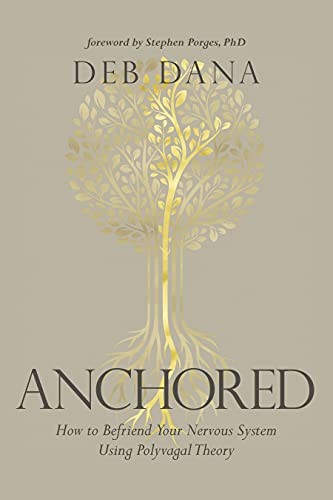
Anchored
Deb Dana, LCSW
Practical everyday ways to transform your relationship with your nervous system using Polyvagal Theory.

What My Bones Know: A Memoir of Healing from Complex Trauma
Stephanie Foo
A journalist's honest, hopeful account of living with and healing from complex PTSD, woven with the science behind it.
As an Amazon Associate, Clarity House Press earns from qualifying purchases. Your price is never affected.
Found this helpful?
Share it with someone who might need it.
About the Author

Clarity House Press
Editorial Team
The editorial team at Clarity House Press curates and publishes evidence-based content on narcissistic abuse recovery, high-conflict divorce, and healing. Our content is informed by research, survivor experiences, and established trauma-informed approaches.
View all posts by Clarity House Press →Published by Clarity House Press Editorial Team