Please read our important disclaimers before using this content
If you feel like your emotions are unmanageable—swinging from numbness to rage to despair within hours, unable to calm yourself when triggered, resorting to unhealthy coping mechanisms just to survive the day—you're not broken. You're experiencing emotional dysregulation, a hallmark of Complex PTSD from narcissistic abuse. Understanding the difference between C-PTSD and PTSD helps you see why standard anxiety management techniques often fall short for relational trauma survivors.
Dialectical Behavior Therapy (DBT) was specifically designed to help people who experience intense, overwhelming emotions. Originally developed by psychologist Marsha Linehan in the 1980s for treating borderline personality disorder, DBT has proven extraordinarily effective for trauma survivors, particularly those facing ongoing stressors like high-conflict divorce, custody battles, and continued contact with abusers.1 A 2024 systematic review and meta-analysis found that DBT-based interventions showed moderate to large effect sizes in reducing PTSD symptom severity and comorbid depressive symptoms.2
DBT doesn't just teach you to "think positively" or "calm down"—it provides concrete, practical skills you can use in crisis moments and daily life to regulate emotions, tolerate distress, and navigate relationships effectively.
What Is DBT and Why It Works for Abuse Survivors
The DBT Foundation: Dialectics
Dialectics means holding two seemingly opposite truths at the same time:
- "I'm doing the best I can" AND "I need to do better"
- "The abuse wasn't my fault" AND "I'm responsible for my healing"
- "I have valid reasons to be angry" AND "Acting on rage will harm me in court"
- "I need to accept reality" AND "I can work to change it"
After narcissistic abuse, your world felt black-and-white. Your abuser was all good or all bad. You were perfect or worthless. DBT teaches nuance, balance, and complexity—the middle path between extremes.
Note: While this article primarily uses examples reflecting our core audience (fathers divorcing narcissistic partners), narcissistic abuse occurs across all gender combinations, and DBT skills are equally effective for all survivors.
Why DBT Is Effective for Narcissistic Abuse Recovery
1. Addresses Emotional Dysregulation Directly
C-PTSD disrupts your ability to regulate emotions. DBT teaches you how to:
- Identify what you're feeling
- Reduce emotional intensity
- Ride emotional waves without being destroyed by them
- Return to baseline after triggering events
Research demonstrates that each DBT skills module—mindfulness, distress tolerance, interpersonal effectiveness, and emotion regulation—produces independent improvements in emotional regulation among patients with trauma-related conditions.3
2. Works When You're Still in Crisis
Unlike therapies that require stability before starting, DBT meets you where you are. If you're still fighting in family court, managing parallel parenting, or dealing with ongoing harassment, DBT gives you tools to function while the crisis continues. A landmark randomized clinical trial published in JAMA Psychiatry found that DBT-PTSD was particularly effective for complex presentations of PTSD in women survivors of childhood abuse, demonstrating large effect sizes even in ongoing stressful circumstances.4
3. Provides Concrete Skills, Not Just Insight
You don't just talk about your feelings—you learn specific techniques:
- What to do when you're triggered
- How to self-soothe without substances or destructive behaviors
- How to communicate boundaries effectively
- How to make decisions when emotions are overwhelming
4. Reduces Self-Destructive Behaviors
After abuse, many survivors cope through:
- Substance use
- Self-harm
- Disordered eating
- Reckless behavior
- Staying in dangerous relationships
DBT targets these behaviors directly with skills to replace them.
The Four Modules of DBT Skills
DBT is organized into four skill modules. Most survivors benefit from all four, but you can focus on the ones most relevant to your current challenges.
Module 1: Mindfulness (Core Skill)
What it is: Paying attention to the present moment without judgment.
Why it matters for abuse survivors:
After narcissistic abuse, your mind is either:
- Stuck in the past (ruminating on what he did, how you didn't see it, what you lost)
- Anxious about the future (catastrophizing about court, fearing he'll turn the kids against you)
- Completely dissociated (numbed out, disconnected from your body and feelings)
Mindfulness brings you back to NOW—the only moment you can actually control.
Key Mindfulness Skills:
1. Observe
- Notice what's happening without labeling it good or bad
- "I notice my chest is tight. I notice I'm thinking about the custody hearing. I notice I'm clenching my jaw."
2. Describe
- Put words to what you observe, sticking to facts
- "My heart is racing. I'm having the thought 'I can't handle this.'" (Not: "I'm having a panic attack and I'm going to fall apart.")
3. Participate
- Fully engage in the current activity
- When washing dishes, wash dishes—feel the warm water, notice the soap bubbles
- This interrupts rumination and grounds you in the present
Mindfulness Practice for Abuse Survivors:
One-Mindfully: Do one thing at a time.
- When your ex sends a triggering text, don't immediately respond while also making dinner and helping with homework
- Read the text. Put the phone down. Breathe. Then decide when to respond.
Non-Judgmentally: Notice judgments and let them go.
- Instead of "I'm so stupid for staying with him so long" → "I'm having the thought that I'm stupid. That's a judgment. Let it go."
Effectiveness: Focus on what works, not what's "fair."
- "It's not fair that I have to do all this emotional work while they appear unaffected" is true—and also not helpful.
- Effectiveness asks: "What do I need to do right now to move toward my goals?"
Module 2: Distress Tolerance (Crisis Survival)
What it is: Skills to survive crisis moments without making things worse.
Why it matters:
When you're triggered—when he sends a rage-filled email, when you get a court document demanding a modification, when your child says "Dad says you're crazy"—your body goes into fight-or-flight. DBT distress tolerance skills help you survive that moment without acting in ways you'll regret.
Key Distress Tolerance Skills:
1. TIPP (Temperature, Intense Exercise, Paced Breathing, Progressive Muscle Relaxation)
When you're in acute distress and need to calm your body immediately:
- Temperature: Splash ice-cold water on your face, hold ice cubes, take a cold shower (activates the dive reflex, slowing heart rate)
- Intense Exercise: Run, do jumping jacks, punch a pillow, dance hard for 10 minutes (burns off adrenaline)
- Paced Breathing: Breathe in for 4 counts, hold for 4, out for 6 (longer exhale activates parasympathetic nervous system)
- Progressive Muscle Relaxation: Tense and release muscle groups systematically while breathing slowly
Use TIPP when: You're about to send a reactive text, you're spiraling into panic, you feel rage building.
2. ACCEPTS (Activities, Contributing, Comparisons, Emotions, Pushing Away, Thoughts, Sensations)
When you need to distract yourself from overwhelming emotions:
- Activities: Puzzles, cleaning, organizing, reading, watching a show
- Contributing: Help someone else (text a friend, volunteer, focus outward)
- Comparisons: Compare to times you've survived worse, or to people in harder situations (use carefully—not to minimize, but to build perspective)
- Emotions: Generate opposite emotions (watch comedy when sad, listen to calming music when angry)
- Pushing Away: Mentally put the problem in a box labeled "I'll deal with this tomorrow at 2pm" and visualize putting it on a shelf
- Thoughts: Count backward from 100 by 7s, recite song lyrics, do a puzzle
- Sensations: Hold ice, smell essential oils, listen to loud music, take a hot bath
Use ACCEPTS when: You're ruminating, obsessing, or can't stop thinking about the abuse or your ex.
3. IMPROVE (Imagery, Meaning, Prayer, Relaxation, One Thing in the Moment, Vacation, Encouragement)
Ways to cope with pain and make the moment more bearable:
- Imagery: Visualize a safe place (beach, forest, childhood bedroom before the abuse)
- Meaning: Find purpose in suffering ("This will help me help other survivors someday")
- Prayer/Meditation: Connect to spirituality or values larger than yourself
- Relaxation: Progressive muscle relaxation, gentle yoga, stretching
- One Thing: Focus on just getting through the next minute, then the next
- Vacation: Take a mental break (not forever, but for the next hour, you're not thinking about the divorce)
- Encouragement: Self-talk ("I can handle this. I've survived worse. This feeling will pass.")
4. Radical Acceptance
This is the hardest and most powerful DBT skill.
Radical Acceptance means: Completely accepting reality as it is, without fighting it or denying it.
What it is NOT:
- Approval ("This is okay")
- Giving up ("I'm not going to try to change things")
- Weakness ("I'm just going to take it")
What it IS:
- Acknowledging what's true ("He is a narcissist. He will continue to be high-conflict. The court system is flawed. This is my reality.")
- Stopping the suffering that comes from fighting reality ("He shouldn't be like this" → "He is like this")
- Freeing up energy to focus on what you can control
Example:
Fighting Reality: "This isn't fair! He abused me and now he gets equal custody? The judge should have seen through him! This shouldn't be happening!"
Result: Rage, bitterness, exhaustion, despair. No energy left for coping.
Radical Acceptance: "This is unjust. It's painful. I hate it. AND this is my reality right now. I accept that the custody order is what it is. I accept that I cannot control the judge or my ex. I accept that I have to navigate this reality."
Result: Grief (painful but clean), energy to focus on what you can control (parallel parenting strategies, protecting your time with kids, your own healing).
Studies of trauma-focused dialectical behavior therapy show that acceptance-based skills significantly reduce trauma-related emotions including shame, guilt, and anger following treatment.5
Radical Acceptance doesn't mean you stop appealing unfair rulings or advocating for change. It means you stop suffering from the reality-denying thought "this shouldn't be happening" and shift to "this IS happening, and here's what I'll do about it."
Module 3: Emotion Regulation
What it is: Understanding emotions and developing skills to manage them.
Why it matters:
Narcissistic abuse teaches you that your emotions are:
- Wrong ("You're too sensitive")
- Dangerous ("Look what you made me do when you got upset")
- Manipulative ("You're just trying to control me with tears")
- Invalid ("You're overreacting")
DBT Emotion Regulation teaches: Your emotions are valid, informative, and manageable.
Key Emotion Regulation Skills:
1. Identify and Label Emotions
You can't regulate emotions you can't name.
Emotion wheel exercise:
- Primary emotions: Mad, sad, glad, scared, ashamed, surprised
- Secondary emotions: Frustrated (mad), disappointed (sad), anxious (scared)
Practice: "I'm feeling... angry at him, scared about court, sad that my marriage wasn't real, ashamed that I didn't leave sooner."
Why this helps: Naming emotions reduces their intensity (affect labeling). Neuroscience research shows that DBT skills training is associated with increased gray matter volume in brain regions crucial for emotion regulation, including the anterior cingulate cortex and inferior frontal gyrus.6
2. Check the Facts
Emotions are triggered by your interpretation of events, not the events themselves.
Steps:
- What's the prompting event? (He texted criticizing your parenting)
- What's your interpretation? ("He's right, I'm a bad parent")
- Are you assuming a threat that isn't there? (His opinion doesn't make it true)
- What are the actual facts? (I'm a good parent. He uses criticism to control me.)
- Does your emotion fit the facts? (Anger at manipulation: yes. Shame about parenting: no)
3. Opposite Action
When your emotion doesn't fit the facts, or when acting on it will harm you, act opposite to your emotional urge.
Examples:
Important: Opposite action works when the emotion doesn't fit the facts or when acting on it is destructive. If the emotion is justified and action is appropriate, honor it.
4. Build Positive Experiences (Accumulate Positives)
Depression after abuse makes everything feel gray. You have to intentionally build pleasant experiences.
Short-term: Do one pleasant thing per day.
- Walk in nature
- Listen to favorite music
- Call a supportive friend
- Take a bath
- Watch a comforting show
Long-term: Build a life worth living.
- Identify your values (family, creativity, justice, growth)
- Set goals aligned with values
- Take small steps toward those goals
5. Build Mastery
Do things that make you feel competent and effective.
- Learn a new skill
- Complete a project
- Exercise
- Solve a problem
Why this matters: Abuse destroys your sense of competence. Building mastery rebuilds it.
6. PLEASE (Physical Health)
Emotions are harder to regulate when your body is depleted:
- PL: Treat physical illness (see doctors, take meds, address health)
- E: Eat regularly and healthily (blood sugar affects mood)
- A: Avoid mood-altering substances (alcohol/drugs worsen emotional dysregulation)
- S: Sleep 7-9 hours (sleep deprivation intensifies emotions)
- E: Exercise (even 10-minute walks improve mood)
Module 4: Interpersonal Effectiveness
What it is: Skills for asking for what you need, setting boundaries, and maintaining self-respect in relationships.
Why it matters:
After narcissistic abuse:
- You might not know what you need
- You might feel guilty asking for anything
- You might fear that boundaries = abandonment
- You might confuse assertiveness with aggression (because he punished both)
DBT teaches you to communicate effectively without sacrificing yourself or relationships.
Key Interpersonal Effectiveness Skills:
1. DEAR MAN (Getting What You Need)
A structured way to make requests or set boundaries:
- D - Describe: State facts without judgment. "You texted me at midnight about non-urgent matters."
- E - Express: Share your feelings/opinions. "I feel disrespected when my boundaries about communication times aren't honored."
- A - Assert: Ask clearly for what you want. "I need you to text about co-parenting only between 9am-6pm unless it's an emergency."
- R - Reinforce: Explain positive outcomes. "This will reduce conflict and help us co-parent more effectively."
(Then the "how" skills:)
- M - Mindful: Stay focused on your goal, don't get derailed by attacks or tangents
- A - Appear confident: Even if you're terrified, use confident body language and tone
- N - Negotiate: Be willing to compromise if appropriate (but not on core needs)
2. GIVE (Maintaining Relationships)
When your goal is to maintain or improve a relationship:
- G - Gentle: Be kind, no attacks or threats
- I - Interested: Listen to the other person, show genuine interest
- V - Validate: Acknowledge their perspective (doesn't mean agree)
- E - Easy Manner: Use humor, smile, be light (when appropriate)
Use GIVE when: You're talking to your kids, friends, new partners, therapists—people you want to keep close.
GIVE is generally not appropriate for communicating with your abuser. Gray rock and BIFF (Brief, Informative, Friendly, Firm) communication strategies are more effective protective approaches when you must maintain contact. The 48-hour rule for responding to narcissistic provocation applies DEAR MAN and FAST principles to real co-parenting scenarios.
3. FAST (Maintaining Self-Respect)
How to assert yourself without sacrificing self-respect:
- F - Fair: Be fair to yourself AND the other person
- A - Apologies (no unnecessary): Don't apologize for having needs or feelings
- S - Stick to values: Don't compromise your core values to please others
- T - Truthful: Be honest (but you don't owe everyone your full truth)
Example: Your ex demands you change the parenting schedule last-minute.
Old pattern: Apologize, comply to avoid conflict, feel resentful.
FAST approach:
- Fair: "I understand you have a conflict, but I also have plans. Let's follow the court order."
- No apologies: (Don't say "I'm sorry, but I can't")
- Stick to values: Your time with your kids matters; you don't have to accommodate his chaos
- Truthful: You don't have to invent an excuse or justify your "no"
Practicing DBT Skills
DBT is not something you learn once—it's something you practice daily. Combining DBT with ACT therapy for complex PTSD addresses both the emotional regulation piece and the values-based living piece of recovery.
Daily Practice Structure
Morning:
- 5 minutes mindfulness (observe your breath, body, thoughts)
- Check PLEASE skills: Did you sleep? Will you eat today? Meds? Exercise plan?
Throughout the day:
- Notice emotions (label them: "I'm feeling anxious right now")
- Use skills as needed (TIPP when triggered, ACCEPTS when ruminating)
Evening:
- Reflect: What emotions did I experience today? Which skills did I use? What worked?
- Plan: What will I do tomorrow to build positive experiences or mastery?
Skill Tracking
Many DBT programs use a diary card—a daily log tracking:
- Emotions (intensity 0-10)
- Urges (to engage in destructive behaviors)
- Skills used
- Effectiveness of skills
You can create a simple version:
DBT in Crisis: Example Scenario
Situation: You receive notification that your ex filed a motion to modify custody, including false allegations about you.
Immediate physical response: Heart racing, nausea, hands shaking, thoughts spinning ("I can't handle this. He's going to win. I'll lose my kids.")
Step 1: TIPP
- Splash cold water on your face
- Do 20 jumping jacks
- Breathe: 4 in, hold 4, 6 out (repeat 5 times)
Step 2: Mindfulness (Observe and Describe)
- "I notice my body is in fight-or-flight. I notice I'm catastrophizing. I notice I'm scared."
Step 3: Check the Facts
- Fact: He filed a motion.
- Interpretation: "He's going to win and I'll lose my kids."
- Threat assessment: Is this accurate? (No. This is a legal process. I have an attorney. False allegations can be disproven. This is not an emergency.)
- Emotion adjustment: Fear is valid, but catastrophizing is not helpful.
Step 4: Distress Tolerance (ACCEPTS)
- Pushing away: "I will think about this tomorrow after I talk to my attorney. Right now, I'm putting this in a mental box."
- Activities: Go for a walk, call a friend, watch a show
Step 5: Interpersonal Effectiveness (DEAR MAN with attorney)
- Tomorrow, call attorney: "I need to understand the process and timeline. What evidence will we need to respond to these allegations?"
Step 6: Self-Care (IMPROVE + PLEASE)
- Encouragement: "I've survived every crisis so far. I can handle this."
- Sleep: Take melatonin if needed, no doomscrolling before bed
- Eat: Even if you're not hungry, eat something small
Result: You survive the crisis without making it worse (no reactive texts to ex, no panicked social media posts, no substance use). You feel the fear without being destroyed by it. You maintain functioning.
DBT Therapy Formats
1. Individual DBT Therapy
- Weekly one-on-one sessions with DBT-trained therapist
- Focus on your specific goals and challenges
- Phone coaching available for crisis moments
2. DBT Skills Group
- Weekly group (usually 2-2.5 hours) teaching the four modules
- Like a class: learn skills, practice, discuss
- Less expensive than individual therapy
- Benefit of peer support
3. Comprehensive DBT Program
- Individual therapy + skills group + phone coaching
- Gold standard for severe emotional dysregulation
- Significant time and financial commitment
For most narcissistic abuse survivors: Individual therapy with a DBT-informed therapist, or DBT skills group, is sufficient. Full comprehensive DBT is typically for people with severe self-harm or suicidal behaviors. Research on DBT for women victims of domestic abuse demonstrates significant reductions in depressive symptoms, hopelessness, and general psychiatric distress, with increased social adjustment following treatment.7
Finding a DBT Therapist
Questions to ask:
- "Are you trained in DBT? Have you completed DBT foundational training?"
- "Do you offer phone coaching for skills support between sessions?"
- "Do you have experience with C-PTSD or relational trauma?"
- "Is there a DBT skills group I can join?"
Resources:
- Behavioral Tech (Marsha Linehan's organization): Therapist directory
- Psychology Today: Filter for DBT
- Local DBT programs: Many clinics offer DBT skills groups
Red flags:
- Claims to "use DBT techniques" but has no formal training (DBT is a specific, structured protocol)
- Dismissive of your abuse history ("Let's focus on the present, not the past")
- Pushes you to reconcile with abuser or blames you for the relationship
DBT and Other Therapies
DBT works well with:
- EMDR (for processing traumatic memories)
- Trauma-focused CBT (for challenging distorted thoughts)
- Somatic therapy (for body-based trauma)
DBT is especially helpful when:
- Emotions feel unmanageable
- You're engaging in self-destructive behaviors
- You're still in active crisis (ongoing court battles, parallel parenting)
- You struggle with relationships and boundaries
Your Next Steps
1. Assess your need for DBT:
- Do you experience intense, rapidly shifting emotions?
- Do you struggle to calm yourself when upset?
- Do you use unhealthy coping mechanisms?
- Do you need practical skills more than insight?
2. Start learning skills now:
- Book: The Dialectical Behavior Therapy Skills Workbook by Matthew McKay
- App: DBT Coach (skill reminders and tracking)
- YouTube: Search "DBT skills" for free lessons
3. Practice one skill this week:
- Choose one: TIPP, ACCEPTS, Radical Acceptance, DEAR MAN
- Use it when triggered or stressed
- Notice what happens
4. Find a DBT therapist or group:
- Use Behavioral Tech directory
- Ask your current therapist if they offer DBT or can refer you
Key Takeaways
- DBT teaches concrete skills for managing intense emotions, not just insight
- The four modules address mindfulness, distress tolerance, emotion regulation, and interpersonal effectiveness
- DBT works when you're still in crisis—you don't have to be stable to start
- Radical Acceptance is transformative: Accepting reality stops the suffering of fighting "what shouldn't be"
- Practice is essential: DBT is something you DO, not just learn
- Find a trained DBT therapist who understands trauma and narcissistic abuse
Your emotions are not the enemy. They're signals, trying to protect you—but they're using outdated threat detection from the abuse. DBT helps you update the system, build new skills, and survive (and eventually thrive) despite ongoing stressors.
Resources
DBT Training and Professional Resources:
- Behavioral Tech - Linehan Institute - Official DBT training and therapist directory
- DBT Skills Training Handouts and Worksheets by Marsha Linehan - Official DBT skills manual
- The Dialectical Behavior Therapy Skills Workbook by Matthew McKay - Self-help DBT workbook
- DBT Coach App - Mobile app for practicing DBT skills (iOS/Android)
Finding DBT Therapists:
- Psychology Today - DBT Therapists - Find DBT-trained therapists specializing in trauma
- Behavioral Tech Therapist Directory - Linehan-trained DBT providers
- GoodTherapy - DBT Specialists - Locate trauma-informed DBT therapists
- SAMHSA Helpline - 1-800-662-4357 (mental health treatment referrals)
Crisis Support (24/7):
- National Domestic Violence Hotline - 1-800-799-7233 (narcissistic abuse and crisis support)
- 988 Suicide & Crisis Lifeline - Call or text 988 for immediate mental health crisis support
- Crisis Text Line - Text HOME to 741741 (free 24/7 crisis counseling)
- RAINN - 1-800-656-HOPE (4673) (trauma and abuse support)
References
- Bohus, M., Kleindienst, N., Hahn, C., Müller-Engelmann, M., Ludäscher, P., Steil, R., Fydrich, T., Kuehner, C., Resick, P. A., Stiglmayr, C., Schmahl, C., & Priebe, K. (2020). Dialectical Behavior Therapy for Posttraumatic Stress Disorder (DBT-PTSD) Compared With Cognitive Processing Therapy (CPT) in Complex Presentations of PTSD in Women Survivors of Childhood Abuse: A Randomized Clinical Trial. JAMA Psychiatry, 77(12), 1235-1245. https://doi.org/10.1001/jamapsychiatry.2020.2148 ↩
- Budde, N. M., Barawi, K., van Ravesteijn, G. J., van Minnen, A., Hoeboer, C. M., de Kleine, R. A., Hendriks, G. J., Huntjens, R. J. C., Meewisse, M. L., & Voorendonk, E. M. (2024). A systematic review and meta-analysis on the efficacy of dialectical behavior therapy variants for the treatment of post-traumatic stress disorder. European Journal of Psychotraumatology, 15(1), 2406662. https://doi.org/10.1080/20008066.2024.2406662 ↩
- Neacsiu, A. D., Eberle, J. W., Kramer, R., Wiesmann, T., & Linehan, M. M. (2021). Group-based DBT skills training modules are linked to independent and additive improvements in emotion regulation in a heterogeneous outpatient sample. Behavior Therapy, 52(3), 655-666. https://pubmed.ncbi.nlm.nih.gov/33539233/ ↩
- Bohus, M., Kleindienst, N., Hahn, C., Müller-Engelmann, M., Ludäscher, P., Steil, R., Fydrich, T., Kuehner, C., Resick, P. A., Stiglmayr, C., Schmahl, C., & Priebe, K. (2020). Dialectical Behavior Therapy for Posttraumatic Stress Disorder (DBT-PTSD) Compared With Cognitive Processing Therapy (CPT) in Complex Presentations of PTSD in Women Survivors of Childhood Abuse. JAMA Psychiatry, 77(12), 1235-1245. https://jamanetwork.com/journals/jamapsychiatry/fullarticle/2768029 ↩
- Stalker, C. A., Gebotys, R., & Harper, K. (2019). Changes in Trauma-Related Emotions Following Treatment With Dialectical Behavior Therapy for Posttraumatic Stress Disorder After Childhood Abuse. Journal of Traumatic Stress, 32(5), 764-773. https://pubmed.ncbi.nlm.nih.gov/31476252/ ↩
- Schmitt, R., Winter, D., Niedtfeld, I., Herpertz, S. C., & Schmahl, C. (2016). Effects of psychotherapy on neuronal correlates of reappraisal in female patients with borderline personality disorder. Biological Psychiatry: Cognitive Neuroscience and Neuroimaging, 1(6), 548-557. Referenced in emotion regulation research on DBT neurobiology. ↩
- Iverson, K. M., Shenk, C., & Fruzzetti, A. E. (2009). Dialectical Behavior Therapy for Women Victims of Domestic Abuse: A Pilot Study. Professional Psychology: Research and Practice, 40(6), 242-248. https://doi.org/10.1037/a0013476 ↩
Recommended Reading
From Clarity House Press — plus trusted books for deeper understanding

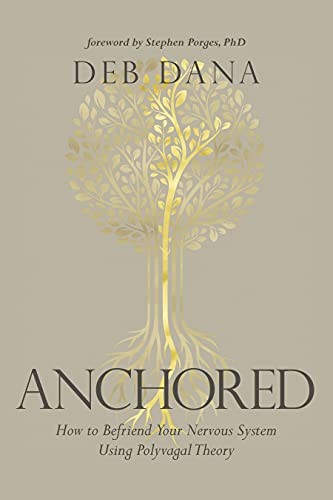
Anchored
Deb Dana, LCSW
Practical everyday ways to transform your relationship with your nervous system using Polyvagal Theory.

The Polyvagal Theory in Therapy
Deb Dana
Accessible guide to using Polyvagal Theory to regulate your nervous system and feel safe in your body.
As an Amazon Associate, Clarity House Press earns from qualifying purchases. Your price is never affected.
Found this helpful?
Share it with someone who might need it.
About the Author

Clarity House Press
Editorial Team
The editorial team at Clarity House Press curates and publishes evidence-based content on narcissistic abuse recovery, high-conflict divorce, and healing. Our content is informed by research, survivor experiences, and established trauma-informed approaches.
View all posts by Clarity House Press →Published by Clarity House Press Editorial Team