Please read our important disclaimers before using this content
Your ten-year-old refuses to get in the car for the exchange. Your teenager says they "hate" you and won't come to your house anymore. Your seven-year-old cries every time it's time to go to the other parent's home.
The question that determines everything: Why?
Is it:
- Justified refusal based on legitimate safety concerns (abuse, neglect, substance use)?
- Parental alienation where the other parent has poisoned the relationship?
- Hybrid alienation where an alienating parent is exploiting real past issues?
- Normal developmental resistance (teenager wanting autonomy, toddler separation anxiety)?
- Alignment where the child naturally prefers one parent due to personality fit or parenting differences?
The answer determines the intervention.
Forcing a child to visit an abusive parent continues the cycle of harm and prevents healing. A child who is being manipulated into rejecting a safe parent needs intervention—not to restore an unsafe relationship, but to interrupt the manipulation and protect their wellbeing. Courts often struggle to distinguish between these scenarios, which can lead to devastating outcomes for children and families.
Here's how to distinguish between these scenarios—and what to do in each case.
Parental Alienation: The Basics
Parental alienation occurs when one parent (the alienating parent) engages in behaviors that damage the child's relationship with the other parent (the targeted parent) without legitimate justification.1 Our deep-dive on covert parental alienation tactics covers the subtle forms that are hardest to identify and document.
Key elements:
These markers are derived from decades of research on parental alienation by forensic psychologists and are used in custody evaluations worldwide (Warshak, 2015; Baker & Darnall, 2006):2
- A campaign of denigration by one parent against the other
- The child's rejection of the targeted parent is disproportionate to any actual wrongdoing
- Lack of ambivalence (child sees alienating parent as all-good, targeted parent as all-bad)
- Parroting adult language or concepts the child couldn't understand on their own
- Weak or frivolous justifications for the rejection
What alienation looks like:
- Child suddenly refuses contact with a previously loved parent with no clear triggering event
- Child uses adult language ("narcissist," "gaslighting," "toxic") or legal terms beyond their understanding
- Child cannot provide specific examples of the targeted parent's wrongdoing
- Child's complaints are vague or recycled from the alienating parent's rhetoric
- Child's behavior dramatically shifts only in the presence of the alienating parent
- Child has absorbed false memories or distorted narratives
What alienation does NOT look like:
- Child refuses to see a parent who actually abused them
- Child is angry at a parent who abandoned them or was genuinely neglectful
- Teenager exercises developmentally appropriate autonomy and preference
- Child expresses ambivalence ("I love Dad but I'm mad at him right now")
Justified Refusal vs. Alienation: How to Tell the Difference
The following patterns may suggest one scenario over another, but each must be interpreted carefully with understanding of trauma responses, developmental capacity, and individual differences:
The 10 Distinguishing Factors
1. Specificity of Complaints
Alienation:
- Inconsistent complaints that change depending on who's asking
- Cannot provide specific examples when pressed
- Changes subject when asked for details
- Complaints contradict other observations
Justified refusal:
- Specific incidents with sensory details when developmentally able to provide them
- Consistent core concerns across retellings (though details may vary, which is normal)
- Can describe what happened in age-appropriate language
Important: Traumatized children, especially younger ones, may struggle to provide detailed accounts. Lack of specificity doesn't automatically indicate alienation.3 Forensic interviewers use specialized protocols to support accurate disclosure in children who have experienced abuse.
2. Consistency Over Time
Alienation:
- Sudden shift in attitude toward targeted parent with no clear cause
- Loved parent last month, hates them now
- Timing correlates with start of custody battle or new relationship
Justified refusal:
- Gradual escalation based on ongoing problems
- Consistent fear or distress over time
- Worsening behavior from the parent correlates with increased refusal
3. Presence of Ambivalence
Alienation:
- Black-and-white thinking: targeted parent is all bad, alienating parent is all good
- No acknowledgment of any positive qualities in targeted parent
- Unable to recall any happy memories
Justified refusal:
- Mixed feelings: "I love Dad, but I'm scared when he drinks"
- Can acknowledge both good and bad aspects
- Experiences conflict about the refusal (feels guilty, sad, or torn)
Important qualification: When combined with other factors, lack of ambivalence may suggest alienation. However, children in abusive relationships may also show limited positive feelings for their abuser—trauma can create polarized thinking in both alienated AND abused children.4 This factor should be considered alongside behavioral, temporal, and documentary evidence, not as a sole indicator.
4. Independent vs. Borrowed Reasoning
Alienation:
- Parrots alienating parent's exact phrases
- Uses concepts beyond developmental capacity
- Cannot explain in their own words why they feel this way
Justified refusal:
- Uses age-appropriate language
- Describes feelings and experiences in their own words
- Can answer follow-up questions without scripted responses
5. Reaction in Absence of Alienating Parent
Alienation:
- Behavior shifts dramatically when alienating parent is not present
- Relaxes and engages with targeted parent when away from alienating parent
- Fear or rejection intensifies when alienating parent is nearby
Justified refusal:
- Consistent fear or distress regardless of who's present
- Does not relax or engage even when alone with targeted parent
- Fear is based on the targeted parent's actual behavior, not audience
6. Extension to Targeted Parent's Extended Family
Alienation:
- Sudden rejection of grandparents, aunts, uncles, cousins on targeted parent's side
- Cannot explain why they now hate people they previously loved
- Wholesale rejection of entire side of family
Justified refusal:
- May still have relationships with targeted parent's family
- Rejection is specific to the parent who harmed them, not extended family
- Can differentiate between individuals
7. Absurd or Frivolous Justifications
Alienation:
- Complaints that don't justify refusal: "He makes me eat vegetables," "Her house is boring," "He doesn't let me stay up late"
- Nitpicky criticisms that escalate to total rejection
- Disproportionate reaction to minor parenting differences
Justified refusal:
- Serious concerns: abuse, neglect, substance use, dangerous living conditions, exposure to violence
- Proportionate response to legitimate safety issues
8. Fear Responses and Behavior
Alienation:
- States they're "afraid" but shows no physiological fear response
- No hypervigilance, no flinching, no avoidance behaviors
- Comfortable challenging or defying the targeted parent (paradoxically)
Justified refusal:
- Genuine fear responses when present: hypervigilance, flinching, attempting to flee, or freezing
- Physiological signs may include: racing heart, sweating, difficulty breathing
- Trauma responses consistent with past experiences
Critical context: Children who've experienced abuse don't always display obvious fear responses. Some children freeze, comply, or appear calm as survival mechanisms—this is a well-documented trauma response.5 Lack of visible fear does NOT indicate abuse didn't occur. Additionally, these physiological responses originate in the autonomic nervous system and are not under conscious control. A child experiencing genuine fear shows these signs involuntarily, while a child repeating coached concerns may lack these physiological markers. However, children who have learned to suppress fear responses (common in long-term abuse) may also appear calm. Assessment requires professional evaluation, not surface-level observation.
9. Timeline of Relationship Disruption
Alienation:
- No history of abuse or neglect prior to custody dispute
- Previously loving relationship
- Disruption correlates with legal proceedings, new partner, or alienating parent's campaign
Justified refusal:
- History of problematic behavior by targeted parent
- Documented concerns (CPS reports, police reports, medical records)
- Refusal is logical consequence of that parent's actions
10. Alienating Parent's Behavior
Alienation:
- Actively undermines targeted parent
- Shares adult information with child (court proceedings, finances, relationship details)
- "Supports" child's refusal enthusiastically
- Violates court orders and obstructs visitation
- Asks leading questions: "Did Daddy yell at you?" "Does Mommy's house make you feel unsafe?"
Protective parenting (not alienation):
- Prioritizes child's safety while being open to relationship rebuilding once safety is established
- Documents specific concerns and reports to appropriate authorities (CPS, police)
- Follows court orders while advocating for safety measures through proper legal channels
- Asks open-ended questions: "How was your visit?" (not leading)
- Gets child trauma-informed therapy (not coaching them)
Important distinction: Documenting child abuse is not alienation. Reporting to CPS is not alienation. Protecting a child from documented harm is not alienation, even if the other parent uses that label.
EVIDENTIARY NOTE: When documenting these factors, specificity is critical. Courts require evidence, not conclusions. Instead of writing "Ex is alienating," document specific behaviors: "On [date], child stated 'Dad is a narcissist and toxic' (exact words). When asked what that means, child said 'I don't know, Mom says that.' Child is 7 years old and cannot define either term." This is evidence a court can use. General conclusions are not.
The Three Categories Explained
1. Justified Refusal (Child is Protecting Themselves)
The child is refusing contact because the parent has actually harmed them or exposed them to harm.
Examples:
- Physical or sexual abuse
- Emotional abuse (screaming, belittling, threats)
- Neglect (no food, unsafe living conditions, medical neglect)
- Substance abuse affecting parenting
- Exposure to domestic violence
- Untreated parental mental health crisis without adequate support systems creating safety concerns
What to do if you're the protective parent:
Document everything:
- Write down specific incidents with dates, times, details
- Photograph injuries, unsafe conditions
- Save threatening or abusive texts/emails
- Get medical or therapeutic records documenting impact
Report to authorities:
- CPS if abuse/neglect
- Police if criminal behavior
- Inform child's therapist (if they have one). Note that therapists are mandated reporters and may be required to report to CPS
Seek legal intervention:
- Emergency custody if child is in immediate danger
- File for custody modification
- Request supervised visitation
- Hire attorney experienced in abuse cases
Support your child:
- Believe them
- Get them therapy with a trauma-informed therapist. Therapy should prioritize the child's safety and processing of experiences. Reunification should only be considered after determining the refusal is not based on legitimate safety concerns, and should be conducted by a therapist trained in both trauma and family dynamics
- Don't force them to see the abusive parent
- Advocate fiercely for their safety
What courts should do (but often don't):
- Take abuse allegations seriously
- Order investigation before forcing visitation
- Require supervised visitation until safety is established
- Appoint guardian ad litem who actually listens to the child
JURISDICTIONAL NOTE: Abuse reporting requirements, emergency custody procedures, and protective order processes vary by state. The procedures described here are general; your state may have different requirements, timelines, and standards of proof. Consult a local family law attorney before taking legal action.
2. Parental Alienation (Child is Being Manipulated)
The child is refusing contact because the alienating parent has poisoned the relationship, not because the targeted parent has done anything to warrant rejection.
Examples of alienating behaviors:
- Badmouthing targeted parent constantly
- Sharing false or exaggerated stories of the targeted parent's "wrongdoing"
- Interfering with communication (blocking calls, not passing messages)
- Scheduling fun activities during targeted parent's time to make child resent going
- Interrogating child after visits, planting seeds of distrust
- Rewarding child for rejecting targeted parent
- Telling child they don't have to go if they don't want to (undermining court order)
- Creating false abuse allegations
What to do if you're the targeted parent:
Document the alienation:
- Save all communications showing alienating behavior
- Record instances of visitation interference
- Note child's statements that parrot the other parent's language
- Keep a log of denied or disrupted parenting time
Stay consistent:
- Keep showing up
- Don't give up on your child
- Maintain loving, calm presence even when rejected
- Send cards, texts, emails (even if unanswered)
Seek legal intervention:
- File for contempt if other parent violates custody orders
- Request reunification therapy (with a qualified therapist, not all are)
- Request custody modification
- Request parenting coordinator
- In severe cases, request custody reversal
Don't:
- Badmouth the alienating parent in return (proves their point)
- Give up and stop trying to see your child
- Force affection or demand loyalty
- Punish the child for the alienating parent's behavior
What courts should do (and some courts are beginning to):
- Recognize alienation as a form of emotional abuse of the child
- Hold alienating parent in contempt
- Order appropriate therapeutic intervention
- Modify custody to protect child from ongoing manipulation
- In severe cases, reverse custody
Important context: Recognizing alienation as harmful does not mean all abuse allegations are false, or that protective refusal is alienation. Research shows the vast majority of abuse allegations in custody disputes are credible (Trocmé & Bala, 2005).6 Courts must carefully distinguish between manipulation and legitimate protection.
STRATEGIC NOTE: Alienation cases are highly fact-specific. What constitutes alienation in one case may not in another. Don't self-diagnose your situation as alienation without consulting an experienced attorney. Courts are increasingly aware that alienation claims can be misused by abusive parents to discredit protective parents.
3. Alignment (Child Has a Preference, Not Pathology)
The child naturally prefers one parent due to personality fit, parenting style, or life circumstances—not due to manipulation or abuse.
Examples:
- Teenager prefers living with the parent who allows more independence
- Child prefers the parent whose home is closer to friends and school
- Child connects better with the parent who shares their interests or temperament
- Child prefers the more structured (or less structured) household
- Younger child is closer to primary attachment figure (usually the parent who was primary caregiver pre-divorce)
Key difference from alienation:
- Child can articulate reasonable, specific reasons for preference
- Child still maintains relationship with non-preferred parent
- Child feels safe expressing preference without fear
- No campaign of denigration by either parent
- Child shows ambivalence and guilt about the preference
What to do if you're the non-preferred parent:
Respect the child's feelings:
- Don't take it personally
- Don't try to "win" them back with gifts or permissiveness
- Listen to their concerns and adjust where appropriate
Maintain the relationship:
- Focus on quality time during your parenting time
- Find shared interests
- Be present and engaged
- Don't force closeness; let it develop
Don't:
- Accuse the other parent of alienation if there's no evidence
- Punish the child for their preference
- Demand equal affection or loyalty
- Fight in court over normal developmental preferences
What courts should do:
- Distinguish between alienation and alignment
- Allow age-appropriate input from children
- Not pathologize normal preferences
- Respect the child's relationship choices while ensuring those choices are based on their actual safety and preferences, not manipulation or fear
Hybrid Cases: When It's Complicated
Some cases involve both alienation AND legitimate grievances.
Example:
- Targeted parent did engage in some problematic behavior (yelling, inconsistency, broken promises)
- Alienating parent exaggerates and amplifies those issues into abuse allegations
- Child's rejection is disproportionate to the actual wrongdoing because of alienating parent's influence
This is the hardest scenario to navigate.
Targeted parent's responsibilities:
- Acknowledge and take responsibility for actual mistakes
- Change the problematic behaviors
- Don't dismiss all complaints as alienation
- Engage in therapy to address your own issues
- Rebuild trust through consistent, positive behavior
Court's challenge:
- Determine which complaints are legitimate and which are inflated
- Hold targeted parent accountable for real issues without allowing alienation to continue
- Craft orders that protect child while maintaining relationship with targeted parent
What Doesn't Help (But Courts Order Anyway)
Reunification Therapy (Often Misused)
When it may be helpful:
- Possible alienation (with no documented abuse and no disclosure of abuse by child)
- Targeted parent has demonstrated safe, appropriate parenting
- Therapist is trained in family reunification, understands abuse dynamics, and conducts individual sessions with child to assess for undisclosed abuse
- If abuse is suspected, trauma-focused therapy for the child (with that parent alone) should occur before any joint sessions7
When it's harmful:
- Child was actually abused and is being forced to "reunify"
- Therapist sides with targeted parent automatically without proper assessment
- Child's trauma is ignored or dismissed
- Therapy becomes another tool of control
Red flags in reunification therapy:
- Therapist refuses to meet with child alone
- Therapist dismisses all child concerns as alienation without investigation
- Therapist has financial incentive to prolong therapy
- Therapy feels coercive or punitive to child
- Therapist was hired by one party (not court-appointed neutral)
Forced Visitation During Investigation
Courts often order continued visitation while abuse allegations are investigated.
The logic: "We can't limit a parent's time based on unproven allegations."
The problem: If the abuse is real, you're forcing a child into ongoing harm.
Better approach: Supervised visitation during investigation to protect child and preserve relationship.
What Should Happen (Best Practices)
1. Thorough investigation before determining cause
- Guardian ad litem who actually listens to child
- Forensic interview if abuse alleged
- Collateral interviews (therapists, teachers, doctors)
- Review of all evidence
2. Differentiated response based on cause
- Abuse → protection, supervised visitation, prosecution
- Alienation → consequences for alienating parent, reunification therapy, custody modification
- Alignment → respect child's voice, maintain both relationships
3. Trauma-informed approach
- Don't force affection
- Don't punish child for refusing
- Provide therapy that validates child's experience
- Move slowly and prioritize child's sense of safety
4. Accountability for alienating parent
- Contempt for violations
- Fines or jail time if warranted
- Custody modification
- In severe cases, custody reversal
5. Support for targeted parent
- Clear court orders
- Enforcement mechanisms
- Access to reunification services
- Therapy and support groups
If You're the Refused Parent
This is one of the most painful experiences imaginable.
Strategies if your child is being alienated:
1. Maintain presence within court-ordered boundaries
If your child is being alienated, maintaining presence (within court-ordered boundaries) may eventually help them see through the manipulation. However, this is not guaranteed, and your primary goal should be changing the alienating behavior through legal action, not convincing your child.
Keep sending cards. Keep showing up for exchanges as ordered. Keep trying within appropriate boundaries.
2. Document everything
- Save all communications
- Record all denied parenting time
- Note all alienating behaviors
- Build a case (our documentation guide covers exactly what and how to preserve)
3. Stay the course legally
- File contempt motions
- Request therapy
- Push for enforcement
- Don't let violations go unchallenged
4. Get your own support
- Therapist for yourself
- Support groups for alienated parents
- Attorney who understands alienation
- Friends and family who believe you
5. Focus on what you can control
You can't control the other parent's behavior. You can't control the court's timeline.
You can control:
- How you show up
- Your emotional regulation
- Your consistency
- Your integrity
6. Don't badmouth the alienating parent
I know. It's impossibly hard.
But badmouthing them to the child proves their narrative ("See? Dad's toxic").
Take the high road. It's a long game. The BIFF communication method gives you a practical framework for keeping your responses brief, neutral, and resistant to provocation — exactly what courts want to see.
If You're Accused of Alienation
If the other parent claims alienation, the question is: How can you document the actual safety concerns driving your protective behavior?
Evidence of abuse is the strongest defense against alienation accusations.
First, distinguish your behavior from actual alienation:
Alienation behaviors (if you recognize yourself here, stop immediately and get therapy):
- Badmouthing other parent to child
- Sharing adult information (court details, finances, relationship problems)
- Asking leading questions ("Did Dad hurt you?" "Does Mom scare you?")
- Rewarding child for refusing to see other parent
- Violating court orders
- Interfering with communication
Protective parenting behaviors (document that you're doing these instead):
- Reporting abuse to proper authorities (CPS, police)
- Following court orders while documenting concerns
- Encouraging relationship despite reservations: "I know you're mad at Dad right now, but he loves you"
- Asking open-ended questions: "How was your visit?"
- Getting child trauma-informed therapy (not coaching them)
- Documenting specific incidents without exaggeration
If you're protecting your child from actual abuse:
Document the abuse thoroughly:
- Specific incidents with dates, times, details
- Medical records showing injuries or trauma symptoms
- CPS reports
- Police reports
- Therapist observations of child's behavior
- School reports documenting behavioral changes
Evidence that disproves alienation:
- Third-party reports: CPS investigations, police reports, school counselor observations, medical records
- Timeline: Problems existed before separation (not sudden onset at custody dispute)
- Child's specific statements: Age-appropriate, consistent, detailed accounts (not vague or parroted)
- Your communication patterns: Show you encourage relationship, don't badmouth, follow orders
- Child's behavior: Genuine trauma responses (not performed for your benefit)
Get expert help:
- Trauma-informed child therapist
- Attorney experienced in abuse cases
- Expert witnesses: Domestic violence specialist, child trauma psychologist, forensic interviewer
Advocate clearly: "I am not alienating my child. I am protecting them from documented abuse. Here is the evidence."
Strategic communication in court filings:
Instead of: "He's a narcissistic abuser and I'm protecting my child from a monster"
Say: "I have documented specific concerns about [Child's] safety based on the following incidents: [list with dates, details, evidence]. I have reported these concerns to [CPS/police] and have followed all court orders while advocating for [supervised visitation/safety measures] to protect [Child] while being open to rebuilding their relationship with [Ex] once safety is established."
Resources
Child Protection and Support Organizations:
- National Child Traumatic Stress Network - Child trauma assessment and treatment resources
- RAINN - National Sexual Assault Hotline - 1-800-656-4673 (24/7 confidential support)
- Childhelp National Child Abuse Hotline - 1-800-422-4453 (crisis intervention and reporting)
- National Domestic Violence Hotline - 1-800-799-7233 (safety planning and resources)
Books on High-Conflict Custody:
- The High-Conflict Custody Battle by Amy J.L. Baker - Protecting children from emotional abuse in custody disputes
- Divorce Poison by Richard Warshak - Identifying and protecting against parental alienation
- Co-parenting with a Toxic Ex by Amy J.L. Baker - Strategies when ex-spouse undermines parenting relationship
- Splitting by Bill Eddy - Protecting yourself and children from borderline and narcissistic personalities
Legal and Professional Resources:
- American Academy of Matrimonial Lawyers - Find board-certified family law specialists
- Association of Family and Conciliation Courts (AFCC) - Custody evaluation and reunification therapy standards
- National Center for Lesbian Rights - Family Law - LGBTQ+ family law resources
- Psychology Today - Custody Evaluators - Search for forensic psychologists and custody evaluators
Remember: The label matters less than the truth.
Is this child being protected or manipulated? Are they justifiably afraid or responding to manipulation?
The answer to that question determines the appropriate intervention.
These situations have different solutions because they have different root causes. One requires protecting the child from harm. The other requires interrupting manipulation while supporting the child's wellbeing.
Get it right. The child's mental health—and their future relationships—depends on it.
References
- Baker, A. J. L., & Darnall, D. (2006). Behaviors and strategies employed in parental alienation. Journal of Divorce & Remarriage, 45(1-2), 97-124. https://doi.org/10.1300/J087v45n01_06
- Bernet, W., Gregory, N., Reay, K. M., & Furniss, T. (2018). An objective measure of splitting in parental alienation: The Parental Acceptance-Rejection Questionnaire. Journal of Forensic Sciences, 63(2), 385-391. https://pubmed.ncbi.nlm.nih.gov/28833110/
- Gohel, M., & Calkins, J. (2022). Medical-legal and psychosocial considerations on parental alienation as a form of child abuse: A brief review. Cureus, 14(6), e25873. https://pubmed.ncbi.nlm.nih.gov/35742185/
- Johnston, J. R., & Kelly, J. B. (2004). Rejoinder to Gardner's "Commentary on Kelly and Johnston's 'The Alienated Child: A Reformulation of Parental Alienation Syndrome.'" Family Court Review, 42(4), 622-628. https://doi.org/10.1177/1531244504268138
- Kellogg, N. D. (2005). Evaluation of suspected child physical abuse. Pediatrics, 119(6), 1232-1241. https://pubmed.ncbi.nlm.nih.gov/15923548/
- Paryani, B., Bernet, W., & Gregory, N. (2023). Parental conflicts and posttraumatic stress of children in high-conflict divorce families. Journal of the American Academy of Child & Adolescent Psychiatry, 63(9), S382. https://pmc.ncbi.nlm.nih.gov/articles/PMC9360253/
- Savolaine, H., & Korkman, J. (2024). Therapeutically managing reunification after abuse allegations: Integrative single-therapist framework for resolving parent-child contact problems. Child Abuse & Neglect. https://pubmed.ncbi.nlm.nih.gov/39397330/
- Trocmé, N., & Bala, N. (2005). False allegations of abuse and neglect when parents separate. Child Abuse & Neglect, 29(12), 1333-1345. https://doi.org/10.1016/j.chiabu.2004.06.016
- Warshak, R. A. (2015). Ten parental alienation fallacies that compromise decisions in court and in therapy. Professional Psychology: Research and Practice, 46(4), 235-249. https://doi.org/10.1037/pro0000031
References
- Gohel, M., & Calkins, J. (2022). Medical-legal and psychosocial considerations on parental alienation as a form of child abuse: A brief review. Cureus, 14(6), e25873. This review examines parental alienation as a recognized form of child psychological abuse and explores the distinction between alienation and protective parenting responses to legitimate safety concerns. ↩
- Bernet, W., Gregory, N., Reay, K. M., & Furniss, T. (2018). An objective measure of splitting in parental alienation: The Parental Acceptance-Rejection Questionnaire. Journal of Forensic Sciences, 63(2), 385-391. This study provides validated assessment tools for distinguishing between parental alienation (characterized by splitting and lack of ambivalence) and legitimate refusal based on actual abuse experiences. ↩
- Kellogg, N. D. (2005). Evaluation of suspected child physical abuse. Pediatrics, 119(6), 1232-1241. This clinical guideline from the American Academy of Pediatrics emphasizes that children who have experienced trauma may have difficulty providing consistent detailed accounts, and lack of specificity should not be the sole basis for determining abuse occurred or did not occur. ↩
- Paryani, B., Bernet, W., & Gregory, N. (2023). Parental conflicts and posttraumatic stress of children in high-conflict divorce families. Journal of the American Academy of Child & Adolescent Psychiatry, 63(9), S382. Research demonstrates that children exposed to parental conflict or abuse exhibit trauma responses including polarized thinking, with nearly 46% of children in high-conflict divorces showing increased risk of posttraumatic stress. ↩
- Savolaine, H., & Korkman, J. (2024). Therapeutically managing reunification after abuse allegations: Integrative single-therapist framework for resolving parent-child contact problems. Child Abuse & Neglect. This recent framework acknowledges that trauma responses in abused children vary significantly, and absence of visible fear does not exclude the possibility of prior abuse or ongoing safety concerns. ↩
- Savolaine, H., & Korkman, J. (2024). Therapeutically managing reunification after abuse allegations: Integrative single-therapist framework for resolving parent-child contact problems. Child Abuse & Neglect. Evidence-based approaches to reunification require individual assessment of abuse allegations before any joint sessions are considered, with prioritization of child safety. ↩
- Lange, Visser, Scholte, & Finkenauer (2022). Parental Conflicts and Posttraumatic Stress of Children in High-Conflict Divorce Families.. Journal of child & adolescent trauma. https://pmc.ncbi.nlm.nih.gov/articles/PMC9360253/ ↩
Recommended Reading
From Clarity House Press — plus trusted books for deeper understanding



A Kidnapped Mind
Pamela Richardson
Heartbreaking memoir of parental alienation — an 8-year battle to maintain a bond with her son.
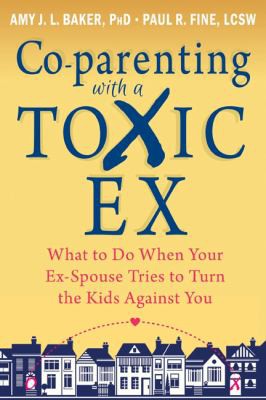
Co-Parenting with a Toxic Ex
Amy J. L. Baker, PhD & Paul R. Fine, LCSW
Evidence-based strategies when your ex tries to turn kids against you. Parental alienation prevention.
As an Amazon Associate, Clarity House Press earns from qualifying purchases. Your price is never affected.
Found this helpful?
Share it with someone who might need it.
About the Author

Clarity House Press
Editorial Team
The editorial team at Clarity House Press curates and publishes evidence-based content on narcissistic abuse recovery, high-conflict divorce, and healing. Our content is informed by research, survivor experiences, and established trauma-informed approaches.
View all posts by Clarity House Press →Published by Clarity House Press Editorial Team