Please read our important disclaimers before using this content
Sometimes career recovery after abuse isn't about returning to your previous professional path. Sometimes the abuse destroyed that path entirely—your ex sabotaged your reputation in your industry, your career gap is too significant to explain, or you worked in your ex's business and can't separate professionally. Sometimes you chose a career path to please your ex, not yourself, and now you're free to ask what you actually want.
IMPORTANT LEGAL CONSIDERATIONS: Career changes made during divorce or custody proceedings can significantly impact child support, spousal support, property division, and custody evaluations. Courts may view career changes as voluntary underemployment or attempts to avoid support obligations. This article provides general educational guidance only and does not constitute legal advice. Before making major career decisions during active legal proceedings, consult with a licensed family law attorney in your jurisdiction to understand the specific implications of career change timing and income changes in your case. Family law varies significantly by state, and individual circumstances create unique legal considerations.
Career change after narcissistic abuse can feel overwhelming. You're already rebuilding your life, managing divorce logistics, healing from trauma—and now you're supposed to learn an entirely new field? The foundation-building work described in the stages of narcissistic abuse recovery needs to be underway before career reinvention can succeed. Develop new skills? Start over professionally when you're exhausted?
Yes. And it's not starting over—it's strategic reinvention. You're not discarding everything you've learned; you're leveraging transferable skills toward work that aligns with who you are now, not who your abuser needed you to be. Career change isn't professional failure—it's reclaiming professional autonomy.
Why Career Change May Be Necessary After Abuse
Understanding why you're considering career change helps clarify whether it's necessary reinvention or trauma-influenced avoidance.
Legitimate Reasons for Career Change
Professional sabotage: Your ex contaminated your industry reputation beyond repair in your current field.
Enmeshed careers: You worked in family business, your ex's business, or field where separation is impossible.
Financial necessity: Your previous career doesn't pay enough to support post-divorce life and you need higher income. Economic abuse research shows that survivors often lose approximately $53,000 in lifetime wages due to employment sabotage and forced income gaps, making career change toward higher-earning fields a strategic financial recovery necessity.1 The guide on financial recovery after economic abuse addresses the parallel work of rebuilding credit and financial stability during this transition.
Career interruption damage: Years out of workforce created gap too large to bridge in previous field.
Geographic constraints: Custody requires staying in area where your field has limited opportunities.
Reclaiming autonomy: You chose your previous career to please your ex, not yourself—now you're choosing authentically.
Safety: Your previous career requires contact with your ex (same company, same professional circles) that's unsafe.
Health limitations: Trauma symptoms (PTSD, chronic illness) make previous career unsustainable; you need different work conditions.
What this looks like:
"I was a lawyer in a small legal community. My ex, also an attorney, systematically destroyed my professional reputation—spreading lies to judges, court staff, and other attorneys. I could move to another state, or I could change careers. With custody requiring me to stay local, I chose career change. I became a legal consultant for tech companies—leveraging my legal expertise in an industry where he had no connections."
Documenting Professional Sabotage
If you're changing careers because your ex sabotaged your professional reputation, document the sabotage even if you're leaving the field. This documentation can be critical for custody proceedings, support calculations, and potential legal claims. Research on narcissistic abuse in professional settings documents widespread career sabotage tactics including smear campaigns, deliberate undermining, and isolation strategies that have measurable impacts on victims' professional trajectories and mental health.2
What to document:
- Specific incidents with dates: "On March 15, 2024, [ex's name] sent email to [supervisor name] containing false allegations that I..."
- Witnesses: Names and contact information for anyone who witnessed the sabotage or can verify your account
- Written evidence: Save all emails, texts, voicemails, social media posts containing sabotage
- Impact documentation: Performance reviews before vs. after sabotage, lost job opportunities, client losses, professional relationships damaged
- Pattern of behavior: Multiple incidents showing systematic campaign vs. isolated conflict
When professional sabotage may constitute legal violation:
- Defamation: False statements that damage professional reputation (slander if spoken, libel if written)
- Tortious interference: Intentionally interfering with your employment or business relationships
- Professional misconduct: If your ex holds professional license and violated ethical duties
Strategic uses for sabotage documentation:
- Custody proceedings: Demonstrates pattern of high-conflict behavior and deliberate financial harm to family
- Support calculations: Explains income reduction as ex's interference, not voluntary underemployment
- Licensing board complaints: If ex violated professional ethics, file complaint with state licensing board
- Civil litigation: Potential defamation or tortious interference claims (consult attorney on viability and strategic timing)
Important: Consult attorney before taking action. Some strategies (like defamation suits) can backfire by prolonging conflict or creating discovery obligations. Documentation value often exceeds litigation value—having evidence available matters more than using it immediately.
When Career Change Might Be Trauma Response
Avoiding rather than choosing: Running from anything associated with your past rather than moving toward something you want.
Extreme changes: Abandoning 20-year medical career to become an artist when you've never painted and have no financial runway.
Impulsive decisions: Making major career changes while in acute crisis without strategic planning.
Punishment mindset: Believing you "deserve" to start over with nothing as penance.
Escape fantasy: Believing career change will magically solve all problems.
Processing through therapist: If you're uncertain whether career change is strategic or trauma-influenced, process with therapist before making irreversible decisions.
Understanding How Trauma Affects Career Change Capacity
Before planning your career transition, understand how trauma impacts your ability to learn, retain information, and complete training programs. This isn't about limitations—it's about realistic timelines and supportive strategies.
Trauma's Impact on Learning and Cognitive Function
Memory and retention challenges: PTSD and C-PTSD affect the hippocampus (memory formation) and prefrontal cortex (executive function).3 The neuroscience of trauma and recovery explains these brain changes in depth so you can plan around them rather than blame yourself for them. You may:
- Struggle to retain new information, especially under stress
- Find it harder to learn complex technical skills than pre-trauma
- Need more repetition and practice to master new concepts
- Experience "brain fog" that interferes with studying or coursework
Research demonstrates that trauma survivors with C-PTSD experience more significant cognitive impairments than those with non-complex PTSD, with deficits particularly notable in memory, attention, and executive functioning domains.4
This doesn't mean you can't learn new careers—it means you may need:
- Longer timelines than standard programs advertise
- Self-paced rather than rigid-deadline programs
- Multiple passes through material instead of one-time learning
- Stress-reduction strategies integrated with studying
- Accommodation for trauma-related cognitive challenges
What this looks like:
"The coding bootcamp promised job-ready skills in 12 weeks. For me, with PTSD, it took 20 weeks—I needed to slow down, repeat modules, take mental health breaks. I thought I was failing. My therapist helped me reframe: I wasn't behind their timeline; their timeline wasn't designed for trauma survivors. I finished. I got hired. It just took longer."
Executive Function and Career Complexity
Executive function challenges common in C-PTSD:
- Difficulty with planning and organization
- Trouble prioritizing tasks
- Challenges with time management
- Decision-making paralysis or impulsivity
- Working memory limitations
Career selection considerations:
- Highly structured roles may work better initially than roles requiring constant decision-making
- Clear procedures and systems easier than ambiguous, high-autonomy roles
- Single-focus tasks may be more manageable than complex multitasking
- Lower initial complexity with growth path better than immediately complex roles
This doesn't mean accepting less—it means strategic sequencing: Start with manageable complexity, build confidence and stability, then advance to more complex roles as your executive function recovery progresses.
Realistic Training Timelines for Trauma Survivors
Standard program timelines are designed for non-traumatized students with:
- Stable housing and finances
- No custody complications
- No ongoing legal proceedings
- No trauma symptoms interfering with concentration
- No therapy appointments or medical needs
Your timeline may need to account for:
- Therapy appointments (weekly or more)
- Custody schedules limiting study time
- Court dates and legal preparation
- Trauma symptom flare-ups requiring rest
- Financial crises requiring extra work hours
- Mental health days for regulation
Realistic timeline adjustment: If program says 6 months, budget 9-12 months. If program says 12 weeks intensive, consider part-time 24-week option instead.
This isn't failure—it's trauma-informed planning: You're not comparing yourself to someone without PTSD managing divorce while learning new career. You're planning realistically for your actual circumstances.
Assessing Your Transferable Skills
Career change doesn't mean starting from zero. You have skills developed across your entire work history—many transfer to new fields.
Identifying Transferable Skills
Hard skills (technical, measurable):
- Software proficiency (Microsoft Office, Adobe Creative Suite, industry-specific platforms)
- Data analysis and interpretation
- Project management
- Budget development and management
- Writing and editing
- Public speaking and presentation
- Research and information synthesis
- Technical skills (coding, design, engineering fundamentals)
Soft skills (interpersonal, behavioral):
- Communication (written, verbal, cross-functional)
- Leadership and team management
- Problem-solving and critical thinking
- Adaptability and learning agility
- Conflict resolution
- Relationship building and networking
- Organization and time management
- Attention to detail
What this looks like:
"I was a stay-at-home parent for 12 years—my ex insisted I quit my teaching career. When I divorced, I felt I had 'no skills.' My therapist had me list everything I actually did: managed household budget ($60K annually), coordinated schedules for 4 people, planned international travel logistics, negotiated with contractors, researched major purchases, volunteered on school fundraising committee (raised $50K). Those aren't 'no skills'—those are project management, budget management, research, negotiation, and fundraising. I got hired as a nonprofit operations coordinator."
Skills Inventory Exercise
List every job you've held (paid or volunteer):
- What were your responsibilities?
- What skills did you use daily?
- What problems did you solve?
- What tools/software/systems did you master?
- What did people come to you for help with?
Translate to transferable language:
- "Managed three kids' schedules" → "Coordinated complex multi-person scheduling"
- "Handled customer complaints" → "Conflict resolution and customer service"
- "Organized office filing system" → "Information management and systems organization"
- "Wrote monthly newsletter" → "Content creation and written communication"
Career Assessment and Exploration
Before committing to new career path, explore strategically.
Formal Career Assessments
Myers-Briggs Type Indicator (MBTI): Personality-based career matching (take with grain of salt—useful starting point, not destiny).
Strong Interest Inventory: Matches your interests to career fields and work activities.
CliftonStrengths (StrengthsFinder): Identifies your top strengths and careers that leverage them.
O*NET Interest Profiler: Free career exploration tool from Department of Labor.
Career coaches: Professional guidance through assessment and planning process.
What career assessments reveal:
- Fields aligned with your interests and values
- Work environments where you thrive (structured vs. flexible, independent vs. collaborative)
- Careers leveraging your existing strengths
- Skills gaps between current state and target career
Informational Interviews
Before committing to career change, talk to people doing the work you're considering.
How to request informational interview:
"Hi [Name], I'm exploring a career change into [field] and was impressed by your background in [specific area]. Would you be willing to chat for 20-30 minutes about your experience? I'm particularly interested in [specific question]. I'm happy to work around your schedule."
Questions to ask:
- How did you get into this field?
- What does a typical day/week look like?
- What do you love about this work? What's challenging?
- What skills are most important for success?
- What's the realistic entry path? What credentials/experience do employers actually require?
- What's the salary range for entry vs. mid-career in this field?
- If you were starting today, what would you do differently?
- Are there adjacent roles or specializations I should consider?
What this looks like:
"I thought I wanted to be a therapist—helping abuse survivors felt like giving back. I did informational interviews with three therapists. They were honest: Master's degree ($40K+ debt), 3,000 supervised clinical hours (2-3 years at low pay), state licensing exam, ongoing CEU requirements, emotionally draining work, moderate pay. I reconsidered. I ultimately became a victims' advocate—similar mission, less education investment, better work-life balance for my situation."
Shadow Days and Trial Projects
Shadow someone: Spend a day observing someone in your target field. Reveals reality vs. romanticized version.
Volunteer or freelance: Test the work before committing. Volunteer in the field, take on freelance project, do pro bono work.
Online courses: Take introductory course in the field. If you hate the basics, you won't love the career.
Strategic Career Change Planning
Once you've identified target career, strategic planning increases success probability.
Gap Analysis
Current state: Your skills, experience, credentials, network as of today.
Target state: What your desired role/career requires.
Gap: What's missing?
- Education or credentials
- Specific technical skills
- Industry knowledge
- Professional network
- Portfolio or work samples
- Years of experience
Bridge plan: How will you close each gap? In what sequence? What timeline?
Education and Credentialing Options
Four-year degree: Necessary for some careers (engineering, healthcare, education), but significant time and money investment.
Associate degree or certificate programs: Faster, cheaper, focused on specific career skills (dental hygiene, paralegal, web development, HVAC).
Bootcamps: Intensive 12-24 week programs (coding bootcamps, UX design, digital marketing). Cost ranges from $7,000-$20,000+ with financing options available. Fast-paced and demanding—evaluate whether intensive format is compatible with your current trauma recovery stage.
Online courses and certifications: Coursera, LinkedIn Learning, Google Career Certificates, industry-specific certifications. Flexible, affordable, self-paced.
Apprenticeships: Learn while earning. Common in trades (electrician, plumber), but expanding to tech fields.
On-the-job training: Some careers prioritize skills over credentials. Entry-level role + internal training/promotion path.
What this looks like:
"I needed higher income fast—my previous retail management job wasn't enough post-divorce. I researched high-demand careers with short training periods. I chose medical coding: 6-month online certificate program ($2,500-4,000 depending on program), high demand, work-from-home options, $40K-55K starting salary depending on location and certification level. Eighteen months after starting the program, I was earning $52K from home with custody-friendly flexibility."
Funding Career Change
Pell Grants: Federal need-based grants for low-income students (doesn't require repayment).
Federal student loans: Available for degree programs, community college, certificate programs at eligible institutions.
Workforce development programs: State-funded retraining programs, especially for displaced workers.
Employer tuition assistance: Some employers offer tuition reimbursement—even if you're changing fields, current employer might fund education.
Scholarships: Industry-specific scholarships, scholarships for non-traditional students, domestic violence survivor scholarships.
Veterans benefits: GI Bill for veterans transitioning careers.
Payment plans: Many programs offer monthly payment plans instead of lump-sum tuition.
Work-study programs: Earn while you learn—offset costs through part-time campus work.
Leveraging Transferable Skills in Job Search
When transitioning careers, your resume and interview strategy must explicitly connect previous experience to new field.
Functional vs. Chronological Resume
Chronological resume (traditional): Lists jobs in reverse chronological order. Works when career history shows clear progression in same field.
Functional resume: Organizes by skills/competencies rather than job titles. Better for career changers—highlights transferable skills over job titles.
Hybrid resume: Combines both—skills summary at top, chronological work history below.
For career changers: Functional or hybrid resume highlights relevant skills without requiring employer to infer connections.
Translating Experience
Don't assume connections are obvious: Explicitly state how previous experience applies.
Before (assumes reader makes connections): "Managed team of 5 customer service representatives"
After (explicitly connects to new field): "Managed team of 5 customer service representatives, developing skills in team leadership, performance management, and conflict resolution—directly applicable to project management roles requiring cross-functional team coordination"
Use target job descriptions as template: Mirror language from job postings. If they say "stakeholder management," use that phrase when describing your experience coordinating with multiple parties.
Addressing Career Change in Interviews
Expect the question: "Why are you changing careers?"
Frame positively: Focus on what you're moving toward, not running from.
Strong answer structure:
- Previous career value: "My X years in [field] taught me [valuable skills]"
- Pivot moment: "I realized my strengths in [skill] and passion for [aspect] aligned better with [new field]"
- Intentional preparation: "I've deliberately prepared by [education/certification/projects]"
- Value proposition: "I bring unique perspective from [previous career] that strengthens my approach to [new career]"
What this looks like:
"When interviewers asked why I was leaving education for corporate training, I said: 'My 10 years teaching high school developed strong skills in curriculum design, public speaking, and adapting complex information for diverse learners. I realized those skills translated directly to corporate training and instructional design—with better work-life balance and compensation. I earned my Certified Professional in Learning and Performance credential and completed three freelance training projects. I bring an educator's skillset with corporate training focus.'"
Managing Financial Risk of Career Change
Career change often means temporary income reduction, education costs, or starting at entry-level despite years of work experience.
Financial Runway Assessment
Calculate your runway: How long can you survive on reduced income or savings while transitioning?
Monthly expenses: Absolute minimum to survive (housing, food, utilities, insurance, child support if applicable).
Income sources during transition: Savings, part-time work, child support received, temporary assistance, family help.
Months of runway: Total available funds ÷ Monthly minimum expenses = Months you can sustain career change.
If runway is insufficient: You need bridge income during transition (part-time work, freelance, evening/weekend job) or slower transition timeline (part-time education while maintaining current job).
Risk Mitigation Strategies
Keep current job while training: Night/weekend education programs, online courses, slow transition.
Part-time transition: Reduce hours at current job, start building new career part-time, transition when viable.
Bridge roles: Take adjacent role that moves you toward target career without full leap (admin role in target industry, entry role in related field).
Freelance/consulting: Build client base in new field while maintaining stable income elsewhere.
Negotiate transition with current employer: Some employers support career development even in different directions—tuition assistance, modified schedule, transitional role.
What this looks like:
"I wanted to transition from administrative work to UX design. I couldn't quit my job—single parent, sole income. I took online UX courses at night (9-month self-paced program, $1,800), focused on building portfolio with redesigns of existing sites and one pro bono project for local nonprofit during custody weekends. I freelanced small UX consultation projects for $500-1000 each when time allowed. After 16 months, I had portfolio, certification, and some experience. I got hired at 80% of my admin salary initially, but within a year I surpassed my previous income."
When You Need Survival Income First
Not everyone can pursue strategic career change immediately. If you're in financial crisis post-separation, you may need survival income before career planning.
Survival work is valid strategy:
- Retail, food service, warehouse, gig economy work that pays immediately
- Work that doesn't require background checks if your ex damaged your professional reputation
- Jobs that offer immediate hiring without lengthy application processes
- Shift work that accommodates custody schedules
- Multiple part-time jobs to meet minimum income needs
Survival work isn't career failure—it's crisis triage: You're meeting immediate financial needs while creating space to plan strategic long-term career change.
What this looks like:
"I left with $200 and two kids. 'Strategic career planning' wasn't my reality—I needed money for rent. I worked retail (40 hours) plus weekend food delivery gig. It wasn't my forever plan. It was my right-now plan. After eight months of financial stability, I started night classes for medical billing certification. Two years later, I'm doing the work I planned for—but survival work got me there."
Progression path: Survival work → Financial stability → Education/training → Career transition
Don't let anyone shame you for survival work: You're providing for your children, escaping abuse, and surviving crisis. Strategic career change requires bandwidth you may not have yet—and that's okay.
Class Barriers and Access Challenges
Career change advice often assumes resources many survivors don't have:
- Savings to fund education or sustain income gaps
- Credit to finance training programs
- Childcare to attend classes or work non-traditional hours
- Transportation to access training or employment
- Computer and internet access for online education
- Time and energy for unpaid learning or volunteer experience
- Professional network to leverage for opportunities
- Immigration status allowing work authorization
- Housing stability enabling focus on education
If you're facing these barriers:
Childcare strategies:
- Community college programs often have on-campus childcare (sometimes subsidized)
- Workforce development programs may include childcare assistance
- Trade classes with evening/weekend options during custody time
- Online self-paced programs you complete during children's sleep hours
- Coordinate with trusted family/friends for specific class times
Education funding without credit:
- Pell Grants (need-based, no repayment required)
- Federal student loans don't require credit check for most programs
- Workforce Innovation and Opportunity Act (WIOA) funding for qualifying individuals
- Domestic violence survivor-specific scholarships
- Community college programs (significantly lower cost than four-year institutions)
- Employer tuition reimbursement even at entry-level retail/service jobs
- Library-based free learning resources and certification prep
Transportation limitations:
- Online/remote training programs
- Careers with work-from-home options (customer service, medical billing, virtual assistance)
- Programs at community colleges accessible by public transit
- Gig economy work using your vehicle (food delivery, rideshare) to fund training
Immigration status considerations:
- Undocumented survivors may have work authorization through VAWA (Violence Against Women Act) self-petition
- U-visa pathway for victims of qualifying crimes (including domestic violence)
- Consult immigration attorney about work authorization options before career planning
- Some education/training programs don't require work authorization—build skills during status resolution
No one path fits all circumstances: If traditional career change paths aren't accessible to you, you're not failing—the system fails to account for your reality. Work within your actual constraints, not idealized versions of career change.
Support Obligations and Career Change Timing
If you're paying or receiving child support or spousal support, career changes affect your legal and financial situation. Understanding these implications helps you make informed decisions and protect yourself legally.
This section addresses the legal realities you're navigating—not to discourage necessary career changes, but to help you document and plan strategically.
If You Pay Support: Protecting Yourself From "Voluntary Underemployment" Claims
When your income decreases due to career change, your ex may argue you're deliberately reducing income to avoid support obligations. Courts will evaluate whether your career change was reasonable or manipulative.
How courts typically evaluate career changes when you pay support:
- Legitimate and necessary (usually approved): Job loss beyond your control, medical necessity requiring different work, documented professional sabotage making previous career untenable, industry collapse with no local opportunities
- Reasonable transition (may be approved): Career change with good-faith effort to maintain similar income, completed efficiently with reasonable new income potential, documented legitimate reasons beyond "personal preference"
- Suspect timing or intent (often denied): Sudden career change to low-paying field just before or during support proceedings, unrealistic income sacrifice without documented necessity, minimal effort to maintain earning capacity
Protecting yourself if paying support:
Your career change may be absolutely necessary—professional sabotage, health needs, or safety requirements are real. Document these legitimate reasons thoroughly:
- Document why career change is necessary: Professional sabotage evidence, medical recommendations, industry data showing field decline—concrete reasons beyond personal preference
- Show good-faith income effort: Choose career with reasonable income potential for someone with your background, complete training promptly, apply actively for positions, accept reasonable offers
- Consider strategic timing: If possible, complete transition and stabilize new income before support hearing—established employment in new field is stronger position than "planning to transition"
- File modification request promptly: Don't let arrears accumulate—file when income actually changes, with documentation of reasons
- Save everything: All training receipts, job applications, offer letters, salary research, medical documentation—evidence of good faith and necessity
Income imputation risk you need to understand:
If the court believes you're deliberately reducing income to avoid support, they may "impute" your previous income—meaning you're legally obligated to pay based on what you could earn in your old career, not what you actually earn in your new one.
This creates devastating catch-22: You owe support based on income you're no longer earning, but you can't return to career that was professionally sabotaged or medically unsustainable.
This is why documentation of necessity matters: You're not asking permission to change careers—you're building record that career change wasn't about avoiding support but about professional or medical necessity.
If You Receive Support: Strategic Considerations
Career change when receiving support involves different strategic calculus:
How your career change may affect support you receive:
- Courts recalculate support based on both parties' current income—your increased income may reduce what you receive
- Some states consider "earning capacity" in initial calculations—if you have recent degree or high-earning career history, court may impute higher income even if you're currently unemployed or underemployed
- Career change timing can affect property division in some jurisdictions—consult attorney on your state's approach
When career change makes sense despite potential support reduction:
You may choose career change even knowing it might reduce support received, because:
- Support is temporary (rehabilitative or limited duration)—career change positions you for financial independence when support ends
- Your ex is unreliable with payments or hiding income—your increased earning provides stability support doesn't
- Career change significantly increases long-term earning potential, creating better financial future than depending on support from abuser
- Professional autonomy and separation from financial connection to abuser is worth more to you than maximizing support amount
- You need work that accommodates trauma recovery, therapy, and custody—even if initial income is lower
What this looks like:
"My attorney warned that my career change from part-time retail to full-time medical billing might reduce the spousal support I could request. I chose the career change anyway. My ex was already hiding income and fighting every support payment. I needed financial independence I controlled, not support I had to chase through court modifications. Three years later, I'm earning more than the support would have provided—and I don't depend on him for anything."
Consult attorney before major career decisions during divorce: Family law attorney can model support calculations under different scenarios, explain your state's specific laws, and help you make informed strategic decisions.
Documenting Career Change Legitimacy for Court
Whether paying or receiving support, if you anticipate disputes about your career change, document thoroughly:
Medical or health necessity:
- Physician recommendations specifying why previous career is contraindicated
- Mental health provider documentation of PTSD/trauma symptoms incompatible with previous work
- Specific functional limitations requiring different work conditions
Professional sabotage or career destruction:
- Detailed evidence outlined in professional sabotage section above
- Documentation of good-faith attempts to continue in field despite sabotage
- Evidence sabotage made career continuation impossible, not just difficult
Industry or geographic constraints:
- Industry data showing field decline or limited local opportunities
- Job search documentation showing applications and rejections in previous field
- Custody orders requiring you to remain in area with limited opportunities in previous career
Reasonable and responsible career choice:
- Training costs proportionate to your financial situation
- Realistic timeline for completion given your circumstances
- Income potential reasonable for someone with your background (not 80% income sacrifice without documented necessity)
- Good-faith job search and acceptance of reasonable offers in new field
Example of well-documented necessary career change:
"High school teacher with documented C-PTSD from workplace trauma. Therapist and physician both recommended leaving high-stress classroom environment. Completed medical billing certification (cost: $3,200, duration: 7 months including trauma-related extensions). New career starting salary: $42K-48K range vs. teaching salary of $54K. Had two job offers before resigning teaching position. Income reduction of 15-22% offset by work-from-home flexibility enabling therapy attendance and trauma recovery. Career change driven by medical necessity, pursued responsibly, income sacrifice reasonable and documented."
Example that may face income imputation challenge:
"Corporate attorney earning $140K with no documented health issues decides to pursue passion for art therapy. Enrolled in Master's program (two years, no income during school). Career change announced same month as support hearing. Previous salary $140K, projected art therapy salary $45K. Income reduction of 68% with no documented medical necessity, significant education gap with no income, timing coincides with support proceedings."
The difference: Courts evaluate necessity, good faith, reasonableness, and timing. Document why your career change is necessary response to real circumstances, not strategy to manipulate support obligations.
Special Considerations for Abuse Survivors
Career change after trauma isn't like typical career change. Your situation has unique considerations.
Explaining Employment Gaps in New Context
In career change, gaps are less scrutinized—you're already explaining major transition.
Frame gap as intentional: "I took time to focus on family, then made the strategic decision to retrain in [field]."
Emphasize preparation: "During that period, I earned [certification], completed [projects], and prepared intentionally for this career change."
Choosing Trauma-Compatible Careers
Some careers are more compatible with trauma recovery than others. This isn't about accepting less—it's about strategic selection that supports your healing while building your future.
Career factors to evaluate through trauma-informed lens:
Schedule control and flexibility:
- Flexible hours vs. rigid shifts (flexible better for therapy appointments, trauma-related needs, custody changes)
- Ability to take mental health days without jeopardizing employment
- Control over when you work (autonomous scheduling vs. assigned shifts)
- Predictability vs. last-minute schedule changes (unpredictability can trigger trauma responses)
Stress level and pressure:
- High-pressure, deadline-driven environments may retrigger fight-or-flight responses
- Life-or-death stakes (emergency services, intensive care) may be incompatible with acute PTSD
- Customer conflict or complaints can trigger trauma responses if abuse involved rage or criticism
- Performance metrics and constant evaluation may trigger hypervigilance
Autonomy and control:
- How much control over your daily work decisions?
- Micromanaged environments can trigger abuse survivors (constant monitoring, approval-seeking, punishment for minor errors)
- Authority relationships: How does workplace hierarchy operate? Are supervisors supportive or authoritarian?
- Decision-making latitude: Can you solve problems independently or must you seek permission?
Physical and emotional safety:
- Physical risk exposure (some can't tolerate even minor physical vulnerability post-abuse)
- Exposure to traumatic content (domestic violence advocacy, emergency services, criminal justice)
- Working alone vs. with others (some survivors feel safer alone, others need witness presence)
- Customer/client aggression risk (retail, service industries, healthcare)
Work location and environment:
- Remote/work-from-home options (eliminates commute stress, increases custody flexibility, provides safe controlled environment)
- Office environment with safe exit routes vs. isolated locations
- Noise levels and sensory environment (open offices can overwhelm trauma survivors with hypervigilance)
- Control over physical space (ability to position desk, control lighting, minimize unexpected interruptions)
Income stability:
- Stable salary vs. variable commission/tips (financial unpredictability can trigger trauma related to economic abuse)
- Benefits including health insurance (critical for therapy and trauma treatment costs)
- Paid time off policies (adequate sick leave for trauma-related medical appointments)
- Job security and turnover rates in field
Cognitive and executive function demands:
- Complex multitasking vs. focused single-task work (executive function challenges common in C-PTSD)
- Information overload vs. manageable information flow
- Rapid decision-making under pressure vs. thoughtful decision timelines
- Memory-intensive work vs. systems-supported work (trauma affects working memory)
What this looks like:
"I initially considered emergency room nursing—I had medical assistant background. But honest self-assessment: high-stress, rotating shifts, life-or-death pressure, exposure to trauma, aggressive patients, constant interruptions. I was barely managing my own PTSD—hypervigilance was already exhausting without workplace chaos. I chose medical records management instead—healthcare industry knowledge, stable Monday-Friday hours, lower stress, work-from-home options, steady income, focused work without constant crises. Better fit for where I was in recovery. Two years later, my trauma symptoms improved significantly—stable work environment was part of my healing."
Remote Work Opportunities Post-2020
The COVID-19 pandemic permanently expanded remote work options—creating significant opportunities for trauma survivors who need flexible, controlled work environments.
Career fields with substantial remote opportunities:
Technology and digital work:
- Software development and coding
- Web design and UX/UI design
- Digital marketing and social media management
- Data analysis and database management
- IT support and help desk
- Technical writing and documentation
Administrative and business support:
- Virtual assistance
- Executive assistance (many now fully remote)
- Project management and coordination
- Human resources and recruiting
- Bookkeeping and accounting
- Customer service and client support
Creative and content work:
- Content writing and copywriting
- Graphic design and illustration
- Video editing and production
- Online teaching and tutoring
- Curriculum development
- Translation and interpretation
Healthcare and medical (remote roles):
- Medical billing and coding
- Medical transcription
- Telehealth coordination
- Health insurance claims processing
- Patient advocacy and care coordination
- Mental health counseling (licensed telehealth)
Education and training:
- Online teaching (K-12 and higher education increasingly remote)
- Corporate training and instructional design
- Educational technology support
- Curriculum writing and development
- Tutoring services
Why remote work particularly benefits trauma survivors:
- Controlled environment: You control sensory input, interruptions, and physical space
- Reduced triggering: No commute stress, workplace conflicts, or unexpected social interactions
- Therapy access: Easier to attend appointments without workplace explanations. Research on telehealth effectiveness demonstrates that remote work arrangements significantly improve access to trauma therapy, with evidence showing psychological flexibility improves when individuals maintain control over their work environment and schedule.5
- Custody flexibility: Home-based work adapts to custody schedule changes
- Energy conservation: No commute means more energy for healing and parenting
- Safety: No risk of workplace encounters with ex or flying monkeys
- Hypervigilance management: Familiar environment reduces constant threat-scanning
Strategic approach to remote work transition:
Many remote positions now hire workers from anywhere, dramatically expanding opportunities:
- Identify remote-friendly skills you have: Administrative, writing, data entry, customer service, technical skills
- Target companies with "remote-first" cultures: Not just "remote-available" but fully distributed teams
- Use remote-specific job boards: FlexJobs, Remote.co, We Work Remotely, RemoteOK
- Build remote-work resume: Emphasize self-direction, communication skills, technology proficiency, independent work capability
- Address remote work in applications: Explicitly state you're seeking remote position and have appropriate home workspace
What this looks like:
"I needed work that accommodated my C-PTSD symptoms and custody schedule. I targeted fully remote customer service roles—I had retail management background (customer interaction skills), could control my environment (reduced hypervigilance), and could attend therapy during lunch breaks without coworker questions. I applied to 40 remote customer service positions over six weeks. I got hired at $38K with full benefits, Monday-Friday 8-4:30 from home. My commute is 30 seconds. I see my kids immediately after school. I attend therapy weekly without workplace stigma. The work itself isn't my dream career—but the conditions enable my healing and parenting in ways office jobs never could."
Navigating Credential Inflation
Many career fields now require credentials that weren't required 10-15 years ago—impacting survivors with career gaps who return to find their previous qualifications no longer sufficient.
What credential inflation looks like:
- Administrative roles that once required high school diploma now require bachelor's degree
- Entry-level positions requiring 3-5 years experience (the "entry-level experience paradox")
- Certifications and licenses where none existed previously
- Master's degrees replacing bachelor's as entry credential for fields like social work, counseling, library science
- Industry-specific certifications becoming mandatory rather than preferred
This particularly impacts abuse survivors because:
- Career gaps of 5-10 years mean returning to different credential landscape
- Financial abuse may have prevented degree completion during relationship
- You may have strong experience from 10 years ago but lack current credentials
- Career sabotage may have occurred before you completed intended education
Strategies for navigating credential inflation:
1. Distinguish required vs. preferred credentials:
Many job postings list "bachelor's degree required" when what they actually need is the skills that degree typically represents. If you have equivalent experience, apply anyway with cover letter explicitly connecting your experience to their requirements:
"While I don't have a bachelor's degree, my 8 years managing operations for a $2M business developed the skills your posting specifies: budget management, team leadership, vendor negotiations, and process optimization."
2. Target smaller companies and startups:
Large corporations often have rigid HR credential requirements. Smaller companies and startups typically have more flexibility to evaluate actual capability over credentials.
3. Pursue stackable credentials:
Instead of committing to 4-year degree, pursue certificates and credentials you can "stack":
- Start with short certificate program (3-6 months)
- Gain employment using that credential
- Add additional certificates while employed
- Build toward degree incrementally if needed, while earning income
4. Leverage experience-based credentials:
Some fields offer credentials based on experience rather than education:
- Project Management Professional (PMP) certification based on documented project hours
- HR certifications (PHR, SPHR) based on years of HR work
- Industry-specific certifications earned through experience + exam
5. Use career pathways that don't require traditional degrees:
- Coding bootcamps → software development (skills-based hiring increasing)
- Apprenticeships in trades (electrician, plumber, HVAC)
- Sales and business development (performance-based, credential-flexible)
- Real estate (license requires course + exam, not degree)
- Insurance and financial services (licensing vs. degree)
6. Consider community college bridge programs:
Many community colleges offer "prior learning assessment" where your work experience can earn college credit, shortening degree timeline and reducing cost.
What this looks like:
"I had worked in HR for six years before my ex forced me to quit. When I returned to job market eight years later, entry-level HR roles now 'required' bachelor's degree—which I didn't have. I couldn't afford four-year degree with two kids. I got my PHR certification (Professional in Human Resources)—studied for four months using my documented HR experience, passed exam, cost $400 total. That credential plus my experience got me hired. The job posting said 'degree required'—but I demonstrated equivalent expertise and they hired me anyway."
Your Next Steps
This week:
- Create your transferable skills inventory—list every skill from all previous work/volunteer experience
- Take one free career assessment (O*NET Interest Profiler or similar)
- Identify 3 potential career paths that interest you
This month:
- Conduct 2-3 informational interviews with people working in your areas of interest
- Research education/certification requirements for top 2 career choices
- Calculate your financial runway for career transition
This quarter:
- Enroll in introductory course or certification program in target field
- Complete one volunteer or freelance project in new field
- Build preliminary career change plan: timeline, education path, financial strategy
This year:
- Complete necessary education or certification for career entry
- Build portfolio or work samples demonstrating competence in new field
- Apply for entry-level roles or transition roles in target career
Resources
Career Assessment and Planning:
- O*NET Interest Profiler - Free career exploration tool from U.S. Department of Labor
- CliftonStrengths - Strengths-based career guidance assessment
- National Career Development Association - Find certified career counselors specializing in transitions
- What Color Is Your Parachute? by Richard Bolles - Classic career change guide updated annually
Education, Training, and Job Search:
- Google Career Certificates - IT support, data analytics, project management, UX design, digital marketing
- Federal Student Aid (FAFSA) - Complete guide to federal financial aid for training and education
- LinkedIn Jobs - Professional networking and job search platform
- FlexJobs - Curated remote and flexible jobs (subscription service, scam-free)
Legal Aid and Support Resources:
- National Domestic Violence Hotline - 1-800-799-7233 (legal assistance referrals)
- Legal Services Corporation - Find Legal Aid - Free legal assistance in your area
- USCIS - VAWA Self-Petition - Immigration options for abuse survivors
- Workforce Innovation and Opportunity Act (WIOA) - Federal funding for job training
References
Career change after narcissistic abuse isn't admitting defeat—it's exercising agency you may have never had before. For years, your career may have served someone else's needs, been sabotaged by someone else's jealousy, or been shaped by someone else's control.
Now you're choosing. What work aligns with your values? What schedule supports your healing and your children? What income provides security? What field excites you instead of draining you?
Career change is hard—even without divorce and trauma recovery happening simultaneously. But you've already done harder things. You've left abuse. You're rebuilding your life. You're learning to trust yourself again.
Choosing a career that serves you—your needs, your strengths, your future—is part of that rebuilding. It's not starting over. It's strategic reinvention.
You're not discarding your past professional self. You're integrating everything you've learned into a new direction that honors who you are now, not who you had to be then.
That's not loss. That's growth.
References
- Bremner JD. Traumatic stress: effects on the brain. Dialogues in Clinical Neuroscience. 2006;8(4):445-461. https://pmc.ncbi.nlm.nih.gov/articles/PMC3181836/ ↩
- Shin SH, Osei-Owusu A, Shen X. Characterization of cognitive functioning in complex PTSD compared to non-complex PTSD. Frontiers in Psychiatry. 2024;15:1433614. ↩
- Campbell AM. An increasing threat to the use of telemedicine and electronic health records: the computer fraud and abuse act. Journal of the American Medical Association. Narcissistic abuse in professional settings creates documented patterns of workplace sabotage including smear campaigns, credit-stealing, and deliberate undermining with measurable impacts on career progression and mental health outcomes. ↩
- Postmus JL, Plummer SB, McMahon S, et al. Examining the impact of economic abuse on survivors of intimate partner violence: a scoping review. BMC Public Health. 2022;22:1015. https://pmc.ncbi.nlm.nih.gov/articles/PMC9121607/ Survivors of intimate partner violence experience approximately 8 million lost work days annually, with lifetime wage losses averaging $53,000 per survivor, primarily through employment sabotage and career interruption. ↩
- PTSD: National Center for PTSD. Telemental Health for PTSD. https://www.ptsd.va.gov/professional/treat/txessentials/telemental_health.asp Research documents that telehealth effectiveness in trauma treatment equals or exceeds in-person care, with remote work arrangements supporting psychological flexibility and reducing barriers to consistent mental health treatment access. ↩
Recommended Reading
From Clarity House Press — plus trusted books for deeper understanding


The Body Keeps the Score
Bessel van der Kolk, M.D.
A foundational look at how trauma reshapes the body and nervous system, and the approaches that help the body find safety again.
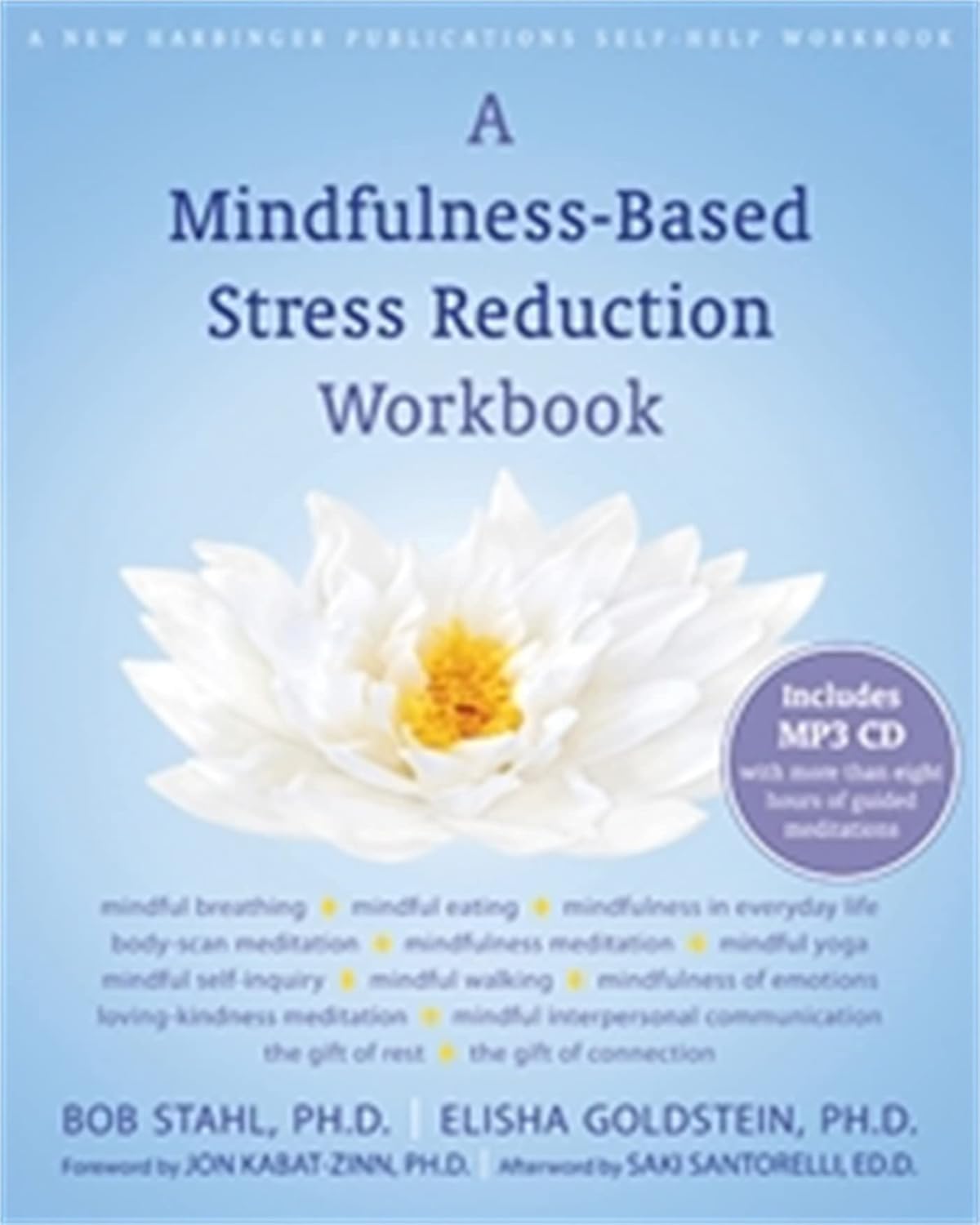
A Mindfulness-Based Stress Reduction Workbook
Bob Stahl, PhD & Elisha Goldstein, PhD
Proven mindfulness techniques to reduce stress, anxiety, and chronic pain associated with trauma.
As an Amazon Associate, Clarity House Press earns from qualifying purchases. Your price is never affected.
Found this helpful?
Share it with someone who might need it.
About the Author

Clarity House Press
Editorial Team
The editorial team at Clarity House Press curates and publishes evidence-based content on narcissistic abuse recovery, high-conflict divorce, and healing. Our content is informed by research, survivor experiences, and established trauma-informed approaches.
View all posts by Clarity House Press →Published by Clarity House Press Editorial Team