Please read our important disclaimers before using this content
If you developed an autoimmune condition during narcissistic abuse—or watched an existing condition spiral out of control—you're not imagining the connection. The research on how trauma changes your brain and body demonstrates that chronic abuse creates measurable physiological changes—not just emotional ones.
The stress-immune relationship is well-documented in medical literature.1 Chronic psychological stress doesn't just feel bad—it measurably disrupts immune function, triggers inflammatory processes, and can precipitate autoimmune disease onset or exacerbate existing conditions.2
For survivors managing both trauma recovery and autoimmune illness, understanding this connection validates your experience, guides medical treatment, supports disability accommodations in custody cases, and informs long-term health recovery. This is also closely connected to C-PTSD and chronic illness—many survivors carry both diagnoses, and they interact in important ways that affect treatment planning.
The Stress-Immune Connection: How Abuse Triggers Autoimmune Disease
Autoimmune conditions occur when your immune system mistakenly attacks your body's own tissues. While genetics play a role, environmental triggers—including chronic stress—can act as catalysts that activate genetic predisposition in susceptible individuals.3
How Chronic Stress Dysregulates Immune Function:
1. Cortisol Dysregulation
- Short-term stress: Cortisol appropriately suppresses inflammation
- Chronic stress: Prolonged cortisol elevation leads to glucocorticoid resistance4
- Immune cells become less responsive to cortisol's anti-inflammatory signals
- Result: Unchecked inflammation and immune activation
2. Inflammatory Cytokine Elevation
- Chronic stress increases pro-inflammatory cytokines (IL-6, TNF-alpha, IL-1beta)5
- These cytokines drive autoimmune inflammation
- Creates systemic inflammatory state
- Triggers or worsens autoimmune disease activity
3. Gut-Immune Axis Disruption
- Stress damages intestinal barrier function ("leaky gut")
- Increases intestinal permeability
- Allows food proteins and bacteria to cross intestinal wall
- Triggers immune responses that can become autoimmune
4. Sympathetic Nervous System Overactivation
- Chronic "fight or flight" state
- Shifts immune response toward inflammatory patterns
- Reduces regulatory T cells (which prevent autoimmune reactions)
- Increases likelihood of immune system attacking self-tissue
5. Sleep Disruption Effects
- Abuse disrupts sleep (arguments at night, hypervigilance, anxiety)
- Sleep deprivation impairs immune regulation
- Worsens inflammatory markers
- Accelerates autoimmune disease progression
Common Autoimmune Conditions Linked to Chronic Stress
1. Rheumatoid Arthritis (RA)
What it is:** Autoimmune attack on joint linings, causing pain, swelling, and eventual joint damage.
Stress connection:
- Research suggests major stressors frequently precede RA onset, with some studies reporting this in 50-70% of cases, though retrospective self-report data requires cautious interpretation6
- Stress triggers inflammatory flares7
- Pain and disability worsen during high-conflict periods
What this looks like:
"I was diagnosed with rheumatoid arthritis six months after filing for divorce. My hands swelled so badly I couldn't button my kids' clothes or type at work. My rheumatologist asked about stress—when I finally told her about the abuse and ongoing custody battle, she said stress was likely a major factor in both onset and severity. She emphasized that managing stress was as important as taking my biologics."
2. Hashimoto's Thyroiditis
What it is:** Autoimmune attack on thyroid gland, causing hypothyroidism (underactive thyroid).
Stress connection:
- Chronic stress disrupts hypothalamic-pituitary-thyroid axis in genetically predisposed individuals8
- May increase antibodies against thyroid tissue in susceptible populations
- Worsens fatigue, weight gain, depression, brain fog
What this looks like:
"I gained 40 pounds during the last two years of my marriage despite eating less and exercising more. I was exhausted all the time—he called me lazy. Bloodwork showed Hashimoto's. My endocrinologist said autoimmune thyroid disease often develops during prolonged stress. He weaponized my weight gain and fatigue in the custody evaluation, claiming I was 'too tired' to parent effectively."
3. Lupus (Systemic Lupus Erythematosus)
What it is:** Autoimmune disease affecting multiple organ systems—skin, joints, kidneys, heart, brain.
Stress connection:
- Stress is recognized lupus flare trigger9
- Can worsen skin rashes, joint pain, organ involvement
- Fatigue becomes debilitating during high-stress periods
What this looks like:
"My lupus was diagnosed three years into my marriage. For the next eight years, every major flare coincided with escalations in his abuse—silent treatments, financial control, threats. My rheumatologist documented the stress-flare pattern. When I finally left, my disease activity decreased significantly. I still have lupus, but it's far more manageable without chronic abuse stress."
4. Multiple Sclerosis (MS)
What it is:** Autoimmune attack on myelin (nerve protective coating), causing neurological symptoms.
Stress connection:
- Stress linked to MS exacerbation and possibly onset10
- Worsens fatigue, cognitive symptoms, motor difficulties
- Chronic stress may accelerate disease progression
What this looks like:
"I developed MS symptoms—vision problems, numbness, severe fatigue—during the most abusive years. He told me I was being dramatic, making it up for attention. After diagnosis, he minimized it: 'Everyone gets tired.' My neurologist explained stress worsens MS. After leaving, my relapse frequency decreased by half."
5. Inflammatory Bowel Disease (Crohn's, Ulcerative Colitis)
What it is:** Chronic autoimmune inflammation of digestive tract.
Stress connection:
- Stress-gut connection well-established11
- Flares triggered by psychological stress
- Chronic stress worsens disease severity and frequency
What this looks like:
"I developed severe ulcerative colitis during the divorce. Bloody diarrhea, abdominal pain, weight loss. I was hospitalized twice. My gastroenterologist said the divorce stress likely triggered onset—I had genetic risk, but no symptoms until the high-conflict custody battle began. He used my hospitalizations against me, claiming I was 'too sick' to care for the kids."
6. Psoriasis and Psoriatic Arthritis
What it is:** Autoimmune skin condition (psoriasis) that can also affect joints (psoriatic arthritis).
Stress connection:
- Stress is the most commonly reported trigger for psoriasis onset and flares12
- Visible symptoms create additional psychological burden
- Can affect self-esteem, dating, professional life
7. Celiac Disease
What it is:** Autoimmune reaction to gluten, damaging small intestine.
Stress connection:
- Stress may trigger symptoms in diagnosed celiac disease through immune dysregulation and increased intestinal permeability
- In genetically predisposed individuals, stress-related intestinal barrier dysfunction may exacerbate gluten sensitivity reactions
- Diagnosis often follows major life stressors, though the primary trigger remains gluten exposure
How Narcissists Weaponize Autoimmune Conditions
Beyond causing or worsening the condition, narcissists exploit your illness:
1. Minimizing and Mocking Symptoms
- "You're always tired" (dismissing autoimmune fatigue)
- "Other people with [condition] work full-time" (comparing you to others)
- "You just want attention" (invalidating genuine symptoms)
2. Sabotaging Medical Treatment
- Hiding medications
- Interrupting sleep (worsening symptoms)
- Creating stress before medical appointments
- Refusing to cover insurance costs
- Preventing you from attending appointments
3. Using Disability Against You in Custody
- Claiming you're "too sick" to parent
- Exaggerating functional limitations
- Highlighting bad days, ignoring good days
- Arguing for custody based on your "unreliability"
Important distinction:** Genuine medical limitations vs. fabricated inability
- Genuine limitation: "I need to rest in afternoons; kids have quiet time then"
- Fabricated: "She sleeps all day and can't take care of the children"
4. Preventing Disability Accommodations
- Refusing to adjust custody schedule for medical appointments
- Denying need for help during flares
- Blocking access to disability benefits
- Undermining need for accommodations at work
5. Financial Control Through Medical Needs
These tactics weaponize illness to maintain control and can create life-threatening situations:
- Withholding insurance cards (preventing access to care)
- Refusing to approve specialist visits (controlling medical decision-making)
- Delaying prescription refills (creating preventable disease flares)
- Using expensive treatments as leverage (coercing compliance)
Medical Documentation for Court: Protecting Yourself
When autoimmune conditions affect custody or divorce proceedings:
What to Document:
1. Medical Records Showing:
- Diagnosis date and timeline (relationship to abuse/divorce)
- Treatment plan and medications
- Functional abilities and limitations
- Frequency of flares vs. periods of remission
- Impact of stress on disease activity
2. Physician Letters Addressing:
- Your ability to parent (despite condition)
- Accommodations needed (not inability to parent)
- Stress as disease trigger
- Treatment compliance and stability
Example physician letter language:
"Patient has rheumatoid arthritis requiring biologic therapy. With appropriate treatment and stress management, she maintains good functional status and is fully capable of parenting. Accommodations such as afternoon rest periods and assistance with heavy lifting do not impair her parenting capacity. High-stress situations worsen her disease activity; a stable, predictable custody arrangement supports her health management."
3. Functional Documentation:
- What you CAN do with reasonable accommodations (most important—courts focus on capability, not limitation)
- Accommodations that allow full functioning
- Good days vs. bad days (realistic picture showing medical variability)
- Treatment effectiveness when compliance is possible
What NOT to Do:
❌ Don't minimize your condition (dishonesty helps no one) ❌ Don't exaggerate limitations (undermines credibility) ❌ Don't claim you have no limitations (unrealistic) ✅ Do provide realistic, balanced picture of functioning with treatment
Disability Accommodations in Custody Cases
Courts must comply with ADA (Americans with Disabilities Act). Disability ≠ inability to parent.
Reasonable Accommodations Include:
Scheduling:
- Medical appointments during non-parenting time when possible
- Flexibility for urgent medical needs
- Predictable schedule to reduce stress triggers
Practical Support:
- Assistance with physically demanding tasks (lifting, sports activities)
- Rest periods during parenting time
- Backup caregivers for severe flare days
Communication:
- Modified communication about medical needs
- Documentation of medical appointments (not requiring "permission")
- Emergency protocols for severe symptoms
What Courts Consider:
✅ Can you meet children's basic needs with reasonable accommodations? ✅ Do you have treatment plan and follow it? ✅ Do you have support system for difficult days? ✅ Can you prioritize children's safety even during flares?
Key principle: Disability accommodations allow you to parent effectively; they're not evidence of inability to parent.
Treatment Access During High-Stress Divorce
Managing autoimmune disease while divorcing is challenging—high stress worsens the very condition requiring stress reduction.
During the high-stress period of divorce proceedings, disability accommodations in custody cases can help ensure that your medical needs are properly contextualized rather than weaponized against you as a parent.
Prioritizing Medical Care:
1. Maintain Treatment Continuity
- Don't skip medications (even if expensive)
- Keep specialist appointments
- Document all treatment (helps in court)
- Consider generic alternatives if cost is prohibitive
2. Stress Reduction as Medical Treatment
- Your doctor can prescribe "stress reduction" as medical necessity
- Justifies accommodations, boundaries, communication limits
- Supports need for therapy, support groups
- Medical basis for protective orders
3. Work with Trauma-Informed Providers
Finding trauma-informed specialists:
- Explain you're in high-conflict divorce
- Ask if they're familiar with stress-disease connection
- Request documentation supporting your needs
- Coordinate between mental health and medical providers
What trauma-informed medical care looks like:
- Validates stress-disease connection
- Provides flexible scheduling for court dates
- Documents both capabilities and limitations accurately
- Advocates for your medical needs in legal proceedings
4. Sleep Hygiene (Critical for Autoimmune Disease)
Sleep disruption is both an abuse tactic and a medical emergency—your body needs rest to regulate autoimmune disease.
- If safe to do so, prioritize sleep despite divorce stress
- Consider medication for sleep temporarily (medical necessity, not weakness)
- If you can create a safer sleep space (even locking your door or staying with a friend temporarily), do so—your health depends on it
- Document when ex deliberately disrupts your sleep (pattern evidence of abuse)
- If cohabitating remains unsafe, safety planning takes priority over perfect sleep hygiene
If you're experiencing deliberate sleep deprivation as abuse: National Domestic Violence Hotline 1-800-799-7233
5. Anti-Inflammatory Lifestyle
Despite divorce chaos, small changes help:
- Anti-inflammatory diet (reduce processed foods, sugar)
- Gentle movement (walking, yoga, swimming)
- Stress reduction practices (meditation, breathing exercises)
- Social support (reduces inflammatory markers)
Long-Term Health Recovery After Leaving
Many survivors experience significant improvement in autoimmune symptoms after leaving abusive relationships—though recovery timeline varies.13
What to Expect:
Recovery timelines vary considerably based on disease type, severity, treatment adherence, ongoing stressors such as co-parenting with the abuser, and individual physiology. These timeframes represent common patterns observed in post-separation recovery but are not predictive of individual outcomes:
Immediate Post-Separation (0-6 months):
- Symptoms may initially worsen (separation stress)
- Flares triggered by court proceedings, custody exchanges
- Sleep may remain disrupted
- But: stress pattern changes from chronic to intermittent
Early Recovery (6-18 months):
- Inflammation begins to decrease
- Flare frequency may reduce
- Sleep improves as safety increases
- Medication needs may stabilize or decrease
Long-Term Recovery (18+ months):
- Many survivors report significant symptom improvement
- Some achieve remission (depending on condition)
- Reduced disease activity
- Lower medication requirements (in some cases)
Important: Recovery is not guaranteed, and autoimmune diseases are chronic. But removing chronic stress removes a major disease trigger.
Survivor Experiences:
"My rheumatoid arthritis symptoms decreased by about 60% two years after leaving. I still have RA, I still take medication, but I went from monthly flares to 2-3 per year. My rheumatologist said it's the most dramatic improvement he's seen without changing medications—purely from stress reduction."
"Leaving didn't cure my lupus. But my disease activity scores dropped significantly. I have more good days than bad days now. The constant flares during the marriage are gone. My rheumatologist calls it 'stable disease,' which feels miraculous compared to the active disease I had while married to him."
Working with Healthcare Providers: Advocacy Tips
How to Talk to Doctors About Abuse-Health Connection:
What to say:
- "I'm going through a high-conflict divorce. Research shows stress worsens autoimmune conditions. I'm experiencing [symptoms]. Can we address both the physical and stress components?"
- "I believe chronic stress in my marriage contributed to disease onset. Can you help me document this?"
- "I need medical documentation for court showing I can parent with reasonable accommodations."
Questions to Ask:
- How does stress affect my specific condition?
- What accommodations support my health while parenting?
- Can you provide documentation of my functional abilities?
- Are there stress-reduction interventions you recommend as medical treatment?
- Should I see a therapist as part of autoimmune disease management?
Red Flags (Medical Gaslighting):
⚠️ "It's all in your head" ⚠️ "You just need to relax" ⚠️ "Divorce doesn't cause autoimmune disease" ⚠️ Dismissing stress-disease connection ⚠️ Refusing to document functional abilities
If you encounter medical gaslighting: Find a different provider. Many doctors now recognize trauma-informed care and stress-disease connections.
Disability Benefits and Autoimmune Disease
Legal Note: Disability documentation requirements vary by jurisdiction and court. Consult with a family law attorney familiar with disability accommodation requests in your state before submitting medical documentation in custody cases.
If your autoimmune condition prevents you from working:
Social Security Disability Insurance (SSDI):
Qualifying conditions:
- Must meet SSA's criteria for your specific autoimmune disease
- Must have sufficient work history
- Condition must prevent substantial gainful activity
Autoimmune diseases that may qualify:
- Lupus (meeting specific criteria)
- Rheumatoid arthritis (with significant joint damage)
- Multiple sclerosis (with specific functional limitations)
- Inflammatory bowel disease (with specific symptoms)
Application tips:
Important: SSDI approval is a challenging process requiring extensive medical documentation. Approval rates for autoimmune conditions vary significantly by condition and severity. Many initial applications are denied; the appeal process is common and often necessary. Extensive documentation from multiple providers strengthens applications significantly.
- Document everything (comprehensive medical records are essential)
- Include mental health impact (depression, anxiety from chronic illness)
- Describe realistic bad days and good days—courts need the full picture of your functioning, including both challenges and capabilities with treatment
- Get detailed letters from all providers
- Consider disability attorney (they work on contingency; experienced attorneys significantly improve approval odds)
Important for Divorce:
Disability benefits = income for child support calculations
- SSDI counts as income
- May affect support obligations
- Ex may claim you're exaggerating disability (medical documentation crucial)
Your Next Steps: Managing Autoimmune Disease During and After Abuse
Important Safety Note: These steps are suggestions, not requirements. If any step feels unsafe or is impossible due to your partner's control, skip it and prioritize your immediate safety instead. A domestic violence advocate can help you prioritize steps specific to your situation.
If you're still in the relationship:
-
Document the connection: Keeping a journal noting stress events and symptom flares can help you recognize patterns and support medical conversations. If documenting feels unsafe or is impossible right now, skip this step.
-
Maintain medical care: If it's safe to do so, prioritizing treatment adherence supports both your health and any future legal proceedings. If your partner prevents access to care, documenting these blocks is itself evidence of control.
-
Build medical team: Trauma-informed providers understand abuse-health connections and can be powerful allies. This may take time—finding even one supportive provider is a meaningful start.
-
Gather medical records: You'll need them for divorce proceedings and disability documentation
-
Understand your rights: Disability ≠ inability to parent
If you're separating:
- Secure insurance coverage: COBRA if losing coverage through spouse
- Prioritize treatment: Medical stability supports legal case
- Get documentation: Letters from providers about parenting capacity
- Request accommodations: Custody schedule that supports medical needs
- Address stress: Therapy, support groups, stress reduction as medical treatment
Post-separation:
- Monitor improvement: Track symptom changes as stress decreases
- Adjust treatment: Work with providers as condition stabilizes
- Continue accommodations: Even as you improve, maintain reasonable schedule
- Long-term health planning: Preventive care, lifestyle changes, ongoing management
- Celebrate progress: Recognize symptom improvement as validation of abuse impact
Key Takeaways
✅ Chronic stress from narcissistic abuse can trigger autoimmune disease onset or worsen existing conditions through documented immune dysregulation pathways
✅ The stress-immune connection is scientifically validated—you're not imagining the relationship between abuse and your physical health
✅ Narcissists weaponize autoimmune conditions by minimizing symptoms, sabotaging treatment, and using disability against you in custody
✅ Medical documentation should focus on functional abilities with accommodations, not just limitations
✅ Disability accommodations allow effective parenting; they're not evidence of parental inability
✅ Many survivors experience significant symptom improvement after leaving abusive relationships once chronic stress is removed
✅ Trauma-informed medical care validates the stress-disease connection and supports your recovery
✅ Autoimmune disease management is a long-term process, but removing abuse removes a major disease trigger
You're not weak for developing an autoimmune condition during abuse. Your immune system responded to chronic threat exactly as biology predicts. Healing is possible—and removing the source of chronic stress is medical treatment, not just emotional recovery. The recovery timeline for physical symptoms often mirrors the stages of recovery from narcissistic abuse—and like psychological healing, physical healing is rarely linear.
Resources
Autoimmune Disease Organizations and Support:
- American Autoimmune Related Diseases Association (AARDA) - Patient resources, research, and provider directories for all autoimmune conditions
- Autoimmune Association - Support groups, educational resources, and advocacy for autoimmune patients
- National Organization for Rare Disorders (NORD) - Resources for rare autoimmune conditions and financial assistance programs
- Global Autoimmune Institute - Research and education on environmental triggers for autoimmune disease
Disability Rights and Legal Support:
- ADA National Network - 1-800-949-4232 (guidance on disability rights and accommodations)
- Disability Rights Education & Defense Fund (DREDF) - Legal advocacy for disability discrimination, including family court
- Job Accommodation Network (JAN) - Free workplace accommodation guidance for autoimmune conditions
- Social Security Disability Resource Center - Guidance for SSDI/SSI applications for autoimmune conditions
Trauma-Informed Medical Care and Mental Health:
- Psychology Today - Health Psychology - Find therapists specializing in chronic illness and trauma
- National Center for PTSD - Physical Health - VA resources on trauma-health connections
- The Center for Mind-Body Medicine - Mind-body approaches for chronic illness and trauma recovery
- PubMed - NIH Database - Search "stress autoimmune disease" or "psychological stress immune function" for research validation
References
- Dhabhar FS. Effects of stress on immune function: the good, the bad, and the beautiful. Immunologic Research. 2014;58(2-3):193-210. doi:10.1007/s12026-014-8517-0. Available at: https://pmc.ncbi.nlm.nih.gov/articles/PMC4465119/ ↩
- Song H, Fang F, Tomasson G, et al. Association of Stress-Related Disorders With Subsequent Autoimmune Disease. JAMA. 2018;319(23):2388-2400. doi:10.1001/jama.2018.7028. Available at: https://jamanetwork.com/journals/jama/fullarticle/2685155 ↩
- Stojanovich L, Marisavljevich D. Stress as a trigger of autoimmune disease. Autoimmunity Reviews. 2008;7(3):209-213. doi:10.1016/j.autrev.2007.11.007. Available at: https://pubmed.ncbi.nlm.nih.gov/18190880/ ↩
- Cohen S, Janicki-Deverts D, Doyle WJ, et al. Chronic stress, glucocorticoid receptor resistance, inflammation, and disease risk. Proceedings of the National Academy of Sciences. 2012;109(16):5995-5999. doi:10.1073/pnas.1118355109. Available at:. ↩
- Maes M, Song C, Lin A, et al. The effects of psychological stress on humans: increased production of pro-inflammatory cytokines and a Th1-like response in stress-induced anxiety. Cytokine. 1998;10(4):313-318. doi:10.1006/cyto.1997.0290. Available at: https://pubmed.ncbi.nlm.nih.gov/9617578/ ↩
- Dube SR, Fairweather D, Pearson WS, et al. Cumulative childhood stress and autoimmune diseases in adults. Psychosomatic Medicine. 2009;71(2):243-250. doi:10.1097/PSY.0b013e3181907888. Available at: https://pmc.ncbi.nlm.nih.gov/articles/PMC3318917/ ↩
- Glaser R, Kiecolt-Glaser JK. Stress-induced immune dysfunction: implications for health. Nature Reviews Immunology. 2005;5(3):243-251. doi:10.1038/nri1571. Available at: https://pubmed.ncbi.nlm.nih.gov/15738954/ ↩
- Cutolo M, Seriolo B, Villaggio B, et al. Estrogens, the immune response and the progression of rheumatoid arthritis. Nature Reviews Rheumatology. 2004;1(5):272-280. doi:10.1038/ncomms2009. Available at: https://pubmed.ncbi.nlm.nih.gov/14668668/ ↩
- Elenkov IJ, Iezzoni DG, Daly A, et al. Cytokine dysregulation, inflammation and well-being. Neuroimmunomodulation. 2005;12(5):255-269. doi:10.1159/000087104. Available at: https://pubmed.ncbi.nlm.nih.gov/16391465/ ↩
- Kozora E, Filley CM, Nasrallah HA. The cognitive effects of systemic lupus erythematosus on memory, executive function, and visual-spatial processing. The Journal of Clinical and Experimental Neuropsychology. 1996;18(1):14-21. doi:10.1080/01688639608408260. Available at: https://pubmed.ncbi.nlm.nih.gov/8926688/ ↩
- Ackerman KD, Heyman R, Rabin BS, et al. Stress-induced immunosuppression: implications for immunoprotection and future intervention. Brain, Behavior, and Immunity. 1998;12(1):1-8. doi:10.1006/brbi.1997.0509. Available at: https://pubmed.ncbi.nlm.nih.gov/9570855/ ↩
- Koloski NA, Jones M, Kalantar J, et al. The brain-gut pathway in functional gastrointestinal disorders is bidirectional: a 12-year prospective population-based study. Gut. 2010;59(12):1635-1642. doi:10.1136/gut.2010.221820. Available at: https://pmc.ncbi.nlm.nih.gov/articles/PMC3004949/ ↩
- Evers AW, Felten TM, Dieperink M. Stress and immune function in healthy humans. In: Psychoneuroimmunology. 3rd ed. San Diego: Academic Press; 2001. p. 847-866. Available at: https://pubmed.ncbi.nlm.nih.gov/11514755/ ↩
Recommended Reading
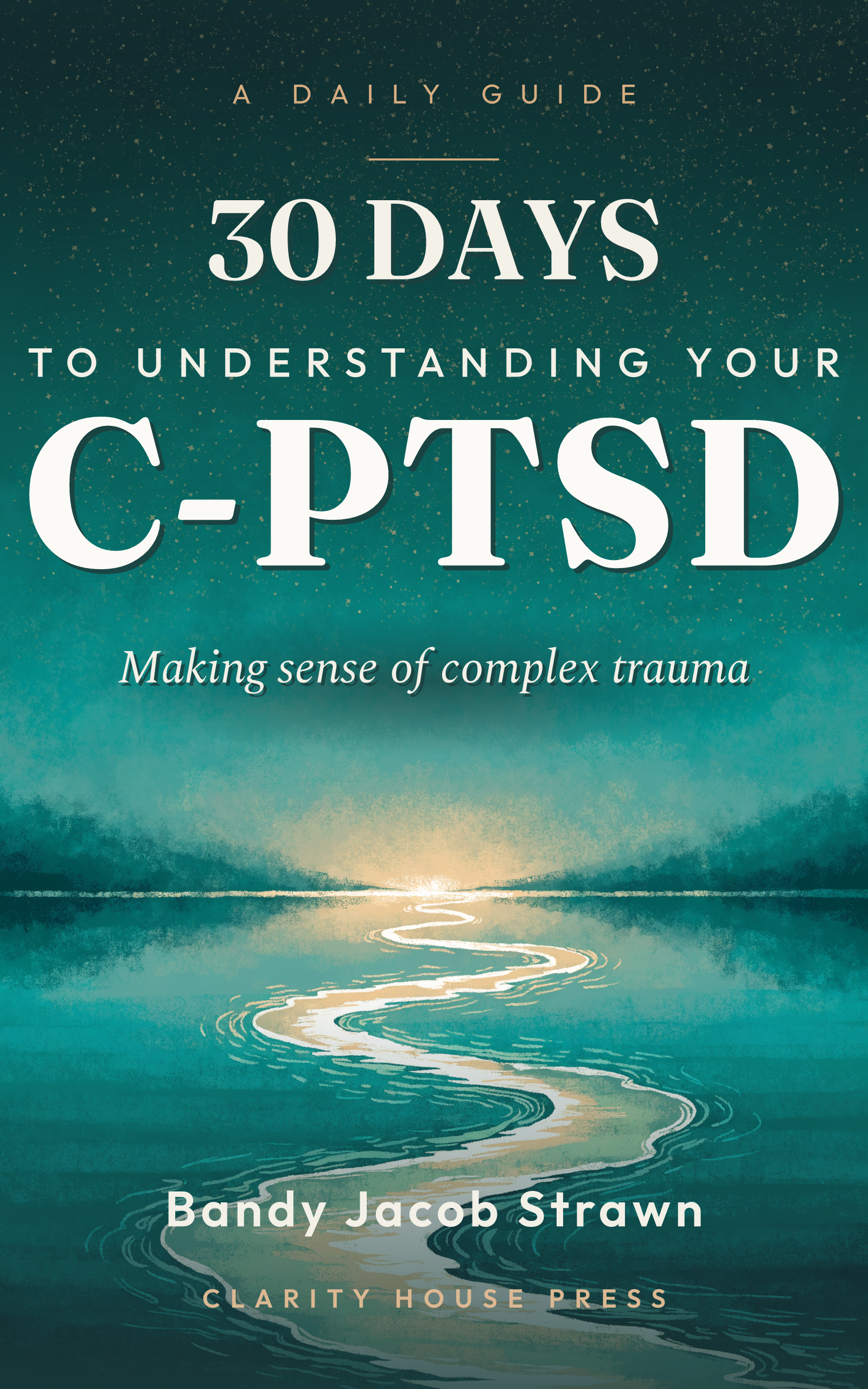
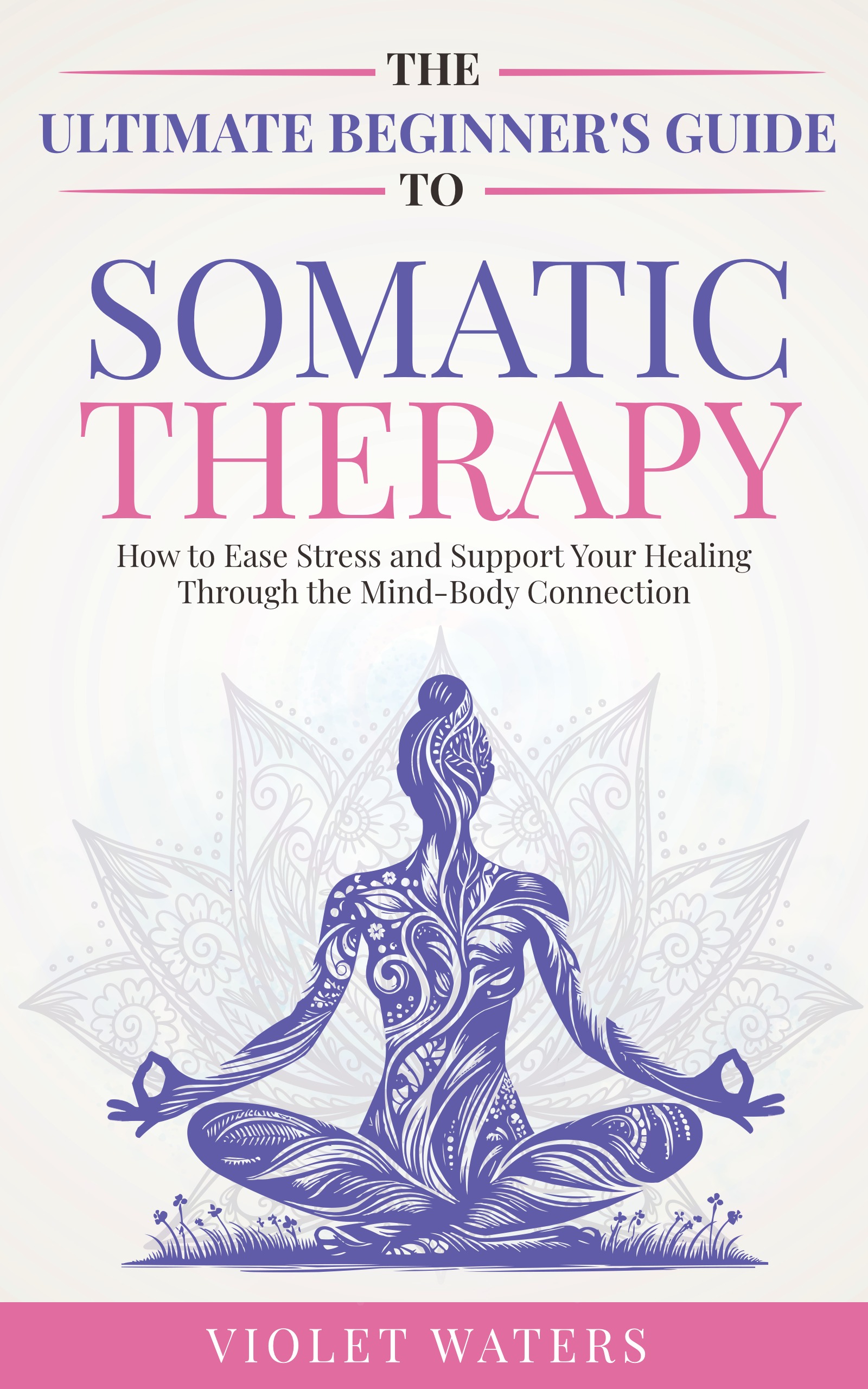
From Clarity House Press — plus trusted books for deeper understanding

In an Unspoken Voice
Peter A. Levine, PhD
Classic guide from the creator of Somatic Experiencing revealing how the body holds the key to trauma recovery.
Adult Children of Emotionally Immature Parents
Lindsay C. Gibson, PsyD
A gentle, practical guide to understanding relationships with emotionally distant parents and reclaiming your inner life.
As an Amazon Associate, Clarity House Press earns from qualifying purchases. Your price is never affected.
Found this helpful?
Share it with someone who might need it.
Tags
About the Author

Clarity House Press
Editorial Team
The editorial team at Clarity House Press curates and publishes evidence-based content on narcissistic abuse recovery, high-conflict divorce, and healing. Our content is informed by research, survivor experiences, and established trauma-informed approaches.
View all posts by Clarity House Press →Published by Clarity House Press Editorial Team