Please read our important disclaimers before using this content
Your three-year-old starts wetting the bed again after being potty-trained for six months. Your four-year-old clings to you desperately and screams during custody exchanges. Your toddler stops talking as much and seems withdrawn.
Toddlers and preschoolers don't have the language to say "I'm terrified by the chaos in my world" or "I think this is my fault." They show you through regression, clinginess, aggression, and withdrawal.
High-conflict divorce is particularly damaging to very young children because they lack the cognitive tools to understand what's happening—and they're in critical developmental stages where security and attachment are everything.1
Here's what divorce does to toddlers and preschoolers, and how to minimize the damage.
Developmental Stage: What Toddlers/Preschoolers Understand
Ages 2-5 are characterized by:
Cognitive:
- Concrete thinking only (can't understand abstract concepts)
- Magical thinking (believe their thoughts/actions caused events)
- Limited time concept (yesterday and last month feel the same)
- Egocentric worldview (everything is about them)
Emotional:
- Big feelings, limited regulation skills
- Separation anxiety peaks
- Difficulty expressing emotions in words
- Fear of abandonment
Social:
- Attachment to primary caregivers is paramount
- Parallel play (playing alongside, not with peers)
- Learning basic social rules
What this means for divorce:
- They can't understand "grown-up problems" or "incompatibility"
- They blame themselves for the separation
- They fear losing the parent who left
- They need concrete, simple explanations and extreme predictability
How High-Conflict Divorce Impacts Toddlers/Preschoolers
1. Attachment Disruption
What's happening developmentally:
Ages 2-5 are critical for attachment formation. Secure attachment requires consistent, responsive caregiving.2
How high-conflict divorce disrupts this:
- Physical separation from one parent (overnight parenting time can be traumatic for very young children)
- Emotional unavailability of both parents (consumed by conflict)
- Inconsistent caregiving across two homes
- Exposure to frightening parental conflict
What you see:
- Extreme clinginess to primary caregiver
- Terror during transitions between parents
- Difficulty bonding with the non-primary parent
- Anxious attachment (desperate for reassurance)
- Avoidant attachment (seems distant, doesn't seek comfort)
Potential long-term impacts (when unaddressed):
- Difficulty forming secure relationships in adulthood
- Anxious or avoidant attachment styles
- Trust issues
With intervention and secure caregiving, many children develop healthy attachments.
2. Regression
What's happening:
Stress causes young children to revert to earlier developmental stages.3
What you see:
- Potty-training regression (accidents after being trained)
- Return to bottles or pacifiers
- Baby talk after speaking clearly
- Wanting to be carried when they were walking independently
- Difficulty with self-soothing
Why it happens:
Regression is a coping mechanism. When the world feels unsafe, children retreat to earlier stages where they felt more secure.
Duration:
Usually temporary (weeks to months) with stable caregiving. Persistent regression (6+ months) suggests significant distress.
3. Separation Anxiety
What's happening:
Fear that the primary caregiver will disappear (like the other parent did when they "left"). Research confirms that children of divorce present higher levels of separation anxiety than children whose parents remain together.4
What you see:
- Screaming/clinging when you leave (even briefly)
- Won't let you out of sight
- Nightmares about losing you
- Physical symptoms when separated (stomachaches, headaches)
Why it's heightened in divorce:
One parent did leave the home. From a toddler's perspective: if one parent left, the other might too.
What helps:
- Consistent routines
- Predictable return times ("Mommy always comes back after nap")
- Transitional objects (special blanket, stuffed animal)
- Reassurance (repeatedly: "I will always come back")
4. Emotional Dysregulation
What's happening:
Toddlers and preschoolers are already learning to regulate big emotions. Divorce overwhelms their limited coping capacity.
What you see:
- Explosive tantrums over minor things
- Meltdowns that last longer and are harder to soothe
- Rapid mood swings
- Hitting, biting, throwing (aggression)
- Shutting down completely (withdrawal)
Why it happens:
They're flooded with emotions they can't name or process. The conflict between parents creates a chronically stressful environment that keeps their nervous systems in fight-or-flight.5
Cultural Note: Emotional expression and regulation look different across cultures. These strategies can be adapted to fit your family's values and cultural approach to emotions and child-rearing.
What helps:
- Co-regulation (you stay calm, help them calm)
- Naming emotions ("You seem really angry right now")
- Predictable soothing routines
- Patience (this isn't defiance; it's distress)
5. Magical Thinking and Self-Blame
What's happening:
Toddlers and preschoolers believe they cause events.
What you see:
- "Is Daddy gone because I was bad?"
- Trying to be "extra good" to fix the situation
- Acting out (testing if you'll leave them too)
- Excessive worry about pleasing both parents
Why it happens:
Egocentric thinking makes them the center of all events. If parents split up, it must be because of something they did.
What helps:
Repeated, clear messages: "Mommy and Daddy's divorce is a grown-up problem. You didn't cause it. Nothing you did made this happen. Both of us love you."
Whether you use "Mommy and Daddy," "Mom and Mama," "Dad and Papa," or other names, this message applies to all parental pairs.
Say it 100 times. They need to hear it repeatedly before believing it.
6. Fear of Conflict and Loud Noises
What's happening:
Witnessing parental conflict is terrifying to young children.
What you see:
- Freezing or hiding when adults argue (even non-parental adults)
- Fear of loud noises
- Hypervigilance (constantly watching for signs of conflict)
- Attempting to stop arguments (intervening, distracting)
Why it happens:
To a toddler or preschooler, parental yelling feels life-threatening. Their survival depends on parents; when parents fight, their world is unsafe.
What helps:
- Minimize conflict in front of them or within earshot. If your child witnesses conflict, reassure them they're safe and it's not their fault
- Calm, quiet communication even when angry
- If they witnessed conflict: reassure them, "You're safe. That was a grown-up problem."
7. Physical Symptoms
What's happening:
Young children often express emotional distress through physical symptoms (somatization). Headaches and stomachaches are among the most common somatic symptoms reported by children experiencing stress.6
What you see:
- Frequent stomachaches or headaches
- Changes in appetite (eating too much or too little)
- Sleep disruption (nightmares, trouble falling asleep, waking frequently)
- Getting sick more often (stress weakens immune system)
Medical evaluation important: Rule out actual physical illness. Then address the emotional root.
8. Behavioral Changes
What's happening:
Stress manifests as changes in behavior.
What you see:
Aggression:
- Hitting, biting, pushing other children
- Destroying toys or objects
- Defiance and opposition
Withdrawal:
- Stops playing
- Loses interest in favorite activities
- Seems sad or checked out
- Stops talking as much
What it means:
These aren't "bad behaviors." These are distress signals.
What Makes It Worse
High-conflict divorce is especially damaging when:
1. Frequent transitions
Very young children struggle with back-and-forth custody. Every transition re-activates separation anxiety.
2. Overnight visits too early
Developmentally, children under 3-4 may not be ready for overnights away from primary caregiver (Nielsen, 2017; American Academy of Pediatrics guidance). Progressive jurisdictions increasingly recognize this developmental reality in custody arrangements.7
JURISDICTIONAL NOTE: While developmental research supports delaying overnight parenting time for children under 3-4, courts vary widely. Progressive jurisdictions (California, Washington, Massachusetts, New York) are more receptive to graduated parenting plans. Traditional jurisdictions may still order equal time regardless of age. Consult a family law attorney in your state to understand local court approaches.
3. Exposure to parental conflict
Screaming matches, exchanges with yelling, asking child to report on other parent. Parallel parenting minimizes this exposure.
4. Inconsistent routines
Different bedtimes, different rules, different foods at each home = insecurity.
5. Using child as messenger
"Tell your dad he needs to return your jacket."
6. Emotional unavailability
Parents consumed by litigation, anger, or depression can't provide the emotional presence toddlers need.
7. Weaponizing transitions
Making exchanges traumatic (showing up late, emotional manipulation, crying during dropoffs).
What Helps
1. Predictable routines
Same bedtime. Same morning routine. Same transition routine.
"Every Tuesday, Mommy picks you up from daycare. Every Thursday, you go to Daddy's house. Same days, every week."
Consistency = safety for toddlers.
2. Transitional objects
Special stuffed animal that travels between houses. Photo book with pictures of both parents. Blanket that smells like home.
3. Simple, repeated explanations
"Mommy and Daddy live in different houses now. You have two homes. Both of us love you very much."
Don't explain why. They can't understand it.
4. Gradual transitions (when possible)
If toddler hasn't spent much time with one parent, build up slowly:
- Short visits (few hours)
- Increase to half-day
- Eventually overnights (when developmentally ready)
Forcing overnights too soon can be traumatic.
5. Calm, neutral exchanges
Exchange at daycare (so child doesn't witness handoff). Or neutral location. Calm goodbye and hello. No lingering, no emotional manipulation.
6. Both parents stay emotionally regulated
Your child mirrors your emotional state. If you're calm, they're more likely to be calm.
7. Therapy (play therapy) if needed
If behavioral changes persist beyond 6 months, consider play therapy with a therapist trained in early childhood trauma.
8. Consistent rules across homes (where possible)
Bedtime, screen time, basic discipline. When rules match, children feel secure.
9. No badmouthing
They're too young to understand nuance. Badmouthing the other parent damages their relationship with that parent and increases their distress.
10. Advocate for developmentally appropriate schedules through legal process
IMPORTANT: If your court-ordered parenting schedule doesn't meet your child's developmental needs, DO NOT simply refuse to comply. Instead:
- File a motion to modify the parenting plan based on your child's needs
- Request a custody evaluation or child development expert testimony
- Document your child's distress with professional assessments
- Propose a specific alternative graduated schedule
- Consult a family law attorney before withholding parenting time
Violating court orders—even with good intentions—can result in contempt findings, loss of credibility, and custody modification against you.
Red Flags: When to Seek Help
Concerning behaviors requiring intervention:
- Regression persisting beyond 6 months
- Loss of language skills
- Extreme aggression that's dangerous to self or others
- Complete withdrawal (stops engaging with world)
- Sleep disturbance interfering with functioning
- Frequent night terrors
- Self-harm (head-banging, hitting self)
- Failure to thrive (not eating, not growing appropriately)
Seek:
- Pediatrician evaluation (rule out medical issues)
- Play therapist experienced in early childhood trauma
- Parenting support (parenting class, parent coach)
Long-Term Outlook
With stable, responsive care giving:
Most toddlers and preschoolers are resilient. Research confirms that most children whose parents divorce are resilient and exhibit no obvious psychological problems when provided adequate support.8 They can recover from the distress of divorce if provided:
- Secure attachment to at least one parent
- Predictable routines
- Protection from ongoing conflict
- Emotional support and co-regulation
Without intervention:
Early childhood trauma from high-conflict divorce can lead to:
- Attachment disorders
- Anxiety and depression
- Difficulty regulating emotions
- Behavioral problems in school
- Relationship difficulties in adulthood
The earlier you intervene, the better.
LEGAL NOTE: These action steps are general guidance, not legal advice. Before taking any action that might affect your custody case, consult with a family law attorney in your jurisdiction. Do not violate existing court orders without legal guidance.
Your Action Plan
Immediately:
- Establish consistent routines and stick to them religiously
- Create transitional objects for child to take between homes
- Work toward minimizing conflict in child's presence or hearing
- Provide simple, reassuring explanations repeatedly
- Schedule pediatrician visit to rule out medical issues causing symptoms
Within 1 month:
- Evaluate custody schedule: Is it developmentally appropriate for your child's age?
- Identify one area of consistency you can create with the other parent (bedtime, for example)
- Read books about divorce with your child ("Two Homes," "Dinosaurs Divorce")
- Consider play therapy if distress symptoms persist
Ongoing:
- Monitor for behavioral changes
- Prioritize emotional availability
- Validate their feelings without overwhelming them with adult emotions
- Protect them from exposure to parental conflict
- Advocate for their developmental needs (even when it means modifying court orders)
Resources
Professional Support:
- Psychology Today Therapist Finder - Find play therapists and child development specialists
- Association for Play Therapy - Find play therapists
- Zero to Three - Early childhood development resources
Crisis Support:
- 988 Suicide & Crisis Lifeline - Call or text 988 (24/7)
- Crisis Text Line - Text HOME to 741741
- National Parent Helpline - 1-855-427-2736
Remember: Your toddler or preschooler can't tell you they're terrified, confused, and grieving. They show you through bed-wetting, tantrums, clinginess, and withdrawal.
Listen to their behavior. Respond with consistency, reassurance, and calm.
They need to know their world is safe even when it's changed. You create that safety through routines, predictability, and your regulated presence.
The divorce is temporary. Your relationship with your child is permanent. Protect it.
References
- Bowlby, J. (1988). A secure base: Parent-child attachment and healthy human development. Basic Books. Attachment research demonstrates that ages 0-5 represent critical periods for developing secure attachment patterns that influence emotional regulation, relationship quality, and stress response throughout life. See also: Ainsworth, M. D. S., Blehar, M. C., Waters, E., & Wall, S. N. (2015). Patterns of attachment: A psychological study of the strange situation. Psychology Press. ↩
- McIntosh, J. E., Smyth, B. M., & Kelaher, M. (2013). Post-separation parenting arrangements and developmental outcomes for infants and children: Collected reports. Attorney-General's Department, Australian Government. Research shows infants under 2 years in frequent overnight care away from primary caregiver show elevated distress compared to those with daytime-only or graduated overnight schedules. See also American Academy of Matrimonial Lawyers position that overnight parenting time for children under 3 should be individualized based on attachment, temperament, and parental capacity. ↩
- McIntosh, J. E., Smyth, B. M., & Kelaher, M. (2013). Post-separation parenting arrangements and developmental outcomes for infants and children: Collected reports. Attorney-General's Department, Australian Government. Comprehensive review demonstrating that infants and toddlers under age 3 in frequent overnight care arrangements away from primary caregiver show elevated stress markers and distress compared to those with graduated overnight schedules or daytime-only contact. https://www.ag.gov.au/sites/default/files/2020-05/Collected%20reports.pdf ↩
- Bowlby, J. (1988). A secure base: Parent-child attachment and healthy human development. Basic Books. Foundational attachment theory demonstrating that ages 0-5 represent critical periods for developing secure attachment patterns. Secure attachment requires consistent, responsive caregiving and is foundational for emotional regulation, relationship quality, and stress response throughout life. See also: Ainsworth, M. D. S., Blehar, M. C., Waters, E., & Wall, S. N. (2015). Patterns of attachment: A psychological study of the strange situation. Psychology Press. ↩
- D'Onofrio, B., & Emery, R. (2019). Parental divorce or separation and children's mental health. World Psychiatry, 18(1), 100-101. Peer-reviewed meta-analysis documenting effects of parental divorce on child mental health and development, with emphasis on high-conflict separation and vulnerability of young children. https://pmc.ncbi.nlm.nih.gov/articles/PMC6313686/ ↩
- Kaminer, D., & Eagle, G. (2024). Developmental regression associated with PTSD in children: A poorly defined and understudied phenomenon. European Journal of Psychotraumatology. Research documenting that traumatized children under age six show regression from previously acquired developmental skills including toileting, language, and self-soothing behaviors. Regression serves as adaptive coping mechanism during periods of overwhelming stress. https://pmc.ncbi.nlm.nih.gov/articles/PMC12145200/ ↩
- Orgilés, M., Espada, J. P., & Méndez, X. (2008). Separation anxiety disorder in a sample of children of divorce. Psicothema, 20(3), 383-388. Comparative study demonstrating significantly elevated separation anxiety symptoms in children whose parents have divorced compared to children from intact families. Anxiety manifests as fear of separation from primary caregiver and fear of abandonment. https://pubmed.ncbi.nlm.nih.gov/18674431/ ↩
- Koss, K. J., George, M. R., Bergman, K. N., Cummings, E. M., Davies, P. T., & Cicchetti, D. (2011). Understanding children's emotional processes and behavioral strategies in the context of marital conflict. Journal of Experimental Child Psychology, 109(3), 336-352. Research examining how young children process and respond to parental conflict, including emotional dysregulation and behavioral changes. Children exposed to marital conflict show chronic physiological stress responses (elevated cortisol, altered heart rate patterns). See also: El-Sheikh, M., & Harger, J. (2001). Appraisals of marital conflict and children's adjustment, health, and physiological reactivity. Developmental Psychology, 37(6), 875-885. https://pmc.ncbi.nlm.nih.gov/articles/PMC2597091/ ↩
- Hart, Hodgkinson, Belcher, Hyman, & Cooley-Strickland (2013). Somatic symptoms, peer and school stress, and family and community violence exposure among urban elementary school children.. Journal of behavioral medicine. https://pmc.ncbi.nlm.nih.gov/articles/PMC3726557/ ↩
- Sandler, I., Miles, J., Cookston, J., & Braver, S. (2008). Effects of father and mother parenting on children's mental health in high- and low-conflict divorces. Family Court Review, 46(2), 282-296. Research-based study in family law journal demonstrating that children whose parents maintain low-conflict co-parenting relationships post-divorce show significantly better mental health outcomes. Children with secure relationships to both parents and protection from parental conflict show resilience and adaptive functioning. See also: D'Onofrio, B., & Emery, R. (2019). Parental divorce or separation and children's mental health. World Psychiatry, 18(1), 100-101. https://pmc.ncbi.nlm.nih.gov/articles/PMC6313686/ ↩
- Afifi, T. D., McManus, T., Hutchinson, S., & Baker, B. (2007). Inappropriate parental divorce disclosures, the factors that prompt them, and their impact on parents' and adolescents' well-being. Communication Monographs, 74(1), 103-102. Studies children's exposure to adult-level information about parental conflict and divorce. Young children who are used as messengers or confidants show elevated behavioral and emotional problems. https://pubmed.ncbi.nlm.nih.gov/17564247/ ↩
- Cummings, E. M., & Davies, P. T. (2002). Effects of marital conflict on children: Recent advances and emerging themes in process-oriented research. Journal of Child Psychology and Psychiatry, 43(1), 31-63. Comprehensive peer-reviewed review of mechanisms by which parental conflict affects child development, emotional regulation, and behavioral outcomes. Emphasizes that young children's limited coping capacity makes them particularly vulnerable to marital conflict exposure. https://pubmed.ncbi.nlm.nih.gov/11848336/ ↩
Recommended Reading
From Clarity House Press — plus trusted books for deeper understanding


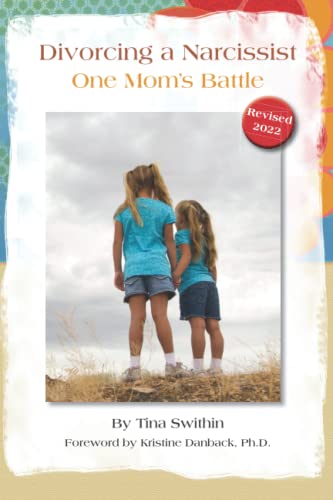
Divorcing a Narcissist: One Mom's Battle
Tina Swithin
Memoir of a mother who prevailed as her own attorney in a 10-year high-conflict custody battle.

5 Types of People Who Can Ruin Your Life
Bill Eddy
Identifies five high-conflict personality types and teaches how to spot warning signs.
As an Amazon Associate, Clarity House Press earns from qualifying purchases. Your price is never affected.
Found this helpful?
Share it with someone who might need it.
About the Author

Clarity House Press
Editorial Team
The editorial team at Clarity House Press curates and publishes evidence-based content on narcissistic abuse recovery, high-conflict divorce, and healing. Our content is informed by research, survivor experiences, and established trauma-informed approaches.
View all posts by Clarity House Press →Published by Clarity House Press Editorial Team