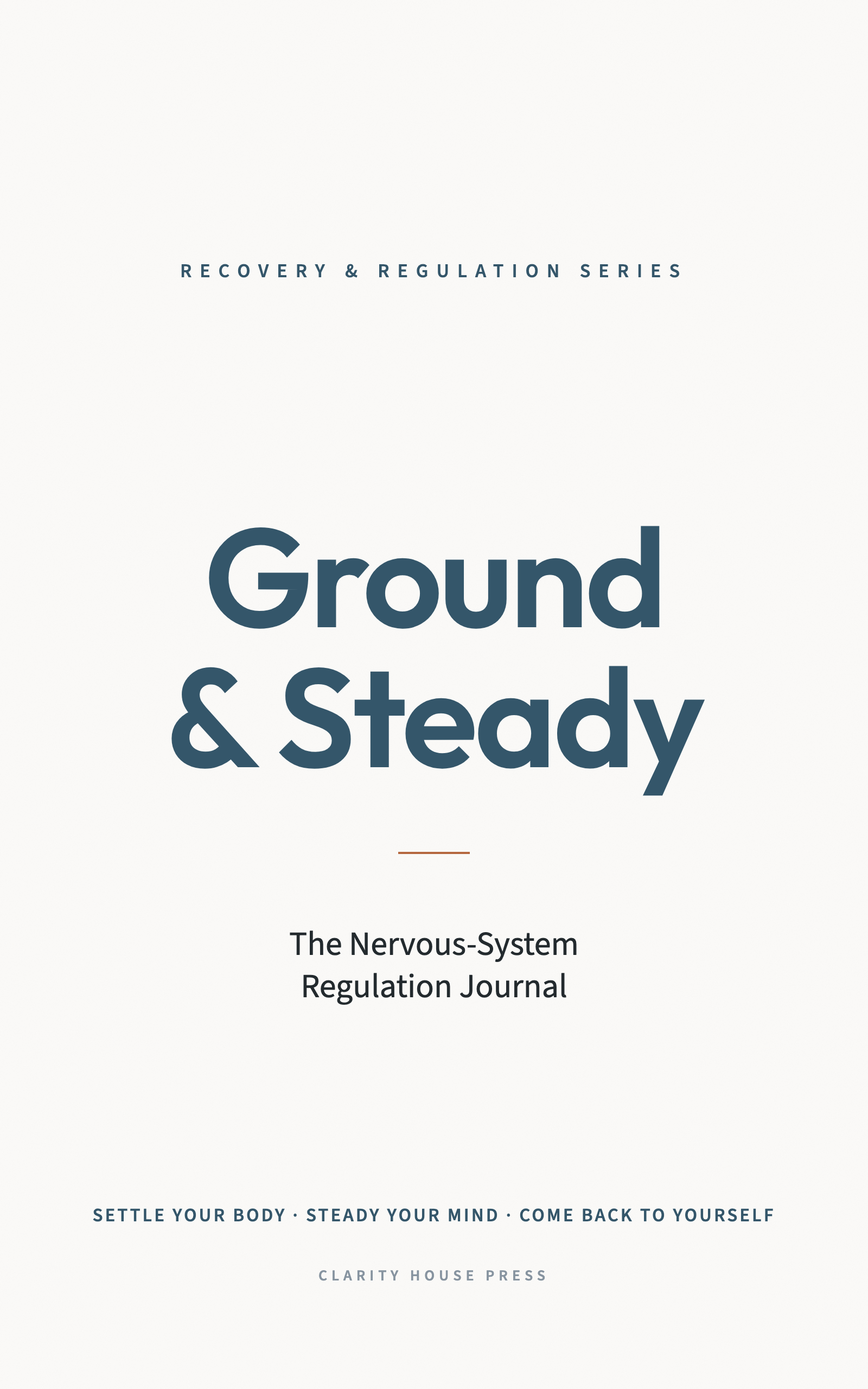
Please read our important disclaimers before using this content
Before you read. The majority of abuse allegations are true and most protective orders save lives. This guide addresses the documented minority of false accusations made for advantage in a custody dispute, and their reputational fallout. If an allegation against you is true, this content does not apply; seek accountability-focused counsel. Educational only — not legal advice.
Your phone starts buzzing. Text messages from colleagues, friends, family members. "Is everything okay?" "I heard something concerning." "Call me when you can."
Your ex has told everyone you're abusive. Dangerous. A threat to your children.
None of this is true.
But within 24 hours, your professional reputation, social standing, and relationships are under attack. People you've known for years are questioning whether you're the person they thought you were. Some are pulling away entirely. Your children are being told you're dangerous. Your employer is "looking into the matter."
This is reputation destruction—and it can cost you your career, your friendships, and your children's trust faster than any court order.
For fathers facing false accusations, the legal battle is only one front. You're also fighting to preserve your professional reputation, social relationships, family connections, and your children's image of you—all while navigating the psychological toll of being falsely branded as an abuser.
False accusations don't just threaten your custody case—they threaten your entire life.1
This is your comprehensive survival guide: immediate steps when accused, documentation strategies for disproving false claims, managing professional and social reputation, addressing the psychological impact, and rebuilding your life after exoneration.
Immediate Steps When Falsely Accused: The First 72 Hours
What you do in the first 72 hours determines whether false accusations destroy your reputation or become provably false tactical litigation. Research indicates that while false allegations in custody disputes remain a minority of cases, they occur at somewhat elevated rates compared to other contexts, with studies finding intentionally fabricated allegations in approximately 4-12% of custody-related investigations.2
Hour 1: Stop All Direct Communication
The moment you learn of false accusations:
- Stop all direct contact with your ex (no texts, calls, emails, in-person conversations)
- Do not try to "clear up the misunderstanding" (anything you say will be used against you)
- Do not confront the petitioner about lying (creates new "threatening" evidence)
- All communication through attorney or court-approved co-parenting app only
Why this matters:
Everything you say from this moment forward will be screenshot, recorded, and presented to court as evidence of your "abusive" behavior. Even reasonable attempts to defend yourself will be characterized as:
- "Continued harassment despite allegations"
- "Attempting to intimidate victim into recanting"
- "Threatening behavior showing he's dangerous"
Example of how innocent communication becomes "evidence":
Your text: "These allegations aren't true and you know it. We need to talk about this and resolve it for the kids' sake."
How it's characterized in court:
In the illustrative exchange below, the petitioner is referred to with feminine pronouns for readability only; these dynamics are not gender-specific.
"Despite protective order petition, Respondent immediately contacted Petitioner demanding she 'resolve it'—demonstrating continued pattern of control and intimidation. Petitioner fears Respondent is attempting to threaten her into dropping allegations."
Do not give the petitioner ammunition. Silence is your strongest immediate response.
Hour 2-6: Secure Legal Representation
Contact family law attorney within hours (not days or weeks).
What attorney does immediately:
- Sends cease-communication letter to your ex (all contact through counsel)
- Files emergency custody motion if the petitioner is preventing your parenting time
- Responds to protective order petition (written denial of allegations)
- Begins evidence preservation (subpoenas, document requests)
- Advises you on protective order hearing strategy (10-21 days typically)
How to find attorney fast:
- Local bar association referral (family law specialists)
- Fathers' rights organizations (recommendations for protective order defense attorneys)
- Online reviews (look for "protective order defense" experience specifically)
First consultation questions:
- "How many protective order defense cases have you handled?"
- "What's your success rate at hearings?"
- "What's your strategy for disproving false allegations?"
- "How do we protect my custody rights while defending against this?"
- "What are total expected costs?" (hearing, custody litigation, appeals if needed)
Cost: $2,500-$15,000+ for protective order defense (depends on complexity, witnesses, trial time)3
Don't delay: Every day without attorney is day you're vulnerable to additional allegations, custody manipulation, and reputational damage.
Hour 6-24: Begin Evidence Preservation
What to preserve immediately:
- All texts, emails, voicemails with your ex (last 6-12 months minimum)
- Screenshots of social media (yours and the petitioner's—before anything is deleted)
- Photos, videos showing peaceful interactions or your children's comfort with you
- Calendar/schedule records (proves you weren't present during alleged incidents)
- Financial records (credit card receipts showing location contradicting allegations)
How to preserve evidence:
Digital evidence:
- Screenshot texts/emails with timestamps visible
- Export full conversation histories to PDF
- Save to cloud storage (Google Drive, Dropbox) AND external hard drive
- Forward copies to your attorney immediately
Physical evidence:
- Scan or photograph documents
- Store originals in safe location (not marital home if the petitioner has access)
- Create digital backup of all physical evidence
Social media:
- Screenshot your posts from past 12 months (shows your character, interactions with children)
- Screenshot the petitioner's posts (may show hostility, tactical litigation, false allegations to friends)
- Do not delete anything (evidence spoliation—will destroy your case)
Why this must happen in first 24 hours:
Once the petitioner knows you're defending yourself, they may:
- Delete texts/emails that contradict allegations
- Change social media posts
- Coach witnesses to change their stories
- Destroy physical evidence
Preserve everything before the petitioner has opportunity to manipulate evidence. Yes, this feels paranoid. It's not—it's survival.
Hour 24-72: Identify Witnesses and Begin Documentation
Who can serve as witnesses:
Eyewitnesses to alleged incidents:
- People present during exchanges, interactions, or specific alleged events
- Can directly contradict the petitioner's allegations ("I was there—that's not what happened")
Character witnesses:
- Employers, colleagues (professional reputation)
- Friends, family (personal character)
- Coaches, teachers, daycare (parenting involvement and children's comfort with you)
- Neighbors (observe your interactions with children, your ex)
Pattern witnesses:
- People who know about prior false allegations
- Therapists, police who investigated previous unfounded claims
- Others the petitioner has falsely accused (if pattern exists)
How to document witness information:
Create witness list with:
- Name and contact information
- Relationship to you (colleague, family member, neighbor)
- What they can testify about (specific incident, your character, the petitioner's false allegation pattern)
- Written statement if possible (ask witness to write what they know)
Example witness statement request:
"I'm facing false allegations in my custody case. You were present at [specific event/incident] on [date]. Would you be willing to write a brief statement describing what you witnessed? I need it for my protective order hearing on [date]. My attorney can provide format if helpful."
Secure written statements within 72 hours while memories are fresh and before witnesses are contacted by your ex's attorney.
Legal Defense: Documentation Strategies for Disproving False Claims
The first 72 hours stop the bleeding. Now begins the methodical work of proving the accusations false—not just denying them, but systematically disproving them with evidence that holds up in court.
Your legal defense requires more than denying allegations—you must affirmatively disprove them with evidence. Studies of custody evaluators demonstrate that documentary evidence such as court or medical records significantly impacts how allegations are assessed, with evaluators far more likely to substantiate claims when corroborating documentation exists.4
Creating Timeline Documentation
Why timeline matters:
False allegations often contain timeline inconsistencies—the petitioner claims something happened when you weren't present, or timeline doesn't match other evidence.
How to create timeline documentation:
- Calendar evidence (work schedule, appointments, children's activities)
- Location evidence (credit card receipts, GPS data, toll records)
- Communication evidence (texts/emails showing where you were, what you were doing)
- Third-party corroboration (witnesses who can verify your location)
Example timeline defense:
The allegation: "He showed up at my workplace on October 15 at 2 PM and threatened me in the parking lot."
Your timeline evidence:
- Work calendar: Meeting with client from 1-3 PM on October 15 (50 miles from the petitioner's workplace)
- Email confirmation: Client meeting confirmation sent October 14
- Credit card receipt: Lunch near client's office at 12:30 PM October 15
- Witness statement: Client confirms you were at meeting 1-3 PM
- GPS data: Phone location data shows you at client's office 1-3 PM (if available)
Result: You have alibi—you weren't at the petitioner's workplace. Allegation is provably false.
How to obtain timeline evidence:
- Phone records: Subpoena cell phone provider (shows location data, calls made)
- Credit card statements: Shows purchases with location and timestamp
- Work records: Email calendar, meeting confirmations, time-tracking systems
- Toll records: E-ZPass or toll statements show highway usage and times
- Security footage: If alleged incident occurred at location with cameras (store, workplace), subpoena footage
Start gathering timeline evidence immediately after allegations surface.
Preserving Communication Evidence
Why communication evidence is critical:
Your texts, emails, and recorded conversations (where legal) show:
- Your actual tone and conduct (calm, reasonable vs. threatening)
- The petitioner's hostility and false allegations (who's actually combative)
- Timeline contradictions (the petitioner texts you normally after alleged "terrifying" incident)
- Tactical motivation (threats to "destroy you in court," take children away)
What communication evidence proves:
Example 1: Your reasonable tone
The allegation: "He constantly sends threatening, abusive texts"
Your evidence: Text chain showing:
You: "I'd like to discuss the custody schedule for Thanksgiving. Can we find a solution that works for both of us and gives kids time with both families?"
Her: "You don't get a say in the schedule. I'm making the decisions now."
You: "I think it's important we both have input. Would you be open to mediation to discuss this?"
Result: Your texts show measured, cooperative approach. Not threatening.
Example 2: The petitioner's hostile communications
The allegation: "I'm afraid of him because he's so angry and threatening"
Your evidence: The petitioner's texts to you:
- "You're never seeing those kids again"
- "I'm going to destroy you financially and professionally"
- "Everyone will know what a piece of sh*t you are"
- "I hope you lose everything in this divorce"
Result: Evidence shows the petitioner is the hostile, threatening party, not you.
Example 3: Timeline contradictions
The allegation: "He threatened me at custody exchange on October 15. I was terrified."
Your evidence: The petitioner's texts to you:
- October 15, 7 PM (2 hours after alleged threat): "Can you take kids this weekend? I have plans."
- October 16, 10 AM: "Did Emma leave her backpack in your car?"
- October 18: "Kids want to see you for dinner Tuesday. Works for me."
Result: If the petitioner was "terrified" on October 15, why is the petitioner casually texting you and offering additional parenting time? Allegation not credible.
How to organize communication evidence:
- Chronological order (shows progression of relationship, conflicts)
- Highlight key exchanges (your reasonable tone, the petitioner's hostility, timeline contradictions)
- Create exhibits (attorney will prepare for hearing, but you can draft)
- Provide context (explain what each exchange shows)
Give your attorney complete communication history, not just messages that support your case. Attorney needs full picture.
Recording Evidence (Where Legal)
Recording laws by state (see Reporters Committee for Freedom of the Press recording law guide):
- One-party consent states (38 states): You can record any conversation you're part of without other party's knowledge
- Two-party consent states (12 states): All parties must consent to recording (CA, CT, FL, IL, MD, MA, MI, MT, NV, NH, PA, WA)
Check your state's law before recording.
What to record (in one-party consent states):
- Custody exchanges (video on phone showing peaceful handoff)
- Phone conversations about children (your reasonable tone, the petitioner's hostility)
- In-person interactions (your calm demeanor vs. the petitioner's aggressive behavior)
How recordings defend against false allegations:
Example: Recorded custody exchange
The allegation: "He screamed at me and threatened me in front of the children at pickup on October 15."
Your evidence: Video recording of October 15 exchange showing:
- You arriving on time
- Brief, calm conversation about children's schedule
- Children running to your car happily
- No raised voices, no threats, no aggressive behavior
- Exchange duration: 90 seconds
Result: Recording directly disproves the allegation. Judge sees exactly what happened.
How to record effectively:
- Record consistently (every exchange, not just when you anticipate conflict)
- Use phone or dashcam (unobtrusive, automatic)
- Save with date/time stamps (cloud storage, labeled files)
- Don't announce you're recording (unless required by law)
Provide recordings to attorney immediately when false allegations surface.
Managing Professional Reputation and Employment
Legal defense protects your custody rights. But false accusations don't stay contained to family court—they spread to your workplace, often before you even know they're coming. Research documents that wrongful accusations cause significant impact on finances and employment, representing one of eight major psychological impact themes identified in systematic reviews.5
When Your Employer Learns of Allegations
How employers typically learn:
- You disclose (because protective order affects work, or you need time off for hearings)
- Your ex contacts employer ("You should know he's dangerous")
- Court proceedings become public (employer runs background check, sees protective order)
- Mutual acquaintances spread rumors (colleagues know your ex, hear allegations)
Employer's concerns:
- Liability (if you're "dangerous," are other employees at risk?)
- Reputation (association with alleged abuser damages company image)
- Workplace disruption (if your ex shows up at workplace, causes scene)
- Professional judgment (if you're "abusive," can you be trusted with clients, projects?)
What employers may do:
- Place you on administrative leave (paid or unpaid during investigation)
- Require you to work remotely (remove you from office environment)
- Limit your client contact (reassign accounts, supervise interactions)
- Terminate employment (particularly if protective order prohibits you from workplace)
Proactive Communication with Employer
When to disclose to employer:
- If protective order affects your work (prohibits you from locations, requires time off for hearings)
- If you anticipate the petitioner contacting employer (they have threatened to "destroy your career")
- If you need workplace accommodations (flexible schedule for custody hearings, therapy)
How to disclose strategically:
What to say:
"I want to make you aware of a personal matter that may affect work. I'm going through a high-conflict custody dispute. My ex has filed false allegations as part of litigation strategy, and there may be a protective order hearing in the coming weeks. I want to be transparent about this situation. I expect to need [time off for hearings / schedule flexibility / etc.]. I'm confident these allegations will be disproven, but I wanted you to know what's happening in case it affects work or you hear about it from other sources. I'm happy to provide documentation from my attorney if helpful."
What this accomplishes:
- You control narrative (the petitioner doesn't get to tell employer first)
- You frame allegations as tactical litigation (not legitimate safety concerns)
- You demonstrate transparency and professionalism (not hiding, being proactive)
- You request specific accommodations (time off, flexibility)
What NOT to say (even when you want to scream about the injustice):
- ❌ "My crazy ex is lying about me" → Sounds defensive, damages credibility
- ❌ "She's trying to destroy my career" → Makes you seem paranoid
- ❌ Detailed descriptions of allegations → Unnecessary, makes employer uncomfortable
- ❌ Blaming or badmouthing your ex → Unprofessional, raises doubts about your judgment
Stay professional, factual, and brief—even when every fiber of your being wants to explain the full injustice.
Providing Documentation to Employer
If employer requests evidence allegations are false:
What to provide:
- Attorney statement explaining false allegations are common litigation tactic
- Timeline evidence (proves you weren't present during alleged incidents)
- Communication evidence (shows your reasonable conduct, the petitioner's hostility)
- Court filings (your response denying allegations)
After hearing—if protective order denied:
- Court order dismissing petition (proof allegations were false)
- Finding of fact if court made specific finding allegations were fabricated
- Attorney letter explaining outcome and false allegation pattern
Goal: Show employer you took allegations seriously, mounted vigorous defense, and allegations were proven false (not just dismissed).
Protecting Your Professional Reputation Long-Term
If false allegations damage your career:
- Document employment impact (lost clients, demotion, termination)
- Include in damages claim (family court or separate defamation lawsuit)
- Request attorney fee award covering lost wages
- Consider defamation lawsuit if the petitioner made false statements to employer maliciously
Employment protections:
- Americans with Disabilities Act (may protect you if PTSD or other mental health impact from false accusations)
- State employment discrimination laws (protections vary)
- Wrongful termination (if fired based on false allegations later disproven)
Consult employment attorney if job is threatened or lost due to false allegations.
Social Media and Public Perception Management
False allegations spread through social media faster than you can defend them.
What NOT to Post on Social Media
Immediate social media rules when accused:
- Do not post about your case, allegations, or custody dispute
- Do not defend yourself publicly ("These allegations are false!")
- Do not attack your ex's character or credibility
- Do not discuss court proceedings or legal strategy
- Do not post angry, frustrated, or emotional content
Why social media silence is critical:
Everything you post will be:
- Screenshot by your ex
- Presented to court as evidence
- Characterized as "harassment," "intimidation," or "attempt to discredit victim"
Examples of how innocent posts become evidence:
Your post: "Going through tough time but staying strong for my kids. Truth will come out."
How it's used against you:
"Respondent posted on social media about 'truth coming out'—demonstrating obsessive focus on discrediting Petitioner rather than accepting responsibility for his abusive conduct."
Your post: "Some people lie to get what they want. Karma is real."
How it's used against you:
"Respondent made threatening post referencing 'karma' and accusing Petitioner of lying—clear attempt to intimidate Petitioner into dropping protective order petition."
Anything you post will be weaponized. Maintain complete social media silence about your case.
Managing Public Narrative When Others Post
What to do when friends/family post supporting you:
Thank them privately, but ask them not to post publicly:
"I appreciate your support more than you know. However, my attorney has advised against public social media posts about the case—anything posted can be used against me in court. If you want to support me, the best thing you can do is [write a character witness statement / be available to testify / just be there for me privately]. Thank you for understanding."
Why this matters:
Even supportive posts from others can hurt you:
- Friend posts: "I've known [you] for 10 years and he would never hurt anyone. His ex is lying."
How it's used against you:
"Respondent is orchestrating social media campaign to discredit Petitioner, enlisting friends to publicly call her a liar. This demonstrates his continued pattern of harassment and intimidation."
Ask supporters to help privately (witness statements, character references) rather than publicly.
Responding to Rumors and False Narratives
When mutual friends ask about allegations:
What to say:
"I can't discuss details because of ongoing litigation, but I want you to know the allegations are false and I'm confident they'll be disproven in court. I understand if you need to maintain distance during this process. I appreciate your friendship and hope we can reconnect once this is resolved."
What this accomplishes:
- Denies allegations clearly (establishes your position)
- Doesn't attack your ex (avoids "he said/she said" publicly)
- Respects legal process (shows you're taking it seriously)
- Preserves relationships (gives friends space to decide how to handle situation)
What NOT to say:
- ❌ "She's a lying, manipulative psychopath"
- ❌ Detailed descriptions of the petitioner's false allegations or your evidence
- ❌ "You need to choose sides—you're either with me or against me"
- ❌ Asking friends to confront your ex or spread counter-narrative
Handle social fallout with dignity. Some relationships will survive, some won't. Focus on your legal defense.
Rebuilding Social Reputation After Exoneration
After protective order is denied or dismissed:
What to do:
- Share court outcome with close circle (protective order denied, allegations disproven)
- Provide documentation if requested (court order, attorney statement)
- Thank those who supported you (privately and publicly appropriate)
- Move forward without prolonged focus on false allegations
What to say:
"I want to update those who supported me during a difficult time: The protective order petition has been dismissed by the court after full hearing. I'm grateful for those who stood by me and gave me space to handle this legally. I'm focused now on rebuilding my relationship with my children and moving forward."
What NOT to do:
- ❌ Victory lap posts ("I TOLD YOU SHE WAS LYING!")
- ❌ Attacking your ex publicly ("She tried to destroy me and failed")
- ❌ Demanding apologies from those who distanced themselves
- ❌ Prolonged social media campaign about false allegations
Rebuild reputation through consistent, positive presence—not by relitigating false allegations publicly.
The Psychological Toll: Getting Support for Yourself
False accusations don't just threaten your legal rights and reputation—they devastate you psychologically.
Common Psychological Impacts of False Accusations
What fathers experience:
Immediate shock and disbelief:
- "This can't be happening"
- "How can the petitioner lie about me like this?"
- "People who know me will see through this"
Rage and betrayal:
- Anger at your ex for false allegations
- Fury at legal system for believing the petitioner
- Betrayal by friends/family who distance themselves
Anxiety and hypervigilance:
- Constant fear of what the petitioner will accuse you of next
- Monitoring every interaction for potential "evidence"
- Panic about losing custody, job, reputation
Depression and hopelessness:
- "Nothing I do matters—the petitioner is going to win"
- Loss of joy in activities you used to love
- Difficulty sleeping, eating, functioning
Shame and self-doubt:
- "What did I do to make the petitioner hate me this much?"
- "Maybe I was a bad husband/father and deserve this"
- Questioning your own memory of events
These are normal responses to an abnormal situation. You're not weak for feeling destroyed. You're human, facing something designed to destroy you. Being falsely accused is traumatic.6
Why Professional Support Is Critical
You need a therapist who understands the unique trauma dynamics of false accusations.7 Research shows that between 38% and 60% of wrongfully accused individuals experience clinical levels of anxiety, with depression and suicidal ideation also common.
You need therapist who understands:
- High-conflict divorce and custody litigation
- False allegation dynamics and psychological impact
- Gender bias in family court (fathers face unique challenges)
- Parental alienation (if your ex is coaching children against you)
What therapy provides:
- Validation (your anger, fear, grief are legitimate)
- Coping strategies (managing anxiety, rage, hopelessness)
- Reality testing (you're not crazy—this is happening and it's wrong)
- Documentation (therapist can testify to your mental state, lack of abusive tendencies)
- Legal support (therapist records can support custody case)8
How to find right therapist:
- Ask attorney for recommendations (therapists who work with falsely accused fathers)
- Search for "father's rights therapist" or "high-conflict divorce therapist"
- Interview potential therapists: "Do you have experience working with fathers falsely accused in custody cases?"
- Avoid therapists who approach all DV allegations as legitimate or assume fathers are generally at fault
Red flags in therapist:
- "Well, people rarely make completely false accusations—usually there's some truth"
- "You need to accept responsibility for your role in the conflict"
- Focus on "what you did to trigger the petitioner" rather than false allegations themselves
You need therapist who believes you and understands tactical litigation.
Support Groups and Peer Support
Why fathers' support groups help:
- You're not alone (other men have survived false allegations)
- Shared strategies (what worked legally, professionally, personally)
- Validation (people who understand what you're going through)
- Hope (seeing men who've rebuilt their lives after exoneration)
Where to find support groups:
- Fathers' rights organizations (National Parents Organization, Fathers' Rights Movement groups)
- Online forums (r/Divorce, r/Custody, fathers' rights forums—use cautiously)
- Local support groups (check family court self-help centers, men's centers)
Online forum caution:
- Don't post identifying details about your case
- Don't follow legal advice from anonymous internet strangers
- Do use for emotional support and strategy ideas (then verify with attorney)
Balance online support with in-person therapy for best results. For help finding the right therapist for this situation, see choosing a trauma-informed therapist.
Self-Care During Legal Battle
Basic self-care is critical (and often neglected):
Physical health:
- Maintain sleep schedule (even when anxious)
- Eat regular meals (not just coffee and adrenaline)
- Exercise (releases stress, improves mood, provides outlet for rage)
- Avoid excessive alcohol (tempting but counterproductive)
Mental health:
- Therapy (weekly during acute crisis)
- Support group or trusted friends (people you can vent to)
- Journaling (process emotions privately, track your experiences)
- Mindfulness or meditation (manages anxiety and hypervigilance)
Practical functioning:
- Keep working (provides structure, income, normalcy)
- Maintain social connections (don't isolate completely)
- Continue hobbies and activities (not everything is about the case)
- Set boundaries on case-related activities (designated time to work on defense, then put it away)
Why self-care matters:
- You need to function for court (present well at hearings, make good decisions)
- You need to be present for your children (when you have parenting time)
- You need to survive this emotionally (false allegations don't last forever—your mental health does)
Your children need you healthy, functional, and present—not consumed by rage and despair.9
Rebuilding Your Life After Exoneration
When protective order is denied or dismissed, legal battle may be over—but rebuilding begins.
Restoring Your Relationship with Your Children
If children were separated from you or coached to fear you:
Reunification process:
- Request immediate restoration of normal parenting schedule
- Attend reunification therapy if court-ordered or recommended
- Be patient with children's coached fears (not their fault)
- Consistently show up (rebuild trust through reliability)
- Don't badmouth their mother (no matter how tempting)
What to say to children:
Age-appropriate explanation:
Young children (5-10):
"I know there was some confusion and we didn't see each other as much lately. That's all fixed now and I'm so happy to spend time with you. I love you so much and I'm always here for you."
Older children (11+):
"I know you may have heard things about me that were scary or confusing. Sometimes when adults are going through divorce, there are disagreements and misunderstandings. What's important is that I love you, I'm not going anywhere, and nothing changes how much I care about you. If you have questions or worries, I'm here to talk."
What NOT to say:
- ❌ "Your mom lied about me and tried to keep you away"
- ❌ "You were coached to be afraid of me"
- ❌ "Don't believe what your mom told you about me"
Let time and consistency prove allegations false rather than arguing with children.10
Rebuilding Professional Reputation
If employer learned of allegations:
After dismissal:
- Provide court order showing protective order denied
- Update HR on case outcome
- Request removal of any disciplinary actions taken during case
- Resume normal work responsibilities (if you were on leave or limited duty)
If you were terminated:
- Consult employment attorney about wrongful termination claim
- Request reinstatement with back pay
- Document employment loss for family court damages
If colleagues distanced themselves:
- Don't force reconciliation (let relationships recover naturally)
- Focus on professional performance (rebuild reputation through work quality)
- Maintain dignity (no "I told you so" behavior)
Time and consistent professionalism will restore workplace relationships for those worth maintaining.
Addressing Long-Term Psychological Impact
Even after exoneration, false accusations leave lasting impact:11
Common long-term effects:
- Hypervigilance (constantly monitoring for next false allegation)
- Trust issues (difficulty trusting romantic partners, friends)
- Rage at injustice (anger at your ex and legal system)
- Fear of future accusations (documenting every interaction obsessively)
Why continued therapy helps:
- Process trauma of being falsely accused
- Develop trust again (not everyone will betray you)
- Release rage in healthy way (not let it consume you)
- Move forward (rebuild life, not live in constant defense mode)
Timeline: Expect 6-12 months of therapy post-exoneration to fully process experience.
Pursuing Accountability for False Allegations
Legal options after exoneration:
Family court remedies:
- Attorney fee award (the petitioner pays your defense costs)
- Custody modification (pattern of false allegations affects best interest analysis)
- Sanctions (Rule 11 sanctions for filing frivolous petition)
Civil remedies (see Cornell Law Legal Information Institute for defamation law):
- Defamation lawsuit (if the petitioner made false statements publicly with actual malice)12
- Intentional infliction of emotional distress (if conduct was extreme and outrageous)
- Malicious prosecution (if the petitioner filed criminal charges that were dismissed)
Criminal remedies (see 18 U.S.C. § 1621 on perjury):
- Perjury charges (if the petitioner lied under oath—rarely prosecuted)
- Filing false police report (if the petitioner made false criminal allegations)
Strategic consideration:
Pros of pursuing accountability:
- Makes false allegations costly (deters future tactical litigation)
- Compensates you for damages (attorney fees, lost wages, emotional distress)
- Establishes record of false allegation pattern (helps in custody case)
Cons of pursuing accountability:
- Prolongs conflict and prevents closure
- Additional attorney fees and litigation costs
- May not collect even if you win judgment
- Keeps you emotionally invested in battle
Discuss with attorney whether pursuing accountability serves your long-term interests.
Your Next Steps: Defending Your Reputation Starting Now
If false accusations just surfaced (first 72 hours):
- Stop all direct communication with your ex immediately
- Hire family law attorney within 24 hours
- Preserve all evidence (texts, emails, social media, photos, recordings)
- Identify potential witnesses and secure written statements
- Maintain complete social media silence about case
Managing professional impact (ongoing):
- Decide whether/when to disclose to employer (based on protective order requirements)
- Frame allegations as tactical litigation if disclosure necessary
- Provide documentation when protective order is denied (court order, attorney letter)
- Maintain professional performance throughout process
- Consult employment attorney if job is threatened
Protecting social reputation (ongoing):
- No social media posts about case, allegations, or your ex
- Brief, dignified response to friends who ask ("allegations are false, will be proven in court")
- Thank supporters privately (ask them not to post publicly on your behalf)
- Focus on legal defense rather than public narrative
Protecting your mental health (critical):
- Start therapy immediately (find therapist who understands false allegations)
- Join fathers' support group (peer support from men who've been through this)
- Maintain basic self-care (sleep, exercise, eat, avoid excessive alcohol)
- Set boundaries on case-related work (designated time, then put it away)
After exoneration (rebuilding):
- Share court outcome with employer, close friends, family
- Focus on rebuilding relationship with children (reunification therapy if needed)
- Continue therapy to process trauma and move forward
- Consider accountability measures (attorney fees, custody modification, civil suit)
- Eventually, move forward (don't let false accusations define your life)
The Truth About Reputation Defense
False abuse accusations in custody cases don't just threaten your legal rights—they threaten your entire life: professional reputation, social standing, family relationships, and your children's image of you.
The damage is real, immediate, and potentially permanent if not addressed strategically.
But your reputation can be defended and rebuilt through:
- Immediate evidence preservation and legal representation
- Strategic professional disclosure and documentation
- Dignified social media silence and selective communication
- Mental health support to survive psychologically
- Patient, consistent rebuilding after exoneration
Your job: Defend yourself legally, protect yourself professionally and socially, support yourself psychologically, and rebuild methodically after allegations are disproven.
The stakes: Your career, your relationships, your mental health, and your future.
The timeline: Months to years of strategic defense and rebuilding—but it's survivable.
Thousands of fathers have survived false accusations and rebuilt their lives. You can too.
Stay focused on truth, protect yourself strategically, and don't let false allegations destroy the life you're building with your children.
Your reputation isn't determined by the petitioner's lies—it's determined by your response to them.
Resources
False Accusation Defense:
- National Coalition for Men - Legal support and advocacy for falsely accused fathers
- Innocence Project - Resources on false accusations and wrongful convictions
- SAVE Services - Advocacy against false allegations of abuse
- Families Advocating for Campus Equality - Due process and false accusation resources
Reputation Management:
- Reputation Defender - Online reputation monitoring and removal services
- BrandYourself - DIY reputation management tools
- Remove Personal Information - Guide to removing false information online
- Google Content Removal - Request removal of harmful content
Legal & Support:
- American Bar Association Family Law Section - Find defamation and family law attorneys
- Fathers' Rights Movement - Network for falsely accused fathers
- National Parents Organization - Advocacy and legal resources
References
- Brooks, S. K., & Greenberg, N. (2021). Psychological impact of being wrongfully accused of criminal offences: A systematic literature review. Medicine, Science and the Law, 61(1), 44-54. Systematic review comparing trauma from false accusations to experiences of military veterans, refugees, disaster survivors, and prisoners of war. PMC7838333. ↩
- Brooks, S. K., & Greenberg, N. (2021). Psychological impact of being wrongfully accused of criminal offences: A systematic literature review. Medicine, Science and the Law, 61(1), 44-54. Eight main psychological impact themes identified: loss of identity; stigma; psychological and physical health; relationships with others; attitudes towards the justice system; impact on finances and employment; traumatic experiences in custody; and adjustment difficulties. Probable PTSD rates: 42-60%. PMID: 32807017. ↩
- Wheeler, M., & Kimberg, L. (2019). Trauma and Trauma-Informed Care. In Trauma-Informed Healthcare Approaches. California ACEs Aware Initiative. Describes trauma-informed therapy that prioritizes understanding root causes of distress and creates safe, supportive environment for healing and resilience. National Center for Biotechnology Information. ↩
- Mahrer, O'Hara, Sandler, & Wolchik (2018). Does Shared Parenting Help or Hurt Children in High Conflict Divorced Families?. Journal of divorce & remarriage. https://pmc.ncbi.nlm.nih.gov/articles/PMC7986964/ ↩
- Grounds, A., et al. (2004). Psychological consequences of wrongful conviction and imprisonment. Canadian Journal of Criminology and Criminal Justice, 46(2), 165-182. Longitudinal research on wrongful convictions and exonerees documenting persistent psychological consequences even after exoneration: 23/30 participants reported depression (8 with suicidal thoughts); 18/30 suffered anxiety or panic attacks. ↩
- Harman, J. J., Kruk, E., & Hines, D. A. (2024). Countering Arguments Against Parental Alienation as a Form of Family Violence and Child Abuse. The American Journal of Family Therapy, 52(3), 234-256. Parental alienation causes emotional distress and relational difficulties for children and psychological trauma for targeted parents; evidence-based reunification approaches emphasize consistency and gradual trust-building. doi: 10.1080/01926187.2024.2396279. ↩
- National Institute of Justice. (2010). Perspectives on Civil Protective Orders in Domestic Violence Cases: The Rural and Urban Divide. U.S. Department of Justice, Office of Justice Programs, National Institute of Justice. Examines court practices, protective order effectiveness, and judicial considerations in family court proceedings regarding protective order outcomes. ↩
- Cornell Law School Legal Information Institute. (2024). Defamation. Legal definition and elements: (1) false statement presented as fact; (2) publication to third party; (3) fault amounting to at least negligence; and (4) damages to subject's reputation. Truth is absolute defense. ↩
- Trocme, N., & Bala, N. (2005). False allegations of abuse and neglect when parents separate. Child Abuse & Neglect, 29(12), 1333-1345. Canadian Incidence Study (N=7,672) found 4% of all investigated maltreatment cases deemed intentionally fabricated; within custody/access disputes: 12% intentionally false allegations. Noncustodial parents more likely to make false allegations (15%) than custodial parents (2%). PMID: 16293307. ↩
- Saunders, D. G., Faller, K. C., & Tolman, R. M. (2012). Child Custody Evaluators' Beliefs About Domestic Abuse Allegations: Their Relationship to Evaluator Demographics, Background, Domestic Violence Knowledge and Custody-Visitation Recommendations. National Institute of Justice, U.S. Department of Justice. Evaluators substantiated abuse allegations at 53% rate when documentary evidence (court or medical records) existed versus 8% without documentation—demonstrating critical role of corroborating evidence in allegation assessment. ↩
- Centre for Male Psychology. (2024). Psychological Impact of False Accusations on Males: An Evidence-Based Analysis. Evidence synthesis: 38-60% of wrongfully accused men experience clinical anxiety/panic attacks; 46% report significant depressive symptoms; 20-30% experience suicidal thoughts or attempts following false accusations. ↩
- Brooks, S. K., & Greenberg, N. (2021). Psychological impact of being wrongfully accused of criminal offences: A systematic literature review. Medicine, Science and the Law, 61(1), 44-54. Finance and employment impacts represent one of eight major psychological impact themes; consequences include job loss, difficulty obtaining new employment, and long-term career damage persisting even after exoneration. PMID: 32807017. ↩
If You or Someone You Know Is Struggling
- 988 Suicide & Crisis Lifeline:Call or text 988 (24/7, free, confidential)
- Crisis Text Line:Text HOME to 741741
- National DV Hotline:1-800-799-7233
You are not alone. Help is available.
Recommended Reading
From Clarity House Press — plus trusted books for deeper understanding
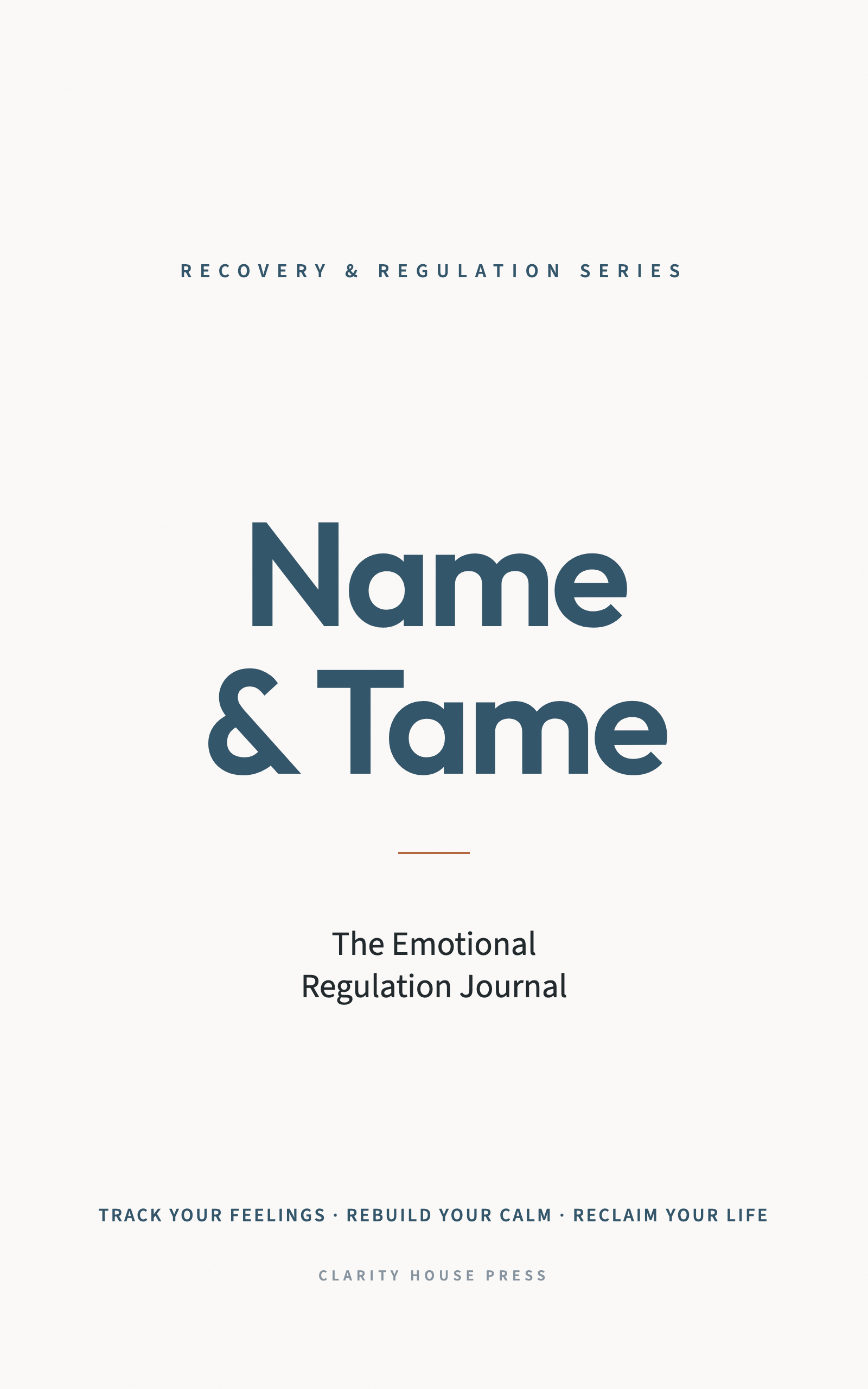


Adult Children of Emotionally Immature Parents
Lindsay C. Gibson, PsyD
A gentle, practical guide to understanding relationships with emotionally distant parents and reclaiming your inner life.
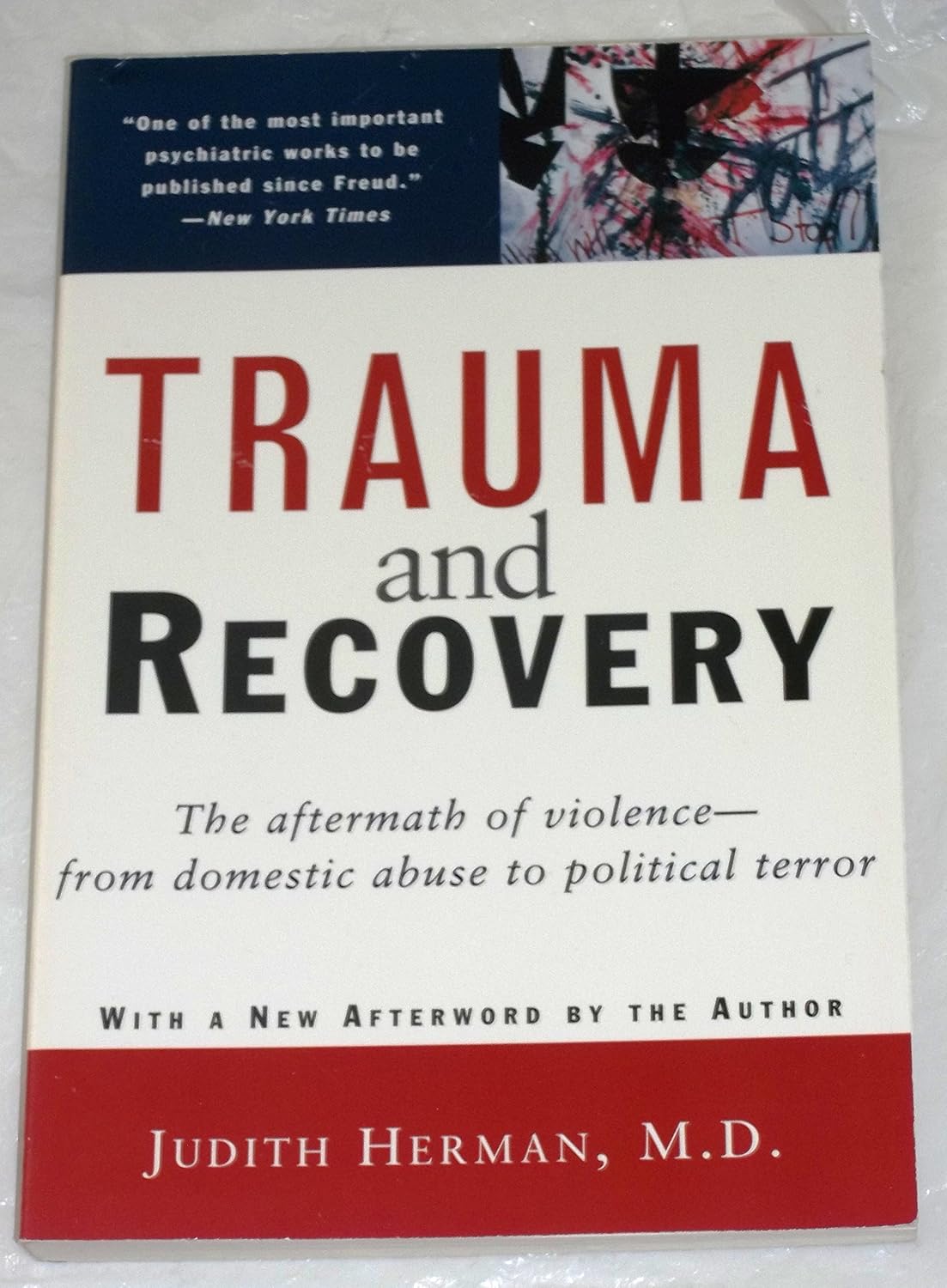
Trauma and Recovery
Judith Lewis Herman, M.D.
The seminal framework for understanding trauma and the stages of recovery — safety, remembrance, and reconnection.
As an Amazon Associate, Clarity House Press earns from qualifying purchases. Your price is never affected.
Found this helpful?
Share it with someone who might need it.
About the Author

Clarity House Press
Editorial Team
The editorial team at Clarity House Press curates and publishes evidence-based content on narcissistic abuse recovery, high-conflict divorce, and healing. Our content is informed by research, survivor experiences, and established trauma-informed approaches.
View all posts by Clarity House Press →Published by Clarity House Press Editorial Team