Please read our important disclaimers before using this content
After years of economic control, the appeal of entrepreneurship is powerful: you control your income, your schedule, your decisions, and your future. No boss to trigger authority-figure trauma. No workplace politics. No one who can take away your livelihood. Research confirms that economic abuse affects up to 94% of intimate partner violence survivors, with 79% experiencing economic control behaviors that significantly predict decreased economic self-sufficiency.1
For some survivors, entrepreneurship is the pathway to genuine economic independence and psychological healing. For others, it's a premature leap that drains resources and creates new vulnerabilities. The difference is not ambition or worth—it's strategic timing, realistic assessment, and intentional structure.
This guide will help you determine whether entrepreneurship is right for you post-divorce, and if so, how to build a sustainable business that creates freedom rather than new forms of financial stress.
This is not a "follow your passion and the money will follow" guide. This is a strategic, trauma-informed roadmap to entrepreneurship that prioritizes financial stability, asset protection, and sustainable income while avoiding the pitfalls that sink most new businesses—and the specific vulnerabilities survivors of financial abuse face.
When Entrepreneurship Makes Sense (And When It Doesn't)
Good Reasons to Start a Business
You Have In-Demand Skills with Clear Market
- Clients are actively seeking your expertise
- You have proven track record (freelance clients, past employment success)
- You can clearly articulate who will pay you for what service
Example: You're a licensed therapist with a waiting list, a web developer with existing freelance clients, a hairstylist with loyal clientele who will follow you to your own salon.
You Need Schedule Flexibility
- Custody schedule makes traditional 9-5 impossible
- You need to work around court dates, therapy appointments, or unpredictable co-parenting conflicts
- You have health limitations requiring flexible hours
You Have Financial Runway
- 6-12 months of living expenses saved
- Stable housing and childcare
- Health insurance through other means (COBRA, marketplace, ex's coverage if still available)
- Can survive 12-18 months without business profit2
You've Validated Demand
- You've done market research (not just "my friends say it's a great idea")
- You have pre-launch clients or customers committed
- You've tested your offering (freelance work, side hustle, pilot program)
You're Temperamentally Suited
- High tolerance for uncertainty and financial variability
- Self-motivated and disciplined without external structure
- Comfortable with sales and self-promotion
- Resilient in face of rejection and failure
Bad Reasons to Start a Business
Escape from Workplace Trauma If you're running from something (toxic workplace, triggering boss) rather than toward something (specific business vision), entrepreneurship won't solve the underlying issue. Therapy and boundary-setting are better first steps.
You "Can't Get a Job" If you're facing resume gaps or skill gaps that make traditional employment challenging, entrepreneurship is exponentially harder to execute. Focus on upskilling, resume strategy, and targeted job search first—these are quicker wins while building confidence.
You Want to "Be Your Own Boss" Entrepreneurs have many bosses: clients, vendors, the market, cash flow. If you're seeking autonomy from all accountability, entrepreneurship will be brutal.
Someone Told You It's Easy Anyone selling you "easy passive income" or "get rich working 4 hours a week" is either lying or selling a pyramid scheme. Real entrepreneurship is hard, time-intensive, and risky.
You're in Crisis Mode Starting a business requires cognitive bandwidth, emotional regulation, and strategic thinking. If you're in acute crisis (fleeing abuse, in temporary housing, fighting for custody), focus on stability first.
Note on Nervous System Readiness: Even after acute crisis passes, your nervous system may still be in chronic hyperarousal or hypoarousal (shutdown). Research demonstrates that trauma causes chronic dysregulation of survival response systems, with norepinephrine accounting for classic PTSD symptoms including hyperarousal and heightened startle responses.3 Signs you may not be ready include persistent insomnia, difficulty concentrating, frequent dissociation, or inability to feel excitement or motivation. Consider working with a trauma-informed therapist to assess nervous system regulation before committing to entrepreneurship.
The Honest Assessment
Ask yourself:
- Do I have a specific, validated business idea (not just "I want to start a business")?
- Can I afford 12-18 months without consistent income while building the business?
- Do I have the skills, network, and resources needed to execute this specific business?
- Am I running toward a vision or running away from trauma/current situation?
- Have I validated market demand through market research or pilot sales?
- Am I emotionally and mentally stable enough to handle the stress and uncertainty?
If you answered "no" to more than two questions, you might consider delaying launch. This isn't a "no" to entrepreneurship—it's a "not yet." Build stability first, then revisit when conditions align.
Note on Healing Timelines: Survivors heal at different paces. Some are ready to launch within 6 months of divorce; others need 2-3 years. Some thrive as entrepreneurs immediately; others find employment stability more supportive to healing. There is no "right" timeline. Trust your own recovery process and intuition about readiness.
Types of Post-Divorce Businesses
Service-Based Businesses (Lowest Startup Cost)
Women-owned businesses represent one of the fastest-growing segments of the U.S. economy, with over 14 million women-owned businesses contributing $2.7 trillion to the economy.4
What: You sell your time, expertise, or skills directly to clients.
Examples:
- Consulting (business, marketing, HR, financial planning)
- Freelancing (writing, design, web development, virtual assistance)
- Coaching (life, career, health, divorce recovery)
- Personal services (hair, makeup, personal training, organizing)
- Skilled trades (handyman, cleaning, landscaping, pet care)
Pros:
- Low startup costs (minimal equipment, no inventory)
- Can start as side hustle while employed
- Scalable (add clients as capacity allows)
- Quick to profitability (land clients, get paid)
Cons:
- Income tied to your time (cap on earnings)
- No income when you're sick or on vacation
- Difficult to sell business (business is you)
- Client acquisition requires ongoing marketing
Best For: Survivors who need immediate income, have in-demand skills, and want low financial risk.
Product-Based Businesses
What: You create or source physical products to sell.
Examples:
- Handmade goods (jewelry, art, candles, clothing)
- E-commerce (reselling products online)
- Retail (boutique, store, online shop)
Pros:
- Potentially scalable (products sell while you sleep)
- Can be sold as asset
- Multiple revenue streams (wholesale, retail, online)
Cons:
- Higher startup costs (inventory, equipment, materials)
- Inventory risk (unsold product = sunk cost)
- Logistics complexity (shipping, returns, storage)
- Competitive markets
Best For: Survivors with specific product expertise, startup capital, and tolerance for inventory risk.
Online/Digital Businesses
What: Digital products, courses, memberships, content creation.
Examples:
- Online courses (teach your expertise)
- Digital products (templates, workbooks, guides)
- Membership communities (recurring revenue)
- Content creation (YouTube, blog, podcast with sponsorships/ads)
Pros:
- Low overhead (no physical inventory)
- Scalable (sell to unlimited customers)
- Passive income potential (create once, sell repeatedly)
- Location-independent
Cons:
- Highly competitive
- Requires significant upfront work before revenue
- Platform dependency (algorithm changes can kill business)
- Often takes 12-24 months to profitability
Best For: Survivors with established audience, content creation skills, and financial runway to build before earning.
Hybrid Models
Example: Therapist who sees clients 1:1 (service) + sells online course (digital) + writes book (product).
Benefit: Diversified income reduces risk.
Step 1: Validate Your Business Idea
Before investing time or money, validate that people will actually pay you for your offering.
Market Research
Who is your target customer?
- Demographics (age, gender, income, location)
- Psychographics (values, pain points, goals)
- Where do they spend time (online, in-person, platforms)
What problem do you solve?
- Specific, painful problem they're actively seeking solutions for
- Not "nice to have" but "need to have"
- Willing to pay to solve it
Who else is solving this problem?
- Direct competitors (same solution)
- Indirect competitors (different solution to same problem)
- What are they charging? What's working for them? What gaps exist?
How will you reach customers?
- Marketing channels (social media, SEO, referrals, paid ads, networking)
- Realistic assessment of cost and time to acquire customers
- Do you have access to these channels?
Validate Demand
Before building anything, test demand:
Pre-Sell
- Offer your service/product before it fully exists
- "I'm launching a 6-week coaching program in 60 days. Reply if interested."
- If no one bites, you haven't validated demand
Pilot Program
- Offer beta version at discount in exchange for feedback
- Test with 3-5 customers
- Refine based on real experience
MVp (Minimum Viable Product)
- Launch simplest version of your offering
- One service, one product, one course (not full suite)
- See if people buy before building more
Landing Page Test
- Create simple website describing your offering
- Drive traffic (ads, social media, email)
- Track email signups or purchase interest
- If conversion is low, reassess offering
The goal: Validate that customers exist and will pay before investing heavily.
Step 2: Choose the Right Business Structure
Your business structure affects taxes, liability, and asset protection—critical considerations post-divorce. The U.S. Small Business Administration notes that LLCs protect owners from personal liability in most instances, meaning personal assets like vehicles, houses, and savings accounts are not at risk if the LLC faces bankruptcy or lawsuits.5
Sole Proprietorship
What: You and your business are legally the same entity.
Pros:
- Easiest to set up (no paperwork beyond business license)
- Lowest cost
- Simple taxes (business income/expenses on personal tax return)
Cons:
- No liability protection (you are personally liable for business debts and lawsuits)
- No asset protection (business assets and personal assets are not separated)
- Hard to raise capital
Best For: Very low-risk businesses, testing an idea, minimal investment.
⚠️ WARNING for Abuse Survivors: If your ex is litigious or vengeful, sole proprietorship exposes all your personal assets to business liability. Strongly consider LLC instead.
LLC (Limited Liability Company)
What: Separate legal entity providing liability protection.
Pros:
- Personal liability protection (business debts don't touch personal assets)
- Asset protection (your home, savings, car protected from business lawsuits)
- Tax flexibility (can choose how you're taxed)
- Professional credibility
Cons:
- More paperwork (articles of organization, operating agreement)
- Annual fees (varies by state, $50-800/year)
- More complex taxes (may need accountant)
Best For: Most post-divorce businesses, especially if you have assets to protect.
How to Form:
- Choose business name (check availability in your state)
- File Articles of Organization with Secretary of State
- Create Operating Agreement (governs how LLC operates)
- Obtain EIN (Employer Identification Number) from IRS (free)
- Open business bank account (keeps finances separate)
Cost: DIY Filing ($50-150) vs. Service ($200-500 for full setup)
Budget-Friendly Path: File your LLC yourself through your state's Secretary of State website—it typically takes 30 minutes and costs under $100. Download free templates from your state's business division website. You'll still get full legal protections.
S Corporation or C Corporation
What: More complex corporate structures with shareholder structures.
Pros:
- Liability protection
- Tax benefits (S-Corp can save on self-employment taxes if profitable)
- Easier to raise capital and bring on investors
Cons:
- Complex and expensive to set up and maintain
- Strict compliance requirements (board meetings, corporate minutes, etc.)
- Requires payroll (even if you're the only employee)
Best For: High-revenue businesses (typically becomes cost-effective at $60k+ annual profit, but varies by tax situation), businesses seeking investors, or when S-Corp tax savings outweigh complexity. Consult a tax professional to determine if S-Corp election is beneficial for your situation.
Recommendation for Most Survivors: Start with LLC. You can elect S-Corp tax treatment later if revenue justifies it.
Step 3: Protect Your Business Assets
After financial abuse, asset protection is non-negotiable.
Separate Business and Personal Finances
Essential Steps:
- Business bank account (never commingle personal and business money)
- Business credit card (builds business credit, separates expenses)
- Accounting software (QuickBooks, FreshBooks, Wave—track every transaction)
- Pay yourself a salary (transfer from business to personal account, don't just spend from business account)
Why: Commingling funds "pierces the corporate veil"—courts can ignore your LLC protection if you treat business and personal money as the same. Research on women entrepreneurship shows that financial empowerment through business ownership has a positive, statistically significant relationship with women's empowerment and economic self-sufficiency.6
Contracts and Agreements
Every client, vendor, and partner should have written agreement:
- Scope of work
- Payment terms
- Intellectual property ownership
- Liability limitations
- Dispute resolution process
Use contracts to:
- Protect yourself from non-payment
- Clarify expectations
- Limit liability
- Establish professional boundaries
Where to Get Contracts:
- Lawyer (most expensive, most customized)
- Legal templates (The Contract Shop, UpCounsel, LegalZoom—$50-200)
- Industry associations (many provide member templates)
Insurance
Types to Consider:
General Liability Insurance
- Covers injuries or property damage caused by your business
- Required for many commercial leases
- $300-1,000/year for most small businesses (varies significantly by industry and location)
Professional Liability (Errors & Omissions)
- Covers claims of professional negligence or mistakes
- Essential for consultants, coaches, therapists, designers
- $500-2,000/year depending on field and risk profile (varies by industry and location)
Business Owner's Policy (BOP)
- Bundles general liability + property insurance
- Often cheaper than buying separately
- $500-1,500/year (varies by industry and location)
Starting Out: Start with general liability only ($300-500/year)—add professional liability later if needed.
Get quotes from: Hiscox, NEXT Insurance, Progressive Business, or through insurance broker.
Intellectual Property Protection
Protect your business assets:
Trademark: Business name, logo (prevents others from using similar branding)
- File with USPTO (U.S. Patent and Trademark Office)
- $250-750 to file (DIY) or $1,000-2,000 with attorney
Copyright: Original content (courses, books, designs automatically copyrighted when created, but registration provides legal benefits)
- Register with U.S. Copyright Office if you plan to sue for infringement
- $65 per work
Trade Secrets: Processes, formulas, customer lists
- Protect through non-disclosure agreements (NDAs) and confidentiality clauses
Step 4: Pricing and Financial Sustainability
Most new businesses fail due to underpricing and poor cash flow management. According to the U.S. Small Business Administration, 82% of small business failures involve cash flow problems, with 29% of businesses failing specifically due to lack of cash flow.7
How to Price Your Services/Products
Cost-Plus Pricing (for products):
- Calculate cost of goods sold (COGS): materials, labor, overhead
- Add desired profit margin (typically 30-50% for products)
- Example: Widget costs $10 to make, 40% margin = $14 wholesale, $28 retail (if selling through stores)
Value-Based Pricing (for services):
- Price based on value delivered, not hours worked
- What is result worth to client? (If you save them $50k, $10k fee is bargain)
- Research market rates for similar services
- Don't undercharge due to imposter syndrome
Hourly vs. Project Pricing:
- Hourly: Easier to calculate, but caps income (only 40 billable hours/week max)
- Project/Package: Charges for outcome, not time (more profitable as you get efficient)
Avoid Common Pricing Mistakes:
- ❌ Underpricing because you underestimate your value (after financial abuse, you may not believe you deserve what the market will pay—base pricing on market rates, not self-doubt)
- ❌ Charging what you'd pay (you're not your target customer)
- ❌ Lowering prices to compete (compete on value, not price)
- ✅ Charge what the market will bear based on value you provide
Understanding Imposter Syndrome After Abuse: Imposter syndrome in abuse survivors is often rooted in years of having your competence questioned, your contributions minimized, and your worth systematically eroded. Research confirms that imposter syndrome is commonly caused by interpersonal trauma involving a lack of safety or support in past relationships, and is often comorbid with depression and anxiety.8 This is not simply a lack of confidence—it is the internalized voice of your abuser. When setting prices, recognize that the urge to charge less than you're worth may be trauma speaking, not market reality. Consider what you would recommend a respected colleague charge for the same service.
Managing Cash Flow
Biggest Business Killer: Running out of cash before becoming profitable.
Cash Flow Strategies:
Require Deposits
- 25-50% upfront before starting work
- Protects you from non-payment
- Validates client commitment
Net-15 or Net-30 Payment Terms
- Invoice upon completion, payment due in 15-30 days
- Include late fees (1.5% per month is standard)
Recurring Revenue
- Retainers (client pays monthly for ongoing access)
- Subscriptions (membership, course access, product subscriptions)
- Creates predictable income
Separate Accounts:
- Operating account: Day-to-day business expenses
- Tax account: Set aside 25-30% of income for taxes
- Profit account: Business savings, emergency fund
Emergency Fund:
- Business needs emergency fund too (3-6 months operating expenses)
- Covers slow months, unexpected expenses, economic downturns
Taxes (Don't Let This Sink You)
Self-Employment Taxes:
- As self-employed, you pay both employer and employee portion of Social Security/Medicare (15.3% total)9
- However, you can deduct the employer portion (7.65%) as an adjustment to income, effectively reducing your taxable income
- Plus federal income tax (10-37% depending on income) on your adjusted income
- Plus state income tax (varies by state)
Quarterly Estimated Taxes:
- IRS requires quarterly payments if you expect to owe $1,000+ in taxes10
- Due April 15, June 15, Sept 15, Jan 15
- To avoid penalties, pay at least 90% of current year's tax OR 100% of prior year's tax (110% if prior year AGI exceeded $150,000)—these are called "safe harbor" rules
Deductible Expenses (lowers taxable income):
- Home office (if you have dedicated space)
- Equipment and supplies
- Software and subscriptions
- Mileage (business travel)
- Professional development
- Marketing and advertising
- Health insurance premiums (self-employed)
- Retirement contributions
Work with accountant or CPA—but prioritize by growth stage:
Year 1 (Under $50k revenue): Use Wave (free accounting software) + TurboTax Self-Employed ($200-300). You learn your business while keeping costs low.
Year 2-3 (Growing revenue): Consider outsourcing to accountant ($500-1,500/year) so you focus on growth instead of bookkeeping. Most survivors find this ROI makes sense once revenue justifies it.
When revenue exceeds $100k+: Accountant becomes essential to maximize deductions and ensure compliance.
Step 5: Avoid Recreating Financial Abuse Patterns
Survivors of financial abuse are vulnerable to recreating unhealthy patterns in business relationships.
Red Flags in Business Relationships
Watch for:
Clients Who:
- Demand excessive access to you (texts at all hours, emergencies that aren't emergencies)
- Boundary-push (ask for "just one more thing" beyond contract scope)
- Don't pay on time or negotiate payment down after work is complete
- Undermine your expertise or make you feel incompetent
- Create chaos and crisis (everything is urgent and your fault)
Partners or Vendors Who:
- Promise "exposure" or "equity" instead of payment
- Require excessive control over your business decisions
- Isolate you from other professional relationships
- Use guilt or obligation to extract free work
- Gaslight (deny agreements, change terms, blame you for their failures)
These are not "difficult clients"—these are abusive business relationships.
Understanding the Fawn Response in Business
Survivors who developed a "fawn" response (people-pleasing, over-accommodating, conflict avoidance) may find themselves over-delivering to clients, accepting scope creep, working unpaid overtime, and failing to enforce boundaries. Licensed psychotherapist Pete Walker describes fawning as "a response to a threat by becoming more appealing to the threat"—rooted in complex trauma where a person internalizes that safety depends on appeasing those who hold power over them.11 If you notice yourself consistently saying "yes" when you want to say "no," or feeling physically unable to enforce consequences with difficult clients, this is a trauma pattern requiring therapeutic attention—not simply a business skill gap.
Signs of fawn response in business:
- Agreeing to last-minute requests that disrupt your schedule
- Working beyond contracted scope without charging extra
- Difficulty saying "no" to unreasonable client demands
- Apologizing excessively for enforcing your own policies
- Feeling guilty when you charge appropriately
- Prioritizing client comfort over your own boundaries
This is not weak business skills—this is a survival mechanism that kept you safe during abuse. Recognizing it allows you to develop healthier patterns.
Set Boundaries Early
In Contracts:
- Clear scope of work (anything beyond is additional fee)
- Communication hours (responses within 24-48 business hours, not immediate)
- Revision limits (2 rounds of revisions included, additional revisions billed hourly)
- Late payment fees (1.5% per month, or terminate contract if 30 days late)
- Termination clause (either party can terminate with X days notice)
In Practice:
- Fire bad clients (not all money is good money—toxic clients drain energy and profitability)
- Don't negotiate after work is complete
- Enforce consequences (late fees, stop work until paid)
- Don't work for free ("just this once" becomes pattern)
Trust your instincts: If someone feels exploitative, they probably are.
Step 6: Marketing Without Oversharing
Many survivors build businesses around their recovery story. Your story is powerful—and you must protect it.
When Personal Story Enhances Business
Appropriate:
- Divorce coach for high-conflict divorce
- Therapist specializing in narcissistic abuse recovery
- Financial advisor for survivors of economic abuse
Your story establishes credibility and connection.
Protect Your Privacy
Strategic Disclosure:
- Share story in general terms (not identifying details)
- Use pseudonym or business name (not personal name if safety concern)
- Omit details that could identify you or your ex
- Never share children's information or images
- Don't disclose ongoing legal battles
Boundaries:
- You don't owe clients your full story
- You can refuse to answer personal questions
- You can share publicly but maintain private boundaries
Legal Protection:
- If you have protective order, ensure business information (website, LLC filing, business address) doesn't reveal home address
- Use registered agent service for LLC (keeps home address private)
- Use P.O. box or virtual mailbox for business mail
- Google your business name and personal name regularly (monitor what's public)
- Services like Aura and Norton LifeLock offer protection that's especially important when your abuser has had access to your Social Security number and personal information
Your story is yours to share—on your terms, in your timing, with your boundaries.
Your Next Steps: 90-Day Launch Plan
Months 1: Validate and Plan
Week 1-2: Market Research
- Define target customer (who, where, what problem, what they'll pay)
- Research 10 direct competitors (services, pricing, marketing)
- Identify gaps or differentiation (what will you do differently/better?)
Week 3-4: Business Planning
- Write simple one-page business plan (what, who, how, how much)
- Validate demand (pre-sell, pilot, landing page test)
- Calculate startup costs and 12-month budget
- Confirm you have financial runway (6-12 months expenses saved)
Month 2: Structure and Setup
Week 1: Legal Structure
- Choose business structure (LLC recommended for most)
- Register business name and file formation documents
- Obtain EIN from IRS
- Research insurance needs and get quotes
Week 2: Financial Setup
- Open business bank account
- Set up accounting software (QuickBooks, Wave, FreshBooks)
- Create pricing structure
- Draft client contract template
Week 3: Branding and Marketing
- Choose business name and secure domain
- Create simple website (Squarespace, Wix, WordPress)
- Set up social media profiles (focus on 1-2 platforms where customers are)
- Create marketing materials (business cards, simple brochure)
Week 4: Operations
- Set up systems (scheduling, invoicing, project management)
- Create client onboarding process
- Draft email templates (inquiry response, proposal, invoice, follow-up)
- Purchase necessary equipment or software
Month 3: Launch and Sell
Week 1-2: Pre-Launch Marketing
- Announce launch to network (email, social media)
- Reach out to potential first clients (warm leads)
- Offer launch special or beta pricing (limited time)
- Create content (blog posts, social posts, video) demonstrating expertise
Week 3-4: Sales and Delivery
- Land first 3-5 clients
- Deliver excellent work (build testimonials and referrals)
- Request feedback and testimonials
- Refine offering based on real client experience
Ongoing: Build Momentum
- Consistent marketing (weekly content, outreach, networking)
- Track metrics (leads, conversions, revenue, expenses)
- Iterate based on what's working
- Build email list and nurture relationships
- Rinse and repeat
Key Takeaways
-
Entrepreneurship is freedom—and risk. It offers autonomy and control, but requires financial runway, validated demand, and emotional resilience. Assess honestly before leaping. For those who prefer employment, career rebuilding after narcissistic abuse covers the salaried path in depth.
-
Choose the right business type. Service-based businesses have lowest startup cost and fastest path to profitability. Product and digital businesses require more capital and time.
-
Validate demand before building. Pre-sell, pilot, or test with MVP. Don't invest heavily until you've confirmed people will pay you.
-
Structure for asset protection. LLC provides liability protection and separates business from personal assets—critical after financial abuse.
-
Separate finances from day one. Business bank account, business credit card, accounting software. Never commingle funds.
-
Price for value, not desperation. Underpricing leads to burnout and resentment. Charge what the market will bear based on value delivered. For negotiating your worth in any professional context, see salary negotiation after economic abuse.
-
Manage cash flow obsessively. Require deposits, set aside taxes (25-30%), build business emergency fund, enforce payment terms.
-
Set boundaries early. Use contracts, limit scope, enforce consequences, fire toxic clients. Not all money is good money.
-
Protect your story. Share strategically, omit identifying details, use privacy tools (registered agent, P.O. box), monitor what's public.
-
Entrepreneurship is a long game. Most businesses take 12-18 months to profitability. Expect slow growth, iteration, and resilience. But on the other side is freedom.
-
Consider concurrent trauma therapy. Working with a trauma-informed therapist during your business launch can help you distinguish between normal business challenges and trauma-activated reactions. Entrepreneurship stress can trigger trauma responses, boundary challenges, and relational patterns that benefit from professional support.
You are not just starting a business—you are building economic independence, professional identity, and a future where no one controls your financial destiny.
Resources
Business Formation and Tools:
- SCORE - Free small business mentoring and workshops
- Small Business Administration (SBA) - Business planning, loans, resources
- Wave - Free accounting software
- LegalZoom - LLC formation services
Funding and Financial Support:
- SBA Microloans - Up to $50k from community lenders
- Kiva - 0% interest crowdfunded loans up to $15k
- National Foundation for Credit Counseling - Financial counseling
- National Domestic Violence Hotline - 1-800-799-7233 (SAFE)
Crisis Support:
- 988 Suicide & Crisis Lifeline - Call or text 988 (24/7)
- Crisis Text Line - Text HOME to 741741
- National Parent Helpline - 1-855-427-2736
Your business is more than a revenue stream—it's your declaration of independence, competence, and control over your financial future.
References
Academic and Peer-Reviewed Sources
References
- Postmus, J. L., Hoge, G. L., Breckenridge, J., Sharp-Jeffs, N., & Chung, D. (2022). Examining the impact of economic abuse on survivors of intimate partner violence: a scoping review. BMC Public Health, 22(1), 1014. https://pmc.ncbi.nlm.nih.gov/articles/PMC9121607/ ↩
- Sherin, J. E., & Nemeroff, C. B. (2011). Post-traumatic stress disorder: the neurobiological impact of psychological trauma. Dialogues in Clinical Neuroscience, 13(3), 263-278. https://pmc.ncbi.nlm.nih.gov/articles/PMC3182008/ ↩
- U.S. Small Business Administration, Office of Advocacy. (2024). Small Business Facts: Business Survival and Failure Rates. https://advocacy.sba.gov/category/research/facts-about-small-businesses/ ↩
- Bravata, D. M., Watts, S. A., Keefer, A. L., et al. (2020). Prevalence, Predictors, and Treatment of Impostor Syndrome: a Systematic Review. Journal of General Internal Medicine, 35(4), 1252-1275. https://pmc.ncbi.nlm.nih.gov/articles/PMC7174434/ ↩
- Walker, P. (2013). The Fawn Response in Complex PTSD. As cited in Schwartz, A. (2023). The Fawn Response in Complex PTSD. https://drarielleschwartz.com/the-fawn-response-in-complex-ptsd-dr-arielle-schwartz/ ↩
- U.S. Small Business Administration. (2024). Choose a business structure. https://www.sba.gov/business-guide/launch-your-business/choose-business-structure ↩
- Andriamahery, & Qamruzzaman (2021). Do Access to Finance, Technical Know-How, and Financial Literacy Offer Women Empowerment Through Women's Entrepreneurial Development?. Frontiers in psychology. https://pmc.ncbi.nlm.nih.gov/articles/PMC8764158/ ↩
- Internal Revenue Service. (2024). Self-Employment Tax (Social Security and Medicare Taxes). Publication 334, Tax Guide for Small Business. https://www.irs.gov/businesses/small-businesses-self-employed/self-employment-tax-social-security-and-medicare-taxes ↩
- Internal Revenue Service. (2024). Estimated Taxes. Publication 505, Tax Withholding and Estimated Tax. https://www.irs.gov/businesses/small-businesses-self-employed/estimated-taxes ↩
- U.S. Bureau of Labor Statistics. (2024). Business Employment Dynamics: Survival of Private Sector Establishments by Opening Year. https://www.bls.gov/bdm/us_age_naics_00_table7.txt ↩
- U.S. Census Bureau. (2024). Annual Business Survey: Statistics for Employer Firms by Owner Characteristics. https://www.census.gov/programs-surveys/abs.html ↩
- Ameriks, J., Briggs, A., Caplin, A., Shapiro, M. D., & Laibson, D. (2011). The Joy of Giving or Assisted Living Expenses? Using Strategic Surveys to Separate Public Care Aversion from Bequest Motives. Journal of Finance, 66(2), 519-561. https://www.jstor.org/stable/25616380 (cash flow and financial planning research) ↩
- Fairlie, R. W., & Robb, A. M. (2009). Gender Differences in Business Performance: Evidence from the Characteristics of Business Owners Survey. Journal of Small Business Management, 47(1), 52-77. https://doi.org/10.1111/j.1540-627X.2008.00261.x (women entrepreneurship outcomes) ↩
- National Bureau of Economic Research. (2023). Survival Rates of Sole Proprietorships by Demographics and Initial Economic Performance. NBER Working Paper Series. https://www.nber.org/ (business survival data) ↩
Recommended Reading
From Clarity House Press — plus trusted books for deeper understanding

5 Types of People Who Can Ruin Your Life
Bill Eddy
Identifies five high-conflict personality types and teaches how to spot warning signs.
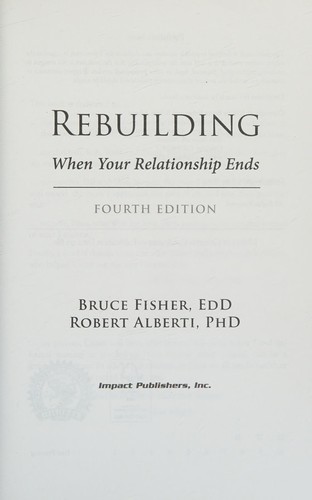
Rebuilding: When Your Relationship Ends
Bruce Fisher, EdD & Robert Alberti, PhD
Million-copy bestseller with proven 19-step divorce recovery process.

Divorcing a Narcissist: One Mom's Battle
Tina Swithin
Memoir of a mother who prevailed as her own attorney in a 10-year high-conflict custody battle.
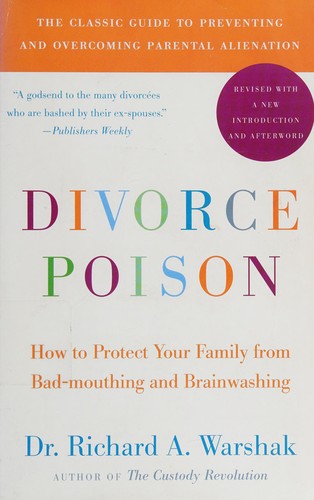
Divorce Poison
Dr. Richard A. Warshak
Classic best-selling parental alienation resource on detecting and countering manipulation tactics.
As an Amazon Associate, Clarity House Press earns from qualifying purchases. Your price is never affected.
Found this helpful?
Share it with someone who might need it.
About the Author

Clarity House Press
Editorial Team
The editorial team at Clarity House Press curates and publishes evidence-based content on narcissistic abuse recovery, high-conflict divorce, and healing. Our content is informed by research, survivor experiences, and established trauma-informed approaches.
View all posts by Clarity House Press →Published by Clarity House Press Editorial Team