Please read our important disclaimers before using this content
In high-conflict custody cases—especially those involving narcissistic abuse, parental alienation allegations, or complex trauma—expert witnesses can be the difference between a judge understanding the dynamics at play and your children being placed in an unsafe environment. In the United States, research estimates that domestic violence is present in 25-50% of disputed custody cases,1 making expert testimony critical for helping courts understand complex abuse dynamics. Before retaining any expert, ensure your documentation strategies for high-conflict custody are solid—experts rely on your records to support their opinions.
But not all experts are created equal. The wrong expert can destroy your case. The right expert can educate the court, counter your ex's false narrative, and provide the clinical or forensic evidence that tips custody in your favor.
This is advanced litigation strategy for parents facing custody battles where standard evidence (your testimony, documents, witness statements) isn't enough to prove what's actually happening to your children.
When You Need an Expert Witness
Family court judges are generalists. They don't have specialized training in:
- Narcissistic personality disorder or coercive control
- Child trauma and attachment disruption
- Parental alienation vs. protective parenting dynamics
- Complex PTSD in domestic violence survivors
- Financial forensics and hidden assets
- Developmental psychology and age-appropriate child testimony
You need an expert witness when:
- The abuse is psychological/emotional (harder to prove than physical abuse)
- Your ex is alleging parental alienation against you (you need an expert to show you're protective, not alienating)
- Children are exhibiting trauma symptoms that need clinical explanation
- Your mental health is being weaponized (you need expert to explain trauma responses vs. pathology)
- Financial abuse is complex (hidden assets, business valuation, cryptocurrency)
- Custody evaluator's report is flawed (you need expert to critique methodology)
- Judge doesn't understand narcissistic abuse dynamics (expert educates court on coercive control patterns)
Expert witnesses serve two functions:
- Educate the court about complex issues beyond the judge's expertise
- Provide opinions based on their specialized knowledge that support your case
Under Federal Rules of Evidence Rule 702, expert witnesses must have specialized knowledge that will help the trier of fact understand the evidence or determine a fact in issue.2
Types of Expert Witnesses in Custody Cases
1. Clinical Psychologists / Psychiatrists
What they do:
- Evaluate parents and/or children for mental health diagnoses
- Assess parenting capacity and psychological fitness
- Explain trauma responses, attachment issues, developmental concerns
- Opine on the psychological impact of parenting arrangements on children
When you need one:
- Your ex may have a personality disorder (NPD, BPD, ASPD) and you need professional assessment (note: ethical experts only diagnose after direct evaluation)
- Children are showing trauma symptoms (anxiety, regression, behavioral issues)
- You're being portrayed as mentally unstable (expert explains your trauma responses)
- Custody evaluator missed key psychological dynamics
- Court needs education on narcissistic abuse, coercive control, or trauma bonding
What to look for:
- Licensed psychologist or psychiatrist (MD or PhD/PsyD)
- Forensic experience: Has testified in family court before (knows how to handle cross-examination)
- Specialization in relevant area: Personality disorders, trauma, child development, domestic violence
- Strong credentials: Published research, teaching positions, professional affiliations
- Good communicator: Can explain complex psychology in plain language for judge
Cost: $3,000-$15,000+ (evaluation, report, trial testimony—costs vary significantly by location and expert experience)
2. Parental Alienation Experts
What they do:
- Assess whether a child's rejection of a parent is due to alienation, abuse, or developmental appropriateness
- Distinguish between justified estrangement (child protecting self from abuse) and alienation (one parent manipulating child against other)
- Evaluate alienating behaviors vs. protective parenting
- Recommend interventions (therapy, custody modifications)
When you need one:
- Your ex is accusing YOU of alienation (expert shows you're protective, not alienating)
- Your ex IS alienating the children (expert documents the alienation tactics)
- Children refuse contact with you after being with your ex (need expert to explain why)
- Reunification therapy is being recommended (expert can support or oppose this)
Critical distinction:
Parental alienation = One parent manipulates child to unjustifiably reject the other parent (note: this concept is contested in psychology and not universally accepted as a diagnosis; it is not included in the DSM-5-TR)3
Protective parenting = Child's rejection is justified response to the other parent's abuse
You need an expert who understands this difference—some "parental alienation experts" show gender bias and assume all child rejection is alienation rather than a protective response to abuse. Research shows that fathers' cross-claims of parental alienation can increase courts' rejection of mothers' abuse claims, sometimes leading to mothers losing custody to the father accused of abuse.4
What to look for:
- Understands coercive control and domestic violence (not just alienation)
- Balanced approach: Recognizes both alienation AND justified estrangement exist
- Forensic experience in family court
- Evidence-based methodology (not just subjective opinion)
- No gender bias: Evaluates each case individually rather than assuming one parent is always the problem based on gender
Green flag: Expert uses terms like "hybrid cases" (both parents may contribute to child's distress) and "child's authentic voice" (distinguishing coached statements from genuine feelings)
Red flag: Expert shows gender bias (assuming one gender always alienates), dismisses children's expressed fears, recommends reunification therapy without proper safety assessment
Cost: $5,000-$20,000+ (evaluation, court testimony—costs vary by location and complexity)
3. Domestic Violence / Trauma Experts
What they do:
- Explain dynamics of coercive control, psychological abuse, and trauma bonding
- Educate court on how abuse victims present (may seem angry, anxious, "difficult")
- Assess lethality risk and safety concerns
- Explain why abuse victims stay, return, or appear to "cooperate" with abuser
When you need one:
- Abuse was primarily emotional/psychological (harder to prove than physical)
- You're being portrayed as "high-conflict" or "unstable" (expert explains trauma responses)
- Judge doesn't understand coercive control or narcissistic abuse patterns
- Your ex is using "mutual abuse" or "parental conflict" framing to minimize their behavior
- Children are trauma-bonded to abusive parent (need expert to explain attachment disruption)5
What to look for:
- Specialization in domestic violence (not just general psychology)
- Training in coercive control (Evan Stark's work, Duluth Model, evidence-based trauma-informed practice)6
- Experience with psychological abuse (not just physical DV)
- Understands trauma presentation (hypervigilance, emotional dysregulation, complex PTSD)
- Forensic court experience
Cost: $3,000-$12,000+ (varies by location and case complexity)
4. Child Development Specialists
What they do:
- Explain age-appropriate behaviors, developmental stages, attachment theory
- Assess whether children's statements are coached or genuine
- Evaluate children's developmental needs and which custody arrangement best serves them
- Explain how trauma impacts development
When you need one:
- Children's testimony or statements are being questioned
- Need to show children's behaviors are trauma responses, not "normal kid stuff"
- Opposing custody arrangement would disrupt critical developmental stage
- Children are regressing developmentally (bedwetting, speech delays) due to stress
What to look for:
- Developmental psychology specialization (PhD in child development)
- Clinical experience with children (not just research)
- Forensic testimony experience
- Understanding of trauma's impact on development
Cost: $3,000-$10,000+ (varies by location and case complexity)
5. Forensic Accountants
What they do:
- Trace hidden assets and income
- Value businesses and complex financial holdings
- Identify financial abuse patterns (economic control, dissipation of assets)
- Analyze tax returns, bank statements, financial records for discrepancies
- Testify about true income and asset division
When you need one:
- Your ex is self-employed or owns a business (easy to hide income)
- You suspect hidden assets (offshore accounts, cryptocurrency, cash businesses)
- Financial abuse was part of the control pattern
- Child support or alimony calculations are contested
- High-asset divorce with complex holdings
What to look for:
- CPA and CFE (Certified Fraud Examiner) credentials
- Forensic accounting specialization (not just general accounting)
- Family law experience (understands divorce financial issues)
- Litigation experience (can withstand cross-examination)
- Report-writing skills (clear, detailed findings for court)
Cost: $5,000-$25,000+ (varies significantly by case complexity and jurisdiction)
6. Custody Evaluation Critique Experts
What they do:
- Review and critique flawed custody evaluations
- Identify methodological errors, bias, missing information
- Testify about proper evaluation standards
- Provide alternative opinions based on same evidence
When you need one:
- Custody evaluator's report is biased or factually wrong
- Evaluator missed key information or didn't investigate thoroughly
- Evaluator used flawed methodology
- Recommendations don't match the evidence
What to look for:
- More experienced/credentialed than original evaluator (can't critique a peer if less qualified)
- Forensic psychology specialization
- Familiar with custody evaluation standards (AFCC guidelines, APA guidelines)78
- Willingness to critique a colleague (some experts won't)
Cost: $5,000-$20,000+ (review, report, testimony—varies by jurisdiction)
7. Technology / Digital Forensics Experts
What they do:
- Recover deleted text messages, emails, social media posts
- Detect spyware, stalkerware, GPS tracking
- Authenticate digital evidence
- Trace online harassment or cyberstalking
When you need one:
- Your ex is using spyware or surveillance technology
- Need to recover deleted communications showing abuse
- Digital evidence is being contested (claimed to be fake or altered)
- Cyberstalking or online harassment is part of the abuse pattern
What to look for:
- Certified digital forensics examiner (CFCE, EnCE, GCFA)
- Court testimony experience
- Familiarity with family law issues (privacy, consent, admissibility)
Cost: $2,000-$10,000+ (varies by investigation scope and jurisdiction)
How to Find a Credible Expert Witness
Sources for finding experts:
1. Your Attorney's Network
Your family law attorney likely has relationships with expert witnesses they've used before or opposed in other cases.
Ask your attorney:
- "Which experts do you recommend for [specific issue]?"
- "Which experts have you seen the court respond well to?"
- "Are there experts I should avoid?" (poor testimony, bias, weak credentials)
2. Professional Directories
- American Psychological Association (APA): Directory of forensic psychologists
- Association of Family and Conciliation Courts (AFCC): Expert referrals
- Expert witness services: SEAK, Expert Institute, JurisPro
- State professional licensing boards: Verify credentials
3. Referrals from DV Organizations
Domestic violence organizations often know trauma-informed experts:
- Local DV shelters and advocacy organizations
- State DV coalitions
- National organizations (NNEDV, The Hotline) may have referral lists
4. Academic Institutions
Universities with psychology, social work, or psychiatry departments:
- Professors who do forensic work
- Researchers specializing in relevant topics
- Clinical training programs
5. Opposing Counsel's Prior Cases
Research experts your ex's attorney has used before—and find someone more credible to counter them.
Vetting Your Expert: Critical Questions
Before retaining an expert, interview them thoroughly:
Credentials and Experience
- "What are your educational credentials and professional licenses?"
- "How many custody cases have you testified in?"
- "How often do you testify for mothers vs. fathers?" (looking for bias)
- "Have you ever had your testimony excluded or credentials challenged?"
- "Do you have publications or research in this area?"
Specialization and Approach
- "What is your specific training in [narcissistic abuse / parental alienation / trauma]?"
- "How do you distinguish between parental alienation and protective parenting?"
- "What is your understanding of coercive control in intimate partner relationships?"
- "How do you assess for personality disorders?" (if relevant)
- "What evaluation methods do you use?"
Forensic Work
- "What percentage of your practice is forensic vs. clinical?"
- "Are you familiar with [your state's] custody laws and standards?"
- "How do you handle cross-examination?" (you want someone confident, not defensive)
- "Can you provide references from attorneys you've worked with?"
Potential Bias
- "What professional organizations are you affiliated with?" (watch for fathers' rights groups)
- "Have you ever been sued for malpractice or faced licensing complaints?"
- "In what percentage of cases do you find in favor of mothers vs. fathers?"
- "How do you ensure your personal beliefs don't influence your professional opinions?"
Logistics and Cost
- "What is your retainer and hourly rate?"
- "What is included in your evaluation?" (interviews, testing, home visits, document review)
- "How long will the evaluation take?"
- "What is your timeline for completing a report?"
- "What are your fees for trial testimony and preparation?"
Red flags in expert responses:
- Evasive or defensive answers
- Can't articulate their methodology clearly
- Dismisses domestic violence or trauma as relevant factors
- Shows clear gender bias
- Lacks forensic experience
- Has disciplinary history
- Seems more interested in money than the case
Working with Your Expert Witness
1. Initial Consultation and Retention
Once you've selected an expert:
Provide comprehensive background:
- Your attorney's case summary
- Custody evaluator's report (if there is one)
- Timeline of abuse and parenting concerns
- Relevant court orders and pleadings
- Documentation (texts, emails, police reports, medical records)
- List of witnesses and collateral contacts
Be honest about weaknesses in your case:
- Your expert needs to know what opposing counsel will attack
- Surprises at trial destroy credibility
- Good experts can address weaknesses proactively
Clarify the scope of work:
- What specific questions do you need the expert to answer?
- What evaluation components are needed? (psychological testing, interviews, home visits)
- Who will the expert interview? (you, your ex, children, collaterals)
- What is the timeline?
2. The Evaluation Process
For psychological/parental alienation evaluations:
You will likely undergo:
- Clinical interviews (multiple sessions, 2-4 hours total)
- Psychological testing (MMPI-2, PAI, trauma assessments)
- Parenting capacity assessment
- Possibly home visit and observation with children
Your ex will undergo similar evaluation (unless this is a critique expert who only reviews records).
Children may be interviewed if age-appropriate and clinically indicated.
Your job during evaluation:
- Be honest and forthcoming (lying or minimizing will be detected)
- Stay calm and regulated (even when discussing traumatic material)
- Provide organized documentation (timelines, evidence, witness lists)
- Follow through on all requests (scheduling, releases, questionnaires)
- Don't try to manipulate the outcome (experts can spot this)
Remember: If court-appointed, the expert evaluates BOTH parents objectively. If you hire a private expert, they may still evaluate both parties or review existing evaluations. Either way, treat this like a high-stakes evaluation, because it is.
3. The Expert Report
After completing the evaluation, the expert will write a detailed report including:
- Methodology: What they did (interviews, testing, record review)
- Findings: What they observed and learned
- Analysis: Clinical interpretation of findings
- Opinions: Their professional conclusions
- Recommendations: What custody arrangement they believe serves children's best interests
You have the right to review the report before it's submitted to court.
What to do when you receive it:
- Read it carefully multiple times
- Identify strengths (use these in your testimony and argument)
- Identify weaknesses (prepare to address or minimize these)
- Flag any factual errors (ask expert to correct before filing)
- Discuss strategy with your attorney (how to present the report effectively)
If the report is unfavorable:
- Understand why: What did the expert miss or misunderstand?
- Consider a second opinion: Another expert may reach different conclusions
- Decide whether to use it: In some jurisdictions and circumstances, you may not be required to submit an unfavorable expert report, but discovery rules vary—consult your attorney. Note that opposing counsel may subpoena the expert.
4. Preparing for Trial Testimony
Weeks before trial:
Your attorney will prepare the expert through:
- Review of case facts and expert's report
- Anticipated cross-examination questions
- Coordination with other witnesses and evidence
- Trial logistics (when expert will testify, how long, video vs. in-person)
You may participate in preparation (depending on your attorney's approach).
Your expert will prepare:
- Updated knowledge of case developments since writing report
- Visual aids if helpful (charts, timelines, diagrams explaining concepts)
- Curriculum vitae (CV) for qualification as expert
- Copies of any publications or research cited
5. Expert Testimony at Trial
Direct examination (your attorney questions the expert):
Goals:
- Establish expert's credentials (qualify them as expert)
- Educate the judge about relevant concepts (narcissistic abuse, trauma, alienation)
- Present expert's findings and opinions
- Connect expert's opinions to evidence in the case
- Make recommendations for custody arrangement
Your attorney will ask questions like:
- "Please describe your educational and professional background."
- "What is narcissistic personality disorder and how does it affect parenting?"
- "Can you explain the difference between parental alienation and protective parenting?"
- "What did you observe when you evaluated [your ex]?"
- "What testing did you administer and what were the results?"
- "Based on your evaluation, what is your professional opinion about [issue]?"
- "What custody arrangement do you recommend and why?"
Cross-examination (opposing counsel attacks the expert):
Opposing counsel will try to:
- Challenge expert's credentials or experience
- Highlight any inconsistencies in the report
- Suggest bias (you're paying them, so they're biased toward you)
- Attack methodology (why didn't you do X? why did you rely on Y?)
- Get expert to admit limitations or uncertainties
- Undermine damaging opinions
Your expert should:
- Remain calm and professional (not defensive)
- Answer only the question asked (don't over-explain)
- Admit limitations honestly ("That's outside my area of expertise")
- Stand by their opinions when supported by evidence
- Clarify mischaracterizations calmly
- Avoid arguing with attorney (makes expert look unprofessional)
Good experts handle cross-examination well. This is why forensic experience matters—testifying is a skill.
Strategic Considerations
When NOT to Use an Expert
Experts are expensive and not always necessary. Don't use an expert if:
- Your case is straightforward (clear abuse, strong evidence, no complex psychological issues)
- You can't afford it (expert fees can exceed attorney fees)
- The expert's opinion might hurt you (if evaluation could go badly, don't do it)
- Judge is already convinced (you're winning without expert—don't risk it)
- Timing is wrong (not enough time for thorough evaluation before trial)
Choosing Between Multiple Experts
Sometimes you need more than one expert (e.g., psychologist for mental health AND forensic accountant for finances).
Budget permitting, prioritize:
- The issue most contested: If parental alienation is central, that expert is critical
- The gap in court's understanding: If judge doesn't understand narcissistic abuse, DV expert is essential
- Your greatest weakness: If your mental health is being attacked, psychologist to explain trauma responses
Coordinate your experts so their testimony doesn't conflict.
Expert vs. Treating Therapist Testimony
Your therapist is NOT an expert witness.
Treating therapist:
- Can testify to what you've told them (your reports of abuse)
- Can explain your diagnoses and treatment
- CANNOT opine on your ex's mental health (haven't evaluated them)
- CANNOT make custody recommendations (not their role)
- May have confidentiality limitations
Expert witness:
- Evaluates BOTH parties (or reviews existing evaluations)
- Can diagnose and opine about both parents
- Can make custody recommendations
- No confidentiality (everything disclosed to court)
Use both strategically: Therapist corroborates your trauma and abuse history; expert provides independent evaluation and custody opinion.
Cost-Benefit Analysis
Expert witnesses are expensive. Is it worth it?
Calculate:
- Expert costs: Retainer + evaluation + report + trial testimony + prep time
- Total: Often $5,000 - $25,000+ per expert
Compare to:
- Cost of losing custody: Your children's safety and well-being
- Cost of future litigation: Modification proceedings, ongoing legal fees
- Emotional cost: Knowing you didn't present the strongest case possible
For many survivors, an expert witness is the only way to prove psychological abuse and coercive control patterns that are invisible to judges unfamiliar with these dynamics.9 Fathers in particular may benefit from understanding how to challenge bias in custody evaluations before retaining an evaluator.
It's worth it when:
- The case is high-stakes (primary custody, relocation, abuse allegations)
- The judge is skeptical or doesn't understand the dynamics
- Your ex is highly manipulative and presenting well
- Standard evidence isn't enough to prove your case
It's not worth it when:
- You're likely to win without expert
- The cost would financially devastate you with little chance of success
- The expert evaluation could backfire (you're not presenting well, evidence is weak)
Discuss cost-benefit with your attorney before retaining an expert.
Your Next Steps
If you're considering expert witnesses in your custody case:
-
Consult with your attorney about whether you need an expert and which type would be most helpful
-
Identify the specific issues the expert needs to address (parental alienation? narcissistic abuse? child trauma? financial abuse?)
-
Research and vet potential experts using the criteria in this post—credentials, experience, approach, potential bias
-
Budget for expert costs and discuss payment arrangements (payment plans, requesting court order your ex contribute)
-
Gather all documentation the expert will need to review (court filings, communications, evaluations, records)—a thorough approach to documenting abuse as evidence gives experts strong material to work from
-
Prepare yourself for evaluation by organizing your narrative, evidence, and witness list
-
Work closely with your attorney to coordinate expert testimony with your overall trial strategy
-
Remember the goal: The expert is there to educate the court and provide an authoritative opinion that supports your children's safety and best interests
Expert witnesses are powerful tools in high-conflict custody litigation—but only if you choose the right expert, prepare thoroughly, and integrate their testimony strategically into your case.
In cases involving narcissistic abuse, where the abusive parent is charming, manipulative, and skilled at presenting as the "good parent," an expert who understands these dynamics can finally help the court see what you and your children have been living with.
NOTE ON HOTLINE NUMBERS: Phone numbers for crisis hotlines, legal aid, and support services are provided as a resource. These numbers are current as of publication but may change. Please verify hotline numbers are still active before relying on them. For the National Domestic Violence Hotline, visit thehotline.org for current contact information.
Resources
Expert Witness and Legal Resources:
- Association of Family and Conciliation Courts (AFCC) - Expert witness guidelines and referrals
- American Psychological Association Forensic Psychology - Forensic psychology directory
- American Academy of Matrimonial Lawyers - Expert witness resources
- American Bar Association Family Law Section - Find family law attorneys
Mental Health and Custody Evaluation:
- Psychology Today Therapist Finder - Find custody evaluators and forensic specialists
- National Association of Counsel for Children - Child advocacy resources
- SAMHSA National Helpline - 1-800-662-4357 (24/7)
- National Domestic Violence Hotline - 1-800-799-7233 (SAFE)
Crisis Support:
- 988 Suicide & Crisis Lifeline - Call or text 988 (24/7)
- Crisis Text Line - Text HOME to 741741
- National Child Abuse Hotline - 1-800-422-4453
- Legal Services Corporation - Find free legal aid
This post provides educational information about expert witnesses in custody litigation. It is not legal advice. Consult with a family law attorney in your jurisdiction for case-specific guidance.
References
- Morrill, A. C., Dai, J., Dunn, S., Sung, I., & Smith, K. (2005). Child custody and visitation decisions when the father has perpetrated violence against the mother. Violence Against Women, 11(8), 1076-1107. https://doi.org/10.1177/1077801205278046 ↩
- Federal Rules of Evidence, Rule 702. Testimony by Expert Witnesses. Cornell Law School Legal Information Institute. https://www.law.cornell.edu/rules/fre/rule_702 ↩
- Saini, M., Johnston, J. R., Fidler, B. J., & Bala, N. (2016). Empirical studies of alienation. In L. Drozd, M. Saini, & N. Olesen (Eds.), Parenting plan evaluations: Applied research for the family court (2nd ed., pp. 374-430). Oxford University Press. (Note: Clinical bodies such as the American Psychological Association have not recognized parental alienation as a diagnostic category, and it is not included in the DSM-5-TR.) ↩
- Meier, J. S., Dickson, S., O'Sullivan, C., Rosen, L., & Hayes, J. (2020). U.S. child custody outcomes in cases involving parental alienation and abuse allegations: What do the data show? Journal of Social Welfare and Family Law, 42(1), 92-105. https://doi.org/10.1080/09649069.2020.1701941 ↩
- American Psychological Association. (2022). Guidelines for child custody evaluations in family law proceedings. https://www.apa.org/practice/guidelines/child-custody ↩
- Association of Family and Conciliation Courts. (2022). AFCC guidelines for parenting plan evaluations in family law cases. Family Court Review, 61(1), 11-46. https://www.afccnet.org/Resource-Center/Practice-Guidelines ↩
- Stark, E., & Hester, M. (2019). Coercive control: Update and review. Violence Against Women, 25(1), 81-104. https://doi.org/10.1177/1077801218816191 ↩
- Dutton, D. G., & Painter, S. (1993). Emotional attachments in abusive relationships: A test of traumatic bonding theory. Violence and Victims, 8(2), 105-120. https://pubmed.ncbi.nlm.nih.gov/8193053/ ↩
- Saunders, D. G., Faller, K. C., & Tolman, R. M. (2012). Child custody evaluators' beliefs about domestic abuse allegations: Their relationship to evaluator demographics, background, domestic violence knowledge and custody-visitation recommendations. National Institute of Justice (NIJ Research Report No. 238891). https://www.ojp.gov/pdffiles1/nij/grants/238891.pdf ↩
Recommended Reading
From Clarity House Press — plus trusted books for deeper understanding


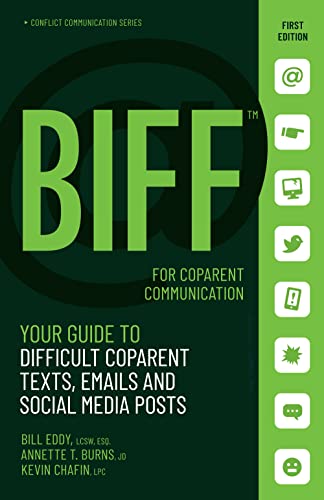
BIFF for CoParent Communication
Bill Eddy, Annette Burns & Kevin Chafin
Specifically designed for co-parent communication with guides for difficult texts and emails.

A Kidnapped Mind
Pamela Richardson
Heartbreaking memoir of parental alienation — an 8-year battle to maintain a bond with her son.
As an Amazon Associate, Clarity House Press earns from qualifying purchases. Your price is never affected.
Found this helpful?
Share it with someone who might need it.
About the Author

Clarity House Press
Editorial Team
The editorial team at Clarity House Press curates and publishes evidence-based content on narcissistic abuse recovery, high-conflict divorce, and healing. Our content is informed by research, survivor experiences, and established trauma-informed approaches.
View all posts by Clarity House Press →Published by Clarity House Press Editorial Team