Please read our important disclaimers before using this content
January 1st arrives with its predictable bombardment: "New year, new you!" The fitness ads, the productivity planners, the self-improvement industry promising that this is the year you finally become the person you're supposed to be. But when you're healing from narcissistic abuse, rebuilding from divorce, and parenting through high conflict, the "new you" messaging feels less inspiring and more like confirmation that the current you isn't enough. Understanding realistic recovery timelines helps set goals that honor where you actually are.
New Year's resolutions for survivors require a fundamentally different framework—one that recognizes trauma impacts capacity, honors survival as achievement, rejects perfectionism as a trauma response, and sets intentions based on compassion rather than criticism. Goal-setting that serves your healing must account for where you actually are, not where you think you should be, and must celebrate incremental progress rather than demanding transformation.
Why Traditional Resolutions Fail Survivors
The "New Year, New You" Problem
The implicit message:
- Who you are now isn't good enough
- You need to transform
- Change should happen dramatically and quickly
- Your worth depends on self-improvement
What this ignores:
- You've already transformed (through trauma and survival)
- Change is already happening (healing is slow, not instant)
- Dramatic change isn't realistic while in crisis
- Your worth is inherent, not earned
For abuse survivors:
- You spent years being told you weren't enough
- You've internalized that you need to be different/better/fixed
- "New you" reinforces message that current you is defective
- This is trauma pattern, not inspiration
Reframe:
- You're not broken and needing fix
- You're healing and needing support
- Resolution isn't transformation—it's intention
- Growth isn't performance—it's process
Perfectionistic Goal-Setting
Common resolution mistakes:
- All-or-nothing thinking: "I will never..." or "I will always..."
- Unrealistic timelines: "By end of January..."
- No room for setbacks: "If I slip up, I've failed"
- External metrics: Weight, income, relationship status as measures of worth
- Overcommitment: Fifteen resolutions you'll abandon by February
Why this is especially harmful for trauma survivors:
Perfectionism is a trauma response:1
- Abuse taught you that mistakes = danger
- You learned to be hypervigilant about performance
- You believe being "good enough" might protect you
- Falling short confirms what abuser said about you
For a detailed look at how perfectionism functions as a survival mechanism, see perfectionism and fear of failure after abuse.
All-or-nothing thinking:2
- Mirrors black-and-white thinking abuse creates
- No middle ground, no nuance
- One slip becomes "I've failed completely"
- Reinforces shame spiral
External validation:
- Tying worth to achievements
- Needing evidence you've "earned" value
- Can't find internal validation after abuse eroded it
- Perpetuates codependency and people-pleasing
The setup:
- Traditional resolutions set you up to fail
- Failure reinforces negative self-beliefs
- You conclude you're the problem
- Toxic cycle continues
When Your Capacity Is Limited
Reality of healing:
- You may be in survival mode
- Your bandwidth is limited
- Trauma symptoms take energy
- High-conflict co-parenting is exhausting
- You don't have unlimited capacity
Mainstream resolutions assume:
- You have energy to spare
- You're starting from stable baseline
- Adding more to your plate is possible
- Willpower solves everything
Truth:
- You may be depleted
- Your baseline is crisis management
- Adding more may not be sustainable
- Willpower doesn't overcome trauma physiology
Permission:
- Resolutions that serve you account for capacity
- "Less" might be more healing than "more"
- Survival goals are valid goals
- You don't have to optimize what you're trying to stabilize
Trauma-Informed Resolution Framework
From Goals to Intentions
Goals (problematic):
- "I will lose 30 pounds"
- "I will never respond to ex's bait"
- "I will be completely healed from PTSD"
- "I will find new relationship"
Intentions (healing):
- "I will nourish my body with kindness and movement that feels good"
- "I will practice responding to ex from groundedness rather than reactivity"
- "I will continue trauma therapy and honor wherever I am in healing process"
- "I will remain open to connection while prioritizing my wellbeing"
Difference:
- Direction vs. destination
- Process vs. outcome
- Compassion vs. criticism
- Flexibility vs. rigidity
Why intentions work better:
- Success isn't binary
- Progress is spectrum
- Setbacks don't equal failure
- Focus on how you want to BE, not what you want to ACHIEVE
Self-Compassion as Foundation
Traditional approach: "I need to be better"
Compassionate approach: "I'm doing my best in impossibly hard circumstances, and I deserve support"
Self-compassion components (Kristin Neff):
Self-kindness:
- Treating yourself as you would dear friend
- Gentle encouragement, not harsh criticism
- Acknowledging pain without judgment
Common humanity:
- Recognizing suffering is universal
- You're not alone or uniquely broken
- Others have struggled with this too
Mindfulness:
- Observing thoughts and feelings without over-identifying
- Neither suppressing nor ruminating
- Balanced awareness
In practice:
- When you "fail" at resolution, what do you tell yourself?
- "I'm so weak, I can't even stick to basic goal" (self-criticism)
- "This is hard. I'm dealing with a lot. It makes sense I'm struggling. What do I need right now?" (self-compassion)3
Resolutions built on self-compassion survive setbacks. Resolutions built on self-criticism crumble at first difficulty.4 Research demonstrates that self-compassion is associated with greater emotional resilience and reduced anxiety and depression, and that self-compassion can moderate the impact of post-traumatic stress and enhance post-traumatic growth.5
Realistic Expectations Based on Where You Are
If you're in crisis:
- Recently separated
- Active custody battle
- Immediate safety concerns
- Early trauma processing
Resolution focus:
- Safety and stability
- Basic functioning
- Survival strategies
- Building support
Examples:
- "I will maintain boundaries with ex to the best of my ability"
- "I will attend therapy consistently"
- "I will ask for help when I need it"
- "I will prioritize sleep and basic nutrition"
If you're in active recovery:
- Separated 1-2 years
- Divorce process underway or recently finalized
- Custody arrangement established but still high-conflict
- Trauma symptoms present but manageable
Resolution focus:
- Healing trauma symptoms
- Strengthening boundaries
- Rebuilding identity
- Creating new routines
Examples:
- "I will practice grounding techniques when triggered"
- "I will explore creative or physical outlets for processing emotions"
- "I will establish one new healthy routine"
- "I will work on rebuilding relationship with my body"
If you're in rebuilding:
- Several years post-separation
- Custody relatively stable
- Trauma symptoms lessened
- Establishing new life
Resolution focus:
- Post-traumatic growth
- New relationships (romantic, platonic, professional)
- Advocacy or helping others
- Long-term goals
Examples:
- "I will explore what I want in future relationship"
- "I will pursue interest/hobby I've been curious about"
- "I will consider how I might use my experience to help others"
- "I will invest in career or educational goals"
Your resolutions should match your stage. Not where you think you should be, but where you actually are.
Resolution Categories for Survivors
Healing and Therapy
Intentions:
- Continue therapy consistently
- Try new therapeutic modality (EMDR, somatic, IFS, etc.)
- Join support group (in-person or online)
- Read books on trauma and recovery
- Practice self-regulation techniques daily
What this looks like:
- Weekly therapy appointments (or whatever frequency is sustainable)
- Month-long trial of new modality
- Attending one support group meeting to see if it fits
- Reading one chapter per week (not devouring entire bookshelf in January)
- Five minutes of daily breathwork or grounding
Avoid:
- "I will be completely healed by end of year"
- "I will never have another panic attack"
- "I will read 52 books on trauma"
- Measuring healing by absence of symptoms rather than presence of skills
Boundaries and Ex Management
Intentions:
- Respond to ex from groundedness, not reactivity
- Reduce engagement with bait and manipulation
- Use parenting app or structured communication only
- Implement gray rock technique
- Protect my peace over being "right"
What this looks like:
- Waiting 24 hours before responding to inflammatory messages
- Using BIFF (Brief, Informative, Friendly, Firm) template
- Not responding to messages that don't require response
- Practicing "observe, don't absorb" when ex tries to provoke
- Choosing peace when proving a point would escalate
Avoid:
- "I will never let ex get to me"
- "I will achieve perfect no-contact" (when co-parenting)
- "I will make ex see how wrong they are"
- "I will finally win against ex"
Reality check:
- Ex will still push boundaries—you're working on YOUR response
- Some contact required if co-parenting—focus on quality not elimination
- You can't control ex, only yourself
- "Winning" against narcissist is disengaging, not defeating
Parenting and Children
Intentions:
- Be present with children when I have them
- Protect children from adult conflict
- Support children's relationship with other parent (when safe)
- Manage parenting guilt with self-compassion
- Create moments of joy despite chaos6
What this looks like:
- Phone-free dinner time
- Not discussing ex or court with children
- Facilitating contact with other parent per custody order
- When guilt arises, acknowledging it and challenging distortions
- One weekly "fun" activity (doesn't have to be elaborate)
Avoid:
- "I will be perfect parent"
- "I will make up for divorce by being everything to my children"
- "I will never make mistakes"
- "Children will never be affected by this"
Reality check:
- Divorce affects children—you can't eliminate that7
- You will make mistakes—all parents do
- Good enough parenting is actually good
- Your children need real you, not performance of perfect parent
Physical and Mental Health
Intentions:
- Move my body in ways that feel good, not punishing
- Nourish myself with kindness
- Prioritize sleep hygiene
- Address medical needs I've neglected
- Practice presence in my body
What this looks like:
- 10-minute walk when able (not mandatory daily workout)
- Eating regular meals without rigid rules
- Consistent bedtime routine
- Scheduling annual physical, dental cleaning
- Body scan meditation, gentle yoga, or simply noticing body sensations
Avoid:
- "I will lose all the weight I gained during abuse/divorce"
- "I will work out six days a week"
- "I will never eat sugar/carbs/etc."
- "I will transform my body"
Why:
- Weight loss goals often mask trauma response (control, punishment, worthiness tied to appearance)8
- Rigid exercise is re-traumatizing for some
- Food rules can be eating disorder territory
- Body transformation focus distracts from body healing
Reframe:
- Your body survived trauma
- It deserves gentleness, not punishment
- Health is about nourishment, not deprivation
- Reconnecting with body after dissociation is gradual process9
Social Connection and Support
Intentions:
- Reach out when I'm struggling, not only when I'm okay
- Invest in relationships with people who are safe
- Set boundaries with people who aren't
- Build community with other survivors
- Allow myself to be known and supported
What this looks like:
- Texting friend when having hard day
- Saying yes to invitations (when capacity allows)
- Declining invitations that deplete (and not feeling guilty)
- Joining online survivor community or attending local support group
- Sharing authentic feelings instead of "I'm fine"
Avoid:
- "I will make 20 new friends"
- "I will never be lonely"
- "I will be completely independent and need no one"
- "Everyone will understand my experience"
Reality check:
- Quality > quantity in friendships
- Loneliness is part of post-abuse experience—it lessens but may not disappear10
- Interdependence (healthy need for others) ≠ codependence
- Not everyone will get it—focus on those who do
Financial Recovery
Intentions:
- Build financial literacy
- Create or maintain budget
- Address debt strategically
- Rebuild credit
- Save small emergency fund
What this looks like:
- Reading one personal finance book or taking online course
- Tracking spending for one month to understand patterns
- Making plan to pay down highest-interest debt
- Checking credit report and addressing errors
- Automatic transfer of $25/week to savings (or whatever amount is feasible)
Avoid:
- "I will be debt-free by end of year" (unrealistic if substantial debt)
- "I will save six months expenses" (when barely getting by)
- "I will never struggle financially again"
- Shame about current financial situation
Remember:
- Financial abuse and divorce often create significant debt
- Recovery takes time
- Progress isn't linear
- Small steps compound
Career and Purpose
Intentions:
- Explore what work feels meaningful to me
- Invest in professional development
- Set boundaries at work
- Advocate for fair compensation
- Consider how my experience might inform future purpose
What this looks like:
- Informational interviews in field of interest
- Taking one relevant course or earning one certification
- Leaving work at end of day (not answering emails at midnight)
- Asking for raise or promotion when warranted
- Journaling about values and how they might translate to work/advocacy
Avoid:
- "I will completely change careers this year"
- "I will get dream job"
- "I will start nonprofit" (when in crisis mode)
- "I must monetize my trauma by end of Q1"
Reality check:
- Career change takes time and resources
- Dream job may not exist or may not be accessible right now
- Helping others is beautiful but requires stability first
- Your experience is valuable—and you don't owe it to anyone
New Relationships (If You're Ready)
Intentions:
- Explore what I want in partnership (if anything)
- Notice red flags early
- Move slowly and honor my pace
- Maintain boundaries and autonomy
- Choose differently than before
What this looks like:
- Reflecting on values and non-negotiables
- Ending things when red flags appear (even if lonely)
- Not rushing physical or emotional intimacy
- Keeping own life, friends, interests separate from new relationship
- Trusting gut over ignoring concerns
Avoid:
- "I will find perfect partner"
- "I will be married/in committed relationship by end of year"
- "I will never be hurt again"
- "I will jump into dating immediately to prove I'm over ex"
Questions to ask first:
- Am I ready to date or am I afraid of being alone?
- Can I identify red flags and trust my judgment?
- Have I done enough healing work to choose differently?
- Am I okay if this takes years or never happens?
If answer is no, that's data. Wait. More healing first.
Creating Your Resolutions
Start With One Thing
The myth: You need comprehensive life overhaul
The truth: One sustainable change is better than fifteen abandoned goals
Choose one:
- What would make biggest positive impact right now?
- What feels doable given your current capacity?
- What, if you did it consistently, would you be proud of?
Examples:
- Therapy every week
- Daily five-minute grounding practice
- One boundary phrase you'll use with ex
- Weekly phone call with safe friend
- Monthly budget review
Just one. Master that. Then add more if you want.
Write It as Intention, Not Demand
Formula: "I intend to [action] in order to [value/why it matters], while offering myself compassion when [obstacle/challenge]."
Examples:
"I intend to attend therapy weekly in order to process trauma and build coping skills, while offering myself compassion when scheduling is difficult or I miss a session due to crisis."
"I intend to respond to ex's emails only after 24-hour waiting period in order to protect my peace and respond from groundedness, while offering myself compassion when I'm triggered and react immediately."
"I intend to move my body gently for 10 minutes most days in order to reconnect with my body and release stress, while offering myself compassion when I'm too exhausted or when rest is what I need."
Notice:
- Clear action
- Connected to deeper value
- Room for imperfection built in
Plan for Obstacles
What will get in the way?
Common obstacles for survivors:
- Ex escalating conflict
- Court dates and legal stress
- Children's struggles
- Anniversary reactions and triggers
- Financial crisis
- Health issues
- Exhaustion and burnout
Plan ahead:
- When obstacle arises, what will you do?
- How will you handle setback without abandoning intention?
- Who can support you?
- What's "good enough" version when ideal isn't possible?
Example:
- Intention: Daily 10-minute meditation
- Obstacle: Custody transition days are chaotic, no time
- Plan: On those days, three deep breaths counts. That's enough.
Build in Accountability and Support
Accountability that helps:
- Therapist checking in on intention
- Friend as accountability partner
- Support group sharing progress
- Journal tracking (without judgment)
- Visual reminder (sticky note, phone background)
Accountability that harms:
- Public social media declarations (pressure, shame if you fail)
- People who judge or criticize
- Tracking that becomes obsessive
- "Punishment" for not meeting goal
Choose support that's compassionate, flexible, and safe.
Review and Adjust Regularly
Monthly check-in:
- How's this going?
- Is this still serving me?
- Does capacity allow for this right now?
- What needs to adjust?
Permission to change course:
- If intention isn't working, modify it
- If circumstances change, change resolution
- If you set too much, scale back
- If you're ready for more, add something
Resolutions aren't contracts. They're tools. Use them, don't serve them.
What If You Don't Want Resolutions?
Permission to opt out:
- You don't have to set resolutions
- Cultural pressure ≠ personal obligation
- Your healing doesn't require January 1st proclamations
Alternative approaches:
Seasonal intentions:
- Set intention for winter (3 months) instead of year
- Less overwhelming
- More frequent reassessment
Word of the year:
- One word that captures your focus
- Examples: "boundaries," "gentleness," "courage," "peace," "trust," "release"
- Reference point for decisions throughout year
Maintenance mode:
- "This year I'm maintaining what I've built"
- Stability as goal
- Not adding, just sustaining
Radical acceptance:
- "This year I'm accepting where I am"
- No goals, just being
- Processing and presence
All of these are valid. Your healing, your choice.
Key Takeaways
New Year's resolutions for narcissistic abuse survivors cannot follow the mainstream productivity playbook. You're healing from trauma, navigating high conflict, and rebuilding from rubble. Traditional goal-setting—perfectionistic, all-or-nothing, transformation-focused—sets you up to fail and reinforces shame.
What to remember:
- Intentions over goals (direction over destination)
- Self-compassion over self-criticism
- Realistic expectations matching current capacity
- One sustainable change beats fifteen abandoned goals
- Progress isn't linear
What to release:
- "New year, new you" messaging
- Perfectionism as trauma response
- Pressure to transform overnight
- Comparison to others' resolutions
- Shame when you fall short
What to embrace:
- Where you actually are
- Small, sustainable changes
- Flexibility and adjustment
- Celebration of incremental progress
- Compassion for your humanity
Remember: You don't need to become someone new. You need support to heal as who you are. You don't need to fix yourself. You need compassion for how hard you're working to survive and recover.
Your worth isn't earned through achievement. It's inherent. On January 1st and every day after.
If you set resolutions, make them kind. If you don't, that's okay too. Your healing is your own. No one else gets to set the timeline or the terms.
Here's to a year of compassion, support, realistic expectations, and celebrating survival as the profound achievement it is. If you find yourself looking back on the year that has passed, year-end reflection practices for recovery can be a meaningful way to honor the ground you've covered.
You're enough. Right now. Exactly as you are.
Resources
Recovery and Goal-Setting Books:
- Atomic Habits by James Clear - Small, sustainable habit change
- The Body Keeps the Score by Bessel van der Kolk - Trauma recovery
- Self-Compassion by Dr. Kristin Neff - Building self-compassion practices
- Complex PTSD: From Surviving to Thriving by Pete Walker - C-PTSD recovery
Therapy and Support:
- Psychology Today - Therapists - Find trauma-informed therapists
- EMDR International Association - EMDR therapy for trauma processing
- Internal Family Systems Institute - IFS therapy directory
- DivorceCare - Local divorce recovery support groups
Crisis Support and Recovery Communities:
- r/NarcissisticAbuse - Reddit community for survivors
- Out of the FOG - Support for personality disorder abuse
- 988 Suicide & Crisis Lifeline - Call or text 988 for crisis support (24/7)
- Crisis Text Line - Text HOME to 741741 for crisis counseling
References
- Egan, S. J., Wade, T. D., & Shafran, R. (2011). Perfectionism as a transdiagnostic process: A stepped care 5-A model. Clinical Psychology Review, 31(6), 965-975. https://pubmed.ncbi.nlm.nih.gov/21719191/ ↩
- Winders, S. J., Monds, L. A., & Smith, M. M. (2020). Self-compassion, trauma, and posttraumatic stress disorder: A systematic review. Psychological Trauma: Theory, Research, Practice, and Policy, 12(3), 288-298. https://pmc.ncbi.nlm.nih.gov/articles/PMC7250265/ ↩
- Zellers, M. P., & Lingenfelter, D. (2025). The protective role of self compassion in trauma recovery and its moderating impact on post traumatic symptoms and post traumatic growth. Scientific Reports, 15, 1395. https://www.nature.com/articles/s41598-025-91819-x ↩
- Sexton, M. B., & Carlyle, M. (2020). Post-traumatic stress disorder and perfectionism in low-income pregnant women. The Journal of Nervous and Mental Disease, 208(3), 197-203. https://pmc.ncbi.nlm.nih.gov/articles/PMC7250265/ ↩
- Neff, K. D. (2003). Self-compassion: An alternative conceptualization of a healthy attitude toward oneself. Self and Identity, 2(2), 85-101. https://self-compassion.org/wp-content/uploads/2020/08/Winders2020.pdf ↩
- Lange, Visser, Scholte, & Finkenauer (2022). Parental Conflicts and Posttraumatic Stress of Children in High-Conflict Divorce Families.. Journal of child & adolescent trauma. https://pmc.ncbi.nlm.nih.gov/articles/PMC9360253/ ↩
- O'Hara, Sandler, Wolchik, Tein, & Rhodes (2019). Parenting time, parenting quality, interparental conflict, and mental health problems of children in high-conflict divorce.. Journal of family psychology : JFP : journal of the Division of Family Psychology of the American Psychological Association (Division 43). https://pmc.ncbi.nlm.nih.gov/articles/PMC6880406/ ↩
- Williamson, H. C., Bradbury, T. N., & Trail, T. E. (2021). The associations between chronic financial strain, expectations for marital growth, and marital satisfaction. Journal of Family Psychology, 35(1), 61-70. https://pmc.ncbi.nlm.nih.gov/articles/PMC4553644/ ↩
- van der Kolk, B. A. (2014). The body keeps the score: Brain, mind, and body in the healing of trauma. Penguin Publishing Group. Referenced in trauma recovery literature examining somatic approaches to healing. ↩
- Southwick, S. M., Bonanno, G. A., Masten, A. S., Panter-Brick, C., & Yehuda, R. (2014). Resilience definitions, theory, and challenges: Interdisciplinary perspectives. European Journal of Psychotraumatology, 5, 25338. https://pmc.ncbi.nlm.nih.gov/articles/PMC4185140/ ↩
Recommended Reading
From Clarity House Press — plus trusted books for deeper understanding
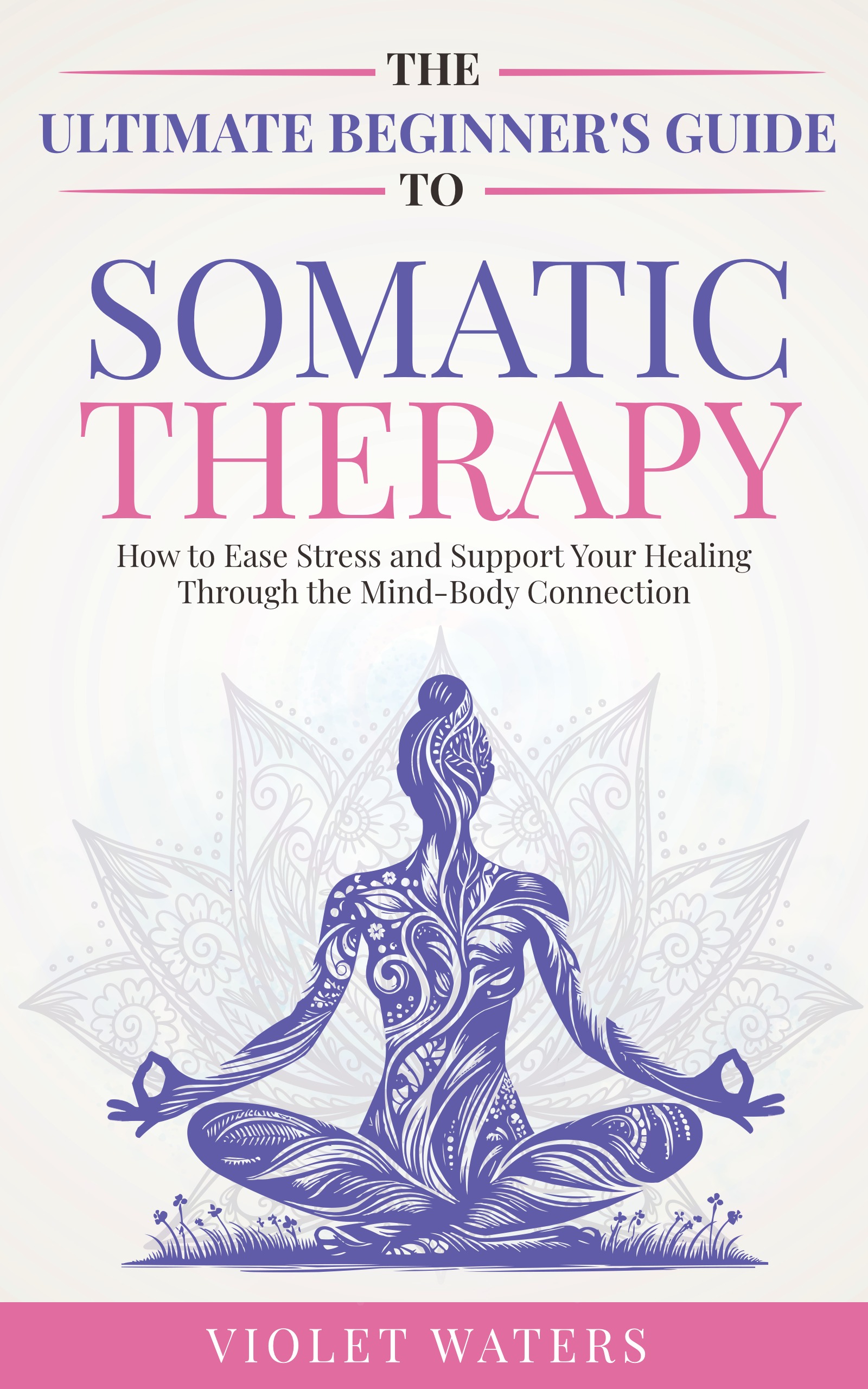

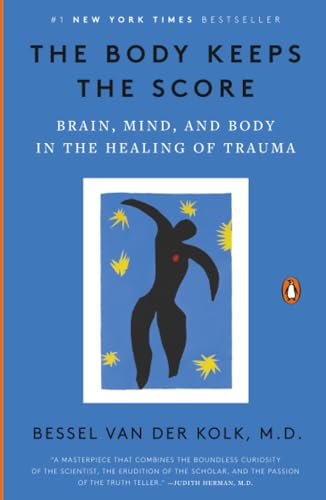
The Body Keeps the Score
Bessel van der Kolk, M.D.
A foundational look at how trauma reshapes the body and nervous system, and the approaches that help the body find safety again.

My Grandmother's Hands
Resmaa Menakem, MSW, LICSW
A body-centered approach to healing trauma that lives in the nervous system, with practices for settling and self-regulation.
As an Amazon Associate, Clarity House Press earns from qualifying purchases. Your price is never affected.
Found this helpful?
Share it with someone who might need it.
Tags
About the Author

Clarity House Press
Editorial Team
The editorial team at Clarity House Press curates and publishes evidence-based content on narcissistic abuse recovery, high-conflict divorce, and healing. Our content is informed by research, survivor experiences, and established trauma-informed approaches.
View all posts by Clarity House Press →Published by Clarity House Press Editorial Team