Please read our important disclaimers before using this content
The Meditation Class That Broke Me
I lasted exactly seven minutes in my first meditation class.
The instructor's voice was soothing, the room peaceful, the other participants serene with their eyes closed and hands resting gently on their knees. "Turn your attention inward," she said. "Notice the sensations in your body without judgment."
I noticed all right. I noticed my heart racing. My chest tightening. The room shrinking. Every instinct screaming at me to open my eyes, to stay vigilant, to not—under any circumstances—let my guard down in a room full of strangers.
I walked out, convinced I was broken. Everyone else could meditate peacefully. Why couldn't I?
Two years later, I understand the answer: I wasn't broken. The meditation approach was simply not designed for a nervous system shaped by prolonged narcissistic abuse.
Traditional mindfulness meditation can be profoundly healing for trauma survivors—but only when adapted with trauma-informed modifications that respect what your nervous system has survived. Understanding how the window of tolerance shapes your nervous system's capacity is the foundation for any trauma-informed practice. A comprehensive meta-analysis of 61 studies with over 3,400 participants found that meditation techniques significantly reduce PTSD symptoms across diverse trauma populations, including war veterans, survivors of interpersonal violence, and refugees (Orme-Johnson et al., 2024).
Why Standard Meditation Can Backfire for Trauma Survivors
If you've tried meditation and found it triggering rather than calming, you're not experiencing personal failure. You're experiencing a predictable neurobiological response to a practice designed for nervous systems that haven't been rewired by chronic threat.
The "Sitting Still" Problem
Traditional meditation asks you to:
- Close your eyes for extended periods
- Remain physically still
- Focus inward
- Tolerate silence
- Trust your environment
For someone whose survival once depended on hypervigilance, each of these elements activates threat detection systems. Your body isn't being difficult—it's doing exactly what it learned to do to keep you safe.
Research published in the Journal of Traumatic Stress (2018) found that approximately 25% of trauma survivors experience increased distress during standard mindfulness practices1. The same activities that calm a regulated nervous system can dysregulate a traumatized one.
The Interoception Challenge
"Notice your body sensations" sounds gentle. For trauma survivors, it can mean encountering:
- Stored trauma activation in your tissues
- Flashback fragments
- Dissociation
- Panic symptoms
- Emotional flooding
Dr. Bessel van der Kolk notes in The Body Keeps the Score that trauma survivors often have disrupted interoceptive awareness—the ability to accurately sense what's happening inside your body2. You may experience either numbing disconnection or overwhelming intensity, with little middle ground.
Traditional meditation assumes a nervous system that can tolerate increasing awareness. Trauma-informed meditation builds that tolerance gradually and with active safety supports.
What Makes Meditation Trauma-Informed?
Trauma-informed mindfulness shares the same core intention as traditional practice—present-moment awareness with compassion—but modifies the approach to respect trauma's impact on the nervous system.
Core Trauma-Informed Principles
1. Choice and Agency
You maintain control of every aspect:
- Eyes open or closed (or partially open)
- Position (sitting, standing, lying down, moving)
- Duration (30 seconds to 30 minutes—your call)
- Environment (location, sounds, safety measures)
- Engagement level (how deeply you go)
This isn't about making meditation "easier." It's about building the felt sense of safety necessary for your nervous system to genuinely settle. A randomized controlled trial with female survivors of interpersonal violence found that trauma-informed MBSR produced statistically and clinically significant decreases in PTSD and depressive symptoms compared to control groups (Kelly & Garland, 2016).
2. Pendulation Over Immersion
Rather than diving deep into internal experience, trauma-informed meditation uses "pendulation"—gentle movement between inner awareness and external anchoring.
You might notice your breath for three cycles, then open your eyes and notice five things you can see. Internal focus, external grounding. Back and forth. This prevents overwhelm and teaches your nervous system that awareness doesn't mean danger.
**3. Resourcing First
Traditional meditation often begins immediately with body scanning or breath focus. Trauma-informed practice starts with resourcing—activating your sense of safety, strength, or support before turning inward.
This might mean:
- Visualizing a safe person, place, or memory
- Feeling your feet on the floor or back against a chair
- Placing a hand over your heart
- Remembering a moment you felt capable
You build the container before you explore the contents. This approach is particularly important for survivors of childhood maltreatment, who research shows are at higher risk for complex psychiatric disorders and for whom traditional treatments are often less effective. A scoping review from Harvard Medical School found that mindfulness-based interventions can help alleviate psychological symptoms including stress, anxiety, recurrent depression, and post-traumatic stress in this population (Joss & Teicher, 2021).
**4. Window of Tolerance Awareness
You learn to recognize when you're in your "window of tolerance"—the zone where you can process experience without becoming overwhelmed (hyper-aroused) or numb (hypo-aroused).
If meditation moves you outside this window, you pause, ground, resource, or stop entirely. This isn't failure—it's skilled self-regulation.
5. Externalizing Available Always
You always have immediate access to external grounding:
- Opening your eyes
- Naming objects in the room
- Shifting your position
- Making sound
- Ending the practice
These aren't emergency exits to use only when desperate. They're integrated tools you use proactively to maintain regulation.
Five Trauma-Informed Meditation Practices
These adapted practices respect what your nervous system has survived while building genuine capacity for present-moment awareness.
Practice 1: The 5-4-3-2-1 Grounding Meditation
Best for: Anxiety, flashbacks, overwhelm, hypervigilance
Duration: 5-10 minutes
How it works:
This practice keeps you anchored in the present through sensory awareness rather than asking you to turn inward immediately.
Sit or stand comfortably with eyes open. Move slowly through:
- 5 things you can see: "I see the blue curtain, the wooden table, the plant with broad leaves, the doorway, the light fixture."
- 4 things you can physically feel: "I feel my feet on the floor, the chair supporting my back, the fabric of my shirt, the air on my face."
- 3 things you can hear: "I hear the refrigerator humming, a car passing outside, my own breathing."
- 2 things you can smell: "I smell coffee, fresh laundry." (If nothing, imagine comforting scents.)
- 1 thing you can taste: Notice your mouth—perhaps water, toothpaste, or just the neutral taste of saliva.
Repeat the cycle 2-3 times, speaking aloud if helpful.
Why it works: This practice satisfies your nervous system's need to scan the environment while directing that scanning in a structured, present-focused way. You're not fighting hypervigilance—you're channeling it.
Practice 2: Breath Awareness with Anchoring
Best for: Building tolerance for interoception, regulation practice
Duration: 3-15 minutes
How it works:
Traditional breath meditation asks you to focus exclusively on breathing, which can trigger panic or dissociation. This version adds external anchoring.
Sit comfortably with eyes open or softly focused on a neutral point.
- Place one hand on your heart, one on your belly
- Notice three external things (sounds, sights, sensations)
- Notice your breath for 3-5 cycles—not changing it, just observing
- If intensity builds, return to external noticing
- Alternate: 3 breaths → 3 external notices → 3 breaths
Continue pendulating between breath awareness and external grounding for your chosen duration.
Adaptations:
- Count breaths (1-4, repeat) to add cognitive engagement
- Breathe in for 4, out for 6 to activate parasympathetic response
- Keep eyes fully open
- Stand or walk slowly instead of sitting
Why it works: You build interoceptive capacity incrementally while maintaining active access to grounding. Your nervous system learns that internal awareness and safety can coexist.
Practice 3: Loving-Kindness with Boundaries
Best for: Self-compassion, countering shame, emotional regulation
Duration: 5-20 minutes
How it works:
Traditional loving-kindness meditation begins with sending compassion to yourself, which can feel impossible after narcissistic abuse. This version starts where you have capacity and builds gradually.
Choose your starting point based on what feels accessible:
Level 1: Someone easy to love (a pet, a child, a cherished friend)
- Picture them clearly
- Silently offer: "May you be safe. May you be healthy. May you be at peace."
- Notice any warmth, softness, or openness this creates
Level 2: Neutral person (cashier, mail carrier, neighbor)
- Picture them
- Offer the same phrases
- Notice that compassion can extend to someone you barely know
Level 3: Yourself (when ready—this may take months of practice)
- Picture yourself or simply notice your presence
- Offer: "May I be safe. May I be healthy. May I be at peace."
- If this triggers shame or grief, return to Level 1 or 23
Level 4: Difficult person (ONLY when established in practice)
- This is advanced work
- Never force it
- Your abuser is NOT appropriate for this practice
Why it works: You rebuild your capacity for self-compassion through the back door, activating neural pathways for kindness with easier targets before turning that capacity toward yourself.4 You're not bypassing your pain—you're building genuine resources to hold it.
Practice 4: Body Scan with Options
Best for: Reconnecting with your body, releasing tension, building interoceptive awareness
Duration: 10-25 minutes
How it works:
Traditional body scans move systematically through the entire body, which can trigger trauma survivors when reaching areas associated with abuse or threat. This version gives you control.
Lie down or sit comfortably. Eyes open or closed—your choice.
-
Resource first: Feel the surface supporting you. Notice three external things.
-
Choose your path:
- Full scan: Move attention from feet to head
- Selective scan: Only areas that feel safe
- Reverse scan: Head to feet
- Skip zones: Notice feet, skip calves, notice knees, etc.
-
At each area:
- Notice sensation (temperature, pressure, tingling, nothing)
- No judgment about what you find
- Breathe naturally
- Move on after 3-5 breaths
-
If triggered:
- Skip that area entirely
- Return to external grounding
- Feel your support surface
- End the practice
-
Close: Notice your whole body briefly, return to room, open eyes
Adaptations:
- Scan only hands and feet
- Tense and release each area before noticing
- Keep eyes open, looking at each body part
- Do while walking slowly
Why it works: You rebuild the mind-body connection on your terms, respecting that some areas may need months or years before they're ready for attention. There's no "supposed to"—only what serves your healing now.
Practice 5: Mindful Movement
Best for: Those who find stillness triggering, releasing stored activation, grounding
Duration: 5-30 minutes
How it works:
Movement can be meditation. For many trauma survivors, it's more accessible than stillness.
Walking meditation:
- Walk very slowly, indoors or outdoors
- Notice: foot lifting, moving through air, touching down, weight shifting
- If your mind wanders, gently return attention to the physical sensation of walking
- Natural pace—no need to move slowly if that feels awkward
Yoga with modifications:
- Choose trauma-informed instruction specifically (see our overview of trauma-sensitive yoga principles)
- Keep eyes open
- Skip or modify any pose that feels vulnerable
- Move at your own pace regardless of instruction
- Stop immediately if triggered
Free movement:
- Put on music or move in silence
- Let your body move however it wants—stretch, sway, shake, dance
- Notice sensations without directing them
- This is especially effective for releasing activation
Tai Chi or Qigong:
- Slow, flowing movements
- No competition or achievement
- Emphasis on breath and flow
- Often feels safer than stillness
Why it works: Movement satisfies your nervous system's action impulses while maintaining present-moment awareness.5 You're not overriding your body's wisdom—you're working with it.
Building Your Practice: A Phased Approach
Don't try to meditate for 20 minutes daily starting tomorrow. Build slowly, respecting where your nervous system is now.
Phase 1: Safety and Resourcing (Weeks 1-4)
Goal: Establish felt safety and external grounding
Practice:
- 5-4-3-2-1 grounding: 5 minutes daily
- Body awareness: Notice feet on floor throughout day
- Resourcing: Identify 3-5 safe memories, places, or people you can visualize
- Environment: Create your meditation space with safety cues (blanket, photos, door position)
Signs of readiness for Phase 2:
- Can complete 5-4-3-2-1 without significant distress
- Notice body sensations occasionally without triggering
- Have identified reliable resources
Phase 2: Pendulation Practice (Weeks 5-12)
Goal: Build tolerance for internal awareness
Practice:
- Breath awareness with anchoring: 5-10 minutes, 3-4 times weekly
- Continue daily grounding
- Add: Brief body check-ins (30 seconds) multiple times daily
- Experiment: Try eyes closed for 30 seconds, build gradually
Signs of readiness for Phase 3:
- Can notice breath for several minutes with mild comfort
- Occasional moments of genuine calm or ease
- Decreasing need for external grounding (though still available)
Phase 3: Depth and Duration (Weeks 13-24)
Goal: Extend capacity and add variety
Practice:
- Increase duration to 15-20 minutes when comfortable
- Add loving-kindness practice
- Experiment with body scans of safe areas
- Try mindful movement
- Formal practice 4-5 times weekly
Research supports this gradual approach: a multisite randomized controlled trial with 214 military veterans found that an 8-week MBSR program produced significant improvements in self-reported PTSD symptoms, with benefits observed in both MBSR and active comparison groups (Davis et al., 2018).
Signs of established practice:
- Can settle relatively quickly
- Window of tolerance widening
- Using meditation skills during daily stress
- Noticing shifts in baseline anxiety
Phase 4: Integration (6+ months)
Goal: Meditation as life skill, not just formal practice
Practice:
- Varied formal practice: 15-30 minutes, 5-6 times weekly
- Informal practice: Mindful moments throughout day
- Apply skills during triggered moments
- Perhaps explore group practice or retreat (with trauma-informed instruction)
This is not linear: You'll move between phases based on stress, triggers, and life circumstances. That's not regression—it's responsive self-care.6
When Meditation Isn't the Right Tool
Mindfulness is powerful, but it's not appropriate for every moment or every person. If you're still working on basic stabilization, breath work for trauma and nervous system regulation may be a more accessible starting point.
Stop or postpone meditation if:
- You're in acute crisis (safety threat, severe dissociation, suicidal ideation)
- You're consistently retraumatizing yourself despite modifications
- Your therapist recommends stabilization first
- You're using it to avoid necessary action or feelings
- It's becoming a "should" that increases shame
Meditation doesn't replace:
- Trauma therapy (EMDR, somatic experiencing, IFS, etc.)4 — our guide to grounding techniques for C-PTSD complements these approaches
- Medication when appropriate
- Social support
- Safety planning
- Practical life changes
It's one tool among many. On some days, the most mindful choice is to skip meditation entirely and take a walk, call a friend, or watch comfort television.
Finding Trauma-Informed Instruction
If you want guided practice, look for instruction that:
Includes:
- Explicit trauma-informed training or certification
- Choice-based language ("if you'd like," "you might try," "another option")
- Permission to modify or skip
- Eyes-open options
- Shorter practices with breaks
- Acknowledgment that meditation can be challenging
Avoids:
- "Should" or "must" language
- Mandatory practices
- Pressure to go deeper than comfortable
- Dismissing distress as "resistance"
- Touch without explicit consent
- Expectations of specific experiences
Resources to explore:
- Trauma Center (Bessel van der Kolk's center) - Trauma-Sensitive Yoga
- David Treleaven's "Trauma-Sensitive Mindfulness" training
- Willoughby Britton's "Cheetah House" research and resources
- Gabor Maté's work on trauma and meditation
Interview instructors: "What's your training in trauma-informed practice? What happens if someone becomes distressed during meditation? Can I keep my eyes open? Can I move?"
Their answers will tell you whether they understand trauma or just think they do.
Your Next Steps
You don't need to become a meditation expert. You need practices that serve your nervous system's healing, not ideals that create more shame.
This week:
-
Choose one practice from those described above—whichever feels most accessible right now
-
Start small: 3-5 minutes maximum, even if you think you can do more
-
Create safety cues: Choose your space, time of day, and any physical supports (blanket, timer, photos)
-
Plan your exit: Before starting, know how you'll ground if needed (open eyes, stand up, name five things)
-
Track without judgment: Note what you tried and what happened, not to evaluate but to learn what serves you
This month:
-
Practice consistently: 3-4 times weekly is more valuable than daily attempts that create pressure
-
Experiment: Try different practices, durations, times of day, positions
-
Notice patterns: What helps? What triggers? What's neutral?
This year:
-
Build slowly: Increase duration and frequency only when genuinely comfortable
-
Get support: Consider trauma-informed meditation instruction or discussing practice with your therapist
-
Integrate informally: Use grounding skills during daily stress, not just formal practice
-
Respect your pace: Your timeline is the right timeline
The Truth About Meditation and Trauma Recovery
That meditation class I fled from wasn't wrong. It just wasn't designed for me—not yet, not without modification.
Two years later, I have a meditation practice that serves my healing. Some days it's 20 minutes of breath awareness. Some days it's 90 seconds of noticing my feet on the floor. Some days it's skipping formal practice entirely and taking a mindful walk with my dog.
I haven't arrived at some perfectly calm state. I've built a toolkit that helps my nervous system remember: I'm not in danger anymore. I can turn my attention inward because I've created genuine safety to return to.
Mindfulness meditation can be profoundly healing for trauma survivors—when it's adapted to honor what your nervous system has survived, when it builds capacity rather than demanding it, when it serves your regulation rather than some idealized standard.7
You're not too broken to meditate. You're too wise to meditate in ways that don't respect your reality.
Start where you are. Build slowly. Trust your nervous system's signals. Let meditation serve your healing rather than becoming another place you feel inadequate.
That's not a lesser version of meditation. That's the only version that actually works for a body that's survived what yours has.
The stillness will come. First comes safety. Then comes capacity. Then comes the choice to turn inward because you've built something genuine to return to.
You're not behind. You're exactly where healing begins.
Resources
Trauma-Informed Mindfulness and Meditation:
- Mindful.org - Mindfulness practices and trauma-sensitive meditation guidance
- Somatic Experiencing International - Find SE practitioners for body-based trauma therapy
- EMDR International Association - Find EMDR therapists integrating mindfulness with trauma treatment
- Insight Timer - Free meditation app with trauma-sensitive practices
Books and Trauma Treatment Resources:
- The Body Keeps the Score by Bessel van der Kolk - Trauma treatment including mindfulness approaches
- Waking the Tiger by Peter Levine - Somatic Experiencing and body-based healing
- Trauma-Sensitive Mindfulness by David Treleaven - Adapting mindfulness for trauma survivors
- Psychology Today - Therapists - Find trauma-informed therapists trained in mindfulness
Crisis Support and Mental Health:
- 988 Suicide & Crisis Lifeline - Call or text 988 for crisis support (24/7)
- Crisis Text Line - Text HOME to 741741 for crisis counseling
- SAMHSA National Helpline - 1-800-662-4357 for mental health treatment referrals
- r/CPTSD - Reddit community for trauma survivors exploring healing modalities
References
- Hofmann, S. G., & Gomez, A. F. (2017). Mindfulness-based interventions for anxiety and depression. The Psychiatric Clinics of North America, 40(4), 739–749. https://pubmed.ncbi.nlm.nih.gov/29252162/ ↩
- van der Kolk, B., & Nakazawa, M. (2015). Interoception, trauma, and stress disorder. In J. C. Norcross & D. J. Sigmon (Eds.), Handbook of clinical psychology (pp. 214–224). Springer. https://www.ncbi.nlm.nih.gov/pmc/articles/PMC3181836/ ↩
- Candidate mechanisms of action of mindfulness-based trauma recovery for refugees (MBTR-R): Self-compassion and self-criticism. (2022). Journal of Trauma & Dissociation, 23(3), 325–342. https://pubmed.ncbi.nlm.nih.gov/35343723/ ↩
- The effectiveness of mindfulness-based stress reduction (MBSR) on depression, PTSD, and mindfulness among military veterans: A systematic review and meta-analysis. (2024). Frontiers in Psychology, 15, 1383291. https://www.ncbi.nlm.nih.gov/pmc/articles/PMC11583271/ ↩
- Neurobiological changes induced by mindfulness and meditation: A systematic review. (2024). Biomedicines, 12(11), 2613. https://pubmed.ncbi.nlm.nih.gov/39595177/ ↩
- Payne, P., Levine, P. A., & Crane-Godreau, M. A. (2015). Somatic experiencing: Using interoception and proprioception as core elements of trauma therapy. Frontiers in Psychology, 6, 93. https://www.ncbi.nlm.nih.gov/pmc/articles/PMC4769029/ ↩
- Mindfulness-based treatments for posttraumatic stress disorder: A review of the treatment literature and neurobiological evidence. (2018). JAMA Psychiatry, 75(4), 391–399. https://www.ncbi.nlm.nih.gov/pmc/articles/PMC5747539/ ↩
- Orme-Johnson, D. W., Barnes, V. A., Rees, B., Tobin, J., & Walton, K. G. (2024). Effectiveness of meditation techniques in treating post-traumatic stress disorder: A systematic review and meta-analysis. Medicina, 60(12), 2050. https://doi.org/10.3390/medicina60122050 ↩
- Kelly, A., & Garland, E. L. (2016). Trauma-informed mindfulness-based stress reduction for female survivors of interpersonal violence: Results from a stage I RCT. Journal of Clinical Psychology, 72(4), 311–328. https://doi.org/10.1002/jclp.22273 ↩
- Joss, D., & Teicher, M. H. (2021). Clinical effects of mindfulness-based interventions for adults with a history of childhood maltreatment: A scoping review. Current Treatment Options in Psychiatry, 8(2), 31–46. https://doi.org/10.1007/s40501-021-00240-4 ↩
- Davis, L. L., Whetsell, C., Hamner, M. B., Carmody, J., Rothbaum, B. O., Allen, R. S., Bartolucci, A., Southwick, S. M., & Bremner, J. D. (2018). A multisite randomized controlled trial of mindfulness-based stress reduction in the treatment of posttraumatic stress disorder. Psychiatric Research and Clinical Practice, 1(2), 39–48. https://doi.org/10.1176/appi.prcp.20180002 ↩
Recommended Reading
From Clarity House Press — plus trusted books for deeper understanding
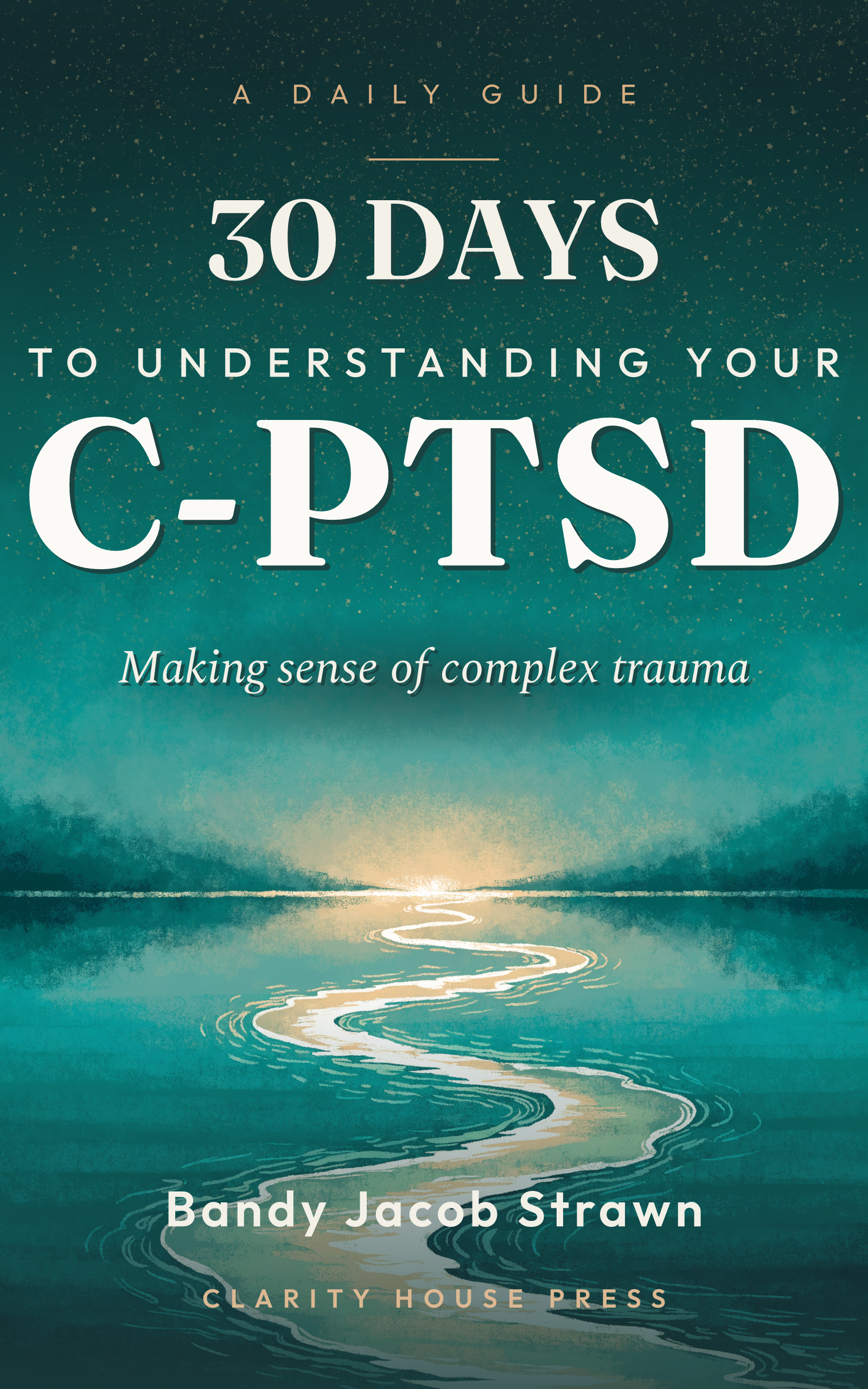

Surviving the Storm: When the Court Takes Your Children
Clarity House Press
For fathers in active high-conflict custody battles. Understand your CPTSD symptoms, begin stabilization, and build foundation for healing. 17 chapters covering recognition, symptoms, and the healing path.
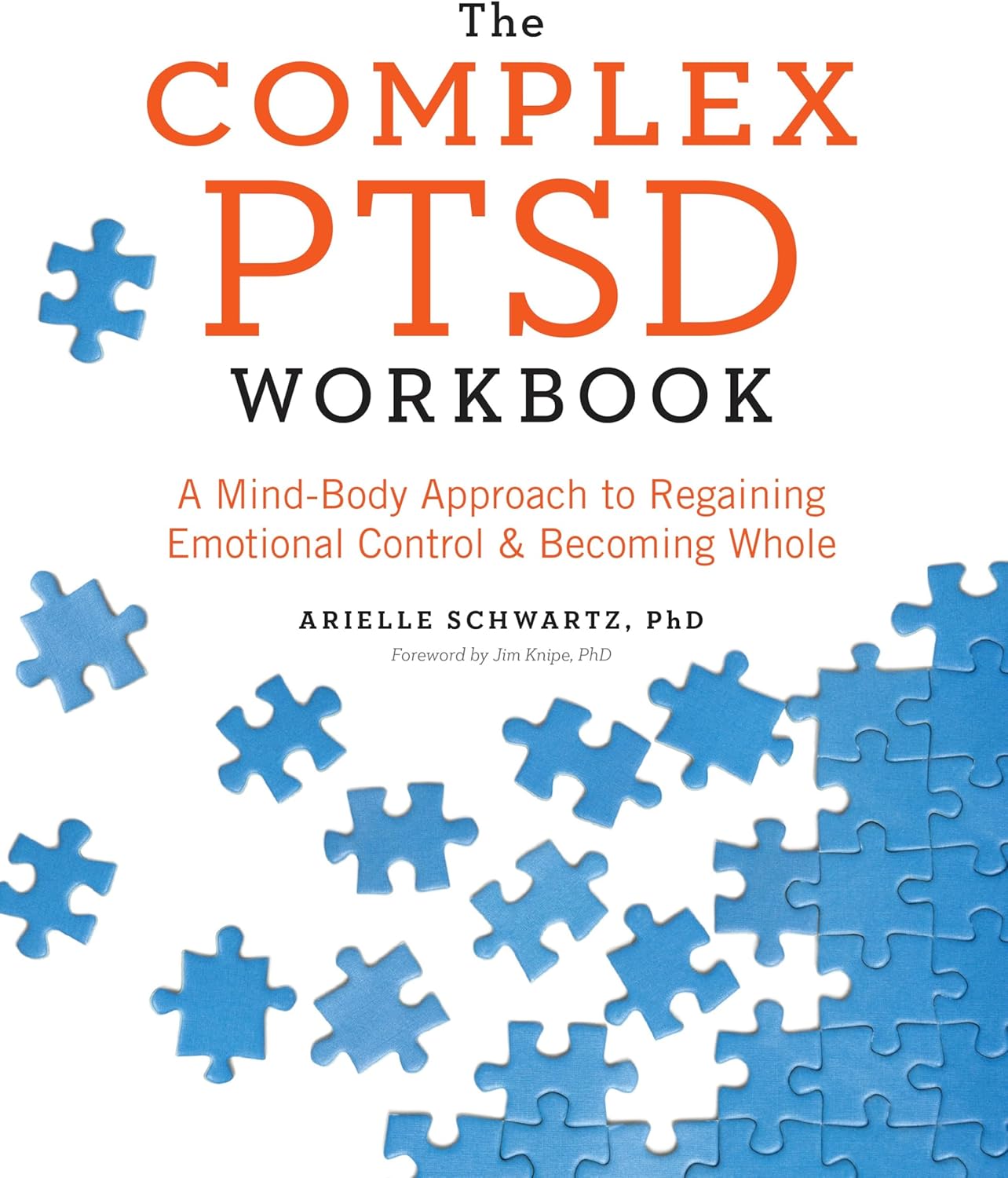
The Complex PTSD Workbook
Arielle Schwartz, PhD
A mind-body approach to regaining emotional control and becoming whole with evidence-based exercises.
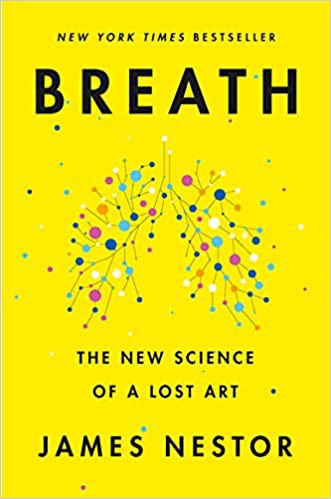
Breath: The New Science of a Lost Art
James Nestor
International bestseller on the science of breathing and how it transforms health and reduces stress.
As an Amazon Associate, Clarity House Press earns from qualifying purchases. Your price is never affected.
Found this helpful?
Share it with someone who might need it.
About the Author

Clarity House Press
Editorial Team
The editorial team at Clarity House Press curates and publishes evidence-based content on narcissistic abuse recovery, high-conflict divorce, and healing. Our content is informed by research, survivor experiences, and established trauma-informed approaches.
View all posts by Clarity House Press →Published by Clarity House Press Editorial Team