Please read our important disclaimers before using this content
Mother's Day and Father's Day arrive each year with a predictable knot in your stomach when you're navigating high-conflict co-parenting. Will your children remember? Will your ex block them from acknowledging you? Will they enthusiastically celebrate your ex while you receive silence? Or, just as painful—will you have to watch your children struggle with loyalty conflicts, unable to fully celebrate either parent without feeling like they're betraying the other?
Parent appreciation days become emotional minefields in high-conflict dynamics, not because of the children's natural feelings, but because narcissistic exes weaponize these days to prove who's the "better" parent, intensify alienation, or punish you by denying you the acknowledgment you deserve. Research confirms the psychological toll: a comprehensive evidence review found that interparental conflict adversely affects children's emotional, behavioral, social, and academic outcomes whether parents are married, separated, or divorced (Harold et al., 2018). Managing your own hurt, protecting your children from being used as weapons, and supporting their relationship with both parents—even when your ex doesn't reciprocate—requires emotional maturity most people never have to access.
Why These Days Are Particularly Painful
They're Designed to Recognize Good Parenting
The cruel irony:
- These days exist to honor parents
- In high-conflict situations, often the narcissistic parent gets performative celebration
- The protective parent gets silence, forgotten, or minimal acknowledgment
- Children's authentic feelings are manipulated
What hurts:
- You've sacrificed everything to protect your children
- You're doing the hard daily work of parenting
- Your ex may be absent, neglectful, or abusive
- Yet your ex gets the flowers, the brunch, the social media tributes
- You get a card made at school (if you're lucky)
The injustice:
- The parent who deserves recognition often doesn't get it
- The parent who doesn't deserve it performs beautifully
- Your children are caught in the middle
- You're expected to smile through it
Social Media Amplifies the Pain
What you see:
- Ex's elaborate posts about being "blessed" to be a parent
- Children looking genuinely happy with ex (or coached to look happy)
- Tributes from children that seem authentic
- Comments praising ex as wonderful parent
- New partner playing "bonus mom" or "bonus dad" in photos
What it triggers:
- Comparison (why do my kids look happier with ex?)
- Invisibility (no one knows what I do every day)
- Injustice (ex is abusive but gets celebrated)
- Fear (are my children turning against me?)
- Grief (this isn't how it was supposed to be)
The performance:
- Narcissists excel at image management — a core feature of how smear campaigns and reputation manipulation work
- One perfect day, one perfect post
- Doesn't reflect daily reality
- Children may be coached or bribed
- You know the truth, but the world sees the performance
Children Become Pawns
Ways ex weaponizes the day:
- Scheduling activities that prevent child from being with you
- Discouraging child from making card or gift for you
- Making child's acknowledgment of you conditional
- Using their day (Mother's/Father's Day) to talk badly about you
- Creating loyalty conflict: "If you celebrate Mom, it hurts me"
What children experience:
- Guilt for wanting to celebrate you
- Pressure to perform for other parent
- Fear of upsetting either parent
- Confusion about whether showing love to one means betraying the other
- Manipulation disguised as hurt feelings
Long-term damage:
Research shows children caught in loyalty conflicts and parental alienation experience lasting psychological harm. A systematic review of parental alienation effects found long-term consequences including depression, anxiety, low self-esteem, substance abuse, and difficulty forming trusting relationships in adulthood (Verrocchio et al., 2021). Our guide on protecting children from loyalty binds explains how to respond without escalating the conflict. Additionally, children:
- Learn love is conditional
- Learn to suppress authentic feelings
- Learn to perform rather than connect
- Experience relationships with both parents becoming transactional
When Your Ex Blocks Acknowledgment
Active Interference
What it looks like:
- "We're busy that day, child can't call you"
- Child's card or gift mysteriously never makes it to you
- Ex "forgets" to remind child about the day
- Activities scheduled deliberately to prevent contact
- Phone calls blocked or not facilitated
Why they do it:
- To hurt you
- To prove they have control
- To show child you're not worth celebrating
- To punish you for leaving
- To claim you "don't care" when you don't receive acknowledgment
Impact on children:
- They learn love is controlled by the more powerful parent
- They internalize that you're not worth celebrating
- Or they feel terrible guilt when they remember too late
- Trust in both parents eroded
What you can do:
- Document pattern (save texts showing interference)
- Don't blame children—they're being manipulated
- Address directly but calmly with child later: "I know you wanted to remember Mother's/Father's Day. Sometimes logistics are hard. I love you every day."
- File contempt motion if pattern is severe and provable
- Maintain your dignity—don't retaliate
Passive Interference
Subtler but equally damaging:
- No supplies provided for card-making
- No prompting or reminder for young children who need help
- No facilitation of shopping for small gift
- Child at ex's house on your day with no contact allowed
- "Child didn't mention wanting to do anything, so we didn't"
Plausible deniability:
- "I didn't know they wanted to"
- "I can't force them to make a card"
- "They're old enough to remember on their own"
- "You're being too sensitive"
Reality:
A meta-analysis of post-divorce family processes found that parenting behaviors like warmth, support, and active facilitation significantly mediate children's adjustment outcomes (van Dijk et al., 2020). This research confirms:
- Young children need adult help and prompting
- Even older children benefit from gentle reminder
- Healthy co-parents facilitate children's relationship with other parent
- Absence of facilitation is a choice with measurable consequences
Your response:
- You can't prove passive interference easily
- Focus on your relationship with children, not ex's failures
- Age-appropriately discuss with children later
- Don't make children feel guilty for forgetting
- Model grace they'll remember
When Child "Forgets"
Heartbreaking silence:
- The day passes with no acknowledgment
- No call, no card, no mention
- You watch social media posts about ex's celebration
- You wonder if you matter to your children at all
What might be happening:
- Child genuinely forgot (developmentally normal for some ages)
- Child was actively blocked
- Child is in alienation process and withholding intentionally
- Child is anxious about loyalty conflict and avoids addressing it
What NOT to do:
- Make child feel guilty: "You forgot Mother's Day? I would never forget yours."
- Compare to ex: "You remembered for your dad but not me?"
- Punish with silence or withdrawal
- Make it about you instead of relationship
What TO do:
- Feel your hurt privately (not to child)
- Bring it up gently later: "I noticed we didn't connect on Mother's/Father's Day. That's okay. I wanted you to know I love being your parent every day."
- Assess whether part of pattern or one-time occurrence
- If pattern, therapeutic intervention
- Continue showing up—consistency matters more than one day
When You Have to Facilitate Their Day
The Emotional Labor
You're supposed to:
- Help children make card for ex
- Facilitate phone call or visit
- Encourage them to celebrate ex
- Put aside your own hurt and anger
- Model healthy co-parenting
When your ex:
- Is abusive
- Doesn't reciprocate
- Actively alienates children from you
- Doesn't deserve celebration
- Makes your life hell every other day of the year
Why it feels unbearable:
- You're facilitating celebration of someone who hurts you and your children
- You're helping children connect with someone working to destroy your relationship
- It feels like participating in your own erasure
- The unfairness is crushing
Why you might still do it:
- For your children's benefit (not ex's)
- To model healthy boundaries and emotional regulation
- To show children love for parent is separate from adult conflict
- Because it's court-ordered or custody-decree required
- Because you're the bigger person (even when it kills you)
Age-Appropriate Facilitation
Young children (5-8):
- Need concrete help: "Would you like to make a card for Mom/Dad?"
- Provide materials without pressure
- Facilitate communication: "Should we call Dad/Mom to say Happy Father's/Mother's Day?"
- Keep it simple and pressure-free
Tweens (9-12):
- Gentle reminder: "Mother's Day is Sunday. Do you want to do anything for Mom?"
- Offer to help but don't force
- Respect their growing autonomy
- Support their choice to participate or not
Teens (13+):
- Minimal prompting: "Just so you know, Father's Day is this weekend"
- Trust them to manage their own relationship
- Provide resources (money for gift, ride to store) if requested
- Don't make them feel guilty for their choices
All ages:
- Never badmouth other parent on their appreciation day
- Don't sabotage (even though ex might sabotage yours)
- Support children's authentic relationship with other parent
- Your integrity matters more than scorekeeping
Setting Boundaries on What You'll Do
You're not required to:
- Buy elaborate gift for ex from children
- Organize celebration or outing for ex
- Personally celebrate ex
- Pretend ex is wonderful when they're not
- Lie to children about your feelings
You might choose to:
- Provide basic materials for card
- Facilitate phone call
- Allow children to use their own money for gift
- Drive children to ex's house if it's your day and order specifies
You can refuse to:
- Go into debt buying gift
- Organize party for ex
- Attend celebration of ex
- Fake enthusiasm
Setting limits:
- "I'll help you make a card, but I'm not buying an expensive gift."
- "You can call Dad/Mom, but I'm not joining the conversation."
- "I'll give you materials to make something, but the effort needs to be yours."
When children push back:
- "I understand you wish I'd do more. I'm doing what I'm comfortable with. Your relationship with your mom/dad is important, and I support it in healthy ways."
Managing Your Own Feelings
When You Feel Invisible
The pain of being unseen:
- You do the daily grind
- You show up for homework, appointments, emotional support
- You sacrifice and prioritize
- One day a year is supposed to honor that
- It passes in silence
Grief that surfaces:
- This wasn't how it was supposed to be
- Your children were supposed to make you breakfast in bed, messy handmade cards
- You pictured family celebrating you
- Instead you're alone, or acknowledged minimally, or dealing with conflict
Permission to feel:
- This hurts
- You're allowed to be sad
- You're allowed to be angry
- You're allowed to grieve
- Feeling hurt doesn't make you selfish or weak
Don't:
- Take it out on children
- Make children responsible for your emotional needs
- Punish them for ex's manipulation
- Compare yourself to ex's celebration
Do:
- Feel your feelings privately (therapist, trusted friend, journal)
- Practice self-compassion
- Recognize your worth independent of this day
- Take care of yourself
The Comparison Trap
What you see:
- Ex got flowers, brunch, elaborate celebration
- You got a card made at school
- Children seemed more enthusiastic for ex
- Social media posts glowing about ex
The spiral:
- Maybe I'm not a good parent
- Maybe children do love ex more
- Maybe I'm failing
- Maybe I should be more like ex (performative, gift-giving, fun)
The reality:
- One day doesn't reflect 365 days
- Performative celebration ≠ genuine relationship
- Children's depth of love isn't measured by Mother's/Father's Day performance
- Narcissists excel at image management for one day
- Your daily presence matters more than one perfect brunch
Perspective:
- Children remember who showed up consistently
- They remember who was safe (see what parallel parenting looks like in practice)
- They remember daily love, not annual performance
- You're building foundation that will matter in the long run
- Ex is building facade that will crack
When You're Spending It Alone
If it's ex's parenting day:
- You don't have your children
- The day designed to celebrate you as a parent happens without your children
- Brutal irony
How to survive:
- Plan ahead—don't leave day empty and unstructured
- Be with people who appreciate you (friends, your own parent, support group)
- Do something meaningful or completely different
- Celebrate self as person, not just parent
- Remember it alternates—next year may be yours
If you're intentionally alone:
- Sometimes solitude is choice
- Grieving privately can be healing
- Self-care day instead of social performance
- No pressure to pretend you're okay
- That's valid too
Either way:
- Your worth as parent isn't determined by this day
- Your children's love isn't measured by whether they're physically present
- You are more than one day's acknowledgment
When Your Child Is Caught in Loyalty Conflict
Recognizing the Signs
Child shows distress:
- Anxiety leading up to the day
- Doesn't want to talk about it
- Guilty expressions when mentioning other parent
- Shuts down when asked about plans
- Torn between wanting to celebrate you and fearing ex's reaction
What they might say:
- "If I make you a card, will Dad/Mom be mad?"
- "I want to do something for both of you but I don't know how"
- "Dad/Mom says it hurts them when I celebrate you"
- "Can we not talk about this?"
What's happening:
- Child is being emotionally manipulated
- They're learning love is conditional and dangerous
- They're absorbing message that parents' needs matter more than theirs
- Stress response to no-win situation
Releasing Them from the Conflict
What they need to hear:
- "Your relationship with your mom/dad is separate from my feelings. It's okay to love and celebrate both of us."
- "You don't have to choose. You can love us both."
- "I'm secure in your love. You don't have to prove it to me on one day."
- "If celebrating me causes you stress, you can celebrate me in your own way on a different day. I care about our relationship, not the calendar date."
What frees them:
- Unconditional love (not contingent on performance)
- Permission to have relationship with both parents
- Safety from guilt trips
- Space to navigate their own feelings
What you're modeling:
Research on parent-child triangulation found that children who feel "caught between" parents experience significantly higher rates of anxiety, depression, and diminished self-esteem (Afifi, 2025). By releasing your child from the conflict, you are modeling:
- Secure attachment (your love doesn't depend on their behavior)
- Emotional health (you meet your own emotional needs, not relying on them)
- Integrity (you don't manipulate through guilt)
- Respect for their autonomy
Long-term impact:
- They learn what healthy love looks like
- They learn they don't have to manage your emotions
- They trust you're okay without performance
- They feel safe in relationship with you
When to Seek Therapeutic Help
If child:
- Shows severe anxiety around both parents' appreciation days
- Can't celebrate either parent without extreme guilt
- Parrots alienating statements about you
- Refuses contact on or around the day
- Shows regressive behavior or distress symptoms
Reunification or family therapy needed:
A qualitative study of adults who experienced parental alienation as children found significant long-term effects including low self-esteem, depression, substance abuse, lack of trust, and difficulty maintaining their own relationships (Baker, 2005). Early intervention is critical:
- Professional can help child navigate loyalty conflicts
- Therapist can intervene with alienating parent (though often refused)
- Child needs safe space to process
- You need support managing this dynamic
When therapy is blocked:
- Narcissistic ex often refuses therapy or sabotages it
- Document request for therapy and refusal
- File motion to compel if necessary
- Individual therapy for you to manage impact
Special Situations
First Mother's Day / Father's Day After Separation
Especially raw:
- First time experiencing this as divorced parent
- Grief is acute
- Don't know what to expect
- Children may be confused too
Survival mode:
- Lower expectations drastically
- Focus on getting through the day
- Don't compare to previous years
- Be gentle with yourself and children
When You're Estranged from Your Children
Most painful scenario:
- Children won't speak to you
- Alienation is complete (or nearly)
- The day is reminder of what you've lost
- No card, no call, no acknowledgment
How to survive:
- Professional support critical
- Maintain attempts at contact (send card/message even if ignored)
- Document for court
- Grieve with people who understand
- Hold onto hope while managing expectations
Don't:
- Give up on children
- Retaliate or punish
- Make demands
- Use day to force contact if they're refusing
Do:
- Send brief message of love with no pressure
- Maintain boundaries with ex
- Continue legal efforts to address alienation
- Take care of your own grief
When You're the Step-Parent
Complex position:
- You're parenting these children
- But you're not "Mom" or "Dad"
- May not be acknowledged at all
- Biological parent gets recognition you don't
Managing expectations:
- Your role is different
- Children may not see you as parent figure (yet or ever)
- You can still be hurt by lack of acknowledgment
- Your worth isn't determined by their recognition
If you want acknowledgment:
- Create your own day (step-parent day, "bonus parent" day)
- Don't compete with biological parent
- Build relationship slowly over time
- Recognition may come eventually
Your Action Plan
Before the Day
Prepare emotionally:
- Acknowledge this may be hard
- Plan self-care
- Lower expectations
- Arrange support if needed
With children:
- Gentle reminder if age-appropriate
- Provide materials if they want to make something
- No pressure
- Emphasize relationship over performance
Logistics:
- Confirm custody schedule
- Plan your day (whether you have kids or not)
- Avoid social media if it triggers you
- Prepare for potential conflict with ex
On the Day
If you have your children:
- Be present and grateful for whatever they do
- Don't compare to ex's celebration
- Create low-key meaningful time together
- Focus on connection
If you don't have your children:
- Follow through on plan for yourself
- Avoid scrolling social media
- Be with supportive people or intentionally alone
- Practice self-compassion
Either way:
- Feel your feelings
- Don't perform for others
- Celebrate self however feels right
- Remember your worth
After the Day
Process:
- How did it go?
- What hurt?
- What helped?
- What will you do differently next year?
With children:
- If they forgot or couldn't acknowledge, release them from guilt
- If ex interfered, document but don't burden children
- Focus on relationship, not one day
For yourself:
- Acknowledge you got through it
- Be proud of your integrity
- Recognize your worth as parent
- Plan for continued healing
Key Takeaways
Mother's Day and Father's Day in high-conflict co-parenting will likely never look like the greeting card version. Your ex may weaponize these days, block your children's acknowledgment of you, or create elaborate performances while undermining your relationship. Your children may be caught in loyalty conflicts, genuinely forget, or be too young to navigate this independently.
What you can control:
- Your response to children (grace, not guilt)
- Facilitating their relationship with other parent (integrity, not revenge)
- Managing your own expectations and feelings
- Modeling healthy love (unconditional, secure)
What you cannot control:
- Ex's behavior
- Children's level of acknowledgment
- Social media performances
- Other people's perceptions
What your children need:
- Freedom from loyalty conflicts
- Permission to love both parents
- Your secure, unconditional love
- To not manage your emotions
Remember: You are a good parent every day, not just the one day marked on the calendar. Your children's deepest knowledge of your love comes from daily presence, not annual performance. The narcissist can win Mother's Day or Father's Day. You're winning the other 364 days. That's what matters.
Your worth as a parent is not measured by cards, brunches, or social media posts. It's measured in moments of comfort, consistency, safety, and love that your children carry with them every day.
You're enough. You're doing enough. You're a good parent. Even if today didn't feel like it.
Resources
Parental Alienation and Co-Parenting Support:
- Family Violence Appellate Project - Legal support for parental alienation cases
- Divorce Poison by Dr. Richard Warshak - Understanding and addressing parental alienation
- Psychology Today - Therapists - Find therapists specializing in parental alienation
- National Parents Organization - Shared parenting advocacy and support
Therapy and Mental Health Support:
- Psychology Today - Therapists - Find trauma-informed therapists for high-conflict divorce
- EMDR International Association - Find EMDR therapists for trauma from parental alienation
- Somatic Experiencing International - Body-based trauma therapy for high-conflict stress
- r/NarcissisticAbuse - Reddit community for co-parenting with narcissists
Crisis Support and Resources:
- 988 Suicide & Crisis Lifeline - Call or text 988 for crisis support (24/7)
- Crisis Text Line - Text HOME to 741741 for crisis counseling
- National Domestic Violence Hotline - 1-800-799-7233 (SAFE) for parenting manipulation support
- SAMHSA National Helpline - 1-800-662-4357 for mental health referrals
References
Afifi, T. D. (2025). Interparental conflict and parent-child triangulation: A meta-analytical review of children feeling caught between parents. Human Communication Research. https://doi.org/10.1093/hcr/hqaf018
Baker, A. J. L. (2005). The long-term effects of parental alienation on adult children: A qualitative research study. The American Journal of Family Therapy, 33(4), 289-302. https://doi.org/10.1080/01926180590962129
Harold, G. T., Sellers, R., & Kerr, D. (2018). Annual research review: Interparental conflict and youth psychopathology: An evidence review and practice focused update. Journal of Child Psychology and Psychiatry, 59(4), 374-402. https://doi.org/10.1111/jcpp.12893
van Dijk, R., Dekovic, M., Hirata, S., van de Bongardt, D., & Branje, S. (2020). A meta-analysis on interparental conflict, parenting, and child adjustment in divorced families: Examining mediation using meta-analytic structural equation models. Clinical Psychology Review, 79, 101861. https://doi.org/10.1016/j.cpr.2020.101861
Verrocchio, M. C., Marchetti, D., Korchmaros, J., & Baker, A. J. L. (2021). Long-term emotional consequences of parental alienation exposure in children of divorced parents: A systematic review. Current Psychology, 42, 1-15. https://doi.org/10.1007/s12144-021-02537-2
Recommended Reading
From Clarity House Press — plus trusted books for deeper understanding


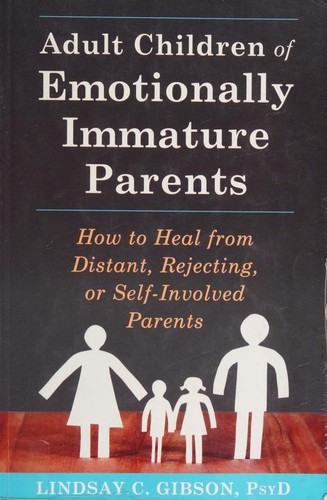
Adult Children of Emotionally Immature Parents
Lindsay C. Gibson, PsyD
A gentle, practical guide to understanding relationships with emotionally distant parents and reclaiming your inner life.
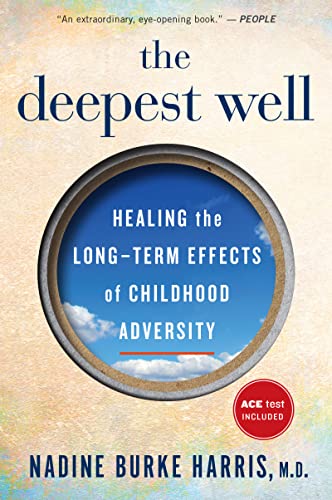
The Deepest Well
Nadine Burke Harris, M.D.
A pediatrician's clear explanation of how adverse childhood experiences affect lifelong health — and what recovery can look like.
As an Amazon Associate, Clarity House Press earns from qualifying purchases. Your price is never affected.
Found this helpful?
Share it with someone who might need it.
Tags
About the Author

Clarity House Press
Editorial Team
The editorial team at Clarity House Press curates and publishes evidence-based content on narcissistic abuse recovery, high-conflict divorce, and healing. Our content is informed by research, survivor experiences, and established trauma-informed approaches.
View all posts by Clarity House Press →Published by Clarity House Press Editorial Team