Please read our important disclaimers before using this content
Medication for complex PTSD remains a complicated topic. Unlike some conditions where medication is the primary treatment, trauma recovery is fundamentally about processing experiences, building safety, and rewiring neural patterns. For a full clinical overview of what C-PTSD is and how it differs from standard PTSD, see our foundational guide before exploring pharmacological options. Medication cannot do this work. But medication can reduce symptoms enough that therapy becomes possible, can stabilize a nervous system enough to function, and can address specific symptoms that impair quality of life. According to the most recent clinical guidelines, trauma-focused psychological interventions remain the first-line treatment, with medications recommended when psychotherapy is not available, feasible, or when patients prefer pharmacological treatment (VA/DoD Clinical Practice Guideline, 2023).1
This article provides an evidence-based overview of psychiatric medications for complex PTSD, including what research supports, what it does not, and how to approach medication decisions thoughtfully.
Understanding Medication's Role in Trauma Treatment
Before discussing specific medications, understanding what medication can and cannot do for complex trauma is essential.
What Medication Can Do
Reduce symptom intensity: Medications can decrease the severity of anxiety, depression, hyperarousal, intrusive thoughts, and sleep disturbances, making daily functioning more manageable.
Create a window for therapy: When symptoms are overwhelming, the trauma processing needed for healing may be impossible. Medication can create enough stability to engage in therapeutic work.
Target specific symptoms: Certain medications address specific problems well, like prazosin for nightmares or certain medications for sleep.
Stabilize during crisis: During acute periods of distress or destabilization, medication can provide crucial support.
Address comorbid conditions: Many people with complex PTSD also have depression, anxiety disorders, or other conditions that respond to medication.
What Medication Cannot Do
Process trauma: No pill can help you integrate traumatic experiences, understand their meaning, or complete the emotional processing required for healing.
Rewire attachment patterns: The relational wounds of complex trauma require relational healing. Medication cannot teach secure attachment.
Build coping skills: Skills for regulation, distress tolerance, and interpersonal effectiveness must be learned and practiced.
Address dissociation effectively: Most medications have limited effectiveness for dissociative symptoms.
Cure complex PTSD: Medication manages symptoms but does not resolve the underlying condition.
The Role of Medication in a Treatment Plan
For most people with complex PTSD, medication is best understood as one component of a comprehensive treatment plan that includes:
- Trauma-focused psychotherapy (the central treatment)
- Nervous system regulation practices
- Lifestyle factors (sleep, exercise, nutrition, stress management)
- Social support and safe relationships
- Medication for symptom management when needed
Some people do very well in recovery without medication. Others find medication essential for functioning and therapy engagement. Neither path is superior; what matters is what helps you heal. Recent pharmacotherapy research involving 52 trials and over 3,800 patients found that medication treatment produces a response rate of approximately 39% with significant improvement in core PTSD symptoms, though dropout rates average 29%, highlighting the importance of finding the right medication fit (Song et al., 2025).2
FDA-Approved Medications for PTSD
Only two medications have FDA approval specifically for PTSD: sertraline (Zoloft) and paroxetine (Paxil). This does not mean other medications are not helpful, only that these two have completed the formal approval process.
Sertraline (Zoloft)
Sertraline is an SSRI (selective serotonin reuptake inhibitor) that increases serotonin availability in the brain.
What research shows: Multiple large studies demonstrate sertraline reduces PTSD symptoms compared to placebo, with effect sizes that are modest but significant.3 Sertraline is one of only two FDA-approved medications for PTSD and has the most robust empirical evidence for reducing PTSD symptoms.4 Some studies show particular effectiveness for numbing, avoidance, and hyperarousal symptoms.
Typical dosing: Your prescriber will determine the appropriate starting dose and may adjust it over time based on your response and tolerability.
Timeline: Initial effects may appear within 2-4 weeks, but full effect often takes 8-12 weeks. Many people quit too soon, before the medication has had adequate time to work.
Side effects: Common side effects include nausea (usually temporary), sexual dysfunction (often persistent), headache, drowsiness or insomnia, and weight changes. Side effects are often most pronounced in the first few weeks and may decrease over time.
Complex PTSD considerations: Sertraline may help reduce baseline anxiety and depression, potentially making it easier to engage in therapy. However, emotional blunting is a common complaint that may interfere with emotional processing work.
Paroxetine (Paxil)
Paroxetine is another SSRI with FDA approval for PTSD.
What research shows: Studies show similar effectiveness to sertraline for PTSD symptoms.3 Clinical practice guidelines recommend paroxetine as a first-line SSRI treatment for PTSD based on extensive research evidence.5 Some research suggests particular benefit for hyperarousal symptoms.
Typical dosing: Your prescriber will determine the appropriate starting dose and adjust based on your individual response.
Side effects: Similar to sertraline, with notably higher rates of sedation and weight gain. Paroxetine is also known for difficult discontinuation effects, so tapering must be done slowly.
Complex PTSD considerations: The sedating qualities may help with hyperarousal but can worsen hypoarousal and dissociative symptoms. The difficult withdrawal profile makes this medication less flexible to adjust.
Other Commonly Used Medications
Many medications are prescribed off-label (without FDA approval for PTSD specifically) based on clinical evidence and experience.
Other SSRIs
Fluoxetine (Prozac): Longer half-life makes it easier to discontinue but also means side effects persist longer. Some evidence for PTSD symptom reduction.
Escitalopram (Lexapro): Often better tolerated than other SSRIs with similar effectiveness. Commonly used for comorbid anxiety.
Citalopram (Celexa): Similar to escitalopram. Cardiac concerns at higher doses limit its use in some populations.
SNRIs
Venlafaxine (Effexor): An SNRI (serotonin-norepinephrine reuptake inhibitor) with strong evidence supporting its use for PTSD. The 2023 VA/DoD Clinical Practice Guideline identifies venlafaxine as a strongly recommended treatment based on large multi-site randomized controlled trials.4 A 6-month RCT showed significant improvement with venlafaxine compared to placebo (CAPS score change of -51.7 vs. -43.9, P = .006).6 May help with depression and pain, which are common in trauma survivors. Notorious for severe discontinuation effects.
Duloxetine (Cymbalta): Another SNRI with evidence for depression and pain. Less studied specifically for PTSD but commonly used.
Prazosin for Nightmares
What it is: Prazosin is an alpha-1 adrenergic blocker, originally used for blood pressure. It blocks norepinephrine in the brain, which may reduce nightmare intensity.
What research shows: Multiple studies showed prazosin significantly reduced trauma nightmares compared to placebo, with one meta-analysis finding a standardized mean difference of -1.13 (95% CI = -1.91 to -0.36) for nightmare improvement.7 A more recent 2025 meta-analysis of 10 randomized controlled trials found prazosin significantly improved both insomnia (SMD = -0.654, p = 0.043) and nightmares (SMD = -0.641, p = 0.025).8 However, mixed results exist across studies, creating some controversy. Many clinicians continue to prescribe it based on clinical experience of effectiveness.
Typical dosing: Your prescriber will start at a low dose and adjust gradually based on your blood pressure response and symptom relief.
Side effects: Dizziness, lightheadedness, headache. Blood pressure must be monitored, especially when starting or increasing doses.
Complex PTSD considerations: Nightmares are nearly universal in complex trauma. Prazosin is one of the few interventions that specifically targets this symptom. The medication is well-tolerated and low-risk, making it worth trying for many people. A 2024 network meta-analysis of 99 randomized controlled trials with 10,481 participants found that prazosin may be the most effective pharmacological treatment for PTSD-related insomnia (SMD = -0.88), nightmares (SMD = -0.44), and poor sleep quality (SMD = -0.55), while evidence showed a lack of efficacy for SSRIs, mirtazapine, z-drugs, and benzodiazepines for sleep symptoms (Yan et al., 2024).9
Hydroxyzine and Other As-Needed Options
Hydroxyzine (Vistaril, Atarax): An antihistamine with anti-anxiety effects. Often used as needed for acute anxiety or as a sleep aid. Not habit-forming, making it preferable to benzodiazepines for many prescribers.
Beta-blockers (propranolol): Block physical symptoms of anxiety (racing heart, trembling). Can be used as needed for situational anxiety.
Mood Stabilizers and Anticonvulsants
Lamotrigine (Lamictal): Evidence suggests benefit for PTSD symptoms, particularly dissociation and emotional instability. A preliminary study found lamotrigine may be effective as a primary treatment in both combat and civilian PTSD and as an adjunct to antidepressant therapy.10 Research on depersonalization disorder (a dissociative condition) showed 56% of patients had ≥30% reduction in symptoms when lamotrigine was combined with antidepressants.11 Often well-tolerated. Requires slow titration due to rare but serious rash risk.
Topiramate (Topamax): Some evidence for reducing PTSD symptoms and nightmares. Side effects include cognitive dulling and weight loss.
Lithium: Less commonly used for PTSD but may help with mood instability in some cases.
Antipsychotics
Quetiapine (Seroquel): Often used at low doses for sleep and anxiety in PTSD. Higher doses used for mood symptoms. Side effects include sedation, weight gain, and metabolic effects.
Risperidone: Some evidence for PTSD symptoms, particularly when other treatments have failed. Significant side effect profile limits use.
Aripiprazole (Abilify): Sometimes used as augmentation for depression that has not responded to antidepressants alone.
Antipsychotics are generally second-line treatments for PTSD due to their side effect profiles. They may be appropriate when other options have failed or when symptoms are severe.
Medications to Approach Carefully
Benzodiazepines
Benzodiazepines (alprazolam/Xanax, clonazepam/Klonopin, lorazepam/Ativan, diazepam/Valium) are commonly prescribed for anxiety but present specific concerns for trauma survivors:
Dependence risk: These medications are habit-forming with physical dependence developing relatively quickly. Withdrawal can be dangerous and prolonged.
May impair therapy: Benzodiazepines dampen emotional responses, which may interfere with emotional processing in trauma therapy.
Rebound effects: When the medication wears off, anxiety often returns more intensely, driving continued use.
Evidence gap: Research does not support benzodiazepine use for PTSD. A 2015 systematic review and meta-analysis of 18 clinical trials concluded that benzodiazepines are ineffective for PTSD treatment and prevention, with risks outweighing potential short-term benefits.12 A 2022 meta-analysis found that patients who received benzodiazepines after trauma had an increased risk of developing PTSD compared to those who did not (risk ratio = 1.53; 95% CI: 1.05-2.23).13 The 2024-2025 PTSD Psychopharmacology Algorithm Update reinforces that benzodiazepines should be avoided, noting that prazosin remains the first-line treatment for sleep disturbance rather than sedatives (Bajor et al., 2025).14
Complex PTSD considerations: Many trauma survivors have histories of substance use or addiction, making habit-forming medications higher risk. The emotional blunting can also worsen dissociative tendencies.
That said, benzodiazepines are sometimes appropriate for short-term use during crisis or for specific situations. The key is informed consent and careful monitoring.
Sleep Medications
Z-drugs (zolpidem/Ambien, eszopiclone/Lunesta): These are habit-forming and do not address the underlying causes of trauma-related sleep disturbance. Complex behaviors during sleep are a concerning side effect.
Trazodone: Commonly used for sleep at low doses. Generally considered safer than z-drugs with less dependence potential.
Opioids
Opioids should generally be avoided in trauma survivors due to high addiction risk and lack of benefit for PTSD symptoms.
Special Considerations for Complex PTSD
Complex PTSD presents unique medication challenges compared to single-incident PTSD.
Dissociative Symptoms
Dissociation is common in complex trauma and often does not respond well to standard PTSD medications. Understanding the different types of dissociation in complex PTSD helps prescribers choose medications that avoid worsening this symptom. Some considerations:
- Medications that cause sedation or mental fogginess may worsen dissociation
- Emotional blunting from SSRIs may feel like increased dissociation
- Lamotrigine has some evidence for dissociative symptoms specifically
- Naltrexone is sometimes tried for severe dissociation, though evidence is limited
Emotional Dysregulation
The intense emotional swings of complex PTSD may respond to:
- Mood stabilizers like lamotrigine
- SSRIs or SNRIs for baseline stabilization
- DBT skills in addition to medication
Chronic Shame and Negative Self-Concept
These core features of complex PTSD are not medication-responsive. Therapy is essential for addressing shame and rebuilding identity.
Comorbidity
Complex PTSD frequently co-occurs with:
- Major depression
- Anxiety disorders
- Substance use disorders
- Eating disorders
- Personality disorders
Treatment must address the full picture, not just PTSD symptoms. This often requires multiple providers coordinating care.
Working with Prescribers
Getting the most from medication for complex PTSD requires the right prescriber relationship and approach.
Finding the Right Prescriber
Psychiatrist vs. primary care: Primary care providers can prescribe psychiatric medications but may lack expertise in complex PTSD. Psychiatrists, particularly those with trauma experience, may provide more specialized care.
Trauma-informed approach: The prescriber should understand complex trauma and not pathologize your symptoms or dismiss your concerns.
Collaboration with therapist: Ideally, your prescriber and therapist communicate about your treatment. This coordination improves outcomes.
Questions to Ask Your Prescriber
- What is the evidence for this medication for my specific symptoms?
- What are the most common side effects, and how long do they typically last?
- How long until I should expect to see benefits?
- What is the plan if this medication does not work?
- Is this medication habit-forming? What is the discontinuation process?
- How will this medication interact with trauma therapy?
- How will we monitor whether it is working?
Advocating for Yourself
Track your response: Keep notes on symptoms, side effects, and changes you notice. This data helps guide adjustments.
Report side effects: Do not assume you should just tolerate problematic side effects. Many options exist.
Ask about alternatives: If one medication is not working, ask what else might be tried.
Take your time: Unless you are in crisis, you can take time to research and consider medication options before starting.
Red Flags with Prescribers
Be cautious of prescribers who:
- Rush to prescribe without thorough evaluation
- Dismiss your questions or concerns
- Prescribe benzodiazepines as first-line treatment
- Do not discuss side effects or risks
- Are unwilling to coordinate with your therapist
- Attribute all concerns to your mental health rather than listening
Medication and Trauma Therapy
How medication interacts with trauma therapy is an important consideration.
Supporting Therapy
Medication can support therapy by:
- Reducing anxiety enough to engage in exposure-based treatments
- Decreasing depression to the point where you can participate actively
- Improving sleep so you have energy for therapeutic work
- Stabilizing mood to provide a steadier baseline
Potentially Interfering with Therapy
Medication may interfere with therapy if:
- Emotional blunting prevents access to emotions needed for processing
- Sedation impairs the cognitive engagement therapy requires
- Over-reliance on medication reduces motivation for skill-building
- Medication changes create instability during critical therapy phases
Coordination
The best outcomes often come from:
- Keeping your therapist informed about medication changes
- Having prescriber and therapist communicate directly when possible
- Timing medication changes thoughtfully relative to therapy phases
- Being aware of how medication affects your therapy experience
Making Medication Decisions
Deciding whether to try medication for complex PTSD involves weighing multiple factors.
Consider Medication If
- Symptoms are severe enough to impair functioning significantly
- Therapy alone has not been sufficient
- Specific symptoms (like nightmares or severe anxiety) are prominent
- You are struggling to engage in therapy due to symptoms
- Comorbid conditions (like depression) would benefit from medication
Be Cautious If
- You have history of substance use disorder (discuss extra carefully with prescriber)
- You tend to use substances or medications to avoid emotions
- Previous medication trials have had problematic effects
- You are early in pregnancy or planning pregnancy
Questions to Ask Yourself
- What specifically would I want medication to help with?
- Am I willing to try a medication for the recommended duration (often 2-3 months) to assess effectiveness?
- Can I tolerate potential side effects during the adjustment period?
- Do I have support if starting medication is destabilizing?
- Am I also engaged in other treatment (therapy, lifestyle changes) or expecting medication to do all the work?
Key Takeaways
- Medication can support trauma recovery but cannot replace therapy and other healing work
- SSRIs (sertraline, paroxetine) are the only FDA-approved medications for PTSD, though many others are used off-label
- Prazosin may help with nightmares, though research is mixed
- Benzodiazepines are not recommended for PTSD due to dependence risk, limited evidence, and potential to impair recovery
- Complex PTSD presents unique medication challenges including dissociation, emotional dysregulation, and frequent comorbidity
- Working with a trauma-informed prescriber who coordinates with your therapist produces better outcomes
- Medication decisions should be individualized based on your specific symptoms, history, and preferences
For a survivor-focused overview of the same medications written in plain language, see our companion guide to medication for C-PTSD.
Your Next Steps
-
Assess your symptoms: Identify which specific symptoms most impair your functioning. Medication is more appropriate for some symptoms than others.
-
Consider your current treatment: Are you engaged in trauma-focused therapy? Medication works best alongside, not instead of, therapeutic treatment. Our guide to selecting the right therapy modality for trauma recovery helps you understand which approaches are evidence-based for complex trauma.
-
Research prescribers: If you decide to explore medication, look for psychiatrists or psychiatric nurse practitioners with trauma experience.
-
Prepare for consultation: Write down your symptoms, treatment history, previous medication trials, and questions before meeting with a prescriber.
-
Involve your therapist: If you have a therapist, discuss medication with them. They can provide input and coordinate care with your prescriber.
Resources
Medication Information and Treatment Guidelines:
- National Center for PTSD - Medications - VA evidence-based medication information
- National Alliance on Mental Illness (NAMI) - Medication guides and mental health resources
- VA/DoD Clinical Practice Guideline for PTSD - Evidence-based treatment guidelines
- National Institute of Mental Health (NIMH) - PTSD medication and treatment overview
Find Mental Health Professionals:
- American Psychiatric Association - Find a Psychiatrist - Board-certified psychiatrist directory
- Psychology Today - Psychiatrists - Find trauma-informed prescribers
- SAMHSA Treatment Locator - 1-800-662-4357 for treatment referrals
- The Body Keeps the Score by Bessel van der Kolk - Comprehensive trauma treatment including medication chapter
Crisis Support and Community:
- 988 Suicide & Crisis Lifeline - Call or text 988 for crisis support (24/7)
- Crisis Text Line - Text HOME to 741741 for crisis counseling
- National Domestic Violence Hotline - 1-800-799-7233 (SAFE) for abuse-related support
- r/CPTSD - Reddit peer support community for medication experiences
References
- Stein, D. J., Ipser, J. C., & Seedat, S. (2006). Pharmacotherapy for post traumatic stress disorder (PTSD). Cochrane Database of Systematic Reviews, 2022(3). https://pubmed.ncbi.nlm.nih.gov/35234292/ ↩
- Martin, Naunton, Kosari, Peterson, & Thomas (2021). Treatment Guidelines for PTSD: A Systematic Review.. Journal of clinical medicine. https://pmc.ncbi.nlm.nih.gov/articles/PMC8471692/ ↩
- Berger, W., Mendlowicz, M. V., Marques-Portella, C., Kinrys, G., Fontenelle, L. F., Marmar, C. R., & Figueira, I. (2009). Pharmacologic alternatives to antidepressants in posttraumatic stress disorder: A systematic review. Progress in Neuro-Psychopharmacology and Biological Psychiatry, 33(2), 169-180. https://pubmed.ncbi.nlm.nih.gov/17285153/ ↩
- Davidson, J., Baldwin, D., Stein, D. J., Kuper, E., Benattia, I., Ahmed, S., Pedersen, R., & Musgnung, J. (2006). Treatment of posttraumatic stress disorder with venlafaxine extended release: A 6-month randomized controlled trial. Archives of General Psychiatry, 63(10), 1158-1165. https://pubmed.ncbi.nlm.nih.gov/17015818/ ↩
- Kung, S., Espinel, Z., & Lapid, M. I. (2012). Treatment of nightmares with prazosin: A systematic review. Mayo Clinic Proceedings, 87(9), 890-900. https://pubmed.ncbi.nlm.nih.gov/22883741/ ↩
- Chen, Y., Liu, X., & Zhang, L. (2025). Factors impacting prazosin efficacy for nightmares and insomnia in PTSD patients: A systematic review and meta-regression analysis. Journal of Psychiatric Research, 171, 246-254. https://pubmed.ncbi.nlm.nih.gov/39828080/ ↩
- Hertzberg, M. A., Butterfield, M. I., Feldman, M. E., Beckham, J. C., Sutherland, S. M., Connor, K. M., & Davidson, J. R. (1999). A preliminary study of lamotrigine for the treatment of posttraumatic stress disorder. Biological Psychiatry, 45(9), 1226-1229. https://pubmed.ncbi.nlm.nih.gov/10331117/ ↩
- Sierra, M., Phillips, M. L., Ivin, G., Krystal, J., & David, A. S. (2003). A placebo-controlled, cross-over trial of lamotrigine in depersonalization disorder. Journal of Psychopharmacology, 17(1), 103-105. https://pubmed.ncbi.nlm.nih.gov/12680746/ ↩
- Guina, J., Rossetter, S. R., DeRHODES, B. J., Nahhas, R. W., & Welton, R. S. (2015). Benzodiazepines for PTSD: A systematic review and meta-analysis. Journal of Psychiatric Practice, 21(4), 281-303. https://pubmed.ncbi.nlm.nih.gov/26164054/ ↩
- Astill Wright, L., Horstmann, L., Holmes, E. A., & Bisson, J. I. (2022). To BDZ or not to BDZ? That is the question! A systematic review and meta-analysis on benzodiazepines for the prevention of PTSD. European Journal of Psychotraumatology, 13(1), 2043009. https://pubmed.ncbi.nlm.nih.gov/35437077/ ↩
- VA/DoD Clinical Practice Guideline Working Group. (2023). Clinician's guide to medications for PTSD. PTSD: National Center for PTSD. https://www.ptsd.va.gov/professional/treat/txessentials/clinician_guide_meds.asp ↩
- Yan, Y., Li, X., & Wang, Z. (2024). Pharmacotherapy for sleep disturbances in post-traumatic stress disorder (PTSD): A network meta-analysis. Sleep Medicine, 123, 246-258. https://www.sciencedirect.com/science/article/abs/pii/S1389945724002478 ↩
- Bajor, L. A., Balsara, C., & Osser, D. N. (2025). Posttraumatic stress disorder psychopharmacology algorithm update 2024-2025. Psychopharmacology Bulletin, 55(1), 8-55. https://pmc.ncbi.nlm.nih.gov/articles/PMC12410238/ ↩
- Song, J., Zhang, L., Chen, Y., & Wang, H. (2025). Pharmacotherapy for post-traumatic stress disorder: Systematic review and meta-analysis. BMC Psychiatry, 25(1), 112. https://pmc.ncbi.nlm.nih.gov/articles/PMC12171264/ ↩
Recommended Reading
From Clarity House Press — plus trusted books for deeper understanding
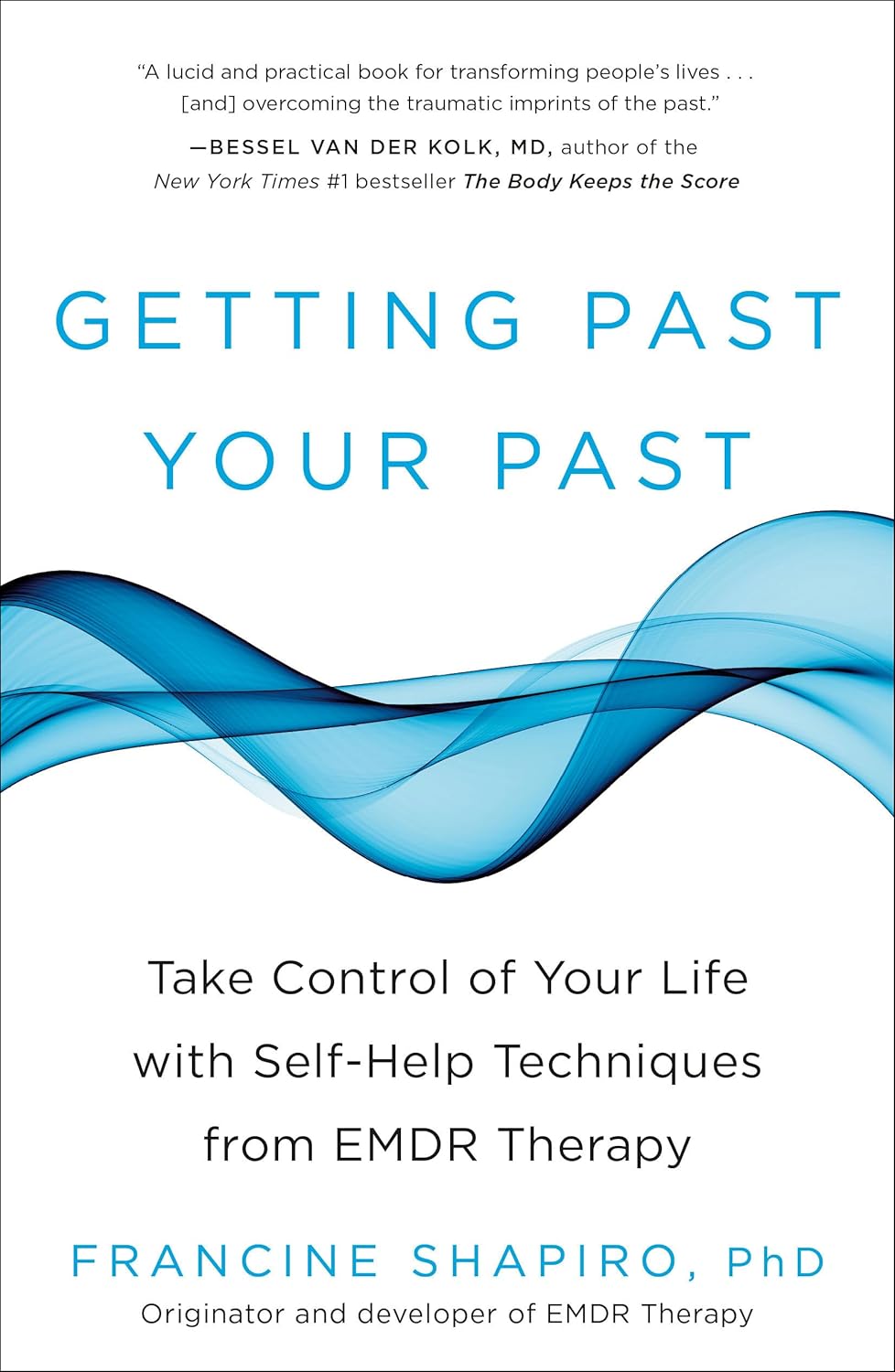
Getting Past Your Past
Francine Shapiro, PhD
Self-help techniques based on EMDR therapy to take control of your life and overcome trauma.
The Complex PTSD Workbook
Arielle Schwartz, PhD
A mind-body approach to regaining emotional control and becoming whole with evidence-based exercises.
As an Amazon Associate, Clarity House Press earns from qualifying purchases. Your price is never affected.
Found this helpful?
Share it with someone who might need it.
About the Author

Clarity House Press
Editorial Team
The editorial team at Clarity House Press curates and publishes evidence-based content on narcissistic abuse recovery, high-conflict divorce, and healing. Our content is informed by research, survivor experiences, and established trauma-informed approaches.
View all posts by Clarity House Press →Published by Clarity House Press Editorial Team