Please read our important disclaimers before using this content
When you're an Indigenous survivor of narcissistic abuse, you're navigating layers of trauma, community complexity, and legal systems that most non-Indigenous survivors never encounter. The complex PTSD recovery process is the starting point for healing, but it must be understood alongside the community and historical factors unique to Indigenous survivors.
You're healing from intimate partner violence while also carrying:
- Historical trauma: Generations of genocide, forced assimilation, family separation, and systemic oppression
- Small community dynamics: On reservations or in tight-knit Indigenous communities, leaving an abuser may mean losing your entire social network
- Cultural expectations: Pressure to preserve family, protect Native men from further harm by colonial systems, and maintain cultural continuity
- Dual legal systems: Tribal court jurisdiction, state court jurisdiction, and the Indian Child Welfare Act (ICWA) creating unique custody considerations
- Limited resources: Underfunded tribal services, geographic isolation, and lack of culturally-responsive DV support
Indigenous women face the highest rates of intimate partner violence in the United States:
- More than 4 in 5 Indigenous women experience violence in their lifetime
- Indigenous women are murdered at rates 10 times the national average
- Most violence against Indigenous women is committed by non-Indigenous perpetrators (though intimate partner violence occurs within Indigenous relationships as well)
Despite these statistics, Indigenous survivors face barriers to safety that are unique, complex, and rooted in centuries of colonization.
This post addresses:
- How historical trauma intersects with intimate partner violence
- Community and cultural dynamics that complicate leaving
- Tribal court jurisdiction and ICWA in custody cases
- Culturally-informed healing and traditional practices
- Resources for Indigenous survivors
Historical Trauma: The Context of Indigenous Intimate Partner Violence
What Is Historical Trauma?
Historical trauma (also called intergenerational trauma or collective trauma) refers to cumulative emotional and psychological wounding across generations, resulting from massive group trauma.1
For Indigenous peoples, historical trauma includes:
- Genocide: Systematic extermination of Indigenous peoples (estimated 95% population decline post-contact)
- Forced removal: Trail of Tears and other forced relocations from ancestral lands
- Boarding schools: Children forcibly removed from families, forbidden to speak their languages or practice their cultures, subjected to physical and sexual abuse
- Termination policies: U.S. government attempting to eliminate tribal nations and assimilate Indigenous people
- Ongoing systemic oppression: Poverty, lack of healthcare, police violence, environmental racism, broken treaties
Impact: Trauma that began generations ago continues to affect Indigenous communities today through:2
- High rates of substance abuse, suicide, and mental health issues
- Disrupted family structures and parenting patterns
- Loss of traditional cultural practices and healing methods
- Normalized violence and abuse (trauma becomes "normal")
- Distrust of government systems (including courts and law enforcement)
How Historical Trauma Intersects with Intimate Partner Violence
Colonization deliberately targeted Indigenous family structures:
- Traditional Indigenous societies were often matrilineal and egalitarian
- Women held significant power and autonomy
- Colonization imposed patriarchal, male-dominated structures
- Violence against women was introduced and normalized through colonization
Boarding school trauma (children removed from families, 1800s-1970s):3
- Generations of Indigenous people never saw healthy parenting modeled
- Physical and sexual abuse in boarding schools normalized violence
- Attachment disruption across generations
- Loss of traditional child-rearing practices
Substance abuse and violence:4
- Alcohol introduced as tool of colonization
- Substance abuse used to cope with intergenerational trauma
- Substance abuse often co-occurs with domestic violence
- Healing requires addressing both historical trauma and current abuse
Distrust of "helping" systems:
- Child welfare system has history of removing Indigenous children (continuing boarding school legacy)
- Law enforcement has history of violence against Indigenous people
- Legal system has history of failing to protect Indigenous women
- Result: Indigenous survivors may be reluctant to call police, seek protective orders, or engage with courts—even when in danger. Understanding coercive control is particularly important here because abusers in Indigenous communities often exploit this well-founded distrust as part of their control strategy
You Are Healing from Multiple Traumas Simultaneously
When you leave an abusive Indigenous partner, you're processing:
- Personal intimate partner violence trauma (what most DV resources address)
- Historical/intergenerational trauma (what your ancestors endured)
- Ongoing systemic oppression (what you experience as an Indigenous person in colonial society)
- Community and cultural grief (losing community, potentially leaving reservation, cultural disconnection)
This is not "too much" or "complicated"—this is your reality. Healing requires addressing all of these layers.
Community Dynamics: Leaving Abuse in Small, Tight-Knit Indigenous Communities
Reservation and Small Community Challenges
If you live on a reservation or in a small Indigenous community:
- Everyone knows everyone
- Your abuser is likely related to many community members
- Leaving him may mean losing your entire social network
- Geographic isolation (limited transportation, remote locations)
- Limited housing options (may not be able to move away)
- Scarcity of services (one DV shelter for entire reservation, if any)
"Missing stair" phenomenon in small communities:
- Everyone knows he's abusive, but he's tolerated because:
- He's family
- "We don't have enough men to exclude anyone"
- He's respected in other contexts (traditional dancer, tribal council, spiritual leader)
- Addressing abuse would "divide the community"
Your experience may be:
- People believe you but still expect you to tolerate abuse
- Community minimizes abuse ("all couples fight")
- You're blamed for "causing drama" by speaking up
- Abuser's family has more social capital than yours
- Leaving means exile from your community
Cultural Expectations and Pressure to Stay
"Protect Native men from colonial systems":
- Indigenous men face police violence, mass incarceration, systemic racism
- Pressure on Indigenous women not to report abuse (to avoid further harming Native men)
- "Calling the cops is betraying our people"
- Guilt about contributing to statistics of incarcerated Native men
Reality: You can acknowledge systemic oppression of Indigenous men AND refuse to accept intimate partner violence. Protecting your abuser from accountability is not decolonization—it's enabling abuse.
"Keep the family together":
- Cultural value on extended family and kinship networks
- Divorce seen as "white" concept (though many Indigenous societies historically allowed relationship dissolution)
- Pressure from elders or family to stay for the sake of children
- Fear of breaking family ties across generations
Reality: Indigenous cultures historically valued women's autonomy and safety. Staying in abuse is not "traditional"—it's the legacy of colonization.
"Don't air dirty laundry":
- Privacy and discretion valued in many Indigenous communities
- Speaking publicly about abuse seen as betrayal
- Fear that talking about abuse will confirm negative stereotypes about Indigenous people
Reality: Silence protects abusers and isolates victims. Healing requires breaking silence.
Abusers Who Weaponize Culture and Identity
Using cultural identity to manipulate:
- "You're not a real Native if you leave me"
- "Reporting me to white man's law is betraying your people"
- "Traditional Native women don't act like you"
- Claiming cultural practices justify abuse (distorting traditional teachings)
- Using participation in ceremonies or cultural events to present as "good Native man" while abusing privately
Using community connections:
- Abuser is well-connected in community (family, tribal leadership, cultural roles)
- Turns community against you through DARVO (Deny, Attack, Reverse Victim and Offender)
- Uses cultural events and gatherings as opportunities to control and monitor you
- Threatens to exclude you from cultural practices or community if you leave
Using tribal enrollment and identity:
- Threatening to challenge children's tribal enrollment
- Claiming you're "less Native" than him (blood quantum manipulation)
- Using your lack of fluency in Native language or cultural knowledge to undermine you
Legal Complexities: Tribal Courts, State Courts, and ICWA
Dual Sovereignty and Jurisdictional Confusion
Indigenous people navigate dual legal systems:
- Tribal courts: Jurisdiction over crimes on tribal lands involving tribal members
- State courts: Jurisdiction over crimes involving non-Indians or off tribal lands
- Federal courts: Limited jurisdiction in certain cases (Major Crimes Act)
For domestic violence and custody cases, this creates confusion:
- Which court has jurisdiction (tribal or state)?
- Can you get protective order in both systems?
- If custody case is in tribal court, what are your rights?
- If abuser is non-Indigenous, can tribal court hear the case?
Strategic considerations:
- Consult with attorneys familiar with tribal law AND state family law
- Understand which court system may be more favorable for your case
- Know that jurisdictional issues can delay protective orders and custody decisions
Indian Child Welfare Act (ICWA) in Custody Cases
What is ICWA? The Indian Child Welfare Act (1978) is a federal law designed to keep Indigenous children connected to their families, tribes, and culture. It was passed in response to massive removal of Indigenous children by state child welfare systems (continuing the boarding school legacy).
ICWA applies when:
- Child is a member of a federally recognized tribe OR
- Child is eligible for membership and parent is a member
ICWA's purpose: Prevent unjust removal of Indigenous children from their families and tribes.
How ICWA affects custody cases:
- Tribal courts may have exclusive or concurrent jurisdiction over custody
- Preference for placing children with Indigenous family members or tribe members
- Higher standard for terminating parental rights
- Tribes must be notified of custody proceedings
For survivors, ICWA creates both protections and complications:
Protections:
- Keeps children connected to culture and tribe
- May offer more culturally-informed custody decision-making (if tribal court hears case)
- Extended family involved in placement decisions (can be supportive)
Complications:
- Abuser may weaponize ICWA ("I'll make sure the tribe takes the kids from you")
- Tribal court may be dominated by abuser's family connections
- Navigating both state and tribal court systems is complex and expensive
- Some tribal courts lack resources or DV training
Strategic considerations:
- Work with attorneys who understand ICWA and tribal law
- Know which court (tribal or state) is likely to better protect you and your children
- Engage with tribe early if possible (establish your fitness as parent, cultural connections)
- Document abuse thoroughly for whichever court hears your case
Protective Orders in Tribal vs. State Courts
Tribal protective orders:
- Some tribes have domestic violence codes and can issue protective orders
- May be more culturally responsive
- Limited enforcement (tribal police jurisdiction limited)
- May not be recognized by state courts (though this is improving)
State protective orders:
- Broader enforcement (state and local police)
- May not be enforceable on tribal lands (complex jurisdictional issues)
- Non-Indigenous judges may lack cultural competency
Dual orders: In some cases, you can seek protective orders in BOTH tribal and state courts for maximum protection.
Enforcement challenges:
- Tribal police may have limited resources
- State police may lack jurisdiction on tribal lands
- Abusers exploit jurisdictional gaps
What to do: Work with DV advocates familiar with tribal law and state law to develop comprehensive safety plan.
Violence Against Women Act (VAWA) and Tribal Jurisdiction
VAWA 2013 reauthorization expanded tribal court jurisdiction over non-Indigenous abusers who commit domestic violence on tribal lands.
What this means:
- Tribal courts can now prosecute non-Indigenous abusers (previously couldn't)
- Fills a jurisdictional gap that left many Indigenous women unprotected
Limitations:
- Not all tribes have implemented VAWA provisions (requires resources and infrastructure)
- Only applies to domestic violence occurring on tribal lands
- Doesn't address state court custody issues
Barriers to Safety Specific to Indigenous Survivors
1. Geographic Isolation
Many reservations are rural and remote:
- Limited or no public transportation
- Hours from nearest DV shelter, legal aid, or court
- Unreliable internet or phone service
- Abuser may control vehicle (leaving means losing transportation)
Impact: Physical isolation compounds relational isolation, making escape extremely difficult.
2. Limited Resources
Underfunded tribal services:
- Few or no DV shelters on reservations
- Tribal police understaffed and under-resourced
- Limited legal aid for tribal court cases
- Scarcity of mental health services
Why: Chronic underfunding of tribal governments by federal government; legacy of colonization.
Result: Even when you want to leave, there may be nowhere to go.
3. Jurisdictional Gaps
Confusion about which system has authority:
- Abuser is non-Indigenous: Can tribal court help you?
- Crime occurred on state land adjacent to reservation: Who has jurisdiction?
- You live on reservation but work off-reservation: Where do you file for protective order?
Result: Delays in protection, cases falling through cracks, abusers exploiting confusion.
4. Distrust of Colonial Systems
Historical reasons for distrust:
- Child welfare system removed Indigenous children for generations
- Law enforcement has history of violence against Indigenous people
- Courts have history of failing to protect Indigenous women
- Government broke treaties and committed genocide
Impact: Reluctance to involve police, courts, or child protective services—even when you're in danger.
Reality: Your distrust is justified AND you deserve protection. Seek Indigenous-led services and advocates when possible.
5. Cultural Disconnection as Consequence of Leaving
If you leave the reservation or community:
- May lose access to cultural practices, ceremonies, language
- Children may lose connection to culture
- Grief of exile from homeland and community
Fear: "If I leave to be safe, I lose my culture."
Reality: This is a devastating choice. No one should have to choose between safety and cultural belonging. But your life and your children's safety come first.
Culturally-Informed Healing for Indigenous Survivors
Traditional Healing Practices
Many Indigenous survivors find healing through traditional cultural practices:5
Ceremonies and rituals:
- Healing circles
- Sweat lodge
- Traditional songs and dances
- Smudging and prayer
Connection to land:
- Spending time on ancestral lands
- Gathering traditional foods and medicines
- Seasonal practices and teachings
Elders and traditional healers:
- Guidance from elders who understand cultural context
- Traditional medicine and spiritual healing
- Storytelling and oral history
Community healing:
- Talking circles
- Women's groups
- Intergenerational healing work
Important: Traditional healing can be powerful—but it is not a substitute for safety planning, legal protection, or trauma therapy. Integrating traditional practices WITH modern DV services is often most effective.6
Decolonizing Healing: Addressing Historical Trauma
Healing from IPV requires healing from historical trauma:7
- Trauma-informed therapy that acknowledges historical context
- Indigenous therapists or culturally-competent non-Indigenous therapists
- Addressing internalized colonization and self-blame
- Reconnecting with pre-colonial Indigenous values (including women's autonomy and power)
Reframing "traditional" roles:
- Many "traditional" gender roles survivors are pressured to accept are actually colonial impositions
- Pre-colonial Indigenous societies often valued women's autonomy, leadership, and decision-making power
- Leaving abuse can be reclaiming traditional Indigenous values of respect and balance
Healing as resistance:
- Your healing is an act of decolonization
- Breaking cycles of violence is honoring your ancestors
- Protecting your children from abuse is cultural preservation
Integrating Western and Indigenous Healing Approaches
Both/and, not either/or:
- Trauma therapy (EMDR, somatic experiencing, etc.) AND traditional healing
- Legal protective orders AND community accountability processes
- DV shelter AND family/community support
- Medication (if needed) AND traditional medicine
Culturally-responsive DV services:
- Indigenous-led DV organizations
- Programs that incorporate traditional practices
- Staff who understand historical trauma and cultural context
- Services offered on or near reservations
NOTE ON HOTLINE NUMBERS: Phone numbers for crisis hotlines, legal aid, and support services are provided as a resource. These numbers are current as of publication but may change. Please verify hotline numbers are still active before relying on them. For the National Domestic Violence Hotline, visit thehotline.org for current contact information.
Resources and Strategies for Indigenous Survivors
Finding Culturally-Competent Support
Indigenous-specific DV organizations:
- StrongHearts Native Helpline - 1-844-762-8483
- National Indigenous Women's Resource Center - Culturally specific DV resources
- Indian Law Resource Center - Legal support for tribal sovereignty and safety
- National Congress of American Indians (NCAI) - Policy advocacy and tribal resources
Tribal DV programs:
- Many tribes have DV programs (contact your tribal government)
- Tribal coalitions against domestic violence (vary by state)
Legal resources:
- Tribal legal aid programs
- Indian Legal Services (varies by region)
- National Indigenous Women's Resource Center (legal resources)
Culturally-competent therapy:
- Indigenous therapists (if available)
- Therapists trained in historical trauma
- Indian Health Service (IHS) - Behavioral health services (if eligible)
Safety Planning for Indigenous Survivors
Standard DV safety planning PLUS:
- Plan for geographic isolation (transportation, distance to resources)
- Plan for community dynamics (where to go if you can't stay in community)
- Plan for cultural connection (how to maintain culture if you leave)
- Plan for jurisdictional complexity (which court system to use)
- Emergency contacts who understand cultural context
Specific considerations:
- Can you stay with family on or off reservation?
- Is there a DV shelter that accepts Indigenous survivors and understands cultural needs?
- Do you have transportation or money for transportation?
- Can you maintain children's connection to tribe and culture if you leave?
Navigating Tribal and State Courts
Work with attorneys who understand:
- Tribal sovereignty and jurisdiction
- ICWA and its application to custody
- Cultural context of abuse in Indigenous communities
- How to navigate both tribal and state court systems
Questions to ask attorneys:
- "What experience do you have with tribal law and ICWA?"
- "Can you explain which court (tribal or state) has jurisdiction in my case?"
- "How will ICWA affect custody decisions?"
- "Do you have relationships with tribal courts or tribal legal aid?"
Prepare for:
- Jurisdictional delays and complexity
- Potential bias (depending on court and judge)
- Need to educate non-Indigenous judges/evaluators about cultural context
- Community pressure and abuser's family connections (especially in tribal court)
Protecting Your Children's Cultural Identity
Fear: "If I leave, my children will lose their culture."
Strategies to maintain cultural connection:
- Maintain tribal enrollment (critical for children's rights and identity)
- Travel back to reservation/community for cultural events when safe
- Connect with urban Indigenous communities (if you relocate to city)
- Teach cultural practices, language, stories at home
- Involve children in Indigenous cultural organizations, youth groups
- Maintain relationships with non-abusive family members who can pass on culture
Your children's cultural identity can survive—and often thrives—when you leave abuse and create a peaceful home where they can learn cultural practices without fear.
Addressing Substance Abuse in Indigenous Communities
Substance abuse often co-occurs with IPV in Indigenous communities (legacy of historical trauma):
If your abuser has substance abuse issues:
- This does not excuse abuse
- Sobriety alone does not stop abuse (abusers must address abusive behavior separately)
- Substance abuse treatment AND batterer intervention are both needed
If you have substance abuse issues:
- You still deserve protection and safety
- Substance abuse does not make abuse your fault
- Seek treatment that addresses both trauma and substance use
- Know that substance abuse can be weaponized in custody cases (document your treatment and recovery)
Culturally-responsive substance abuse treatment:
- Programs that incorporate traditional healing
- Understanding of historical trauma as root of substance abuse
- Indigenous-led treatment programs (when available)
You Deserve Safety, Healing, and Cultural Connection
Being Indigenous does not mean you must tolerate abuse.
Leaving abuse is not betraying your culture—it's honoring the strength of your ancestors.
Protecting yourself and your children is not "acting white"—it's survival.
Your ancestors survived genocide, forced removal, boarding schools, and systemic oppression.
You carry their strength. You can survive this too.
You deserve:
- Safety from violence
- Legal protection under tribal and state law
- Culturally-responsive support and healing
- Connection to your culture, tribe, and community
- A peaceful home for you and your children
- To heal from both historical trauma and intimate partner violence
Your healing honors your ancestors.
Your freedom protects the next generation.
You are not alone.
Resources
Indigenous-Specific Domestic Violence Support:
- National Indigenous Women's Resource Center - Culturally specific domestic violence resources
- StrongHearts Native Helpline - 1-844-762-8483 (culturally appropriate DV support)
- National Native American Bar Association - Find Native attorneys
- Indian Law Resource Center - Legal support for tribal sovereignty and safety
Historical Trauma and Healing Resources:
- Substance Abuse and Mental Health Services Administration - Tribal trauma and historical trauma resources
- National Indian Child Welfare Association - Family preservation and cultural connection
- Native American Rights Fund - Legal advocacy for Native rights
- Soul Wound by Eduardo Duran - Understanding historical trauma
Tribal Legal and Safety Resources:
- Tribal Court Clearinghouse - Tribal law and court resources
- National Congress of American Indians - Policy advocacy and tribal resources
- National Domestic Violence Hotline - 1-800-799-7233 (24/7 support)
- WomensLaw.org - Tribal Law - VAWA protections and tribal jurisdiction
References
Resources for Indigenous Survivors
Indigenous DV Hotlines & Support:
- StrongHearts Native Helpline - 1-844-762-8483, culturally-appropriate advocacy and support for Indigenous survivors
- National Domestic Violence Hotline - 1-800-799-7233 (can request Indigenous-trained advocate)
National Indigenous Organizations:
- National Indigenous Women's Resource Center (NIWRC) - Culturally specific DV resources
- Indian Law Resource Center - Legal support for tribal sovereignty
- National Congress of American Indians - Policy advocacy and tribal resources
Legal Resources:
- Tribal legal aid (contact your tribe)
- Indian Legal Services (regional—search "[your state] Indian Legal Services")
- National Indigenous Women's Resource Center (legal resources on ICWA, VAWA, tribal law)
Cultural & Healing Resources:
- National Native American Boarding School Healing Coalition - Boarding school healing resources
- Native Wellness Institute - Indigenous wellness and healing programs
- SAMHSA Native Connections - Tribal trauma and mental health resources
Mental Health:
- Indian Health Service (IHS) - Behavioral health services (if eligible)
- We R Native - Indigenous youth resources
Child Welfare & ICWA:
- National Indian Child Welfare Association - Family preservation and cultural connection
- NIWRC - ICWA Resources - Indian Child Welfare Act legal resources
If you are in immediate danger, call 911 or contact tribal police.
Your culture is your strength. Your safety is your right. Your healing is your resistance. You deserve freedom.
References
- Substance Abuse and Mental Health Services Administration. (2016). Understanding Trauma and Trauma Response. U.S. Department of Health and Human Services. https://www.samhsa.gov/ ↩
- Walters, K. L., Beltran, R. E., & DeBruyn, L. M. (2011). The intergenerational effects of Indian Residential Schools: Implications for the concept of historical trauma. Journal of Indigenous & Community Health, 5(1), 20-35. https://pmc.ncbi.nlm.nih.gov/articles/PMC4232330/ ↩
- Echo-Hawk, H. (2014). Addressing trauma and adverse childhood experiences among American Indian/Alaska Native children. Journal of Emotional & Behavioral Disorders, 22(4), 195-210. ↩
- Whitbeck, L. B., Adams, G. W., Hoyt, D. R., & Johnson, K. D. (2012). Measuring historical trauma in an American Indian Community Sample: Contributions of substance dependence, affective disorder, conduct disorder and PTSD. Journal of Cross-Cultural Research, 46(5), 409-424. https://pmc.ncbi.nlm.nih.gov/articles/PMC3810370/ ↩
- Walls, M. L., Hautala, D. S., & Hurley, J. C. (2014). Institutional environments and American Indian health disparities: The importance of tribal sovereignty. American Journal of Public Health, 104(S3), S230-S236. ↩
- Substance Abuse and Mental Health Services Administration. (2019). Trauma-Informed Care in Behavioral Health Services. U.S. Department of Health and Human Services. https://www.samhsa.gov/sites/default/files/tipp_tip_63_508c_508.pdf ↩
- Brave Heart, M. Y. H., & DeBruyn, L. M. (1998). The American Indian Holocaust: Healing historical unresolved grief. American Indian and Alaska Native Mental Health Research, 8(2), 56-78. ↩
Recommended Reading
From Clarity House Press — plus trusted books for deeper understanding
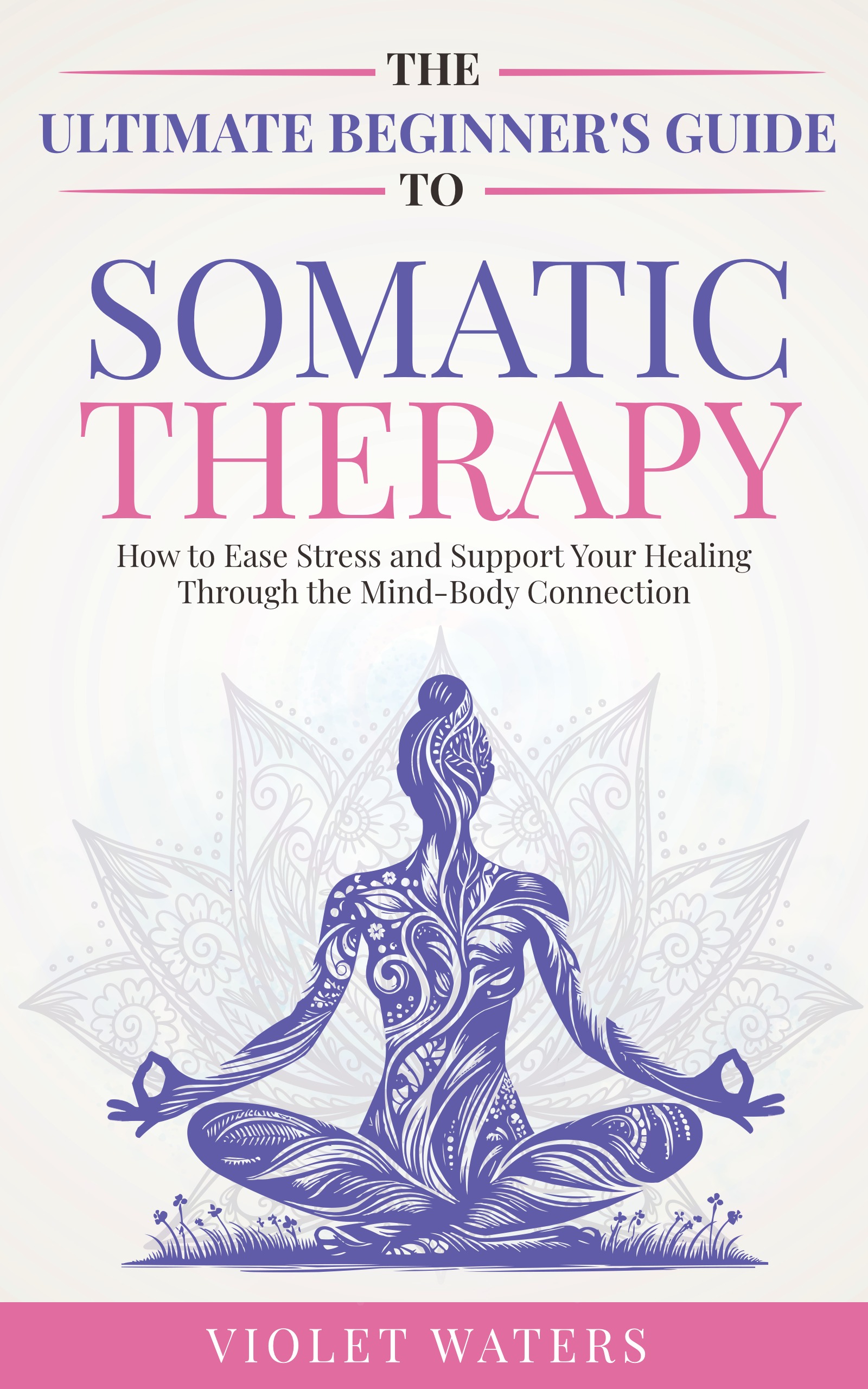

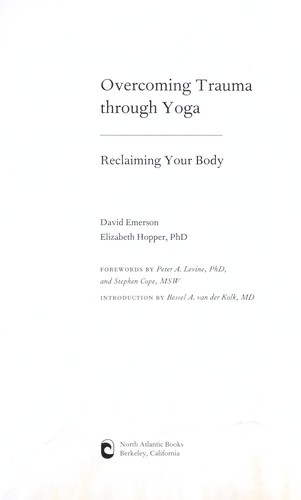
Overcoming Trauma through Yoga
David Emerson & Elizabeth Hopper, PhD
Evidence-based trauma-sensitive yoga program developed at the Trauma Center with Bessel van der Kolk.
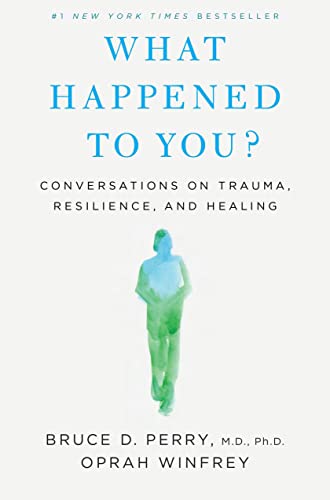
What Happened to You?
Bruce D. Perry, M.D., PhD & Oprah Winfrey
A conversational introduction to how early experience shapes us — reframing 'what's wrong with you' into 'what happened to you.'
As an Amazon Associate, Clarity House Press earns from qualifying purchases. Your price is never affected.
Found this helpful?
Share it with someone who might need it.
Tags
About the Author

Clarity House Press
Editorial Team
The editorial team at Clarity House Press curates and publishes evidence-based content on narcissistic abuse recovery, high-conflict divorce, and healing. Our content is informed by research, survivor experiences, and established trauma-informed approaches.
View all posts by Clarity House Press →Published by Clarity House Press Editorial Team