Please read our important disclaimers before using this content
Your ex claims you're unstable and neglectful. You know it's not true, but can you prove it? They say you denied them access to the children. Do you have records of every pickup attempt? They're telling their attorney you've been drinking excessively. Can you demonstrate otherwise?
In high-conflict divorce, your memory isn't evidence. Your lived experience isn't proof. Documentation is everything.1 Well-organized, contemporaneous records can mean the difference between being believed and being dismissed, between protecting your children and losing custody, between fair property division and financial devastation. For specific guidance on what to document when abuse occurred, see documenting abuse for court.
Why Documentation Matters
The Reality of High-Conflict Litigation
Courts rely on evidence, not intuition:
- Judges don't know you or your ex personally
- Can't determine credibility from brief court appearances
- Need objective evidence to decide disputed facts
- Default to documented timeline over "he said, she said"
High-conflict individuals manipulate the system:
- Make false allegations
- Deny documented facts
- Gaslight about what happened
- Present as reasonable while portraying you as unstable
- Exploit lack of documentation
Your word alone may not be enough:2
- Judges hear contradictory accounts every day
- Without evidence, they can't determine truth
- Documentation corroborates your account
- Creates pattern evidence that single incidents don't3
What Documentation Accomplishes
Proves patterns:3
- One incident might be explained away
- Documented pattern shows deliberate behavior
- Timeline reveals escalation or coordination
Protects against false allegations:
- Alibi evidence
- Disproves claims
- Shows your actual behavior contradicts allegations
Supports your claims:
- Validates abuse you've experienced
- Demonstrates parental alienation behaviors
- Shows financial misconduct
- Proves violations of court orders
Preserves evidence:
What to Document
:::my-story My Story: The Spreadsheet That Saved My Custody Case
For two years, I documented every single parenting time exchange. Date, time, who picked up, who dropped off, whether they were late, the kids' condition. My friends thought I was obsessive. My therapist worried I was becoming paranoid.
Then my ex filed for primary custody, claiming I was "constantly denying him access" and that I was "unstable and unreliable." His declaration listed specific dates I'd allegedly refused to let him see the kids.
I opened my spreadsheet. Every single date he claimed I denied access? He'd either cancelled via text, been a no-show, or been the one who offered to skip that exchange. I had screenshots of every text, photos timestamped at every exchange, and a witness (my neighbor) who could verify the pattern.
The judge looked at my documentation, looked at his vague accusations, and awarded me primary custody. My attorney told me later: "Your documentation won't win your case, but their lies will lose theirs—if you can prove they're lying."
I wasn't paranoid. I was protecting my children with the only weapon that works in family court: the truth, backed by evidence. :::
Communications
All contact with your ex:
- Text messages
- Emails
- Voicemails
- Social media messages
- Letters
- Communication through children (note what child said, when, context)
How to preserve:
- Screenshot texts (include date/time stamps)
- Don't delete anything (even if upsetting)
- Back up automatically (apps like Backup Plus for texts)
- Print/PDF email exchanges
- Save voicemails (use call recording apps only where legally permitted)
- Note in-person conversations immediately after they occur
- Harassing, threatening, or manipulative content
- Violations of court orders
- Evidence of substance use
- Parental alienation language
- Financial disclosure or withholding
- Denials later contradicted
Parenting Time and Custody Issues
Document every:
- Pickup and dropoff (time, location, who was there, condition of child)
- Denied or interfered-with parenting time
- Late pickups or returns
- Changes to schedule (who requested, reason, result)
- Child's reports about other parent's home
- Concerning physical or emotional state of child upon return
- Refusal of parenting time by other parent
How to document:
- Calendar or log (digital timestamped is best)
- Text confirmations of exchanges when possible
- Photos of child at pickup/return (if documenting condition)
- Witness statements from third parties present
What this proves:
- Your actual parenting time vs. what ex claims
- Pattern of interference
- Ex's lack of exercise of parenting time (if relevant)
- Impact on children
Concerning Behavior or Incidents
Types of incidents to document:
- Verbal abuse, threats, or intimidation
- Physical violence or intimidation
- Substance use you observe or child reports
- Dangerous behaviors (reckless driving with children, leaving children unsupervised)
- Child's distress related to other parent
- Violations of protective orders or court orders
- Property damage or theft
- Stalking or surveillance
How to document:
- Immediately after incident, write detailed account
- Include: Date, time, location, who was present, exactly what happened (as close to verbatim as possible), your response, any witnesses
- Photograph injuries or damage
- Seek medical attention (creates medical record)
- File police report if appropriate (even if no arrest, report is documentation)
- Tell therapist (creates therapy note)
Example format:
Date: January 15, 2026, 7:30 PM Location: My residence, 123 Main St People present: Me, Ex, children (in other room) What happened: Ex arrived for pickup 30 minutes late (scheduled for 7:00 PM per custody order). When I mentioned he was late, he said "You're such a controlling bitch. No wonder the kids don't want to be with you." He was slurring words and I smelled alcohol on his breath. I told him I didn't feel comfortable sending the children with him given his apparent intoxication. He screamed "You can't keep my kids from me!" and tried to push past me into the house. I stepped back and said I would call police if he didn't leave. He left, got in car and sped away (witnessed by neighbor Susan Jones, 125 Main St). My actions: Called my attorney (voicemail, 7:45 PM). Called Ex at 8:00 PM to arrange alternative pickup time when sober—he didn't answer. Sent text message offering makeup time (text saved). Children heard yelling and were upset—I reassured them and put them to bed. Neighbor Susan Jones texted me asking if I was okay (text saved). Follow-up: Informed my attorney next day. Filed declaration with court re: violation of custody order and safety concerns.
Financial Documentation
Track everything related to money:
- Bank statements (all accounts)
- Credit card statements
- Investment/retirement account statements
- Pay stubs and tax returns
- Business financial records
- Large purchases or unusual transactions
- Cash withdrawals
- Hidden accounts you discover
- Lifestyle expenses (if claiming poverty)
- Child support payments (every one, method, date)
- Spousal support payments
- Proves income (can't claim poverty if lifestyle doesn't match)
- Shows hidden assets
- Demonstrates financial misconduct
- Tracks child support compliance or non-compliance
- Prevents dissipation of assets
How to preserve:
- Download all statements going back 3-5 years
- Screenshot online accounts
- Request paper statements
- Pull credit reports annually
- Photograph large purchases or lifestyle inconsistent with claimed income
- Consider identity theft protection services like Aura or Norton LifeLock to monitor for unauthorized accounts or credit activity
Parental Alienation Behaviors
Document specific behaviors:6
- Badmouthing you to or in front of children
- Interfering with your communication with children
- Lying to children about you
- Encouraging child to reject or fear you
- Sharing inappropriate information (legal details, financial issues, adult relationship issues)
- Programming child with specific negative narratives
- Violating your parenting time
- Excluding you from school, medical, extracurricular involvement
Understanding covert parental alienation tactics can help you recognize and document the subtle behaviors courts often miss—these require specific documentation strategies because they don't leave obvious evidence.
How to document:
- Child's verbatim statements (immediately after hearing them)
- Text messages to/from ex about these issues
- Emails from school showing you're excluded
- Photos showing you weren't informed of events
- Therapy records (if child's therapist observes)
- Teacher, coach, or other provider statements
Example of child statement documentation:10
Date: January 20, 2026, 6:45 PM Child: Emma (age 9) Context: Emma returned from weekend with Dad, seemed withdrawn What she said (verbatim as much as possible): "Dad says you're trying to take me away from him and that's why we have to go to court. He says you don't love me as much as he does because you work too much. He asked me to tell the judge I want to live with him all the time." My response: "Grown-up problems are for grown-ups to solve. Dad and I both love you very much. You don't need to worry about court or tell the judge anything—that's for the grown-ups. Whatever happens, you'll have both of us in your life." Her response: "Dad said if I don't tell the judge I want to live with him, I might not get to see him anymore." My actions: Reassured Emma, avoided badmouthing her dad, documented this conversation, emailed my attorney.
Children's Wellbeing
Document both positive and concerning:
Positive documentation:
- Your involvement (school events, medical appointments, extracurriculars)
- Photos of time together
- Artwork, schoolwork, achievements
- Daily routines and care
- Birthday parties, holidays, special moments
Concerning documentation:
- Physical injuries (photos with date/timestamp)
- Emotional distress (specific behaviors, not just "seemed sad")
- Developmental regressions
- School problems that emerge after time with other parent
- Sleep disturbances, nightmares
- Statements about feeling unsafe
- Age-inappropriate knowledge or behavior
How to document:
- Photo/video (for positive memories and concerning physical evidence)
- Journal entries (dated, specific)
- Medical/therapy records
- School communications
- Childcare provider observations
Court Order Violations
Every violation, no matter how small:
- Late pickups/dropoffs
- Denied parenting time
- Communication violations
- Financial order violations (unpaid support)
- Protective order violations
- Required therapy or classes not attended
How to document:
- Calendar noting every violation
- Text/email evidence
- Photos (if relevant)
- Witness statements
- Police reports (if applicable)
Why small violations matter:
- Pattern of disregard for court orders
- Shows reliability or lack thereof
- Supports contempt motions
- Demonstrates character
How to Organize Documentation
Create a System Early
Digital filing system:
- Folder structure by category
- Chronological within folders
- Cloud-based for accessibility and backup (Google Drive, Dropbox, etc.)
- Encrypted if containing sensitive information
Example structure:
Divorce Documentation/
├── Communications/
│   ├── 2025-01-Texts/
│   ├── 2025-02-Texts/
│   ├── Emails-2025/
│   └── Voicemails/
├── Financial/
│   ├── Bank-Statements/
│   ├── Credit-Cards/
│   ├── Tax-Returns/
│   └── Hidden-Assets-Evidence/
├── Parenting-Time/
│   ├── Calendar-Log/
│   ├── Exchange-Photos/
│   └── Violations/
├── Incidents/
│   ├── 2025-01-15-Intoxicated-Pickup/
│   ├── 2025-02-03-Threatening-Texts/
│   └── [Date-Brief-Description]/
├── Children/
│   ├── Medical-Records/
│   ├── School-Records/
│   ├── Therapy-Notes/
│   └── Concerning-Statements/
├── Court-Documents/
│   ├── Orders/
│   ├── Pleadings/
│   └── Violations/
└── Professional-Reports/
    ├── Custody-Evaluation/
    ├── Therapy-Letters/
    └── Medical-Reports/
Naming Conventions
Use consistent file names:
- Format: YYYY-MM-DD_Category_Brief-Description
- Examples:
- 2026-01-15_Text_Threatening-Language.pdf
- 2026-01-20_ChildStatement_Coaching-Re-Court.docx
- 2026-01-25_Financial_Hidden-Account-Evidence.pdf
Why this helps:
- Chronological sorting
- Easy to locate specific documents
- Professional presentation to attorney/court
Maintain a Timeline or Index
Create master timeline:
- Date, category, brief description, location of documentation
- Allows quick reference
- Shows patterns over time
- Useful for attorney meetings and court prep
Example timeline entry:
Regular Backups
Protect your evidence:
- Cloud backup (automatic)
- External hard drive backup (monthly)
- Shared with trusted person or attorney (if safety concern)
- Print critical documents and store in safe location
Why multiple backups:
- Technology fails
- Accounts get hacked
- Fire/disaster
- Safety (ex may try to destroy evidence if accessed)
Safety Considerations for Documentation Systems
Protecting your documentation from discovery by your ex:
Digital security:
- Use strong, unique passwords your ex doesn't know
- Enable two-factor authentication
- Use encrypted cloud storage if possible
- Don't leave documentation open on shared devices
- Clear browser history if ex has access to your devices
- Consider separate device for documentation if possible
Physical security:
- Store printed documentation where ex cannot access
- Don't leave notebooks/journals where ex might find them
- If still living together, consider storing with trusted friend or attorney
- Be mindful of what children might inadvertently report
Economic considerations:
- Cloud storage and backups require technology access some survivors don't have
- Library computers can be used (but be aware of privacy limitations)
- Free cloud storage options exist (Google Drive, Dropbox free tier)
- Ask your attorney if their office can store physical copies
- Domestic violence organizations may provide resources
If you don't have access to technology:
- Handwritten documentation in a secure location is valid
- Date each entry
- Keep it somewhere safe (friend's house, attorney's office, safety deposit box)
- Take photos with a borrowed phone when possible
- Work with your attorney or advocate on low-tech documentation strategies
Best Practices for Documentation
Contemporaneous Documentation
Document as it happens or immediately after:14
- Memory fades quickly
- Details become unclear
- Contemporaneous records are more credible than reconstructed ones
Courts generally favor:5
- Dated journal entries made immediately after events
- Timestamped digital communications
- Medical/police/therapy records created at time of incident
Courts often question:4
- Reconstructed timelines created months later
- Suspiciously detailed memories of distant events
- Documentation that appears created solely for litigation purposes
Be Accurate and Specific
Specific details matter:
- Exact times, dates, locations
- Direct quotes when possible
- Names of witnesses
- Physical descriptions
- Objective observations, not just interpretations
❌ Vague/interpretive: "Ex was drunk and screamed at me."
✅ Specific/objective: "Ex arrived at 7:30 PM. I smelled alcohol on his breath, he was slurring words, and he was unsteady on his feet. He yelled, 'You're a controlling bitch' in a loud voice. Neighbor Susan Jones was outside and looked over."
Separate Observation from Interpretation
Document what happened, then your interpretation:
Observation: "Child returned from Dad's with bruise on upper arm, approximately 2 inches long and 1 inch wide, purple/blue in color."
Interpretation: "I don't know how this happened. Child said 'Daddy grabbed me' but didn't elaborate. I took photo and will follow up with pediatrician."
Not: "Dad obviously grabbed child hard enough to bruise her."
Why this matters:
- Credibility (you're reporting facts, not jumping to conclusions)
- Lets evidence speak for itself
- Avoids appearing biased or vindictive
Maintain Emotional Regulation in Documentation
Tone matters:
- Professional, factual tone
- Not vindictive, dramatic, or emotional
- Not minimizing serious issues either
In communications that will be evidence:
- Don't respond reactively to provocation
- Use Gray Rock method
- Imagine judge reading your response
Example:
❌ Reactive: "You're such an asshole! You were drunk AGAIN and you think you can just show up whenever you want?! I'm calling my lawyer and you'll NEVER see the kids unsupervised again!"
✅ Measured: "You arrived 30 minutes late and appeared to be intoxicated. I was not comfortable sending the children with you in that condition. I'm happy to arrange makeup time when you're available and sober. Please let me know your availability."
Both responses document the issue. Second response looks reasonable in court.
Don't Fabricate or Exaggerate
Absolute honesty:
- Don't embellish
- Don't create evidence that doesn't exist
- Don't lie about dates, times, or events
- Don't edit communications to make them look worse
Why:
- Credibility is everything
- Getting caught in one lie destroys all your evidence
- Opposing counsel will find inconsistencies
- Courts impose serious consequences for fabricated evidence, including dismissal of claims or sanctions
If you made a mistake in documentation:
- Correct it immediately
- Note the correction and reason
- Don't try to hide it
Legal and Ethical Considerations
Recording conversations:
- Check your state law (one-party vs. two-party consent states have different requirements)
- One-party consent states: You can record conversations you're part of
- Two-party consent states: All parties must consent to recording
- Illegal recordings are inadmissible and may expose you to criminal liability11
- Consult your attorney before recording any conversations
Accessing financial information:
- You have legal rights to access marital financial information during divorce
- Work with your attorney on proper discovery methods
- Don't access password-protected accounts without authorization, even if previously shared
- Don't hack, guess passwords, or use keyloggers—these methods are illegal
- Proper legal channels exist for obtaining financial documentation
Children's privacy and wellbeing:
- Recording children can be traumatic and ethically complex
- Consider the emotional impact on your child, not just evidentiary value
- Some courts view recording children negatively
- Balance documentation needs with child's emotional safety
- Consult your attorney and therapist before recording children
Destroying evidence (spoliation):
- Never delete, destroy, or alter evidence once litigation begins
- Courts can impose severe sanctions for spoliation, including:
- Adverse inference (assuming destroyed evidence was unfavorable to you)
- Dismissal of claims or defenses
- Monetary sanctions
- Even deleting texts or emails in normal course can be problematic once you know litigation is coming
- Preserve everything, even evidence that might seem unfavorable
Violating court orders:
- Never violate protective orders or custody orders, even to gather evidence
- Document violations by the other party legally
- Find legal alternatives with your attorney's guidance
Making Documentation Admissible in Court
Understand Rules of Evidence
Work with your attorney on:
- What's admissible in your jurisdiction
- How to authenticate documents
- Proper format for presentation
- Whether exhibits need special preparation
General principles:
- Must be relevant to issues in your case
- Must be authentic (you must prove it's real and unaltered)
- Generally can't be hearsay (statements made outside court offered for truth)
- Can't be overly prejudicial compared to probative value2
Important hearsay exceptions that may apply:
- Business records (regularly kept records made in normal course)
- Excited utterances (statements made immediately after startling event)
- Statements against interest
- Medical records and treatment notes
- Prior inconsistent statements (may be used to impeach)
Note: Family court often has more relaxed evidentiary rules than criminal court, but standards still apply. Your attorney will guide you on what's admissible in your specific case.
Authenticating Digital Evidence
For texts, emails, social media:1213
- Screenshots with date/time/sender visible
- Affidavit explaining how you obtained
- Original device may need to be produced
- Metadata can be requested
Professional presentation:
- Clear, readable copies
- Organized chronologically
- Indexed or tabbed
- Highlighted relevant portions (if voluminous)
Using Documentation Strategically
Don't overwhelm:
- Curate most relevant evidence
- Show patterns, not every instance
- Representative examples of categories
Tell a story:
- Chronological presentation
- Clear connection between evidence and claims
- Pattern over isolated incidents
For guidance on the specific evidence that matters most to judges in abuse cases, see what evidence actually matters in court for documenting abuse.
Prepare attorney:
- Organized exhibits ready for attorney review
- Index or summary of what you have
- Highlight most critical pieces
When Documentation Isn't Enough
Some things are hard to document:
- Covert abuse
- Gaslighting
- Emotional manipulation
- Things said with no witnesses
- Subtle patterns of control
Supplement with:
- Expert testimony (therapist, custody evaluator who can speak to patterns)
- Your testimony (credibility matters—your consistent, factual account carries weight)
- Circumstantial evidence
- Pattern evidence showing behavior over time
Therapist records as corroboration: Your contemporaneous reports to your therapist create a record even when you can't record the abuser directly. However, understand that:
- Therapist notes are hearsay and may not be admissible for truth of what you reported
- They CAN show your consistent reporting over time
- They may be admissible to show your state of mind or emotional distress
- Some jurisdictions allow therapist testimony about patterns they've observed
- Work with your attorney on how therapy records can support your case
The Emotional Toll of Documentation
This work is exhausting:
Living in high-conflict divorce while constantly documenting is re-traumatizing.147 You're forced to stay vigilant, to relive incidents as you document them, to maintain hypervigilance about what might be used against you.
Signs documentation is becoming harmful:
- You can't sleep because you're obsessively reviewing documentation
- You're documenting every tiny interaction, losing perspective
- You feel paranoid or unable to be present with your children
- Documentation has become a compulsion rather than protection
Balance is essential:
- Document what's legally significant, not every minor irritation
- Set boundaries (e.g., "I document once daily, not in real-time")
- Work with your therapist on managing the emotional impact
- Remember documentation is a tool, not an identity
You deserve support: The need for extensive documentation is a symptom of the dysfunction you're dealing with. It's not normal or fair that you must operate this way. Seek support for the emotional burden this places on you.
Your Next Steps
Start immediately:
- Set up filing system today
- Begin documenting going forward (don't try to reconstruct past)
- Back up existing evidence
Gather existing documentation:
- Bank statements
- Old texts/emails (before you knew to save them)
- Photos
- Medical records
- School records
- Police reports
Create habits:
- Daily review of what needs documenting
- Weekly organization of new documentation
- Monthly backup
Consult attorney:
- What's most important to document given the specific issues in your case
- How to present documentation effectively in your jurisdiction
- What types of evidence are most persuasive for your particular judge
- Whether your documentation system meets legal standards for admissibility
- How to fill gaps in your evidence
Key Takeaways
- Documentation is your protection against false allegations and "he said, she said" disputes
- Document all communications, parenting time, incidents, financial information, and court order violations
- Contemporaneous, specific, factual documentation is most credible
- Organize systematically with multiple backups for security
- Separate observation from interpretation to maintain credibility
- Maintain emotional regulation even in documented communications
- Never fabricate or exaggerate—credibility is everything
- Understand recording laws (one-party vs. two-party consent) and spoliation rules
- Protect your documentation system from ex's access with digital and physical security
- Be aware of the emotional toll—documentation is exhausting and re-traumatizing
- Balance thoroughness with self-care; document what's legally significant, not every irritation
- Work with your attorney on what's admissible and most persuasive in your jurisdiction
- Economic barriers exist—work with advocates if you lack technology access
- Start now—you can't go back and document what already happened
In high-conflict divorce, documentation isn't paranoia—it's protection. It's the difference between being believed and being dismissed. Between proving parental alienation and being accused of it yourself. Between demonstrating financial misconduct and watching marital assets disappear.
Yes, this work is exhausting. Yes, it's re-traumatizing to constantly document abuse and dysfunction. Yes, it's unfair that you must operate this way while your ex can be reckless with the truth. But in a system that values evidence over intuition, documentation is often the only protection against false allegations and gaslighting.
Start now, document consistently, organize thoroughly, preserve everything—and take care of yourself in the process. Balance thoroughness with self-care. Work with your therapist on managing the emotional toll. Remember that documentation is a tool for protection, not a measure of your worth or sanity.
Your future self—and your attorney—will thank you.
Resources
Documentation Tools and Apps:
- TalkingParents - Unalterable records of communication for evidence
- OurFamilyWizard - Court-admissible documentation and communication platform
- Cozi Family Organizer - Track schedules, expenses, and parenting time
- Google Keep - Free timestamped notes and documentation
Legal Support and Family Law Resources:
- American Bar Association - Family Law Section - Find family law attorneys
- LawHelp.org - Free and low-cost legal assistance by state
- WomensLaw.org - State-specific family law information and evidence requirements
- Nolo - Legal guides for divorce and custody documentation
Crisis Support and Domestic Violence Resources:
- National Domestic Violence Hotline - 1-800-799-7233 (evidence collection for abuse cases)
- One Mom's Battle - High-conflict divorce documentation strategies
- SAMHSA Helpline - 1-800-662-4357 (mental health support during divorce)
- r/Divorce - Community support and documentation advice
References
Federal Rules of Evidence and Recording Laws
-
Rule 401 (Relevant Evidence) and Rule 403 (Excluding Relevant Evidence on Grounds of Prejudice) govern admissibility of documentation in federal court proceedings.
-
Federal statute establishing one-party and two-party consent requirements for recording conversations and the criminal penalties for illegal interception of communications.
-
Establishes standards for authenticating digital communications (texts, emails, social media) as evidence in court proceedings without requiring live testimony.
Memory, Cognition, and Evidence Reliability
-
Neuroscience research demonstrating the fallibility of human memory and why contemporaneous documentation is significantly more reliable than recalled accounts. Documents how memory degrades over time and how memory can be influenced by emotional state.
-
Landmark research on false memories and eyewitness unreliability in judicial settings. Establishes that memory reconstructed months or years after events is significantly less reliable than contemporaneous documentation, supporting the importance of immediate documentation in divorce proceedings.
-
Research on reliability of child statements and reports of traumatic events, relevant to documenting children's statements about experiences with either parent and understanding how children's accounts may be shaped by stress, coaching, or memory limitations.
Pattern Evidence and Parental Alienation
-
Qualitative study of family court judges' reasoning about parental alienation evidence, demonstrating how documentation of patterns of behavior (rather than isolated incidents) influences judicial decision-making in custody disputes.
-
Meta-analytic review of parental alienation research, documenting specific behaviors that constitute alienation and supporting the importance of documenting patterns of these behaviors (badmouthing, interference with communication, lying to children) in custody disputes.
Intimate Partner Violence and Family Court Processes
-
Qualitative study of intimate partner violence survivors' experiences navigating family court, documenting the re-traumatization associated with litigation and the importance of having objective evidence (documentation) to counter credibility challenges common in high-conflict cases.
-
Research on risk assessment in intimate partner violence cases, establishing that documentation of escalating patterns of controlling behavior, threats, and abuse is critical for safety planning and informing judicial decision-making in custody and protective order cases.
Digital Evidence and Authentication
-
Federal guidance on authentication of digital evidence (texts, emails, social media communications) in court proceedings. Provides standards for preserving metadata, maintaining chain of custody, and presenting digital evidence professionally to maximize admissibility.
-
Technical resource on digital evidence preservation, authentication, and reliability. Establishes standards for documenting how digital evidence was obtained and preserved, important for maintaining credibility when presenting texts, emails, and other digital communications in court.
Family Court Decision-Making and Evidence
-
Research on judicial decision-making in custody disputes, documenting that courts heavily rely on evidence of parenting behavior, patterns of involvement, and demonstrated ability to meet children's needs—all factors best established through systematic documentation.
-
Longitudinal research on outcomes of custody and divorce arrangements, emphasizing the long-term importance of judicial decisions based on accurate evidence and reliable documentation of parental capacity and child welfare.
References
- Federal Rules of Evidence. Legal Information Institute, Cornell Law School. Available at: https://www.law.cornell.edu/rules/fre ↩
- 18 U.S.C. Section 2511 - Interception and disclosure of wire, oral, or electronic communications prohibited. Legal Information Institute, Cornell Law School. Available at: https://www.law.cornell.edu/uscode/text/18/2511 ↩
- Federal Rules of Evidence, Rule 902: Evidence That Is Self-Authenticating. Legal Information Institute, Cornell Law School. Available at: https://www.law.cornell.edu/rules/fre/rule_902 ↩
- Wixted, J. T., & Wells, G. L. (2014). The Neuroscience of Memory: Implications for the Courtroom. Nature Reviews Neuroscience, 15(11), 730-736. PMC. Available at: https://pmc.ncbi.nlm.nih.gov/articles/PMC4183265/ ↩
- Loftus, E. F. (2015). The fallibility of memory in judicial processes: Lessons from the past and their modern consequences. Memory, 23(1), 1-10. PMC. Available at: https://pmc.ncbi.nlm.nih.gov/articles/PMC4409058/ ↩
- Brainerd, C. J., & Reyna, V. F. (2012). Reliability of Children's Reports on Traumatic and Stressful Events. Psychological Bulletin, 138(3), 458-496. PMC. Available at: https://pmc.ncbi.nlm.nih.gov/articles/PMC3292738/ ↩
- Lorandos, D., et al. (2022). How Do Family Court Judges Theorize about Parental Alienation? A Qualitative Exploration of the Territory. International Journal of Environmental Research and Public Health, 19(13), 7788. PMC. Available at: https://pmc.ncbi.nlm.nih.gov/articles/PMC9266076/ ↩
- Harman, J. J., et al. (2018). Parental Alienating Behaviors: An Unacknowledged Form of Family Violence. Psychological Bulletin, 144(12), 1275-1299. PMC. Available at: https://pmc.ncbi.nlm.nih.gov/articles/PMC6228836/ ↩
- Rivera, M. T., et al. (2023). Intimate Partner Violence Survivors' Perspectives on Coping With Family Court Processes. Violence Against Women, 30(3-4), 877-899. PMC. Available at: https://pmc.ncbi.nlm.nih.gov/articles/PMC10666492/ ↩
- Campbell, J. C., et al. (2007). Assessing Risk Factors for Intimate Partner Homicide. National Institute of Justice Journal, 250, 14-19. National Institute of Justice. Available at: https://www.ojp.gov/pubs/227667 ↩
- Digital Evidence in the Courtroom: A Guide For Law Enforcement and Prosecutors. Office of Justice Programs, U.S. Department of Justice. Available at: https://www.ojp.gov/ncjrs/virtual-library/abstracts/digital-evidence-courtroom-guide-law-enforcement-and-prosecutors ↩
- Carrier, B. (2005). File System Forensic Analysis. Addison-Wesley Professional. ISBN: 0-321-20861-5 ↩
- Buchanan, A., et al. (2001). Custody Disputes: What Do Children Need? Family Court Review, 39(2), 153-161. PubMed. Available at: https://pubmed.ncbi.nlm.nih.gov/11268264/ ↩
- Wallerstein, J. S., et al. (2000). The Unexpected Legacy of Divorce: A 25-Year Landmark Study. Hyperion Publishing. ISBN: 0-7868-8558-4 ↩
Recommended Reading
From Clarity House Press — plus trusted books for deeper understanding

Divorce & Money
Violet Woodhouse, CFP & Lina Guillen, Esq.
Comprehensive Nolo guide covering property division, credit, tax, alimony, and child support.
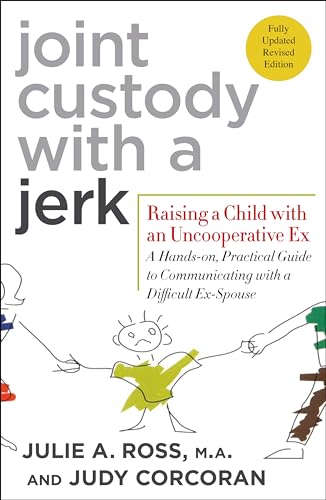
Joint Custody with a Jerk
Julie A. Ross, MA & Judy Corcoran
Proven communication techniques for co-parenting with an uncooperative ex.
BIFF: Quick Responses to High-Conflict People
Bill Eddy, LCSW Esq.
Brief, Informative, Friendly, and Firm responses for dealing with high-conflict people.

Divorcing a Narcissist: Advice from the Battlefield
Tina Swithin
Practical follow-up with battlefield-tested advice for navigating custody with a narcissistic ex.
As an Amazon Associate, Clarity House Press earns from qualifying purchases. Your price is never affected.
Found this helpful?
Share it with someone who might need it.
About the Author

Clarity House Press
Editorial Team
The editorial team at Clarity House Press curates and publishes evidence-based content on narcissistic abuse recovery, high-conflict divorce, and healing. Our content is informed by research, survivor experiences, and established trauma-informed approaches.
View all posts by Clarity House Press →Published by Clarity House Press Editorial Team