Please read our important disclaimers before using this content
Things have gotten worse. Your ex's behavior is escalating, your child is struggling, and the current custody arrangement isn't working. You want to file for modification—but your attorney warns that filing too soon could backfire, while waiting too long might let the situation deteriorate further.
When is the right time to file? What constitutes "substantial change in circumstances"? And how do you build a modification case that courts will take seriously rather than dismiss as parental conflict? First, understand that documentation is the foundation of any successful modification case—you need a paper trail before you file, not after.
Understanding Substantial Change in Circumstances
Every state requires you to prove a "substantial" or "material" change in circumstances before a court will modify custody.1 The bar is intentionally high—courts want custody arrangements to be stable, not constantly relitigated.
What Qualifies as Substantial Change
Courts generally recognize these categories:
Child's developmental needs have changed significantly:
- Starting school requires different schedule
- Teenager needs more involvement in activities near one parent's home
- Child's special needs require different parenting resources
- Medical or mental health issues require proximity to specific services
Parent's circumstances have materially changed:
- Relocation of significant distance
- New work schedule making current arrangement impossible
- Remarriage creating instability or concerning stepparent dynamics
- Development of substance abuse or mental health crisis
- New domestic violence incidents
Child's safety or wellbeing is at risk:
- Evidence of abuse or neglect. When abuse is the basis for modification, see our guide on documenting abuse for court to understand what evidence standards apply.
- Parental alienation interfering with parent-child relationship
- Parent consistently violating court orders
- Child showing signs of trauma, regression, or distress2
The existing order has become unworkable:
- Parents no longer live in same geographic area
- Child's schedule conflicts make current plan impossible
- One parent consistently unavailable during scheduled time
What Does NOT Qualify
Courts regularly reject modifications based on:
- General dissatisfaction with other parent's lifestyle
- New romantic partner you disapprove of (absent safety concerns)
- Different parenting philosophies (discipline, bedtime, diet)
- Minor schedule inconveniences
- Your own changed circumstances that don't affect the child
- Hoping for a "better" judge or outcome
The standard: The change must be substantial enough that if the court had known about it at the original hearing, it would have issued a different order.
Strategic Timing Considerations
Filing at the right time can make the difference between a successful modification and wasted legal fees.
The Documentation Window
Minimum timeline: Most successful modifications require 3-6 months of documented pattern before filing. One incident usually isn't enough—you need to show a pattern of behavior or persistent change.
Exception for safety issues: If there's immediate danger, file an emergency motion immediately. Don't wait to "build a case" if a child is at risk.
The documentation checklist:
- Dated records of concerning incidents (minimum 8-12 incidents)
- Communication records showing pattern of behavior
- School reports, medical records, therapy notes showing impact on child
- Police reports, protective orders, or CPS involvement (if applicable)
- Records of missed parenting time or order violations
- Witness statements from neutral third parties (teachers, doctors, therapists)
Avoiding the "Too Soon" Trap
Courts are skeptical of modifications filed shortly after an original order. Here's why timing matters:
The 6-month rule (informal but real): Many courts view modifications filed within 6 months of the original order as relitigating rather than true changed circumstances—unless there's a genuine emergency.
The relitigation appearance: Filing too quickly makes you look like a difficult co-parent who won't accept court decisions. This damages your credibility for future filings.
Insufficient evidence: You need time to document patterns. Single incidents get dismissed; patterns get taken seriously.
Waiting strategically shows:
- You gave the arrangement a genuine try
- The problems are persistent, not temporary adjustment issues
- You're acting in child's best interest, not your own frustration
Knowing When You've Waited Too Long
Waiting too long also creates problems:
You've normalized the dysfunction: If you've tolerated concerning behavior for 2+ years without objecting, courts question whether it's truly harmful.
The child has adjusted: If the child seems to be coping despite your concerns, courts are reluctant to disrupt established routine.
Evidence goes stale: Incidents from 18+ months ago carry less weight than recent patterns.
Your credibility suffers: "If this was really such a problem, why did you wait so long to address it?"
The sweet spot: File when you have 3-6 months of documented pattern but before the situation has persisted for more than a year without action.
Building Your Case Before Filing
Smart parents build their case methodically before filing—so when they do file, they have overwhelming evidence.
The 90-Day Documentation Sprint
Three months before filing, intensify your documentation:
Daily log maintained religiously:
- Date, time, specific observable facts
- Impact on child (emotional state, statements, behaviors)
- Your response and attempts to address the issue
- Any communication with other parent about the concern
Gather third-party corroboration:
- Request records from school (attendance, behavior reports, academic performance)
- Get statements from child's therapist (if applicable)
- Document conversations with pediatrician about concerning symptoms
- Collect emails from teachers, coaches, or other adults who interact with child
- Photograph evidence (injuries, unsafe conditions, concerning messages)
Create a timeline document:
- Chronological list of all relevant incidents
- Cross-referenced to supporting documentation
- Organized by category (safety concerns, parental alienation, order violations)
- Includes page numbers for exhibits
Communicate strategically:
- Use written communication (email, co-parenting app) to create record
- Raise concerns clearly and professionally
- Document other parent's responses (or lack thereof)
- Avoid inflammatory language—write as if the judge will read it
The Evidence Quality Test
Before filing, review your evidence with brutal honesty:
Can you prove it?
- Do you have documentation, or just your word against theirs?
- Are third parties willing to testify or provide statements?
- Is the evidence admissible in court?
Does it show pattern or isolated incident?
- One missed pickup isn't enough; 15 documented instances is compelling
- Single argument about medical care differs from persistent refusal to cooperate
Is it about the child or about you?
- "Child is struggling in school and showing anxiety" (child-focused)
- "Ex won't listen to my parenting suggestions" (parent-focused)
Would a neutral observer find this concerning?
- Ask your attorney, therapist, or trusted friend to review objectively
- If they're not convinced, the judge won't be either
Timing Around Specific Trigger Events
Certain events create natural windows for modification filings.
Child Development Milestones
Starting kindergarten: Major transition that may require schedule changes. Courts are receptive to modifications around school start, especially if parents live in different districts.3
Best timing: File 3-4 months before school starts, showing you attempted to reach agreement and have legitimate scheduling concerns.
Entering adolescence: Teenagers' needs differ from elementary-age children. Courts recognize that teens need:
- More input into their schedule
- Stability in one location for peer relationships
- Consistent base for extracurriculars
- Less frequent transitions between homes
Best timing: Document child's struggles with current arrangement over 6-12 months, including child's own statements (if age-appropriate), impact on school performance or peer relationships.
Geographic Relocation
Other parent relocating: Creates automatic grounds for modification. You don't need to prove substantial change—relocation itself changes circumstances.
Timeline:
- Other parent must provide notice (typically 60-90 days depending on state)
- You have limited time to object or seek modification
- File your response/counter-motion immediately upon receiving notice
Your own relocation: If you're moving, you typically need court permission if you have custody. File as soon as you know about the move—courts don't look kindly on moving first and asking permission later.
Safety-Related Events
New domestic violence: File immediately if there's a new incident, especially if:
- Police were called (obtain police report immediately)
- Protective order was issued
- Children were present or targeted4
Substance abuse relapse: If parent with history of substance abuse relapses:
- Document specific observable behaviors (not hearsay)
- Obtain police reports if DUI or arrest occurred
- Request drug testing in your motion
- File as soon as you have evidence, not suspicions
Mental health crisis: If parent experiences psychiatric emergency:
- Hospitalization records (if obtainable)
- Observable behavior around children
- Professional recommendations about parenting capacity
- File when you have professional assessment, not just concerning behavior
Order Violation Patterns
Chronic missed parenting time: Don't file after one or two misses. Wait until you have pattern:
- Minimum 8-10 documented instances over 3-4 months
- Good faith attempts to address with other parent
- Impact on child (disappointment, anxiety about whether parent will show)
- Other parent's explanations and whether legitimate
Consistent tardiness: Similar approach—document pattern before filing:
- 15+ instances of significant lateness (30+ minutes)
- Impact on child (missing activities, disrupted sleep, anxiety)
- Your attempts to accommodate and other parent's response
Strategic vs. Reactive Filing
The difference between strategic and reactive filing often determines the outcome.
Reactive Filing (Usually Fails)
Characteristics:
- Filed in anger after specific incident
- Minimal documentation or evidence
- Primarily focused on other parent's flaws
- Emotion-driven rather than child-focused
- Filed without consulting attorney or against attorney's advice
Why courts dismiss these:
- Appears retaliatory rather than in child's best interest
- Lacks evidence of persistent problem
- Suggests parent conflict rather than legitimate concern
- Wastes court resources
The cost:
- Legal fees with nothing to show for it
- Damaged credibility for future filings
- Appearing difficult or vindictive in court record
- Other parent gains ammunition ("look how unreasonable they are")
Strategic Filing (More Likely to Succeed)
Characteristics:
- Months of documentation preceding filing
- Clear articulation of how change serves child's best interest
- Multiple types of evidence (records, witnesses, professional opinions)
- Specific, actionable relief requested
- Professional tone in all pleadings
- Attorney input on timing and approach
Why courts take these seriously:
- Shows parent attempted other solutions first
- Evidence demonstrates persistent pattern, not isolated incident
- Child-focused rather than parent-focused
- Clear connection between requested change and child's welfare
Jurisdiction-Specific Timing Rules
Many states have specific rules about when modifications can be filed.
Mandatory Waiting Periods
Two-year rule (common): Many states prohibit modification motions within two years of the original order unless:
- Child's health or safety is at risk
- Custodial parent agrees to modification
- Custodial parent moved to another state
- Court makes specific finding that waiting two years would harm child5
States with two-year restrictions include: Colorado, Louisiana, Missouri, Montana, Oklahoma, Oregon, Tennessee, Washington
One-year rule (less common): Some states require one-year waiting period with similar exceptions.
No waiting period: Some states allow modifications anytime if you prove substantial change in circumstances.
Check your jurisdiction: This is critical—filing before the mandatory waiting period expires means automatic dismissal unless you qualify for exception.
Exception Strategies
If you're within the waiting period but need to file:
Document immediate risk: Gather evidence that waiting would cause significant harm to child. This is a higher standard than typical substantial change—you need to show:
- Specific, articulated harm
- Professional opinions supporting urgency
- Evidence that situation is deteriorating rapidly
Consider contempt motion instead: If other parent is violating existing orders, contempt enforcement may be available even during waiting period.
Negotiate agreement: If both parents agree to modification, courts usually approve even within waiting period.
Red Flags: When NOT to File
Sometimes the strategic move is waiting longer—or not filing at all.
Your Case Isn't Ready
Don't file if:
- You have complaints but little documentation
- Evidence is primarily your own testimony
- You can't articulate specific harm to child
- Your attorney is telling you to wait (listen to them)
- You're filing out of frustration rather than documented concern
Better approach: Spend next 90 days building proper documentation, then reassess.
You're Responding to Bait
Narcissistic and high-conflict co-parents often provoke you into filing weak modifications that damage your credibility.
Common baiting tactics:
- Minor infractions designed to upset you
- Inflammatory emails meant to trigger emotional response
- Strategic rule-breaking that's annoying but not legally significant
- Deliberate inconsistency to keep you off-balance
How to spot the trap:
- You feel urgent need to "do something" right now
- Filing would be primarily to prove you're right
- The issue bothers you more than it affects your child
- Your attorney seems less concerned than you are
Better approach: Document the pattern without filing. Let them accumulate evidence against themselves. File when you have overwhelming case, not when you're provoked.
The Timing Will Hurt Your Case
Even with legitimate concerns, timing can undermine you:
Right after you lost a motion: Filing new modification immediately after court ruled against you looks like forum shopping or inability to accept adverse ruling.
During your parenting time: Filing right before or during your own parenting time suggests you're trying to reduce other parent's time rather than address legitimate concern.
After other parent filed first: Responding with your own modification motion can appear retaliatory unless you have independent grounds.
Better approach: Wait enough time that filing doesn't appear reactive to other event.
Building the Filing Timeline
When you've determined it's time to file, work backward from filing date to ensure everything is in place.
The 6-Week Pre-Filing Checklist
Week 1-2: Attorney consultation
- Provide all documentation to attorney
- Review evidence together
- Confirm you meet substantial change standard
- Discuss realistic outcomes and legal fees
- Decide on specific relief you're requesting
Week 3-4: Final evidence gathering
- Obtain any remaining records (school, medical, etc.)
- Prepare witness declarations
- Organize exhibits and create index
- Draft timeline of events
- Take photographs of any physical evidence
Week 5: Document preparation
- Attorney drafts motion and supporting documents
- You review carefully for accuracy
- Prepare your own declaration/affidavit
- Organize exhibits in order they'll be referenced
Week 6: Filing and service
- File motion with court
- Serve other parent per court rules
- Prepare for other parent's likely response
- Begin preparing for hearing
The Post-Filing Timeline
Understand what happens after you file:
Immediate (0-7 days):
- Other parent receives service of motion
- Expect emotional reaction and possible retaliation
- Maintain excellent documentation of all interactions
- Follow existing orders meticulously
Short-term (2-4 weeks):
- Other parent files response
- Court may schedule hearing or require mediation first
- Continue gathering evidence up to hearing date
- Prepare for temporary hearing if emergency relief requested
Medium-term (2-6 months):
- Mediation attempts (often required)
- Discovery process (document requests, depositions)
- Possible custody evaluation ordered
- Temporary orders hearing if needed
Long-term (6-12 months):
- Final hearing or trial
- Court's decision
- Implementation of new orders
- Monitoring compliance with modified arrangement
My Story: The Modification I Almost Filed Too Soon
Six weeks after our custody order was finalized, my ex started systematically violating it. Every transition was late. He refused to communicate about our daughter's medical appointments. He bad-mouthed me to our daughter constantly.
I wanted to file for modification immediately. I was convinced the judge would see what he was doing and fix it.
My attorney talked me off the ledge: "You're right that he's violating the order. But if you file a modification motion right now, you'll look like a sore loser who can't accept the judge's decision. And you don't have enough documentation yet to prove a pattern."
Instead, we documented everything religiously for four months. Every late pickup, every alienating comment our daughter repeated, every refused co-parenting communication. We took screenshots, saved emails, kept a detailed log.
When we finally filed, we had 48 documented incidents across four categories. The judge took one look at our evidence and said, "This is exactly the kind of case that warrants modification."
We got supervised transitions, a co-parenting app requirement, and make-up time for every missed visit. But none of that would have happened if I'd filed in week six with nothing but anger and two incidents to show for it.
The lesson: Your rage is valid. Your concerns are probably legitimate. But courts don't operate on emotion—they operate on documented evidence and legal standards. Wait until you have both. Our article on when and how to file emergency custody motions covers the specific situations where waiting is not an option.
When Emergency Filing is Appropriate
Sometimes waiting is dangerous. Here's when to file immediately, documentation be damned.
True Emergencies Requiring Immediate Filing
Imminent physical danger:
- Credible threats of harm to child or parent
- Escalating violence with weapons involved
- Active substance abuse with child in care
- Unsafe living conditions (no heat in winter, dangerous structural problems)
Immediate flight risk:
- Threats to take child out of state or country
- Passport obtained without your knowledge
- Conversations about "disappearing"
- Connections to foreign country where Hague Convention doesn't apply6
Active abuse situation:
- Child discloses physical or sexual abuse
- Visible injuries that can't be explained
- CPS investigation opened
- Protective order issued against other parent
How Emergency Motions Work
Expedited timeline:
- File motion requesting emergency/temporary orders
- Court typically hears within 7-14 days (sometimes 48 hours)
- Lower evidence standard than final modification
- Focus on immediate safety rather than long-term change
What you'll need:
- Declaration under penalty of perjury detailing emergency
- Any available evidence (photos, medical records, police reports)
- Specific temporary relief requested
- Explanation why child can't safely wait for regular hearing
Realistic outcomes:
- Temporary suspension of other parent's parenting time
- Supervised visitation pending investigation
- Geographic restrictions on child's movement
- Immediate custody transfer pending final hearing
- Drug/alcohol testing ordered
What won't happen:
- Permanent custody change before full hearing
- Long-term orders based on one incident
- Complete termination of parental rights
Making Your Decision: The Strategic Analysis
Before filing any modification, run through this decision tree:
1. Do I meet the legal standard?
- Is there substantial change in circumstances?
- Am I outside any mandatory waiting period, or do I have qualifying exception?
- Can I prove my claims with admissible evidence?
If NO to any of these: Don't file yet.
2. Do I have sufficient documentation?
- Pattern of behavior (minimum 3 months of incidents)?
- Third-party corroboration?
- Professional opinions supporting concerns?
- Timeline and organized exhibits ready?
If NO to any of these: Spend next 90 days documenting, then reassess.
3. Is the timing strategic?
- Am I filing proactively rather than reactively?
- Has enough time passed since last court involvement?
- Is this the right point in school year/child's development?
- Will my filing appear reasonable to neutral observer?
If NO to any of these: Wait for better timing.
4. What are my realistic chances?
- Does my attorney think this will succeed?
- Can I afford this financially and emotionally?
- What happens if I lose?
- Is there a less adversarial way to address the concern?
If chances are poor or costs outweigh benefits: Consider alternatives.
5. Am I prepared for the aftermath?
- How will other parent respond?
- Can I maintain documentation throughout process?
- Am I prepared for 6-12 month timeline?
- What's my plan if I don't get the outcome I want?
If NO to any of these: Strengthen your preparation before filing.
Alternatives to Filing
Sometimes the better move is trying other approaches first.
Less Adversarial Options
Request mediation: Many jurisdictions offer co-parenting mediation outside of court proceedings.7 Benefits:
- Faster and cheaper than modification motion
- Preserves co-parenting relationship better
- Can reach creative solutions court wouldn't order
- Creates record of your attempts to resolve issues
Propose stipulated modification: If you can get other parent to agree:
- Draft proposed new order together
- Submit to court as agreed stipulation
- Usually rubber-stamped by judge
- Avoids litigation costs and conflict
Use existing enforcement mechanisms:
- Contempt motions for order violations (often easier to prove than modification grounds)
- Parenting coordinator to address day-to-day disputes
- Custody evaluator recommendation for changes
Address through therapy:
- Child's therapist recommendations can influence future modifications
- Co-parenting therapy documents your efforts
- Creates neutral professional witness for later
When to Pursue Alternatives
Consider non-filing approaches if:
- Issues are primarily scheduling or logistical
- Other parent might agree to reasonable changes
- You need to show "good faith efforts" before filing
- You can't afford modification litigation right now
- Child's immediate safety isn't at risk
The Bottom Line
Strategic timing for custody modifications requires balancing urgency against evidence, your legitimate concerns against the court's skepticism, and your emotional needs against legal reality.
File immediately when:
- Child's safety is at genuine risk
- You have overwhelming evidence of substantial change
- Other parent has relocated or circumstances changed dramatically
- You're outside waiting periods with documented pattern
Wait and document when:
- You have concerns but insufficient proof
- Timing appears reactive or retaliatory
- You're still within mandatory waiting period without emergency exception
- Alternative approaches might work
Don't file if:
- You're acting on anger rather than evidence
- Your case doesn't meet substantial change standard
- Timing will undermine your credibility
- Your attorney advises against it
The truth nobody tells you: Most successful modifications result from months of patient, strategic documentation followed by precisely timed filing. Courts reward parents who demonstrate restraint, good faith efforts, and child-focused decision-making.
Your frustration is valid. The situation may genuinely be harmful. But filing before you're ready wastes money and credibility you can't afford to lose. When you do file, make it count.
Your Next Steps
If you're considering modification:
- Consult an experienced family law attorney - before starting documentation campaign
- Start documentation system today - even if you won't file for months
- Research your state's specific rules - about waiting periods and substantial change standards
- Identify potential third-party witnesses - who can corroborate your concerns
- Create timeline of concerning incidents - to identify whether you have pattern or isolated events
If you're in crisis:
- National Domestic Violence Hotline: 1-800-799-7233
- Childhelp National Child Abuse Hotline: 1-800-422-4453
Resources
Legal Support and Custody Modification:
- LawHelp.org - Free and low-cost legal assistance by state for custody modifications
- American Bar Association - Family Law - Find custody modification attorneys
- National Center for State Courts - State-specific modification standards and timing requirements
- WomensLaw.org - State custody laws and strategic timing guidance
Documentation and Evidence Resources:
- TalkingParents - Unalterable communication records for modification evidence
- OurFamilyWizard - Court-admissible documentation of custody issues and timing
- One Mom's Battle - High-conflict custody modification strategies and timing
- Child Welfare Information Gateway - Best interests standards and modification criteria
Crisis Support and Professional Help:
- National Domestic Violence Hotline - 1-800-799-7233 (custody-related abuse and timing decisions)
- Psychology Today - Family Law Therapists - Find custody evaluation professionals
- SAMHSA Helpline - 1-800-662-4357 (mental health treatment referrals)
- Safe Horizon - Victim assistance and legal advocacy for custody cases
This article provides general information about custody modification timing and strategy. Every custody case is unique and state laws vary significantly. Consult with a qualified family law attorney in your jurisdiction before making any decisions about filing for modification. If you or your children are in immediate danger, contact local law enforcement or emergency services immediately.
References
-
Cornell Law School Legal Information Institute. (2024). Child custody modification standards. https://www.law.cornell.edu/wex/child_custody
-
U.S. Courts. (2024). Family law resources. https://www.uscourts.gov/services-forms/federal-court-finder
-
Kelly, J. B. (2007). Children's living arrangements following separation and divorce: Insights from empirical and clinical research. Family Process, 46(1), 35-52. https://doi.org/10.1111/j.1545-5300.2006.00190.x
-
Association of Family and Conciliation Courts (AFCC). (2022). Guidelines for court-involved therapy. https://www.afccnet.org/Resource-Center/Practice-Guidelines
-
U.S. Department of Justice, Office on Violence Against Women. (2008). Guiding Principles for Effectively Addressing Child Custody and Parenting Time in Cases Involving Domestic Violence. https://www.justice.gov/sites/default/files/ovw/legacy/2008/08/06/guiding-principles032608.pdf
-
U.S. Department of Justice, Criminal Division. (2025). International Parental Kidnapping. https://www.justice.gov/criminal/criminal-ceos/international-parental-kidnapping
-
U.S. Department of Justice. (2025). Hague Convention on the Civil Aspects of International Child Abduction - Criminal Resource Manual Section 1960. https://www.justice.gov/archives/usam/criminal-resource-manual-1960-alternate-remedy-hague-convention-civil-aspects-international
-
Uniform Child-Custody Jurisdiction and Enforcement Act (UCCJEA) - Multi-State Codification. Kansas Statutes Chapter 23, Article 37, Section 23-37-201 et seq.; Colorado Revised Statutes Section 14-13-201 et seq. https://law.justia.com/codes/kansas/2024/chapter-23/article-37/section-23-37-201/
References
- District of Vermont. (2025). Child Support Resources. U.S. Courts. States establish substantial change standards through statute or case law; the Uniform Child-Custody Jurisdiction and Enforcement Act (UCCJEA) provides the framework adopted by all 50 states. ↩
- U.S. Department of Justice, Office on Violence Against Women. (2008). Guiding Principles for Effectively Addressing Child Custody and Parenting Time in Cases Involving Domestic Violence. https://www.justice.gov/sites/default/files/ovw/legacy/2008/08/06/guiding-principles032608.pdf ↩
- U.S. Department of Justice, Office on Violence Against Women. (2025). Child Custody Decisions in Cases Involving Domestic Violence: Guiding Principles. https://www.justice.gov/archives/ovw/blog/child-custody-decisions-cases-involving-domestic-violence-guiding-principles ↩
- U.S. Department of Justice. (2025). International Parental Kidnapping. Criminal Division. https://www.justice.gov/criminal/criminal-ceos/international-parental-kidnapping; Hague Convention on the Civil Aspects of International Child Abduction, Justice Manual Section 1960. https://www.justice.gov/archives/usam/criminal-resource-manual-1960-alternate-remedy-hague-convention-civil-aspects-international ↩
- Uniform Child-Custody Jurisdiction and Enforcement Act (UCCJEA). As adopted by Colorado, Kansas, Georgia, and other states. Multiple state statutes codified at 23-37-201 et seq. (Kansas) and 14-13-201 et seq. (Colorado). ↩
- Kelly, J. B. (2007). Children's living arrangements following separation and divorce: Insights from empirical and clinical research. Family Process, 46(1), 35-52. https://doi.org/10.1111/j.1545-5300.2006.00190.x ↩
- Association of Family and Conciliation Courts (AFCC). (2022). Guidelines for court-involved therapy. Practice Guidelines. https://www.afccnet.org/Resource-Center/Practice-Guidelines; U.S. Courts. (2025). Family Law Resources. https://www.uscourts.gov/services-forms/federal-court-finder ↩
Recommended Reading
From Clarity House Press — plus trusted books for deeper understanding


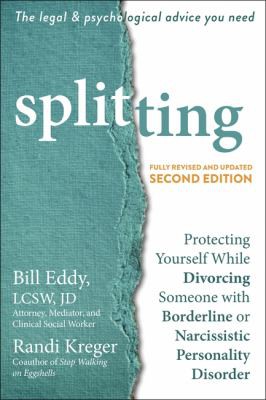
Splitting: Protecting Yourself While Divorcing Someone with Borderline or Narcissistic Personality Disorder
Bill Eddy & Randi Kreger
Updated edition covering domestic violence, alienation, false allegations in high-conflict divorce.

Fathers' Rights
Jeffery Leving & Kenneth Dachman
Landmark guide by renowned men's rights attorney covering every aspect of custody for fathers.
As an Amazon Associate, Clarity House Press earns from qualifying purchases. Your price is never affected.
Found this helpful?
Share it with someone who might need it.
About the Author

Clarity House Press
Editorial Team
The editorial team at Clarity House Press curates and publishes evidence-based content on narcissistic abuse recovery, high-conflict divorce, and healing. Our content is informed by research, survivor experiences, and established trauma-informed approaches.
View all posts by Clarity House Press →Published by Clarity House Press Editorial Team