Please read our important disclaimers before using this content
The custody order you agreed to two years ago is failing your children. Maybe you've discovered abuse you didn't know about at the time. Maybe your ex has spiraled into substance abuse. Maybe your teenager is begging to live with you full-time. Maybe your ex weaponizes the schedule to maintain control.
You know things need to change—but courts don't modify custody orders easily. They require proof of "substantial change in circumstances," and what counts as "substantial" can feel frustratingly unclear when you're watching your children suffer.
Understanding what constitutes substantial change, how to document it convincingly, and when to file strategically can mean the difference between protecting your children and being told "the current order stands." Strong documentation strategies for high-conflict custody are your foundation—courts need more than testimony to find substantial change.
Truth Over Tactics: Courts are designed to favor stability over change. This means the burden is heavily on you to prove modification is necessary. This isn't because courts don't care—it's because constantly changing custody arrangements harm children. Your job is to show that NOT changing the arrangement is causing greater harm.
What Is Custody Modification?
Modification is changing existing custody orders. This can include:
- Change in physical custody (where children live primarily)
- Change in legal custody (decision-making authority)
- Change in parenting time schedule
- Change in restrictions or requirements
- Change in relocation provisions
Courts don't modify orders simply because you want something different. There must be a legal basis.
The Legal Standard: Substantial Change in Circumstances
Jurisdiction note: Custody modification standards vary significantly by state. Some states require "material and substantial change," others use "significant change," and some require proof of "endangerment" or "harm" rather than just changed circumstances. Consult a family law attorney in your jurisdiction for specific standards. The framework below represents common approaches but is not universal.1
Most jurisdictions require two separate showings:
1. Substantial change in circumstances since the last custody order that affects the child's welfare2
2. Modification is in the child's best interests3
Both elements are required. Even if circumstances changed dramatically, if modification wouldn't serve the child's best interests, courts won't modify. Conversely, even if a different arrangement would be slightly better for the child, without substantial change in circumstances, courts won't modify the existing order.
What Is "Substantial Change"?
Courts define this differently, but generally:
Substantial: Significant, material, important—not minor or trivial4
Change: Something different from when last order was entered
In circumstances: Affecting the parties or children's situation
Affecting children's welfare: Must impact children, not just be inconvenient for parents
Examples of Substantial Change
Relocation
Note: Many jurisdictions have separate relocation statutes with different standards than general modification rules. Relocation cases are complex and highly jurisdiction-specific.
Parent wants to move with children beyond distance allowed in order. This creates grounds for modification hearing, though the standard applied varies significantly by state.
Parent already moved without permission. This triggers modification proceedings and potentially contempt charges for violating the existing order.
Other parent moved significantly, affecting parenting time feasibility. This can support modification of the schedule even if the children aren't relocating.
Parent's Circumstances Changed
Remarriage/new partner: Generally not alone sufficient, but can be if:
- New partner poses safety risk
- Household dynamics significantly affect children
- Step-parent relationship is beneficial or harmful
Job change: Can be substantial if:
- Affects availability for parenting time
- Creates financial instability
- Requires relocation
- Improves parent's stability and resources
Mental health or substance abuse:
Important distinction: Mental health diagnosis alone does not equal parenting unfitness. Many excellent parents have depression, anxiety, PTSD, or other conditions—including survivors of abuse. Courts should focus on whether the condition affects parenting capacity, not the diagnosis itself.
Substantial change exists when:
- Previously undiagnosed serious mental health condition now affecting parenting ability
- Untreated or worsening condition creating safety concerns
- Substance abuse that is new or significantly worsened since last order
- Active addiction affecting children's safety or welfare
- Recovery and demonstrated stability (can support modification in recovering parent's favor—sobriety is positive change)
Warning for abuse survivors: Abusers commonly weaponize mental health diagnoses (depression, PTSD, anxiety) to claim you're unfit. Document that you're in treatment, following medical advice, and that your condition doesn't impair your parenting. Your trauma response to abuse is not the same as unfitness.
Incarceration: Clearly substantial
Domestic violence:
- New incidents of domestic violence since last order
- Discovery of past abuse that was hidden or not disclosed during prior proceedings (must show information wasn't available and would have affected previous order)
- Pattern of coercive control that has escalated or become apparent
- Children's exposure to domestic violence in the other parent's home
Housing changes: If affecting children's welfare (instability, unsafe conditions, much improved situation)
Children's Circumstances Changed
Age and development: Children's needs change as they grow
- Teenager's preference and need for stability
- Special needs identified since last order
- Academic or social needs better met in different arrangement
Medical needs: New diagnosis or condition requiring different care or location
School issues: Significant problems or significant success in one parent's care
Relationship changes: Severe conflict with one parent; strong bond developing with other
Sibling situations: Keeping siblings together; half-siblings creating new family dynamics
Violation of Court Orders
Repeated, significant violations can constitute substantial change:
- Denial of parenting time
- Systematic interference with the parent-child relationship
- Violation of decision-making authority
- Relocation without permission
- Failure to follow medical or educational provisions
Important: Violation alone isn't always substantial change—courts distinguish between technical violations and those materially affecting children's welfare. A pattern of violations that harms children or undermines the other parent's relationship is more likely to support modification.
Protective parent note: If you've violated orders to protect children from immediate danger, document thoroughly. Courts may find protective violations justified, but you need evidence of the danger that necessitated the action.
Discovery of Information
Information unknown at time of last order:
- Abuse that was hidden or not disclosed
- Substance abuse that was concealed
- Criminal history not previously known
- Pattern of concerning behavior that wasn't apparent before
Critical requirements: You must prove:5
- Information genuinely wasn't available during prior proceedings (you couldn't have discovered it with reasonable diligence)
- Information would have materially affected the prior order if known
- Information affects children's current welfare
What doesn't qualify:
- Information you knew but didn't raise before
- Information you could have discovered through reasonable investigation
- Claims about behavior that existed when the last order was entered (res judicata—already decided)
Regarding "parental alienation" claims: This concept is increasingly controversial and frequently weaponized by abusive parents against protective parents. If your child is afraid of or resistant to the other parent, carefully distinguish between:
- Legitimate protective response: Child has experienced or witnessed abuse and appropriately wants distance
- Age-appropriate preferences: Teenager wanting more say in schedule
- Alignment: Child sides with one parent due to that parent's behavior, not your influence
Courts should focus on the child's actual experiences and reasons for resistance, not assume "alienation" explains any parent-child conflict. Document your active support of the relationship, encouragement of contact, and the child's stated reasons for concerns.
What Is NOT Substantial Change
Courts won't modify custody for:
Parent's preferences alone: "I want more time" or "This schedule is inconvenient for me" isn't enough. You must show how the change affects children.
Minor inconveniences: Schedule requires extra driving; transitions are sometimes awkward; you wish you had different weekends.
Temporary situations: Short-term job change that will resolve; brief housing transition; temporary childcare arrangement.
Normal development: Children getting older is expected, not substantial change—unless it creates specific new needs the current arrangement doesn't address.
Retaliation or control: "They started dating someone new and I don't like it"; "I want to punish them for leaving."
Buyer's remorse: "I agreed to this arrangement but now wish I hadn't" without any changed circumstances.
One isolated incident: Unless extremely serious or indicating pattern. Single argument, one missed pickup, etc.
Circumstances that existed at time of last order: You can't claim substantial change for something that was already true when you agreed to or were ordered into the current arrangement. Courts call this res judicata—already decided.
Financial changes that don't affect children: Your income increased or the other parent's income decreased—but this affects child support, not custody, unless it materially affects children's living situation or care.
Your emotional response: "I'm upset about how things are going" needs to be tied to children's welfare, not just your feelings.
Truth Over Tactics: If you're considering modification primarily because you're angry, want control, or regret your prior agreement, recognize those motivations. They won't succeed in court and will waste resources you need for actual protection of your children. Save your legal ammunition for when children genuinely need protection or when circumstances have truly changed in ways affecting their welfare.
Evidence You Need
Documentation of Change
Timeline showing what changed and when:
- What circumstances existed at last order
- What changed since then
- Specific dates and details
Evidence of change:
- School records
- Medical records
- Police reports
- CPS findings
- Employment records
- Communications showing changed circumstances
Expert opinions when relevant:
- Therapist observations
- Doctor assessments
- Custody evaluator findings—for contested evaluations, see challenging bias in custody evaluations
- Guardian ad litem recommendations
Evidence of Impact on Children
Not enough to show circumstances changed—must show children are affected:
Academic impact:
- Grade changes
- Attendance issues
- Teacher concerns
- Need for different school
Emotional/behavioral impact:
- Therapy notes
- Changes in behavior
- Anxiety or depression
- Acting out
Safety concerns:
- Injuries
- Exposure to violence, substance use
- Neglect
- Age-inappropriate supervision
Relationship impacts:
- Severed relationships
- Parental alienation effects
- Bonding with step-parent or new partner
Social impacts:
- Loss of friendships
- Community ties
- Extracurricular activities
Evidence That Modification Serves Best Interests
Show how proposed modification helps children:
- Increased stability
- Better school
- Safer environment
- More appropriate supervision
- Support of healthy development
- Protection from harm
Strategic Timing
When to File
As soon as substantial change occurs and you have evidence: Don't wait years after discovering concerning behavior—courts question urgency and may wonder why you waited if the situation was truly serious. However, also don't rush to file before gathering sufficient documentation.
When you have sufficient evidence: Don't file prematurely with weak documentation. One incident isn't usually enough unless it's severe. Build a pattern.
After genuine attempts at resolution: Many jurisdictions require showing you tried to resolve the issue cooperatively before court intervention. Document your attempts.
Consider children's timing and welfare:
- School transitions (end of school year vs. mid-year moves)
- Children's emotional state and capacity to handle uncertainty
- Upcoming events in children's lives
- How long modification process may take
- Children's developmental needs
When children's safety is at immediate risk: If there's danger, file emergency motion immediately. Don't wait to build a perfect case if children are in harm's way.
When NOT to File
Too soon after last order without genuine change: Filing modifications repeatedly without substantial change can be sanctioned as harassment and can undermine your credibility for legitimate future concerns.
During temporary circumstances: If the concerning situation may resolve (job loss, temporary housing issue), wait to see if it's truly a lasting change. Exception: safety concerns.
When evidence is weak: A weak modification attempt that's denied can make a future legitimate case harder. Build documentation first.
For wrong reasons: Revenge, control, retaliation, or personal preference alone will waste money and harm your credibility.
When it will cause more harm than help: Consider realistically whether modification battle will traumatize children more than current arrangement. Sometimes maintaining stability despite imperfect circumstances is the lesser harm.
Jurisdiction-specific timing restrictions: Some states prohibit modifications within 1-2 years of the last order except for emergencies or endangerment. Know your state's rules.
Types of Modifications
Agreed Modifications
If both parents agree to modify custody, the process is dramatically simpler:
Requirements:
- Written agreement signed by both parents
- Submitted to court for approval
- Court reviews to ensure modification serves child's best interests
- No substantial change requirement in most jurisdictions when parents agree
Advantages:
- Much faster (often weeks instead of months)
- Much less expensive (minimal attorney fees)
- Less conflict and stress for children
- Parents maintain control over outcome
When to pursue: If you and the other parent can negotiate changes cooperatively, this is almost always preferable to contested modification. Even if relationship is difficult, attempting agreed modification through mediation may succeed.
Contested Modifications
When parents don't agree, the modification is contested and requires:
- Proof of substantial change in circumstances
- Proof modification serves child's best interests
- Full litigation process (described below)
- Significant time and expense
Emergency Modifications
When immediate danger exists:
- File emergency motion or petition
- Request temporary orders pending full hearing
- Must show immediate risk of harm to child
- Expedited hearing (often within days)
Emergency grounds:
- Imminent physical danger
- Sexual abuse
- Severe neglect
- Parental kidnapping risk
- Active substance abuse creating immediate danger
- Domestic violence escalation
See the full guide on emergency custody motions for the procedural steps and evidentiary requirements.
Process:
- File motion with affidavit detailing emergency
- Court may issue temporary orders ex parte (without other parent present initially) if danger is imminent
- Full hearing scheduled quickly to determine whether emergency orders should continue
- Eventually full modification hearing to determine permanent changes
Important: Don't cry wolf. Filing false emergencies damages credibility and can result in sanctions. Emergency motions are for genuine immediate danger only.
The Modification Process
1. File Motion6
Motion to Modify includes:
- Current custody order
- What you want changed
- Grounds (substantial change + best interests)
- Supporting affidavit with details
- Evidence attachments
2. Service
Other parent must be served with:
- Motion
- Affidavit
- Notice of hearing
- Supporting documents
3. Response
Other parent files response:
- Admitting or denying change occurred
- Arguing change isn't substantial
- Arguing modification wouldn't serve best interests
- Counter-evidence
4. Discovery
Both sides gather evidence:
- Interrogatories
- Document requests
- Depositions
- Subpoenas
5. Possible Custody Evaluation
Court may order evaluation to assess:
- Current circumstances
- Children's needs
- Both parents' fitness
- Recommendation about modification
6. Temporary Orders
Court may issue temporary modifications pending final hearing.
7. Settlement Negotiations
Many modifications settle before trial through:
- Direct negotiation
- Mediation
- Settlement conferences
8. Trial
If no settlement:
- Each side presents evidence
- Witnesses testify
- Experts provide opinions
- Judge decides
9. New Order
Court enters modified order or denies modification.
Common Modification Scenarios
Relocation
Jurisdiction-specific rules: Relocation law varies dramatically by state. Some states presume relocation is permissible if the relocating parent has primary custody. Others require proof that relocation serves the child's best interests. Some have specific distance thresholds. Consult local counsel.
Parent wants to move with children:
- Notice requirements (typically 30-120 days depending on jurisdiction)
- In many states, burden is on relocating parent to show move serves the child's best interests
- Courts typically consider: reason for move, impact on children and other parent, quality of relationship with non-relocating parent, feasibility of maintaining relationship through revised parenting time, children's ties to current community
- Good faith of parent seeking relocation
Other parent objects:
- May propose they become primary parent instead to avoid relocation
- Argue relocation harms children by disrupting stability, relationships, school, community
- Show their active involvement and importance to children's lives
- Demonstrate that their relationship can't be maintained long-distance
Increase in Parenting Time
Requesting more time:
- Show substantial change (your circumstances improved, other parent's declined, or children's needs changed)
- Demonstrate children benefit from more time with you
- Propose specific new schedule
Common scenarios:
- You've stabilized (housing, job, sobriety)
- Children are older and want more time
- Other parent's circumstances deteriorated
Change in Legal Custody
From joint to sole:
- Show other parent can't or won't make appropriate decisions
- Pattern of conflict preventing joint decision-making
- Unilateral decision-making by other parent
- Best interests served by one parent having authority
From sole to joint:
- Show parent has improved
- Can now cooperate
- Children benefit from both parents' input
Safety-Based Modifications
Supervision requirements:
- New evidence of danger
- Substance abuse
- Domestic violence
- Mental health crisis
Termination of parenting time:
- Extreme circumstances only
- Serious safety concerns
- Pattern of abuse
- High burden of proof
Working With Your Attorney
Provide to your attorney:
- Detailed chronology of changes with specific dates and incidents
- All supporting documentation organized by category and date
- List of potential witnesses with what they can testify to
- Specific, realistic proposal for new custody arrangement
- Your goals and priorities (be honest about what matters most)
- Information about children's preferences and needs
Discuss honestly:
- Realistic assessment of your case's strength
- Likelihood of success given your jurisdiction's standards
- Range of potential outcomes (best case, worst case, likely case)
- Total anticipated costs and timeline
- Strategic approach and alternatives
- Risks of proceeding vs. accepting current arrangement
Understand clearly:
- Modification is substantially harder than initial custody determination—courts presume existing order is working unless proven otherwise
- Burden of proof is entirely on party seeking change
- Process may require significant time (often 6-18 months) and expense (often $10,000-$50,000+ depending on complexity)
- Outcome isn't guaranteed regardless of how strong your case seems
- Filing modification may trigger counter-claims or retaliation
- Children will be affected by the process itself, regardless of outcome
Questions to ask your attorney:
- What is the specific legal standard for modification in our jurisdiction?
- What percentage of modifications succeed in our court?
- How does our judge typically rule on these issues?
- What are the weaknesses in our case?
- What evidence would strengthen our position?
- Should we attempt negotiation before filing?
- What are alternatives to full litigation?
- How will this process affect the children?
Red flags (consider getting second opinion):
- Attorney guarantees outcome
- Attorney dismisses valid concerns about children's welfare during process
- Attorney encourages filing without discussing settlement alternatives
- Attorney doesn't know specific standards in your jurisdiction
- Attorney seems more interested in billable hours than your children's welfare
Key Takeaways
-
Custody modification requires proving substantial change in circumstances affecting the child's welfare PLUS showing modification serves the child's best interests—both elements are mandatory.
-
Standards vary significantly by jurisdiction—what constitutes "substantial change" in one state may not in another. Some states require endangerment or harm rather than just changed circumstances. Know your state's specific standard.
-
Substantial change must be significant, material, and affect children—not just parent preference, minor inconvenience, or your emotional response to the arrangement.
-
Common grounds include relocation, changed parental circumstances (substance abuse, domestic violence, serious untreated mental health affecting parenting), children's changed developmental needs, and pattern of order violations that harm children.
-
Mental health diagnosis alone is not unfitness—courts should focus on functional parenting capacity. Many excellent parents have PTSD, depression, or anxiety. Abuse survivors: document your treatment compliance and actual parenting ability.
-
"Parental alienation" is controversial and weaponized—distinguish between protective parenting, age-appropriate preferences, and actual harmful interference. Document your support of the relationship.
-
Evidence must show both the change and its impact on children—timeline, documentation, expert opinions, and concrete examples of how children are affected strengthen cases.
-
Strategic timing matters critically—file when evidence is strong but not years after change occurred. However, don't file prematurely with weak evidence. Some states prohibit modifications within 1-2 years of last order except for emergencies.
-
Modification process is substantial undertaking—typically 6-18 months, $10,000-$50,000+, includes motion, response, possible evaluation, discovery, negotiation, potentially trial. Process itself affects children.
-
Settlement is often possible and preferable—many modifications resolve through negotiation or mediation rather than trial. Courts prefer cooperative resolution when possible.
-
Consider whether pursuing modification serves children's interests—sometimes the battle causes more trauma than maintaining imperfect stability. Be honest about your motivations.
Your Next Steps
If you're considering modification:
-
Identify and document the substantial change clearly: Create detailed timeline with specific dates, incidents, and evidence of what has changed since the last order was entered. Compare circumstances then vs. now.
-
Gather evidence of impact on children specifically: School records, medical records, therapist observations, teacher reports, behavioral changes—concrete documentation showing how the changed circumstances affect your children's welfare, not just your preferences.
-
Research your jurisdiction's specific standards: Modification law varies significantly by state. Understand your state's definition of substantial change, timing restrictions, and burden of proof requirements before proceeding.
-
Consult an experienced family law attorney in your jurisdiction: Get professional assessment of whether your evidence meets your state's substantial change standard and realistic likelihood of success. Discuss costs, timeline, and alternatives.
-
Prepare specific, realistic modification proposal: Don't just criticize the current arrangement or the other parent—propose a concrete, detailed alternative custody schedule that serves children's current needs.
-
Attempt good-faith resolution first: Document attempts to negotiate or mediate before filing. Courts prefer parents who try cooperative resolution. This also may save significant time and money.
-
Consider children's needs, timing, and welfare holistically: How will the modification process itself affect them? Is the timing right developmentally and academically? Will the battle cause more harm than the current arrangement? Be ruthlessly honest.
-
Prepare for potential counter-claims: Filing modification may trigger the other parent filing their own modification request or making allegations against you. Consider this possibility in your strategic planning.
-
Build support system: Modification battles are emotionally exhausting and can take months or years. Ensure you have therapist support, friend/family support, and financial resources to sustain the process.
-
Keep focus on children's welfare, not winning: The goal is the arrangement that best serves your children's current needs—not revenge, not control, not "winning" against your ex. If you lose sight of this, you risk harming your case and your children.
If you're defending against a modification request:
- Take it seriously even if you believe it's frivolous
- Gather evidence showing circumstances haven't changed or that current arrangement serves children's best interests
- Document your compliance with existing orders
- Consider whether proposed changes actually might benefit children (be open if they would)
- Consult attorney about responding strategically
When modification is truly necessary—when circumstances have genuinely changed in ways materially affecting your children's welfare—the process is worth pursuing. With strong evidence, strategic timing, trauma-informed approach, and experienced legal representation, modification can successfully protect your children and adapt custody arrangements to their current needs.
When modification is about control, revenge, or your preferences rather than children's welfare—recognize this honestly and redirect that energy toward making the current arrangement work as well as possible. Your children need you focused on their needs, not on battling your ex.
Resources
Legal Support and Custody Modification:
- LawHelp.org - Free and low-cost legal assistance by state for custody modification
- American Bar Association - Family Law - Find custody modification attorneys
- National Center for State Courts - State-specific substantial change standards
- WomensLaw.org - State custody laws and modification requirements
Documentation and Evidence Resources:
- TalkingParents - Unalterable communication records for evidence
- OurFamilyWizard - Court-admissible documentation of custody violations
- One Mom's Battle - High-conflict custody modification strategies
- Child Welfare Information Gateway - Child well-being standards and resources
Crisis Support and Professional Help:
- National Domestic Violence Hotline - 1-800-799-7233 (custody-related abuse support)
- Psychology Today - Custody Evaluators - Find custody evaluation professionals
- SAMHSA Helpline - 1-800-662-4357 (mental health treatment referrals)
- Safe Horizon - Victim assistance and legal advocacy
References
Additional Academic References:
Kelly, J. B., & Emery, R. E. (2003). Children's adjustment following divorce: Risk and resilience perspectives. Family Relations, 52(4), 352-362. https://doi.org/10.1111/j.1741-3729.2003.00352.x
Amato, P. R. (2010). Research on divorce: Continuing trends and new developments. Journal of Marriage and Family, 72(3), 650-666. https://doi.org/10.1111/j.1741-3737.2010.00723.x
Uniform Law Commission. (2024). Uniform Child Custody Jurisdiction and Enforcement Act (UCCJEA). Retrieved from https://www.uniformlaws.org/committees/community-home?CommunityKey=43d23f0a-b61d-4a8a-8e0b-f90d32e60c76
Cornell Law School Legal Information Institute. (2024). Child Custody: Modification. Retrieved from https://www.law.cornell.edu/wex/child_custody
References
- State of Utah Courts. (2024). Modifying Custody. Retrieved from https://www.utcourts.gov/en/self-help/case-categories/family/modification/custody.html; Washington State Legislature. (2024). RCW 26.09.260: Modification of parenting plan or custody decree. Retrieved from https://app.leg.wa.gov/rcw/default.aspx?cite=26.09.260 ↩
- Maine Judicial Branch. (2024). Changing or Enforcing a Final Order in a Family Matters Case. Retrieved from https://www.courts.maine.gov/courts/family/changing.html; State of Nevada Self-Help Center. (2024). How to Change Custody, Child Support, or Relocate with a Child. Retrieved from https://selfhelp.nvcourts.gov/self-help/going-to-court/after-the-final-order/how-to-change-child-custody-child-support-or-relocate ↩
- New York Courts. (2024). Best Interest of the Child. Retrieved from https://www.nycourts.gov/courthelp/family/bestInterest.shtml; U.S. Department of Health & Human Services. (2023). Determining the Best Interests of the Child. Retrieved from https://www.govinfo.gov/content/pkg/GOVPUB-HE23_1200-PURL-gpo88013/pdf/GOVPUB-HE23_1200-PURL-gpo88013.pdf ↩
- Connecticut Judicial Branch Law Libraries. (2024). Modification of Family Judgments. Retrieved from https://www.jud.ct.gov/lawlib/Notebooks/Pathfinders/modification.pdf; Texas Legislature Online. (2024). Family Code Chapter 156: Modification. Retrieved from https://statutes.capitol.texas.gov/docs/fa/htm/fa.156.htm ↩
- Office of the Attorney General of Texas. (2024). Support Modification Process. Retrieved from https://www.texasattorneygeneral.gov/child-support/paying-and-receiving-child-support/get-back-track/modify-child-support/support-modification-process; New York Courts. (2024). Custody & Visitation. Retrieved from https://ww2.nycourts.gov/COURTS/nyc/family/faqs_custodyandvisitation.shtml ↩
- Missouri Courts. (2024). Motion to Modify Child Custody and Support. Retrieved from https://www.courts.mo.gov/page.jsp?id=38335; Massachusetts Court System. (2024). Request to change a child custody or parenting time order. Retrieved from https://www.mass.gov/how-to/request-to-change-a-child-custody-or-parenting-time-order; New Jersey Courts. (2024). Change a Court Order. Retrieved from https://www.njcourts.gov/self-help/child-support-custody/order ↩
Recommended Reading
From Clarity House Press — plus trusted books for deeper understanding



BIFF: Quick Responses to High-Conflict People
Bill Eddy, LCSW Esq.
Brief, Informative, Friendly, and Firm responses for dealing with high-conflict people.
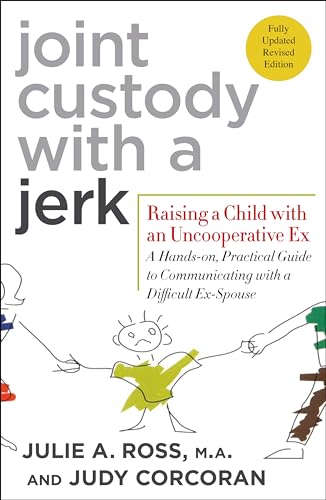
Joint Custody with a Jerk
Julie A. Ross, MA & Judy Corcoran
Proven communication techniques for co-parenting with an uncooperative ex.
As an Amazon Associate, Clarity House Press earns from qualifying purchases. Your price is never affected.
Found this helpful?
Share it with someone who might need it.
About the Author

Clarity House Press
Editorial Team
The editorial team at Clarity House Press curates and publishes evidence-based content on narcissistic abuse recovery, high-conflict divorce, and healing. Our content is informed by research, survivor experiences, and established trauma-informed approaches.
View all posts by Clarity House Press →Published by Clarity House Press Editorial Team