Please read our important disclaimers before using this content
When your therapist recommends Cognitive Processing Therapy (CPT), you might wonder what makes it different from other trauma treatments. You might ask: "Will this actually help with years of narcissistic abuse? Can a 12-session protocol really address complex trauma?"
This article provides a comprehensive look at CPT for complex PTSD - what it is, how it works, and how the protocol adapts for multiple trauma experiences. If you're still trying to understand whether you have C-PTSD in the first place, start with our complete guide to C-PTSD vs PTSD before diving into specific treatment protocols.
Important note: CPT is a structured therapy protocol delivered by a trained mental health professional. This article provides educational information to help you understand CPT and determine if it's right for you. It is not a substitute for working with a CPT-trained therapist.
What Is Cognitive Processing Therapy?
Cognitive Processing Therapy (CPT) was developed by Dr. Patricia Resick and colleagues in the late 1980s, originally for sexual assault survivors experiencing PTSD.1 Since then, extensive research has established CPT as one of the most effective evidence-based treatments for trauma-related symptoms.
The Core Principle:
CPT is based on the understanding that PTSD symptoms are maintained by maladaptive beliefs - called "stuck points" - that develop during and after trauma. These beliefs keep you feeling stuck, preventing natural recovery.
How CPT Works:
Rather than requiring you to relive traumatic memories in detail, CPT focuses on identifying and challenging the problematic beliefs that trauma created. The therapy uses Socratic questioning and structured worksheets to help you examine evidence for your beliefs, consider alternative interpretations, and develop more balanced, accurate ways of understanding what happened.
The Evidence Base:
CPT has strong research support from the American Psychological Association and VA/DoD Clinical Practice Guidelines.2 Multiple randomized controlled trials show CPT effectively reduces PTSD symptoms, with many clients experiencing 40-60% symptom reduction.3 Importantly, treatment gains typically persist long-term.
CPT vs. CPT-C:
The original CPT protocol includes a written trauma account in sessions 4-5, combining written exposure with cognitive processing. CPT-C (Cognitive-Only version) eliminates the written account, focusing entirely on stuck point work. Research shows both versions produce equivalent outcomes, giving therapists flexibility to choose the approach that fits your needs.4
For complex trauma survivors who may find detailed trauma writing overwhelming or retraumatizing, CPT-C often provides an effective alternative.
Understanding Stuck Points: The Heart of CPT
Stuck points are conflicting or extreme beliefs that develop during trauma and prevent natural recovery from occurring.5 They keep you "stuck" - unable to fully process what happened and move forward. Research shows that changes in individualized stuck points are significantly associated with reductions in PTSD symptoms, making stuck point work a critical mechanism of change in CPT.6
Stuck points often include words like:
- "I am..." / "I'm worthless, damaged, broken"
- "Other people are..." / "Everyone is untrustworthy, dangerous"
- "The world is..." / "The world is completely unsafe"
- "I should have..." / "I should have known better, fought back, left sooner"
- "If only I had..." / "If only I had been smarter, this wouldn't have happened"
The Five Stuck Point Themes:
CPT organizes stuck points into five categories that trauma commonly disrupts:
1. Safety
Common stuck points from narcissistic abuse:
- "I'll never be safe in a relationship again"
- "I can't protect myself from manipulation"
- "Everyone is potentially dangerous"
- "The world is fundamentally unsafe"
The problem: These overgeneralized beliefs prevent you from accurately assessing actual safety in present situations, keeping you in constant hypervigilance.
Balanced alternative: "That relationship was unsafe. I'm learning to recognize red flags early. I can make informed decisions about safety with each new person and situation."
2. Trust
Common stuck points:
- "I can never trust anyone again"
- "I can't trust my own judgment about people"
- "Everyone is manipulative and selfish"
- "If I let anyone close, they'll hurt me"
The problem: These beliefs isolate you and prevent healthy connections, even when safe people are present.
Balanced alternative: "I was deceived by someone skilled at manipulation. That doesn't mean I can't learn to identify trustworthy people. Trust can be built gradually with people who demonstrate consistency over time."
3. Power and Control
Common stuck points:
- "I'm powerless"
- "I have no control over my life"
- "I'll always be a victim"
- "I can't protect myself"
The problem: These beliefs reinforce helplessness and prevent you from recognizing the agency you do have.
Balanced alternative: "I was in a situation where someone exploited power imbalances. I'm learning to recognize and assert my power. I have more control than I did then."
4. Esteem
Common stuck points:
- "I'm worthless"
- "I'm fundamentally damaged or broken"
- "It's my fault - I must have deserved this treatment"
- "No one could love the real me"
The problem: These beliefs create shame and self-hatred that maintain PTSD symptoms and prevent healing.
Balanced alternative: "The abuse was about the abuser's choices, not my worth. I'm a survivor learning and growing. My value isn't determined by how I was treated."
5. Intimacy
Common stuck points:
- "I don't deserve love"
- "Closeness always leads to pain"
- "I'm too damaged for a healthy relationship"
- "I'll contaminate others with my trauma"
The problem: These beliefs prevent you from experiencing the healthy relationships that support recovery.
Balanced alternative: "I experienced relational trauma, but I'm capable of healthy intimacy. With the right person at the right time, closeness can be healing and safe."
The CPT Protocol: Session by Session
Standard CPT Structure: 12 weekly sessions, 60-90 minutes each, with homework assignments between sessions.
For complex trauma: Treatment often extends to 15-20 sessions to allow adequate time for processing multiple trauma experiences and working through stuck points across different trauma types.
Phase 1: Education and Engagement (Sessions 1-2)
What happens:
Your therapist teaches you the CPT model - how thoughts, feelings, and behaviors connect, and how stuck points maintain PTSD. You learn to identify stuck points in your own experience.
Assignment: Impact Statement
You write a 1-2 page statement answering: "How has this trauma affected your beliefs about yourself, others, and the world?" This reveals your stuck points without requiring detailed trauma narrative.
What to expect emotionally:
Many clients feel hopeful ("Finally, a structured approach!") or skeptical ("Can this really work for years of abuse?"). Both reactions are normal.
Phase 2: Identifying Stuck Points (Session 3)
What happens:
You and your therapist review your impact statement together, identifying stuck points. Your therapist introduces the ABC model (Activating event → Belief → Consequence) to show how beliefs create emotional and behavioral responses.
Assignment: ABC Worksheets
You practice noticing stuck points in daily life and tracking the connection between situations (A), beliefs (B), and emotional/behavioral consequences (C).
What to expect emotionally:
This can feel frustrating - "I thought we'd be solving problems by now, not just noticing them." Trust the process. Awareness is the essential first step.
Phase 3: Challenging Stuck Points (Sessions 4-10)
This is the core processing phase where the deepest work happens.
What happens:
You work systematically through stuck points using the Challenging Questions Worksheet - the primary CPT tool. Your therapist guides you through Socratic questioning:
The Challenging Questions Process:
- What is the evidence for this belief? (What makes you think it's true?)
- What is the evidence against this belief? (What doesn't fit with this belief?)
- Is there an alternative way of looking at this? (Other interpretations?)
- What's the effect of believing this stuck point? (How does it impact you?)
- What could be a more balanced belief? (Integration of evidence)
Example: Working Through a Common Stuck Point
Stuck Point: "It's my fault the abuse happened because I stayed so long."
Evidence for:
- I did stay for 5 years
- I made excuses for their behavior
- Friends warned me and I didn't listen
Evidence against:
- The abuse was the abuser's choice - they chose to manipulate and demean
- I stayed because of trauma bonding (biological response, not moral failure)
- I didn't have full information (they hid their nature through lovebombing)
- Leaving is the most dangerous time - I was protecting myself
- Many abuse survivors stay - this is a known pattern, not a personal failing
- I had financial/custody/safety barriers to leaving
Alternative interpretations:
- The abuse happened because the abuser chose to abuse - that's their responsibility
- I stayed as long as I needed until I could safely leave
- My staying was evidence of trauma bonding and survival strategy, not fault
Effect of believing the stuck point:
- Intense shame and self-hatred
- Isolation because I feel stupid
- Don't trust my judgment in new relationships
- Stay stuck in the past instead of moving forward
More balanced belief: "The abuse was the abuser's choice and responsibility. I stayed because of trauma bonding, fear, and practical barriers. I left when I was able to, and that took courage."
What to expect emotionally:
This phase is typically the hardest. Emotions often intensify before they improve - you're directly confronting beliefs you've held for years, sometimes as psychological protection. Research on mechanisms of change shows that reduction in hopelessness cognitions and trauma-related guilt during mid-treatment predicts better PTSD outcomes and functioning.7
Common challenges:
- "This isn't working, I feel worse" (temporary intensification is normal)
- Resistance to giving up stuck points, even harmful ones (they feel familiar)
- Grief over lost beliefs and lost time
- Anger at the abuser (healthy and appropriate)
Your therapist supports you through this intensification. Most clients notice subtle shifts around weeks 7-10: "Maybe it wasn't my fault" gradually becomes "It wasn't my fault."
Phase 4: Integration and Relapse Prevention (Sessions 11-15+)
What happens:
You apply new beliefs to daily life and future situations. You learn to recognize when stuck points resurface under stress (normal!) and use CPT tools independently.
Assignment: New Impact Statement
You rewrite your original impact statement, showing how your beliefs have changed. Many clients find this powerful - concrete evidence of transformation.
What to expect emotionally:
More stability, increased confidence, decreased PTSD symptoms. Many clients report they're sleeping better, experiencing less hypervigilance, and feeling less shame.
You're not "cured" - stuck points may resurface during new stressors. But you now have tools to challenge them.
CPT Adaptations for Complex PTSD
Standard CPT was developed for single-incident trauma (sexual assault, combat, accidents). Complex trauma from years of narcissistic abuse requires thoughtful adaptations:
1. Extended Timeline
Standard CPT: 12 sessions
C-PTSD adaptation: 15-20 sessions, sometimes more
Why: Multiple traumas create multiple stuck points. Working through stuck points about childhood abuse, then adult relationship abuse, then custody trauma takes time.
2. Stabilization First
Before starting CPT, you need:
- Active safety from the abuser (no contact or protected contact via court order)
- Basic emotion regulation skills (can tolerate distress without crisis)
- Sufficient support system
- Stable housing and basic needs met
- Not in acute crisis
Why: CPT activates difficult emotions. You need a foundation of safety and regulation to do this work effectively.
If you're currently in crisis, your therapist may recommend DBT skills training or stabilization work before beginning CPT.
3. Pacing Adjustments
Standard CPT: Move through stuck points efficiently, typically 1-2 per week
C-PTSD adaptation: More time per stuck point, allowing for emotional processing
Why: Complex trauma stuck points are often deeply entrenched and connected to identity. Rushing creates retraumatization rather than healing.
4. Multiple Trauma Processing
How CPT handles multiple traumas:
Rather than requiring you to process each traumatic event separately, CPT focuses on stuck points that span multiple traumas. Research demonstrates that CPT is effective without preparatory treatment across a range of outcomes, settings, and populations, including clients with childhood trauma and comorbid conditions.8
Example:
Instead of processing "the time he screamed at me in front of the kids" then "the time he destroyed my work documents" then "the time he threatened custody" as separate events, CPT addresses the stuck point underlying all of them:
Stuck point: "I can't protect myself or my children"
This stuck point connects to multiple events. Challenging it affects your interpretation of many trauma memories simultaneously.
5. Integration with Other Modalities
CPT effectively addresses trauma-related beliefs. For comprehensive C-PTSD recovery, you may also need:
Somatic work (Somatic Experiencing, Sensorimotor Psychotherapy): For nervous system regulation and body-based symptoms
Parts work (Internal Family Systems): For addressing fragmented self-states from childhood trauma. Learn more in our guide to Internal Family Systems therapy for complex trauma.
DBT skills: For emotion regulation if dysregulation is severe. See our DBT skills toolkit for C-PTSD for practical techniques you can use between sessions.
EMDR: For trauma memories with high emotional charge that need additional processing
Many therapists integrate CPT with these approaches, using CPT for stuck point work while incorporating other techniques as needed.9 For survivors with serious mental illness or comorbid conditions, adapted CPT protocols have shown promising results in addressing PTSD while maintaining end-state functioning improvements.10
Is CPT Right for You?
CPT works well for many complex trauma survivors, but it's not the only option. Here's how to evaluate fit:
CPT May Be Ideal If:
- You notice significant self-blame, shame, or negative beliefs about yourself
- You think in extreme patterns: "always," "never," "I should have"
- You're safe from the abuser (no contact or protected contact)
- You have basic emotion regulation skills
- You prefer structured, goal-oriented therapy with clear framework
- You're willing to do homework between sessions (2-3 hours weekly)
- You can identify and tolerate difficult emotions without becoming overwhelmed
Consider Other Modalities First If:
- You experience frequent dissociation or "losing time" (may need stabilization first)
- You're still in active danger from the abuser
- You have active substance use disorder or eating disorder requiring concurrent treatment
- You have acute suicidal ideation (need safety planning first)
- You struggle to identify thoughts or feelings (may benefit from somatic work first)
- You're in acute crisis (unstable housing, active custody battle, pending divorce)
Questions to Ask Potential Therapists:
- "Are you formally trained in CPT? Through what program?"
- "Do you use the manualized CPT protocol or an adapted version?"
- "Have you worked with CPT for complex trauma specifically?"
- "How do you determine if CPT is appropriate vs. another modality?"
- "What happens if we start CPT and it's not a good fit?"
- "Do you integrate CPT with other approaches for C-PTSD?"
Finding a CPT-Trained Therapist:
- Psychology Today: Filter for "Cognitive Processing Therapy"
- ISTSS (International Society for Traumatic Stress Studies): Provider directory
- CPT Web: Official CPT training resource with therapist listings
- VA CPT provider list (many accept civilian clients)
What to Realistically Expect
Timeline and Commitment
Duration: 3-5 months for standard protocol; 4-6 months for complex trauma adaptation
Session frequency: Weekly (consistency is important for momentum)
Homework: 2-3 hours weekly (Challenging Questions Worksheets, stuck point logs, practice)
Total time investment: Approximately 40-60 hours over treatment course
Emotional Experience
Weeks 1-3: Learning phase
- Hopeful, engaged, or skeptical
- Identifying stuck points can be eye-opening
- "I've believed these things so long, I thought they were just truth"
Weeks 4-8: Activation phase (typically hardest)
- Emotions often intensify before improving
- Grief over lost beliefs and lost time
- Anger at the abuser (healthy and appropriate)
- Resistance to challenging stuck points
- "This isn't working, I feel worse" (normal and temporary)
Weeks 9-12: Shift phase
- Subtle belief changes become noticeable
- "Maybe it wasn't my fault" → "It wasn't my fault"
- Relief, hope, reduced shame
- Better sleep, less hypervigilance
- Increased confidence in daily life
Weeks 13+: Integration phase (C-PTSD)
- Applying new beliefs to new situations
- Recognizing stuck points when they resurface
- Using CPT tools independently
- Sustained symptom reduction
Realistic Outcomes
What CPT typically improves:
- Trauma-related self-blame and shame
- Extreme beliefs about safety, trust, control
- PTSD symptoms (intrusions, avoidance, hyperarousal, negative cognitions)
- Daily functioning and quality of life
- Ability to form new healthy relationships
What CPT may not fully address:
- Deep attachment wounds from childhood (may need IFS or AEDP)
- Chronic body-based symptoms (may need somatic therapy)
- Severe emotion dysregulation (may need DBT skills first)
- Complicated grief (may need grief-specific therapy)
Research outcomes: CPT typically produces 30-70% PTSD symptom reduction for complex trauma survivors. Most clients maintain gains long-term.11 A 2019 meta-analysis found that the average CPT-treated participant fared better than 89% of those in control conditions, with large effect sizes maintained at follow-up.12 Importantly, women who experienced more frequent intimate partner violence exhibited larger reductions in PTSD and depression symptoms over the course of CPT.13
Important reality: CPT is often one essential piece of a comprehensive C-PTSD recovery plan, not the entire solution.
Common Challenges and How to Navigate Them
"I can't do the homework"
Common stuck point underneath: "I'll fail at this too" or "This won't work for me"
Response: Talk with your therapist. Homework resistance often reveals important stuck points. Your therapist can adjust pacing, break assignments into smaller pieces, or identify barriers.
"I feel worse, not better"
Response: Emotional intensification during weeks 4-8 is normal and actually indicates the therapy is working - you're confronting protected beliefs. This typically shifts to improvement around weeks 8-10. If symptoms become unmanageable, tell your therapist immediately.
"I don't believe the balanced beliefs"
Response: You don't have to fully believe new beliefs immediately. CPT works by examining evidence, even when your gut still feels the old stuck point. Intellectual understanding precedes emotional shift. Keep practicing.
"The stuck points keep coming back"
Response: This is normal, especially under new stress. You're not failing - you're human. Use your CPT tools each time: Notice the stuck point, challenge with evidence, practice the balanced belief. It gets easier.
"I'm grieving my old beliefs"
Response: This is healthy and important. Even maladaptive beliefs served a purpose - often protecting you from facing the full reality of victimization. Grieving is part of healing. Honor it.
Moving Forward
CPT offers a structured, evidence-based pathway for challenging the beliefs that keep trauma active in your life. For many survivors of narcissistic abuse, stuck point work provides the cognitive framework they needed to finally shift from "I should have known better" to "I survived skilled manipulation." If you're exploring multiple approaches, our guide to combining therapeutic modalities into a personal healing plan can help you understand how CPT fits alongside other treatments.
If you're considering CPT:
- Consult with a trauma-informed therapist who can assess if CPT fits your current situation
- Ensure you have adequate safety and stabilization
- Ask about therapist's CPT training and experience with complex trauma
- Discuss whether CPT alone or CPT integrated with other modalities makes sense
- Commit to the homework - that's where much of the transformation happens
If CPT isn't right for you right now:
That's valuable information, not failure. Other evidence-based modalities (EMDR, Somatic Experiencing, IFS) may fit better, or you may need stabilization work first. The right treatment is one that matches your needs, preferences, and current capacity.
Remember: Recovery from complex trauma is rarely a single-modality process. CPT might be your foundation, your follow-up to somatic work, or one component of a comprehensive approach.
The stuck points that trauma created are real. They make sense given what you experienced. And they can change.
Resources
Finding CPT-Trained Therapists:
- Psychology Today - CPT Therapists - Filter for Cognitive Processing Therapy specialists
- ISTSS Provider Directory - International Society for Traumatic Stress Studies therapist locator
- CPT Web - Official CPT resources and provider directory
- GoodTherapy - Trauma Specialists - Trauma-informed therapist directory
Crisis Support Hotlines:
- 988 Suicide & Crisis Lifeline - Call or text 988 (24/7 mental health crisis support)
- Crisis Text Line - Text HOME to 741741 (free 24/7 crisis counseling)
- National Domestic Violence Hotline - 1-800-799-7233 (confidential abuse support)
- SAMHSA Helpline - 1-800-662-4357 (treatment referrals)
Educational Resources and Books:
- American Psychological Association - PTSD Guidelines - Evidence-based PTSD treatment recommendations
- National Center for PTSD - VA resources on trauma treatment
- Cognitive Processing Therapy for PTSD by Patricia Resick - Comprehensive CPT manual
- Overcoming Trauma Through CBT by Resick & Schnarrs - Patient-focused CBT trauma guide
This article provides educational information, not professional advice. Consult qualified mental health professionals for personalized assessment and treatment. If you're experiencing a mental health crisis, contact 988 or your local emergency services immediately.
References
- Resick, P. A., & Schnicke, M. K. (1992). Cognitive processing therapy for sexual assault victims. Journal of Consulting and Clinical Psychology, 60(5), 748-756. https://doi.org/10.1037/0022-006X.60.5.748 ↩
- American Psychological Association. (2017). Clinical practice guideline for the treatment of PTSD. American Psychologist, 72(6), 1-40. https://doi.org/10.1037/amp0000151 ↩
- Resick, P. A., Nishith, P., Weaver, T. L., Astin, M. C., & Feuer, C. A. (2002). A comparison of cognitive-processing therapy with prolonged exposure and a waiting condition for the treatment of chronic posttraumatic stress disorder in female rape victims. Journal of Consulting and Clinical Psychology, 70(4), 867-879. https://doi.org/10.1037/0022-006X.70.4.867 ↩
- Resick, P. A., Galovski, T. E., Uhlmansiek, M. O., Scher, C. D., Clum, G. A., & Young-Xu, Y. (2008). A randomized clinical trial to dismantle components of cognitive processing therapy for posttraumatic stress disorder in female victims of interpersonal violence. Journal of Consulting and Clinical Psychology, 76(2), 243-258. https://doi.org/10.1037/0022-006X.76.2.243 ↩
- Sobel, A. A., Resick, P. A., & Rabalais, A. E. (2009). The effect of cognitive processing therapy on cognitions: Impact statement coding. Journal of Traumatic Stress, 22(3), 205-211. https://doi.org/10.1002/jts.20408 ↩
- Chard, K. M., Ricksecker, E. G., Healy, E. T., Karlin, B. E., & Resick, P. A. (2012). Dissemination and experience with cognitive processing therapy. Journal of Rehabilitation Research and Development, 49(5), 667-678. https://doi.org/10.1682/JRRD.2011.10.0198 ↩
- Cloitre, M., Courtois, C. A., Ford, J. D., Green, B. L., Alexander, P., Briere, J., Herman, J. L., Lanius, R., Stolbach, B. C., Spinazzola, J., Van der Kolk, B. A., & Van der Hart, O. (2012). The ISTSS Expert Consensus Treatment Guidelines for Complex PTSD in Adults. International Society for Traumatic Stress Studies. https://www.istss.org/ISTSS_Main/media/Documents/ISTSS-Expert-Concesnsus-Guidelines-for-Complex-PTSD-Updated-060315.pdf ↩
- Mavranezouli, I., Megnin-Viggars, O., Trickey, D., Meiser-Stedman, R., Daly, C., Dias, S., Stockton, S., Bhutani, G., Grey, N., Welton, N. J., Katona, C., & Pilling, S. (2019). A meta-analytic review of cognitive processing therapy for adults with posttraumatic stress disorder. Cognitive Behaviour Therapy, 48(1), 1-23. https://doi.org/10.1080/16506073.2018.1522371 ↩
- Galovski, T. E., Blain, L. M., Chappuis, C., & Fletcher, T. (2011). Intimate partner violence exposure predicts PTSD treatment engagement and outcome in cognitive processing therapy. Journal of Traumatic Stress, 24(2), 168-175. https://doi.org/10.1002/jts.20635 ↩
- Scher, C. D., Suvak, M. K., & Resick, P. A. (2022). Clinician concerns about cognitive processing therapy: A review of the evidence. Cognitive and Behavioral Practice, 29(4), 933-949. https://doi.org/10.1016/j.cbpra.2022.02.012 ↩
- Held, P., Suris, A., & Smith, D. L. (2025). Tracking individualized stuck points in cognitive processing therapy: The amount of change matters. Journal of Traumatic Stress, 38(2), 189-199. https://doi.org/10.1002/jts.23155 ↩
- Gallagher, M. W., & Resick, P. A. (2012). Mechanisms of change in cognitive processing therapy and prolonged exposure therapy for PTSD: Preliminary evidence for the differential effects of hopelessness and habituation. Cognitive Therapy and Research, 36(6), 750-755. https://doi.org/10.1007/s10608-011-9423-6 ↩
- Hall, B. J., Puffer, E. S., Murray, S. M., Ismael, A., Bass, J. K., Sim, A., & Bolton, P. A. (2024). Effectiveness of cognitive processing therapy for PTSD in serious mental illness. Journal of Affective Disorders, 346, 14-23. https://doi.org/10.1016/j.jad.2023.11.009 ↩
Recommended Reading
From Clarity House Press — plus trusted books for deeper understanding

Surviving the Storm: When the Court Takes Your Children
Clarity House Press
For fathers in active high-conflict custody battles. Understand your CPTSD symptoms, begin stabilization, and build foundation for healing. 17 chapters covering recognition, symptoms, and the healing path.
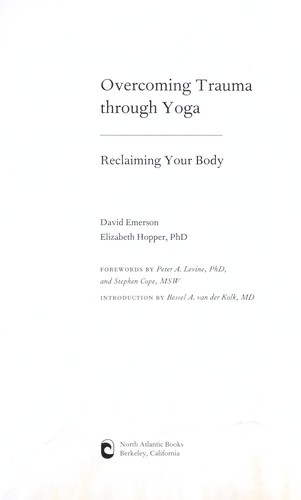
Overcoming Trauma through Yoga
David Emerson & Elizabeth Hopper, PhD
Evidence-based trauma-sensitive yoga program developed at the Trauma Center with Bessel van der Kolk.
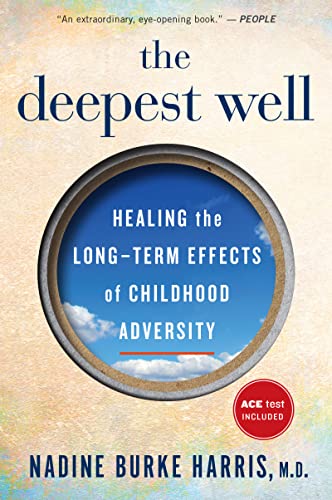
The Deepest Well
Nadine Burke Harris, M.D.
A pediatrician's clear explanation of how adverse childhood experiences affect lifelong health — and what recovery can look like.
As an Amazon Associate, Clarity House Press earns from qualifying purchases. Your price is never affected.
Found this helpful?
Share it with someone who might need it.
About the Author

Clarity House Press
Editorial Team
The editorial team at Clarity House Press curates and publishes evidence-based content on narcissistic abuse recovery, high-conflict divorce, and healing. Our content is informed by research, survivor experiences, and established trauma-informed approaches.
View all posts by Clarity House Press →Published by Clarity House Press Editorial Team