Please read our important disclaimers before using this content
"You wouldn't understand—it's too complex for someone without my educational background."
"I've never looked better. Everyone at the gym asks about my routine."
At first glance, these statements seem to reflect entirely different personality types: the intellectual vs. the image-obsessed. But both represent narcissistic presentations—just different sources of supply.
Cerebral narcissists derive their grandiose self-image from intelligence, knowledge, expertise, and intellectual superiority. Somatic narcissists build their grandiosity around physical appearance, sexual prowess, athleticism, and bodily perfection. Despite these surface differences, both subtypes share the core features of narcissistic personality disorder: unwillingness to recognize or identify with others' feelings and needs, need for admiration, exploitation of others, and fragile self-esteem hidden beneath grandiosity.1
Important Note: The cerebral and somatic distinction is a clinically observed pattern of narcissistic presentation, not a formal diagnostic category in the DSM-5-TR. These are descriptive terms that help identify different sources of narcissistic supply and abuse tactics, but individuals may not fit neatly into either category, and these labels should not be used for diagnosis. While extensive research supports the core features of narcissistic personality disorder (American Psychiatric Association, 2022), the specific cerebral/somatic distinction has received less systematic empirical study. The patterns described here are based on clinical observation, case reports, and theoretical frameworks rather than large-scale controlled research.2
Understanding these presentations is critical for survivors, especially in divorce and custody battles where each type weaponizes their particular area of perceived superiority. Understanding the full taxonomy of narcissistic manipulation tactics helps you see how cerebral and somatic strategies fit into a larger pattern of control.
Disclaimer: This article provides educational information about narcissistic behavior patterns, not diagnostic guidance. Only qualified mental health professionals can diagnose personality disorders after comprehensive evaluation. The behaviors described can cause significant harm regardless of whether they meet diagnostic criteria.
What Is Cerebral Narcissism?
Core Features
Identity Centered on Intelligence: Cerebral narcissists build their entire self-concept around being smarter, more knowledgeable, more sophisticated, or more cultured than others.
Common Characteristics:
- Constant demonstration of intellectual superiority
- Name-dropping credentials, books read, obscure knowledge
- Condescension toward others' intelligence
- Using complexity to confuse and dominate
- Deriving pleasure from "outsmarting" others
- Contempt for those they deem intellectually inferior
- Sexual withdrawal (often) because intimacy requires vulnerability they can't tolerate
Research on self-perceived intelligence shows that grandiose narcissism is strongly associated with inflated beliefs about one's own intellectual abilities, even when objective measures show no actual difference in intelligence compared to non-narcissistic individuals.3
Supply Sources:
- Academic/professional achievements
- Being the "expert" others consult
- Winning debates or arguments
- Recognition for intellectual contributions
- Being seen as brilliant, sophisticated, or cultured
How Cerebral Narcissists Operate in Relationships
1. Intellectual Belittling
They systematically undermine your intelligence, education, or competence:
- "That's not quite accurate. Let me explain it to you..."
- "You're thinking about this too simplistically"
- "I don't expect you to understand—it requires background knowledge you don't have"
- Correcting inconsequential details to demonstrate superiority
- Eye-rolling, sighing, or visible exasperation at your "ignorance"
The Impact: You begin to doubt your own intelligence, defer to their judgment even in areas you know well, and feel intellectually inadequate.
2. Weaponized Complexity
They make simple things needlessly complex to maintain control and appear intellectually superior:
- Overcomplicating household decisions with unnecessary analysis
- Using jargon or academic language in everyday conversations
- Creating elaborate systems that only they understand
- Explaining obvious things in condescending detail
The Function: If everything is complex and you're too "simple" to understand, they justify maintaining all decision-making power.
3. Moving the Goalposts
When you educate yourself or develop expertise, they shift what "counts":
- If you get a degree, yours is from a "less prestigious" institution
- If you read the book they recommended, you "didn't understand the nuances"
- If you make an intelligent point, it's "derivative" of someone else's work
The Pattern: You can never be smart enough because the standard constantly shifts to maintain their superiority.
4. Sexual Withdrawal and Contempt
Some cerebral narcissists may be sexually avoidant because:
- Physical intimacy requires emotional vulnerability
- They may view sexual desire as base or animalistic (beneath their intellectual sophistication)
- Sex doesn't provide the intellectual supply they crave
- Withholding sex becomes another form of control
Note: Sexual behavior in narcissistic relationships varies widely. Some cerebral narcissists use sexual prowess as another domain of "expertise" rather than avoiding intimacy. Sexual patterns can also fluctuate based on relationship phase (love bombing vs. devaluation) and other factors.
Partner's Experience: Feeling rejected, unsexy, and confused about why someone who pursued you initially now shows no physical interest.
5. "Winning" Over Connection
Every conversation becomes a debate they must win:
- Can't have discussions—only arguments they dominate
- Pick apart your word choices instead of engaging with your meaning
- Use logical fallacies while accusing you of being "emotional" or "illogical"
- More interested in being right than in understanding you
Relationship Impact: You stop sharing thoughts, opinions, or feelings because every interaction becomes an intellectual battleground.
What Is Somatic Narcissism?
Core Features
Identity Centered on Physical Appearance: Somatic narcissists build their self-concept around their body, appearance, sexual appeal, or physical prowess.
Common Characteristics:
- Obsessive focus on appearance, fitness, or sexual attractiveness
- Constant comparison with others' physical appearance
- Excessive time/money on grooming, cosmetic procedures, fitness
- Sexual conquest as proof of desirability
- Contempt for those they deem physically unattractive or sexually undesirable
- Viewing people as sexual objects or status symbols
- Aging as a narcissistic injury
Supply Sources:
- Compliments on appearance
- Sexual conquests and admiration
- Being the most attractive person in the room
- Athletic achievements
- Partner's physical appearance (you're an accessory)
How Somatic Narcissists Operate in Relationships
1. Your Body as Their Project
They attempt to control your appearance as an extension of their image:
- Criticism of your weight, clothing, hair, makeup
- "Helpful suggestions" about your appearance
- Comparing you to others they find more attractive
- Controlling what you wear, how you style your hair, etc.
- Pressuring you to get cosmetic procedures
- Commenting on your aging, weight fluctuations, or physical changes
The Impact: Your self-esteem becomes tied to their approval of your appearance. You develop body image issues, disordered eating, or obsessive appearance-monitoring.
2. Sexual Objectification
You exist as a source of sexual supply, not a whole person:
- Sex is performative—about their prowess, not mutual intimacy
- Your pleasure is relevant only as proof of their skill
- Pressure for sexual activities that enhance their ego
- Sharing sexual "conquests" with others
- Infidelity as proof of their desirability
- Expecting sex on demand regardless of your interest
Partner's Experience: Feeling used, objectified, and disconnected during intimacy. Sex feels mechanical or about their validation, not connection.
3. Comparison and Competition
Constant comparison with others' physical appearance:
- "She's really let herself go after having kids" (implied threat)
- Pointing out attractive people to make you insecure
- Comparing you unfavorably to ex-partners, celebrities, or strangers
- Competing with you if you're also attractive (can't share the spotlight)
- Flirting with others to provoke jealousy and reassure themselves they're still desirable
The Function: Keeping you insecure and competing for their approval while reinforcing their belief that they're the attractive one in the relationship.
4. Aging as Crisis
As somatic narcissists age, their supply source becomes threatened:
- Escalating cosmetic procedures
- Age-inappropriate behavior or clothing
- Affairs with younger partners to prove desirability
- Rage at signs of aging in themselves or you
- Discarding long-term partners for younger models
Pattern: Their increasing desperation to maintain physical perfection can lead to financial problems (excessive spending on appearance), health risks (extreme procedures), and relationship instability.
5. Your Role as Accessory
You exist to enhance their image:
- Must be attractive enough to reflect well on them
- But not so attractive you draw attention away from them
- Expected to dress/appear in ways that suit their aesthetic
- Paraded at events where your appearance benefits their status
- Criticized when your appearance doesn't meet their standards
Relationship Dynamic: You're an object in their collection, not a partner in an equal relationship.
Cerebral vs. Somatic: Key Differences
Note: These represent general tendencies, not absolute characteristics. Significant individual variation exists, and many narcissistic individuals show mixed presentations.
Can Narcissists Switch Between Types?
Yes. Clinical observation suggests some individuals may shift their primary source of narcissistic supply over time, though this phenomenon has not been systematically studied. The following patterns have been observed clinically:
Somatic → Cerebral:
- As aging threatens physical supply, some shift to intellectual pursuits
- Injury or illness that affects physical appearance may trigger this shift
- May always have had intellectual interests but relied on physical appeal while it was available
Cerebral → Somatic:
- Less common, but some develop obsession with appearance/fitness later
- May occur after intellectual narcissistic injury (job loss, academic failure)
- Can emerge in midlife crisis (sudden focus on recapturing youth through appearance)
Hybrid Presentations:
- Some maintain both: intellectually superior AND physically superior
- "I'm smarter than you AND more attractive than you"
- Often particularly challenging to deal with because they have multiple avenues for grandiosity and control
How Each Type Operates in Divorce and Custody
Cerebral Narcissist in Family Court
Strengths (From Court's Perspective):
- Articulate, knowledgeable about legal proceedings
- Presents as rational, calm, collected
- Uses sophisticated language that impresses judges
- Can create complex parenting plans that sound reasonable
- Often professionally successful (enhances credibility)
Tactics:
- Overwhelming the other parent with legal complexity
- Representing themselves (or micromanaging attorney) to demonstrate legal knowledge
- Using psychological jargon to pathologize ex-partner
- Positioning themselves as the "rational" parent vs. "emotional" ex
- Drafting lengthy, complex motions filled with pseudo-legal analysis
Your Counter-Strategy (always with professional support):
Safety is paramount. The following strategies work best with an attorney and therapist supporting you. Never attempt these alone if you feel unsafe or intimidated.
- Don't engage in intellectual sparring—stick to facts
- Use simple, clear documentation (keep copies in a safe location)
- Focus on child-centered concerns, not refuting their intellectual points
- Work with an attorney who can translate their complexity into court-appropriate responses
- Let their intellectual condescension be evident to the court (judges often see through this over time, but your safety comes first)
Important: Courts and custody evaluators vary widely in their understanding of narcissistic personality dynamics. Some jurisdictions are more attuned to covert manipulation while others may be taken in by charm and apparent reasonableness. A forensic psychologist or custody evaluator with specific training in personality disorders can be invaluable.
Somatic Narcissist in Family Court
Strengths (From Court's Perspective):
- Attractive, charming presentation
- May appear younger, more energetic than actual age
- Uses physical appeal to influence
- Presents as the "fun" parent
- Social media presence shows active, attractive lifestyle
Tactics:
- Presenting ex-partner as "letting themselves go" or "not taking care of themselves"
- Emphasizing their active lifestyle as superior parenting (kids at gym, athletic activities)
- Using new, attractive partner to suggest they've "moved on" while ex is bitter
- Appearing physically vital vs. characterizing ex as tired, depressed, or unhealthy
- Inappropriately sexualized behavior even in court (which may eventually backfire)
Your Counter-Strategy (adapted to your situation):
These strategies work best when paired with legal and therapeutic support:
- Consider documenting objectifying or inappropriate behavior around children
- Prioritize focusing on children's actual needs (not appearances or image)
- Emphasize substance over style in parenting communication
- If they're spending excessively on appearance, address financial responsibility
- Don't compete on appearance—focus on child-centered parenting
Red Flags for Each Type
A note before you read: Red flags are often clearer in hindsight than in real time, especially when manipulation builds gradually and intermixes with love, humor, or charm. If you recognize patterns here, that's important information—and it's not a reflection of your intelligence or awareness.
Cerebral Narcissist Red Flags
Early relationship:
- ✓ Impressive intellectual credentials or knowledge
- ✓ Loves playing "teacher" in the relationship
- ✓ Subtly corrects you frequently
- ✓ Debates rather than discusses
- ✓ Name-drops constantly (books, people, institutions)
- ✓ Dismissive of others' intelligence
Established relationship:
- ✓ You feel stupid around them
- ✓ They complicate simple decisions
- ✓ Sex decreases or becomes non-existent
- ✓ They condescend when you don't understand something
- ✓ You've stopped sharing opinions because they're always "corrected"
- ✓ They mock your education, reading choices, or interests
Somatic Narcissist Red Flags
Early relationship:
- ✓ Excessive focus on appearance (theirs and yours)
- ✓ Constant gym/grooming talk
- ✓ Comments on others' appearances frequently
- ✓ Performative intimacy (sex feels like they're performing)
- ✓ Excessive mirror-checking, selfies, appearance adjustment
- ✓ Your attractiveness is frequently mentioned as why they chose you
Established relationship:
- ✓ Criticism of your appearance
- ✓ Control over your clothing, hair, weight
- ✓ Comparison with others' physical appearance
- ✓ Infidelity or constant flirting
- ✓ Excessive spending on appearance-related items/procedures
- ✓ You feel objectified, like a trophy
- ✓ Panic about aging (theirs or yours)
Impact on Children
Note: If you were a child affected by these patterns, the following descriptions may feel emotionally activating. Consider reading with support or returning when you feel resourced. Your experience is valid regardless of these patterns' formal names. Additionally, children of narcissistic parents show varied outcomes—not all experience the described impacts, and protective factors (other parent, extended family, therapy) significantly modify outcomes.
Children of Cerebral Narcissists
Academic Pressure:
While academic expectations can be healthy, narcissistic parents use achievement differently—as narcissistic supply rather than genuine support for the child's development.
- Expected to be academically exceptional (reflects on narcissistic parent)
- Shamed for grades, achievements below parent's expectations
- Used as proof of parent's intellectual superiority ("My child is gifted")
- Intellectual achievements praised, emotional needs ignored
Intellectual Belittling:
- Condescended to, treated as intellectually inferior
- Opinions dismissed as childish or uninformed
- May develop anxiety about intelligence, perfectionism, or fear of being wrong
Parentification:
- Expected to engage in adult-level intellectual conversations
- Emotional needs framed as "immature" or "simplistic"
Children of Somatic Narcissists
Appearance Pressure:
- Expected to be attractive (reflects on narcissistic parent)
- Criticized for weight, appearance, clothing choices
- Used as proof of parent's attractiveness ("Look at my beautiful child")
- May develop eating disorders, body dysmorphia, or appearance obsession
Objectification:
- Valued for appearance more than character or personality
- Sexualized comments (particularly targeting children of genders the narcissist finds sexually appealing)
- Inappropriate boundaries around bodies, nudity, or sexuality
Comparison:
- Compared with other children's appearances
- May be pitted against siblings in "attractiveness" hierarchy
- Parent may compete with child (especially same-gender) as child matures
Healing from Cerebral or Somatic Narcissistic Abuse
Recovery from Cerebral Narcissist
Therapeutic Focus:
- Rebuilding intellectual confidence: Recognizing your intelligence is valid regardless of their dismissal
- Learning healthy debate vs. intellectual abuse: Understanding the difference between discussion and domination
- Reclaiming sexual self: If sex was withheld, healing from rejection and rediscovering healthy sexuality
- Validating emotional intelligence: Recognizing that emotional wisdom is as valuable as intellectual knowledge
Evidence-based trauma therapies such as EMDR, Cognitive Processing Therapy, and trauma-informed CBT can help process the specific wounds from cerebral narcissistic abuse.4
Affirmations:
Healing works at different paces for different people. These affirmations may help, or they may feel false right now—both are okay. What matters is reconnecting with your own sense of truth about your worth.
- "I am intelligent and capable of understanding complex topics"
- "I don't need to prove my intelligence to anyone"
- "Emotional intelligence is as valuable as intellectual intelligence"
- "I can engage in discussions without it becoming a battle"
If these don't resonate, you might create your own affirmations that feel true to your experience.
Recovery from Somatic Narcissist
Therapeutic Focus:
- Healing body image: Separating your worth from your appearance
- Reclaiming sexuality: Healing from objectification, learning intimacy is about connection not performance
- Developing identity beyond appearance: Discovering who you are beyond how you look
- Processing rejection: If they discarded you for someone younger/more attractive
Evidence-based trauma therapies such as EMDR, Somatic Experiencing, and body-based approaches may be particularly helpful for survivors of somatic narcissistic abuse who have experienced objectification and body-related trauma.5
Affirmations:
Healing works at different paces for different people. These affirmations may help, or they may feel false right now—both are okay. What matters is reconnecting with your own sense of truth about your worth.
- "My worth is not determined by my appearance"
- "I am whole and valuable regardless of how I look"
- "Aging is natural and doesn't diminish my value"
- "Intimacy is about connection, not performance"
If these don't resonate, you might create your own affirmations that feel true to your experience.
Why Understanding the Subtype Matters
Strategic Response: Knowing whether you're dealing with a cerebral or somatic narcissist helps you:
- Anticipate their tactics in divorce/custody
- Protect your vulnerabilities (they'll attack your intelligence or appearance)
- Avoid their bait (don't debate the cerebral; don't compete on appearance with the somatic) — the gray rock method neutralizes both types
- Document their behavior patterns specific to subtype
Healing Path: Understanding the specific type of abuse helps you:
- Target your therapeutic work more effectively
- Recognize the specific wounds that need healing
- Rebuild the particular areas they undermined
Protecting Children: Knowing the subtype helps you:
- Anticipate how they'll pressure your children
- Provide counter-narratives (value beyond intellect/appearance)
- Watch for warning signs of specific harm (academic anxiety, body image issues)
Final Thoughts
Whether they derive their narcissistic supply from being the smartest or the hottest, cerebral and somatic narcissists share the same core pathology:
- Grandiose self-image requiring constant reinforcement
- Lack of genuine empathy for others' needs and feelings6---research indicates this involves deficient emotional empathy while cognitive empathy may remain relatively intact, allowing narcissists to understand but not genuinely feel others' emotions7
- Exploitation of partners as supply sources
- Fragile self-esteem hidden beneath superiority claims
- Contempt for those who don't reinforce their grandiosity
The intellectual may condescend while the physical objectifies, but both reduce you to a function in their narcissistic system: audience, supply source, inferior contrast to their superiority.
You are more than their assessment of your intelligence. You are more than their judgment of your appearance.
You are a whole person worthy of a partner who values you for your character, your heart, your unique combination of strengths and vulnerabilities—not someone who needs you to be inferior so they can feel superior. The path forward includes rebuilding a stable identity after narcissistic abuse — one that doesn't depend on their evaluations of your worth.
Resources
Understanding Narcissistic Subtypes:
- National Institute of Mental Health - Personality Disorders - Clinical information on narcissistic personality disorder
- Rethinking Narcissism by Craig Malkin - Research-based guide to recognizing and coping with narcissists
- The Wizard of Oz and Other Narcissists by Eleanor Payson - Understanding one-way relationships in work, love, and family
- Psychology Today - Narcissism - Articles and therapist directory for narcissistic abuse recovery
Body Image and Intellectual Confidence Recovery:
- National Eating Disorders Association (NEDA) - Support for body image issues and eating disorders
- Embody by Connie Sobczak - Learning to love your unique body and quiet critical voices
- Self-Compassion Resources by Dr. Kristin Neff - Rebuilding self-trust and inner confidence
- Psychology Today - Body Image - Find therapists specializing in body image and self-esteem
Divorce, Custody, and Legal Support:
- One Mom's Battle - High-conflict custody resources and narcissistic abuse in family court
- National Domestic Violence Hotline - 1-800-799-7233 (24/7 confidential support)
- American Bar Association - Family Law Section - Find experienced family law attorneys
- Psychology Today - Trauma Therapists - Locate trauma-informed mental health professionals
References
- American Psychiatric Association. (2022). Diagnostic and Statistical Manual of Mental Disorders (5th ed., Text Revision). https://doi.org/10.1176/appi.books.9780890425787 Caligor, E., Levy, K. N., & Yeomans, F. E. (2015). Narcissistic personality disorder: Diagnostic and clinical challenges. American Journal of Psychiatry, 172(5), 415-422. https://doi.org/10.1176/appi.ajp.2014.14060723 ↩
- Subtypes, dimensions, levels, and mental states in narcissism and narcissistic personality disorder. PubMed Central. https://pubmed.ncbi.nlm.nih.gov/22740389/ The concept of Narcissistic Personality Disorder–Three levels of analysis for interdisciplinary integration. PubMed Central. https://pmc.ncbi.nlm.nih.gov/articles/PMC9709503/ ↩
- Caligor, E., Levy, K. N., & Yeomans, F. E. (2015). Narcissistic personality disorder: Diagnostic and clinical challenges. American Journal of Psychiatry, 172(5), 415-422. https://doi.org/10.1176/appi.ajp.2014.14060723 Grandiose and vulnerable narcissistic states in interpersonal situations. PubMed Central. https://pmc.ncbi.nlm.nih.gov/articles/PMC7953573/ ↩
- Narcissistic personality traits and prefrontal brain structure. PubMed. https://pubmed.ncbi.nlm.nih.gov/34344930/ Van der Kolk, B. (2014). The Body Keeps the Score: Brain, Mind, and Body in the Healing of Trauma. Penguin Books. ↩
- Clinical correlates of vulnerable and grandiose narcissism: A personality perspective. PubMed. https://pubmed.ncbi.nlm.nih.gov/30179576/ Narcissistic and Antisocial Personality Traits Are Both Encoded in the Triple Network: Connectomics Evidence. PubMed Central. https://pmc.ncbi.nlm.nih.gov/articles/PMC12340477/ ↩
- Zajenkowski, M., Czarna, A. Z., Szymaniak, K., & Dufner, M. (2020). What do highly narcissistic people think and feel about (their) intelligence? Journal of Personality, 88(4), 703-718. https://pubmed.ncbi.nlm.nih.gov/31654584/ Grijalva, E., & Zhang, L. (2016). Narcissism and Self-Insight: A Review and Meta-Analysis of Narcissists' Self-Enhancement Tendencies. Personality and Social Psychology Bulletin, 42(1), 3-24. https://pubmed.ncbi.nlm.nih.gov/26542339/ ↩
- Baskin-Sommers, A., Krusemark, E., & Ronningstam, E. (2014). Empathy in Narcissistic Personality Disorder: From Clinical and Empirical Perspectives. Personality Disorders: Theory, Research, and Treatment, 5(3), 323-333. https://pmc.ncbi.nlm.nih.gov/articles/PMC4415495/ Miano, A., Fertuck, E. A., Arntz, A., & Stanley, B. (2013). A neural model of mechanisms of empathy deficits in narcissism. Psychiatry Research: Neuroimaging, 214(3), 341-348. https://pmc.ncbi.nlm.nih.gov/articles/PMC3829700/ ↩
Recommended Reading
From Clarity House Press — plus trusted books for deeper understanding

Surviving the Storm: When the Court Takes Your Children
Clarity House Press
For fathers in active high-conflict custody battles. Understand your CPTSD symptoms, begin stabilization, and build foundation for healing. 17 chapters covering recognition, symptoms, and the healing path.


Why Does He Do That?
Lundy Bancroft
Largest-selling book on domestic violence. Explains the mindset of angry and controlling men.
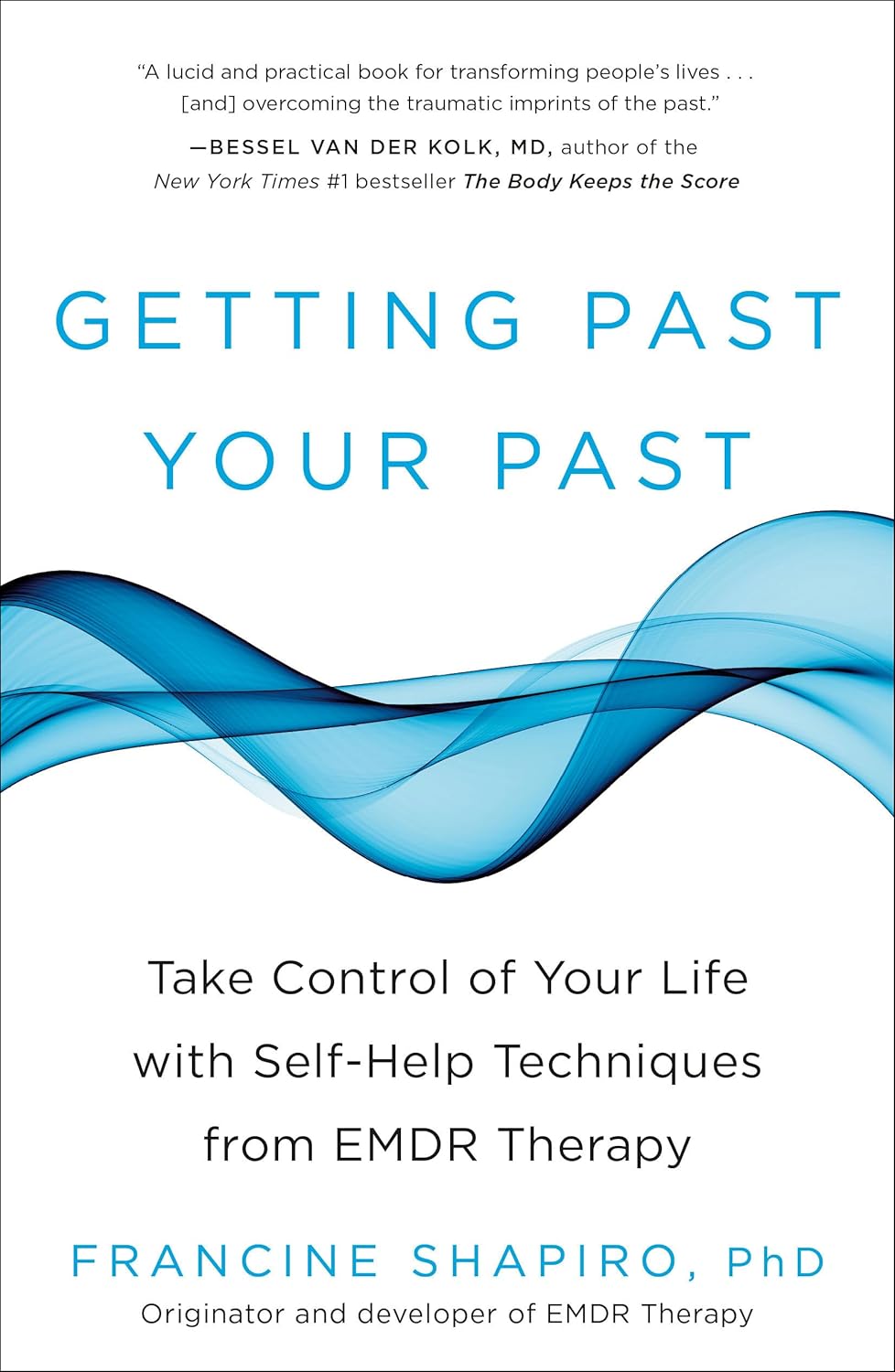
Getting Past Your Past
Francine Shapiro, PhD
Self-help techniques based on EMDR therapy to take control of your life and overcome trauma.
As an Amazon Associate, Clarity House Press earns from qualifying purchases. Your price is never affected.
Found this helpful?
Share it with someone who might need it.
About the Author

Clarity House Press
Editorial Team
The editorial team at Clarity House Press curates and publishes evidence-based content on narcissistic abuse recovery, high-conflict divorce, and healing. Our content is informed by research, survivor experiences, and established trauma-informed approaches.
View all posts by Clarity House Press →Published by Clarity House Press Editorial Team