Please read our important disclaimers before using this content
If you're living with Complex PTSD, you've likely experienced the exhausting cycle of trying to control or eliminate painful thoughts, emotions, and memories.
Traditional cognitive behavioral approaches often focus on changing or challenging negative thoughts—but what if the problem isn't the thoughts themselves, but rather your relationship with them?
Acceptance and Commitment Therapy (ACT, pronounced as one word, not as letters) offers a fundamentally different approach to healing from C-PTSD. Instead of fighting your internal experiences, ACT teaches you to change your relationship with them while building a meaningful life guided by your values.1 For survivors of prolonged trauma—particularly narcissistic abuse—this shift from control to acceptance can be profoundly liberating.2
What Is ACT and How Does It Differ from Traditional CBT?
Acceptance and Commitment Therapy was developed in the 1980s by psychologist Steven Hayes and is rooted in contextual behavioral science and relational frame theory (see the Association for Contextual Behavioral Science). While it shares some common ground with Cognitive Behavioral Therapy (CBT), ACT operates from distinctly different assumptions about what causes human suffering and how to alleviate it.
The Core Difference: Change vs. Acceptance
Traditional CBT focuses on identifying and modifying distorted thoughts that contribute to emotional distress. If you think "I'm worthless," CBT would help you challenge this thought with evidence to the contrary, replacing it with more balanced thinking like "I have value and contribute meaningfully."
ACT takes a different approach. Rather than trying to change the content of your thoughts, ACT helps you change your relationship with them. The thought "I'm worthless" doesn't need to be challenged or eliminated—instead, you learn to notice it as just a thought, observe it without judgment, and choose actions aligned with your values regardless of whether the thought is present.
This distinction is crucial for C-PTSD survivors. After years of trauma, you may have thousands of painful thoughts, memories, and emotional responses. Trying to challenge or eliminate each one can feel overwhelming and, paradoxically, can increase your focus on them. ACT offers an alternative: acceptance of your internal experiences while committing to actions that matter. Understanding where ACT fits within the broader landscape of therapeutic options for complex trauma helps you choose the right approach.
The Experiential Avoidance Problem
ACT identifies experiential avoidance—the attempt to avoid, suppress, or control unwanted internal experiences—as a primary source of psychological suffering.34 For C-PTSD survivors, this looks like:
- Staying constantly busy to avoid memories
- Using substances to numb emotional pain
- Avoiding relationships to prevent vulnerability
- Suppressing anger or other "difficult" emotions
- Ruminating to avoid feeling
- Perfectionism to avoid criticism or rejection
While these strategies may provide temporary relief, they ultimately narrow your life and increase suffering. ACT helps you recognize these avoidance patterns and develop psychological flexibility instead.
Core Principles: Building Psychological Flexibility
The goal of ACT is to increase psychological flexibility—the ability to be present with your experiences, see thoughts as just thoughts, connect with your values, and take action even in the presence of difficult internal experiences.56
Psychological Flexibility vs. Rigidity
C-PTSD often creates psychological rigidity. Your nervous system, shaped by trauma, responds to the world with automatic patterns designed for survival:
- Hypervigilance to threat
- Emotional shutdown when overwhelmed
- Avoidance of situations that might trigger pain
- Rigid rules about how you and others "should" be
These patterns made sense in the traumatic environment. But in recovery, they limit your ability to respond flexibly to the present moment and build the life you want.
Psychological flexibility doesn't mean you won't experience pain, anxiety, or traumatic responses. It means you can have those experiences and still move toward what matters to you. You can feel anxious and still attend the social gathering. You can notice the thought "I'll never heal" and still show up for therapy. You can have a trauma response and still practice self-compassion.
Acceptance: The Foundation
Acceptance in ACT doesn't mean resignation or approval of what happened to you. It means opening up to your internal experiences—thoughts, feelings, sensations, memories—without trying to change them or make them go away.
For narcissistic abuse survivors, acceptance might look like:
- Allowing grief about lost time or relationships to be present
- Noticing anger without immediately suppressing or expressing it
- Feeling the physical sensations of anxiety without rushing to eliminate them
- Acknowledging the thought "I deserved it" without believing it or fighting it
Acceptance is active, not passive. It's a conscious choice to make space for your experiences rather than narrowing your life to avoid them.
Values: Your Compass in Recovery
While acceptance addresses your relationship with internal experiences, values give direction to your actions. Values are chosen life directions—ongoing patterns of behavior that reflect what matters most to you.
ACT distinguishes between values and goals:
- Goals are specific, achievable outcomes (publish a book, finish therapy, leave an abusive relationship)
- Values are ongoing directions (creativity, authentic connection, personal growth, contribution)
Goals can be completed or failed. Values can never be achieved—they're continuously lived. You can always take another step in a valued direction.
For C-PTSD survivors, connecting with values is both challenging and essential. Trauma often disconnects you from your values, leaving you in survival mode focused only on avoiding pain. ACT helps you reconnect with what matters beyond survival: the person you want to be, the relationships you want to cultivate, the contributions you want to make.
The Six Core Processes of ACT
ACT works through six interrelated processes that together build psychological flexibility. These aren't sequential stages but ongoing practices that support each other.
1. Contacting the Present Moment (Be Here Now)
Trauma pulls you into the past (reliving) or future (anticipating threat). Being present means bringing flexible, focused attention to the here and now.
For C-PTSD survivors, present-moment awareness helps you:
- Recognize when you're in a trauma response vs. actual danger
- Notice the difference between memory and current reality
- Ground yourself when dissociating
- Experience positive moments that might otherwise go unnoticed
Present-moment practices in ACT include mindfulness exercises, sensory awareness, and simple attention-focusing techniques adapted for trauma survivors.
2. Defusion (Thoughts Are Just Thoughts)
Cognitive fusion means becoming entangled with your thoughts, treating them as literal truth or commands that must be obeyed. Defusion creates space between you and your thoughts, allowing you to observe them without being controlled by them.
Common fused thoughts in C-PTSD:
- "I'm damaged beyond repair"
- "I can't trust anyone"
- "It was my fault"
- "I should be over this by now"
- "Everyone will hurt me eventually"
Defusion doesn't challenge these thoughts or try to change them. Instead, you learn to notice: "I'm having the thought that I'm damaged" or "My mind is telling the 'everyone will hurt me' story again."
This creates choice. You don't have to wait for the thought to go away before taking valued action. You can have the thought and still reach out for connection, pursue healing, or practice self-compassion.
3. Acceptance (Opening Up)
As discussed earlier, acceptance means making space for unwanted private experiences. Rather than struggling against them, you allow them to be present while you focus on valued living.
Acceptance practices in ACT often use metaphors:
- The Quicksand Metaphor: Struggling against quicksand makes you sink faster. The counterintuitive solution is to stop struggling and spread yourself across the surface.
- Passengers on the Bus: You're the bus driver, and your thoughts/feelings are passengers. They might be loud, obnoxious, or scary, but you're still the one steering toward your values.
- Two Scales: Imagine two scales—one for your pain/discomfort, one for your values-based actions. Traditional approaches try to turn down the discomfort scale first. ACT focuses on turning up the values scale regardless of the discomfort level.
4. Self-as-Context (The Observing Self)
C-PTSD often involves a fragmented sense of self: "I'm not who I used to be." "The abuse changed me fundamentally." ACT introduces the concept of self-as-context—a perspective from which you observe all your experiences without being defined by them.
This isn't about creating a "better" identity or returning to a pre-trauma self. It's about recognizing that you are the space in which all your experiences occur—thoughts, feelings, memories, sensations—without being reducible to any of them.
The observing self is the "you" that was present before the trauma, during the trauma, and after the trauma. It's the consistent perspective from which you notice your experiences.
For C-PTSD survivors, this might sound like: "I notice I'm having a flashback right now. I'm the one observing this flashback, not the flashback itself. I was here before this memory surfaced, I'm here while it's present, and I'll be here after it passes."
This stable sense of self provides a foundation for healing that isn't dependent on eliminating symptoms or changing your history.
5. Values (Knowing What Matters)
Values clarification is central to ACT. Through various exercises and reflections, you identify what truly matters to you across life domains:
- Relationships and intimacy
- Parenting
- Work and career
- Education and learning
- Recreation and leisure
- Spirituality or meaning-making
- Community and citizenship
- Self-care and health
For narcissistic abuse survivors, this process can be painful. You may discover that you've been living according to someone else's values, or that years have passed without moving toward what matters most to you. You might also face grief about lost opportunities or relationships.
But values clarification is also liberating. It provides a compass for decision-making in recovery: "Does this therapy, relationship, job, or activity move me toward my values or away from them?"
6. Committed Action (Do What It Takes)
The final process translates values into concrete actions. Committed action means developing behavior patterns consistent with your values and maintaining them even when difficult internal experiences show up.
This involves:
- Setting specific, values-based goals
- Breaking goals into manageable action steps
- Identifying barriers (internal and external)
- Developing skills to overcome barriers
- Practicing self-compassion when you fall short
- Recommitting after setbacks
For C-PTSD survivors, committed action might mean:
- Attending therapy even when anxious
- Setting boundaries even when you fear rejection
- Practicing self-care even when you feel undeserving
- Pursuing meaningful work even when you doubt your abilities
- Allowing yourself to feel joy even when guilt or grief is present
Committed action isn't about perfection. It's about willingness—taking the next small step in a valued direction even when your mind says you can't or shouldn't.
How ACT Addresses C-PTSD Symptoms Specifically
ACT's approach to psychological flexibility offers particular advantages for Complex PTSD symptoms:
Emotional Dysregulation
Rather than trying to control or eliminate intense emotions, ACT teaches you to:78
- Notice emotions as temporary experiences in the body
- Make space for them without being overwhelmed
- Respond to situations based on values rather than emotional reactivity
- Reduce secondary suffering (feeling bad about feeling bad)
Intrusive Memories and Flashbacks
ACT approaches traumatic memories through:
- Defusion from the content of memories ("I'm having a memory" vs. "This is happening now")
- Present-moment anchoring to distinguish past from present
- Acceptance of memory-related emotions rather than avoidance
- Values-based living that provides context beyond trauma
Negative Self-Concept
The observing self perspective helps you:
- Recognize thoughts about yourself as thoughts, not truths
- Distinguish between your experiences and your identity
- Develop self-compassion as a values-based practice
- Create a sense of self that isn't defined by trauma
Relationship Difficulties
ACT supports connection through:
- Values clarification around relationships and intimacy
- Defusion from thoughts that predict betrayal or rejection
- Acceptance of vulnerability rather than avoidance
- Committed action toward authentic connection
Hypervigilance and Anxiety
Rather than trying to eliminate anxiety, ACT helps you:
- Notice anxiety as a body sensation and thought pattern
- Recognize the difference between anxiety and actual danger
- Take valued action even in the presence of anxiety
- Reduce avoidance behaviors that maintain hypervigilance
What to Expect in ACT Therapy Sessions
ACT therapy typically involves a collaborative relationship where the therapist acts more as a coach or guide than an expert who fixes you. Sessions often include:
Experiential Exercises
ACT is highly experiential rather than purely talk therapy. You might engage in:
- Mindfulness and present-moment practices
- Defusion exercises using metaphors, word repetition, or voice changes
- Acceptance practices like "urge surfing" or imagery work
- Values clarification through card sorts, writing, or reflection
- Behavioral experiments where you practice valued actions
Metaphors and Language
ACT makes extensive use of metaphors to communicate concepts in accessible ways:
- The Chessboard: You are the board on which all the pieces (thoughts, feelings, memories) play out, not any individual piece
- Tug of War with a Monster: The futility of fighting thoughts/feelings—what if you drop the rope instead?
- The Unwelcome Party Guest: You can't throw difficult emotions out without ending the whole party (your life)
These aren't just teaching tools—they're designed to create experiential shifts in how you relate to your internal experiences.
Homework and Between-Session Practice
Like most effective therapies, ACT involves practice between sessions:
- Mindfulness or present-moment exercises
- Noticing and naming defusion opportunities
- Values-based action experiments
- Tracking avoidance patterns
- Self-compassion practices
Integration with Trauma Processing
ACT is often combined with other trauma-focused approaches. It provides a flexible framework for:
- Preparing for trauma processing work (EMDR, exposure therapy)—see how DBT skills support emotional regulation as a complementary modality
- Managing emotional intensity during processing
- Integrating insights and changes into daily life
- Maintaining progress after intensive trauma work
Finding an ACT Therapist Trained in Trauma
Not all ACT therapists have trauma-specific training, and not all trauma therapists use ACT. For C-PTSD recovery, you ideally want someone with both:
Credentials to Look For
- Licensed mental health professional (psychologist, licensed clinical social worker, licensed professional counselor)
- ACT-specific training or certification through Association for Contextual Behavioral Science (ACBS)
- Trauma-informed approach or specific C-PTSD training
- Experience with narcissistic abuse or relational trauma (if relevant to your history)
Questions to Ask Prospective Therapists
- How long have you been practicing ACT?
- Do you have training in treating complex trauma or C-PTSD?
- How do you integrate ACT with trauma work?
- What other modalities do you use alongside ACT?
- How do you approach trauma processing if needed?
- What does your typical treatment approach look like for C-PTSD?
Red Flags
- Therapist who is rigidly ACT-only without flexibility for trauma needs
- No understanding of C-PTSD or developmental trauma
- Pushing acceptance without adequate stabilization
- Dismissing the need for trauma processing
- Lack of attunement to your pace and readiness
Combining ACT with Other Modalities
ACT works well in combination with other evidence-based approaches for C-PTSD:
ACT + EMDR (Eye Movement Desensitization and Reprocessing)
ACT provides the psychological flexibility framework while EMDR addresses specific traumatic memories:9
- ACT helps with distress tolerance during memory processing
- Defusion skills reduce fusion with trauma-related beliefs
- Acceptance practices support integration of processed memories
- Values work provides direction for post-processing life changes
Many therapists use ACT principles throughout EMDR treatment to enhance stability and integration.
ACT + Internal Family Systems (IFS)
These approaches integrate well together:
- ACT's observing self parallels IFS's Self energy
- Defusion supports unblending from parts
- Acceptance facilitates being with exiled parts
- Values guide the Self in leading the internal system
Some therapists explicitly integrate both, using ACT language and exercises within an IFS framework.
ACT + Somatic Approaches
ACT's emphasis on present-moment awareness and acceptance translates well to body-based work:
- Present-moment practices include somatic awareness
- Acceptance extends to physical sensations and body states
- Values-based action includes body attunement and self-care
- Defusion applies to beliefs about the body and its sensations
ACT + DBT Skills
Dialectical Behavior Therapy skills can be understood through an ACT framework:
- Mindfulness skills support present-moment awareness
- Distress tolerance skills embody acceptance
- Emotion regulation skills involve defusion and values-based responding
- Interpersonal effectiveness skills represent committed action in relationships
Self-Directed ACT Exercises for C-PTSD
While therapy provides the most comprehensive ACT experience, you can begin practicing ACT principles on your own:
Present Moment: The 5-4-3-2-1 Grounding Technique
When you notice yourself pulled into trauma memories or anxious future-thinking:
- Notice 5 things you can see
- Notice 4 things you can touch or feel
- Notice 3 things you can hear
- Notice 2 things you can smell
- Notice 1 thing you can taste
This simple exercise brings you back to the present moment and out of the trauma timeline.
Defusion: "I'm Having the Thought That..."
When you notice a distressing thought, try prefacing it with "I'm having the thought that..." or "My mind is telling me that..."
- "I'm worthless" becomes "I'm having the thought that I'm worthless"
- "I can't do this" becomes "I'm noticing my mind saying I can't do this"
- "Everyone leaves me" becomes "I'm having the 'everyone leaves me' thought again"
This linguistic shift creates distance between you and the thought.
Acceptance: The Struggle Switch
Imagine a switch in your mind labeled "struggle." When it's on, you fight against difficult thoughts, feelings, and sensations. When it's off, you allow them to be present without fighting.
Notice when your struggle switch is on: Are you trying to suppress, avoid, control, or eliminate an internal experience? What happens if you turn the switch off and allow the experience to be present while you focus on valued action?
Values: The Eulogy Exercise
Imagine your own eulogy or 80th birthday celebration. What do you want people to say about the life you lived? What kind of person do you want to have been? What relationships and contributions matter most?
This perspective often clarifies values that get lost in the day-to-day struggle with C-PTSD symptoms.
Committed Action: The Next Smallest Step
Choose one value area. Ask yourself: "What is the tiniest step I could take in the next 24 hours that would move me toward this value?"
Don't wait until you feel ready, confident, or healed. Take the step even if anxiety, doubt, or trauma responses are present. Notice what happens.
The Timeline: What Success Looks Like
ACT isn't a quick fix. Building psychological flexibility takes time, especially when working with complex trauma. Here's what a realistic timeline might look like:
Early Phase (Months 1-3)
- Learning the ACT model and language
- Beginning to notice fusion and avoidance patterns
- Initial values clarification work
- Practicing basic mindfulness and defusion exercises
- Building the therapeutic relationship
Middle Phase (Months 3-9)
- Increasing psychological flexibility in daily life
- Taking small values-based actions despite discomfort
- Deeper acceptance of difficult internal experiences
- Reduced struggle with thoughts and feelings
- Beginning to address specific trauma material if needed10
Later Phase (Months 9-18+)
- More consistent valued living across life domains
- Greater resilience during trauma responses
- Integration of ACT principles as a way of being
- Reduced symptom interference in daily functioning
- Preparation for therapy completion or transition to maintenance
Long-Term Practice
ACT is ultimately a practice, not a cure. The skills of psychological flexibility continue to develop and deepen throughout life. You'll face new challenges, and you'll apply ACT principles in increasingly sophisticated ways.
Success in ACT doesn't mean eliminating C-PTSD symptoms. It means living a meaningful, vital life even in the presence of symptoms. It means your history no longer dictates your choices. It means you can have painful thoughts and feelings and still move toward what matters.
Is ACT Right for Your C-PTSD Recovery?
ACT may be particularly helpful if you:1112
- Feel stuck in avoidance patterns that limit your life
- Struggle with cognitive approaches that emphasize thought challenging
- Want a values-based framework for recovery
- Respond well to metaphors and experiential exercises
- Need support managing intense emotions during trauma processing
- Want an approach that integrates well with other modalities
ACT may be less ideal if you:
- Need intensive stabilization before any acceptance-based work
- Require structured trauma processing as the primary intervention
- Prefer more directive, symptom-focused approaches
- Have active psychosis or severe dissociation requiring specialized treatment first
Most C-PTSD survivors benefit from ACT either as a primary approach or as a complement to trauma-focused therapies. Its emphasis on psychological flexibility provides both a foundation for trauma work and a framework for post-trauma living.
Moving Forward: From Avoidance to Vitality
If you've lived with C-PTSD, you know the exhaustion of trying to control your internal world—suppressing memories, fighting thoughts, avoiding feelings, managing triggers. ACT offers a radically different path: stop fighting and start living.
This doesn't mean the pain will disappear. Trauma leaves lasting marks. But those marks don't have to define the boundaries of life. Trauma symptoms can coexist with meaningful pursuits. Painful memories can coexist with joyful ones. The thought "I'm broken" can be present alongside steps toward wholeness.
Psychological flexibility is a lifelong practice, not a destination. Each moment offers a new opportunity to notice experiences, defuse from limiting thoughts, accept what is present, and choose valued action. Working with the window of tolerance alongside ACT principles helps your nervous system hold more experience without being overwhelmed. That's not just therapy—that's a way of living that makes room for both the pain of the past and the possibility of the future.
Resources
ACT Therapy & Training:
- Association for Contextual Behavioral Science - Find ACT therapists and free resources
- Psychology Today - ACT Therapists - Search by location and specialization
- ACBS Therapist Locator - Official ACT therapist directory
- The Happiness Trap Online - Russ Harris ACT program
Crisis Support:
- 988 Suicide & Crisis Lifeline - Call or text 988 (24/7)
- Crisis Text Line - Text HOME to 741741
- National Parent Helpline - 1-855-427-2736
References
- Seidman (2006). Neuropsychological functioning in people with ADHD across the lifespan. Clinical Psychology Review. https://doi.org/10.1016/j.cpr.2006.01.004 ↩
- Hayes, S. C., Wilson, K. G., Gifford, E. V., Follette, V. M., & Strosahl, K. (1996). Experiential avoidance and behavioral disorders: A functional dimensional approach to diagnosis and treatment. Journal of Consulting and Clinical Psychology, 64(6), 1152-1168. https://doi.org/10.1037/0022-006X.64.6.1152 ↩
- Kashdan, T. B., & Rottenberg, J. (2010). Psychological flexibility as a fundamental aspect of health. Clinical Psychology Review, 30(7), 865-878. https://doi.org/10.1016/j.cpr.2010.03.001 ↩
- Yilmaz, A. E., Gençöz, T., & Wells, A. (2015). Unique contributions of metacognition and cognition to depressive symptoms. Journal of General Psychology, 142(1), 23-33. https://doi.org/10.1080/00221309.2014.964658; Integration approaches reviewed in Bisson, J. I., et al. (2013). Psychological therapies for chronic post-traumatic stress disorder (PTSD) in adults. Cochrane Database of Systematic Reviews. https://doi.org/10.1002/14651858.CD003388.pub4 ↩
- Roemer, L., Williston, S. K., & Rollins, L. G. (2015). Mindfulness and emotion regulation. Current Opinion in Psychology, 3, 52-57. https://doi.org/10.1016/j.copsyc.2015.02.006 ↩
- Cloitre, M., Courtois, C. A., Ford, J. D., Green, B. L., Alexander, P., Briere, J., & Van der Hart, O. (2012). The ISTSS Expert Consensus Treatment Guidelines for Complex PTSD in Adults. International Society for Traumatic Stress Studies. https://www.istss.org/getattachment/Treating-Trauma/New-ISTSS-Prevention-and-Treatment-Guidelines/ISTSS_PreventionTreatmentGuidelines_FNL-March-19-2019.pdf.aspx ↩
- A-Tjak, J. G., Davis, M. L., Morina, N., Powers, M. B., Smits, J. A., & Emmelkamp, P. M. (2015). A meta-analysis of the efficacy of acceptance and commitment therapy for clinically relevant mental and physical health problems. Psychotherapy and Psychosomatics, 84(1), 30-36. https://doi.org/10.1159/000365764 ↩
- Hayes, S. C., Strosahl, K., & Wilson, K. G. (2011). Acceptance and Commitment Therapy and Contextual Behavioral Science: Examining the Progress of a Distinctive Model of Behavioral and Cognitive Therapy. Behavior Therapy, 44(2), 180-198. https://doi.org/10.1016/j.beth.2009.08.002 ↩
- Boyd, J. E., Lanius, R. A., & McKinnon, M. C. (2018). Mindfulness-based treatments for posttraumatic stress disorder: A review of the treatment literature and neurobiological evidence. Journal of Psychiatry & Neuroscience, 43(1), 7-25. https://doi.org/10.1503/jpn.170021 ↩
- Plummer, L., Mersky, & Liu (2024). Postpartum anger among low‐income women with high rates of trauma exposure. Journal of Traumatic Stress. https://doi.org/10.1002/jts.23109 ↩
- Walser, R. D., & Hayes, S. C. (2006). Acceptance and commitment therapy in the treatment of posttraumatic stress disorder. Cognitive and Behavioral Practice, 13(4), 268-277. https://doi.org/10.1016/j.cbpra.2006.01.004 ↩
- Kelly, M. M., Mazza, G. L., & Minhajuddin, A. (2025). Acceptance and Commitment Therapy for Posttraumatic Stress Disorder. Psychiatric Clinics of North America, 48(1), 97-109. https://doi.org/10.1016/j.psc.2025.02.009 ↩
Recommended Reading
From Clarity House Press — plus trusted books for deeper understanding
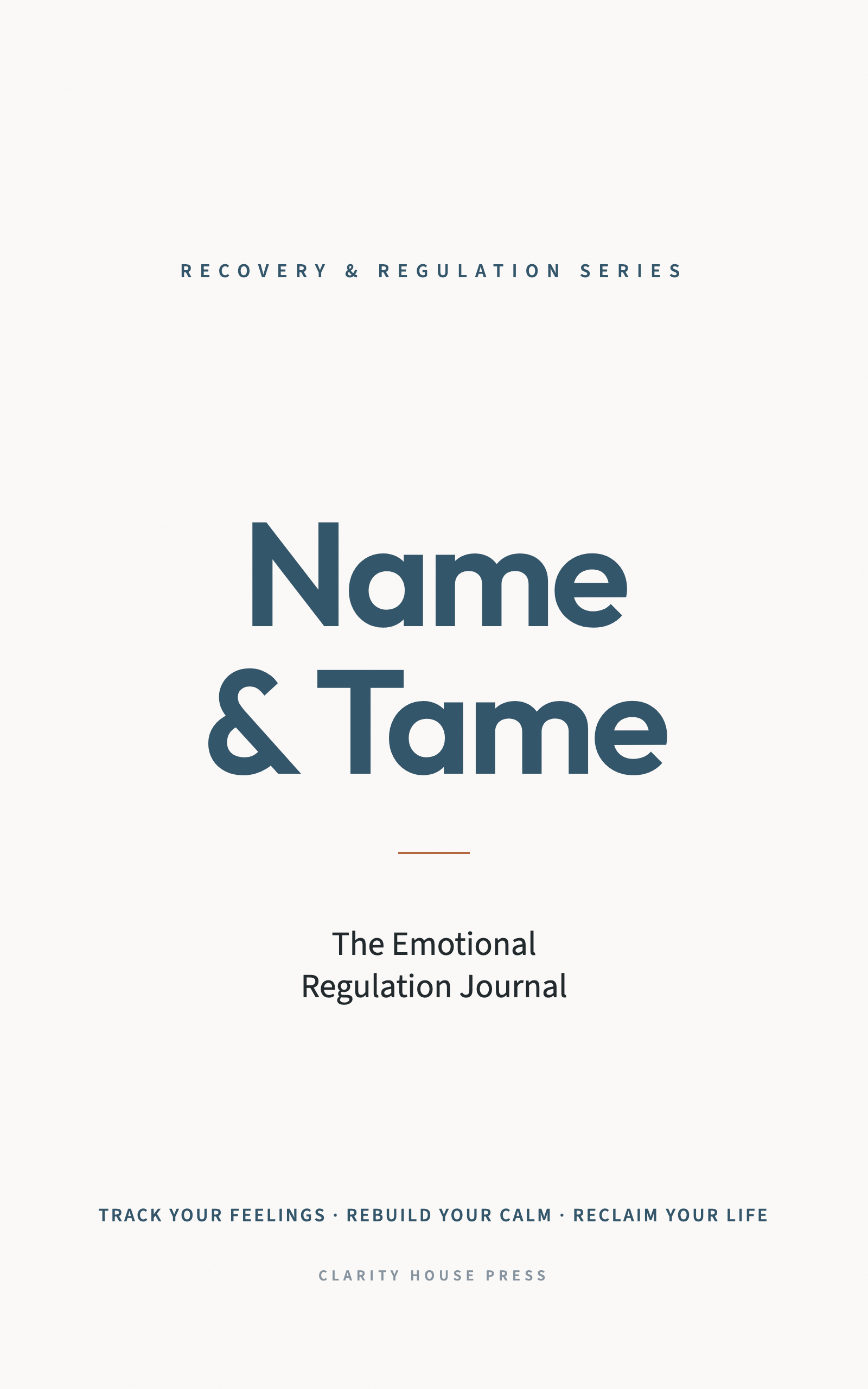

What Happened to You?
Bruce D. Perry, M.D., PhD & Oprah Winfrey
A conversational introduction to how early experience shapes us — reframing 'what's wrong with you' into 'what happened to you.'
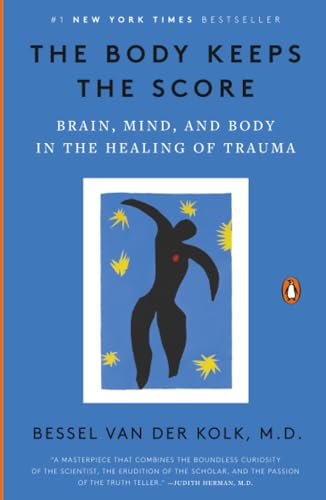
The Body Keeps the Score
Bessel van der Kolk, M.D.
A foundational look at how trauma reshapes the body and nervous system, and the approaches that help the body find safety again.
As an Amazon Associate, Clarity House Press earns from qualifying purchases. Your price is never affected.
Found this helpful?
Share it with someone who might need it.
About the Author

Clarity House Press
Editorial Team
The editorial team at Clarity House Press curates and publishes evidence-based content on narcissistic abuse recovery, high-conflict divorce, and healing. Our content is informed by research, survivor experiences, and established trauma-informed approaches.
View all posts by Clarity House Press →Published by Clarity House Press Editorial Team