Please read our important disclaimers before using this content
When trauma overwhelms the developing psyche, especially in childhood, the mind employs a sophisticated protective mechanism: it fragments. This isn't a disorder of weakness—it's an adaptation of remarkable intelligence. The theory of structural dissociation, developed by van der Hart, Nijenhuis, and Steele, explains how complex trauma creates distinct parts of the personality, each carrying different aspects of experience and function.1
If you've ever felt like "different people" at different times, or noticed parts of yourself that seem to have conflicting needs and reactions, you're not broken. You're experiencing the normal result of abnormal circumstances—a mind that had to split to survive. This is especially common in survivors of narcissistic abuse and complex PTSD.
SAFETY NOTE: If you're experiencing suicidal thoughts, self-harm urges, or feel you might hurt yourself or others, please reach out for immediate help:
- National Suicide Prevention Lifeline: 988 (call or text)
- Crisis Text Line: Text HOME to 741741
- Emergency services: 911 or go to your nearest emergency room
This article provides educational information about parts work, but it is not a substitute for professional mental health treatment. If you suspect you have DID, OSDD, or complex dissociation, please work with a qualified therapist specializing in dissociative disorders.
The Theory of Structural Dissociation
What Is Structural Dissociation?
Structural dissociation describes how the personality becomes divided into parts that don't integrate properly. Rather than experiencing yourself as one cohesive whole with access to all your memories, emotions, and capabilities, you experience yourself as fragmented—different parts holding different trauma memories, emotions, and defensive strategies.
The three levels of structural dissociation:
Primary structural dissociation (found in PTSD):1
- One "Apparently Normal Part" (ANP) focused on daily functioning
- One "Emotional Part" (EP) stuck in trauma time
- Clear division between "moving on" and "still traumatized"
- Common in single-incident trauma
Secondary structural dissociation (found in C-PTSD):1
- One ANP trying to function in daily life
- Multiple EPs, each holding different trauma memories or states
- Different parts emerge in different triggering situations
- Result of repeated or prolonged trauma
Tertiary structural dissociation (found in DID):1
- Multiple ANPs with different identities and roles
- Multiple EPs with different trauma memories
- Distinct sense of self across parts
- Result of severe, prolonged childhood trauma with attachment disruption
The Apparently Normal Part (ANP)
Your ANP is the part focused on daily functioning and future-oriented tasks. This part:
- Goes to work, pays bills, maintains relationships
- Often appears "fine" to the outside world
- May minimize or deny trauma impact
- Uses avoidance and emotional numbing as primary defenses
- Feels disconnected from trauma memories
The ANP isn't fake or a mask—it's a genuine part of you trying to keep you functional. But it operates in a defensive mode, avoiding anything that might trigger emotional parts.
The Emotional Part (EP)
Your EP (or multiple EPs) remains stuck in trauma time. This part:
- Holds trauma memories, emotions, and body sensations
- Experiences the past as present
- Activates defensive responses (fight, flight, freeze, submit)
- May hold conflicting needs and impulses
- Often feels overwhelming when activated
The EP isn't "the real you" any more than the ANP is—both are real parts created by dissociative division.
Why Dissociation Happens
Developmental Considerations
Dissociation develops most profoundly when:
- Trauma occurs during critical developmental periods2
- The child lacks safe attachment for co-regulation
- Trauma is interpersonal and repeated
- The child must maintain relationships with perpetrators
- There's no escape or reliable protection
Example: A child being abused by a parent must somehow continue going to school, doing homework, and interacting with peers. The mind creates a "school self" that can function while keeping the "traumatized self" compartmentalized. This isn't a conscious choice—it's an automatic survival mechanism.
The attachment paradox: When the person who should provide safety is the source of danger, the developing mind faces an impossible dilemma.3 The child must maintain attachment to survive (relying on caregiver for basic needs) while simultaneously defending against that same person. Dissociation allows both—the "attached child" part and the "defending child" part can exist separately, preventing complete system collapse.
The Protective Function
Dissociation allows you to:
- Preserve functioning: Keep working, parenting, meeting obligations
- Avoid overwhelm: Prevent complete emotional flooding
- Maintain relationships: Stay connected to people despite trauma
- Survive unbearable reality: Disconnect from experiences too painful to process
- Protect the system: Different parts handle different survival needs
The problem isn't that dissociation happened—it's that it continues when you're no longer in immediate danger, creating rigidity and dysfunction.
Recognizing Dissociative Parts
A Note on Frameworks
The structural dissociation theory (van der Hart, Nijenhuis, Steele) provides the theoretical understanding of HOW dissociation organizes personality. Internal Family Systems (IFS) provides a therapeutic LANGUAGE and method for working with parts. While these are distinct frameworks, many trauma therapists integrate them—structural dissociation explains the mechanism, IFS provides the healing approach. The "part types" described below use IFS-influenced language rather than strict structural dissociation terminology (ANP/EP), as this is more accessible and therapeutically useful for self-directed work.
Common Part Configurations
You might recognize these typical part patterns:
The Caretaker Part:
- Hyper-responsible, perfectionistic
- Puts others' needs first
- Often the public-facing part
- Exhausted but can't stop
- "If I don't do it, everything will fall apart"
The Wounded Child Part:
- Holds early trauma memories
- Feels small, vulnerable, terrified
- Seeks safety and comfort
- May feel frozen in time at a specific age
- "I'm still that scared little kid"
The Protector/Controller Part:
- Vigilant, suspicious, controlling
- Uses anger or distance to create safety
- Doesn't trust anyone
- Often criticized as "difficult" or "defensive"
- "I'll never let anyone hurt us again"
The Frozen/Numb Part:
- Shut down, emotionless, disconnected
- Can't feel pleasure or pain
- Watches life from a distance
- Often described as "depersonalization"
- "I'm here but not really here"
The Ashamed Part:
- Holds shame and self-blame
- Believes the abuse was deserved
- Sabotages good things
- Keeps you small and hidden
- "I'm fundamentally defective"
Signs You're Switching Between Parts
- Amnesia: Missing time, finding evidence of things you don't remember doing
- Contradictory behaviors: Acting in ways that seem unlike "you"
- Voice changes: Different parts may speak differently, use different vocabulary
- Skill variations: Abilities present in some states, absent in others
- Identity confusion: Genuinely uncertain about your preferences, beliefs, or history
- Passive influence: Feeling compelled to do things you don't consciously choose
- Internal conflict: Experiencing parts as arguing or fighting inside
Somatic signatures of parts:
- Caretaker part: Tension in shoulders/neck, forward-leaning posture, shallow breathing
- Wounded child part: Curled/small body position, soft voice, regression to younger movement patterns
- Protector part: Clenched jaw/fists, rigid posture, held breath or rapid breathing
- Frozen part: Numbness, disconnection from body sensations, blank stare, immobility
- Ashamed part: Downcast eyes, slumped shoulders, desire to hide or disappear
Noticing these body-based cues helps you catch part activation early, before cognitive flooding occurs.
The Neurobiology of Dissociation
Brain Structures Involved
Prefrontal cortex (PFC):
- Integrates information across brain regions
- Provides sense of unified self
- Compromised in dissociative states
- Can be strengthened through therapy
Hippocampus:
- Contextualizes memories in time and space
- Damaged by chronic stress hormones4
- Contributes to "timeless" quality of trauma memories
- Responds to trauma-informed interventions
Amygdala:
- Processes emotional significance
- Hyperactive in emotional parts
- Underactive in apparently normal parts
- Becomes regulated through co-regulation and safety
Default mode network:
- Creates autobiographical narrative
- Fragmented in dissociative disorders
- Integration work literally builds new neural connections
- Meditation can support network coherence
What Happens During Switching
When you switch between parts, your brain shifts:
- Activation patterns: Different neural networks come online
- Neurotransmitter balance: Different parts have different neurochemistry
- Autonomic state: Fight/flight vs. shutdown vs. social engagement
- Memory access: Different parts have access to different memories
- Sensory processing: The world literally looks different to different parts
This isn't imagination or role-playing—it's measurable neurological shifting.5 Importantly, neural integration is possible: Through trauma-informed therapy, you can build new connections between fragmented networks, strengthen Self-leadership circuits, and create more cohesive brain functioning. Neuroplasticity research shows that the adult brain retains remarkable capacity for rewiring, even after years of dissociative functioning.
Working with Parts: Internal Family Systems (IFS)
The IFS Framework
Internal Family Systems therapy, developed by Richard Schwartz, provides a structured approach to working with parts.6 Research indicates IFS shows promise for treating PTSD, depression, and chronic pain, though the evidence base is still developing:
Core concepts:
- All parts are protective and have positive intent
- No part should be eliminated or banished
- Everyone has a "Self" that can lead the system
- Parts are stuck in the past and need updating
- Healing comes through Self-to-part relationships
The Self (with capital S):
- Your core essence, present from birth
- Characterized by the 8 C's: Curiosity, Compassion, Calm, Clarity, Creativity, Confidence, Courage, Connectedness
- Never damaged by trauma
- Accessible even when obscured by parts
Beginning Parts Work
Step 1: Notice and name parts
- Pay attention to distinct emotional states
- Notice when you feel "taken over"
- Name parts descriptively, not judgmentally
- "There's the part that shuts down when criticized"
Step 2: Practice "unblending"
When a part takes over completely, you've "blended" with it—you ARE the anxious part, not someone who HAS an anxious part. Unblending creates necessary distance:
- Notice you're blended: "I'm completely consumed by panic"
- Acknowledge the part: "There's a panicked part here"
- Ask the part: "Would you be willing to separate from me just a little, so I can be with you rather than be you?"
- Notice any space that opens up
- From that space (Self), ask the part what it wants you to know
Unblending doesn't banish the part—it creates the relationship space needed for Self-to-part dialogue. You're moving from "I am terrified" to "A part of me is terrified, and I (Self) can be with that part."
Step 3: Get curious about parts
- Ask: "What is this part trying to protect me from?"
- Notice where the part lives in your body
- Discover how old this part thinks you are
- Understand what the part fears would happen if it stopped its role
Step 4: Appreciate protective intent
- Recognize that even "destructive" parts are trying to help
- Thank parts for their service
- Acknowledge the burden they've carried
- "Thank you for keeping me safe when I had no other options"
Step 5: Negotiate with parts
- Ask parts if they'd be willing to step back temporarily
- Offer reassurance that you're listening
- Promise not to banish or eliminate them
- Build trust through consistent attention
Step 6: Work with wounded parts
- Ask protector parts permission to access wounded parts
- Approach young/wounded parts with Self energy
- Provide what they needed but didn't get
- Witness their pain without being overwhelmed
CRITICAL SAFETY NOTE: Never bypass protector parts to access wounded parts directly. Protectors exist for good reason—they're preventing overwhelm that could destabilize your system. If a protector part refuses permission, respect that. Work with the protector first, building trust and understanding what it fears would happen if you accessed the wounded part. Only when protectors feel confident you can handle the pain should you proceed. Forcing access creates internal rupture and can worsen dissociation.
Practical Integration Strategies
Daily Parts Check-In
Morning practice (5-10 minutes):
- Sit quietly and tune inward
- Notice what parts are present
- Ask: "Who's here this morning?"
- Let each part briefly share concerns
- Respond from Self: "I hear you, I've got this"
- Set intention for Self-led day
Example dialogue:
- Anxious part: "There's so much to do today!"
- Self: "I know you're worried. I have a plan. We'll handle it."
- Exhausted part: "I can't do this anymore."
- Self: "I hear how tired you are. We'll build in rest."
Understanding Your Window of Tolerance
Before working with parts, you need to understand the "window of tolerance"—your zone of optimal arousal where you can process information, feel emotions without being overwhelmed, and think clearly.7
Hyperarousal (above the window):
- Panic, rage, hypervigilance
- Racing thoughts, can't sit still
- Heart pounding, rapid breathing
- Fight-or-flight parts activated
Window of Tolerance (in the window):
- Can feel emotions without being consumed
- Can think and feel simultaneously
- Present-oriented, grounded
- Self-energy accessible
Hypoarousal (below the window):
- Numbness, shutdown, dissociation
- Foggy thinking, can't concentrate
- Fatigue, heaviness, disconnection
- Freeze/collapse parts activated
Parts work is only effective when you're in or near your window. If you're hyperaroused, you need down-regulation. If you're hypoaroused, you need up-regulation. Self can only lead when you're in the window.
Grounding When Parts Activate
The type of grounding you need depends on your nervous system state:
For Hyperarousal (Panic, Rage, Fight/Flight):
DOWN-REGULATION techniques bring you back into the window:
1. Extended exhale breathing
- Breathe in for count of 4
- Hold for count of 2
- Breathe out for count of 6-8 (longer exhale activates parasympathetic)
- Repeat for 2 minutes
2. Bilateral stimulation
- Butterfly hug: Cross arms, alternate tapping shoulders
- Tap knees alternately while seated
- Walk slowly, noticing left-right movement
- Bilateral movement calms amygdala activation
3. Cold water/ice
- Hold ice cube in palm
- Splash cold water on face
- Run cold water on wrists
- Cold activates dive reflex, rapidly reduces arousal
4. Grounding through senses (orienting to present)
- Name 5 things you see (colors, shapes, details)
- Name 4 things you can touch (textures)
- Name 3 things you hear
- Name 2 things you smell
- Name 1 thing you taste
- Interrupts fight/flight, brings attention to present safety
For Hypoarousal (Numbness, Shutdown, Freeze/Collapse):
UP-REGULATION techniques bring you back into the window:
1. Movement and activation
- Stand up, stretch arms overhead
- March in place, stamp feet
- Do 10 jumping jacks
- Any movement that activates muscles and increases heart rate
2. Stimulating senses
- Strong scents (peppermint, citrus)
- Crunchy/sour foods
- Upbeat music
- Bright lights
- These activate sensory systems, counter shutdown
3. Social engagement
- Call a friend (hearing caring voice activates social engagement system)
- Pet an animal
- Look at photos of loved ones
- Brief connection can shift state
4. Vocalization
- Hum, sing, or chant
- Read aloud with expression
- Gargle with water
- Vocal activation stimulates vagus nerve
For Both States - Self-to-Part Dialogue:
Once you've moved toward your window:
1. Name what's happening
- "This is the frozen part" / "The angry protector just came forward"
- Creates observer perspective (Self)
2. Orient the part to present
- "We're in 2025, not 1995"
- "Look around—we're in our living room, which is safe"
3. Ask what the part needs
- "What are you protecting me from right now?"
- Listen with curiosity, not judgment
4. Provide internal reassurance
- "Thank you for trying to protect me"
- "I've got this situation; you can rest"
5. Make conscious choice
- "Is this part's response helpful right now?"
- Self makes the decision, not reactive parts
Parts Mapping Exercise
Create a visual map of your internal system:
Materials needed:
- Large paper
- Colored markers or crayons
- Quiet, uninterrupted time
Process:
- Draw yourself in the center
- Around you, represent each part you recognize
- Use color, size, position to show relationships
- Notice which parts are close to Self, which are distant
- Draw lines showing conflicts or alliances
- Add any "exiled" parts you keep hidden
Insights to notice:
- Which parts dominate?
- Which parts never get heard?
- What coalitions exist?
- Who protects whom?
- What would more balance look like?
Co-Consciousness Practice
Rather than switching completely, practice holding multiple parts in awareness:
Technique:
- Notice two parts with different needs
- Invite both to be present simultaneously
- Let each speak without one dominating
- From Self, find response that honors both
- Notice you can hold complexity
Example:
- Part that wants to rest + Part that fears falling behind
- Self response: "We'll rest for 20 minutes, then accomplish one important thing. Both needs matter."
Building Internal Resources Before Trauma Work
CRITICAL: Do not proceed to wounded part work until you have established internal resources. Trauma processing without resources leads to re-traumatization.
Resource 1: Safe Place Imagery
- Close your eyes and imagine a place (real or imagined) where you feel completely safe
- Notice all sensory details: what you see, hear, smell, feel
- Notice how your body feels in this safe place
- Practice returning to this image when activated
- Some parts may not feel safe anywhere—start with "safer" rather than "safe"
Resource 2: Protective Figure
- Imagine someone (real, imagined, spiritual, or animal) who is completely protective
- This figure is strong, wise, has your best interests at heart
- Notice how you feel in their presence
- Imagine this figure standing between you and harm
- Call on this figure when working with frightened parts
Resource 3: Nurturing Figure
- Imagine someone who is purely nurturing and compassionate
- This figure sees your pain and responds with tenderness
- Notice how your body responds to their care
- Essential for wounded child parts
- If you can't imagine being nurtured, that's important information about what you missed
Resource 4: Wise Figure
- Imagine someone with deep wisdom and perspective
- They can see the bigger picture you can't see when overwhelmed
- They offer guidance without judgment
- Helps when parts are in conflict
- Can be your future self, spiritual figure, or archetype
Installing Resources:
For each resource, practice:
- Imagining it vividly (2-3 minutes daily)
- Noticing body sensations when connected to it
- Calling on it during mild stress
- Strengthening the neural pathway through repetition
Only after you can reliably access these internal resources should you begin working with deeply wounded parts. Resources provide the safety net for trauma processing.
Trauma-Informed Therapy Approaches
When to Seek Professional Help
Parts work with a trained therapist is recommended when:
- Parts switching interferes with daily functioning
- You experience significant amnesia
- Parts conflict creates severe internal chaos
- You suspect DID or OSDD
- Self-harm or suicidal parts are active
- You feel overwhelmed working with parts alone
Phase-Based Treatment Model
Trauma therapy for structural dissociation follows a three-phase model.8 Skipping phases leads to destabilization and treatment failure.
Phase 1: Safety and Stabilization (3-12 months, sometimes longer)
Focuses on:
- Establishing external safety (safety planning if still in abuse)
- Building window of tolerance (emotional regulation skills)
- Grounding techniques for hyperarousal and hypoarousal
- Creating internal resources (safe place, protective/nurturing figures)
- Mapping parts system (who's here, roles)
- Building Self-to-part relationships with protector parts
- Developing co-consciousness
- Addressing crisis behaviors (self-harm, suicidality, substance abuse)
You cannot skip this phase. Attempting trauma processing without stabilization leads to overwhelm, decompensation, increased dissociation, loss of functioning, and re-traumatization.
Many want to rush to trauma processing. Resist this. Stabilization is not "wasting time"—it's building the container that makes trauma processing safe.
Phase 2: Processing Trauma Memories (1-3 years, sometimes longer)
Only when Phase 1 is solid:
- Working with wounded parts to process held trauma
- EMDR, CPT, or other trauma processing modalities
- Titrated exposure (small doses, with breaks)
- Constant monitoring of window of tolerance
- Frequent stabilization breaks
- Integration of fragmented memories
This phase is not linear. You'll cycle between processing and stabilization. Some sessions focus on trauma work; others return to grounding when window narrows.
Phase 3: Integration and Post-Traumatic Growth (ongoing)
As trauma is processed:
- Parts update to present reality
- Reduced amnesia, smoother transitions
- Parts take on new, non-protective roles
- Increased co-consciousness and cooperation
- Self-leadership becomes natural
- Focus shifts to building meaningful life
- Post-traumatic growth: meaning-making, purpose, connection
Realistic timeframes: For secondary dissociation (C-PTSD), expect 2-4 years of therapy. For tertiary dissociation (DID), expect 4-7+ years.9 This reflects the profound work of rewiring a nervous system shaped by years of trauma. Anyone promising faster healing is not being realistic.
Therapeutic Modalities for Integration
Internal Family Systems (IFS):
- Direct work with parts and Self
- Focus on unburdening parts from extreme roles
- Self-led healing of wounded parts
- Best for: Secondary/tertiary dissociation
EMDR with parts protocols:10
- Bilateral stimulation to process trauma
- Critical adaptation for dissociation: Standard EMDR can be destabilizing for dissociative clients if parts are not prepared
- Preparation phase extended: All parts must agree to processing; protector parts must trust they won't be overwhelmed
- Titrated processing: Shorter sets of bilateral stimulation with frequent check-ins
- "One part at a time" approach: Work with one part's perspective on the trauma, then another part's perspective, gradually integrating
- Constant grounding: More grounding and resourcing than standard EMDR
- Best for: Trauma memories held in parts, once stabilization is established
Safety note: If your EMDR therapist is not adapting the protocol for your dissociation, you're at risk for destabilization. Ask: "How do you adapt EMDR for clients with parts?" If they don't have a clear answer, seek a therapist with dissociation-specific training.
Sensorimotor Psychotherapy:
- Body-based approach to parts work
- Tracking somatic markers of parts
- Movement to shift between states
- Best for: Body-based dissociation
Ego state therapy:
- Hypnotic techniques for accessing parts
- Reparenting and resource installation
- Integration through dialogue
- Best for: Accessing difficult-to-reach parts
Schema therapy:
- Identifies "modes" (similar to parts)
- Focuses on meeting childhood needs
- Building healthy adult mode
- Best for: Borderline and C-PTSD presentations
Red Flags in Parts Work Therapy
Avoid therapists who:
- Encourage "getting rid of" parts
- Suggest parts are demons or entities
- Push for rapid integration before building safety
- Dismiss dissociation as "just coping"
- Focus exclusively on trauma without stabilization
- Encourage dependency rather than Self-leadership
Good therapists will:
- Build window of tolerance before trauma work
- Teach grounding and regulation first
- Respect parts and their protective functions
- Move at your pace, not a predetermined protocol
- Strengthen Self-energy and Self-to-part relationships
- Normalize dissociation as adaptive response
Integration vs. Fusion
What Integration Actually Means
Integration is NOT:
- Making parts disappear
- Forcing parts to merge
- Eliminating protective responses
- Becoming one-dimensional
Integration IS:
- Parts communicating and cooperating
- Reduced amnesia between parts
- More fluid transitions
- Self-leadership of the system
- Parts updating their understanding of current reality
- Decreased conflict and increased harmony
The Goal of Parts Work
The goal isn't to have one unified personality with no parts—we all have parts. The goal is:
- Co-consciousness: Parts aware of each other
- Communication: Internal dialogue and negotiation
- Cooperation: Parts working together
- Self-leadership: Self making decisions with parts' input
- Flexibility: Smooth transitions as needed
- Current reality: Parts knowing past is past
You're not trying to become someone without parts. You're trying to become someone whose parts work together under conscious leadership.
What About Fusion?
Fusion occurs when two or more parts completely merge into one, with no separation remaining. This is different from integration.
Important points about fusion:
- Fusion is not the required goal of therapy (integration is)
- Some parts do fuse spontaneously as trauma is processed—this is natural and okay
- Fusion should never be forced or rushed
- Some DID systems experience complete fusion (all parts merge); others maintain distinct parts that cooperate
- Both outcomes are healthy as long as:
- Parts (or the fused whole) function well
- There's no amnesia interfering with life
- The person feels authentic and whole
You get to decide (in collaboration with your parts) what integration looks like for your system. There's no "correct" endpoint. The goal is reducing suffering and increasing functioning, not achieving a specific structural outcome.
Common Challenges and Solutions
"I can't find Self"
If you feel only parts, no Self:
- Self is there, just obscured
- Start with curiosity—that's Self energy
- Ask parts to step back briefly
- Notice any moment of calm or compassion—that's Self
- Build Self-energy gradually through practice
"My parts don't trust me"
If parts won't cooperate:
- They have good reason based on past
- Build trust slowly through consistent attention
- Never banish or shame parts
- Keep promises to parts
- Prove you can handle what they're protecting you from
"I'm scared of what I'll find"
If approaching wounded parts feels terrifying:
- You don't have to do this alone
- Work with a therapist
- Build resources first
- Go slow—no need to rush
- Parts have survived this long; you can take time
"Parts work makes dissociation worse"
If focusing on parts increases fragmentation:
- You may be bypassing necessary stabilization
- Focus on present-moment grounding first
- Build window of tolerance
- Work with a trauma therapist
- Some people need medication support
"I'm switching rapidly and can't stabilize"
If you're bouncing between parts uncontrollably:
- This is a window of tolerance issue—you're outside your window
- STOP parts work immediately and focus on grounding
- Use the hyperarousal or hypoarousal techniques (depending on state)
- Simplify: eat regularly, sleep, reduce stimulation, avoid alcohol/substances
- This may indicate you need medication support—consult a psychiatrist
- Resume parts work only when switching slows and you feel more stable
- You may have bypassed necessary stabilization—return to Phase 1 work
"I've processed trauma but the part won't update"
If a part still acts like trauma is happening despite processing:
- That part may not have been fully present during processing
- Check: Did all parts agree to the processing work?
- Some parts need multiple processing sessions for the same memory
- The part may be holding a different aspect (shame vs. fear vs. rage)
- Try ego state therapy techniques to "update" the part directly
- Be patient—neural rewiring takes repetition
- This is common and doesn't mean therapy is failing
Safety Planning for High-Risk Parts
If you have parts that engage in self-harm, suicidal thinking, or other dangerous behaviors, you need a safety plan BEFORE doing deep parts work.
Identifying High-Risk Parts
Self-harm parts:
- Cut, burn, hit, or otherwise injure the body
- May feel they're "punishing" bad parts
- May use pain to "feel something" when numb
- Often activated by shame or overwhelm
Suicidal parts:
- Want to end life or "make everything stop"
- May believe death is the only escape
- Often don't understand they'd kill all parts, not just suffering parts
- Crisis-level risk requiring immediate intervention
Substance abuse parts:
- Use alcohol or drugs to numb pain
- May binge, black out, or put you in dangerous situations
- Often trying to "medicate" other parts' distress
Risk-taking parts:
- Engage in dangerous driving, unsafe sex, financial recklessness
- May be trying to "feel alive" or prove invulnerability
- Often counterbalance frozen/numb parts
Crisis Safety Plan
Create this plan when you're stable (in your window), so it's available when you're not:
1. Warning signs I'm moving toward crisis:
- [Specific to you: "Frozen part takes over for days", "Can't get out of bed", "Protector part starts rage episodes"]
2. Internal coping strategies (try these first):
- Grounding techniques (ice, cold water, bilateral tapping)
- Call on protective figure resource
- Self-to-part dialogue: "What do you need? I'm listening."
- Journal from the part in crisis
3. External coping strategies (if internal strategies aren't enough):
- Call trusted friend/family member: [Name and number]
- Go to safe public place (coffee shop, library—somewhere you can't act on urges)
- Post in online support community
- Use crisis text line: Text HOME to 741741
4. People I can reach out to:
- Supportive friend: [Name and number]
- Family member: [Name and number]
- Therapist: [Name and number]
- Backup therapist: [Name and number]
5. Professional crisis resources:
- National Suicide Prevention Lifeline: 988
- Crisis Text Line: Text HOME to 741741
- Local crisis center: [Your local resource]
- Emergency room: [Nearest ER address]
6. Making the environment safe:
- Remove or secure: [Medications, sharp objects, weapons, alcohol—whatever your high-risk parts use]
- Give trusted person access to locked items if needed
- Install crisis line numbers in phone under "ICE" (In Case of Emergency)
Working with Suicidal Parts
CRITICAL: Suicidal parts require specialized intervention. Do NOT attempt to work with them alone.
If you have active suicidal parts, this is NOT a "do it yourself" situation. You need a therapist, possibly a psychiatrist, possibly intensive outpatient or inpatient treatment. This is not failure—it's appropriate use of resources for a life-threatening situation.
Self-Harm Agreements
For parts that self-harm:
From Self to part:
- "I understand you're in pain and this is how you've tried to cope"
- "I'm not going to shame you or banish you for this"
- "I need your help to find other ways to manage this pain"
- "Will you agree to talk to me before you act on the urge?"
Alternative coping for self-harm urges:
- Hold ice cube in palm until it melts (intense sensation without damage)
- Snap rubber band on wrist (mild pain without injury)
- Draw on skin with red marker where you'd cut
- Intense exercise (run, punching bag, vigorous cleaning)
- Cold shower
- Scream into pillow
These are harm-reduction strategies, not long-term solutions. The long-term solution is processing the trauma and pain the self-harm part is managing. But in crisis, harm reduction keeps you safe while you work toward deeper healing.
When Hospitalization May Be Needed
Consider inpatient treatment if:
- Suicidal parts have active plan and means
- Self-harm is escalating or life-threatening
- Functioning has deteriorated severely (can't work, care for children, meet basic needs)
- Switching is so rapid you can't stabilize
- You're losing significant time to amnesia
- Parts are in such severe conflict the system is fragmenting further
Hospitalization is not failure or punishment—it's intensive stabilization when outpatient care isn't sufficient. The goal is to stabilize, create safety, and return to outpatient therapy with better skills and support.
Medication and Psychiatric Support
When to Consult a Psychiatrist
Consider psychiatric evaluation if you're experiencing:
- Severe depression that interferes with functioning or creates suicidal parts
- Panic attacks that limit daily activities
- Insomnia or nightmares that prevent restorative sleep
- Mood instability that makes therapy difficult
- Psychotic symptoms (hallucinations, delusions—rare but possible with severe dissociation)
- Difficulty tolerating therapy due to emotional overwhelm
What Medication Can and Can't Do
Medication CAN:
- Reduce depression and anxiety, widening window of tolerance
- Improve sleep quality (trauma nightmares respond to prazosin)
- Stabilize mood swings
- Reduce hyperarousal or panic
- Make therapy more tolerable and effective
- Support nervous system regulation
Medication CANNOT:
- Eliminate parts or "cure" dissociation
- Process trauma memories
- Replace therapy
- Build Self-leadership
- Resolve internal conflicts between parts
Medication is an adjunct to therapy, not a replacement. Think of it as creating more stability so therapy can work effectively.
Medication Considerations for Dissociative Disorders
SSRIs/SNRIs (antidepressants):
- First-line for depression, anxiety, PTSD symptoms
- Examples: sertraline (Zoloft), fluoxetine (Prozac), venlafaxine (Effexor)
- Can help regulate mood, improve sleep, reduce anxiety
- Takes 4-6 weeks to see full effect
- Generally well-tolerated
Prazosin:
- Reduces trauma nightmares
- Taken before bed
- Improves sleep quality
- Specifically helpful for PTSD
Mood stabilizers:
- Sometimes used if mood swings are severe
- Examples: lamotrigine (Lamictal), valproic acid
- Can help with emotional regulation
- Requires monitoring of blood levels
Antipsychotics (low-dose):
- Sometimes used for severe anxiety or mood instability
- Examples: quetiapine (Seroquel), aripiprazole (Abilify)
- Can help with sleep and anxiety but may worsen dissociation at higher doses
- Use cautiously
AVOID or use cautiously:
Benzodiazepines (Xanax, Klonopin, Ativan):
- Provide immediate anxiety relief BUT
- Highly addictive
- Can worsen dissociation long-term
- Interfere with trauma processing
- Only for short-term use or acute crisis
- Many trauma specialists avoid prescribing these
Finding a Trauma-Informed Psychiatrist
Ask potential psychiatrists:
- "What's your experience treating dissociative disorders?"
- "What's your approach to medication for trauma survivors?"
- "How do you feel about benzodiazepines for PTSD?"
Good answers include:
- Specific training or experience with dissociative disorders
- Conservative, evidence-based approach to medication
- Collaborative decision-making
- Understanding that medication supports therapy, doesn't replace it
- Caution about benzodiazepines
Red flags:
- "Dissociation isn't real" or dismissiveness
- Pushing medication without exploring therapy
- Prescribing high doses of benzodiazepines
- Not asking about trauma history
- Unwilling to coordinate with your therapist
Coordinated Care
Ideal treatment team:
- Trauma therapist (primary treatment provider—weekly sessions)
- Psychiatrist (medication management—monthly or quarterly check-ins)
- Both communicate with your consent
Having your psychiatrist and therapist coordinate creates:
- Consistent treatment approach
- Better monitoring of medication effects on therapy
- Safety net if you're in crisis
- More effective overall care
Sign releases so they can talk to each other. This isn't violating your privacy—it's creating a treatment team that can support you comprehensively.
Living with Integrated Parts
Daily Life with Part-Awareness
In relationships:
- "My anxious part is activated by that comment—give me a minute"
- "The part that doesn't trust people is speaking up—I need to check if there's real danger"
- Communicate from Self, not reactive parts
At work:
- Notice which part is best suited for which tasks
- Don't let protector parts sabotage opportunities
- Use parts' strengths strategically
- Take breaks when switching feels exhausting
In self-care:
- Different parts have different needs
- Exhausted part needs rest
- Young part needs play
- Controller part needs to feel secure
- All parts need acknowledgment
In disclosure and advocacy for yourself:
Not everyone needs to know about your parts. Strategic disclosure:
- Intimate partners: May benefit from understanding your parts (especially protector parts that create distance, or young parts that need reassurance)
- Close friends: Can learn to recognize when you've switched and offer grounding support
- Therapists/psychiatrists: Absolutely need to know—this informs treatment
- Employers/coworkers: Generally don't need parts language, but might need "I need a break when overwhelmed" type requests
- Children: Age-appropriate explanation: "Sometimes grown-ups have different feelings that are really strong, and that's okay"
How to educate partners:
If you have a supportive partner who wants to understand:
- Share articles or book chapters (like this one) as starting point
- Explain your specific parts: "I have a part that's really scared of abandonment—it's not logical, but it's real"
- Teach them to recognize switches: "When my voice gets small and I look down, that's my young part"
- Give specific support requests: "When I'm in that part, I need you to speak gently and reassure me you're not leaving"
- Be clear they're not your therapist—they support, they don't fix
- Consider couples therapy with your individual therapist
What partners shouldn't do:
- Try to "make parts go away"
- Prefer one part over others
- Criticize you for switching
- Treat you like you're "crazy"
- Use parts against you in arguments
The Ongoing Practice
Parts work isn't something you complete and move on from—it's an ongoing relationship with your internal system. Over time:
- Switching becomes less jarring
- Internal communication improves
- You catch part activation earlier
- Self-leadership feels more natural
- Parts trust you more
- Life feels less chaotic and more coherent
You're not trying to eliminate your complexity. You're trying to orchestrate it.
Key Takeaways
- Structural dissociation is an intelligent adaptation to overwhelming trauma, not a sign of weakness or brokenness
- Parts are real—they have distinct neurological signatures, memories, and functions
- All parts are protective, even ones that seem self-destructive
- Self is your core essence, never damaged by trauma, capable of leading your system
- Integration means cooperation, not elimination of parts
- Parts work is best done with professional support, especially with complex dissociation
- You can live well with parts once they communicate and cooperate under Self-leadership
- Healing takes time—for C-PTSD/secondary dissociation, expect 2-4 years of therapy; for DID/tertiary dissociation, expect 4-7+ years. This is realistic expectation-setting that prevents despair when healing isn't linear or rapid
Your Next Steps
If you're new to parts awareness:
- Start noticing distinct emotional states and naming them
- Get curious about protective intent: "What is this part protecting me from?"
- Practice the daily parts check-in for one week
- Read No Bad Parts by Richard Schwartz
If you're actively working with parts:
- Create your parts map to visualize your internal system
- Practice co-consciousness with two contrasting parts
- Identify one protector part and thank it for its service
- Begin working with a therapist trained in IFS or ego state therapy
If you suspect complex dissociation (DID/OSDD):
- Seek evaluation from a dissociative disorders specialist (not a general therapist—specialized assessment is critical)
- Prioritize safety: If any parts are actively self-harming or suicidal, this is a psychiatric emergency—seek immediate professional help
- Build stabilization skills before trauma processing (Phase 1 may take 12-18 months)
- Join a support group for dissociative survivors (ISST-D has resources)
- Be patient—this healing takes years, not months, and that's okay
- Consider whether you need a higher level of care (intensive outpatient, partial hospitalization) if functioning is severely impaired
Resources
Therapy and Professional Resources:
- IFS Therapist Directory - Find Internal Family Systems therapists
- EMDR International Association - Find EMDR therapists
- Psychology Today Therapist Finder - Filter for dissociation specialists
- International Society for the Study of Trauma and Dissociation - Dissociative disorders resources
Education and Books:
- IFS Institute - Internal Family Systems training and resources
- No Bad Parts by Richard Schwartz - IFS introduction
- The Haunted Self by van der Hart, Nijenhuis, & Steele - Structural dissociation theory
- Coping with Trauma-Related Dissociation by Boon, Steele, & van der Hart - Self-help workbook
Crisis Support:
- 988 Suicide & Crisis Lifeline - Call or text 988 (24/7)
- Crisis Text Line - Text HOME to 741741
- RAINN - 1-800-656-4673 (sexual assault hotline)
- National Domestic Violence Hotline - 1-800-799-7233 (SAFE)
You are not fragmented because you're broken. You're fragmented because your mind was brilliant enough to survive what should have destroyed you. Now it's time to bring that brilliance forward, integrate your strengths, and live from wholeness—not by eliminating parts, but by letting them work together in harmony.
References
- van der Hart, O., Nijenhuis, E. R., & Steele, K. (2006). The Haunted Self: Structural Dissociation and the Treatment of Chronic Traumatization. W.W. Norton & Company. See also: van der Hart, O., Nijenhuis, E. R., & Steele, K. (2005). Dissociation: An insufficiently recognized major feature of complex posttraumatic stress disorder. Journal of Traumatic Stress, 18(5), 413-423. https://pubmed.ncbi.nlm.nih.gov/16281239/ ↩
- Bremner, J. D. (2006). Traumatic stress: effects on the brain. Dialogues in Clinical Neuroscience, 8(4), 445-461. https://pmc.ncbi.nlm.nih.gov/articles/PMC3181836/ See also: Lupien, S. J., McEwen, B. S., Gunnar, M. R., & Heim, C. (2009). Effects of stress throughout the lifespan on the brain, behaviour and cognition. Nature Reviews Neuroscience, 10(6), 434-445. https://pmc.ncbi.nlm.nih.gov/articles/PMC3269810/ ↩
- Schlumpf, Y. R., et al. (2022). Functional Neuroimaging in Dissociative Disorders: A Systematic Review. Journal of Personalized Medicine, 12(9), 1405. https://pmc.ncbi.nlm.nih.gov/articles/PMC9502311/ This systematic review found that dissociative processing corresponds to differential neural signatures depending on symptom constellation, with aberrations across temporal and frontal cortices. ↩
- Corrigan, F. M., Fisher, J. J., & Nutt, D. J. (2011). Autonomic dysregulation and the Window of Tolerance model of the effects of complex emotional trauma. Journal of Psychopharmacology, 25(1), 17-25. https://www.researchgate.net/publication/41111427_Autonomic_dysregulation_and_the_Window_of_Tolerance_Model_of_the_effects_of_complex_emotional_trauma The Window of Tolerance concept was originally developed by Dan Siegel (1999) in The Developing Mind. ↩
- van der Hart, O., Steele, K., Boon, S., & Brown, P. (1993). Phase-oriented treatment of structural dissociation in complex traumatization: Overcoming trauma-related phobias. Journal of Trauma & Dissociation, 6(3), 11-53. https://pubmed.ncbi.nlm.nih.gov/16172081/ See also: Brand, B. L., et al. (2019). Effectiveness of phase-oriented treatment for trauma-related dissociative disorders. European Journal of Psychotraumatology. ↩
- Gonzalez, A., & Mosquera, D. (2012). EMDR and Dissociation: The Progressive Approach. See also: Shapiro, F. (2018). Eye Movement Desensitization and Reprocessing (EMDR) Therapy: Basic Principles, Protocols, and Procedures (3rd ed.), Appendix B: Dissociative Disorders Task Force Recommended Guidelines. https://pmc.ncbi.nlm.nih.gov/articles/PMC5632787/ ↩
- Schwartz, R. C., & Sweezy, M. (2020). Internal Family Systems Therapy (2nd ed.). Guilford Press. For research evidence, see: Haddock, S. A., et al. (2016). The efficacy of Internal Family Systems therapy in the treatment of depression among female college students: A pilot study. Journal of Marital and Family Therapy, 43(1), 131-144. https://pubmed.ncbi.nlm.nih.gov/27500908/ See also: Anderson, F. G., et al. (2021). Internal Family Systems (IFS) Therapy for Posttraumatic Stress Disorder (PTSD) among Survivors of Multiple Childhood Trauma: A Pilot Effectiveness Study. Journal of Aggression, Maltreatment & Trauma. https://www.tandfonline.com/doi/full/10.1080/10926771.2021.2013375 ↩
- Liotti, G. (2004). Trauma, dissociation, and disorganized attachment: Three strands of a single braid. Psychotherapy: Theory, Research, Practice, Training, 41(4), 472-486. https://pubmed.ncbi.nlm.nih.gov/20175839/ See also: Lyons-Ruth, K., Dutra, L., Schuder, M. R., & Bianchi, I. (2006). From infant attachment disorganization to adult dissociation: Relational adaptations or traumatic experiences? Psychiatric Clinics of North America, 29(1), 63-86. https://pmc.ncbi.nlm.nih.gov/articles/PMC1857327/ ↩
- Perry, B. D. (2009). Examining child maltreatment through a neurodevelopmental lens: Clinical applications of the neurosequential model of therapeutics. Journal of Loss and Trauma, 14(4), 240-255. https://pubmed.ncbi.nlm.nih.gov/20161642/ See also: Teicher, M. H., & Samson, J. A. (2016). Annual Research Review: Enduring neurobiological effects of childhood abuse and neglect. Journal of Child Psychology and Psychiatry, 57(3), 241-266. https://pmc.ncbi.nlm.nih.gov/articles/PMC4760853/ ↩
- Brand, B. L., Classen, C. C., McNary, S. W., & Zaveri, P. (2009). A review of dissociative disorders treatment studies. Journal of Nervous and Mental Disease, 197(9), 646-654. https://pubmed.ncbi.nlm.nih.gov/19752643/ See also: Myrick, A. C., Webermann, A. R., Langeland, W., Putnam, F. W., & Brand, B. L. (2017). Treatment of dissociative disorders and reported changes in inpatient and outpatient cost estimates. European Journal of Psychotraumatology, 8(1), 1375829. https://pmc.ncbi.nlm.nih.gov/articles/PMC5678454/ ↩
Recommended Reading
From Clarity House Press — plus trusted books for deeper understanding

Surviving the Storm: When the Court Takes Your Children
Clarity House Press
For fathers in active high-conflict custody battles. Understand your CPTSD symptoms, begin stabilization, and build foundation for healing. 17 chapters covering recognition, symptoms, and the healing path.

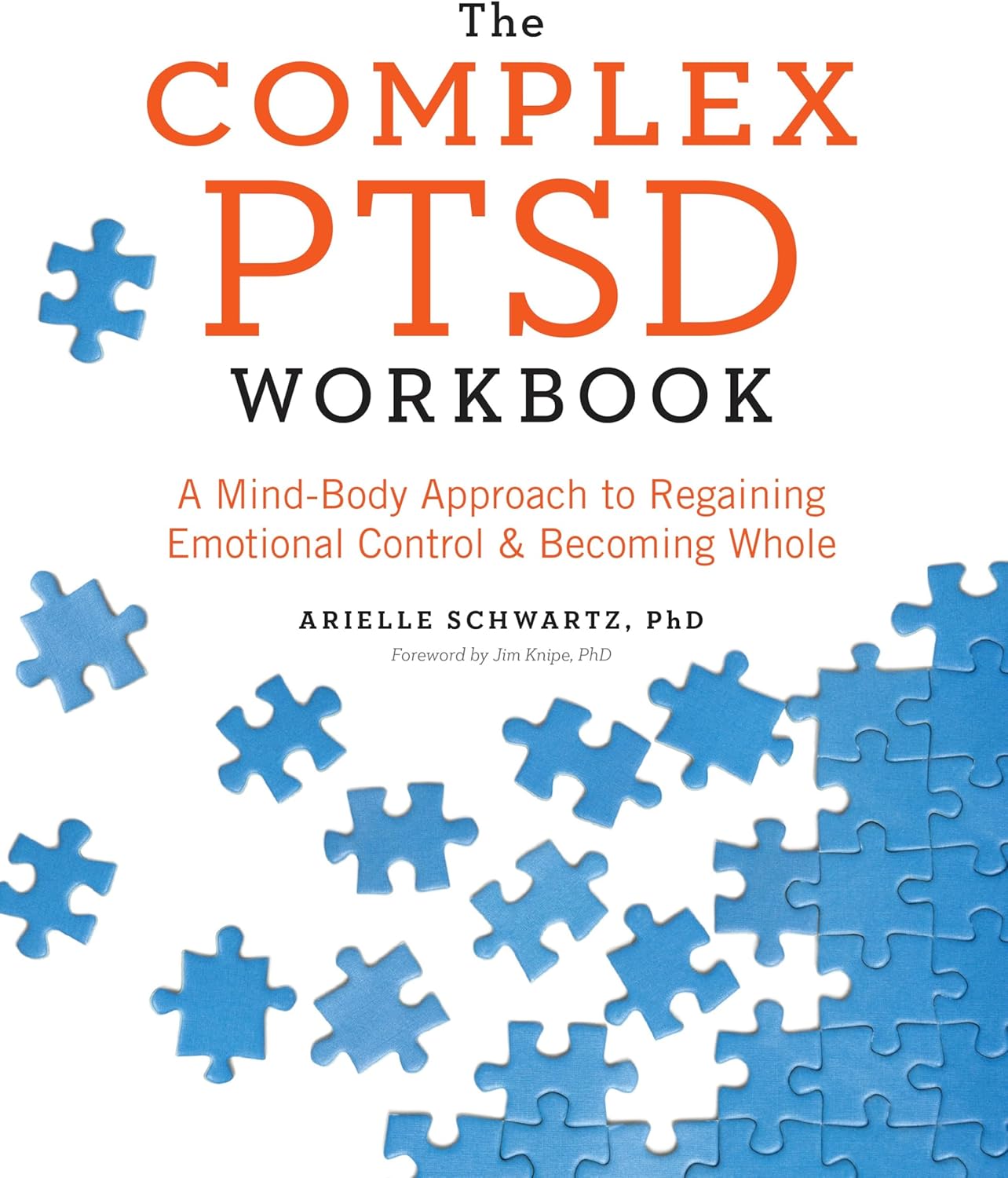
The Complex PTSD Workbook
Arielle Schwartz, PhD
A mind-body approach to regaining emotional control and becoming whole with evidence-based exercises.
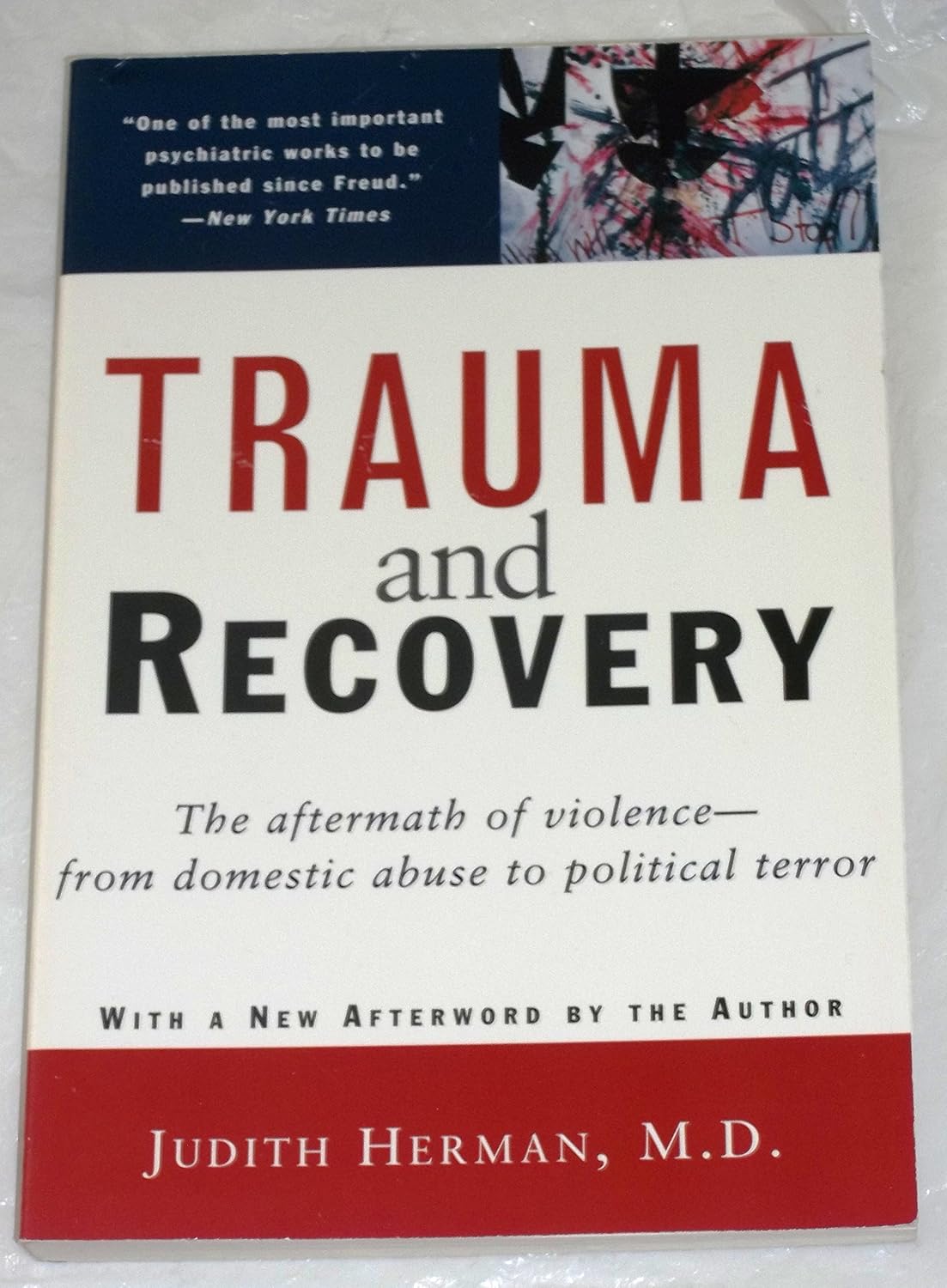
Trauma and Recovery
Judith Lewis Herman, M.D.
The seminal framework for understanding trauma and the stages of recovery — safety, remembrance, and reconnection.
As an Amazon Associate, Clarity House Press earns from qualifying purchases. Your price is never affected.
Found this helpful?
Share it with someone who might need it.
About the Author

Clarity House Press
Editorial Team
The editorial team at Clarity House Press curates and publishes evidence-based content on narcissistic abuse recovery, high-conflict divorce, and healing. Our content is informed by research, survivor experiences, and established trauma-informed approaches.
View all posts by Clarity House Press →Published by Clarity House Press Editorial Team