Please read our important disclaimers before using this content
Financial abuse leaves tangible, measurable damage in the form of destroyed credit scores, fraudulent accounts, and a financial identity that doesn't reflect your actual behavior.1 Unlike emotional scars that heal invisibly, credit damage is quantified, tracked, and impacts every aspect of rebuilding your life—from renting an apartment to getting a job to financing a car.
The devastation is often strategic: abusers destroy credit to maintain control, create dependency, and punish attempts at independence.2 Understanding the broader landscape of financial recovery after economic abuse helps you situate credit repair within a complete rebuild strategy. They open accounts in your name, max out joint credit cards, refuse to pay court-ordered debts, file fraudulent bankruptcy, or simply tank shared accounts while you're still legally liable.
You are not responsible for abuse, but you are empowered to rebuild. This is not a quick fix—credit recovery after financial abuse typically takes 12-36 months of strategic action. But it is possible, methodical, and entirely within your control.
This guide provides the comprehensive, step-by-step plan you need to move from credit devastation to financial independence.
Understanding the Damage: What Financial Abuse Does to Credit
Common Credit Destruction Tactics
Identity Theft and Fraudulent Accounts3 Abusers who have access to your Social Security number, date of birth, and personal information can:
- Open credit cards in your name without your knowledge
- Take out personal loans using your identity
- Open utility accounts that later go to collections
- List you as co-signer on loans you never agreed to
- Apply for credit that results in hard inquiries on your report
Strategic Non-Payment Even when accounts are legitimate, abusers may:
- Stop paying joint accounts while you're still legally liable
- Refuse to pay court-ordered debts (mortgage, car loans, credit cards)
- Deliberately miss payments to harm your credit before divorce finalization
- Allow accounts to go to collections intentionally
- File bankruptcy listing joint debts to trigger your creditor obligations
Credit Card Maximization In the months before or during separation:
- Maxing out joint credit cards for spite or personal use
- Charging large purchases they have no intention of repaying
- Cash advances that increase debt and fees
- Running up balances after you've separated but before accounts are closed
Authorized User Abuse If you were an authorized user on their accounts:
- Their poor payment history may appear on your credit report
- Their high balances impact your credit utilization
- Late payments reflect on your credit score even though you had no control
How This Damage Manifests
- Payment History (35% of score): Missed payments, collections, charge-offs
- Amounts Owed (30% of score): High balances, maxed-out cards, high utilization
- Length of Credit History (15% of score): Closed accounts shorten average age
- New Credit (10% of score): Fraudulent hard inquiries
- Credit Mix (10% of score): Defaults on various account types
Real-World Consequences
- Inability to rent an apartment (landlords check credit)
- Higher insurance premiums (credit-based insurance scores)
- Job rejections (employers often check credit for financial positions)
- Denial for car loans or mortgages
- Security deposit requirements for utilities
- Higher interest rates on any credit you can obtain
- Denial of cell phone contracts without large deposits
The Emotional Weight of Credit Damage
Beyond the practical consequences, credit destruction carries psychological impact.67 Research indicates that survivors of identity theft report significant emotional consequences including:
- Shame and embarrassment about financial "failure" that wasn't your fault
- Anxiety every time you need to apply for credit or housing
- Anger at the injustice of being punished for abuse
- Powerlessness in the face of bureaucratic credit reporting systems
- Fear that you'll never recover financial stability
Reframe the narrative: Your credit score is not a moral judgment. It's a number, calculated by an algorithm, that can be systematically improved. The abuse was not your fault. The recovery is within your power. The shame and anxiety around narcissistic abuse recovery apply to financial wounds too—healing is non-linear and that's normal.
Step 1: Obtain and Review Your Credit Reports
Pull All Three Reports
You are entitled to one free credit report per year from each of the three major credit bureaus:
- Equifax: equifax.com or 800-685-1111
- Experian: experian.com or 888-397-3742
- TransUnion: transunion.com or 800-916-8800
How to Access:
- Go to AnnualCreditReport.com (the only federally authorized free source)
- Request all three reports at once (you need complete information)
- Download and save PDFs immediately
- Do NOT use "free credit score" sites that require credit card enrollment
Timing Strategy: Pull reports immediately to assess damage, then stagger future pulls every 4 months (one bureau at a time) to monitor progress throughout the year.
What to Look For
Review each report line by line for:
Fraudulent Accounts
- Accounts you didn't open
- Credit cards you never applied for
- Loans you didn't authorize
- Utility accounts you don't recognize
- Addresses you never lived at
Inaccurate Information
- Late payments on accounts you paid on time
- Balances higher than actual debt
- Accounts listed as "joint" that were individual
- Incorrect personal information (name, address, SSN)
- Duplicate accounts reported by multiple creditors
Legitimate but Disputed Debts
- Joint accounts your ex was ordered to pay
- Debts assigned to your ex in divorce decree
- Accounts closed per court order but still showing as open
Collections and Charge-Offs
- Medical collections from unpaid bills
- Utility collections from abandoned accounts
- Credit card charge-offs from maxed accounts
- Judgments from unpaid debts
Document Everything
Create a Credit Damage Inventory:
- Spreadsheet listing every negative item
- Date the item was reported
- Original creditor and collection agency (if applicable)
- Amount owed
- Whether it's fraudulent, inaccurate, or legitimate but disputed
- Court documentation (if divorce decree assigned debt to ex)
- Police reports (if you filed for identity theft)
This becomes your roadmap for disputes and strategic action.
Step 2: File Police Reports for Identity Theft
When to File
File a police report if:
- Accounts were opened fraudulently in your name
- Your ex used your identity without permission
- Credit cards or loans were taken out through identity theft
- You have documented evidence of fraudulent applications
According to the Federal Trade Commission's 2024 Consumer Sentinel Network Data Book, identity theft accounted for 18% of all fraud reports, with credit card identity theft topping the list at 449,032 reports.8
Even if police don't investigate, the report is critical for:
- Disputing fraudulent accounts with credit bureaus
- Blocking fraudulent information under the Fair Credit Reporting Act
- Establishing a legal record of identity theft
- Potential criminal prosecution (though often unlikely in domestic abuse)
How to File
- Gather documentation: Fraudulent account statements, credit reports, any evidence of identity theft
- Go to local police department: Bring ID, documentation, and written timeline
- Request a copy of the report: You need the report number and official copy
- File an FTC Identity Theft Report: Go to IdentityTheft.gov to create official report
What to Say: "I'm a victim of identity theft. My [ex-partner/ex-spouse] opened accounts in my name without my authorization. I need to file a police report to begin the dispute process with credit bureaus."
Create an official FTC Identity Theft Report at IdentityTheft.gov
If police are dismissive (common in domestic abuse cases):
- Emphasize this is identity theft, a crime, not a "civil divorce matter"
- Cite specific fraudulent accounts with documentation
- Request to speak to a supervisor if necessary
- File online if your department allows it
- Document the officer's name and badge number
Use the Police Report
Once you have the report:
- Submit copies to all three credit bureaus
- Use it to dispute fraudulent accounts
- Send to creditors demanding account closure
- Include in FTC Identity Theft Affidavit
- Keep multiple copies (you'll need them repeatedly)
Step 3: Dispute Fraudulent and Inaccurate Information
The Dispute Process
Under the Fair Credit Reporting Act (FCRA), credit bureaus must investigate disputes within 30 days and remove inaccurate information.9 The Consumer Financial Protection Bureau received over 2.5 million credit reporting complaints in 2024, with "incorrect information on your report" being the most common issue reported.10
How to Dispute:
- Write dispute letters (don't use online dispute forms—they limit your rights)
- Send certified mail, return receipt requested to all three bureaus
- Include documentation: police reports, identity theft affidavits, court orders, payment records
- Dispute each item separately (separate letters for clarity)
- Keep copies of everything you send
Dispute Letter Template: Fraudulent Accounts
[Your Name]
[Your Address]
[City, State ZIP]

[Date]

[Credit Bureau Name]
[Address]

Re: Dispute of Fraudulent Account
[Your SSN: XXX-XX-1234]

Dear Sir/Madam:

I am writing to dispute fraudulent information on my credit report. I am a victim of identity theft, and the following account was opened without my knowledge or authorization:

**Creditor Name**: [Name]
**Account Number**: [Number]
**Amount**: [Amount]

This account is the result of identity theft. I have filed a police report (attached, Case #[Number]) and an FTC Identity Theft Report (attached). I did not open this account, did not authorize anyone to open it, and have never used it.

Under the Fair Credit Reporting Act, I request that you:
1. Investigate this fraudulent account
2. Remove it from my credit report
3. Provide written confirmation of removal

I have enclosed:
- Copy of police report
- FTC Identity Theft Affidavit
- Copy of my driver's license

Please investigate and remove this fraudulent information within 30 days as required by law.

Sincerely,
[Your Signature]
[Your Printed Name]
Dispute Letter Template: Inaccurate Information
[Same header format]

Re: Dispute of Inaccurate Information
[Your SSN: XXX-XX-1234]

Dear Sir/Madam:

I am writing to dispute inaccurate information on my credit report:

**Creditor Name**: [Name]
**Account Number**: [Number]
**Inaccuracy**: [Specific issue—e.g., "Reports 3 late payments in 2025, but I paid on time"]

This information is inaccurate. I have enclosed documentation proving [payment history/account closure/correct balance]:
- [List evidence: bank statements, cancelled checks, court orders, etc.]

Under the Fair Credit Reporting Act, I request that you:
1. Investigate this inaccurate information
2. Correct or remove it from my credit report
3. Provide written confirmation

Please complete your investigation within 30 days as required by law.

Sincerely,
[Your Signature]
What Happens Next
Credit Bureau Investigation:
- Bureau contacts the creditor to verify information
- Creditor has 30 days to respond
- If creditor cannot verify, information must be removed
- You receive written results of investigation
Possible Outcomes:
- Removed: Fraudulent or unverifiable information deleted
- Corrected: Inaccurate information updated (late payments removed, balance corrected)
- Verified: Creditor confirms information is accurate (you can dispute again with additional evidence)
If Dispute Is Denied:
- Request "method of verification" (how they confirmed it)
- Submit second dispute with additional documentation
- File complaint with Consumer Financial Protection Bureau (CFPB)
- Consider consulting a consumer law attorney
Step 4: Address Legitimate Debts Strategically
Not all negative information is fraudulent—some debts are real but became damaged through the divorce process. Strategic handling is essential.
Debts Your Ex Was Ordered to Pay
The Problem: Divorce decrees are binding between you and your ex, but not between you and creditors. If your ex was ordered to pay a joint debt and doesn't, creditors can still pursue you.
Your Options:
1. Contempt Motion
- File contempt motion in family court
- Request court order your ex to pay as ordered
- Seek attorney fees and sanctions
- Attach wages if necessary
2. Dispute with Credit Bureau
- Send dispute letter including divorce decree
- Explain account was assigned to ex-spouse
- Request notation: "Paid by court order" or "Assigned to ex-spouse in divorce"
- Some bureaus will add consumer statement (though limited value)
3. Pay the Debt Yourself If your ex won't pay and creditor is threatening suit:
- Negotiate settlement (often 30-50% of balance)
- Pay to protect your credit
- Immediately file contempt motion to recover funds from ex
- Document payment to use in court for reimbursement
4. Refinance or Separate Accounts
- Refinance mortgage in one name only
- Transfer car loan to one party
- Close joint credit cards and transfer balances to individual accounts
- Remove yourself as authorized user on ex's accounts
Legitimate Debts You're Responsible For
If you legitimately owe debt that went delinquent during the chaos of abuse and divorce:
Prioritize by Impact:
- Secured debt (mortgage, car loan)—risk of foreclosure/repossession
- Collections (highest negative credit impact)
- High-interest credit cards (growing balances)
- Medical debt (lower credit impact, often negotiable)
Negotiation Strategies:
For Collection Accounts:11
- Call collector and negotiate "pay for delete"
- Offer lump sum payment (30-50% of balance) in exchange for complete removal from credit report
- Get it in writing before paying (email or letter confirming deletion agreement)
- Pay via money order or cashier's check (not bank account access)
- Keep proof of payment and deletion agreement
For Credit Cards:
- Call creditor and request hardship program
- Explain divorce, financial abuse, and current situation
- Request reduced interest rate or payment plan
- Ask for late fees to be waived
- Request "goodwill adjustment" to remove late payments if you have recent good payment history
For Medical Debt:
- Medical debt doesn't impact credit scores as heavily as other debt
- Negotiate directly with provider (often 50-70% reduction)
- Set up interest-free payment plans
- Request charity care or financial assistance if low-income
Statute of Limitations and Credit Reporting
Important distinction: Statute of limitations (when creditors can sue you) and credit reporting time limits (when negative items fall off your report) are different.
Credit Reporting Time Limits (when items drop off your report):12
- Most negative items (late payments, collections, charge-offs): 7 years from DATE OF FIRST DELINQUENCY (not from charge-off or collection date)
- Chapter 7 bankruptcy: 10 years from filing date
- Chapter 13 bankruptcy: 7 years from filing date
- Hard inquiries: 2 years (not 7)
- Tax liens and judgments: May remain indefinitely depending on state law
Lawsuit Statute of Limitations (when creditors can take legal action):13
- Most debts: 3-6 years in most states (varies by state and debt type)
- After statute expires, creditor cannot sue you (though you still legally owe the debt)
Critical distinction: An item might still be on your credit report even if statute of limitations has expired. Conversely, statute may have passed but item still reporting (get it removed by disputing as time-barred).
Why this matters: A debt collector might call you about a debt 8 years old. The statute of limitations may have passed (you can't be sued), BUT it might still be reporting on your credit for up to 7 years from first delinquency. Handle these strategically—don't admit you owe it (could restart statute), dispute with credit bureaus, and request debt validation from collector.
DO NOT:
- Make payments on very old debt (can restart statute of limitations)
- Acknowledge debt in writing if it's past statute of limitations
- Let collectors pressure you into paying expired debt
DO:
- Verify debt age and statute of limitations in your state
- Request debt validation (proof you owe it)
- Wait out reporting period if debt is close to dropping off report
Step 5: Build New Positive Credit
While you're disputing and addressing negative information, simultaneously build positive credit history.
Secured Credit Cards
What They Are: Credit cards requiring a cash deposit that becomes your credit limit. Designed for people rebuilding credit. Research from the Federal Reserve Bank of Philadelphia found that keeping a secured card account open for two years is associated with a 24-point increase in median credit scores.1415
How to Use:
- Apply for secured card from reputable issuer (Discover it® Secured, Capital One Secured Mastercard®)
- Deposit minimum (usually $200-500)
- Use for small recurring charges (Netflix, gas, groceries)
- Pay in full every month (never carry balance)
- Keep utilization under 10% (if limit is $500, use less than $50)
Benefits:
- Reports to all three credit bureaus as regular credit card
- Builds positive payment history
- Low risk (you can't overspend beyond deposit)
- Many issuers "graduate" you to unsecured card after 6-12 months of good use
Avoid:
- Secured cards with annual fees over $50
- Cards that don't report to all three bureaus
- Subprime cards with excessive fees
Become Authorized User (Strategically)
If you have a trusted friend or family member with excellent credit:
- Ask to be added as authorized user on their account
- Their positive payment history will appear on your credit report
- You don't need the physical card or access to the account
- Choose someone with: long account history (5+ years), low utilization (<30%), perfect payment history
Risks:
- If they miss payments or max out the card, it hurts your credit too
- Only do this with someone financially responsible and trustworthy
- You can be removed anytime if relationship changes
Credit-Builder Loans
What They Are: Small loans (usually $300-1,000) where the lender holds the money in a savings account while you make payments. After paying off the loan, you receive the money.
How They Work:
- Apply with credit union or community bank
- Lender deposits loan amount in locked savings account
- You make monthly payments (6-24 months)
- Payments report to credit bureaus, building history
- At end of loan, you receive the saved money (minus small interest/fees)
Benefits:
- Guaranteed approval (no credit check, or soft credit check only)
- Builds installment loan history (different from credit cards)
- You get the money back at the end
- Forced savings mechanism
Where to Find Them:
- Local credit unions (best rates and terms)
- Self Financial (online credit-builder loan)
- Community development financial institutions (CDFIs)
Rent and Utility Reporting
New Opportunity: Some services now report rent and utility payments to credit bureaus.
Services:
- Experian Boost™: Free service that adds utility, phone, and streaming service payments to Experian report
- Rental Kharma: Reports rent payments to TransUnion and Equifax ($9-95/month)
- LevelCredit: Reports rent and bill payments to all three bureaus ($6.95/month)
Benefits:
- Converts existing payments into credit-building activity
- No new debt required
- Can add years of positive payment history retroactively
Limitations:
- Only some bureaus recognize these payments
- May not impact all credit scoring models
- Small improvement compared to credit cards and loans
Step 6: Monitor Progress and Maintain Good Habits
Free Credit Monitoring
Sign up for free monitoring to track changes and catch new fraudulent activity:
- Credit Karma: Free TransUnion and Equifax scores and monitoring
- Experian: Free Experian credit score and monitoring
- Discover Credit Scorecard: Free FICO score (even if not a customer)
- AnnualCreditReport.com: Pull full reports periodically
What to Monitor:
- New hard inquiries (sign of fraudulent applications)
- Accounts you don't recognize
- Changes in account status or balance
- Drops in credit score
Set up alerts for:
- New accounts opened
- Hard inquiries
- Accounts sent to collections
- Public records (judgments, liens, bankruptcies)
Services like Aura and Norton LifeLock can alert you to unauthorized credit inquiries, new accounts opened in your name, or changes to your credit report—especially important when your abuser has had access to your Social Security number and personal information.
Credit Score Improvement Timeline
Realistic expectations for score recovery:1617
Months 1-3: Damage Control
- Dispute fraudulent accounts (removed within 30-60 days)
- Stop bleeding (no new late payments, no new collections)
- Open secured credit card and start positive payment history
- Score may drop initially as you address issues
Months 4-6: Foundation Building
- Continue perfect payment history on new accounts
- Negotiate "pay for delete" on collections
- Utilization drops as you pay down balances
- Score begins slow climb (10-30 points)
Months 7-12: Steady Improvement
- Positive payment history accumulates
- Negative items age (less impact over time)
- Utilization stays low (<30%, ideally <10%)
- Score improvement accelerates (30-60 points)
Months 13-24: Significant Recovery
- Some negative items drop off after 7 years
- Positive accounts have 1-2 years of history
- Credit mix improves (cards + installment loans)
- Score reaches "fair" to "good" range (600-700)
Months 25-36: Full Rebuild
- Most negative items aged significantly
- Multiple positive accounts with long history
- Credit mix established, utilization optimized
- Score reaches "good" to "excellent" range (700-800+)
Factors That Impact Timeline:
- Severity of initial damage
- Number of fraudulent vs. legitimate negative items
- Your consistency with new positive accounts
- Whether ex continues sabotage attempts
- Successful dispute outcomes
Good Credit Habits to Maintain
Payment History (35% of score)[^8]:
- Pay every bill on time, every time (set up autopay)
- Even one missed payment can drop score 60-100 points
- If you miss payment, pay immediately (less damage if <30 days late)
Credit Utilization (30% of score):
- Keep balances under 30% of credit limit (under 10% is optimal)
- Pay down balances before statement closes (reported balance is statement balance)
- Request credit limit increases after 6 months of good history (increases available credit, lowers utilization)
Length of Credit History (15% of score):
- Keep old accounts open (even if not using them)
- Don't close your oldest credit card
- Average age of accounts matters—new accounts lower this
New Credit (10% of score):
- Apply for new credit sparingly (each hard inquiry drops score 5-10 points)
- Multiple applications in short time looks risky
- Rate-shopping for mortgage/auto loan counts as single inquiry if within 14-45 days
Credit Mix (10% of score):
- Having both revolving credit (credit cards) and installment loans (auto, student, personal) helps
- Don't take out loans you don't need just for mix
- Natural mix develops over time
Step 7: Protect Your Rebuilt Credit
Freeze Your Credit
What It Does: Credit freeze prevents anyone (including you) from opening new accounts in your name. Most effective identity theft prevention.
How to Freeze:
- Contact all three bureaus (online or phone)
- Request security freeze (free by federal law)
- Receive PIN to unfreeze when you need to apply for credit
- Keep PIN secure
When to Freeze:
- Immediately after discovering identity theft
- During high-conflict divorce when ex has your personal information—for documentation strategies during this period, see documenting abuse as evidence in custody
- Any time you're not actively applying for credit
Unfreezing:
- Temporary lift (for specific creditor or time period)
- Permanent removal (when you want credit accessible)
- Can be done online instantly with most bureaus
Fraud Alerts
Alternative to freeze (if you need credit accessible but want added protection):
- Initial Fraud Alert: 1-year alert requiring creditors to verify your identity before opening accounts
- Extended Fraud Alert: 7-year alert for identity theft victims (requires police report)
How to Place:
- Contact one bureau (they notify the other two)
- Free by federal law
- Creditors must take reasonable steps to verify it's really you applying
Monitor for Ongoing Sabotage
Stay vigilant if your ex has history of financial abuse:
- Check credit reports every 4 months
- Monitor for new fraudulent applications
- Watch for ex claiming you on taxes fraudulently
- Protect Social Security number and personal information
- Consider changing SSN in extreme cases (difficult, requires proof of ongoing harm)
Identity theft protection services like Aura or Norton LifeLock provide comprehensive monitoring including credit reports, dark web scans, and financial account activity—offering peace of mind during this vulnerable time.
Secure Your Accounts
Financial Account Security:
- Unique, complex passwords for every account
- Two-factor authentication on all financial accounts
- Password manager to track credentials
- Separate email for financial accounts
- Never share account access with new partners
Personal Information Protection:
- Shred financial documents before discarding
- Don't carry Social Security card in wallet
- Limit who has access to personal information
- Use secure mailing address (PO box if necessary)
- Opt out of pre-screened credit offers (OptOutPrescreen.com)
Legal Protections and Your Rights
Fair Credit Reporting Act (FCRA)
Your Rights (FTC - Fair Credit Reporting Act):
- Free credit report annually from each bureau
- Dispute inaccurate information
- Have fraudulent accounts removed
- Add consumer statement to your report (100 words explaining situation)
- Sue credit bureaus for violations ($100-1,000 per violation)
Credit Bureau Obligations:
- Investigate disputes within 30 days
- Correct or delete inaccurate information
- Notify you of investigation results
- Provide method of verification if requested
- Remove information that cannot be verified
Fair Debt Collection Practices Act (FDCPA)
Protects you from abusive collection practices (FTC - Fair Debt Collection):
- Collectors cannot harass, threaten, or abuse you
- Cannot call before 8am or after 9pm
- Cannot contact you at work if you request they stop
- Cannot misrepresent amount owed or legal status
- Must verify debt if you request validation
Your Rights:
- Request debt validation (proof you owe it)
- Demand they stop contacting you (in writing)
- Sue collectors for violations (up to $1,000 plus attorney fees)
- Report violations to FTC and CFPB
Consumer Financial Protection Bureau (CFPB)
File complaints if:
- Credit bureau won't investigate or correct errors
- Creditor engages in unfair practices
- Debt collector violates FDCPA
- You're not getting resolution through normal channels
How to File:
- Go to ConsumerFinance.gov/complaint
- Submit online complaint with documentation
- CFPB forwards complaint to company and requires response
- Tracks patterns and enforces consumer protection laws
When to Consult an Attorney
Consider legal help if:
- Credit bureaus refuse to remove fraudulent accounts despite police report
- Your ex committed identity theft and you want to pursue criminal charges
- Creditors are suing you for debt your ex was ordered to pay
- You're facing foreclosure or repossession due to ex's non-payment
- You need to sue credit bureau or creditor for FCRA violations
Find attorneys specializing in:
- Consumer law (FCRA, FDCPA violations)
- Family law (contempt for unpaid court-ordered debt)
- Identity theft and fraud
Resources:
- National Association of Consumer Advocates (NACA.net)
- Your state bar association lawyer referral service
- Legal aid if you qualify (low-income)
Special Considerations
Bankruptcy: Last Resort
When to Consider:
- Debt is overwhelming and unmanageable
- You're facing lawsuits, wage garnishment, foreclosure
- Your ex destroyed credit so severely that rebuilding seems impossible
- You cannot negotiate settlements or payment plans
Types:
- Chapter 7: Discharge most unsecured debt (credit cards, medical, personal loans)
- Chapter 13: Repayment plan over 3-5 years, keep assets
Pros:
- Fresh start from overwhelming debt
- Stops collections, lawsuits, foreclosure (temporarily)
- Discharges most unsecured debt
Cons:
- Remains on credit report for 10 years from filing date (Chapter 7) or 7 years from filing date (Chapter 13)
- Significant credit score drop (100-200 points)
- May lose assets in Chapter 7
- Costs $1,500-3,500 in attorney fees and filing costs
Consult bankruptcy attorney to understand whether it's right for your situation. Sometimes strategic negotiation and settlement is better long-term option.
Protecting Your Children's Credit
If your ex had access to your children's information, they may have opened accounts in their names too.
How to Check:
- Request credit reports for minor children (requires proof of guardianship)
- Look for any credit activity (there should be none)
- Freeze children's credit until they're adults
If You Find Fraud:
- File police report for identity theft
- Dispute accounts as fraudulent
- Place fraud alert and credit freeze
- Consider reporting to local prosecutor (elder/child exploitation units)
Immigration Status and Credit
Undocumented survivors may face unique challenges:
- Fear of interacting with authorities (police reports, courts)
- Inability to open traditional bank accounts or credit
- Abusers weaponizing immigration status to prevent leaving
Your Options:
- Individual Taxpayer Identification Number (ITIN) can be used instead of SSN for some credit
- Some banks offer accounts for non-citizens
- Secured credit cards may not require SSN
- Build credit through rent reporting and alternative credit
Seek immigration attorney if your ex is threatening deportation or using immigration status to control you. U visa (crime victims) and VAWA (Violence Against Women Act) may provide relief.
Your Next Steps: 30-Day Action Plan
Week 1: Assessment
- Pull all three credit reports from AnnualCreditReport.com
- Review reports and create Credit Damage Inventory spreadsheet
- Identify fraudulent accounts, inaccurate information, and legitimate disputed debts
- Gather documentation: divorce decree, court orders, payment records
Week 2: Fraud Reporting
- File police report for identity theft (if applicable)
- Create FTC Identity Theft Report at IdentityTheft.gov
- Request copies of police report (multiple copies)
- Organize evidence: fraudulent accounts, timeline, documentation
Week 3: Dispute Process
- Write dispute letters for fraudulent accounts (include police report, FTC affidavit)
- Write dispute letters for inaccurate information (include evidence)
- Send all letters certified mail, return receipt requested, to all three bureaus
- Keep copies of everything sent
Week 4: Build New Credit
- Apply for secured credit card from reputable issuer
- Deposit minimum amount, receive card
- Set up small recurring charge and autopay in full
- Sign up for free credit monitoring (Credit Karma, Experian)
- Consider Experian Boost or rent reporting service
Ongoing (Months 2-6)
- Follow up on dispute results (bureaus must respond in 30 days)
- File second disputes if initial ones denied
- Negotiate pay-for-delete with collection accounts
- File contempt motion if ex not paying court-ordered debts
- Monitor credit monthly for changes
- Maintain perfect payment history on new accounts
Ongoing (Months 7-12)
- Request credit limit increase on secured card after 6 months
- Apply for credit-builder loan if available
- Continue paying down legitimate debt strategically
- Track credit score improvement monthly
- Adjust utilization to stay under 10% for optimal scoring
Ongoing (Years 1-3)
- Maintain excellent payment history (on-time, every time)
- Graduate from secured to unsecured credit card
- Build credit mix (cards + installment loans)
- Monitor for any new fraudulent activity
- Pull credit reports every 4 months (stagger bureaus)
- Celebrate milestones (score reaching 600, 650, 700, 750+)
Key Takeaways
-
Credit damage from financial abuse is real, measurable, and fixable. It takes time (12-36 months), but systematic action produces results.
-
Start with credit reports. You cannot fix what you don't understand. Pull all three reports, inventory damage, and categorize issues (fraudulent, inaccurate, legitimate).
-
File police reports for identity theft. Even if not investigated, the report is essential for disputing fraudulent accounts and establishing legal record.
-
Dispute everything fraudulent or inaccurate. Credit bureaus must investigate within 30 days. Use certified mail and detailed documentation. Persistence pays off.
-
Address legitimate debts strategically. Prioritize by impact, negotiate settlements, use contempt motions if ex was ordered to pay, and pay strategically to protect your credit.
-
Build new positive credit simultaneously. Secured credit cards, authorized user status, credit-builder loans, and rent reporting all create positive payment history while you clean up damage.
-
Monitor and protect continuously. Credit freezes, fraud alerts, and regular monitoring prevent new damage while you recover from old.
-
Your credit score is not your worth. It's a number generated by an algorithm. It does not reflect your character, your resilience, or your future. It can be rebuilt.
-
Recovery is not linear. Scores may drop initially as you address issues. Disputes take time. Progress comes in waves. Expect 12-36 months for full recovery.
-
You are not alone. Financial abuse affects millions. Legal protections exist (FCRA, FDCPA). Resources are available (CFPB complaints, consumer law attorneys, credit counseling). Recovery is possible.
You are rebuilding more than credit—you are reclaiming your financial identity, your independence, and your power.
Resources
Credit Reporting and Identity Theft:
- AnnualCreditReport.com - Only authorized free credit report source
- Equifax - 800-685-1111 (credit disputes)
- FTC Identity Theft - 877-438-4338 (report identity theft)
- Consumer Financial Protection Bureau - 855-411-2372 (file complaints)
Financial Counseling and Legal Aid:
- National Foundation for Credit Counseling - 800-388-2227 (nonprofit counseling)
- Legal Services Corporation - Find free legal aid
- American Bar Association Family Law Section - Family law attorneys
- National Domestic Violence Hotline - 1-800-799-7233 (SAFE)
Crisis Support:
- 988 Suicide & Crisis Lifeline - Call or text 988 (24/7)
- Crisis Text Line - Text HOME to 741741
- National Parent Helpline - 1-855-427-2736
You are not your credit score. You are not your debt. You are a survivor rebuilding a life of independence, stability, and freedom—one strategic action at a time.
References
Economic Abuse and Credit Damage
Financial Strain and Long-Term Consequences
Identity Theft and Fraud
Consumer Complaints and Financial Services
Credit Scoring and Recovery
Legal Protections and Debt Collection
Household Debt and Credit Monitoring
References
- Stylianou, A. M. (2018). Economic Abuse Within Intimate Partner Violence: A Review of the Literature. Violence and Victims, 33(1), 3-22. https://pubmed.ncbi.nlm.nih.gov/29195516/ ↩
- Postmus, J. L., Hoge, G. L., Breckenridge, J., Sharp-Jeffs, N., & Chung, D. (2020). Economic Abuse as an Invisible Form of Domestic Violence: A Multicountry Review. Trauma, Violence, & Abuse, 21(2), 261-283. https://pubmed.ncbi.nlm.nih.gov/29587598/ ↩
- Stylianou, A. M., Postmus, J. L., & McMahon, S. (2013). Measuring Abusive Behaviors: Is Economic Abuse a Unique Form of Abuse? Journal of Interpersonal Violence, 28(16), 3186-3204. https://pubmed.ncbi.nlm.nih.gov/23166502/ ↩
- Cameron, P. (2022). Examining the impact of economic abuse on survivors of intimate partner violence: a scoping review. BMC Public Health, 22, 1014. https://pmc.ncbi.nlm.nih.gov/articles/PMC9121607/ ↩
- Postmus, J. L., Plummer, S. B., McMahon, S., Murshid, N. S., & Hazel, K. L. (2016). Understanding Economic Abuse in the Lives of Survivors of Intimate Partner Violence. Journal of Family Violence, 31(1), 18-30. https://pubmed.ncbi.nlm.nih.gov/26118261/ ↩
- Jaffe, P. G., Sharp, G., & Campbell, M. (2021). IPV Experiences and Financial Strain Over Time: Insights from the Blinder-Oaxaca Decomposition Analysis. Journal of Interpersonal Violence, 36(9-10), 4677-4696. https://pmc.ncbi.nlm.nih.gov/articles/PMC9067895/ ↩
- Adams, A. E., Sullivan, C. M., Bybee, D., & Greeson, M. R. (2008). Development of the Scale of Economic Abuse. Journal of Interpersonal Violence, 23(12), 1636-1654. https://pubmed.ncbi.nlm.nih.gov/18567331/ ↩
- Wild, W., Gies, S. V., Leeper Piquero, N., Piquero, A. R., Green, B., & Bobnis, A. (2021). Wild, Wild Theft: Identity Crimes in the Digital Frontier. Criminal Justice Review, 46(3), 348-370. https://journals.sagepub.com/doi/abs/10.1177/0887403420949650 ↩
- DeLiema, M., & Burnes, D. (2021). Consequences and Reporting of Identity Theft: Who Gets Harmed and Who Reports? Journal of Elder Abuse & Neglect, 33(2), 79-102. https://rdrc.wisc.edu/files/working-papers/WI21-11_DeLiema-Burnes_Final-Paper_9.29.21-(2).pdf ↩
- Turvey, B. E. (2023). Identity fraud victimization: a critical review of the literature of the past two decades. Crime Science, 12, 21. https://link.springer.com/article/10.1186/s40163-024-00202-0 ↩
- Consumer Financial Protection Bureau. (2024). Consumer Response Annual Report January 1 - December 31, 2024. https://www.consumerfinance.gov/data-research/research-reports/2024-consumer-response-annual-report/ ↩
- Kaur, G., Blackwell, K., Reddy, D., Schumann, S., Shah, P., Zhang, S., & Vorobyev, V. (2024). Shortchanged: Uncovering and Analyzing Intimate Partner Financial Abuse in Consumer Complaints. Proceedings of the CHI Conference on Human Factors in Computing Systems. https://arxiv.org/html/2403.13944 ↩
- Santucci, L. (2016). Secured Card Market Update. Federal Reserve Bank of Philadelphia, Consumer Finance Institute. https://www.philadelphiafed.org/consumer-finance/consumer-credit/secured-card-market-update ↩
- Federal Trade Commission. (2025). Consumer Sentinel Network 2024 Data Book. https://www.ftc.gov/system/files/ftc_gov/pdf/csn-annual-data-book-2024.pdf ↩
- FICO. (2025). FICO Score Credit Insights Report. https://www.fico.com/en/newsroom/fico-releases-inaugural-fico-score-credit-insights-report-highlighting-major-shifts-consumer-credit ↩
- Consumer Financial Protection Bureau. (2023). What's in my FICO score? https://www.consumerfinance.gov/ask-cfpb/what-is-a-fico-score-en-1883/ ↩
- Board of Governors of the Federal Reserve System. (2021). Developments in the Credit Score Distribution over 2020. FEDS Notes. https://www.federalreserve.gov/econres/notes/feds-notes/developments-in-the-credit-score-distribution-over-2020-20210430.html ↩
- Gerardi, K., Goette, L., & Meier, S. (2017). Monetary Policy for Behavioral Economists. National Bureau of Economic Research Working Paper 23165. https://www.nber.org/papers/w23165 ↩
- Federal Trade Commission. (2024). How Long Does Negative Information Stay on My Credit Report? Consumer Information. https://consumer.ftc.gov/articles/free-credit-reports ↩
- Federal Trade Commission. (2024). How Long Does Negative Information Stay on My Credit Report? Consumer Information. https://consumer.ftc.gov/articles/free-credit-reports ↩
- Consumer Financial Protection Bureau. (2024). What is a statute of limitations on a debt? https://www.consumerfinance.gov/ask-cfpb/what-is-a-statute-of-limitations-on-a-debt-en-1389/ ↩
- Federal Trade Commission. (2023). Fair Credit Reporting Act. 15 U.S.C. § 1681 et seq. https://www.ftc.gov/legal-library/browse/statutes/fair-credit-reporting-act ↩
- Federal Trade Commission. (2023). Fair Debt Collection Practices Act. 15 U.S.C. § 1692 et seq. https://www.ftc.gov/legal-library/browse/statutes/fair-debt-collection-practices-act ↩
- Federal Reserve Bank of New York. (2024). Household Debt and Credit Report. Center for Microeconomic Data. https://www.newyorkfed.org/microeconomics/hhdc ↩
Recommended Reading
From Clarity House Press — plus trusted books for deeper understanding

Divorcing a Narcissist: One Mom's Battle
Tina Swithin
Memoir of a mother who prevailed as her own attorney in a 10-year high-conflict custody battle.
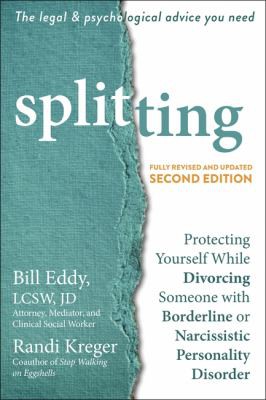
Splitting: Protecting Yourself While Divorcing Someone with Borderline or Narcissistic Personality Disorder
Bill Eddy & Randi Kreger
Updated edition covering domestic violence, alienation, false allegations in high-conflict divorce.
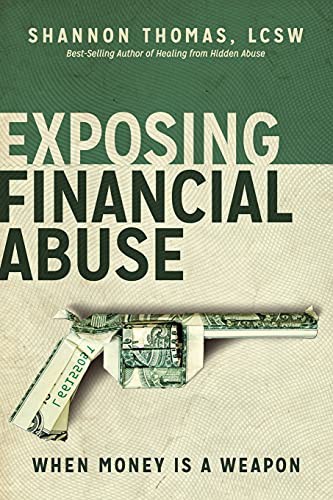
Exposing Financial Abuse
Shannon Thomas, LCSW
Expose of financial exploitation within families, relationships, and courts.

BIFF: Quick Responses to High-Conflict People
Bill Eddy, LCSW Esq.
Brief, Informative, Friendly, and Firm responses for dealing with high-conflict people.
As an Amazon Associate, Clarity House Press earns from qualifying purchases. Your price is never affected.
Found this helpful?
Share it with someone who might need it.
About the Author

Clarity House Press
Editorial Team
The editorial team at Clarity House Press curates and publishes evidence-based content on narcissistic abuse recovery, high-conflict divorce, and healing. Our content is informed by research, survivor experiences, and established trauma-informed approaches.
View all posts by Clarity House Press →Published by Clarity House Press Editorial Team