Please read our important disclaimers before using this content
Your ex has threatened you. Again. Shown up at your workplace despite being told not to. Sent 71 text messages in one hour calling you vile names and threatening to take the children. You're afraid for your safety—and your children's safety.
You need legal protection. Not just "stay away from me" that they'll ignore—actual court-ordered consequences if they contact or harm you.
You need a protective order (also called a restraining order or order of protection).
Protective orders are court orders that prohibit an abuser from contacting, threatening, or coming near you. Violating a protective order is a criminal offense under state law—meaning police can arrest your abuser on the spot, and they can face jail time, fines, and criminal charges. Research shows that protection orders can be effective: one large-sample study found that having a permanent protection order was associated with a 60% reduction in police-reported physical violence in the following year.1
For survivors of narcissistic abuse, protective orders serve multiple purposes: immediate safety, legal documentation of abuse, and leverage in custody cases. But they're also weapons abusers use against victims, filing false protective orders to control, intimidate, and gain custody advantage. Understanding DARVO tactics helps you anticipate this reversal before it happens.
Critical safety note: Seeking a protective order can escalate danger. Some abusers retaliate violently when served with restraining orders.2 Research on intimate partner stalking and femicide found that protection orders provide documented safety benefits but don't eliminate all danger.2 Before filing, consult with a domestic violence advocate about safety planning for the period immediately after your abuser is served. Have a safety plan in place: safe location to stay, emergency contacts, important documents secured, and support system aware of the situation.
This is advanced strategy for using protective orders effectively in high-conflict cases—whether you're seeking one or defending against a false one.
Types of Protective Orders
1. Emergency Protective Order (EPO)
What it is:
- Issued by judge (sometimes on-call judge) based on police request at scene of domestic violence incident (process varies by state—some states allow law enforcement to issue directly, others require judicial approval even after-hours)
- Immediate, short-term protection (5-7 days typically)
- No full hearing required (issued based on law enforcement assessment and immediate danger determination)
When it's used:
- Police respond to DV incident
- Victim is in immediate danger
- Abuser is arrested or being removed from home
What it prohibits:
- Contact with victim
- Returning to shared residence
- Possessing firearms
Duration: Very short (5-7 days)—gives you time to file for longer-term restraining order
Advantage: Immediate protection without having to go to court first
Disadvantage: Expires quickly—must follow up with DVRO
2. Temporary (Ex Parte) Restraining Order (TRO)
What it is:
- Issued by judge without the abuser present ("ex parte" = one-sided)
- Temporary protection until full hearing (typically 15-30 days)
- Bridges gap between filing and hearing
When it's used:
- You file petition for protective order
- Judge reviews your petition and evidence
- If judge finds immediate danger, issues TRO same day or next day
What it prohibits:
- Contact (in person, phone, text, email, social media, through third parties)
- Coming within X feet of you (typically 100-500 yards)
- Coming to your home, workplace, children's school
- Possessing firearms
Duration: Until hearing date (typically 15-30 days out)
Advantage: Quick protection before abuser has chance to contest
Disadvantage: Temporary—must prove case at hearing to get permanent order
3. Final (Long-Term) Restraining Order (DVRO/OOP)
What it is:
- Issued after full hearing where both parties present evidence
- Long-term protection (1-5 years, depending on state; some states allow permanent orders for severe cases)
- Renewable when it expires (must petition before expiration)
When it's used:
- After hearing where you prove abuse
- Judge finds sufficient evidence for restraining order
What it prohibits:
Same as TRO, plus can include:
- No contact with children (or supervised contact only)
- Stay away from children's school, daycare, activities
- Vacate shared residence (abuser must move out)
- Surrender all firearms (mandatory in most states for DV restraining orders)
- Pay spousal/child support (can be included in DV order)
- Attend batterer intervention program
- No new violence (obviously, but explicitly stated)
Duration:
- 1-5 years (most common)
- Permanent (in some states, for severe abuse or repeat offenders)
- Renewable (can petition to extend before expiration)
Advantage: Long-term protection, serious consequences for violation
Disadvantage: Requires proving abuse at hearing (higher burden than ex parte)
4. Civil Harassment Restraining Order
What it is:
- Restraining order for harassment that's NOT domestic violence
- Used against people who don't qualify as "domestic partners" under DV law
When it's used:
- Harassment by ex's family, friends, new partner
- Stalking by someone you didn't date/marry
- Neighbor harassment, workplace harassment (non-domestic)
Similar process to DVRO (temporary order, hearing, permanent order)
Difference: Doesn't have same impact on custody (DV restraining orders are given more weight in family court)
Legal Standard for Protective Orders
What You Must Prove
To get a restraining order, you must show:
1. You have a qualifying relationship with the abuser
-
Domestic violence restraining order requires:
- Married or divorced
- Dating or dated
- Living together or lived together
- Have a child together
- Close family relationship (some states)
-
If you don't have qualifying relationship, file for civil harassment restraining order instead
2. Abuse occurred
Abuse includes (varies by state, but generally):3
- Physical abuse: Hitting, pushing, choking, restraining, physical harm
- Sexual abuse: Sexual assault, coerced sex, reproductive coercion
- Emotional/psychological abuse: Most states require threats of harm or pattern of conduct causing reasonable fear—pure emotional abuse (insults, gaslighting, financial control) typically doesn't meet legal standard without accompanying threats or fear of physical harm (check your state law for specific requirements)
- Threats: Threats of violence, harm, death (credible threats are sufficient even without physical contact)
- Harassment: Following, stalking, repeated unwanted contact creating reasonable fear
- Destruction of property: Breaking your belongings, damaging your car, etc.
Standard: "Preponderance of evidence" (more likely than not that abuse occurred—meaning if judge believes there's a 51% or greater chance your allegations are true, that's sufficient)—this is a much lower standard than criminal court's "beyond a reasonable doubt"
3. You have reasonable fear for your safety
- Abuse caused you to fear for your safety or your children's safety
- Fear is reasonable based on the circumstances
Evidence Needed for Protective Orders
What Courts Want to See
Strong evidence:
- Police reports (you called police when abuse occurred)
- Photos of injuries (bruises, cuts, property damage)
- Medical records (hospital or doctor visit after abuse)
- Witness statements (people who saw abuse or its aftermath)
- Threatening texts, emails, voicemails (save everything)
- Videos or recordings (if legal in your state)
- Prior protective orders (history of abuse, violations)
- Criminal convictions (domestic violence, assault, stalking)
Weaker evidence:
- Your testimony alone (not impossible, but harder)
- Old abuse (happened years ago with nothing recent)
- Vague allegations ("he's abusive" without specific incidents)
Best evidence: Recent, documented, specific incidents with corroboration
Common Evidence Mistakes
DON'T:
- Wait to gather evidence (file for protection first, gather more evidence later if needed)
- Delete threatening messages (save every text, email, voicemail)
- Fail to photograph injuries (take photos immediately, with date/time stamp)
- Fail to report to police (create official record)
- Minimize the abuse in your petition ("it wasn't that bad")
DO:
- Document every incident (date, time, what happened, who witnessed it)
- Report to police every time (even if you don't want them arrested—report creates record)
- Seek medical attention (creates records)
- Be specific in your petition (not "he abused me" but "on X date he punched me in the face, causing black eye, witnessed by [person], documented in police report #123")
The Protective Order Process
Step 1: File Petition
You (petitioner) file:
- Petition for Domestic Violence Restraining Order
- Supporting declaration (your detailed statement of abuse)
- Request for temporary restraining order
Where to file:
- Family court (if you have custody case pending)
- Domestic violence court (some jurisdictions have specialized DV courts)
- Self-help center (many courts have DV advocates to help you file for free)
You can file without an attorney: Many survivors successfully file for protective orders pro se (representing themselves).4 Court self-help centers, DV advocates at shelters, and legal aid organizations provide free assistance with filing paperwork and preparing for hearings.
Filing fee: Often waived for DV restraining orders (fee waiver forms available if charged)
Step 2: Judge Reviews Petition (Ex Parte)
Same day or next day:
- Judge reviews your petition
- If judge finds immediate danger: Issues temporary restraining order
- If judge doesn't find immediate danger: Denies TRO but still sets hearing for permanent order
Temporary order (if granted):
- Effective immediately
- Abuser doesn't know about it yet (hasn't been served)
- Lasts until hearing date
Step 3: Serve the Abuser
Your abuser must be personally served with:
- Copy of temporary restraining order (if issued)
- Copy of your petition
- Notice of hearing date
Service rules:
- Someone else must serve (not you—law enforcement, process server, or anyone over 18 not involved in the case)
- Personal service required (handed directly to them, not mailed)—though some states allow substituted service (left at residence + mailed) after multiple failed attempts at personal service
- Proof of service filed with court (server must complete declaration of service)
Service is critical: If abuser isn't served, hearing may be continued (delayed). Temporary order is only enforceable once abuser has been served and is aware of it.
Step 4: Hearing (Both Parties Present)
Typically 15-30 days after TRO issued:
- Both you and abuser appear before judge
- You present evidence (testify, provide documents, call witnesses)
- Abuser responds (can deny allegations, provide their evidence)
- Judge decides whether to issue permanent restraining order
At hearing:
You testify:
- Describe specific incidents of abuse (dates, details, impact)
- Explain why you fear for your safety
- Request specific protections
Abuser testifies:
- May deny abuse
- May claim you're lying or exaggerating
- May present counter-evidence
Judge evaluates credibility and evidence, then decides.
Step 5: Judge's Decision
Possible outcomes:
1. Permanent restraining order granted
- Restraining order issued for 1-5 years (or longer)
- Includes protections you requested (no contact, stay away, etc.)
- Enforceable immediately
- Violation is criminal offense
2. Restraining order denied
- Judge doesn't find sufficient evidence
- TRO expires
- No restraining order
3. Modified order
- Some protections granted, others denied
- Example: No contact order, but abuser can still see children (with conditions)
4. Hearing continued
- More evidence needed
- TRO extended until new hearing date
Impact on Custody Cases
How Protective Orders Affect Custody
If you have restraining order against your ex:
Presumption against custody for abuser (in most states):
- Domestic violence creates presumption that abuser should not have custody
- Abuser must prove they've rehabilitated and children won't be endangered
- Burden shifts to them
Supervised visitation (likely):
- If contact with children is allowed, usually supervised only
- Professional supervision, not family member
- May require completion of batterer intervention program
No contact with you:
- Third-party exchanges (children are exchanged through intermediary, not face-to-face)
- No communication (except through court-approved app or attorney)
Firearms surrender:
- Federal law (Lautenberg Amendment) prohibits anyone with domestic violence misdemeanor conviction OR subject to qualifying domestic violence restraining order from possessing firearms5
- State laws also prohibit firearm possession during restraining order (most states)
- Courts typically order surrender within 24-48 hours
- Violation of firearms prohibition is federal felony (up to 10 years)
- Research shows these laws reduce intimate partner homicide: firearm removal policies have been associated with reduced intimate partner violence-related deaths5
Impact on credibility:
- Court takes your abuse allegations more seriously
- Restraining order is evidence that judge believed you
If your ex gets restraining order against you:
Major custody implications:
- If restraining order includes children, you may lose custody or have supervised-only contact
- Presumption against you in custody case
- Your credibility is damaged
This is why false restraining orders are so dangerous.
Strategic Considerations
When to seek protective order:
1. You're genuinely in danger
- Physical abuse has occurred or threats are credible
- You fear for your safety
- You need legal protection
2. Custody case is pending or anticipated
- Restraining order creates presumption in your favor
- Documents abuse for custody court
- Shifts burden to abuser to prove they should have custody6
3. You need to establish no-contact
- Harassment, stalking, repeated unwanted contact
- You can't safely co-parent face-to-face
When NOT to seek protective order:
1. Abuse doesn't meet legal standard
- Emotional abuse that doesn't include threats (may not qualify depending on state)
- Old abuse with nothing recent
2. No genuine safety concern
- Conflict and anger don't meet legal standard for protective order
- Filing primarily for custody advantage rather than safety (courts can often identify tactical filings—this can damage your credibility and backfire)
3. It will escalate danger
- Some abusers retaliate violently when served with restraining orders
- Always consult with DV advocate before filing to assess your specific safety risks
- Consider: Do you have safe place to stay after abuser is served? Is your workplace secure? Are children's schools/daycare aware?
Safety planning is mandatory: Before seeking protective order, have concrete plan for immediate aftermath of service (see safety note at beginning of article).
Violations of Protective Orders
What Happens If Your Abuser Violates
Violation of protective order is a crime (misdemeanor or felony depending on circumstances).
Common violations:
- Contacting you (text, call, email, social media, showing up)
- Coming to your home, work, children's school
- Sending messages through third parties
- Possessing firearms when order prohibits it
- Any conduct order specifically prohibits
Research indicates that violation rates vary across populations and contexts.7 In research examining protection order violations, even when violations occurred, levels of violence and abuse declined significantly compared with the period before the protective order was issued.7
What to do if violation occurs:
1. Call police immediately
- Violation of restraining order = criminal offense
- Police can arrest on the spot
- Important: For survivors in communities where police contact creates additional safety risks (BIPOC, undocumented immigrants, LGBTQ+ individuals), consult with DV advocate about safest enforcement approach
2. Document the violation
- Screenshot texts/emails
- Save voicemails
- Write down details (date, time, what happened, witnesses)
- Police report number
3. Criminal prosecution (handled by prosecutor, not you)
- Police report leads to potential criminal charges
- Prosecutor decides whether to file charges
- You don't control this process but can provide information
4. Civil contempt (optional, you file this)
- Different from criminal violation—this is civil enforcement through family court (if custody case exists)
- Seek civil penalties (fines, jail time until compliance)
- Can request modification (stricter order, increased supervision)
Consequences for abuser:
- Arrest (can be arrested at scene or warrant issued)
- Criminal charges (prosecution decides whether to file charges)
- Jail time (days to months, depending on severity and prior violations)
- Fines ($1,000-$10,000+ depending on violation)
- Impact on custody (violations make custody case worse for abuser)
Multiple violations create pattern—each violation makes next violation more serious.
Interstate Enforcement
If you move out of state or abuser does:
Full Faith and Credit Clause (federal Violence Against Women Act provision):
- Protective orders issued in one state must be enforced in all other states
- You don't need to re-file in new state
- Order remains valid when you travel or relocate
- Law enforcement in any state must enforce your protective order
Under federal law (18 U.S.C. Section 2265), protection orders must be accorded full faith and credit by courts in other states and enforced by law enforcement as if they were orders of the enforcing state.8 This provision, established through the Violence Against Women Act (VAWA), protects survivors' freedom of movement—prior to VAWA, victims had to petition a new state's court for a new protection order, which could reveal the victim's whereabouts to the abuser.8
What to do when moving:
- Register your protective order with local police in new state (not required but recommended)
- Carry certified copy of order with you
- Protective order entered into National Crime Information Center (NCIC) database—law enforcement nationwide can verify it
Exception: Order must have been properly issued (jurisdiction, service, due process) in original state
Mutual Protective Orders: Why They're Problematic
Mutual protective order = Court issues protective order against BOTH parties
Why courts sometimes issue them:
- Judge believes both parties were violent or threatening
- Judge wants to "keep the peace" by restricting both
- Lazy judging ("both of you stay away from each other")
Why they're wrong:
- Ignores power dynamics and primary aggressor (one person is usually the victim defending themselves)
- Penalizes victims for self-defense (reactive violence treated same as abuse)
- Violates federal law: VAWA prohibits mutual protective orders issued without separate findings that each party meets criteria for protection
- Many states prohibit mutual orders for these reasons
Recent systematic research examining protection order effectiveness found that while protection orders generally reduce recidivism, their effectiveness varies based on proper implementation, enforcement, and individual circumstances.9
If judge issues mutual order:
- Object immediately (your attorney should argue this)
- Request court make specific findings about which party is primary aggressor
- Appeal if mutual order is granted without proper findings
Reality: Mutual orders are often used when court can't determine who's telling the truth—but this creates legal consequences for victim who was defending themselves.
Defending Against a False Protective Order
When Abusers File False Orders
Narcissists weaponize protective orders:
- File false allegations to gain custody advantage
- Use restraining order to control and punish victim
- Flip the script (DARVO: Deny, Attack, Reverse Victim and Offender)
If your ex files protective order against you:
Take it seriously (even if allegations are false).
Critical: Being falsely accused of abuse is traumatic and can feel like a profound violation. Your feelings of anger, fear, and betrayal are valid. AND you must respond strategically to protect yourself legally.
What to do:
1. Hire attorney immediately
- Family law attorney experienced in DV cases
- Do not go to hearing without legal representation
- Even if you can't afford private attorney, seek legal aid or court-appointed representation
2. Gather evidence proving allegations are false
- Alibi (where were you when alleged abuse occurred?)
- Witnesses (who can testify you weren't violent/threatening?)
- Communications (texts/emails showing you weren't harassing them)
- Your own evidence of abuse by them (if they're the actual abuser)
3. Document your relationship history
- No prior violence, police reports, restraining orders
- History of their false allegations
- Evidence of their abuse toward you (they're projecting)
4. Attend the hearing
- Do NOT skip the hearing (automatic loss if you don't show up)
- Testify calmly, factually
- Present your evidence
5. Object to the order
- Your attorney will cross-examine your ex
- Challenge credibility of allegations
- Present evidence contradicting their claims
6. COMPLY with temporary order even while contesting it
- Even if allegations are completely false, you MUST obey the temporary order
- Violating order—even one you believe is unjust—is a crime and destroys your credibility
- Compliance doesn't mean you're admitting guilt; it means you're following court process
If false order is granted:
Appeal if there were legal errors
Request modification if circumstances change
Document strict compliance (even false order must be obeyed—violations will be used against you)
Seek your own protective order if they're the actual abuser (with evidence of their abuse)
Costs and Practical Considerations
Costs
Filing fees: Usually waived for DV restraining orders
Attorney fees:
- Uncontested: $500-$2,000 (if abuser doesn't fight it)
- Contested: $2,000-$10,000+ (if hearing is contested, appeals, modifications)
Service fees: $50-$150 (process server)
Court-appointed attorney: If criminal charges filed for violation, defendant may get public defender
Practical Realities
Protective orders are only as effective as enforcement:
- Police must respond to violations
- You must report violations (don't ignore them)
- Court must impose consequences for violations
Protective orders don't guarantee safety:
- Piece of paper doesn't physically stop an abuser
- Some abusers violate despite consequences
- Safety planning is critical (DV shelter, relocation, security measures)
- Research on intimate partner homicide shows that firearms are frequently involved in lethal domestic violence and that risk remains even with protective orders in place.10
Protective orders can escalate danger:
- Some abusers retaliate when served
- Consult with DV advocate before filing
Protective orders expire:
- Monitor expiration date (typically 1-5 years from issuance)
- Renewal process: File petition to renew before expiration (usually 30-90 days before expiration date)
- Renewal hearing is typically shorter than original hearing
- Must still show you have reasonable fear for safety or that abuser hasn't been rehabilitated
- Courts generally grant renewals if violations occurred or abuse pattern continues
- Don't wait: If order expires before renewal granted, you lose protection during gap
Your Next Steps
If you need a protective order:
-
Assess immediate safety: Are you in danger right now? If yes and police contact is safe for you, call 911. Note: For BIPOC survivors, undocumented immigrants, LGBTQ+ individuals, and others in communities where police contact may create additional risks, contact a DV advocate first to discuss safest approach (National DV Hotline: 1-800-799-7233).
-
Contact DV hotline or advocate: They can help you safety plan and navigate the process (National DV Hotline: 1-800-799-7233, TTY 1-800-787-3224, or text START to 88788; interpretation services available in 200+ languages)
-
Gather evidence (photos, texts, police reports, medical records)
-
File petition at courthouse or with help of DV advocate
-
Safety plan for after abuser is served (they may retaliate—have plan in place)
-
Prepare for hearing with attorney or advocate
-
Enforce violations: Call police every time order is violated
If your ex filed false protective order against you:
-
Hire attorney immediately (do not represent yourself)
-
Gather evidence proving allegations false
-
Attend hearing (do NOT skip—automatic loss)
-
Testify calmly and factually (don't get emotional or defensive)
-
Consider filing your own protective order if they're the actual abuser
Remember: Protective orders are powerful tools for safety and legal protection—but only if used appropriately and enforced consistently. Don't file frivolously. Don't ignore violations. And if you're facing a false order, fight it with evidence and legal representation.
For survivors of narcissistic abuse, protective orders can provide crucial breathing room to rebuild your life without constant harassment, threats, and fear. Use them strategically as part of comprehensive safety planning. Once you have protection in place, parallel parenting frameworks can help minimize ongoing contact.
NOTE ON HOTLINE NUMBERS: Phone numbers for crisis hotlines, legal aid, and support services are provided as a resource. These numbers are current as of publication but may change. Please verify hotline numbers are still active before relying on them. For the National Domestic Violence Hotline, visit thehotline.org for current contact information.
Resources
For safety planning alongside your legal strategy, also see gray rock communication for managing contact with an abusive ex during the process.
Domestic Violence Support and Legal Resources:
- National Domestic Violence Hotline - 1-800-799-7233 (24/7, text START to 88788)
- WomensLaw.org - State-by-state protective order information
- Legal Services Corporation - Find free legal aid for DV victims
- American Bar Association Family Law Section - Attorney referrals
Safety Planning and Health Resources:
- National Center on Domestic and Sexual Violence - Safety planning resources
- Centers for Disease Control and Prevention - Intimate partner violence data
- National Institute of Justice - Research on protection orders
- SAMHSA National Helpline - 1-800-662-4357 (24/7)
Crisis Support:
- 988 Suicide & Crisis Lifeline - Call or text 988 (24/7)
- Crisis Text Line - Text HOME to 741741
- National Parent Helpline - 1-855-427-2736
- Child Welfare Information Gateway - Child safety resources
References
References
- Holt, V. L., Kernic, M. A., Wolf, M. E., & Rivara, F. P. (2003). Do protection orders affect the likelihood of future partner violence and injury? American Journal of Preventive Medicine, 24(1), 16-21. https://pubmed.ncbi.nlm.nih.gov/12554019/ ↩
- McFarlane, J., Campbell, J. C., & Watson, K. (2002). Intimate partner stalking and femicide: Urgent implications for women's safety. Behavioral Sciences and the Law, 20(1-2), 51-68. https://pubmed.ncbi.nlm.nih.gov/11979291/ ↩
- Zeoli, A. M., & Webster, D. W. (2010). Effects of domestic violence policies, alcohol taxes and police staffing levels on intimate partner homicide in large US cities. Injury Prevention, 16(2), 90-95. https://pmc.ncbi.nlm.nih.gov/articles/PMC10209983/ ↩
- McFarlane, J., Malecha, A., Gist, J., Watson, K., Batten, E., Hall, I., & Smith, S. (2004). Protection orders and intimate partner violence: An 18-month study of 150 Black, Hispanic, and White women. American Journal of Public Health, 94(4), 613-618. https://pmc.ncbi.nlm.nih.gov/articles/PMC1448307/ ↩
- U.S. Department of Justice. (2022). Full Faith and Credit for Protection Orders Under the Violence Against Women Act. 18 U.S.C. Section 2265. https://www.justice.gov/archives/ovw/page/file/1396011/dl ↩
- Cordier, R., Chung, D., Wilkes-Gillan, S., & Speyer, R. (2021). The effectiveness of protection orders in reducing recidivism in domestic violence: A systematic review and meta-analysis. Trauma, Violence, & Abuse, 22(4), 804-828. https://pubmed.ncbi.nlm.nih.gov/31658878/ ↩
- Centers for Disease Control and Prevention. (2024). Intimate Partner Homicide Among Women — United States, 2018-2021. Morbidity and Mortality Weekly Report, 73(34). https://www.cdc.gov/mmwr/volumes/73/wr/mm7334a4.htm ↩
- Logan, T. K., Shannon, L., & Cole, J. (2007). Protective order in the lives of intimate partner violence victims. Journal of Family Violence, 22(6), 479-488. https://pubmed.ncbi.nlm.nih.gov/19360107/ ↩
- Tjaden, P., & Thoennes, N. (2000). Extent, nature, and consequences of intimate partner violence: Findings from the National Violence Against Women Survey. Research in Brief. U.S. Department of Justice, Office of Justice Programs, National Institute of Justice. https://www.ncjrs.gov/pdffiles1/nij/181867.pdf ↩
- Campbell, J. C., Webster, D., & Glass, N. (2009). The danger assessment: Validation of a lethality risk assessment instrument for intimate partner femicide. Journal of Interpersonal Violence, 24(4), 653-674. https://pubmed.ncbi.nlm.nih.gov/18667689/ ↩
Recommended Reading
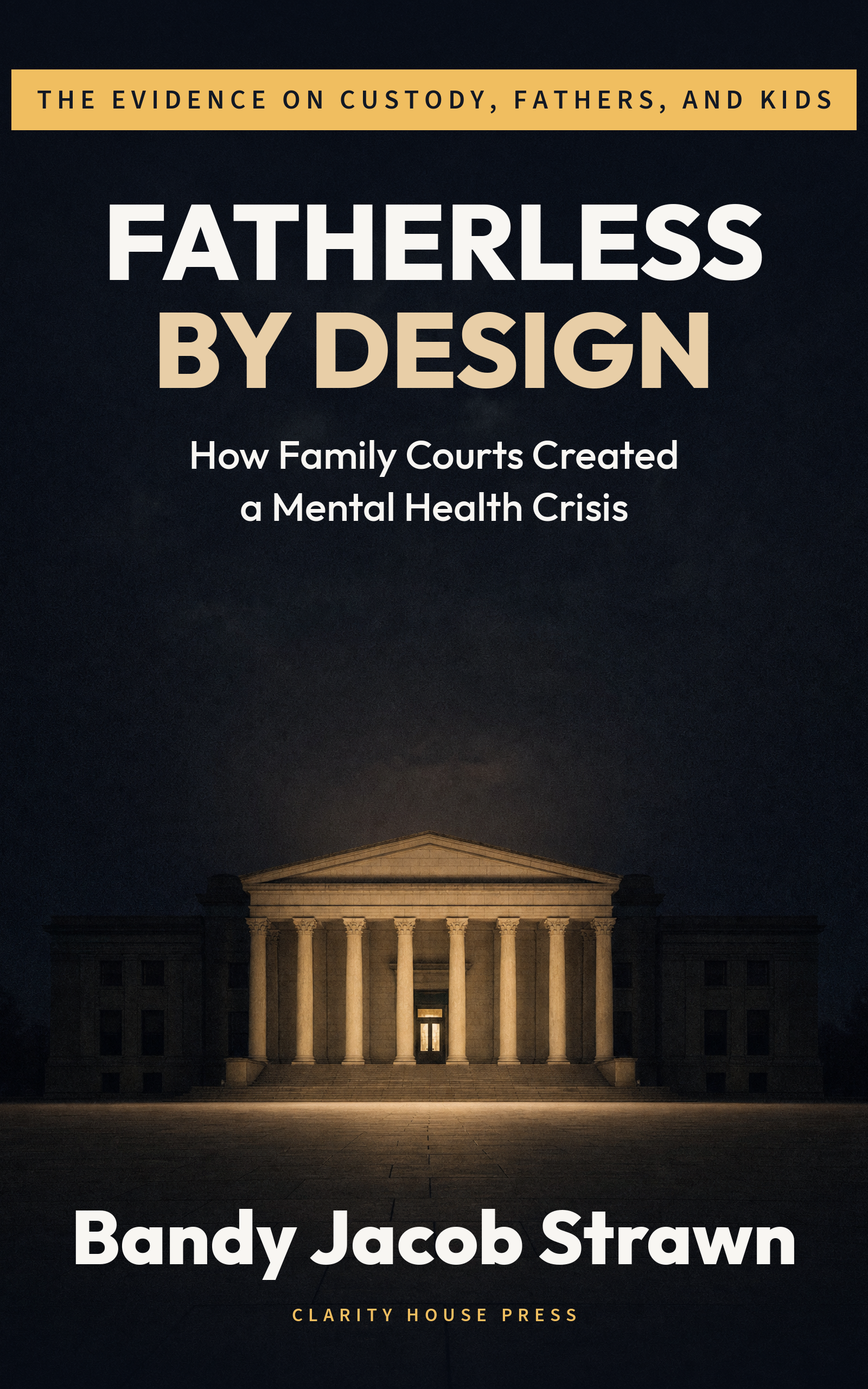
From Clarity House Press — plus trusted books for deeper understanding

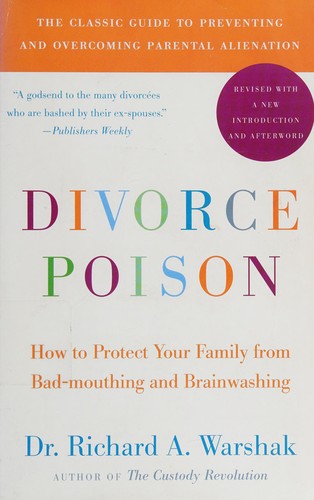
Divorce Poison
Dr. Richard A. Warshak
Classic best-selling parental alienation resource on detecting and countering manipulation tactics.

A Kidnapped Mind
Pamela Richardson
Heartbreaking memoir of parental alienation — an 8-year battle to maintain a bond with her son.
As an Amazon Associate, Clarity House Press earns from qualifying purchases. Your price is never affected.
Found this helpful?
Share it with someone who might need it.
About the Author

Clarity House Press
Editorial Team
The editorial team at Clarity House Press curates and publishes evidence-based content on narcissistic abuse recovery, high-conflict divorce, and healing. Our content is informed by research, survivor experiences, and established trauma-informed approaches.
View all posts by Clarity House Press →Published by Clarity House Press Editorial Team