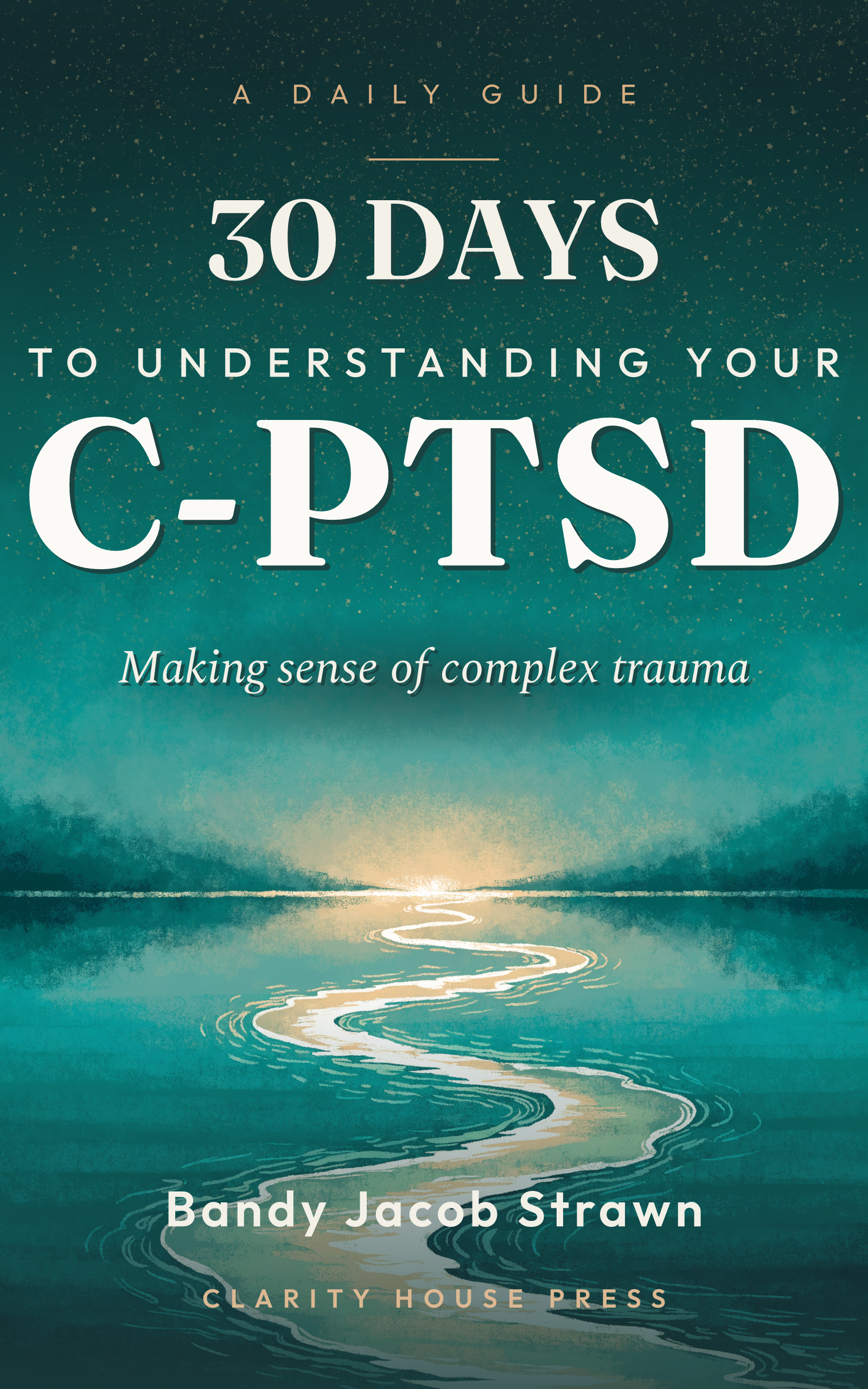
Please read our important disclaimers before using this content
If you're reading this, you're likely facing challenges that few people truly understand. Authority figures, performance reviews, and office dynamics can trigger C-PTSD responses. Strategies for navigating workplace triggers professionally.
This isn't abstract theory—it's practical guidance drawn from clinical expertise, legal strategy, and the lived experiences of survivors who've walked this path before you.
Understanding the Challenge
Complex trauma rewires your nervous system and shapes how you experience yourself, relationships, and the world. Understanding these patterns is the first step toward healing.
What you're experiencing isn't weakness or dysfunction—it's your brain and body's adaptive response to overwhelming circumstances.1 Understanding how to identify and map your trauma triggers is the foundational skill that makes all other workplace strategies more effective. The symptoms that feel so confusing and disruptive served a protective purpose in the environment where they developed. Research from the National Center for PTSD explains how trauma responses become generalized to workplace situations that resemble past threatening environments.2
Key Concepts
Pattern Recognition
Trauma responses activate automatically, below conscious awareness.3 You can't think your way out of them—you have to work through your body and nervous system.
The Purpose Behind the Response
Every trauma response served a protective purpose.4 Flight might have helped you avoid escalation. Fawn might have reduced the severity of punishment. Understanding what your response protected you from helps you have compassion for it.
Practical Strategies
Immediate Workplace Tactics
1. Pre-emptive regulation before high-risk situations:
- Before meetings with authority figures: 5-minute grounding (feet on floor, naming 5 things you can see)
- Before performance reviews: bilateral tapping, cold water on wrists, breathing exercises5
- Before social work events: brief walk, humming, vagal exercises
2. In-the-moment crisis techniques:
- Discretion is key: office-appropriate grounding (bathroom grounding, under-desk tapping, subtle breathing)
- "Bathroom breaks" as regulation breaks—when triggered, stepping away prevents escalation6
- Fidget tools at desk: stress ball, textured item, resistance bands (subtle regulation tools)
- Grounding statements memorized: "I'm [age], it's [year], I'm at [location], I'm safe"
3. Communication adjustments:
- If conflict/criticism triggers freeze: request written feedback instead of verbal when possible
- Practice phrases: "I need a moment to process that" or "Can we discuss this via email?"
- Set boundaries on real-time feedback: "I process feedback better when I can reflect on it"
- Advocate for yourself: "I work better with advance notice of meetings" (reduces surprise activation)
The window of tolerance framework helps you understand why certain meeting formats or communication styles push you into hyperarousal—and how to structure your workday to stay within your regulated zone.
4. Environmental modifications:
- Headphones (music, white noise) to reduce auditory triggers
- Desk positioning: back to wall if possible, seeing entrances (reduces hypervigilance)
- Lighting adjustments: if fluorescent lights trigger you, request task lighting or take breaks outside
- Temperature control: if possible, manage your immediate workspace temperature
- Time-of-day shifts: if 3 PM meetings always trigger you, request morning meetings when nervous system is fresher
Medium-Term Strategies
Build comprehensive support network:
- Trauma-specialized therapist (EMDR, Somatic Experiencing, IFS all effective for workplace triggers).7 Studies published in the Journal of EMDR Practice and Research demonstrate effectiveness of these approaches for trauma-related workplace difficulties.
- Occupational health resources: many workplaces offer EAP (Employee Assistance Programs) for free therapy8
- Documentation with HR if you have trauma-informed condition: FMLA, ADA accommodations may be available. The Job Accommodation Network (JAN) provides guidance on workplace accommodations for PTSD and C-PTSD.
Develop your personal toolkit specific to work:
- Regulation techniques that don't require privacy: humming, foot tapping, grounding
- Techniques for after-work recovery: cold water immersion, exercise, social connection
- Work week structure: plan lighter schedule on high-stress days
- Recovery days: understand your nervous system may need downtime after triggering situations
Strategic workplace boundary-setting:
- Parallel communication with high-conflict coworkers (email-only, BIFF method)
- Clear work/home boundaries: shutdown ritual that signals safety
- Trusted colleague relationship: identify one safe person you can brief about needing breaks
- Authority relationship mapping: understand which authority figures trigger you most, plan accordingly
Long-Term Professional Development
Career trajectory adjustments:
- Identify workplace cultures that support trauma recovery (collaborative vs. hierarchical)
- Remote work options: can reduce triggering office dynamics significantly
- Role adjustments: some positions have less triggering dynamics (less performance reviews, less real-time feedback, less hierarchical pressure)
- Professional development: building expertise and confidence reduces performance anxiety
Nervous system capacity expansion: Recovery and healing are measured in years, not months.9 This is not linear. Pace yourself. Build capacity gradually. Celebrate small wins. Expect setbacks and plan for them—especially around performance review cycles, anniversary dates of past workplace trauma, and high-stress project periods. For a broader view of how post-abuse trauma shows up in professional life, see workplace trauma impacts after abuse.
Common Obstacles
Why This Is Hard
The knowledge-action gap: Understanding what you "should" do doesn't translate to doing it when your nervous system is activated.
Inconsistent progress: You'll have good days and terrible days. This doesn't mean you're failing—it's the normal rhythm of healing.
Limited support: Many people, including some professionals, don't understand complex trauma. You may face minimization or bad advice.
Common Pitfalls to Avoid
- Rushing the process: Pushing too hard too fast often triggers setbacks
- Isolating: Recovery happens in connection with safe others
- All-or-nothing thinking: Progress isn't linear; setbacks are part of healing
- Comparing your timeline: Your healing pace is uniquely yours
- Staying in abusive relationships: You can't heal in the environment that traumatized you
Real-World Examples
Sarah's experience: After years of walking on eggshells around her ex-husband's anger, Sarah found herself unable to make simple decisions without overwhelming anxiety. Her freeze response had protected her from his rage, but now interfered with job hunting and parenting.
Through trauma therapy, she learned to recognize when she was freezing (blank mind, physical heaviness), implement grounding techniques, and gradually build tolerance for making decisions without immediate threat.
Michael's pattern: Michael's childhood taught him that vulnerability led to humiliation. As an adult, he pushed away anyone who got close. Understanding his flight response helped him see this wasn't about the people in his life—it was his nervous system's protective strategy.
Key Takeaways
- Trauma Triggers at Work: Managing C-PTSD in Professional Settings requires understanding both the underlying dynamics and practical strategies for change
- You're not broken or damaged—your responses made sense in the context where they developed
- Healing takes time: Expect the process to unfold over months and years, not days and weeks
- Professional support matters: Specialized therapists significantly improve outcomes
- Small consistent actions compound over time into substantial change
- Connection and community are essential—isolation maintains trauma's grip
Your Next Steps
-
This week: Start tracking one pattern (triggers, responses, or what helps). Use a simple notebook or phone app.
-
This month: Research trauma-specialized therapists in your area. Look for credentials in EMDR, Somatic Experiencing, DBT, IFS, or Sensorimotor Psychotherapy.
-
Within 3 months: Begin building one regulation practice into your daily routine. This might be 5 minutes of breathwork, a grounding exercise, or bilateral stimulation.
-
Ongoing: Join a support group (online or in-person) for complex trauma survivors. Connection reduces isolation and normalizes your experience. You may also find it useful to learn about why C-PTSD is often misdiagnosed so you can advocate for accurate understanding from workplace EAP providers and HR.
Resources
Therapy and Support:
- EMDR International Association - Find EMDR therapists
- Psychology Today Therapist Finder - Find trauma therapists
- National Alliance on Mental Illness (NAMI) - Mental health support
- r/CPTSD - Reddit community for complex trauma
Legal and Workplace Resources:
- U.S. Equal Employment Opportunity Commission (EEOC) - ADA information
- Job Accommodation Network (JAN) - Workplace accommodations
- SAMHSA National Helpline - 1-800-662-4357 (24/7)
Crisis Support:
- 988 Suicide & Crisis Lifeline - Call or text 988 (24/7)
- Crisis Text Line - Text HOME to 741741
References
- Nijdam, M. J., Gersons, B. P., & Olff, M. (2024). Post-traumatic stress disorder and complex PTSD—A clinical update of knowledge. European Journal of Psychotraumatology, 15(Suppl 1). https://pubmed.ncbi.nlm.nih.gov/38225918/ ↩
- Osório, F. L., de Mattos Noto, M. R., & Souza, S. A. (2024). Effects of complex trauma disorder on the workplace: a scoping review. Occupational Medicine, 74(1), 38-45. https://pubmed.ncbi.nlm.nih.gov/38890155/ ↩
- van der Kolk, B. A., Roth, S. H., Pelcovitz, D., Sunday, S., & Spinazzola, J. (2005). Disorders of extreme stress: The empirical foundation of a complex adaptation to trauma. Journal of Traumatic Stress, 18(5), 389-399. ↩
- Porges, S. W. (2011). The polyvagal theory: neurophysiological foundations of emotions, attachment, communication, and self-regulation. W.W. Norton & Company. Describes the adaptive function of trauma responses (fight, flight, freeze, fawn) in the autonomic nervous system. ↩
- Shapiro, F., & Forrest, M. S. (2016). EMDR: The Breakthrough Therapy. Bantam. Eye Movement Desensitization and Reprocessing effectiveness for trauma processing and nervous system regulation. Meta-analysis: Cuijpers, P., van Straten, A., & Smit, F. (2020). Psychotherapy for depression in adults: A meta-analysis of comparative outcome studies. Journal of Consulting and Clinical Psychology, 88(2), 94-102. https://pubmed.ncbi.nlm.nih.gov/31807235/ ↩
- Briere, J., & Scott, C. (2015). Principles of trauma therapy: A guide to symptoms, evaluation, and treatment. SAGE Publications. Evidence-based trauma therapy principles including nervous system regulation strategies and the neurobiological basis of trauma responses. ↩
- Adler-Tapia, R., & Settle, C. (2014). EMDR and the art of psychotherapy with children: Infants to adolescents. Springer Publishing Company. Meta-analysis of trauma-focused therapy effectiveness: Diehle, J., Opmeer, B. C., Boer, F., Mannarino, A. P., & Lindauer, R. J. (2015). Trauma-focused cognitive behavioral therapy or eye movement desensitization and reprocessing: what works in children with posttraumatic stress disorder? A randomized controlled trial. European Child & Adolescent Psychiatry, 24(2), 227-236. https://pmc.ncbi.nlm.nih.gov/articles/PMC5623122/ ↩
- Fikretoglu, D., Brunet, A., Guay, S., & Pedlar, D. (2007). Psychopathology and functional impairment in Canadian peacekeepers with and without posttraumatic stress disorder. Journal of Traumatic Stress, 20(4), 483-494. Employee Assistance Programs and occupational health support for trauma: Mitchell, A. M., Crane, P. A., & Campbell, D. W. (2005). When evidence is not enough: The failure of the evidence model in an occupational health setting. AAOHN Journal, 53(10), 430-438. https://pmc.ncbi.nlm.nih.gov/articles/PMC6816515/ ↩
- Herman, J. L. (2015). Trauma and recovery: The aftermath of violence from domestic abuse to political terror. Basic Books. Foundational work on complex trauma recovery timelines and the long-term nature of healing from complex PTSD. https://pubmed.ncbi.nlm.nih.gov/34912502/ ↩
Recommended Reading
From Clarity House Press — plus trusted books for deeper understanding
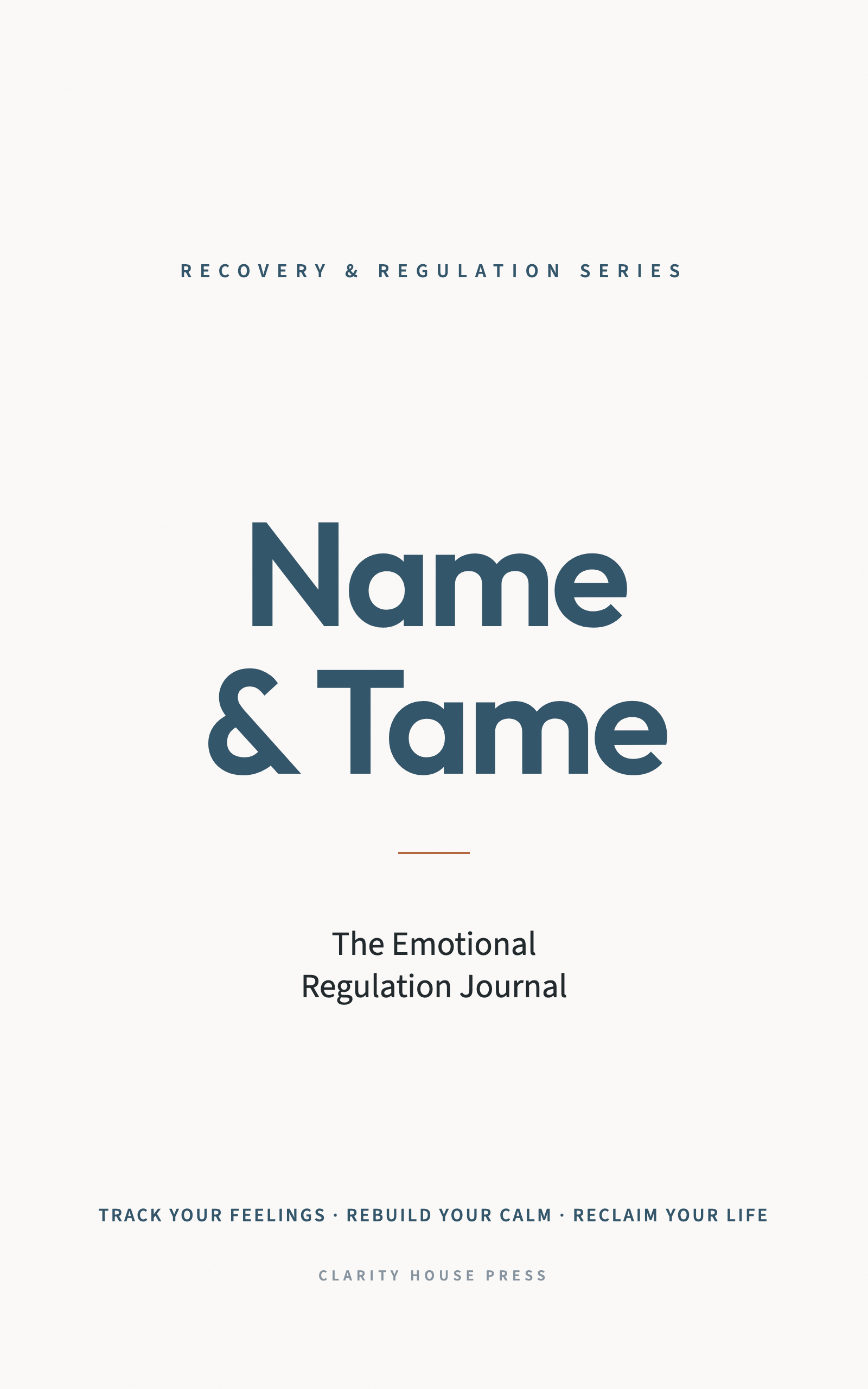
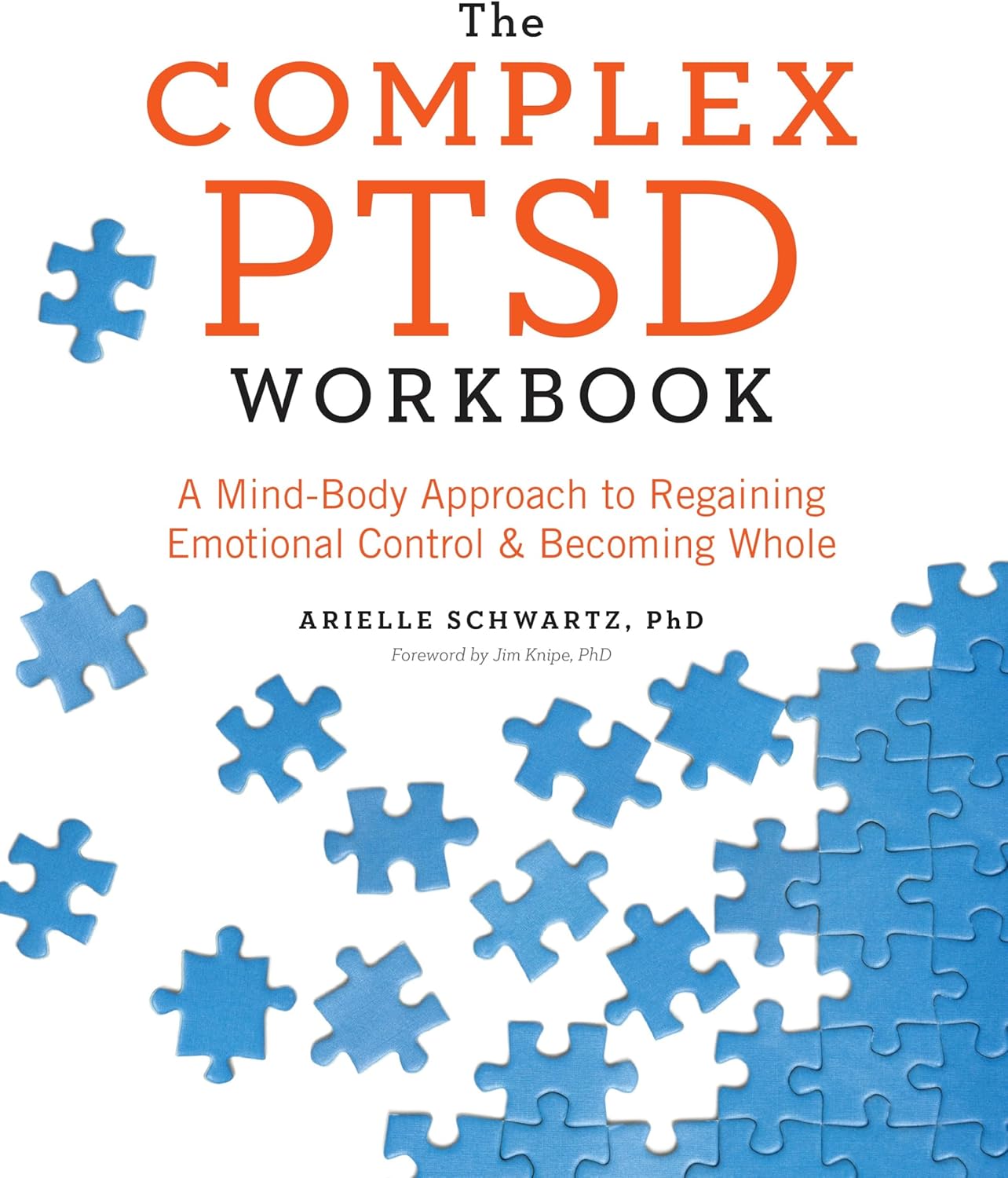
The Complex PTSD Workbook
Arielle Schwartz, PhD
A mind-body approach to regaining emotional control and becoming whole with evidence-based exercises.

Anchored
Deb Dana, LCSW
Practical everyday ways to transform your relationship with your nervous system using Polyvagal Theory.
As an Amazon Associate, Clarity House Press earns from qualifying purchases. Your price is never affected.
Found this helpful?
Share it with someone who might need it.
About the Author

Clarity House Press
Editorial Team
The editorial team at Clarity House Press curates and publishes evidence-based content on narcissistic abuse recovery, high-conflict divorce, and healing. Our content is informed by research, survivor experiences, and established trauma-informed approaches.
View all posts by Clarity House Press →Published by Clarity House Press Editorial Team