Please read our important disclaimers before using this content
You know the symptoms intimately: the disconnect from your own emotions, the inability to trust even safe people, the sense that something fundamental is missing inside you, the oscillation between desperate connection and protective isolation. These aren't just PTSD symptoms from specific traumatic events—they're the legacy of disrupted attachment and unmet developmental needs, particularly in narcissistic family systems where your core emotional and relational needs were systematically ignored, shamed, or exploited.
The NeuroAffective Relational Model (NARM), developed by Dr. Laurence Heller, addresses this deeper layer of trauma: not what happened to you, but what didn't happen for you.1 While many trauma therapies focus on processing traumatic memories, NARM focuses on healing the developmental wounds and attachment disruptions that shape how you experience yourself, others, and life itself. For a broader comparison of therapeutic approaches, our guide on selecting the right therapy modality for trauma recovery can help contextualize where NARM fits.
What Is NARM and How Does It Address Developmental Trauma?
NARM is a psychobiological approach to healing complex trauma that focuses on attachment, relational, and developmental trauma—particularly the identity distortions and diminished capacity for connection that result when core needs aren't met in childhood.2
The Origins of NARM
Dr. Laurence Heller developed NARM through decades of work with adults suffering from what he called "the trauma of what didn't happen"—not acute traumatic events, but chronic failures of attunement, support, and healthy attachment. He found that:
- Traditional trauma processing wasn't sufficient for developmental trauma
- Many clients were organized around survival strategies rather than authentic connection
- The present-moment therapeutic relationship itself could facilitate healing
- Somatic awareness was essential for reconnecting with authentic experience
NARM emerged as an integration of somatic psychology, attachment theory, neuroscience, and relational psychotherapy—specifically designed for the kind of identity-level wounds created in narcissistic and emotionally neglectful environments.
What Makes NARM Different from Other Trauma Therapies
While therapies like EMDR and CPT focus on processing traumatic memories, and approaches like DBT focus on building skills, NARM addresses:
The organizing principles of your identity:
- How you learned to disconnect from needs, emotions, or body to survive
- The survival strategies that became your personality structure
- The shame-based identifications that shape your self-concept
The capacity for connection:
- How early attachment disruptions affect current relationships
- The ways you simultaneously long for and fear authentic connection
- The patterns of self-abandonment learned in narcissistic relationships
Present-moment experience:
- How you're organized in this moment rather than past trauma narrative
- The real-time shifts between connection and survival mode
- The somatic markers of authentic vs. adaptive self
NARM doesn't require detailed trauma processing or reliving painful memories. Instead, it works with how trauma shows up right now in your capacity for connection, aliveness, and authenticity.
The Five Core Needs and Adaptive Survival Styles
NARM is built around five core developmental needs that, when disrupted, create specific adaptive survival styles. Understanding your primary adaptive survival style helps explain patterns that may have confused you for years.
Core Need 1: Connection (Trust, Bonding, Secure Attachment)
What this need looks like when met:
- Basic trust in the world and others
- Capacity for secure attachment
- Sense of belonging and safety
- Ability to reach out for support
How narcissistic abuse disrupts this need:
- Inconsistent or absent emotional availability
- Exploitation of your trust and vulnerability
- Unpredictable cycles of idealization and devaluation3
- Using connection as a tool for manipulation and control
Resulting Adaptive Survival Style: Connection Survival Style
When this core need is disrupted, you develop what NARM calls the Connection survival style, characterized by:4
- Difficulty forming or sustaining intimate relationships
- Sense of not belonging, of being fundamentally different
- Feeling disconnected from your body and emotions
- Tendency toward isolation and self-sufficiency
- Underlying terror of abandonment masked by apparent independence
- Difficulty identifying what you need or want
The core distortion: "There's something wrong with me. I don't belong. Connection isn't safe or possible."
Core Need 2: Attunement (Being Seen, Validated, Understood)
What this need looks like when met:
- Feeling seen and understood for who you authentically are
- Having your emotional states recognized and validated
- Developing capacity to recognize and name your own feelings
- Sense that your internal experience matters
How narcissistic abuse disrupts this need:
- Your feelings ignored, dismissed, or ridiculed
- Your reality denied through gaslighting
- Attention given only when you performed or pleased
- Your emotional needs treated as burdensome or shameful
Resulting Adaptive Survival Style: Attunement Survival Style
When attunement is absent, you develop patterns such as:
- Difficulty identifying and naming your emotions
- Tendency to focus on others' emotions while disconnected from your own
- Feeling invisible or like your experience doesn't matter
- Becoming who others want you to be
- Difficulty with self-reflection and internal awareness
- Either needy for validation or appearing completely self-sufficient
The core distortion: "My feelings don't matter. I don't matter. The only way to connect is to be who others want me to be."
Core Need 3: Trust (Developing Secure Dependence)
What this need looks like when met:
- Ability to depend on others without losing yourself
- Confidence that needs will be met consistently
- Development of healthy autonomy rooted in secure dependence
- Trust in your own perceptions and judgments
How narcissistic abuse disrupts this need:
- Inconsistent responses to your needs (intermittent reinforcement)3
- Having your perceptions denied or invalidated (gaslighting)
- Being made dependent while being shamed for dependency
- Trust exploited and betrayed repeatedly
Resulting Adaptive Survival Style: Trust Survival Style
When trust is violated, you develop:
- Hypervigilance and difficulty trusting anyone
- Ambivalence between wanting to trust and fearing betrayal
- Counter-dependent behavior (refusing to need anyone)
- Need to control relationships and outcomes
- Difficulty with both dependence and independence
- Constant scanning for signs of danger or betrayal
The core distortion: "I can't trust anyone. If I depend on someone, I'll be hurt or betrayed. I can only rely on myself."
Core Need 4: Autonomy (Independence, Agency, Self-Expression)
What this need looks like when met:
- Capacity for healthy independence and self-direction
- Freedom to have your own thoughts, feelings, and preferences
- Support for age-appropriate separation and individuation
- Encouragement of authentic self-expression
How narcissistic abuse disrupts this need:
- Your autonomy seen as a threat or personal rejection
- Punishment for independent thought or different preferences
- Enmeshment where you exist to meet the narcissist's needs
- Guilt and shame for normal developmental separation
Resulting Adaptive Survival Style: Autonomy Survival Style
When autonomy is thwarted, you develop:
- Difficulty saying no or setting boundaries
- Tendency to prioritize others' needs over your own
- Guilt about self-care or pursuing your own goals
- Pattern of relationships where you lose yourself
- Difficulty knowing what you want apart from others
- Either excessive compliance or rebellious counter-dependence
The core distortion: "I don't have a right to my own life. My purpose is to meet others' needs. Setting boundaries is selfish."
Core Need 5: Love-Sexuality (Integration of Heart and Body)
What this need looks like when met:
- Integrated capacity for both emotional intimacy and sexual expression
- Feeling lovable as your whole, authentic self
- Freedom from shame about body, emotions, or desires
- Capacity for both vulnerability and healthy boundaries
How narcissistic abuse disrupts this need:
- Love conditional on performance or compliance
- Body or appearance objectified, criticized, or sexualized
- Emotional needs and physical needs kept separate
- Shame about desires, needs, or authentic self
Resulting Adaptive Survival Style: Love-Sexuality Survival Style
When this integration is disrupted, you develop:
- Split between emotional intimacy and sexual expression
- Feeling unlovable as your authentic self
- Performance orientation in relationships
- Body shame or disconnection from physical self
- Either shutting down to avoid rejection or seeking validation through sexuality
- Difficulty integrating heart, body, and authentic self
The core distortion: "I'm only lovable if I'm perfect/attractive/successful. My authentic self is unlovable. Love means losing myself."
How Narcissistic Abuse Creates These Attachment Wounds
Narcissistic abuse is uniquely positioned to disrupt all five core needs, creating complex patterns of adaptive survival styles:
Narcissistic Parenting and Developmental Trauma
In narcissistic family systems:
Connection is conditional and exploitative:
- You're valued for your utility, not your inherent worth
- Connection feels dangerous because it involves exploitation
- Your needs are ignored while you're expected to meet the narcissist's needs
Attunement is absent or distorted:
- Your emotions are denied, ridiculed, or punished
- Gaslighting teaches you to distrust your own perceptions
- You learn to focus on the narcissist's emotional state, not your own
Trust is systematically destroyed:
- Intermittent reinforcement creates constant hypervigilance
- Promises are made and broken repeatedly
- Your reality is denied, destroying self-trust
Autonomy is punished:
- Differentiation is treated as betrayal
- You're expected to exist as an extension of the narcissist
- Independent thoughts or preferences are shamed
Love is conditional and performance-based:
- Acceptance depends on meeting impossible standards
- Your authentic self is rejected
- Love is withdrawn as punishment
Adult Narcissistic Relationships and Re-traumatization
Even if your childhood was relatively healthy, narcissistic abuse in adult relationships can create or reactivate these adaptive survival styles:
- The idealization phase triggers hope for genuine connection
- The devaluation phase confirms your deepest fears about being unlovable
- The intermittent reinforcement creates desperate attempts to regain connection
- The gaslighting destroys self-trust
- The exploitation teaches you that vulnerability equals danger
For those with childhood narcissistic abuse, adult narcissistic relationships don't just trigger PTSD—they reactivate the original developmental wounds, often intensifying the adaptive survival styles formed decades earlier. Our guide on narcissistic abuse and complex PTSD explains how this developmental disruption creates the specific symptom profile survivors experience.
Connection vs. Survival Mode: The Core NARM Distinction
The central insight of NARM is that you're always operating in one of two modes: connection mode or survival mode.
Connection Mode
In connection mode, you're:
- Present in your body and emotions
- Able to authentically connect with yourself and others
- Responding to actual current reality
- Experiencing aliveness, curiosity, spontaneity
- Tolerant of both positive and negative experiences
This is your birthright state—who you are when not organized around threat or survival.
Survival Mode
In survival mode, you're:
- Organized around avoiding danger or managing threat
- Disconnected from body, emotions, or authentic needs
- Responding to past experience rather than present reality
- Operating from adaptive survival styles
- Intolerant of uncertainty, vulnerability, or full aliveness
Survival mode isn't bad—it kept you alive in impossible circumstances. But in recovery, survival mode limits your capacity for the very things you're longing for: genuine connection, authentic self-expression, and full aliveness.
The Paradox of Survival Strategies
Here's what makes this so confusing: your survival strategies are both your greatest strength and your primary limitation.
The survival strategy that saved you:
- Disconnecting from emotions protected you from overwhelming pain
- Hypervigilance helped you anticipate and avoid danger
- People-pleasing kept you safe from narcissistic rage
- Perfectionism earned conditional approval
- Self-sufficiency protected you from the pain of unmet needs
The survival strategy that now limits you:
- Disconnecting from emotions prevents authentic connection
- Hypervigilance keeps you in constant stress
- People-pleasing means you lose yourself in relationships
- Perfectionism makes you feel perpetually inadequate
- Self-sufficiency keeps you isolated and exhausted
NARM helps you recognize when you're in survival mode and gradually builds capacity to stay in connection mode—even when your system says it's not safe.
The NARM Principles: Organization Around Survival and Present-Focused Healing
NARM operates from several core principles that shape the therapeutic approach:
Principle 1: We're Organized Around Our Survival Styles
You don't just have symptoms—your entire identity, relationships, and life have been organized around avoiding the terror of unmet core needs.
This explains why:
- You keep choosing unavailable partners (Connection survival style)
- You can't stop people-pleasing even though you resent it (Autonomy survival style)
- You're constantly scanning for betrayal even in safe relationships (Trust survival style)
- You struggle to know what you feel or want (Attunement survival style)
- You feel like you're performing rather than being yourself (Love-Sexuality survival style)
These aren't random symptoms—they're coherent adaptations to developmental trauma. NARM helps you see the patterns and understand the organizing principles beneath them.
Principle 2: Healing Happens in the Present
NARM is present-focused rather than past-focused. While understanding your history provides context, change happens by working with how your survival organization shows up right now:
- In the therapeutic relationship
- In your current relationships and life choices
- In your relationship with your body and emotions
- In the moment-to-moment choices between connection and survival
The therapist isn't trying to fix your past or process every traumatic memory. They're helping you notice when you shift into survival mode and practice staying in connection—right here, right now.
Principle 3: The Therapeutic Relationship Is the Primary Healing Agent
Similar to schema therapy's limited reparenting, NARM uses the therapeutic relationship as a primary tool for healing attachment wounds.5 But NARM focuses specifically on:
Real-time attunement and mirroring: The therapist helps you notice and name your present-moment experience, building the capacity for self-awareness that was disrupted in childhood.
Tracking shifts between connection and survival: The therapist points out when you disconnect, judge yourself, shift into performance mode, or move into survival strategies—all in real-time.
Providing new relational experiences: Through consistent attunement, the therapist provides corrective experiences that challenge survival-based beliefs about connection.
Principle 4: Somatic Awareness Is Essential
NARM emphasizes tracking physiological and energetic shifts in real-time:6 7
- Noticing when your breath changes
- Feeling where emotions show up in your body
- Recognizing the physical markers of survival mode
- Building tolerance for body-based experience
For dissociative survivors of narcissistic abuse, this gentle reconnection with the body is essential for healing. You can't fully heal developmental trauma through cognition alone—you have to reconnect with embodied experience.8
Principle 5: We Work with the "Leading Edge"
NARM doesn't try to force you into territory you're not ready for. Instead, it works at your "leading edge"—the place where you're beginning to bump up against a survival pattern but have enough capacity to explore it.
This might mean:
- Noticing you're disconnecting, without necessarily understanding why yet
- Practicing very brief moments of vulnerability with your therapist
- Allowing a small amount of emotion to be present
- Setting one boundary before working on more complex autonomy issues
The therapist doesn't push—they track with you, helping you expand capacity gradually.
What NARM Therapy Sessions Look Like
NARM sessions are highly relational and present-focused. Here's what to expect:
The Structure of Sessions
Opening check-in: You might start by sharing what's happening in your life, but quickly move to what's happening right now in your body and nervous system.
Tracking present-moment experience: The therapist asks questions like:
- "What are you noticing in your body right now?"
- "What happened just then when I said that?"
- "Are you with me right now, or did part of you just go somewhere else?"
Identifying survival patterns: The therapist helps you notice when you shift into survival mode:
- "I notice your breathing just got shallow."
- "Your voice just got very small."
- "You're smiling, but I sense something else underneath."
- "Part of you just left—what just happened?"
Exploring without fixing: NARM doesn't rush to change patterns. First, you practice noticing them without judgment:
- "What's it like to notice that you disconnected?"
- "Can you stay with that tightness in your chest for just a moment?"
- "What happens if you don't push that feeling away right now?"
Building capacity for connection: Through the relationship, you practice staying present, connected, and authentic:
- Allowing the therapist to really see you
- Speaking truth you'd normally hide
- Tolerating eye contact or emotional connection
- Staying in your body during difficulty
Integration and daily life: Sessions include discussion of how survival patterns show up in your life and relationships, and practices for building connection capacity between sessions.
The Somatic Focus
Unlike traditional talk therapy, NARM constantly brings attention to:
- Your breath (full or shallow, held or flowing)
- Your posture (collapsed, rigid, open)
- Your tone of voice (child-like, performative, authentic)
- Your gestures and movements
- Physiological activation (heart rate, temperature, tension)
- Energy (alive or shut down)
These aren't just indicators—they're the actual territory of healing. When you can stay in your body while experiencing difficult emotions or speaking difficult truths, you're building new neural pathways for connection rather than survival.
What NARM Doesn't Do
NARM typically doesn't:
- Focus extensively on trauma narrative or detailed history
- Use exposure to traumatic memories as the primary intervention
- Teach skills or provide psychoeducation as the main approach
- Provide advice or directive guidance
- Analyze or interpret your experience
Instead, it focuses on helping you notice, stay present with, and gradually shift the organizing principles that developed from trauma.
Differences from Other Attachment-Focused Therapies
NARM has some overlap with other somatic and attachment-focused approaches but maintains distinct characteristics:
NARM vs. Somatic Experiencing (SE)
Both are somatic therapies developed for trauma:
Somatic Experiencing (Peter Levine):
- Focuses on completing defensive responses to traumatic events
- Works with discharge of survival energy
- Emphasizes resolution of specific trauma activation
- Primary focus on nervous system regulation
NARM:
- Focuses on developmental and attachment trauma more than event trauma
- Works with identity organization and relational patterns
- Emphasizes the capacity for connection vs. survival organization
- Primary focus on shifts between connection and survival mode
Many therapists integrate both approaches—using SE for event trauma processing and NARM for developmental attachment wounds.
NARM vs. Internal Family Systems (IFS)
Both work with parts of self and healing relational wounds:
Internal Family Systems (Richard Schwartz):
- Uses the language of parts (exiles, managers, firefighters)
- Focuses on unblending from parts and accessing Self
- Includes explicit dialogue with parts
- Strong emphasis on the inherent wholeness of Self
NARM:
- Uses the language of survival styles and connection/survival modes
- Focuses on embodied present-moment experience
- Works through real-time shifts in the therapeutic relationship
- Strong emphasis on somatic awareness
The approaches can complement each other—IFS providing a parts framework while NARM provides somatic present-moment tracking.
NARM vs. Attachment-Based Psychotherapy
Traditional attachment-based therapy and NARM share focus on early relational wounds:
Traditional Attachment Therapy:
- Often more past-focused and insight-oriented
- May involve extensive exploration of childhood attachment history
- Uses attachment theory as the interpretive framework
NARM:
- Present-focused on how attachment disruptions show up now
- Less emphasis on understanding history, more on shifting current patterns
- Uses a developmental model (five core needs) rather than purely attachment categories
NARM vs. Psychodynamic Therapy
While NARM has some psychodynamic influences, it differs significantly:
Psychodynamic Therapy:
- Interpretation and insight as primary tools
- Transference and countertransference as central focus
- Often focused on unconscious processes and defenses
NARM:
- Present-moment awareness and somatic experience as primary tools
- Relational attunement without interpretation
- Focused on conscious shifts between connection and survival
Finding NARM-Trained Therapists
NARM requires specific training. Here's how to find qualified practitioners:
NARM Training and Certification
NARM training involves:
- Multi-year professional training program
- Supervised practice and case consultation
- Demonstrated competency in NARM principles and techniques
Levels of training:
- NARM training participants (in training)
- NARM graduates (completed training)
- NARM faculty (teach and supervise)
Where to Find NARM Therapists
Official resources:
- NARM Training Institute website (drlaurenceheller.com)
- Directory of NARM-trained therapists
- Contact the institute for referrals in your area
Considerations:
- NARM training is relatively recent (compared to established modalities)
- Fewer trained therapists than more common approaches
- May need to work with therapists via telehealth for access
Questions to Ask Prospective NARM Therapists
- When did you complete your NARM training?
- How long have you been practicing NARM?
- Do you have experience specifically with C-PTSD from narcissistic abuse?
- How do you integrate NARM with other approaches you use?
- What does your approach to developmental attachment wounds look like?
- Are you comfortable working with dissociation or parts work if needed?
Finding Therapists with NARM Principles (Not Formally Trained)
If you can't find a NARM-trained therapist, look for therapists who:
- Work with developmental and attachment trauma
- Use somatic approaches
- Focus on present-moment therapeutic relationship
- Understand adaptive survival strategies
- Work with connection capacity, not just symptom reduction
Somatic psychotherapists, attachment-focused therapists, and those trained in Hakomi, Sensorimotor Psychotherapy, or SE may have overlapping approaches even without formal NARM training.
Combining NARM with Other Approaches
NARM integrates well with complementary modalities:
NARM + EMDR
- NARM provides the relational and somatic container
- EMDR processes specific traumatic memories
- NARM helps with integration and building connection capacity post-processing
NARM + Internal Family Systems
- IFS language for understanding parts
- NARM somatic tracking for staying present with parts
- Both emphasize inherent wholeness beneath adaptive strategies
NARM + Somatic Experiencing
- SE for completing defensive responses to specific trauma
- NARM for developmental patterns and relational wounds
- Both emphasize nervous system awareness and somatic experience
NARM + Schema Therapy
- Schema therapy's framework for understanding core beliefs and modes
- NARM's present-focused somatic approach
- Both use the therapeutic relationship as healing agent
Many experienced therapists fluidly integrate NARM principles with other modalities based on your specific needs.
Self-Practice: Developing Connection Capacity
While NARM is best learned in therapy, you can begin practicing some principles:
Noticing Connection vs. Survival Mode
Throughout your day, ask:
- Am I present right now or am I disconnected?
- Am I responding to actual current reality or old survival patterns?
- Am I in my body or have I left it?
- Am I being authentic or performing?
Just noticing, without judgment, builds awareness.
Somatic Check-Ins
Several times daily, pause and notice:
- How am I breathing?
- Where is there tension in my body?
- What's my energy level—alive or shut down?
- What emotions might be present in my body?
This builds capacity for embodied awareness.
Practicing Micro-Doses of Connection
If connection feels overwhelming, practice very brief moments:
- Make eye contact for three seconds longer than comfortable
- Share one small truth you'd normally hide
- Ask for one small thing you need
- Allow yourself to be seen in one moment of vulnerability
Small doses build tolerance over time.
Identifying Your Primary Survival Style
Reflect on which of the five core needs was most disrupted in your experience, and notice how that survival style shows up in your life right now. Understanding your pattern reduces shame and increases choice.
The Timeline: Building Capacity Over Time
NARM is typically a longer-term therapy, as it addresses identity-level organization, not just symptom reduction:
Early Phase (Months 1-6)
- Building safety in the therapeutic relationship
- Learning to track somatic experience
- Identifying primary survival styles and patterns
- Beginning to notice shifts between connection and survival
- Developing language for present-moment experience
Middle Phase (Months 6-18)
- Increasing capacity to stay present with difficult emotions
- Practicing authenticity and vulnerability in safe relationship
- Challenging shame-based identifications
- Building tolerance for both positive and negative experiences
- Noticing survival patterns without immediately acting on them
Later Phase (Months 18-36)
- More consistent access to connection mode
- Reduced intensity and frequency of survival mode activation
- Changes in relationship patterns and life choices
- Integration of authentic self across contexts
- Greater capacity for both autonomy and interdependence
Long-Term (36+ months)
- Continued deepening of connection capacity
- Survival patterns still arise but don't control you
- More consistent embodied presence
- Ability to use NARM principles independently
- Living more from authenticity than adaptation
Is NARM Right for Your Healing Journey?
NARM may be particularly helpful if you:
- Feel disconnected from yourself, your body, or your emotions
- Struggle with intimacy—simultaneously longing for and fearing connection
- Notice patterns of losing yourself in relationships
- Feel like you're performing rather than being authentic
- Have tried cognitive therapies without lasting change
- Respond well to somatic and body-based approaches
- Want to address developmental wounds, not just event trauma
- Are willing to engage in a longer-term therapeutic relationship
NARM may be less ideal as a primary approach if you:
- Need immediate crisis stabilization
- Require structured skills training for safety (self-harm, substance use)
- Prefer cognitive or solution-focused approaches
- Have limited access to your body or strong dissociative barriers requiring preliminary work
- Need intensive processing of specific traumatic events as primary intervention
Most narcissistic abuse survivors benefit from NARM's focus on the attachment and developmental wounds that underlie their C-PTSD symptoms.4 5
The Promise: Reclaiming Your Authentic Self
Narcissistic abuse doesn't just create traumatic memories—it disrupts your capacity to be yourself, to connect authentically, to know what you need and want, to trust yourself and others. These aren't symptoms to manage; they're developmental injuries to heal.
NARM offers a path back to the self that got lost in survival—not by processing every traumatic memory or learning every skill, but by gradually building the capacity to be present, authentic, and connected right now. Through the attuned therapeutic relationship and gentle somatic awareness, you can shift from being organized around survival to being organized around connection.
This isn't about creating a new self or returning to some imagined pre-trauma state. It's about discovering who you are when you're not in survival mode—the aliveness, authenticity, and capacity for connection that is your birthright, not something you have to earn through healing.
The survival strategies that kept you alive deserve recognition and gratitude. And they deserve retirement. NARM helps you honor what got you here while building capacity to live from connection rather than protection, from authentic self rather than adaptive self, from presence rather than survival.
That shift—from survival to connection—is the heart of healing from narcissistic abuse. And it happens not in the past, but in this present moment, and the next, and the next.
The wounds from narcissistic abuse run deep—into your nervous system, your sense of self, your capacity for connection. But they're not who you are. Beneath the survival organization is the authentic self that never disappeared, just went into hiding. NARM offers a path back to that self—through presence, relationship, and the courageous practice of connection over survival.
Resources
NARM Therapy Books and Training:
- Healing Developmental Trauma by Laurence Heller and Aline LaPierre - Comprehensive NARM guide
- The Practical Guide for Healing Developmental Trauma by Heller & Kammer - Accessible NARM introduction
- NARM Training Institute - Find NARM-trained therapists
- Dr. Laurence Heller's Resources - Videos and articles on NARM
Related Somatic and Attachment Therapies:
- The Body Keeps the Score by Bessel van der Kolk - Trauma and body connection
- Waking the Tiger by Peter Levine - Somatic Experiencing introduction
- Somatic Experiencing International - SE practitioner directory
- Hakomi Institute - Similar somatic relational approach directory
Therapy Directories and Support:
- Psychology Today - Therapists - Filter for somatic/attachment specialization
- Internal Family Systems Institute - IFS therapy directory
- 988 Suicide & Crisis Lifeline - Call or text 988 for crisis support (24/7)
- Crisis Text Line - Text HOME to 741741 for crisis counseling
References
- Dutton, D. G., & Painter, S. L. (1993). Emotional attachments in abusive relationships: A test of traumatic bonding theory. Violence and Victims, 8(2), 105–120. https://pubmed.ncbi.nlm.nih.gov/8193053/ ↩
- Heller, L., & LaPierre, A. (2012). Healing developmental trauma: How early trauma affects self-regulation, self-image, and the capacity for relationship. North Atlantic Books. ↩
- Schore, A. N. (2009). Affective regulation and the repair of the self. W.W. Norton & Company. ↩
- American Psychiatric Association. (2013). Diagnostic and statistical manual of mental disorders (5th ed.). Arlington, VA: American Psychiatric Publishing. ↩
- World Health Organization. (2019). ICD-11: International classification of diseases (11th ed.). Retrieved from https://www.who.int/standards/classifications/classification-of-diseases ↩
- Porges, S. W. (2011). The polyvagal theory: Neurophysiological foundations of emotions, attachment, communication, and self-regulation. W.W. Norton & Company. ↩
- Levine, P. A. (2015). Trauma and memory: Brain and body in a search for the living past. North Atlantic Books. ↩
- Sarr, D., Frohlich, C., Hyland, P., Cloitre, M., & Brewin, C. R. (2024). A systematic review of the assessment of ICD-11 complex post-traumatic stress disorder (CPTSD) in young people and adults. Clinical Psychology & Psychotherapy, 31(1), e3012. https://onlinelibrary.wiley.com/doi/full/10.1002/cpp.3012 ↩
- Hillebrand, B., Kaschinski, R., Rößler, A., & Stüttgen, U. (2021). Somatic experiencing—effectiveness and key factors of a body-oriented trauma therapy: A scoping literature review. European Journal of Psychotraumatology, 12(1), 1929023. https://pmc.ncbi.nlm.nih.gov/articles/PMC8276649/ ↩
- Leitch, L., Vriend, J., & Boler, B. (2017). Supporting the healing of complex trauma through a relational framework. The Cognitive Behaviour Therapist, 10, e15. https://www.cambridge.org/core/journals/the-cognitive-behaviour-therapist/article/supporting-the-healing-of-complex-trauma-through-a-relational-framework/ ↩
Recommended Reading
From Clarity House Press — plus trusted books for deeper understanding

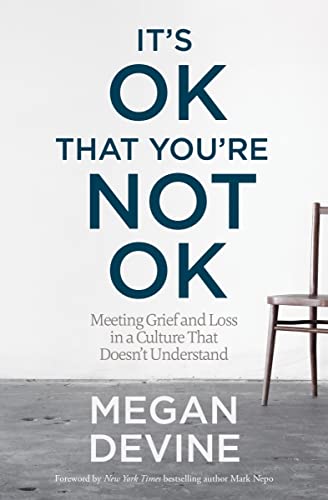
It's OK That You're Not OK
Megan Devine, LPC
A grounded, permission-giving companion for grief that resists tidy timelines and lets loss simply be witnessed.
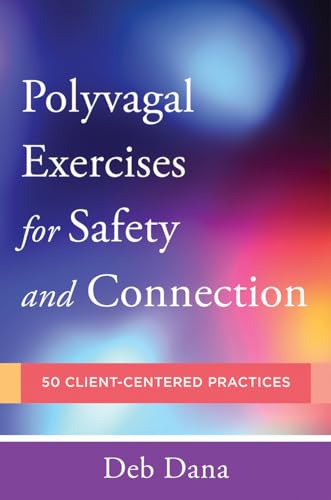
Polyvagal Exercises for Safety and Connection
Deb Dana, LCSW
50 client-centered practices for regulating the autonomic nervous system.
As an Amazon Associate, Clarity House Press earns from qualifying purchases. Your price is never affected.
Found this helpful?
Share it with someone who might need it.
About the Author

Clarity House Press
Editorial Team
The editorial team at Clarity House Press curates and publishes evidence-based content on narcissistic abuse recovery, high-conflict divorce, and healing. Our content is informed by research, survivor experiences, and established trauma-informed approaches.
View all posts by Clarity House Press →Published by Clarity House Press Editorial Team