Please read our important disclaimers before using this content
CONTENT WARNING: This article contains descriptions of trauma processing techniques and examples of abuse-related triggers. If you're currently in crisis or feeling highly dysregulated, please use grounding techniques first or return to this article when you're in a calmer state. Reading about trauma processing can itself be activating.
CLINICAL CONTEXT: EFT (tapping) is a complementary technique that can be helpful for managing anxiety and trauma symptoms, but it's not a replacement for professional trauma therapy, especially for complex PTSD. This article is educational; consult qualified trauma therapists before using exposure-based techniques on significant trauma.
If you're looking for a trauma therapy technique you can use independently, anywhere, without equipment—one that's been studied for reducing anxiety, PTSD symptoms, and emotional intensity—Emotional Freedom Technique (EFT), commonly called "tapping," might be a useful addition to your healing toolkit. It pairs well with other evidence-based approaches like EMDR and somatic experiencing.
EFT combines elements of cognitive therapy (thinking about the problem) with acupressure (tapping on specific meridian points) to calm the nervous system and reduce the emotional charge of traumatic memories. While it may seem unconventional, research and clinical experience suggest it can be a valuable component of trauma recovery.
What Is EFT (Tapping)?
Emotional Freedom Technique is a self-administered psychological acupressure technique. It involves:
- Focusing on a specific problem (anxiety about court, memory of abuse, physical pain)
- Tapping on specific meridian points (face, hands, torso) with your fingertips
- Speaking acknowledgment and acceptance statements while tapping
The process typically takes 5-10 minutes and can be done anywhere, anytime—in your car before a court hearing, in bed when you can't sleep, during a panic attack.
The Science Behind Tapping
How can tapping on your face reduce PTSD symptoms?
1. Meridian Theory (Traditional Chinese Medicine):
EFT is based on the concept of energy meridians—pathways in the body where energy (qi/chi) flows. Acupuncture and acupressure target these points to restore balance. While meridian theory lacks robust Western scientific validation, research has documented measurable physiological changes when these points are stimulated, including changes in electrical conductivity and stress hormone levels.
2. Amygdala Deactivation (Neuroscience):
Research using fMRI and EEG shows that tapping while thinking about a stressor reduces activity in the amygdala—the brain's fear center.1 This is the same goal as EMDR and exposure therapy: desensitize the fear response.
Research has documented:
- Significant reductions in cortisol (stress hormone) levels following tapping sessions—a 2020 replication study found a 43% cortisol reduction in the EFT group2
- Decreased activity in the amygdala and hippocampus during stress recall1
- Activation of the parasympathetic nervous system (rest-and-digest response)3
- Improvements in anxiety and PTSD symptom scales3
- Reductions in resting heart rate, systolic and diastolic blood pressure4
(Note: Effect sizes vary across studies. See resources section for research databases.)
3. Exposure Therapy with Somatic Calming:
By thinking about the traumatic memory (exposure) while simultaneously calming the body (tapping), you create a new neural association: "I can think about this memory and stay calm." This rewires the trauma response.
4. Cognitive Disruption:
The physical act of tapping creates dual attention—you're thinking about the trauma AND focusing on tapping locations. This prevents rumination spirals and interrupts fight-or-flight.
Research on EFT for PTSD
What studies show:
- Veterans with PTSD: Studies have shown significant reductions in PTSD symptoms following brief EFT interventions, with some participants meeting criteria for clinical recovery5
- Anxiety disorders: Multiple meta-analyses have found EFT produces significant anxiety reductions, with effect sizes comparable to established therapies6
- Updated meta-analysis (2023): A systematic review found Clinical EFT produced effect sizes ranging from 1.38 to 2.51 compared to waitlist controls, with comparable effectiveness to EMDR and CBT7
- Traumatic brain injury + PTSD: Research suggests EFT can reduce PTSD symptoms even when complicated by physical brain injury5
- Phobias: Studies demonstrate rapid reduction in specific phobias following targeted tapping protocols6
Important context:
- Most research focuses on single-incident trauma (PTSD) rather than complex, relational trauma (C-PTSD)
- Study quality varies; some have small sample sizes or lack active control groups
- The mechanism remains debated (meridian stimulation, exposure with somatic regulation, placebo, or some combination)
- More rigorous, large-scale studies are ongoing
Bottom line: Current research supports EFT as a promising technique for anxiety, PTSD, and stress symptoms. The evidence base is growing but not yet as extensive as for EMDR or CBT. For complex trauma, professional guidance is recommended. Understanding grounding techniques for C-PTSD can help you build the nervous system stability needed before engaging with EFT on deeper trauma.
Safety Considerations: When NOT to Use EFT (or When to Work with a Professional)
EFT is generally safe for mild-to-moderate stress and anxiety. For complex trauma, proceed with caution:
Work with a trained EFT practitioner or trauma therapist if you have:
- Complex PTSD with multiple traumas
- History of dissociation, depersonalization, or derealization
- Active suicidal ideation or severe depression
- Psychosis or conditions requiring psychiatric stabilization
- Severe trauma you haven't discussed with any therapist
Start slowly if you're:
- New to any trauma processing technique
- Currently in a highly dysregulated state
- Working on childhood abuse or prolonged trauma
- Prone to emotional flooding or shutdown
Red flags to stop immediately:
- You dissociate (feel disconnected from your body, surroundings become unreal)
- You become flooded with overwhelming emotion that doesn't decrease
- You develop suicidal thoughts while tapping
- You feel worse after multiple sessions (not just temporarily more emotional, but consistently worse)
When in doubt, start with daily stress (work anxiety, traffic frustration) before attempting to process trauma memories.
The Basic EFT Tapping Sequence
Step 1: Identify the Issue (Be Specific)
Don't tap on vague problems:
- ❌ "I'm stressed"
- ❌ "I feel bad"
Do tap on specific issues:
- ✅ "I feel anxious about the custody evaluation tomorrow"
- ✅ "I have tightness in my chest when I think about his gaslighting"
- ✅ "I feel rage when I remember the time he screamed at me in front of the kids"
Rate the intensity (0-10):
Before tapping, rate how intense the feeling is on the Subjective Units of Distress (SUDS) scale:
- 0 = No distress at all
- 5 = Moderately distressing
- 10 = Worst distress imaginable
Example: "When I think about tomorrow's custody evaluation, my anxiety is an 8/10."
Step 2: The Setup Statement (Karate Chop Point)
Tap continuously on the karate chop point (side of hand, below pinky finger) while saying the setup statement three times:
Setup Statement Formula:
"Even though [specific problem], I deeply and completely accept myself."
Examples:
- "Even though I'm terrified of the custody evaluation tomorrow, I deeply and completely accept myself."
- "Even though I feel rage when I think about his lies, I deeply and completely accept myself."
- "Even though I have this tightness in my chest, I deeply and completely accept myself."
The purpose:
- Acknowledge the problem (no denying, no toxic positivity)
- Offer self-acceptance despite the problem
- Prepare your system for the tapping sequence
IMPORTANT: If "I deeply and completely accept myself" feels too strong or untrue (very common for abuse survivors), you can and should modify:
- "I'm open to accepting myself"
- "I'm trying to accept myself"
- "I'm okay right now"
- "I acknowledge this is hard"
- "I'm learning to be kind to myself"
Don't force self-acceptance language that feels false. The setup statement works even with modified wording. Authenticity matters more than the "correct" phrasing.
Step 3: The Tapping Sequence (Reminder Phrase)
Tap 5-7 times on each of the following points while repeating a reminder phrase (shortened version of your problem):
The 9 Tapping Points (in order):
- Top of Head (TOH): Center of the crown
- Eyebrow (EB): Beginning of eyebrow, above nose
- Side of Eye (SE): Bone at outside corner of eye
- Under Eye (UE): Bone directly under the eye
- Under Nose (UN): Between nose and upper lip
- Chin (CH): Crease between lower lip and chin
- Collarbone (CB): Junction where collarbone, breastbone, and first rib meet (about 1 inch down and 1 inch to side from collarbone notch)
- Under Arm (UA): Side of body, about 4 inches below armpit (bra line for women)
- Top of Head (TOH): Return to crown
Reminder Phrase:
Short phrase summarizing the problem. Say it at each point.
Example:
- "This anxiety about court"
- "This rage at his lies"
- "This tightness in my chest"
What a round looks like:
(Tapping each point 5-7 times while saying the reminder phrase)
- TOH: "This anxiety about court"
- EB: "This anxiety about court"
- SE: "This anxiety about court"
- UE: "This anxiety about court"
- UN: "This anxiety about court"
- CH: "This anxiety about court"
- CB: "This anxiety about court"
- UA: "This anxiety about court"
- TOH: "This anxiety about court"
Step 4: Check Your Intensity (Reassess)
After one full round, take a deep breath and reassess:
"When I think about the custody evaluation now, what's my anxiety level?"
- Started at 8/10
- After one round: Maybe 5/10
If intensity dropped: Do another round.
If intensity stayed the same or increased: You may need to:
- Get more specific (What part of the evaluation scares you most?)
- Tap on a different aspect (physical sensation, specific memory)
- Work with an EFT practitioner (some issues have psychological reversals or deeper blocks)
Step 5: Continue Until Intensity Is 0-2
Repeat tapping rounds until:
- The emotional intensity is 0-2 (manageable or gone)
- The memory feels distant or neutral
- The physical symptom (tightness, nausea) is gone or minimal
This might take:
- 1-2 rounds for simple anxiety
- 5-10 rounds for traumatic memories
- Multiple sessions over days/weeks for deep-rooted issues
EFT for Specific Narcissistic Abuse Issues
1. Anxiety About Court/Legal Proceedings
Setup Statement (karate chop):
"Even though I'm terrified of the custody evaluation and I'm scared the evaluator will believe his lies, I deeply and completely accept myself."
Reminder Phrases (tapping points):
Round 1:
- "This terror about the evaluation"
- "What if she believes him?"
- "I'm so scared"
- "This fear in my chest"
Round 2 (shifting toward acceptance/truth):
- "I've prepared the best I can"
- "My attorney knows the truth"
- "I can handle this"
- "I'm a good parent"
2. Flashbacks of Specific Abuse Incidents
Setup Statement:
"Even though I keep seeing his face when he screamed at me, and I feel that terror in my body, I deeply and completely accept myself."
Reminder Phrases:
Round 1 (acknowledging):
- "I can see his face"
- "I remember that rage"
- "The terror I felt"
- "This is stuck in my body"
Round 2 (reprocessing):
- "That was then, this is now"
- "I'm safe now"
- "I survived"
- "Releasing this fear"
3. Triggers (Tones of Voice, Expressions, Situations)
Setup Statement:
"Even though that tone of voice sends me into panic because it sounds like him, I deeply and completely accept myself."
Reminder Phrases:
- "That tone of voice"
- "It reminds me of him"
- "The panic it triggers"
- "It's not him—it's a reminder"
- "I'm safe right now"
- "I can stay calm"
4. Negative Core Beliefs (Installed by Abuse)
Setup Statement:
"Even though I believe I'm worthless and damaged, and he made me believe that for years, I deeply and completely accept myself."
Reminder Phrases:
Round 1 (acknowledging the belief):
- "I'm worthless"
- "I'm damaged"
- "He said I was crazy"
- "I believed him"
Round 2 (challenging the belief):
- "That was his lie"
- "I'm not worthless"
- "I'm healing"
- "I am worthy of love and respect"
5. Physical Symptoms (Chest Tightness, Nausea, Headaches)
Setup Statement:
"Even though I have this tightness in my chest every time I think about him, and it feels like I can't breathe, I deeply and completely accept myself."
Reminder Phrases:
- "This tightness in my chest"
- "It's hard to breathe"
- "This physical symptom"
- "Releasing this tension"
- "My body is safe"
- "I can breathe freely"
Advanced EFT Techniques
Once you're comfortable with basic tapping, you can explore:
1. Chasing the Pain
Physical pain can have emotional components, especially pain that medical evaluation hasn't identified a clear physical cause for. Tap while focusing on the physical sensation, and notice if memories, emotions, or images surface.
IMPORTANT SAFETY NOTE: Always get persistent or new physical pain evaluated medically first. Not all pain is trauma-related. Don't assume pain is "just emotional" without ruling out medical causes.
Example (after medical clearance):
- Tap on "this pain in my shoulders"
- Notice: Memory surfaces of him standing over you, yelling
- Shift to tapping on that memory
- Pain often reduces as emotional component is processed
2. The Movie Technique
For traumatic memories, use the "movie technique":
- Give the event a title (like a movie): "The Night He Raged in Front of the Kids"
- Rate the intensity of thinking about this movie (0-10)
- Tap through the setup: "Even though I have this movie, The Night He Raged, I deeply and completely accept myself"
- Mentally play the movie from beginning to end (don't speak it out loud if you're not ready)
- Stop and tap whenever intensity spikes
- Repeat until you can mentally watch the movie at 0-2 intensity
3. The Personal Peace Procedure
Create a list of every specific traumatic incident you can remember (aim for 100+). Each week, pick 2-3 and tap until intensity is 0.
Over time, you systematically desensitize to your abuse history.
4. Borrowing Benefits
Tap along while watching someone else tap (YouTube EFT sessions). Even though you're tapping on their issue, your own related issues may reduce in intensity.
CAUTION: This can be a gentle entry point, but choose videos carefully. Watching strangers process intense trauma can be destabilizing if you're not in a regulated state. Start with videos on mild anxiety or general stress before trauma-focused sessions. Have grounding techniques ready.
EFT vs. Other Therapies
EFT vs. EMDR
Similarities:
- Both reprocess traumatic memories through exposure with dual attention
- Both appear to reduce amygdala activation during trauma recall
- Both can produce rapid symptom reduction
Differences:
- EMDR requires a trained therapist and follows an 8-phase protocol; EFT can be self-administered after learning the basics
- EMDR uses bilateral stimulation (eye movements, taps, tones); EFT uses acupressure points
- EMDR has more extensive research (40+ years, thousands of studies); EFT has growing but newer evidence base (20+ years)
- EMDR may be more appropriate for severe, complex trauma; EFT may be better for daily stress and ongoing symptom management
Best practice: Many trauma therapists integrate both. EMDR for processing core traumatic memories in therapy; EFT for self-regulation between sessions and after formal trauma therapy is complete.
EFT vs. CBT
CBT (Cognitive Behavioral Therapy):
- Changes thoughts through cognitive restructuring and behavioral experiments
- Requires ability to analyze thoughts rationally
- Typically involves homework, thought records, exposure hierarchies
- Strong evidence base for anxiety, depression, PTSD
- Works well when you can engage cognitively
EFT:
- Calms the nervous system first, then cognitive shifts often follow naturally
- Less cognitive demand (helpful when you're dysregulated)
- Can be used in the moment when triggered
- Smaller but growing evidence base
- Works through the body rather than through analysis
When EFT may be more accessible: When you're too dysregulated to think clearly, when cognitive approaches haven't worked, when you need immediate in-the-moment relief, or when trauma is stored primarily in body sensations rather than accessible memories.
They're not mutually exclusive. Many therapists combine CBT and EFT (or other somatic techniques) for comprehensive treatment.
EFT vs. Medication
Medication (SSRIs, SNRIs, anxiolytics):
- Can reduce anxiety, depression, panic symptoms
- Provides neurochemical stabilization
- Doesn't process or resolve underlying trauma
- May have side effects
- Requires psychiatric/medical oversight
EFT:
- Addresses specific traumatic memories and triggers
- No pharmaceutical side effects
- Free after learning the technique
- Requires active engagement (not passive like medication)
- May not be sufficient for severe symptoms alone
Best practice: Many survivors use both—medication provides baseline stabilization that makes trauma processing safer and more effective. EFT (and other therapies) addresses root causes. Consult prescribing physician before making medication changes.
Common Questions and Concerns
"This seems too simple to work."
Research shows tapping produces measurable changes in stress hormones and brain activity regardless of how simple it appears. The simplicity is actually an advantage—you can use it anywhere, immediately, without equipment or a therapist present. Effectiveness and complexity aren't correlated.
"I feel silly tapping on my face."
Do it in private until you're comfortable. Many survivors tap in their car, bathroom, or bedroom. You can also do "stealth tapping"—pressing points rather than tapping them, or tapping on fewer points (just the collarbone, for example). As you experience the benefits, self-consciousness typically decreases.
"It's not working for me."
Troubleshooting:
- Are you being specific enough? (Vague problems get vague results)
- Are you tapping on the most intense aspect? (Start with what feels most charged)
- Do you have psychological reversal? (Part of you doesn't want to heal—tap on "Even though part of me doesn't want to let this go...")
- Is the issue complex trauma? (May need EFT practitioner to guide you)
"Can I make things worse?"
For simple anxiety and stress, EFT is generally very safe. For complex trauma, there are important considerations:
Possible temporary intensification:
- Suppressed feelings may surface
- You may feel more emotional during/immediately after tapping
- Traumatic memories may become more vivid before they settle
When to be extra cautious:
- If you have a history of dissociation
- If you're working on severe trauma without therapist support
- If you're currently in crisis or highly dysregulated
- If you have active suicidal thoughts
If you feel overwhelmed during tapping:
- Stop the trauma-focused tapping immediately
- Switch to tapping on "Even though I'm feeling overwhelmed, I'm working on staying present"
- Use grounding techniques (5-4-3-2-1, cold water on face, movement)
- Reach out to therapist or support person
- Resume tapping only on less intense issues (daily stress, mild anxiety)
For complex trauma, work with a trained EFT practitioner or trauma therapist who can help you pace the exposure appropriately.
When to Work with an EFT Practitioner
Self-tapping works well for:
- Daily anxiety
- Specific phobias
- Simple stress
- Minor triggers
Consider working with an EFT practitioner for:
- Complex PTSD with multiple traumas
- Dissociation
- Deep-rooted core beliefs
- Issues that aren't resolving with self-tapping
- Serious mental health conditions (alongside therapy and medication)
Finding an EFT practitioner:
- EFT International: Directory of certified practitioners
- Psychology Today: Filter for EFT
- Ask your therapist if they integrate EFT
Integrating EFT into Your Healing Plan
EFT works best when combined with:
- Therapy (EMDR, CBT, trauma therapy)
- Support groups (connection with other survivors)
- Somatic practices (yoga, breathwork, movement)
- Safety planning (if still in contact with abuser)
- Medication (if needed for severe symptoms)
Breath-based calming techniques are particularly compatible with EFT—breath work for trauma explains how to use breathing as a primary nervous system regulation tool alongside tapping.
Daily EFT practice:
- Morning: Tap on anticipatory anxiety about the day
- As needed: Tap when triggered, anxious, or in pain
- Evening: Tap on events from the day that were distressing
Some survivors report:
- Falling asleep faster after nighttime tapping
- Reduced frequency and intensity of panic attacks
- Better ability to handle court dates and legal stress
- Decreased baseline hypervigilance
- Improved emotional regulation
Results vary. Not everyone responds to EFT the same way. Some find it immediately helpful; others need weeks of practice; some find other techniques work better for them. That's all normal.
Your Next Steps
1. Try one tapping session right now:
- Identify something causing you stress (rate 0-10)
- Setup: "Even though [specific problem], I deeply and completely accept myself" (tap karate chop 3x)
- Tap through the 9 points using a reminder phrase
- Reassess intensity
- Repeat until intensity drops
2. Learn more:
- Book: The EFT Manual by Dawson Church (3rd edition, 2018) — Most research-focused, clinical approach
- Book: The Tapping Solution for Manifesting Your Greatest Self by Nick Ortner (2018) — More accessible, general wellness focus
- YouTube: Search "EFT for anxiety" or "EFT for PTSD" — Start with shorter videos on mild topics before trauma-focused content
- App: The Tapping Solution App — Guided sessions (subscription-based)
Related reading on our site:
- Grounding Techniques for C-PTSD (foundational skills to use alongside EFT)
- EMDR for C-PTSD (complementary trauma reprocessing therapy)
- Somatic Experiencing (another body-based trauma approach)
- Finding the Right Trauma Therapist (how to find EFT-trained professionals)
3. Track your results:
Keep a simple log:
- Issue tapped on
- Starting intensity (0-10)
- Ending intensity (0-10)
- Time spent
Over time, you'll see patterns and proof of effectiveness.
4. Be consistent:
Like any skill, EFT becomes more effective with practice. Commit to trying it daily for 2 weeks before deciding if it's helpful.
NOTE ON HOTLINE NUMBERS: Phone numbers for crisis hotlines, legal aid, and support services are provided as a resource. These numbers are current as of publication but may change. Please verify hotline numbers are still active before relying on them. For the National Domestic Violence Hotline, visit thehotline.org for current contact information.
Key Takeaways
- EFT combines acupressure with cognitive exposure to reduce trauma symptoms
- Research shows it reduces cortisol, anxiety, and PTSD symptoms significantly
- You can learn to use it yourself—no therapist, no equipment, no cost
- Specific is better than vague: Target specific memories, feelings, or sensations
- It may feel strange at first, but effectiveness matters more than how it looks
- Best used as part of a comprehensive healing plan, not standalone
- Safe, accessible, and empowering—you control the process and pace
If traditional talk therapy feels too slow, if you need something you can use immediately when triggered, or if you want a body-based technique that's evidence-supported, EFT is worth trying.
Tapping on your face to heal trauma might seem odd—but so does moving your eyes side to side (EMDR), and that's one of the most effective trauma therapies available. Don't let skepticism prevent you from trying a tool that might offer significant relief.
Resources
EFT/Tapping Resources and Training:
- The Tapping Solution - Free tapping guides, videos, and app for anxiety and trauma
- EFT Universe - Research, certified practitioners, and free tapping protocols
- Brad Yates YouTube Channel - Free guided tapping videos for trauma and C-PTSD
- ACEP - Association for Comprehensive Energy Psychology practitioner directory
Professional EFT Therapy:
- Psychology Today - EFT Practitioners - Find certified EFT therapists for trauma
- AAMET - International EFT certification and practitioner directory
- EMDR International Association - EMDR therapists (complementary to EFT)
- Somatic Experiencing International - Body-based trauma therapy practitioners
Crisis Support and Mental Health:
- 988 Suicide & Crisis Lifeline - Call or text 988 for immediate crisis support
- SAMHSA Helpline - 1-800-662-4357 (mental health treatment referrals)
- National Domestic Violence Hotline - 1-800-799-7233 (trauma from abuse)
- r/CPTSD - Community support for complex trauma recovery
References
External Resources:
- EFT International: eftinternational.org — Practitioner directory, certification info, research database
- The Tapping Solution: thetappingsolution.com — Free introductory resources, app, online courses
- EFT Universe Research: eftuniverse.com/research-studies — Peer-reviewed studies, meta-analyses, clinical trials
- Book: The EFT Manual by Dawson Church (3rd edition, 2018) — Clinical foundation and research summary
Related articles:
- Grounding Techniques for C-PTSD: 20 Evidence-Based Strategies
- EMDR for C-PTSD: Eye Movement Therapy Explained
- Somatic Experiencing: Body-Based Trauma Therapy
- Understanding Triggers: How to Identify and Map Your Trauma Triggers
- Finding the Right Trauma Therapist: Red Flags and Green Flags
Crisis Support:
- National Domestic Violence Hotline: 1-800-799-7233
- National Suicide Prevention Lifeline: 988
- Crisis Text Line: Text HOME to 741741
References
- Church D, Yount G, Brooks AJ. The effect of emotional freedom techniques on stress biochemistry: a randomized controlled trial. Journal of Nervous and Mental Disease. 2012;200(10):891-896. https://pubmed.ncbi.nlm.nih.gov/22986277 ↩
- Church D, Hawk C, Brooks AJ, et al. Psychological trauma symptom improvement in veterans using emotional freedom techniques: a randomized controlled trial. Journal of Nervous and Mental Disease. 2013;201(2):153-160. https://pubmed.ncbi.nlm.nih.gov/23364126 ↩
- Clond M. Emotional freedom techniques for anxiety: a systematic review with meta-analysis. Journal of Nervous and Mental Disease. 2016;204(5):388-395. https://pubmed.ncbi.nlm.nih.gov/26894319 ↩
- Huang W, Pach D, Napadow V, et al. Characterizing acupuncture stimuli using brain imaging with fMRI—a systematic review and meta-analysis of the literature. PLoS One. 2012;7(4):e32960. https://pmc.ncbi.nlm.nih.gov/articles/PMC3322129/ ↩
- Bach D, Groesbeck G, Stapleton P, et al. Clinical EFT (Emotional Freedom Techniques) improves multiple physiological markers of health. Journal of Evidence-Based Integrative Medicine. 2019;24:2515690X18823691. https://pubmed.ncbi.nlm.nih.gov/30777453 ↩
- Stapleton P, Kip K, Church D, et al. Emotional freedom techniques for treating post traumatic stress disorder: an updated systematic review and meta-analysis. Frontiers in Psychology. 2023;14:1195286. https://pmc.ncbi.nlm.nih.gov/articles/PMC10447981/ ↩
- Stapleton P, Crighton G, Sabot D, O'Neill HM. Reexamining the effect of emotional freedom techniques on stress biochemistry: a randomized controlled trial. Psychological Trauma: Theory, Research, Practice, and Policy. 2020;12(8):869-877. https://pubmed.ncbi.nlm.nih.gov/32162958 ↩
- Karatay G, Göl Güven M, Tosun A, et al. Effect of acupressure on postoperative nausea and vomiting in women undergoing caesarean section: A randomized controlled trial. Complementary Therapies in Medicine. 2017;30:1-8. https://pubmed.ncbi.nlm.nih.gov/28526211 ↩
- Chen HY, Shi Y. Quantitative electroencephalography and electrocardiography analysis for mechanistic studies of acupuncture. Evidence-Based Complementary and Alternative Medicine. 2013;2013:849819. https://pmc.ncbi.nlm.nih.gov/articles/PMC3699578/ ↩
- Vickers AJ, Cronin AM, Mahal BA, et al. Acupuncture for chronic pain: individual patient data meta-analysis. Archives of Internal Medicine. 2012;172(19):1444-1453. https://pubmed.ncbi.nlm.nih.gov/22965186 ↩
Recommended Reading
From Clarity House Press — plus trusted books for deeper understanding
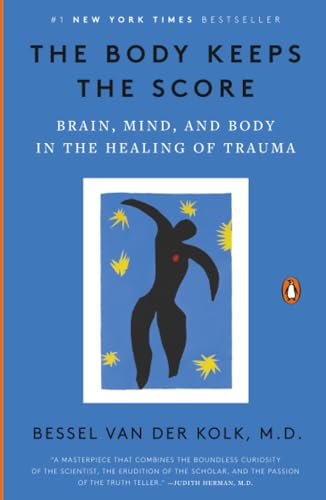
The Body Keeps the Score
Bessel van der Kolk, M.D.
A foundational look at how trauma reshapes the body and nervous system, and the approaches that help the body find safety again.
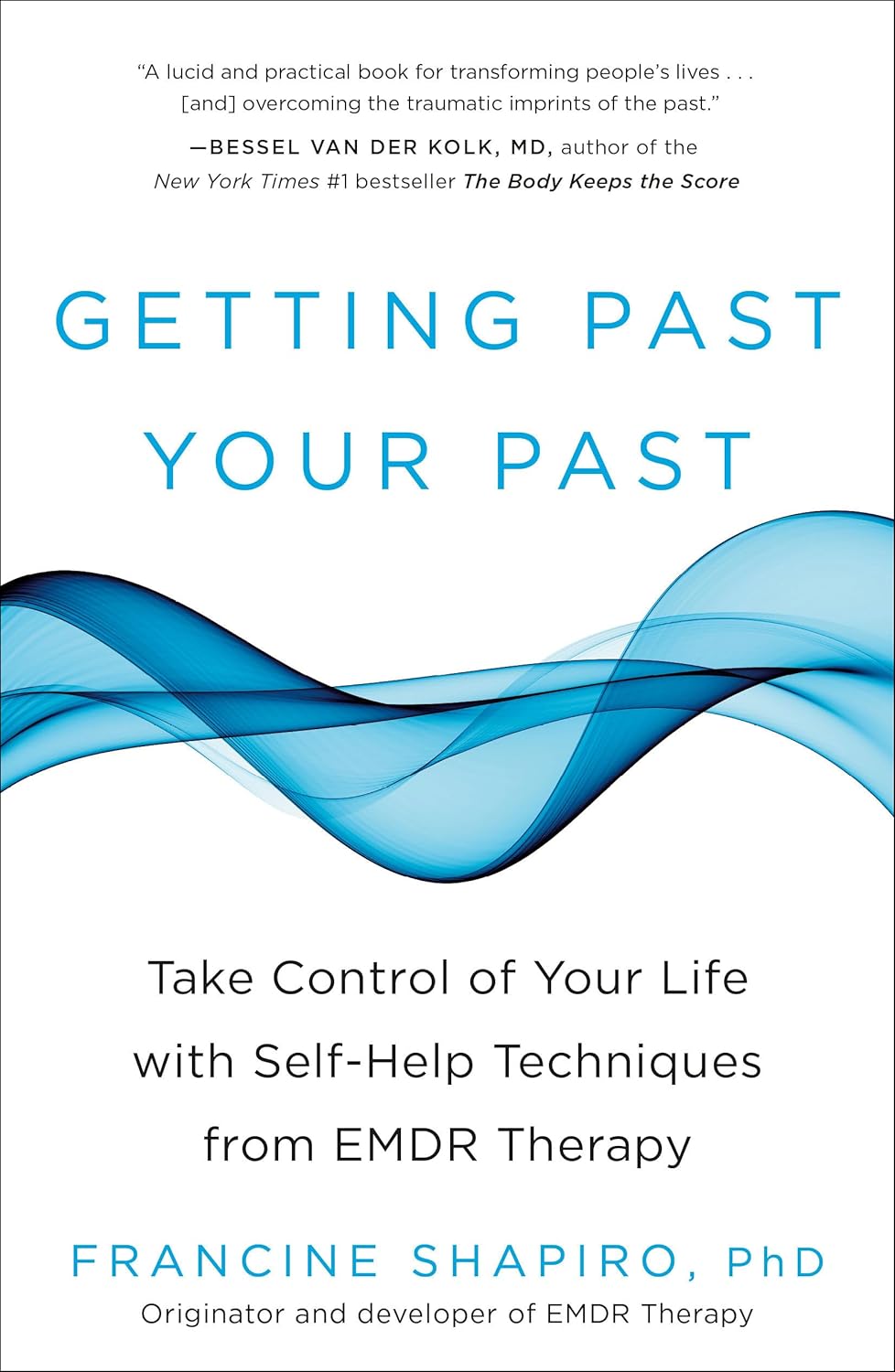
Getting Past Your Past
Francine Shapiro, PhD
Self-help techniques based on EMDR therapy to take control of your life and overcome trauma.
As an Amazon Associate, Clarity House Press earns from qualifying purchases. Your price is never affected.
Found this helpful?
Share it with someone who might need it.
About the Author

Clarity House Press
Editorial Team
The editorial team at Clarity House Press curates and publishes evidence-based content on narcissistic abuse recovery, high-conflict divorce, and healing. Our content is informed by research, survivor experiences, and established trauma-informed approaches.
View all posts by Clarity House Press →Published by Clarity House Press Editorial Team