Please read our important disclaimers before using this content
If you've been diagnosed with Borderline Personality Disorder (BPD) during or after narcissistic abuse—or if your ex is claiming you have BPD—understanding the critical difference between BPD and Complex PTSD (C-PTSD) could change everything.
Trauma from narcissistic abuse is routinely misdiagnosed as BPD. The symptoms overlap significantly, but the causes, meanings, and treatments are fundamentally different. More critically, a BPD diagnosis is weaponized ruthlessly in custody battles, often resulting in restricted or supervised custody.
Understanding diagnostic clarity, the history of BPD as a label for traumatized women, protecting yourself from weaponization, and finding trauma-informed diagnosticians is essential for accurate treatment and protecting your children. Our comprehensive guide to C-PTSD explains what complex trauma actually looks like clinically, which is essential background before navigating diagnostic disputes.
The BPD Misdiagnosis Epidemic
Borderline Personality Disorder is one of the most stigmatized psychiatric diagnoses. It's also one of the most frequently misapplied to trauma survivors—particularly women who've experienced narcissistic abuse.
Why Misdiagnosis Happens:
1. Symptom Overlap: C-PTSD and BPD share many symptoms[^1]:
- Emotional dysregulation
- Relationship difficulties
- Fear of abandonment
- Identity disturbance
- Self-harm or suicidal behavior
- Intense, unstable emotions
2. Clinician Training:
- Many therapists learned about BPD but not C-PTSD (which isn't in DSM-5-TR, though it is in ICD-11)1
- Default diagnosis for women with emotional dysregulation
- Easier to diagnose personality disorder than understand complex trauma
3. Presenting During Crisis:
- You seek help while in active abuse or acute trauma response
- Clinician sees emotional intensity and thinks "BPD"
- No time to explore abuse history or trauma context
4. Narcissist's Narrative:
- Narcissist tells clinician you're "crazy," "unstable," "manipulative"
- Clinician hears traits associated with BPD
- Your trauma responses are reframed as personality pathology2
5. Historical Gender Bias:
- BPD diagnosis disproportionately applied to women (approximately 75% of diagnoses)3
- Historically used to pathologize women's trauma responses
- "Difficult" or "emotional" women labeled BPD
6. Brief Evaluations:
- BPD diagnosis sometimes made in single appointment
- Checklist approach ("Do you fear abandonment? Check. Unstable relationships? Check.")
- No comprehensive trauma assessment
Borderline Personality Disorder: What It Actually Is
BPD is a genuine disorder affecting approximately 1.4% of the adult population in the United States. It's characterized by:
DSM-5-TR BPD Criteria (5+ of 9 required):
- Frantic efforts to avoid real or imagined abandonment
- Unstable and intense interpersonal relationships (alternating idealization and devaluation)
- Identity disturbance (unstable self-image)
- Impulsivity in at least two potentially self-damaging areas (spending, sex, substance use, reckless driving, binge eating)
- Recurrent suicidal behavior, gestures, threats, or self-harm
- Affective instability (intense episodic dysphoria, irritability, anxiety)
- Chronic feelings of emptiness
- Inappropriate, intense anger or difficulty controlling anger
- Transient, stress-related paranoid ideation or severe dissociation
Key BPD Features:
Begins in early adulthood:
- Pattern established by late teens/early twenties
- Pervasive across situations and relationships
- Present before significant trauma (though many people with BPD have trauma history)
Relationship pattern:
- Intense, unstable relationships characterized by splitting
- Idealization ("you're perfect!") alternating with devaluation ("I hate you!")
- Pattern repeats across multiple relationships
Identity disturbance:
- Fundamental uncertainty about who you are
- Values, goals, career aspirations shift dramatically
- "Chameleon" identity based on who you're with
Chronic emptiness:
- Pervasive sense of void inside
- Difficulty identifying emotions
- Feeling hollow or numb as baseline state
Complex PTSD: Trauma Response, Not Personality Disorder
Complex PTSD develops from prolonged, repeated trauma—especially in relationships where escape is difficult or impossible (like narcissistic abuse). C-PTSD is recognized in the ICD-11 (World Health Organization's diagnostic manual, 2019) but not yet included in the DSM-5-TR.4 While DSM-5-TR incorporates some C-PTSD symptoms as part of expanded PTSD criteria, the ICD-11 offers a distinct diagnostic framework that better captures the unique presentation of survivors exposed to prolonged relational trauma.5
C-PTSD Symptoms (ICD-11):
All PTSD symptoms PLUS:
1. Disturbances in Self-Organization:
- Affective dysregulation: Difficulty managing emotions, but in response to triggers
- Negative self-concept: Shame, guilt, worthlessness from abuse messages
- Disturbances in relationships: Difficulty trusting, but based on real betrayal
2. Emotional Dysregulation Tied to Trauma:
- Emotional intensity triggered by reminders of abuse
- Not random or unpredictable—connected to trauma content
- Flashbacks cause emotional storms
- Dysregulation improves with trauma processing
3. Relationship Difficulties from Betrayal:
- Trust issues because someone betrayed you
- Fear of abandonment because someone abandoned you
- Relationship instability because you're leaving abusers or avoiding intimacy protectively
- Pattern makes sense in trauma context
4. Identity Disturbance from Abuse:
- Narcissist demanded you suppress authentic self
- Confusion about identity because you were forced to be someone else
- Lost sense of self from prolonged control
- Identity returns with healing
Why the Distinction Matters Critically
Getting the right diagnosis isn't academic—it changes everything.
If You're Misdiagnosed with BPD When You Have C-PTSD:
1. Wrong treatment:
- DBT (for BPD) focuses on emotion regulation skills
- You actually need trauma processing
- Skills help somewhat, but don't address root cause (trauma)
- Healing is delayed or incomplete
2. Identity as "disordered personality":
- BPD implies your personality is fundamentally flawed
- Internalize message that you're broken at core level
- Actually: you're traumatized and responding normally to abuse
- Profound difference in self-concept
3. Stigma:
- BPD is heavily stigmatized diagnosis
- Therapists sometimes refuse BPD clients
- Medical professionals treat you differently
- You treat yourself as "difficult" or "manipulative"
4. Custody devastation:
- BPD diagnosis in custody = often supervised visitation or reduced custody
- Judges and evaluators stigmatize BPD
- Narcissist weaponizes BPD label mercilessly
- Can lose children based on misdiagnosis
5. Narcissist validation:
- Misdiagnosis confirms narcissist's narrative (you're crazy, unstable, manipulative)
- Gives them ammunition
- Makes leaving harder ("maybe I am the problem")
If You Actually Have BPD:
Some survivors genuinely have BPD (often from childhood trauma) AND experienced narcissistic abuse. This is valid, real, and treatable.
If you have BPD:
- You deserve accurate diagnosis
- DBT can be life-changing
- BPD is treatable with dedicated therapy
- Having BPD doesn't mean you deserved abuse
- You can be excellent parent with treatment
How Narcissists Use BPD Against You
Whether you actually have BPD or are misdiagnosed, narcissists weaponize the label.
Common Tactics:
1. Labeling you BPD (even without diagnosis):
- "She has borderline personality disorder"
- Sending you articles about BPD
- Convincing you that you're BPD
- Using BPD as explanation for all conflict
2. Provoking then labeling:
- Deliberately triggering emotional reactions
- Recording your trauma responses
- Presenting recordings as "evidence" of BPD
- "See? She's unstable—probably borderline"
This deliberate provocation to create "evidence" is a form of reactive abuse—a tactic narcissists use specifically to manufacture situations that make the victim appear unstable.
3. Using actual diagnosis against you:
- If you were diagnosed BPD, weaponizing it ruthlessly
- Telling everyone about your "personality disorder"
- Framing all your concerns as BPD symptoms
- "You can't trust anything she says—she has BPD"
4. Describing your trauma responses as BPD traits:
- Your trauma-based fear of abandonment → "She has BPD fear of abandonment"
- Your difficulty trusting after betrayal → "Unstable relationships—classic BPD"
- Your confusion about identity after abuse → "Identity disturbance"
What this looks like:
"He'd emotionally abuse me, then when I'd cry or get angry, he'd say 'You're being borderline again.' He sent me articles about BPD, convinced me I had it. I saw a therapist who agreed (without trauma assessment). For three years I thought I had a personality disorder. After leaving and seeing a trauma specialist, I was rediagnosed with C-PTSD. My 'borderline traits' were actually trauma responses to his abuse."
BPD Weaponized in Custody: The Nuclear Option
In custody battles, BPD diagnosis is one of the most damaging labels possible.
Why BPD Is Devastating in Court:
1. Judicial bias:
- Judges often view BPD as severe mental illness
- Associated with instability, manipulation, danger
- Stigma influences custody decisions dramatically
2. "Manipulation" narrative:
- BPD associated with manipulation
- Everything you say becomes suspect
- "She's manipulating the court—it's her BPD"
3. Assumed danger to children:
- Fear that BPD parent will emotionally abuse children
- Concerns about stability, emotional regulation
- Worry about modeling unstable relationships
4. "Can't trust anything they say":
- BPD associated with lying (inaccurate but pervasive belief)
- Your testimony discounted
- Abuse allegations dismissed as "BPD accusations"
5. Treatment resistance narrative:
- BPD viewed as difficult to treat
- Assumption you won't improve
- Long-term custody restrictions
Common Custody Outcomes with BPD Diagnosis:
Note: Custody outcomes vary significantly by jurisdiction. Consult a family law attorney in your state.
- Supervised visitation
- Reduced custody (every other weekend vs. 50/50)
- Court-ordered therapy
- Reunification therapy (if children resist contact)
- Custody contingent on treatment completion
- Higher burden of proof for custody changes
Protecting Yourself in Custody with BPD Diagnosis
If you have BPD diagnosis (accurate or not), you must address it strategically in custody proceedings.
If You Were Misdiagnosed:
Get reassessed by trauma-informed professional:
- Comprehensive psychological evaluation
- Trauma-informed psychologist or psychiatrist
- Specific assessment for C-PTSD vs. BPD
- Clear documentation of correct diagnosis
Present corrected diagnosis to court:
- "I was initially misdiagnosed with BPD. Comprehensive trauma evaluation revealed C-PTSD from abuse."
- Provide evaluation report
- Explain why misdiagnosis happened (brief initial assessment, presenting during crisis, etc.)
Don't blame initial clinician:
- Frame as clarification, not mistake
- "Additional information from comprehensive assessment led to revised diagnosis"
- Professional, not defensive
Get expert testimony:
- Psychologist who can explain BPD vs. C-PTSD difference
- Testify that trauma responses were misinterpreted
- Educate court about misdiagnosis pattern
- Note: Expert witness requirements and admissibility standards vary by state
If You Actually Have BPD:
Document treatment:
- DBT program completion
- Years of therapy
- Current stability
- Treatment provider letters
Show current functioning:
- Work history, stable housing
- Children thriving in your care
- School records, pediatrician reports
- Community involvement
Get BPD-literate evaluator:
- Expert who understands BPD
- Can distinguish treated vs. untreated BPD
- Familiar with BPD in parenting context
- Won't stigmatize diagnosis
Emphasize treatment success:
- "I have BPD, which I've successfully treated through X years of DBT and therapy"
- Show symptom improvement over time
- Demonstrate emotional regulation skills
- Parenting has never been impaired
Address specific concerns:
- Emotional regulation: "I've completed DBT and use skills effectively"
- Relationship stability: "I maintain stable, healthy relationships" (provide references)
- Suicidality history (if applicable): "I had suicidal ideation in 2015, received treatment, no longer present"
Don't let diagnosis define you:
- You're a parent who has BPD, not "a borderline"
- Focus on your functioning, parenting, children's well-being
- BPD doesn't determine parenting capacity
Finding Trauma-Informed Diagnosticians
You need professionals who understand both BPD and complex trauma—and won't confuse them.
What Trauma-Informed Assessment Includes:
1. Comprehensive trauma history:
- Detailed questions about abuse
- Childhood trauma assessment
- Current safety evaluation
- Relationship timeline
2. Symptom timeline:
- When did symptoms start?
- Did they develop during/after specific relationship?
- Pattern across lifespan or specific to trauma period?6
3. Context for symptoms:
- Understanding triggers (are they trauma-related?)
- Relationship patterns (avoiding abusers vs. unstable with everyone?)
- Identity disturbance (from abuse or lifelong?)
4. Differential diagnosis:
- Actively considering C-PTSD vs. BPD
- Not defaulting to BPD for emotional dysregulation
- Understanding trauma presentations
5. Multiple sessions:
- Not diagnosing in one appointment
- Building understanding over time
- Observing symptom patterns
6. Psychological testing:
- Trauma-specific assessments (PCL-5, IES-R, CAPS)
- Personality assessments (MMPI-2, PAI)
- Structured diagnostic interviews
Questions to Ask Evaluators:
- "What's your training in complex trauma and C-PTSD?"
- "How do you distinguish C-PTSD from BPD?"
- "What's your approach to assessing someone with trauma history and emotional dysregulation?"
- "Are you familiar with how narcissistic abuse presents in survivors?"
Red Flags:
- Diagnosing BPD in first session
- Not asking detailed trauma questions
- Dismissing abuse as "relationship problems"
- Using BPD as catch-all for emotional women
- Not familiar with C-PTSD
- Stigmatizing language about BPD
The History of BPD as Trauma Misdiagnosis
Understanding the history helps understand why misdiagnosis is so common.
Historical Context:
1970s-1980s:
- BPD diagnosis created
- Disproportionately applied to women
- Often women with trauma histories
- Became diagnosis for "difficult" female patients
1990s:
- Research emerged showing high trauma rates in people diagnosed BPD
- Studies found significant childhood trauma histories in many people diagnosed with BPD
- Question arose: Is BPD actually trauma response?
2000s-present:
- C-PTSD concept developed (Judith Herman's foundational 1992 work Trauma and Recovery)
- Recognition that prolonged trauma creates symptoms resembling BPD
- Growing understanding that many "BPD" diagnoses are actually trauma
- ICD-11 (2019) formally includes C-PTSD; DSM-5-TR (2022) still does not
Current understanding:
- Some people genuinely have BPD
- Many people diagnosed with BPD actually have C-PTSD
- Trauma-informed assessment is essential to distinguish
- BPD diagnosis has been overused, particularly for traumatized women
Emotional Dysregulation vs. Manipulation
One of the most harmful BPD myths is that emotional intensity equals manipulation.
BPD Stigma:
"People with BPD are manipulative" "They fake emotions for attention" "You can't trust them"
Reality:
BPD emotional dysregulation is REAL:
- Neurobiological differences in emotion processing
- Not performed or faked
- Genuinely overwhelming emotions
- Desperate attempts to regulate, not manipulate
C-PTSD emotional dysregulation is REAL:
- Trauma changes nervous system
- Flashbacks cause genuine emotional storms
- Hypervigilance creates genuine fear
- Not performance—real responses to trauma triggers
Neither BPD nor C-PTSD is manipulation:
- Both involve genuine suffering
- Both involve real emotional experiences
- Stigmatizing either as "manipulation" is harmful and inaccurate
When Children Are Involved: Breaking the Cycle
If you have BPD or C-PTSD, you may worry about impacting your children.
Legitimate Concerns:
Both BPD and C-PTSD can affect parenting:
- Emotional dysregulation children witness
- Difficulty with emotional attunement
- Trauma triggers affecting parenting responses
- Relationship patterns children observe
These are manageable with treatment and awareness.
Protective Factors:
1. Treatment:
- Therapy (DBT for C-PTSD or BPD, trauma therapy)
- Emotional regulation skills
- Parenting support
2. Awareness:
- Understanding your triggers
- Recognizing when you're dysregulated
- Repairing after dysregulation ("I'm sorry I yelled—I was overwhelmed")
3. Support:
- Co-parent, family, friends who can help
- Respite when you're overwhelmed
- Not parenting alone
4. Modeling:
- Children see you getting help (therapy, treatment)
- See you using skills
- Learn that mental health challenges are treatable
5. Children's therapy:
- Individual therapy for children if they're struggling
- Processing their experiences
- Building their own regulation skills
You Can Be Excellent Parent with BPD or C-PTSD:
Having mental health diagnosis doesn't preclude excellent parenting. What matters:
- Are you in treatment?
- Are you managing symptoms?
- Are children safe and thriving?
- Do you repair when you make mistakes?
- Do you have support?
With treatment and support, you can absolutely be the parent your children need.
Resources for BPD and C-PTSD
BPD Resources:
- National Education Alliance for Borderline Personality Disorder (NEABPD) - BPD education and family support
- DBT Self-Help - Free DBT skills resources
- Treatment and Research Advancements for BPD (TARA) - BPD treatment resources
C-PTSD Resources:
- Out of the Storm - C-PTSD information and support community
- C-PTSD Foundation - C-PTSD education and resources
- Beauty After Bruises - Trauma and dissociation resources
Books:
For BPD:
- The Dialectical Behavior Therapy Skills Workbook by Matthew McKay
- Stop Walking on Eggshells by Paul Mason and Randi Kreger (for loved ones)
- I Hate You—Don't Leave Me by Jerold Kreisman
For C-PTSD:
- The Body Keeps the Score by Bessel van der Kolk
- Complex PTSD: From Surviving to Thriving by Pete Walker
- Trauma and Recovery by Judith Herman
On Misdiagnosis:
- The Myth of Sanity by Martha Stout
- Lost in the Mirror by Richard Moskovitz (BPD and trauma)
Finding Professionals:
- Psychology Today - Trauma Therapists - Filter for trauma, BPD, C-PTSD, custody evaluation
- ISSTD Therapist Finder - International Society for the Study of Trauma and Dissociation provider directory
- Association of Family and Conciliation Courts - Find forensic psychologists specializing in trauma and custody
Moving Forward
Whether you've been misdiagnosed with BPD, accurately diagnosed with BPD, or diagnosed with C-PTSD, you deserve accurate understanding and effective treatment.
If you were misdiagnosed:
- Getting correct diagnosis is validating
- It's not your personality—it's what happened to you
- Trauma-focused treatment addresses root cause
- You're not fundamentally flawed
If you have BPD:
- BPD is real, treatable, and doesn't define you
- DBT and therapy can be life-changing
- You can be excellent parent with treatment
- The stigma is unfair and inaccurate
In custody battles:
- BPD label is weaponized
- Strategic response is essential
- Get trauma-informed evaluators
- Document treatment and functioning
Most importantly:
Your emotional struggles—whether from BPD or C-PTSD—don't make you broken, manipulative, or unfit.
They make you human, traumatized, and deserving of compassionate treatment.
The narcissist wanted you to believe you were disordered, unstable, the problem.
The truth: You were responding to abuse. Your emotions were signals something was wrong. Your dysregulation was your nervous system trying to survive.
BPD or C-PTSD, you are not your diagnosis. You are a survivor, a parent, a person worthy of healing.
The abuse is over or ending. The misdiagnosis can be corrected. The treatment can work.
You are not borderline. You are not impossible. You are not the problem.
You are traumatized, healing, and absolutely worthy of peace.
Resources
Finding Trauma-Informed Mental Health Professionals:
- Psychology Today - Trauma and C-PTSD Specialists - Find therapists trained in trauma and differential diagnosis
- ISTSS Member Directory - International Society for Traumatic Stress Studies provider directory
- EMDR International Association - EMDR therapists for trauma processing
- Somatic Experiencing Trauma Institute - Find SE practitioners for nervous system healing
Books and Educational Resources:
- Complex PTSD: From Surviving to Thriving by Pete Walker - C-PTSD recovery and symptom management
- The Body Keeps the Score by Bessel van der Kolk - Trauma's impact and treatment approaches
- Trauma and Recovery by Judith Herman - Foundational work on complex trauma
- The Complex PTSD Workbook by Arielle Schwartz - Evidence-based skills for C-PTSD recovery
Legal and Crisis Support:
- National Domestic Violence Hotline - 1-800-799-7233 (custody and abuse support)
- WomensLaw.org - State-specific custody and legal information
- 988 Suicide & Crisis Lifeline - Call or text 988 for mental health crisis support
- SAMHSA Helpline - 1-800-662-4357 (mental health treatment referrals)
Footnotes
References
-
World Health Organization. (2019). International Classification of Diseases, 11th Revision (ICD-11). Complex post traumatic stress disorder (6B41). https://icd.who.int/browse11/l-m/en
-
Herman, J. L. (1992). Complex PTSD: A syndrome in survivors of prolonged and repeated trauma. Journal of Traumatic Stress, 5(3), 377-391. https://doi.org/10.1002/jts.2490050305
-
Sansone, R. A., & Sansone, L. A. (2011). Gender patterns in borderline personality disorder. Innovations in Clinical Neuroscience, 8(5), 16-20. https://www.ncbi.nlm.nih.gov/pmc/articles/PMC3115767/
-
Ford, J. D., & Courtois, C. A. (2014). Complex PTSD, affect dysregulation, and borderline personality disorder. Borderline Personality Disorder and Emotion Dysregulation, 1, 9. https://doi.org/10.1186/2051-6673-1-9
-
Distinguishing PTSD, Complex PTSD, and Borderline Personality Disorder using Exploratory Structural Equation Modeling. (2022). PLOS ONE. National Center for Biotechnology Information. https://www.ncbi.nlm.nih.gov/pmc/articles/PMC9107503/
-
Bressington, D. (2024). Assessment and diagnosis of post-traumatic stress disorders (PTSDs) for medico-legal and other clinical purposes: DSM-5-TR PTSD, ICD-11 PTSD and ICD-11 complex PTSD. BJPsych Advances. Cambridge University Press.
-
Sarr, A. D., et al. (2024). A Systematic Review of the Assessment of ICD-11 Complex Post-Traumatic Stress Disorder (CPTSD) in Young People and Adults. Clinical Psychology & Psychotherapy. Wiley Online Library. https://onlinelibrary.wiley.com/doi/full/10.1002/cpp.3012
-
American Psychological Association. (2022). Guidelines for child custody evaluations in family law proceedings. https://www.apa.org/about/policy/child-custody-evaluations.pdf
References
- Distinguishing PTSD, Complex PTSD, and Borderline Personality Disorder using Exploratory Structural Equation Modeling in a Trauma-Exposed Urban Sample. PLOS ONE, 2022. PMC9107503. The research demonstrates empirically that while these three conditions share some overlapping features, they represent distinct diagnostic entities with differentiated symptom profiles. ↩
- Bressington, D. (2024). Assessment and diagnosis of post-traumatic stress disorders (PTSDs) for medico-legal and other clinical purposes: DSM-5-TR PTSD, ICD-11 PTSD and ICD-11 complex PTSD. BJPsych Advances, Cambridge University Press. The ICD-11 (WHO, 2019) formally recognizes Complex PTSD as a distinct diagnosis, while DSM-5-TR incorporates many C-PTSD features into expanded PTSD criteria rather than recognizing it as a separate diagnosis. ↩
- Sansone, R. A., & Sansone, L. A. (2011). Gender patterns in borderline personality disorder. Innovations in Clinical Neuroscience, 8(5), 16-20. Research demonstrates that approximately 75% of BPD diagnoses are assigned to women, reflecting both potential gender bias in diagnostic practices and the genuine overrepresentation of trauma histories in women diagnosed with BPD. ↩
- World Health Organization. (2019). International Classification of Diseases, 11th Revision (ICD-11). Complex post traumatic stress disorder (6B41). Retrieved from https://icd.who.int/browse11/l-m/en ↩
- Sarr, A. D., et al. (2024). A Systematic Review of the Assessment of ICD-11 Complex Post-Traumatic Stress Disorder (CPTSD) in Young People and Adults. Clinical Psychology & Psychotherapy. Wiley Online Library. The ICD-11 framework includes three disturbances of self-organization (DSO) symptoms—affective dysregulation, negative self-concept, and disturbances in relationships—that more comprehensively capture the relational and identity-based impacts of prolonged trauma compared to DSM-5-TR's approach. ↩
- Distinguishing between ICD-11 complex post-traumatic stress disorder and borderline personality disorder: clinical guide and recommendations for future research. The British Journal of Psychiatry, Cambridge University Press. Clinicians must actively distinguish between trauma responses reframed as personality pathology and genuine personality dysfunction, particularly when evaluating individuals reporting relational trauma. ↩
- American Psychological Association. (2022). Guidelines for child custody evaluations in family law proceedings. The comprehensive assessment requires understanding the temporal relationship between trauma exposure and symptom emergence, as this distinction is fundamental to differential diagnosis between C-PTSD and personality-based conditions. ↩
Recommended Reading
From Clarity House Press — plus trusted books for deeper understanding

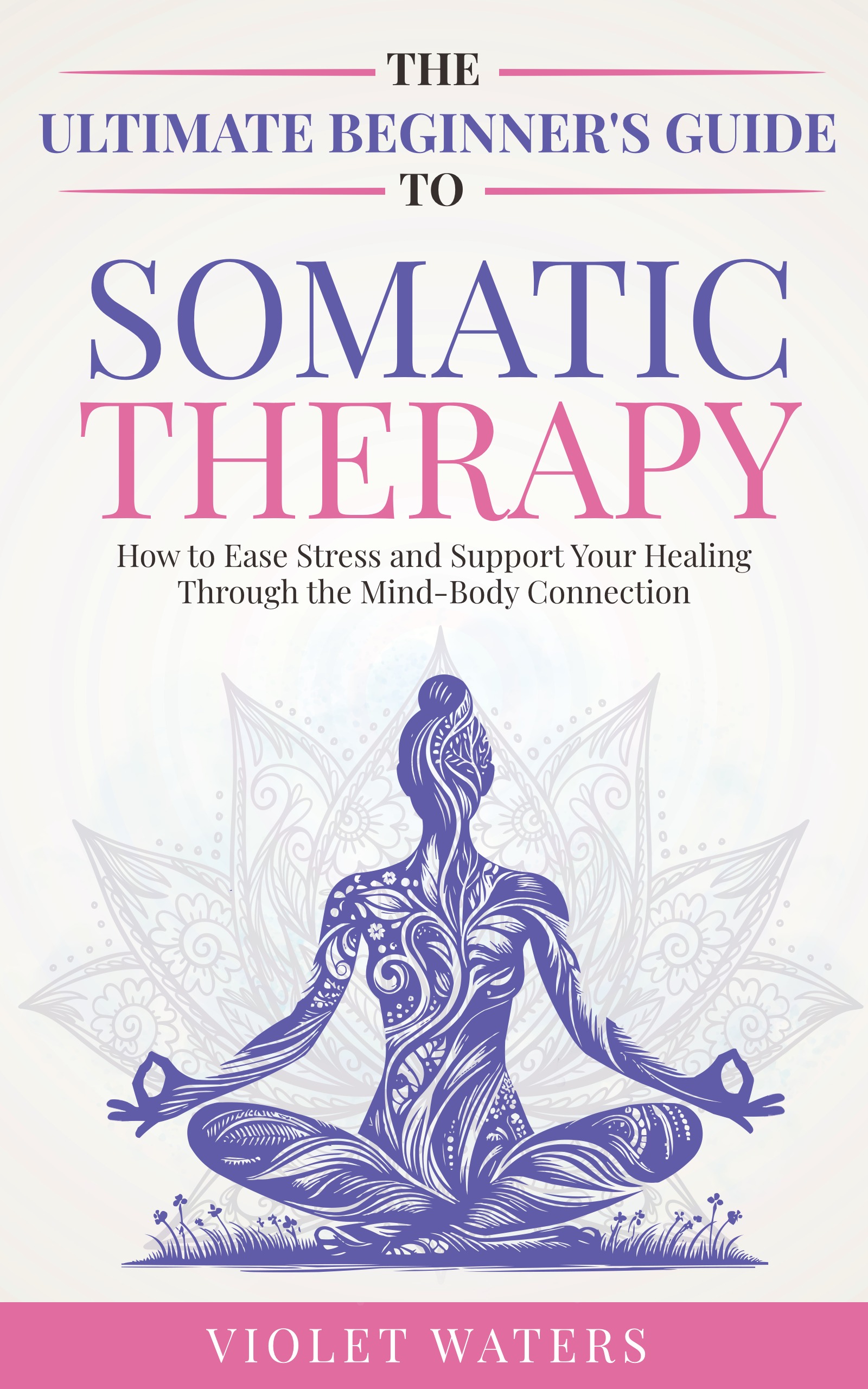
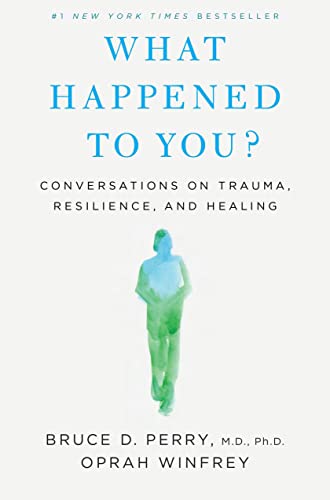
What Happened to You?
Bruce D. Perry, M.D., PhD & Oprah Winfrey
A conversational introduction to how early experience shapes us — reframing 'what's wrong with you' into 'what happened to you.'
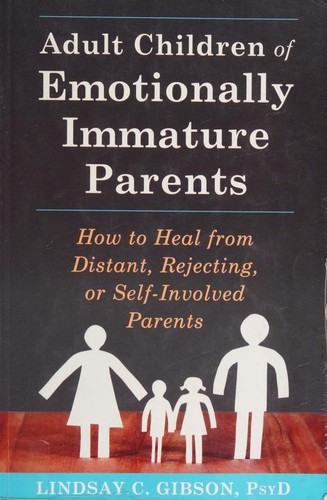
Adult Children of Emotionally Immature Parents
Lindsay C. Gibson, PsyD
A gentle, practical guide to understanding relationships with emotionally distant parents and reclaiming your inner life.
As an Amazon Associate, Clarity House Press earns from qualifying purchases. Your price is never affected.
Found this helpful?
Share it with someone who might need it.
Tags
About the Author

Clarity House Press
Editorial Team
The editorial team at Clarity House Press curates and publishes evidence-based content on narcissistic abuse recovery, high-conflict divorce, and healing. Our content is informed by research, survivor experiences, and established trauma-informed approaches.
View all posts by Clarity House Press →Published by Clarity House Press Editorial Team