Please read our important disclaimers before using this content
If you're reading this, you're likely searching for concrete tools to regulate a nervous system that feels chronically dysregulated. Cold water exposure has emerged as a powerful intervention for nervous system regulation—but for trauma survivors, implementation requires careful attention to safety, contraindications, and progressive protocols.
This isn't wellness industry hype—it's practical guidance drawn from clinical research, polyvagal theory, and the lived experiences of trauma survivors who've used cold exposure as part of their recovery toolkit.
Understanding the Challenge
Complex trauma creates chronic nervous system dysregulation. Your body stays locked in survival states—hypervigilance, shutdown, or oscillating between the two. Traditional talk therapy helps, but sometimes you need bottom-up interventions that work directly with your physiology. Understanding your window of tolerance is essential context before beginning any physiological regulation practice like cold exposure.
What you're experiencing isn't weakness or dysfunction—it's your autonomic nervous system stuck in protective patterns that no longer serve you. Cold water exposure can interrupt these patterns by activating specific physiological pathways, but only when implemented safely and progressively.
Key Concepts
How Cold Water Affects Your Nervous System
According to polyvagal theory (a clinical framework under ongoing scientific revision), cold water exposure impacts the nervous system through multiple mechanisms[^3]:
Initial Sympathetic Activation:
- Cold shock response triggers immediate fight-or-flight activation1
- Gasp reflex, rapid heart rate increase, blood pressure spike
- Adrenaline and noradrenaline release
- This phase lasts 30-90 seconds
Subsequent Parasympathetic Response:
- Diving reflex activates (mammalian adaptation to cold water)2
- Heart rate decreases despite continued cold exposure
- Vagal tone increases
- Shift toward ventral vagal (social engagement) state possible
Longer-Term Adaptations (with consistent practice):
- Increased vagal tone baseline3
- Improved heart rate variability (HRV)4
- Enhanced stress resilience
- Greater capacity to regulate autonomic responses
The Three Nervous System States
Understanding your nervous system helps you use cold exposure effectively:
- Ventral vagal (safe and social): Connected, present, regulated
- Sympathetic (mobilized): Fight or flight activation, hyperarousal
- Dorsal vagal (immobilized): Freeze, shutdown, collapse, dissociation
Cold exposure works best when: You're in mild sympathetic activation or ventral vagal state and want to build regulatory capacity.
Cold exposure may be harmful when: You're already in dorsal vagal shutdown/freeze—the shock could deepen dissociation5.
Practical Strategies
Critical Safety Protocols (READ BEFORE ATTEMPTING)
Medical Clearance Required If You Have:
- Cardiovascular conditions (arrhythmias, heart disease, history of heart attack)
- Hypertension or hypotension
- Raynaud's syndrome or cold-induced vasospasm
- Neuropathy or nerve damage
- Diabetes with circulation complications
- Taking medications affecting heart rate, blood pressure, or temperature regulation
- Pregnancy
- History of cold urticaria (allergic reaction to cold)
Trauma-Specific Contraindications:
- Currently in freeze/shutdown state (dorsal vagal dominance)
- Severe dissociative disorders without therapeutic support
- Active suicidal ideation
- Within 6 months of severe trauma without stabilization work
DO NOT attempt cold exposure without medical clearance if any of the above apply.
Progressive Approach for Beginners
Cold water exposure should be approached very gradually. A trained practitioner or your physician can help you determine safe parameters based on your health profile.
General progression (adapt with professional guidance):
- Face immersion: Begin with brief face immersion in cold water. This activates the diving reflex with minimal shock. The trigeminocardiac reflex slows heart rate safely.
- Cold shower finisher: After your normal warm shower, briefly turn the water to cold on your arms and legs only. Exit if you feel panicked, dizzy, or numb.
- Full cold shower: Gradually extend cold shower duration over weeks, focusing on controlled breathing.
- Ice bath (optional advanced practice): Only after months of consistent practice with the steps above. Keep head above water. Exit immediately if shivering becomes violent or you feel confused.
At every stage, prioritize your body's signals over any external protocol. There is no timeline you need to follow.
Trauma-Informed Implementation
Before Each Session:
- Check in with your nervous system state (use body scan)
- If in shutdown/freeze, skip cold exposure—do gentle movement instead
- Set a clear intention: "I'm building my capacity to regulate"
- Have a warm towel and comfortable clothes ready
During Cold Exposure:
- Maintain conscious breathing (this is the practice)
- Notice the urge to escape without immediately acting on it
- Observe sensations: "My skin is cold. My heart is racing. I am safe."
- If panic overwhelms, exit immediately—there's no shame in stopping
After Each Session:
- Warm up gradually (warm clothes, gentle movement)
- Journal: What did you notice? What was hardest? When did resistance ease?
- Celebrate: You just trained your nervous system to stay present through discomfort
Integration with Therapy
Cold exposure is not a replacement for trauma therapy—it's a complementary tool. Best outcomes occur when combined with:
- Somatic Experiencing (SE)
- EMDR for trauma processing
- Polyvagal-informed therapy
- Mindfulness-based interventions
- Body-based practices (yoga, qi gong, dance)
Tell your therapist you're exploring cold exposure. They can help you:
- Identify when you're in freeze vs. sympathetic activation
- Process intense emotions that may surface
- Integrate the practice into your broader recovery plan
Common Obstacles
Why This Is Hard
The initial shock is real: Your body interprets cold as threat. The first 60-90 seconds are genuinely uncomfortable. This is the point—you're training your nervous system to tolerate discomfort without dysregulation.
Trauma responses will surface: Cold exposure may trigger memories, panic, or the urge to flee. This doesn't mean you're doing it wrong—it means old protective patterns are being activated in a safe context where you can practice staying present.
Inconsistent access: Not everyone has consistent access to ice, bathtubs, or private shower time. Face immersion with a bowl of ice water is the most accessible starting point.
Physical limitations: Some bodies can't tolerate cold exposure safely. If you have contraindications, focus on other vagal stimulation techniques (humming, singing, gentle yoga, breathwork).
Common Pitfalls to Avoid
- Starting too extreme: Don't jump into ice baths. Progressive adaptation prevents re-traumatization.
- Forcing through freeze: If you dissociate or freeze during exposure, stop. Cold exposure during dorsal vagal shutdown can deepen the pattern.
- Skipping warm-up/cool-down: Grounding before and gentle re-warming after prevent shock.
- Comparing your tolerance: Your nervous system's baseline is unique. Someone else's 5-minute ice bath doesn't invalidate your 30-second cold shower.
- Using cold exposure to punish yourself: This is a regulation practice, not penance. If it feels like self-harm, pause and consult your therapist.
Real-World Examples
Maria's experience: After years of childhood emotional neglect, Maria lived in chronic freeze. Her therapist suggested face immersion in ice water when she felt numb and dissociated. The shock brought her back to her body. Over six months, she progressed to cold showers, using the practice to interrupt dissociative episodes. "It's like hitting a reset button when my system goes offline."
James's pattern: James's nervous system oscillated between rage and shutdown. Cold showers became his morning practice—a way to build distress tolerance before the day began. "The first minute still sucks. But watching myself stay present through discomfort showed me I could handle other hard things too."
Contraindication example - Lisa: Lisa has Raynaud's syndrome and a history of cardiac arrhythmia. Cold exposure isn't safe for her physiology. Instead, she uses vagal stimulation through singing, humming, and gentle yoga. "I don't need ice baths to heal. There are multiple paths to regulation."
Key Takeaways
- Cold water exposure activates the diving reflex and may increase vagal tone, supporting nervous system regulation in trauma recovery
- Safety first: Medical clearance required for cardiovascular conditions, hypertension, Raynaud's, neuropathy, or medication interactions
- Progressive protocols: Start with face immersion, advance slowly to cold showers, ice baths only after months of practice
- Trauma-informed approach: Never force through freeze states; cold exposure works best in mild sympathetic or ventral vagal states
- Polyvagal framework: Cold initially triggers sympathetic activation (30-90 seconds) before parasympathetic response can emerge
- Not a standalone intervention: Most effective when combined with trauma therapy, somatic experiencing, and comprehensive recovery plan
- Physical accessibility matters: If contraindications exist, other vagal stimulation methods (humming, singing, breathwork) are equally valid
Your Next Steps
-
This week: Review contraindications with your doctor. Get medical clearance if you have any cardiovascular, circulatory, or autonomic conditions.
-
Week 1: Try brief face immersion in cold water 2-3 times. Notice your physical and emotional responses. Journal what you observe.
-
Weeks 2-4: Add a brief cold water finisher to your shower. Focus on breathing through the discomfort. Track whether you notice shifts in your baseline nervous system state.
-
Months 2-3: If face immersion and cold showers feel manageable, consider progressing to longer cold showers with guidance from your practitioner. Continue journaling patterns.
-
Ongoing: Discuss your experience with your therapist. Integrate cold exposure as one tool among many in your regulation toolkit—not a replacement for trauma processing.
Additional Resources
- Research: "The Wim Hof Method" by Wim Hof; "What Doesn't Kill Us" by Scott Carney (popular science on cold adaptation)
- Polyvagal Theory: "The Polyvagal Theory" by Stephen Porges; "Polyvagal Exercises for Safety and Connection" by Deb Dana
- Trauma-informed cold exposure: Discuss with therapists trained in Somatic Experiencing, Sensorimotor Psychotherapy, or polyvagal-informed approaches
- Contraindication assessment: Consult cardiologist, primary care physician, or physiatrist before beginning cold exposure if you have medical conditions
- Alternative vagal stimulation: If cold exposure isn't safe for you, explore breath work for trauma recovery, humming, singing, gargling, gentle yoga, or breathwork with extended exhales
Medical Disclaimer: This article is for educational purposes only and does not constitute medical advice. Cold water exposure carries risks, including cardiac events, dangerous blood pressure changes, and hypothermia. Always consult with a qualified healthcare provider before beginning any cold exposure practice, especially if you have cardiovascular, circulatory, neurological, or autonomic conditions, or are taking medications. The author and publisher assume no liability for adverse effects resulting from use of this information.
Resources
Cold Water Therapy Programs and Apps:
- Wim Hof Method App - Guided cold exposure training with breathing exercises
- Polar Plunge Challenge - Organized cold water events for charity
- Cold Water Swimming Community - Cold water swimming resources and safety guides
- The Ice Bath App - Track cold exposure sessions and progress
Medical Safety and Research:
- American Heart Association - Cold Water Safety - Cardiovascular risks and precautions
- National Center for Cold Water Safety - Cold water immersion risks and education
- PubMed - Cold Water Therapy Research - Scientific studies on cold exposure
- Mayo Clinic - Cold Water Safety - Medical guidance on cold water exposure
Books and Educational Resources:
- The Wim Hof Method by Wim Hof - Cold exposure and breathing techniques
- What Doesn't Kill Us by Scott Carney - Cold exposure and human adaptation
- National Domestic Violence Hotline - 1-800-799-7233 (trauma recovery resources)
- SAMHSA Helpline - 1-800-662-4357 (mental health treatment referrals)
References
-
Buijze, G. A., Sierevelt, I. N., van der Heijden, B. C., et al. (2016). The effect of cold showering on health and work: A randomized controlled trial. PLOS ONE, 11(9), e0161749. https://doi.org/10.1371/journal.pone.0161749
-
Dana, D. (2018). The Polyvagal Theory in Therapy: Engaging the Rhythm of Regulation. W.W. Norton & Company.
-
Galvez-Rodriguez, C. et al. (2025). Cold water immersion and heart rate variability recovery after exercise. Physiotherapy Research International, 30(2). https://pubmed.ncbi.nlm.nih.gov/39918163/
-
Keatinge, W. R., & Harman, M. J. (1989). Symptoms of unintentional hypothermia in water and afterdrop. Journal of Applied Physiology, 67(4), 1680-1688. https://journals.physiology.org/doi/full/10.1152/japplphysiol.01201.2005
-
Porges, S. W. (2011). The Polyvagal Theory: Neurophysiological Foundations of Emotions, Attachment, Communication, and Self-regulation. W.W. Norton & Company.
-
Ragazzoni, L., Leucci, E., Rossi, G., et al. (2023). Vagus activation by cold face test reduces acute psychosocial stress responses. Scientific Reports, 12, 23222. https://pmc.ncbi.nlm.nih.gov/articles/PMC9649023/
-
Tipton, M. J., Collier, N., Massey, H., et al. (2017). Cold water immersion: Kill or cure? Experimental Physiology, 102(11), 1335-1355. https://doi.org/10.1113/EP086283
References
- Buijze, G. A., Sierevelt, I. N., van der Heijden, B. C., et al. (2016). The effect of cold showering on health and work: A randomized controlled trial. PLOS ONE, 11(9), e0161749. https://doi.org/10.1371/journal.pone.0161749 ↩
- Galvez-Rodriguez, C. et al. (2025). Cold water immersion and heart rate variability recovery after exercise. Physiotherapy Research International, 30(2). Available at https://pubmed.ncbi.nlm.nih.gov/39918163/ ↩
- Porges, S. W. (2011). The Polyvagal Theory: Neurophysiological Foundations of Emotions, Attachment, Communication, and Self-regulation. W.W. Norton & Company. ↩
- Tipton, M. J., Collier, N., Massey, H., et al. (2017). Cold water immersion: Kill or cure? Experimental Physiology, 102(11), 1335-1355. https://doi.org/10.1113/EP086283 ↩
- Keatinge, W. R., & Harman, M. J. (1989). Symptoms of unintentional hypothermia in water and afterdrop. Journal of Applied Physiology, 67(4), 1680-1688. Available at https://journals.physiology.org/doi/full/10.1152/japplphysiol.01201.2005 ↩
- Richer, Zenkner, Küderle, Rohleder, & Eskofier (2022). Vagus activation by Cold Face Test reduces acute psychosocial stress responses.. Scientific reports. https://pmc.ncbi.nlm.nih.gov/articles/PMC9649023/ ↩
- Dana, D. (2018). The Polyvagal Theory in Therapy: Engaging the Rhythm of Regulation. W.W. Norton & Company. ↩
If You or Someone You Know Is Struggling
- 988 Suicide & Crisis Lifeline:Call or text 988 (24/7, free, confidential)
- Crisis Text Line:Text HOME to 741741
- National DV Hotline:1-800-799-7233
You are not alone. Help is available.
Recommended Reading
From Clarity House Press — plus trusted books for deeper understanding


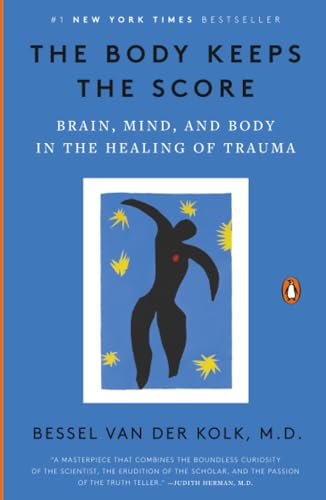
The Body Keeps the Score
Bessel van der Kolk, M.D.
A foundational look at how trauma reshapes the body and nervous system, and the approaches that help the body find safety again.
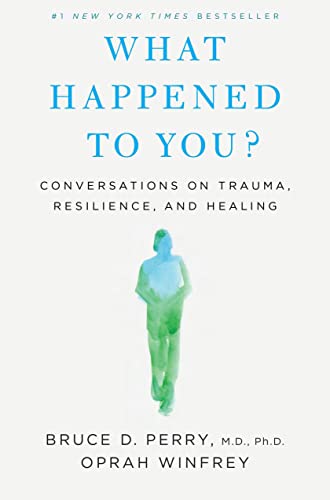
What Happened to You?
Bruce D. Perry, M.D., PhD & Oprah Winfrey
A conversational introduction to how early experience shapes us — reframing 'what's wrong with you' into 'what happened to you.'
As an Amazon Associate, Clarity House Press earns from qualifying purchases. Your price is never affected.
Found this helpful?
Share it with someone who might need it.
About the Author

Clarity House Press
Editorial Team
The editorial team at Clarity House Press curates and publishes evidence-based content on narcissistic abuse recovery, high-conflict divorce, and healing. Our content is informed by research, survivor experiences, and established trauma-informed approaches.
View all posts by Clarity House Press →Published by Clarity House Press Editorial Team