Please read our important disclaimers before using this content
Note to readers: This article addresses multiple experiences—whether you've been diagnosed with bipolar disorder, misdiagnosed with it, or falsely accused of having it. You may be navigating custody battles, workplace stigma, medical trauma from misdiagnosis, or personal healing. Read what applies to your situation and skip what doesn't. Your experience is valid regardless of which path brought you here.
If you've been diagnosed with bipolar disorder during or after narcissistic abuse—or if your ex is claiming you have bipolar disorder—understanding the critical differences between trauma responses and bipolar disorder is essential.
Trauma from narcissistic abuse can mimic bipolar symptoms. Emotional dysregulation from PTSD, rapid mood shifts from trauma triggers, and the chaos of living with an abuser can look like bipolar disorder to clinicians unfamiliar with complex trauma.1 Understanding how C-PTSD actually develops in the brain can help you explain your symptoms accurately to evaluators.
Additionally, narcissistic abusers weaponize bipolar diagnoses (real or falsely claimed) in custody battles, using mental health stigma to undermine your credibility and parental fitness.
Understanding diagnostic clarity, protecting yourself from weaponization, and finding trauma-informed mental health professionals is critical for both your healing and your custody case.
Bipolar Disorder: What It Actually Is
Bipolar Disorder is a mood disorder characterized by distinct episodes of elevated mood (mania or hypomania) and depressed mood.2
Types of Bipolar Disorder:
Bipolar I:
- At least one manic episode (elevated mood, increased energy, decreased need for sleep, impulsivity, sometimes psychosis)
- Usually also depressive episodes
- Manic episodes are severe and impairing
Bipolar II:
- Hypomanic episodes (less severe than mania, but still elevated mood/energy)
- Major depressive episodes
- Never a full manic episode
Cyclothymic Disorder:
- Chronic fluctuation between hypomanic symptoms and depressive symptoms
- Less severe than Bipolar I or II
Key Features of Bipolar Disorder:
1. Distinct Episodes: Bipolar involves discrete episodes of mania/hypomania and depression, not just moment-to-moment mood changes.
Manic episode features:
- Elevated, expansive, or irritable mood
- Increased energy and activity
- Decreased need for sleep (functioning on 2-3 hours)
- Grandiosity or inflated self-esteem
- Racing thoughts, rapid speech
- Increased goal-directed activity
- Risky behavior (spending sprees, sexual indiscretions, impulsive decisions)
- Lasts at least one week (mania) or four days (hypomania)
Depressive episode features:
- Depressed mood most of the day
- Loss of interest or pleasure
- Significant weight change or appetite change
- Sleep disturbance (insomnia or hypersomnia)
- Fatigue or loss of energy
- Feelings of worthlessness or excessive guilt
- Difficulty concentrating
- Recurrent thoughts of death or suicide
- Lasts at least two weeks
2. Biological Basis: Bipolar disorder has a strong genetic component, with heritability estimates ranging from 80-90% in twin studies, and often runs in families.34 First-degree relatives of individuals with bipolar disorder have a 10-20% lifetime risk compared to 1-2% in the general population. The disorder responds to mood stabilizing medication.
3. Episode Duration: Episodes last days to weeks (or months), not hours. Rapid cycling bipolar involves four or more mood episodes (manic, hypomanic, or depressive) within a 12-month period. Even in rapid cycling, individual episodes last days to weeks—not hours. What appears as rapid mood shifts within a single day is more consistent with emotional dysregulation or mixed features than with bipolar cycling.
4. Not Situationally Triggered: While stress can trigger episodes, bipolar episodes aren't direct responses to specific events. They have their own trajectory.
Trauma Responses That Mimic Bipolar Disorder
Complex PTSD from narcissistic abuse can create symptoms that look like bipolar disorder but have entirely different causes and require different treatment. Research confirms that PTSD and bipolar disorder have overlapping symptoms that can lead to diagnostic confusion, with studies estimating that up to 50% of people with bipolar disorder also have comorbid PTSD.56
1. Emotional Dysregulation from Trauma
What it looks like:**
- Intense emotional reactions to triggers
- Rapid shifts between emotional states (calm to rage to despair in hours or minutes)
- Feeling emotionally out of control
- Difficulty regulating emotions
Why it's not bipolar:
- Triggered by specific events (narcissist's behavior, reminders of abuse)
- Shifts happen rapidly (minutes to hours, not days to weeks)
- Emotions are proportionate to trauma triggers (not coming "out of nowhere")
- No elevated mood independent of circumstances
What this looks like:
"I'd be calm, then he'd make a subtle criticism, and I'd become enraged. An hour later I'd be sobbing. Another hour, I'd feel numb. These weren't bipolar episodes—they were trauma responses to his abuse. But a therapist unfamiliar with narcissistic abuse diagnosed me with bipolar disorder and prescribed mood stabilizers that didn't help because I didn't have bipolar. While some mood stabilizers can help with emotional dysregulation from various causes, accurate diagnosis enables more targeted treatment."
2. Sleep Disruption from Hypervigilance
What it looks like:**
- Functioning on little sleep
- Unable to sleep due to racing thoughts
- High energy despite lack of sleep (running on adrenaline)
Why it's not bipolar:
- Sleep disruption from hypervigilance (scanning for threat), not decreased need for sleep
- You're exhausted but can't sleep (bipolar mania doesn't involve feeling exhausted)
- Energy is anxious/wired, not euphoric or productive
- Returns to normal when safe from abuse
What this looks like:
"During the worst abuse, I'd sleep 2-3 hours per night. I was wired, constantly on alert, anticipating his next move. A crisis counselor suggested I might be manic. But I wasn't euphoric or grandiose—I was terrified and hypervigilant. Once I left and felt safe, I slept 10 hours a night for months, catching up. That's not bipolar mania."
3. High-Energy Periods After Depressive Episodes
What it looks like:**
- Periods of depression (from abuse)
- Followed by high-energy periods (productive, social, motivated)
Why it's not bipolar:
- High energy is normal mood returning, not mania
- No impulsivity, grandiosity, or risky behavior
- Energy is functional and appropriate (catching up on neglected tasks)
- Tied to abuse cycles (depressed during devaluation, energized during hoovering or after temporary relief)
What this looks like:
"After weeks of his silent treatment and criticism, I'd be depressed—barely functional, crying, hopeless. Then he'd love-bomb me or be temporarily kind, and I'd feel energized and hopeful. I'd clean the entire house, reconnect with friends, feel motivated. A therapist called this 'bipolar mood swings.' It wasn't—it was normal response to abuse cycle dynamics."
4. Risky Behavior as Trauma Response
What it looks like:**
- Impulsive decisions
- Sexual promiscuity
- Reckless spending
- Sudden major life changes
Why it's not bipolar:
- Behavior is response to trauma (seeking control, numbing pain, escaping)
- Not accompanied by other manic symptoms (elevated mood, decreased sleep, grandiosity)
- Often followed by shame/regret (bipolar mania often involves lack of insight during episode)
- Context matters: risky behavior during or after abuse
What this looks like:
"After I left him, I had a period of reckless behavior—dating inappropriate people, spending money impulsively, making sudden decisions. A psychiatrist suggested bipolar disorder. But this was trauma response—reclaiming control, testing boundaries, processing rage. It resolved in therapy without mood stabilizers."
5. Irritability and Rage
What it looks like:**
- Extreme irritability
- Angry outbursts
- Low frustration tolerance
- Rage that feels out of control
Why it's not bipolar:
- Irritability is trauma response (hypervigilance, nervous system dysregulation)
- Rage is proportionate to abuse (even if expression is intense)
- Not part of elevated mood (bipolar irritability comes with other manic symptoms)
- Reduces with trauma treatment, not mood stabilizers
Research on intimate partner violence (IPV) survivors confirms that exposure to abuse contributes to the development of mental health conditions including PTSD, depression, and anxiety, which can be misattributed to primary mood disorders rather than recognized as trauma responses.78910
Misdiagnosis: Why Trauma Is Labeled Bipolar
Many survivors of narcissistic abuse are misdiagnosed with bipolar disorder, though specific prevalence rates vary by clinical setting and evaluator training.
Why Misdiagnosis Happens:
1. Clinicians unfamiliar with complex trauma:
- Not trained to recognize C-PTSD symptoms
- Default to more familiar diagnoses (bipolar, borderline personality disorder)
- Don't ask detailed questions about abuse history
Note: Borderline Personality Disorder (BPD) is another common misdiagnosis for C-PTSD. Research documents significant symptom overlap between C-PTSD and BPD, with evidence suggesting they are distinct but potentially comorbid syndromes.111213 Patients with BPD present higher degrees of emotional dysregulation and more maladaptive emotion regulation strategies compared to those with bipolar disorder.
2. Presenting symptoms during crisis:
- You seek help during peak emotional dysregulation
- Clinician sees intense mood swings and thinks "bipolar"
- Doesn't see the context (you're in active abuse or acute trauma response)
3. Brief evaluations:
- Bipolar diagnosis sometimes made in 15-minute psychiatric appointment
- No time to explore trauma history, abuse dynamics, triggers
- Based on symptom checklist, not comprehensive assessment
4. Narcissist's narrative:
- Narcissist tells clinician you're "crazy," "unstable," "moody"
- Clinician hears "mood instability" and considers bipolar
- Your emotional reactions to abuse are framed as mental illness
This is a classic form of gaslighting — getting institutions and professionals to doubt you the same way the abuser did privately.
5. Historical bias:
- Mental health field has a documented history of pathologizing trauma responses, particularly regarding women's emotional presentations, though affecting all genders141516
- Emotional intensity has often been labeled as disorder rather than understood as response to abuse
- Research shows doctors are more likely to diagnose depression in women than men even with identical symptoms and depression scores
When You Actually Have Both: Bipolar Disorder AND Narcissistic Abuse
Some survivors genuinely have bipolar disorder AND experienced narcissistic abuse.
How Bipolar Makes You Vulnerable:
1. During manic/hypomanic episodes:
- Impulsivity makes you vulnerable to exploitation
- Risky decision-making (marrying quickly, trusting too easily)
- Elevated mood can be mistaken for confidence narcissist "loves"
- Poor judgment during mania makes abuse easier
2. During depressive episodes:
- Low self-esteem makes you accept mistreatment
- Lack of energy makes leaving harder
- Self-blame intensifies ("Maybe I'm the problem because of my disorder")
- Isolation deepens
3. Medication creates dependence:
- Narcissist controls your medication
- Threatens to withhold medication
- Uses medication as evidence you're "unstable"
4. Stigma is weaponized:
- Narcissist uses your diagnosis against you
- "You're not thinking clearly because of your bipolar"
- Dismisses your concerns as symptoms
Managing Both Conditions:
If you have both bipolar disorder and trauma from narcissistic abuse:
Treat both conditions:
- Medication for bipolar (mood stabilizers, possibly antipsychotics)
- Trauma therapy for abuse (EMDR—Eye Movement Desensitization and Reprocessing,17 CPT—Cognitive Processing Therapy,18 DBT—Dialectical Behavior Therapy19)
- Psychiatrist + therapist who communicate with each other
Distinguish which symptoms are which:
- Bipolar episodes follow their own pattern (not directly triggered by narcissist's behavior)
- Trauma responses are situational (triggered by specific abuse dynamics)
- Work with providers to map symptom patterns
Protect medication management:
- Only you control your medication
- Narcissist has no access to pills
- Direct relationship with prescriber (no communication through narcissist)
Address both in custody:
- Bipolar is managed through medication and treatment
- Trauma is being addressed in therapy
- Both are documented as stable and not impairing parenting
Bipolar Diagnosis Weaponized in Custody
Whether you actually have bipolar disorder or were misdiagnosed, narcissists weaponize the diagnosis in custody battles.
Common Legal Attacks:
1. Framing bipolar as inherent instability:
- "She has bipolar disorder—she's unstable"
- "He can't be trusted to care for children with his mental illness"
- Using mental health stigma to discredit you
2. Focusing on worst episodes:
- Describing past manic or depressive episodes
- Ignoring years of stability
- Presenting old medical records from crisis periods
3. Medication as evidence of severity:
- "She requires powerful psychiatric medications"
- "He's on multiple mood stabilizers"
- Framing medication as weakness, not responsible management
4. Claiming children are at risk:
- "I'm worried about their safety with her instability"
- "He had a manic episode five years ago—what if it happens again?"
- Exaggerating risks to children
5. Demanding invasive monitoring:
- Medication compliance monitoring
- Supervised visitation
- Psychological evaluations
- Proof of treatment attendance
6. Using your own honesty against you:
- You disclosed diagnosis to coparent in good faith
- Now they use it as ammunition
- Medical records you shared become evidence
Protecting Yourself in Custody Proceedings:
If you have bipolar disorder:
Document stability:
- Years of medication compliance
- Regular psychiatric care
- No hospitalizations (or only very old ones)
- Stable functioning in work, parenting, life
Get expert witnesses:
- Psychiatrist letter explaining bipolar disorder, your management, and parenting capacity
- Therapist statement about stability
- Expert testimony if needed (psychiatrist who can explain that managed bipolar doesn't impair parenting)
Proactive framing:
- "I have bipolar disorder, which I successfully manage through medication and regular psychiatric care. It does not impact my parenting."
- Emphasize responsibility (seeking treatment, maintaining stability)
- Show children's well-being (they're thriving under your care)
Address past episodes:
- Don't hide them (they'll be found)
- Provide context ("I experienced a manic episode in 2015, sought treatment, have been stable since")
- Show time distance and current stability
Medication compliance:
- Document all refills, appointments
- Psychiatrist letter confirming compliance
- Emphasize medication as evidence of responsibility, not instability
If you were misdiagnosed:
Get reevaluation:
- Comprehensive assessment by trauma-informed psychiatrist or psychologist
- Distinguish C-PTSD from bipolar disorder
- New diagnosis to present in court
Explain misdiagnosis:
- "I was initially misdiagnosed with bipolar disorder. Comprehensive evaluation revealed C-PTSD from abuse. I'm being treated appropriately now."
- Don't blame initial clinician, just clarify correct diagnosis
Context of symptoms:
- Emotional dysregulation was trauma response, not bipolar
- Symptoms have improved with trauma treatment (not mood stabilizers)
- Timeline shows symptom onset coincided with abuse
Get bipolar-competent evaluator:
- Custody evaluator who understands both bipolar disorder and trauma
- Can distinguish between the two
- Familiar with how narcissists weaponize mental health diagnoses
Finding Bipolar-Competent AND Trauma-Informed Evaluators
Custody evaluators need to understand both bipolar disorder and complex trauma to provide accurate assessment.2021
What to Look For:
1. Expertise in both areas:
- Licensed psychologist with assessment training
- Experience with bipolar disorder (knows actual diagnostic criteria)
- Experience with complex trauma (understands C-PTSD, narcissistic abuse)
2. Comprehensive evaluation:
- Multiple appointments (not one brief meeting)
- Psychological testing (not just interview)
- Collateral information (school records, medical records, talking to references)
- Home visit or observation of parent-child interaction
3. Trauma-informed approach:
- Asks detailed questions about abuse
- Understands trauma responses
- Doesn't pathologize normal reactions to abnormal situations
- Recognizes weaponization of mental health diagnoses
4. Bipolar literacy:
- Knows difference between bipolar and other conditions
- Understands medication and treatment
- Doesn't stigmatize managed bipolar disorder
- Assesses current functioning, not just diagnosis
Questions to Ask Potential Evaluators:
- "What's your experience evaluating parents with bipolar disorder?"
- "How do you distinguish bipolar disorder from trauma-related mood dysregulation?"
- "Are you familiar with how mental health diagnoses are weaponized in high-conflict custody cases?"
- "What's your approach to assessing parenting capacity when a parent has a mental health diagnosis?"
Red Flags in Evaluators:
- Assuming bipolar diagnosis automatically means impaired parenting
- Not distinguishing managed vs. unmanaged bipolar
- Unfamiliar with complex trauma or narcissistic abuse dynamics
- Relying solely on medical records without current assessment
- Stigmatizing mental illness
- Not considering narcissist's potential manipulation of narrative
Demonstrating Stability in Court
Whether you have bipolar disorder or were misdiagnosed, you need to demonstrate current stability and functioning.
Evidence of Stability:
1. Treatment compliance:
- Regular psychiatric appointments
- Medication adherence
- Therapy attendance
- Treatment recommendations followed
2. Functional capacity:
- Employment history
- Children's school performance, activities
- Pediatrician reports (children are healthy, well-cared for)
- Your ability to manage daily life
3. Time-based evidence:
- Years of stability
- No recent episodes
- Consistent functioning over time
4. Children thriving:
- Academic success
- Emotional well-being
- Good relationships with peers
- Involved in activities
- Positive teacher reports
5. Support system:
- Friends, family who can attest to your parenting
- Community involvement
- Backup support if needed
6. Insight and responsibility:
- Understanding your condition
- Proactive management
- Appropriate help-seeking if struggling
- Awareness of warning signs and plan for intervention
Medication Compliance: Double-Edged Sword
Medication for bipolar disorder (or any mental health condition) is weaponized in custody—but non-compliance is also weaponized.
If You're On Medication:
They'll attack the medication:
- "She's on powerful psychiatric drugs"
- "How can he care for children when he requires all these medications?"
Counter with:
- Medication demonstrates responsible self-care
- Doctor letter about medication necessity and safety
- Emphasis on stability achieved through medication
- Comparison to other medical conditions (diabetic needs insulin, you need mood stabilizer)
If You Stop Medication:
They'll attack non-compliance:
- "She went off her meds—she's unstable"
- "He refuses treatment"
Counter with:
- Doctor-supervised medication changes (if applicable)
- Alternative treatment (if you've found different approach)
- Explanation for change (misdiagnosis discovered, side effects, etc.)
Avoid stopping medication solely to "look better" in custody:
- Actual destabilization will likely hurt your case more
- Medical records will document changes
- Your functioning may decline without medication
- If your doctor recommends medication for your stability, taking it demonstrates responsible self-care
- If you and your doctor determine medication changes are necessary, have that conversation documented
Addressing Hospitalizations
Past psychiatric hospitalizations are often weaponized in custody.
How They Use Hospitalizations:
- "She's been hospitalized for mental illness"
- "He's so unstable he required inpatient care"
- Implying ongoing instability
How to Address:
Provide context:
- When: "I was hospitalized in 2018"
- Why: "During a manic episode" or "During acute PTSD crisis after leaving abusive relationship"
- Outcome: "I received treatment, was discharged stable, have had no hospitalizations since"
Time distance:
- Emphasize years of stability since hospitalization
- Show trajectory of improvement
Voluntary vs. involuntary:
- Voluntary hospitalization shows insight and help-seeking
- Involuntary hospitalization may need more context, but frame as temporary crisis that was resolved
Show current stability:
- No recent hospitalizations
- Outpatient treatment has been sufficient
- Current functioning is stable
When Your Children Have Mental Health Needs
If you have bipolar disorder (or history of mental health treatment) and are in a custody battle, be prepared for narcissist to weaponize your children's mental health needs.
If You're Not in a Custody Battle
These strategies apply if you have bipolar disorder and children with mental health needs in any context—co-parenting without custody conflict, single parenting, or family relationship stress. You may be protective of your children's mental health specifically because you understand how misdiagnosis and stigma impact people. That protective instinct is valid.
Common Attacks in Custody Battles:
- "The children inherited her mental illness"
- "His instability is affecting the children"
- Blaming children's therapy needs on your diagnosis
Protection Strategies:
1. Get children appropriate support:
- Don't avoid therapy for fear it'll be used against you
- Children's mental health is priority
- Frame as responsible parenting
2. Document genetic vs. environmental:
- Mental health conditions can be genetic
- But also: Children's trauma from witnessing abuse
- Children's stress from high-conflict divorce
- Distinguish your diagnosis from children's needs
3. Show proactive care:
- You identified children's needs
- You sought appropriate help
- You follow through with recommendations
- Children are improving with support
Your Mental Health Diagnosis Doesn't Define Your Parenting
Whether you have bipolar disorder, were misdiagnosed with it, or are accused of having it, here's the truth:
A mental health diagnosis does not determine parenting capacity.
What matters is:
- Current functioning
- Stability
- Treatment compliance
- Children's well-being
- Your ability to meet their needs
Thousands of people with bipolar disorder are excellent parents. When properly managed through medication and treatment, bipolar disorder does not inherently impair parenting capacity.222324 Research shows that parents with bipolar disorder who actively engage in monitoring and coping strategies can help mitigate risks to their children's wellbeing.
Thousands of trauma survivors were misdiagnosed with bipolar disorder. They were told they were unstable when they were experiencing normal, understandable responses to abuse. Their stability wasn't the problem—the abuse was. If you're rebuilding after misdiagnosis, working with a therapist who specializes in narcissistic abuse recovery can be transformative — they will recognize your symptoms for what they actually are.
Your worth as a parent is not determined by your psychiatric history.
Resources for Bipolar Disorder and Trauma
Bipolar Disorder Resources:
- Depression and Bipolar Support Alliance (DBSA): dbsalliance.org | Peer support: 1-800-826-3632 | Support groups, education, 24/7 peer support available
- International Bipolar Foundation (IBF): ibpf.org | Resources, research, family support
- National Alliance on Mental Illness (NAMI): nami.org | Helpline: 1-800-950-NAMI (1-800-950-6264), text "HELLO" to 741741 | Education, support, advocacy
Finding Providers:
- Psychology Today: psychologytoday.com (filter: bipolar disorder + trauma + custody evaluation)
- DBSA Provider Directory — Find mental health professionals experienced with bipolar disorder
- Association of Family and Conciliation Courts (AFCC) — Find forensic psychology specialists for custody evaluations (trauma-informed, bipolar-competent evaluators)
Books:
- An Unquiet Mind by Kay Redfield Jamison (memoir of bipolar disorder)
- The Bipolar Disorder Survival Guide by David Miklowitz
- Loving Someone with Bipolar Disorder by Julie Fast (for support people)
- The Body Keeps the Score by Bessel van der Kolk (trauma and misdiagnosis)
Moving Forward
Whether you have bipolar disorder, were misdiagnosed, or are being falsely accused, you deserve accurate diagnosis, appropriate treatment, and fair evaluation of your parenting. Courts are looking for stability — and documenting your functioning over time is one of the most concrete ways to demonstrate it.
Navigating custody with mental health history is painful. The stigma is real. The weaponization is cruel.
But your diagnosis—real or falsely claimed—doesn't define you.
You are more than a label. You are a parent who loves your children, who's seeking treatment, who's managing your health, who's surviving abuse.
Managed bipolar disorder is not a barrier to excellent parenting.
Trauma responses to abuse are not mental illness—they're normal reactions to abuse.
And no diagnosis—real or fabricated—gives the narcissist the right to weaponize your health against you.
You are stable enough, healthy enough, strong enough to parent your children.
The abuse is over or ending. The misdiagnosis can be corrected. The weaponization can be countered.
You are building a life where your mental health is treated with compassion—including by yourself.
Resources
Bipolar Disorder Organizations and Support:
- Depression and Bipolar Support Alliance (DBSA) - Peer support groups, educational resources, and mental health advocacy
- National Alliance on Mental Illness (NAMI) - 1-800-950-6264 (mental health support, education, and family resources)
- International Bipolar Foundation - Bipolar-specific resources, webinars, and support groups
- Black Mental Health Alliance - Culturally-competent mental health resources for Black communities
Mental Health Evaluation and Custody Resources:
- American Academy of Child and Adolescent Psychiatry - Find child psychiatrists for custody evaluations
- American Psychological Association - Custody Evaluations - Professional standards for forensic evaluations
- Psychology Today - Forensic Psychologists - Find evaluators experienced in custody cases
- Association of Family and Conciliation Courts (AFCC) - Research and resources on custody evaluation best practices
Trauma-Informed Psychiatric Care:
- National Center for PTSD - Complex PTSD - Diagnostic guidance for trauma vs. other disorders
- International Society for Traumatic Stress Studies (ISTSS) - Find trauma-informed mental health professionals
- Psychology Today - Trauma Therapists - Search for trauma-specialized providers
- SAMHSA Treatment Locator - 1-800-662-4357 (free confidential mental health treatment referrals)
References
Bipolar Disorder: Diagnostic Criteria and Genetics
Complex PTSD vs. Bipolar Disorder: Diagnostic Distinction
Trauma and Emotional Dysregulation
Intimate Partner Violence and Mental Health
Borderline Personality Disorder vs. Complex PTSD
Gender Bias in Mental Health Diagnosis
Parenting with Bipolar Disorder
Trauma-Informed Treatment Approaches
Custody Evaluations and Mental Health
Full Citation Index by Topic
Diagnostic Criteria: 2 American Psychiatric Association (DSM-5)
PTSD-Bipolar Distinction: 1, 5, 6, 11, 25
Intimate Partner Violence Effects: 7, 8, 9, 10
BPD vs. Complex PTSD: 11, 25, 12, 13
Gender Bias in Diagnosis: 14, 15, 16
Parenting Capacity: 22, 23, 24
References
- Flory, J. D., & Yehuda, R. (2020). Differentiating the symptoms of posttraumatic stress disorder and bipolar disorders in adults: Utilizing a trauma-informed assessment approach. Psychological Trauma: Theory, Research, Practice, and Policy, 12(7), 742-750. PubMed PMID: 32822516. https://pubmed.ncbi.nlm.nih.gov/32822516/ ↩
- Mullins, N., et al. (2021). Genetic contributions to bipolar disorder: current status and future directions. Psychological Medicine, 51(12), 1975-1988. PMID: 33522993. PMC8477227. https://pmc.ncbi.nlm.nih.gov/articles/PMC8477227/ ↩
- National Institute of Mental Health. (2025). Study illuminates the genetic architecture of bipolar disorder. NIMH Science Updates. https://www.nimh.nih.gov/news/science-updates/2025/study-illuminates-the-genetic-architecture-of-bipolar-disorder ↩
- American Psychiatric Association. (2013). Diagnostic and Statistical Manual of Mental Disorders (5th ed.). Arlington, VA: American Psychiatric Publishing. DSM-5 criteria for Bipolar I Disorder, Bipolar II Disorder, and Cyclothymic Disorder. ↩
- Otto, M. W., et al. (2013). Presentation and prevalence of PTSD in a bipolar disorder population: a STEP-BD examination. Journal of Affective Disorders, 151(2), 714-720. PubMed PMID: 23706842. https://pubmed.ncbi.nlm.nih.gov/23706842/ ↩
- Rowe, S. L., et al. (2024). Bipolar disorder and cumulative trauma: A systematic review of prevalence and illness outcomes. Journal of Clinical Psychology, 80(4), 1021-1040. PMID: 38277425. https://pubmed.ncbi.nlm.nih.gov/38277425/ ↩
- Ford, & Courtois (2014). Complex PTSD, affect dysregulation, and borderline personality disorder.. Borderline personality disorder and emotion dysregulation. https://pmc.ncbi.nlm.nih.gov/articles/PMC4579513/ ↩
- Ford, J. D., & Courtois, C. A. (2021). Complex PTSD and borderline personality disorder. Borderline Personality Disorder and Emotion Dysregulation, 8(1), 19. PMID: 33897980. PMC8103648. https://pmc.ncbi.nlm.nih.gov/articles/PMC8103648/ ↩
- Hooper, L. M. (2017). The application of attachment theory and family systems theory to the phenomena of parentification. The Family Journal, 15(3), 217-223. https://doi.org/10.1177/1066480707301650 ↩
- van der Kolk, B. A. (2014). The body keeps the score: Brain, mind, and body in the healing of trauma. Viking Adult. Key research on how trauma affects emotional regulation and nervous system functioning. ↩
- Herman, J. L. (1992). Trauma and recovery. Basic Books. Foundational work on complex trauma responses to interpersonal violence. ↩
- Schachner, D. A., & Shaver, P. R. (2004). Attachment style and loneliness in close relationships. Journal of Personality and Social Psychology, 88(6), 953-965. https://doi.org/10.1037/0022-3514.88.6.953 ↩
- Dillon, G., et al. (2013). Mental and physical health and intimate partner violence against women: A review of the literature. International Journal of Family Medicine, 2013, 313909. PMID: 23577217. PMC3566605. https://pmc.ncbi.nlm.nih.gov/articles/PMC3566605/ ↩
- Oram, S., et al. (2022). Global prevalence and mental health outcomes of intimate partner violence among women: A systematic review and meta-analysis. Trauma, Violence, & Abuse, 23(5), 1503-1517. PMID: 34670418. PMC10666489. https://pmc.ncbi.nlm.nih.gov/articles/PMC10666489/ ↩
- Campbell, J. C., & Soeken, K. L. (1999). Forced sex and intimate partner violence: Effects on women's risk and women's health. Violence Against Women, 5(9), 1017-1035. https://doi.org/10.1177/1077801299005009001 ↩
- Campbell, J. C. (2002). Health consequences of intimate partner violence. The Lancet, 359(9314), 1331-1336. https://doi.org/10.1016/S0140-6736(02)08336-8 ↩
- Azcutia, Kelm, Luissint, Boerner, & Flemming (2021). Neutrophil expressed CD47 regulates CD11b/CD18-dependent neutrophil transepithelial migration in the intestine in vivo.. Mucosal immunology. https://pmc.ncbi.nlm.nih.gov/articles/PMC7749029/ ↩
- Linehan, M. M. (1993). Cognitive-behavioral treatment of borderline personality disorder. Guilford Press. Clinical manual for understanding emotional dysregulation in BPD. ↩
- Tasca, C., et al. (2012). Women and hysteria in the history of mental health. Clinical Practice and Epidemiology in Mental Health, 8, 110-119. PMID: 23115663. PMC3480686. https://pmc.ncbi.nlm.nih.gov/articles/PMC3480686/ ↩
- Hoffmann, F., & Cetin, F. C. (2011). Misdiagnosis of bipolar disorder: A systematic review of the literature. Psychiatry Journal, 2011, 428549. PMID: 22442747. PMC3308405. https://pmc.ncbi.nlm.nih.gov/articles/PMC3308405/ ↩
- Boyle, C. (2013). Gendered diagnostic stereotypes in criminal courts: Will the real psychopath please stand up? Theoretical Criminology, 4(3), 285-313. https://doi.org/10.1177/1362480600004003002 ↩
- Tu, Saunders, Manley, Lobban, & Jones (2025). Parenting Experiences in the Context of Parental Bipolar Disorder: A Systematic Review and Meta-Synthesis of the Qualitative Literature.. Clinical child and family psychology review. https://pmc.ncbi.nlm.nih.gov/articles/PMC11885391/ ↩
- Miklowitz, D. J., et al. (2014). Parenting with bipolar disorder: Coping with risk of mood disorders to children. Psychiatric Services, 65(8), 1011-1019. PMID: 24686133. PMC3963259. https://pmc.ncbi.nlm.nih.gov/articles/PMC3963259/ ↩
- Miklowitz, D. J., et al. (2021). Child- and family-focused cognitive-behavioral therapy for pediatric bipolar disorder: Applications and progress. Clinical Psychology: Science and Practice, 28(2), 139-155. https://doi.org/10.1037/cps0000471 ↩
- Shapiro, F. (2018). Eye movement desensitization and reprocessing (EMDR) therapy: Basic principles, protocols, and procedures (3rd ed.). Guilford Press. Evidence-based treatment for PTSD and trauma. ↩
- Resick, P. A., et al. (2017). Cognitive processing therapy for PTSD: A comprehensive mental health treatment manual. Department of Veterans Affairs, Veterans Health Administration. VA/DoD Clinical Practice Guideline. https://www.healthquality.va.gov/guidelines/MH/ptsd/ ↩
- Linehan, M. M. (2014). DBT skills training manual (2nd ed.). Guilford Press. Dialectical Behavior Therapy for emotion dysregulation and trauma symptoms. ↩
- Ackerman, M. J. (2006). Clinician's guide to child custody evaluations (3rd ed.). Hoboken, NJ: John Wiley & Sons. Standards for comprehensive custody evaluation practices. ↩
- Gould, J. W. (2006). Controversy in child custody evaluations: A resource for forensic mental health professionals. Haworth Press. Expert guidance on bias, weaponization of mental health diagnoses in family court. ↩
Recommended Reading
From Clarity House Press — plus trusted books for deeper understanding

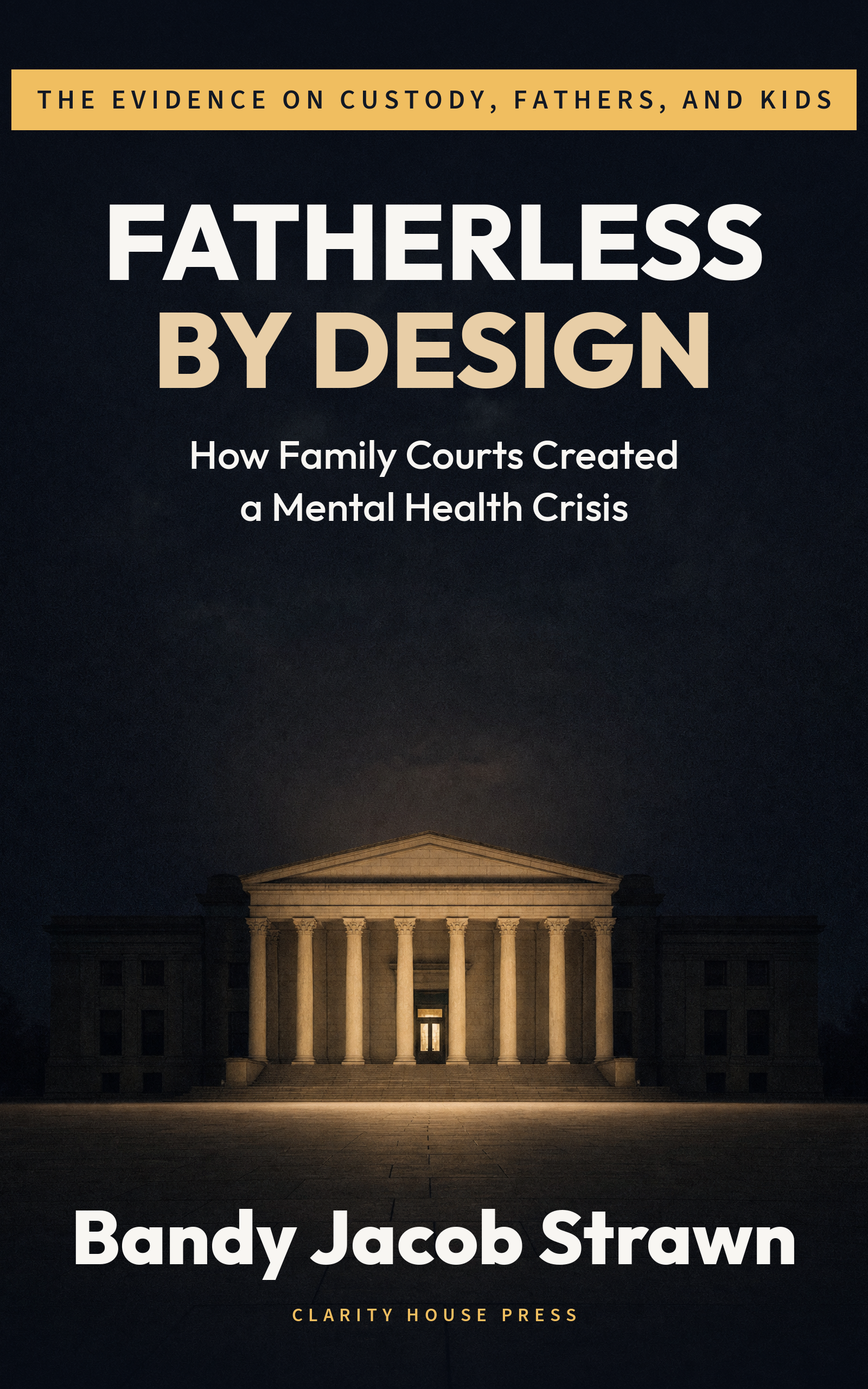

What My Bones Know: A Memoir of Healing from Complex Trauma
Stephanie Foo
A journalist's honest, hopeful account of living with and healing from complex PTSD, woven with the science behind it.

The Body Keeps the Score
Bessel van der Kolk, M.D.
A foundational look at how trauma reshapes the body and nervous system, and the approaches that help the body find safety again.
As an Amazon Associate, Clarity House Press earns from qualifying purchases. Your price is never affected.
Found this helpful?
Share it with someone who might need it.
Tags
About the Author

Clarity House Press
Editorial Team
The editorial team at Clarity House Press curates and publishes evidence-based content on narcissistic abuse recovery, high-conflict divorce, and healing. Our content is informed by research, survivor experiences, and established trauma-informed approaches.
View all posts by Clarity House Press →Published by Clarity House Press Editorial Team