Please read our important disclaimers before using this content
Something good happens—a beautiful sunset, a delicious meal, a kind gesture—and you cannot quite feel it. There is a flatness, a disconnect. Or you feel a moment of joy and immediately shut it down, waiting for the other shoe to drop, feeling guilty for experiencing pleasure when you "should" still be healing.
You have worked hard on processing trauma, regulating your nervous system, and building safety. But you are realizing that recovery is not just about reducing pain—it is about expanding capacity for joy, pleasure, and positive emotions that trauma shut down.
Learning to feel good again is its own work. Your nervous system, after years of survival mode, does not quite trust positive experiences. Joy feels dangerous. Pleasure feels like a trap. Delight feels forbidden.
But you deserve more than just the absence of pain. You deserve actual joy. And you can learn to feel it again.
Why Trauma Survivors Struggle with Joy
The difficulty experiencing positive emotions after abuse is common and has clear psychological and neurobiological explanations.
Survival Mode and Emotional Restriction
During chronic abuse, your nervous system prioritizes survival. It allocates resources to threat detection, hypervigilance, and survival responses. Positive emotions are luxuries that get pushed aside. This is directly tied to the hyperarousal and hypoarousal states that regulate how much capacity you have for any emotion.
What survival mode does to emotions:
- Dampens the intensity of all emotions to conserve energy
- Prioritizes vigilance over pleasure
- Keeps you in states of hyperarousal or numbing
- Narrows focus to immediate threats
- Makes positive emotions feel irrelevant or dangerous
When you emerge from survival mode, the neural pathways for pleasure may be underdeveloped or suppressed. You have to rebuild capacity that was sacrificed for survival.
Joy as a Vulnerability
For many survivors, experiencing joy became associated with danger:
Joy preceded punishment: Good moods were shattered by the narcissist's criticism, withdrawal, or rage. You learned that feeling good meant being set up for pain.
Happiness was punished: If you seemed happy, the narcissist might have felt threatened and attacked. You learned to hide positive emotions.
Joy was weaponized: The narcissist might have used your sources of joy as leverage—threatening to take away things you loved, sabotaging happy moments.
Result: Your nervous system learned to suppress joy preemptively. Better to not feel it than to have it destroyed.
Waiting for the Other Shoe
The cycle of abuse—idealization, devaluation, discard, hoover—created constant uncertainty. Good times always preceded bad times. You learned:
- Don't trust good feelings; they won't last
- Happiness is the setup before devastation
- The better things feel, the worse the crash will be
- Stay guarded to avoid the inevitable disappointment
Result: Even in safety, you can't relax into joy because you're braced for impact.
Anhedonia: The Inability to Feel Pleasure
Chronic stress can create anhedonia—a reduced ability to experience pleasure from activities that used to be enjoyable. This isn't a choice; it's a neurobiological state where the brain's reward systems are dampened. Research has demonstrated that chronic stress causes measurable changes in dopamine signaling and reward circuitry, leading to reduced pleasure response.
Signs of anhedonia:
- Activities that used to bring joy feel flat or meaningless
- Food doesn't taste as good
- Achievements feel empty
- Relationships feel disconnected
- Entertainment doesn't engage you
- Nothing sounds appealing
Anhedonia can be a symptom of depression, C-PTSD, or prolonged stress. If it's severe, professional help is important.
Guilt About Feeling Good
Many survivors feel guilty about joy:
- "I should be healing, not enjoying myself"
- "Others have it worse; I don't deserve pleasure"
- "How can I be happy when so much bad happened?"
- "Feeling good means I'm not taking the trauma seriously"
- "If I feel joy, maybe what happened wasn't that bad"
This guilt comes from:
- Internalized messages from the abuser about not deserving good things
- Survivor's guilt
- False belief that suffering proves trauma validity
- Confusion between acknowledging pain and perpetual suffering
Dissociation and Emotional Numbing
Trauma survivors often developed dissociation—disconnecting from experiences to survive overwhelming situations. This protective mechanism can persist:
- Emotions in general feel distant or muted
- You observe experiences rather than fully feeling them
- There's a glass wall between you and positive emotions
- You know you "should" feel happy but can't access the feeling
The Neuroscience of Pleasure After Trauma
Understanding the brain helps explain—and normalize—the difficulty with positive emotions.
The Reward System Under Stress
Your brain's reward circuitry (including dopamine pathways) can be affected by chronic stress and trauma:
- Dopamine systems may be suppressed
- The brain's "pleasure threshold" may be elevated (needing more stimulation to feel anything)
- Reward prediction may be disrupted (not anticipating pleasure)
- Connections between sensation and pleasure may be weakened
The Window of Tolerance
Trauma survivors often have a narrowed "window of tolerance"—the zone where they can experience emotions without becoming dysregulated. This connects directly to the hypervigilance in C-PTSD that keeps the nervous system stuck in threat-detection mode. When the window is narrow:
- Intense joy may push you outside your tolerance zone
- You might shut down positive emotions to stay regulated
- Only muted emotions feel safe
- Big feelings of any kind are threatening
Polyvagal Perspective
From a polyvagal theory perspective, feeling joy requires a sense of safety. According to polyvagal theory developed by Dr. Stephen Porges, the ventral vagal state—the social engagement, calm-and-connected state—is where we can fully experience positive emotions.
If you're stuck in:
- Sympathetic activation (fight/flight): You're too alert for danger to relax into joy
- Dorsal vagal (freeze/shutdown): You're too collapsed to access pleasure
Expanding joy capacity requires building ability to access and sustain the ventral vagal state.
Expanding Your Capacity for Joy
Rebuilding joy capacity is gradual work. You're literally rewiring neural pathways and teaching your nervous system new patterns.
Start Small: Micro-Pleasures
Don't try to feel ecstatic joy immediately. Start with tiny pleasures:
Sensory pleasures:
- The warmth of a mug in your hands
- The smell of fresh coffee or tea
- The feel of soft fabric
- The taste of a single good bite of food
- The sound of rain or music you like
Moment pleasures:
- A stranger's smile
- A text from a friend
- Finishing a small task
- The feeling after stretching
- A shaft of sunlight
Practice noticing these. Don't try to amplify them—just notice that they're happening. Build awareness of small positives.
The Savoring Practice
Savoring is deliberately extending and amplifying positive experiences:
Steps to savor:
- Notice something positive happening
- Pause and give it your attention
- Name it: "This is pleasant. This feels good."
- Extend it: Stay with the experience for 10-30 seconds longer than you naturally would
- Let it register: Allow the good feeling to sink in
Why this matters: Research on neuroplasticity and positive emotions suggests that negative experiences register quickly in the brain, but positive experiences need more time to consolidate into lasting neural changes. Savoring helps positive experiences "stick."
Grounding in the Present
Joy exists only in the present moment. If you're ruminating about the past or worrying about the future, you miss current positives.
Practices for presence:
- Mindfulness meditation
- Body scans
- Grounding exercises (5-4-3-2-1 senses)
- Breathing practices that bring you into now
When something good is happening:
- Notice where you are right now
- Notice what you're experiencing right now
- Let go (temporarily) of past and future
- Be here for this moment
Working with Joy Saboteurs
Notice what happens when joy arises:
Common saboteurs:
- "This won't last" (future-focused anxiety)
- "I don't deserve this" (guilt)
- "Something bad will happen now" (bracing)
- "This isn't really that good" (minimizing)
- "Other people have real problems" (comparison)
Practice:
- Notice the saboteur thought
- Name it: "There's the 'this won't last' thought"
- Acknowledge it without arguing: "I see you're trying to protect me from disappointment"
- Choose to stay with the joy anyway: "I'm going to feel this anyway"
- Return attention to the positive experience
Increasing Window of Tolerance for Joy
If intense positive emotions push you out of your window of tolerance:
Titrate: Feel small amounts of joy, then take a break. Gradually increase exposure.
Use grounding: When joy feels overwhelming, ground yourself while continuing to feel.
Pendulate: Move attention between the positive feeling and something neutral (body sensation, breath), then back.
Co-regulate: Experience joy with safe people who can help you stay regulated.
Permission and Worthiness
Give yourself permission:
- To feel good even though bad things happened
- To enjoy things even while also healing
- To have pleasure without earning it
- To experience joy without guilt
Challenge unworthiness beliefs:
- Where did you learn you don't deserve joy?
- Who said that? Was it your abuser?
- Is that voice true, or is it internalized abuse?
- What would you tell a friend who said they didn't deserve happiness?
Active Joy-Seeking
Once you've worked on receptivity to joy, actively seek it:
Rediscover old pleasures: What did you enjoy before the abuse or as a child? Can you explore those things again?
Try new things: New experiences create opportunities for unexpected pleasure.
Plan pleasurable activities: Don't wait for joy to happen. Schedule activities that might bring it—even if you don't feel motivated.
Create beauty: Make your environment more pleasant. Art, plants, music, color—small changes can invite positive feelings.
Connect with others: Much joy comes through connection. Allow yourself to enjoy people who are safe.
Specific Practices for Expanding Joy
The Joy Journal
Each day, record:
- Three small positives that happened
- One thing you noticed as pleasant
- One moment of connection
- Something you're grateful for
Not to perform gratitude, but to train attention toward noticing what's already there.
The Body Joy Inventory
Practice noticing what feels good in your body:
- What foods actually taste good (not just okay)?
- What physical sensations are pleasant?
- What textures, temperatures, movements feel good?
- When does your body feel most comfortable?
Build body awareness of positive sensation alongside the hypervigilance for threat.
The Anticipated Pleasure Practice
Research shows anticipation of pleasure activates similar brain regions as pleasure itself. Practice anticipating:
- Look forward to your morning coffee
- Plan something enjoyable and let yourself look forward to it
- Notice "I get to" opportunities (I get to see my friend, I get to watch that show)
The "Deposit" Practice
Trauma created a deficit of positive experiences. Consciously make deposits:
- End each day by "depositing" the best thing that happened
- When something good happens, tell yourself "I'm keeping this"
- Create a mental or physical collection of good moments
Joy and Grief: Not Opposites
An important truth: Joy and grief can coexist. Feeling pleasure doesn't mean betraying your pain. They're not opposites.
You can:
- Feel joy now AND still grieve what happened
- Enjoy something AND acknowledge loss
- Laugh AND still take your trauma seriously
- Have good days AND continue healing
Forcing yourself to stay in pain doesn't honor your suffering—it continues it. Allowing joy is part of recovery, not a betrayal of it.
When to Seek Professional Help
Inability to feel pleasure can be a symptom of clinical depression or other conditions that benefit from professional treatment.
Seek help if:
- Anhedonia is severe and persistent
- You're also experiencing other depression symptoms
- Inability to feel pleasure is affecting functioning
- You're having thoughts of self-harm
- Nothing helps and you feel stuck
Treatment options:
- Therapy (especially approaches addressing depression and trauma)
- Medication (antidepressants can help restore ability to feel pleasure)
- Specialized trauma treatment (EMDR, SE, IFS can address underlying causes)
Your Next Steps
This week:
- Practice noticing three small pleasures daily without trying to amplify them
- Try one savoring practice—extend a positive moment by 10 seconds
- Notice when joy-saboteur thoughts arise
- Give yourself permission: "I'm allowed to feel good"
This month:
- Keep a brief joy journal
- Rediscover one activity you used to enjoy
- Practice the "pendulation" technique during positive experiences
- Schedule one purely pleasurable activity
Long-term:
- Build a sustainable practice of noticing and savoring
- Gradually expand your window of tolerance for positive emotions
- Work with a therapist on underlying blocks to joy
- Create a life that includes regular sources of pleasure
Remember: You survived by shutting down. The parts of you that learned to suppress joy were protecting you. They're not broken—they're working exactly as they were designed to in dangerous circumstances.
But you're not in danger anymore. You can update the programming. You can teach your nervous system that good feelings are safe, that joy doesn't automatically precede pain, that you deserve pleasure simply because you're human.
Recovery isn't just about processing pain. It's about reclaiming your birthright to feel joy—to laugh, to delight, to savor, to experience the good that life offers.
That capacity is still in you. It's waiting to be remembered.
Resources
Books on Positive Psychology and Joy:
- Hardwiring Happiness by Rick Hanson - Neuroscience of building positive emotions after trauma
- Positivity by Barbara Fredrickson - Research on embracing positive emotions
- Flourish by Martin Seligman - Understanding well-being and happiness recovery
- Joyful by Ingrid Fetell Lee - Finding joy in everyday life after trauma
Trauma Recovery and Emotional Healing:
- The Body Keeps the Score by Bessel van der Kolk - Understanding trauma's impact on emotions
- In an Unspoken Voice by Peter Levine - Somatic approach to restoring positive emotions
- Psychology Today - Therapists - Filter for "positive psychology" and "trauma"
- Somatic Experiencing Trauma Institute - Body-based approaches to reclaiming joy
Crisis Support and Mental Health:
- 988 Suicide & Crisis Lifeline - Call or text 988 for immediate crisis support (24/7)
- Crisis Text Line - Text HOME to 741741 for crisis counseling
- SAMHSA National Helpline - 1-800-662-4357 (mental health treatment referrals)
- r/CPTSD - Reddit peer support community for complex trauma survivors
References
- Dana, Deb. The Polyvagal Theory in Therapy. W.W. Norton, 2018.
Anhedonia and Depression:
- National Institute of Mental Health resources on depression and anhedonia
- American Psychological Association resources on trauma and depression
Practices and Techniques:
- Greater Good Science Center at UC Berkeley (evidence-based happiness practices)
- Mindfulness-Based Stress Reduction (MBSR) resources
- Somatic Experiencing resources
Professional Support:
- Psychology Today therapist finder (filter for trauma, depression)
- EMDRIA (EMDR provider finder)
- IFS (Internal Family Systems) therapist directory
Crisis Resources:
- 988 Suicide and Crisis Lifeline: Call or text 988
- Crisis Text Line: Text HOME to 741741
- National Alliance on Mental Illness (NAMI): 1-800-950-NAMI
Important Note: If inability to feel pleasure is persistent, severe, or accompanied by other depression symptoms, please seek professional evaluation. Anhedonia is treatable with appropriate professional support.
Recommended Reading
From Clarity House Press — plus trusted books for deeper understanding
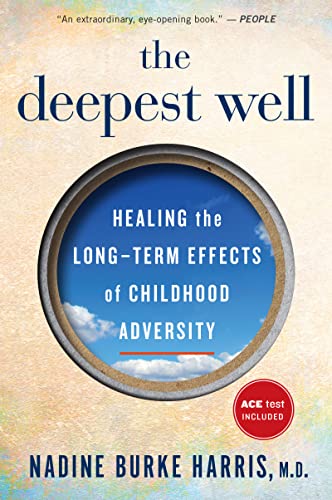
The Deepest Well
Nadine Burke Harris, M.D.
A pediatrician's clear explanation of how adverse childhood experiences affect lifelong health — and what recovery can look like.
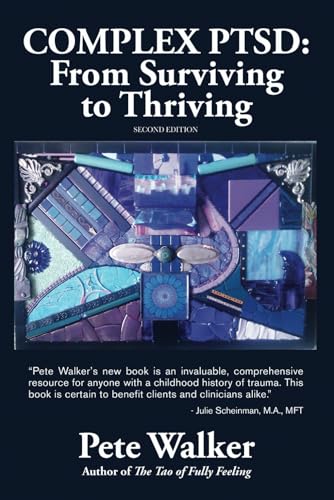
Complex PTSD: From Surviving to Thriving
Pete Walker
A clear, compassionate guide to recognizing and working with the lasting effects of prolonged childhood adversity.
As an Amazon Associate, Clarity House Press earns from qualifying purchases. Your price is never affected.
Found this helpful?
Share it with someone who might need it.
About the Author

Clarity House Press
Editorial Team
The editorial team at Clarity House Press curates and publishes evidence-based content on narcissistic abuse recovery, high-conflict divorce, and healing. Our content is informed by research, survivor experiences, and established trauma-informed approaches.
View all posts by Clarity House Press →Published by Clarity House Press Editorial Team